
Bulgaria or Greece: Which Beach Holiday Is Better?
Greece wins on islands and water clarity; Bulgaria wins on price and sandy resort beaches. Who each suits, real 2026 costs and flights from the UK.
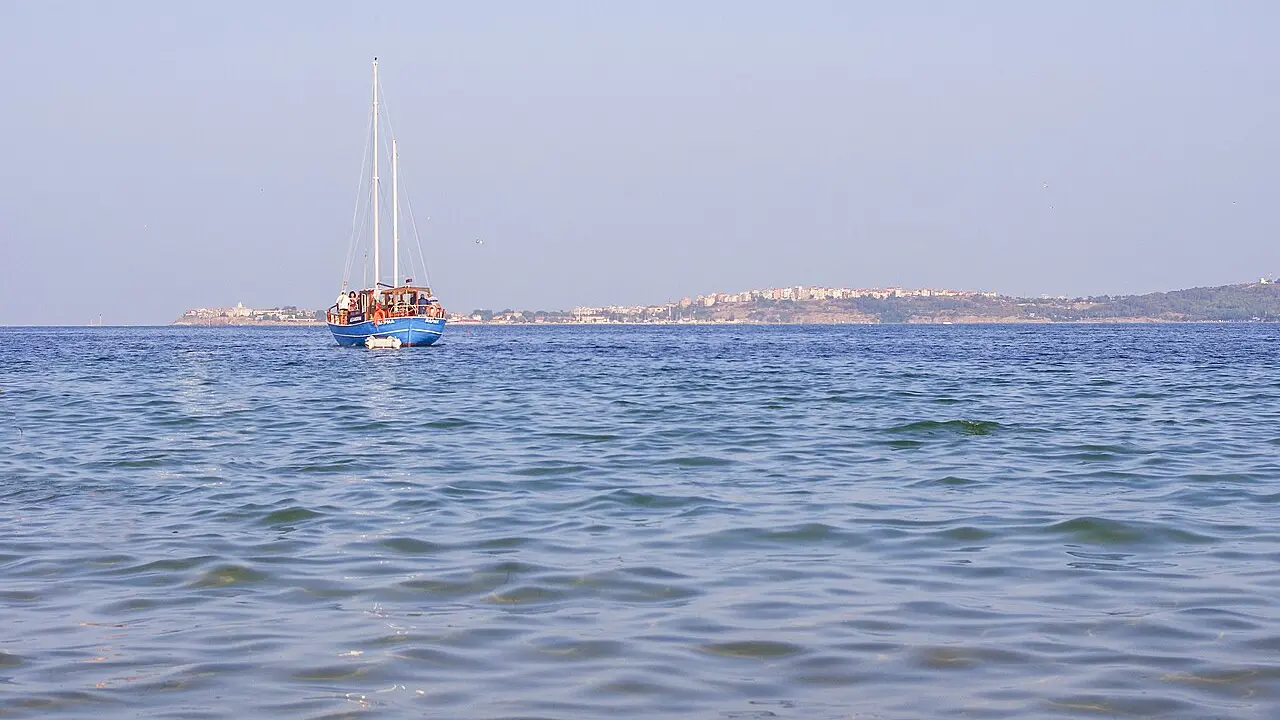
Greece is the better beach holiday when islands, clear Aegean water and village tavernas matter more than the bill; Bulgaria is the better pick when wide sandy beaches, warm shallow sea and the lowest prices in the EU on a single coast are the priority. Neither is a dud summer destination, but they’re not substitutes. Greece sells thousands of kilometres of coastline and hundreds of inhabited islands; Bulgaria sells one long Black Sea strip that’s excellent value and easy to package, without the ferry hops.
That split sounds blunt, and it should. Most “Bulgaria vs Greece” threads online compare a Bulgarian resort week with a week on Santorini, then act surprised Bulgaria costs less. Compare like with like - a resort week against a resort week, or an island loop against an island loop - and the trade-offs get sharper. Below: sand and sea, money, flights, mood, timing, then who should book which.
Sand, sea and what “beach” means in each country
Bulgaria’s entire beach offer sits on 378 km of Black Sea coast, with roughly 130 km of sandy beach on that stretch. The water runs warm and shallow in summer - coastal averages sit around 28°C air and 26°C water in July and August - which is why families with small kids keep coming back. Resorts like Sunny Beach, Golden Sands, Sozopol and Nessebar line up along one continuous shore, so switching bases doesn’t mean a flight change.
Greece plays a different game. The country has 13,676 km of coastline and, depending on how you count rocks and islets, thousands of islands, with well over a hundred inhabited year-round. Crete alone has more coastline than Bulgaria’s whole country. That scale means coves, cliff beaches, harbour swims and island-hopping are normal here in a way Bulgaria can’t copy.
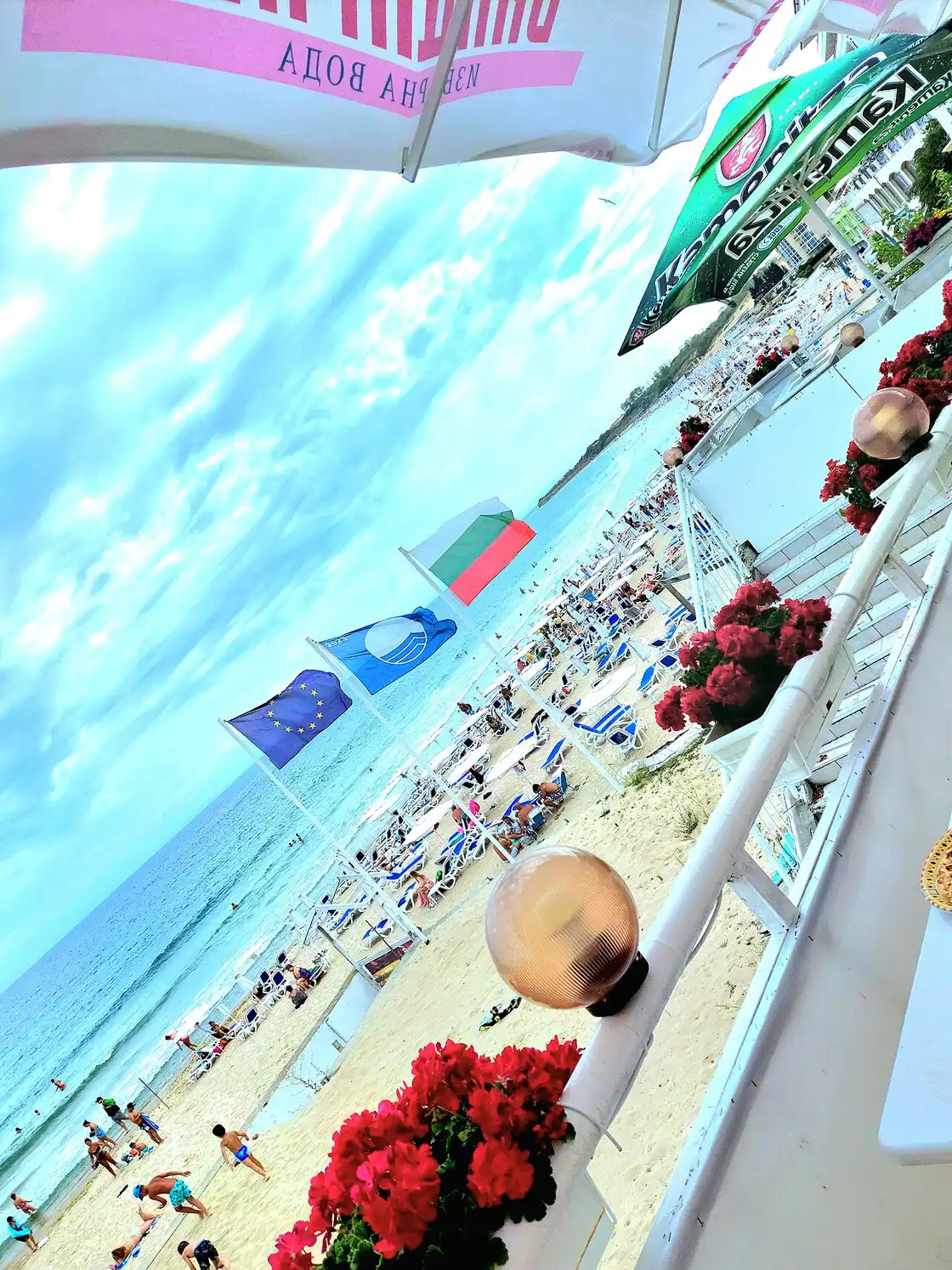
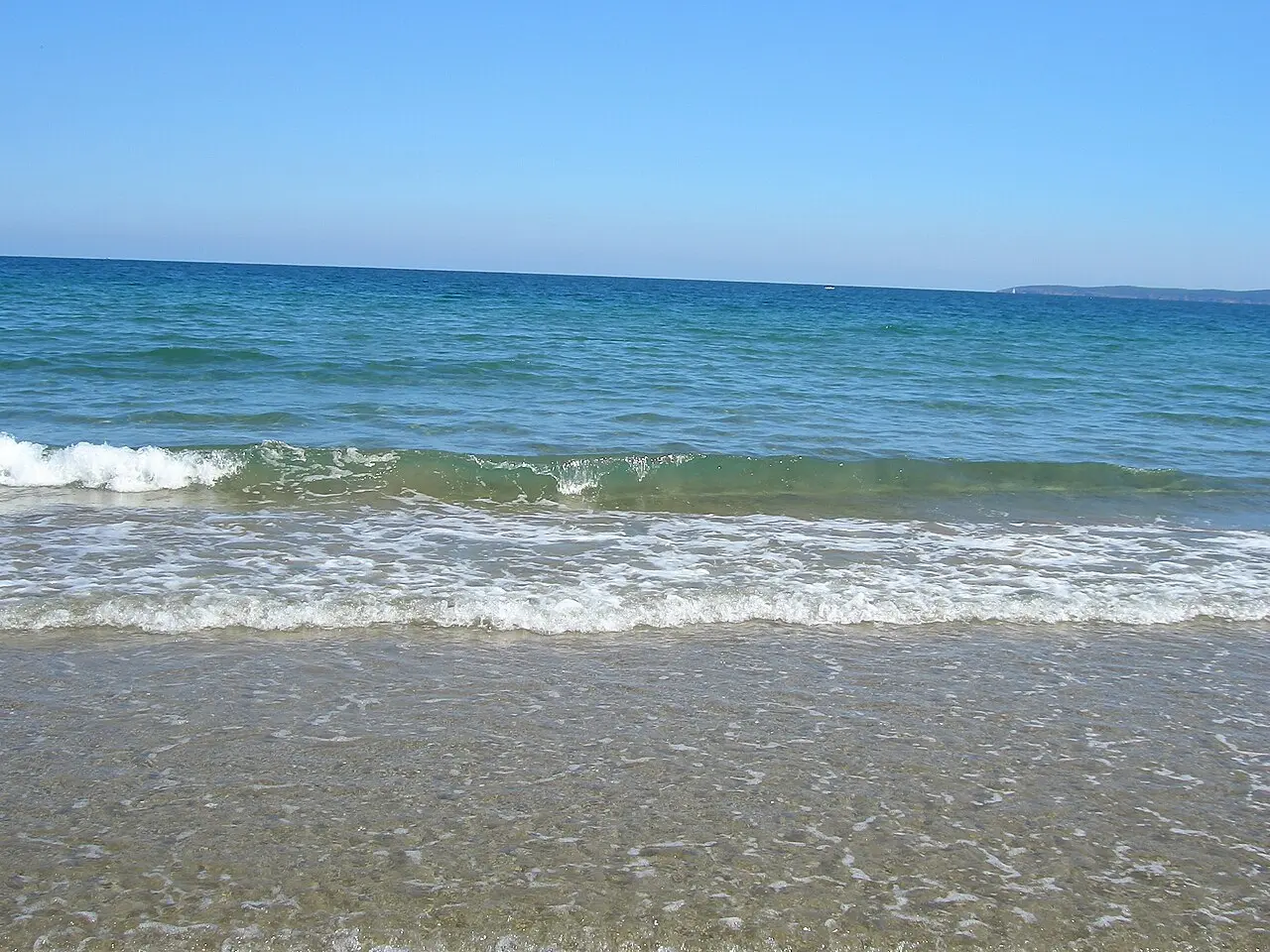
On water clarity and colour, Greece usually wins. The Aegean and Ionian seas are famously clear; the Black Sea is calmer and greener, and it’s not the Caribbean. Bulgaria makes up ground on sand width, gentle entry and price. You’ll not mistake Varna for Mykonos, but you’ll also not pay Mykonos prices for a sunbed.
What a week costs on the ground
Both countries use the euro (Bulgaria joined the eurozone on 1 January 2026 at a fixed 1.95583 leva to the euro). The gap isn’t the currency - it’s the price level underneath it.
Eurostat’s comparative price data tells the structural story, and it is worth getting the numbers right, because the internet routinely overstates them. On the 2024 figures - the latest Eurostat publishes - Bulgaria really does have the lowest price level in the EU: 59.7 against an EU average of 100 for household consumption, ahead of Romania at 63.7 and Poland at 72.2. Greece is not an expensive country by EU standards either. It sits at 86.0, some 14% below the EU average, not at it.
So the honest gap is Greece being roughly 44% pricier than Bulgaria at the general price level - large, but not the chasm you read about. Where it opens up is exactly where a beach holiday spends: on restaurants and hotels, Bulgaria sits at 53.2 and Greece at 86.4, so eating out and sleeping cost about 62% more in Greece. Beds, meals, drinks, sunbeds, taxis and airport transfers are where you will feel it; a supermarket basket much less so.
On the Bulgarian side, a comfortable mid-range coastal week often lands in the 60 to 100 euro per person per day band once hotels and eating out are included, with budget travellers doing less and peak Sunny Beach in August doing more. The full breakdown, with real meal and transport numbers, lives in Is Bulgaria expensive?.
Greece has cheap corners - mainland Halkidiki in June, Crete outside August - but the island premium is real. A low headline flight to Rhodes or Crete can turn expensive fast once you add ferry or domestic hop, island taxi, higher taverna prices and beach hire. Mykonos and Santorini in July aren’t comparable to any Bulgarian resort; they’re a separate budget category entirely. For a fair test, stack Bulgaria’s Black Sea resort week against Crete or Rhodes, not against the Cyclades poster shots.
| Cost line | Bulgaria (Black Sea week) | Greece (typical island/mainland week) |
|---|---|---|
| EU price level, household consumption (Eurostat 2024, EU=100) | 59.7 - lowest in the EU | 86.0 - below the EU average, not at it |
| Restaurants and hotels price level (Eurostat 2024, EU=100) | 53.2 | 86.4 |
| Mid-range daily spend | Often 60-100 EUR | Often 100-160 EUR once island extras count |
| Sunbeds (typical resort) | Commonly ~8 EUR for two loungers + umbrella | Often 15-40+ EUR on popular islands; more on celebrity isles |
| Money hassle | All euro since Jan 2026 | Euro throughout |
| Hidden extras | Peak resort surcharges in August | Ferries, island buses, port transfers |
Getting there from Britain, Ireland and North America
Greece is easier to reach in volume. Jet2 alone flies to 15 Greek destinations in summer 2026, with 131 UK routes and more than 3.5 million seats on sale - a useful proxy for how dense the UK-Greece market is. Athens, Crete, Rhodes, Kos, Corfu and the islands are served from multiple British airports from spring through autumn.
Bulgaria’s coast is served through two seasonal airports: Burgas for the southern resorts (Sunny Beach, Nessebar, Sozopol) and Varna for the north (Golden Sands, Albena). Both run May-October style summer schedules from the UK and Europe via carriers like Wizz Air, Ryanair, easyJet and TUI. Outside that window, you’ll fly into Sofia and drive or connect - fine, but it’s not a beach-airport hop.
From North America you’ll almost always connect through a European hub to either country; Greece simply offers more daily seats and island onward flights once you’re in Europe. Bulgaria’s advantage is shorter ground time once you land at Burgas or Varna - you’re on the sand within an hour, not queuing for a ferry.
Resorts versus islands: the mood gap
Bulgaria’s Black Sea is resort coast: big sandy bays, all-inclusive blocks, water parks, strip bars and purpose-built tourism infrastructure. That’s not an insult - it’s the product. Sunny Beach is loud and cheap; Golden Sands is greener and family-weighted; Sozopol and Nessebar give you timber old towns attached to proper beaches. The ranked list of all twelve main resorts, with vibe and airport distances, is in Bulgaria’s Black Sea resorts ranked.
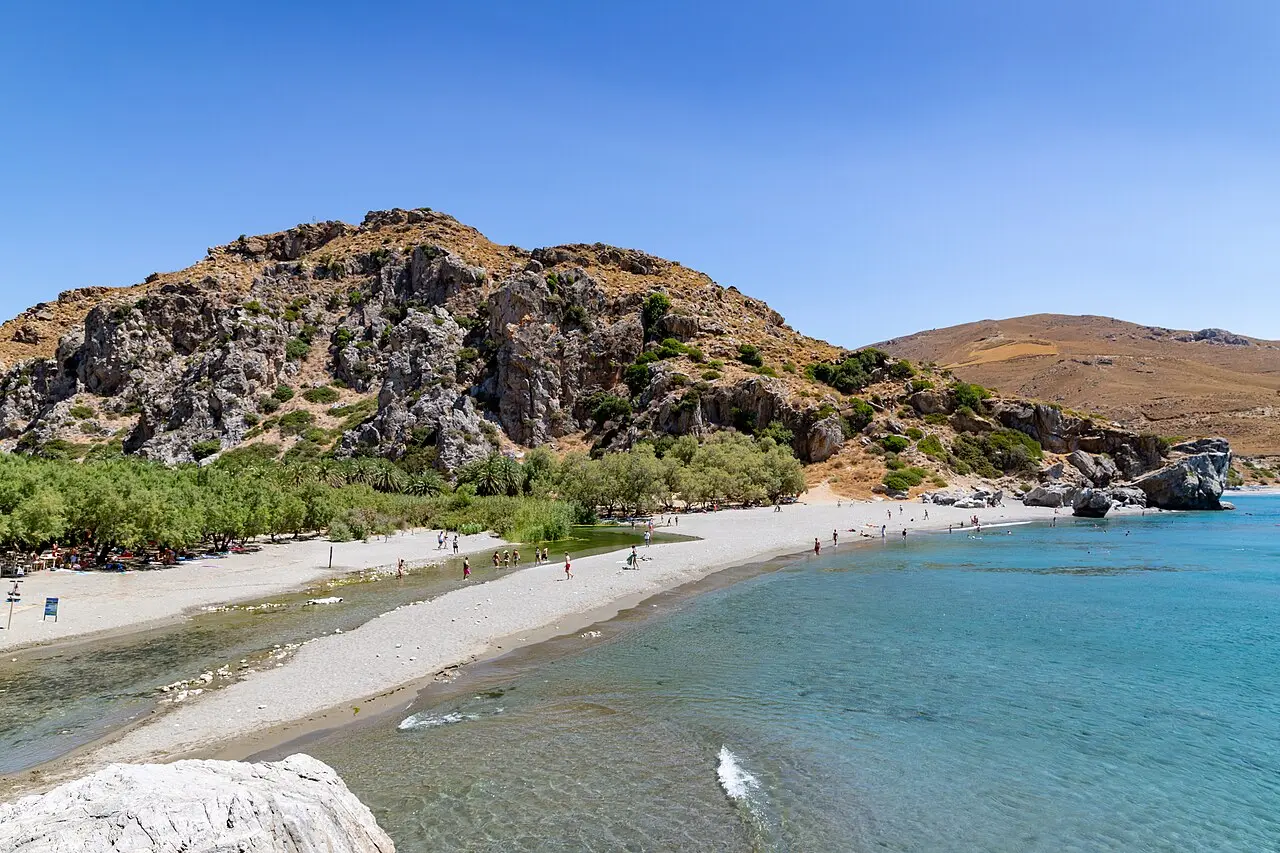
Greece sells island time: white villages, harbour dinners, caique boats, cliff paths and a different harbour each day if you’re hopping. Crete mixes both - resort strips like Malia and Rethymno plus mountain gorges and old towns. Santorini and Milos trade beaches for drama. Even mainland Greece (Pelion, Halkidiki) feels more village-led than Bulgaria’s high-rise strips.
Neither mood is “better” without knowing your group. Teenagers and party crowds often prefer Bulgaria’s centralised nightlife. Couples chasing sunset tavernas and boat days usually prefer Greece. Families with toddlers often love Bulgaria’s shallow sand; families with teenagers who want island exploration often lean Greek.
When to go and what you’ll share with everyone else
Both destinations peak in July and August: hottest water, highest prices, fullest beaches. June and September are the value sweet spot on the Bulgarian coast - warm sea, thinner crowds, softer hotel rates - and they work equally well on Greek islands that aren’t school-holiday mad.
Winters aren’t beach season in either country for mainstream tourism. Bulgaria’s coast shuts down sharply outside the May-October window; Greek islands empty too, aside from a few year-round hubs. If you’re fixed on August, book early in both places; if you can shift to late June or early September, you’ll get more beach per euro in Bulgaria and an easier table in Greece.
Pick Bulgaria when…
- Budget drives the trip. You’ll stretch a week further here than anywhere else in the EU on a like-for-like resort stay.
- You want sand and shallow swimming without island logistics. One airport, one coast, no ferry timetable.
- You’re travelling with kids or grandparents who need easy entry into warm water and flat resorts.
- Nightlife and all-inclusive packages matter. Sunny Beach and the big northern resorts are built for it.
- You’d like history with your sunbed. Nessebar’s old town and Sozopol’s peninsula are genuine bonuses, not theme-park fabric.
Pick Greece when…
- Island hopping is the point. Only Greece gives you that menu at this scale.
- Water clarity and classic Mediterranean scenery trump price. The Aegean look is what you’re paying for.
- Village evenings matter as much as the beach. Harbour tavernas and cliff towns are Greece’s core product.
- You fly from the UK and want maximum choice. More routes, more islands, more daily departures in peak summer.
- You’ve already done a cheap resort week and you’re ready to pay more for variety.
The booking call in one table
| Your trip | Book |
|---|---|
| Cheapest warm sea week in the EU | Bulgaria |
| Island hopping and harbour dinners | Greece |
| Family with small children, minimal hassle | Bulgaria |
| Couple chasing iconic Mediterranean views | Greece |
| Big nightlife on a budget | Bulgaria (Sunny Beach) |
| Crete or Rhodes - mid-range island, not celebrity isle | Draw - compare total price, not flight alone |
| Santorini/Mykonos fantasy | Greece - but budget accordingly |
Bulgaria wins the value beach holiday on sand, warmth and simplicity. Greece wins when the holiday is the islands themselves - the boats, the villages, the clarity of the water - and you’re happy to pay for that canvas. Plenty of travellers do Bulgaria first and Greece second; they’re neighbours, and the contrast makes each trip clearer.
Photos
Read also

Before you go · 11 min read
How Much Does a Bulgaria Ski Holiday Cost?
Verified · August 30, 2026A Bulgaria ski week usually lands around 770 to 1,170 EUR mid-range: lift pass, hire, bed, food and transfer from official 2025-26 tariffs.

Before you go · 9 min read
Day Trips from Sunny Beach: Nessebar & Beyond
Verified · August 28, 2026Day trips from Sunny Beach: Nessebar on the local bus, Sozopol via Burgas, Strandzha jeep days. Times, tickets and what fits in a day. 2026.

Before you go · 8 min read
Day Trips from Varna: Balchik, Kaliakra & Caves
Verified · August 26, 2026Day trips from Varna: Balchik Palace from €10, Cape Kaliakra cliffs, Aladzha rock monastery and Pobiti Kamani. Distances, buses and what fits in a day.

Before you go · 10 min read
Bulgaria with Kids: Beaches, Mountains & Fun Days
Verified · August 23, 2026Bulgaria family holiday guide 2026: kid-friendly beaches, water parks, ski kindergarten and city days, with real euro prices and where to base.