
Is Bulgaria Expensive? Trip Cost & Daily Budget 2026
No - Bulgaria is the cheapest country in the EU. Budget 30-45 euro a day backpacking, 60-100 mid-range, with real 2026 prices in euro.
No, Bulgaria isn’t expensive. It’s the cheapest country in the European Union for everyday spending, and even after joining the euro in January 2026 it stayed that way. A budget traveller gets by on roughly 30 to 45 euro a day, a comfortable mid-range trip runs about 60 to 100 euro a day, and only two things here ever feel pricey: a beach week at Sunny Beach in August, and a ski week in the peak of winter.
That’s the honest headline. The detail below is where the real money goes, what a day actually costs at each level, and the handful of places where Bulgaria stops being a bargain, so you can build a budget that survives contact with the country.
Torn between Bulgaria and Greece for sand and sun? Read Bulgaria vs Greece before you fix a budget here.
Currency converter
- EUR
- €89.25
- USD
- $100
- GBP
- £75.62
The short version
- Is it cheap? Yes, the cheapest in the EU. Eurostat put Bulgarian consumer prices at 60% of the EU average in 2024, the lowest of all 27 members, and roughly 37% below the average again in 2025.
- Backpacker: 30 to 45 euro a day on dorms, local grills and buses. Push to 50 to 70 if you want a private room or the coast in peak season.
- Mid-range: 60 to 100 euro a day for a decent hotel, restaurant meals and the odd taxi. True luxury still only tops out around 150 euro plus.
- Big meal out in Sofia for two, three courses, no drinks: about 50 euro. A no-frills lunch: 6 to 9 euro. Coffee: 2 to 3 euro. Half-litre of beer: 2 to 3 euro.
- Everything is in euro now, at a fixed 1.95583 leva to the euro, since 1 January 2026. Prices barely moved with the switch.
- Where it bites: Sunny Beach in July and August is the most expensive spot in the country, and the ski resorts spike in January and February.
Trip budget calculator
Estimated total for the trip, flights excluded
- EUR
- €840-1,400
- USD
- $941-1,569
- GBP
- £712-1,186
Just how cheap, in one number
If you want a single authoritative figure rather than a travel blogger’s guess, use Eurostat. Its annual comparison of price levels across Europe found that in 2024 Bulgaria had the lowest prices for household consumption in the entire EU, at 60% of the EU average - cheaper than Romania (64%) and Poland (72%), and less than half the price of Denmark (143%) or Ireland (138%). The 2025 update kept Bulgaria at the bottom, around 37% below the EU average overall.
That’s the whole answer in one line: your money goes further here than anywhere else in the bloc. It’s not uniform, though. Bulgaria is cheapest on the things that make up a trip - eating out, local transport, drinks, attractions and services - and closer to European norms on imported goods, electronics and international brands. Clothing, for instance, sits at about 79% of the EU average, far less of a saving than a restaurant bill. So you feel the value most when you live like a local: markets, grills, buses and small guesthouses, not when you shop for the same phone you would buy at home.
A backpacker day: 30 to 45 euro
On a shoestring, Bulgaria is one of the best-value countries in Europe, full stop. Sleep in hostel dorms, eat where Bulgarians eat, move by bus and metro, and lean on the many free sights, and 30 to 45 euro a day covers it. Here’s where that goes.
Bed: a hostel dorm runs about 10 to 18 euro inland and in the shoulder season, about 9 to 15 euro in Sofia - where the cheapest listings dip to around 5 - and 15 to 25 euro on the Black Sea coast or in a ski town in season. A private room in a small guesthouse is a step up but often still cheap.
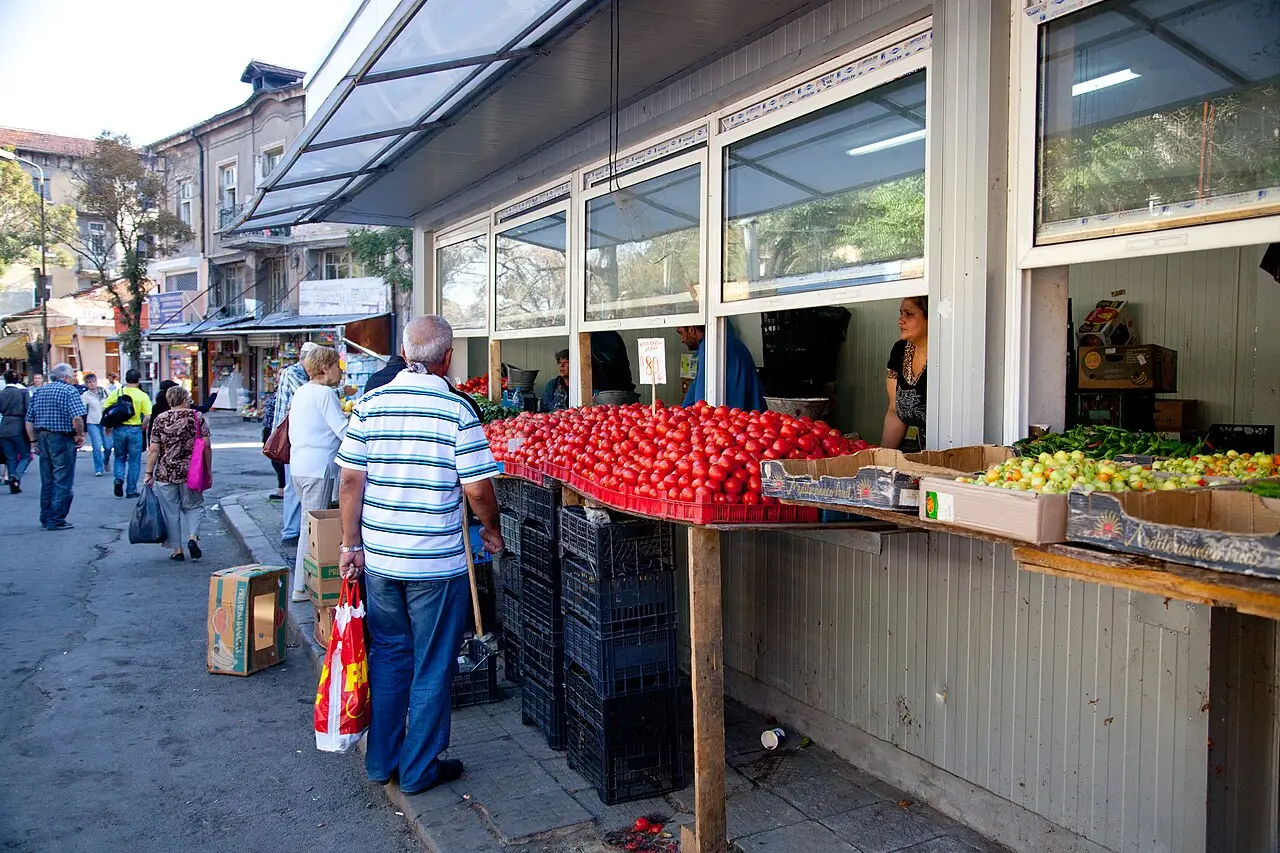
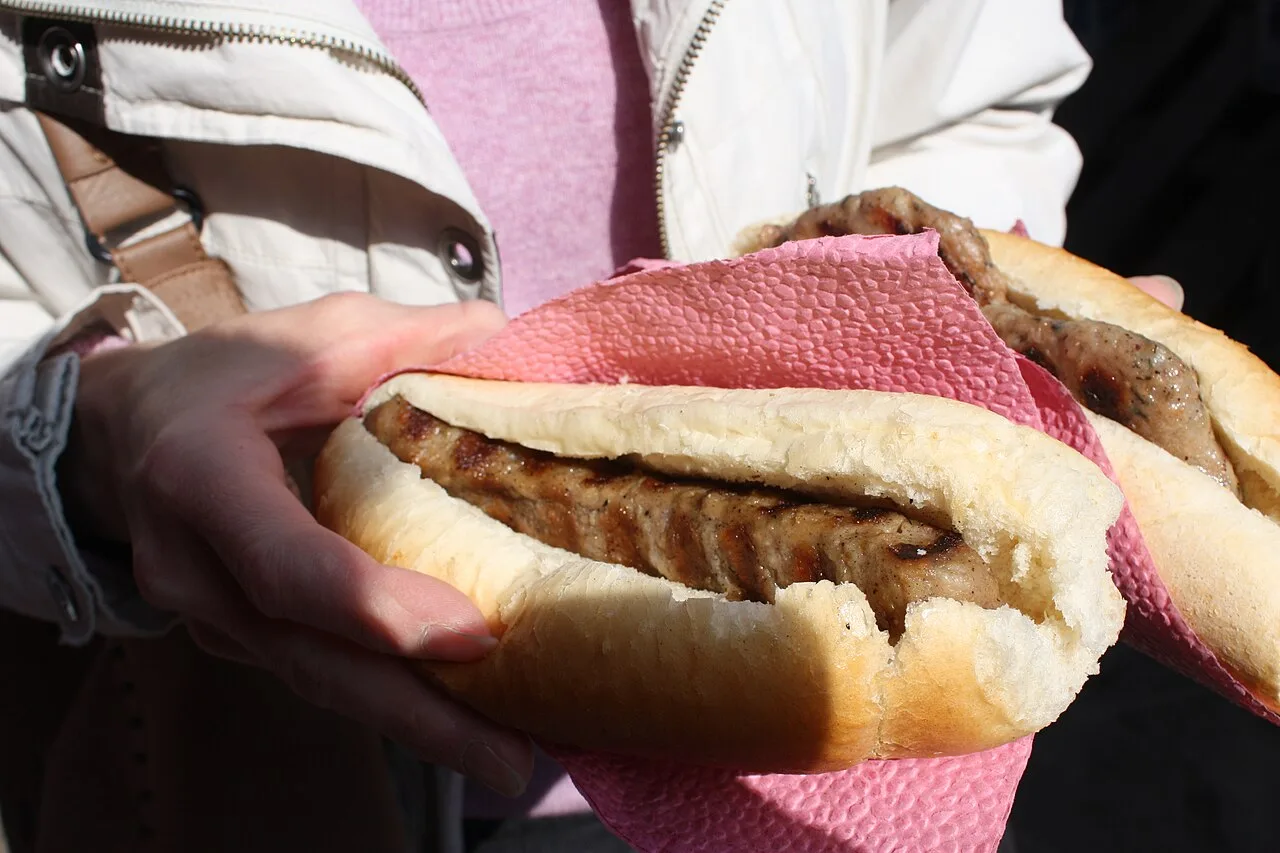
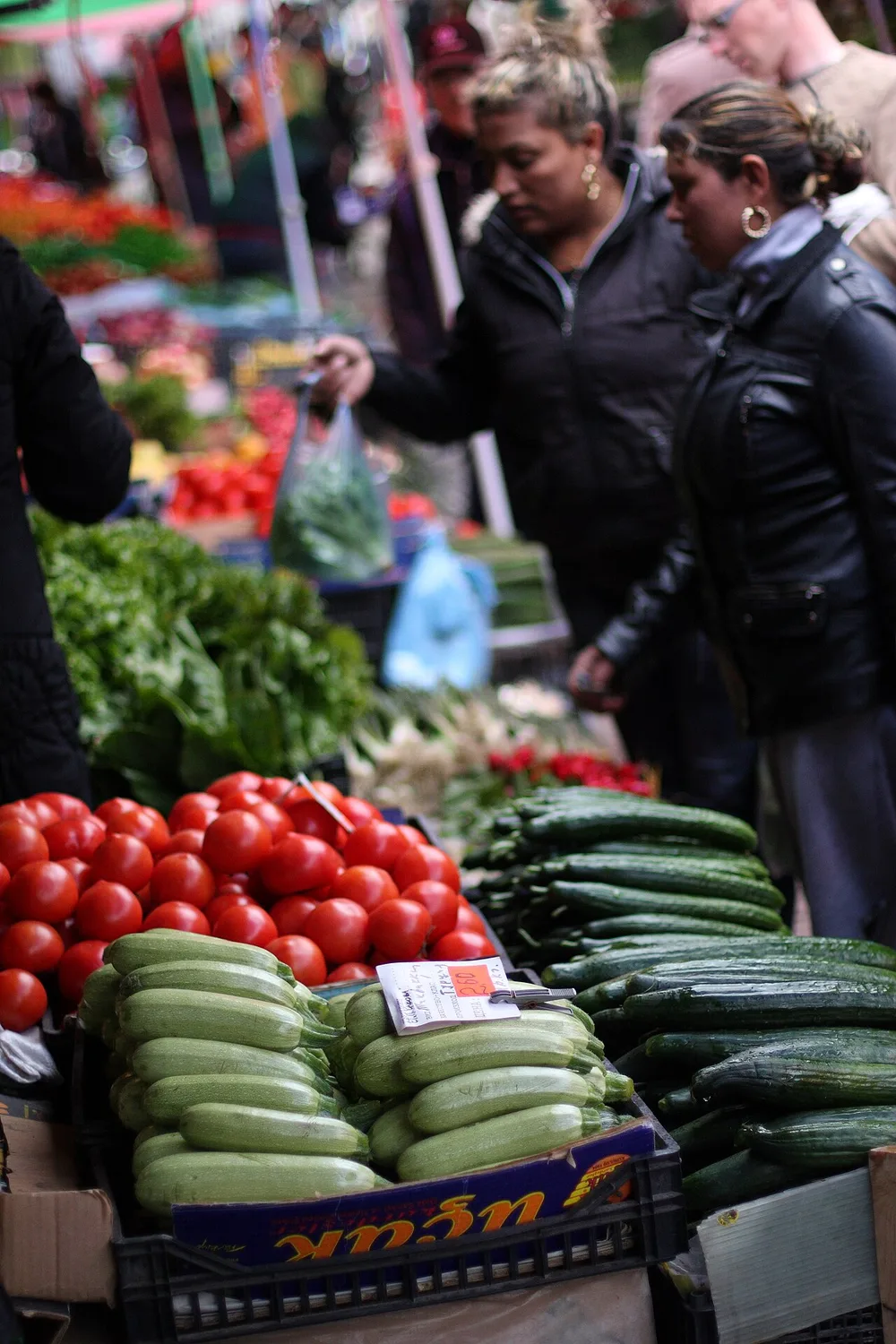
Food: this is where Bulgaria shines. A takeaway banitsa (the flaky cheese pastry Bulgarians eat for breakfast) or a couple of grilled kebapche from a hole-in-the-wall costs a euro or two. A sit-down lunch of the day runs 6 to 9 euro. You can eat very well for 10 to 15 euro a day if you shop the markets and stick to local places rather than tourist-strip restaurants.
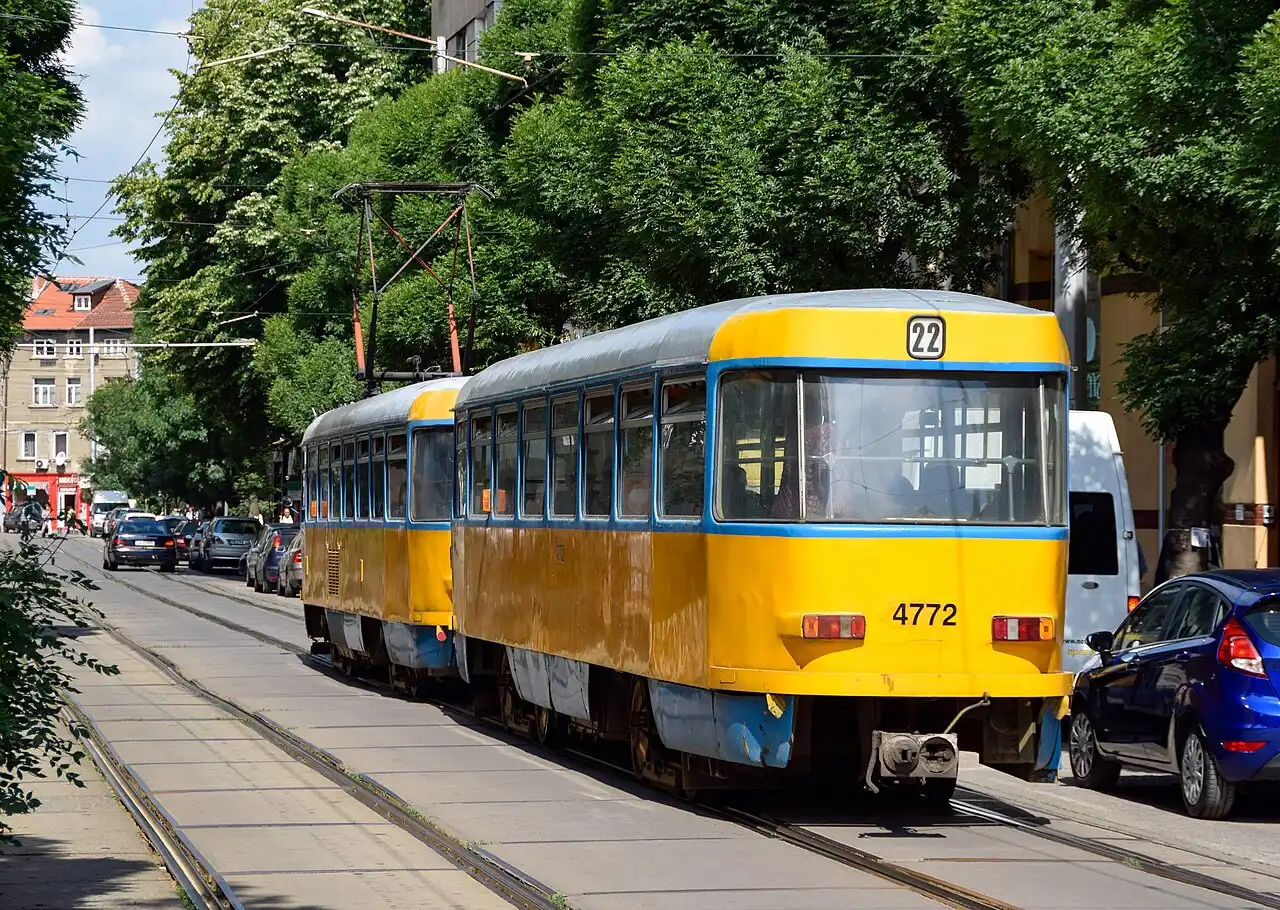
Getting around town: almost nothing. A single ticket on Sofia’s trams, buses, trolleys and metro is 0.80 euro; a day pass on all lines is 2 euro. Those are the official 2026 fares, converted from leva and actually rounded down at the switch. From the airport, the metro runs from Terminal 2 straight to Serdika in the centre in about 20 minutes on the same 0.80 euro ticket - skip the taxi rank entirely.
Between cities: intercity buses are the budget backbone. Sofia to Plovdiv, about two hours, costs from 6 to 10 euro; longer hauls to the coast are still cheap booked ahead. Trains are even cheaper but slower.
Sights: many of the best cost nothing. Entry to the Rila Monastery courtyard and church is free (only the museum and tower charge a small fee, about 2.50 euro for the tower). In Sofia, the main hall of the Alexander Nevsky Cathedral, the St George Rotunda, the Roman ruins under the centre and every park and boulevard are free to wander. Paid museums typically run just 3 to 8 euro. See the full rundown of the city’s free and cheap sights if you’re counting every euro.
A mid-range day: 60 to 100 euro
Trade the dorm for a proper hotel, eat in restaurants rather than off market stalls, take the odd taxi, and a comfortable day still only comes to 60 to 100 euro per person when two of you share a room. That buys a genuinely nice trip here.
A mid-range hotel room in Sofia runs roughly 50 to 90 euro a night (more for something boutique, from around 90 to 180). A three-course dinner for two at a good mid-range restaurant is about 50 euro without drinks, and a relaxed dinner for one lands around 18 to 28 euro. Tipping barely moves the budget here - around 10% in cash on good table service, as our tipping guide explains - so it rarely needs its own line. Draft beer is 2 to 3 euro, a cappuccino 2 to 3 euro, a bottle of decent Bulgarian wine in a shop just a few euro. Taxis are cheap by European standards - the meter starts at 1.50 euro and runs 0.75 euro a kilometre by day, rising to 1.70 and 0.85 euro between 22:00 and 06:00 - those are the published 2026 tariffs of OK Supertrans, the city’s biggest fleet, and honest drivers post the same rates in the window - though it is worth using the app-based or official ranks rather than flagging one blind, since airport touts are the main overcharging risk.
The upshot: at this level you’re spending what a budget traveller spends in Western Europe, but getting the mid-range version of everything. Even outright luxury - the best hotel in town, tasting menus, private drivers - rarely pushes a day past 150 euro, which is where a mid-range day would start in Paris or Amsterdam.
What a week actually costs
Rolling the daily figures into a week, per person, gives you something to book against:
- Shoestring week: about 250 to 350 euro on the ground, dorms and buses and grills, before flights.
- Mid-range week: roughly 500 to 800 euro for hotels, restaurants and getting about in comfort.
- Comfortable-plus week: 800 to 1,300 euro if you want the better hotels and eat out well every night.
None of those include the flight, which for most visitors is the single biggest line in the budget - often more than a week of everything else combined. Low-cost carriers serve Sofia, Plovdiv and Varna, so timing matters more than distance; our guide to which airport to fly into helps you pick the cheapest gateway for your route.
Where Bulgaria is not cheap
Two situations break the bargain, and both are about when and where, not the country as a whole.
The first is Sunny Beach in high summer. In mid-July and August, the biggest resort on the Black Sea is the single most expensive place in Bulgaria: peak hotel rates, and drinks and food priced for a captive holiday crowd rather than for locals. If a lively party-strip beach holiday is the point, that is exactly where to go, but it’s not the Bulgaria of 15-euro dinners. For the same warm sea at a fraction of the price, the quieter old towns down the coast like Sozopol or Nessebar are a different world, and even Sunny Beach itself is far cheaper in June or September.
The second is ski season. Bulgaria is still one of Europe’s best-value places to ski, but Bansko and Pamporovo charge their top rates for accommodation in the reliable-snow window of January and February. Come in late March and it’s cheaper and still skis well. Either way, a whole ski week here - lodging, ski hire and a multi-day pass together - still costs a fraction of an Alpine one (pass, bed, food and transfer broken out in How much a Bulgaria ski holiday costs), so “not cheap for Bulgaria” is still cheap for skiing.
More broadly, prices swing with the season everywhere. The gap between a peak-August coast rate and the same room in shoulder season dwarfs anything the currency or inflation does, so timing your trip is the biggest lever you’ve on cost - our best time to visit Bulgaria guide breaks down the price and crowd trade-offs month by month.
Did the euro make it more expensive?
Short answer: barely, and not in a way you’ll notice. Bulgaria switched from the lev to the euro on 1 January 2026 at a fixed, locked-in rate of 1.95583 leva to the euro. The European Central Bank’s review found the changeover added only about 0.3 to 0.4 percentage points to inflation that January, a one-off bump concentrated in a few service sectors like cafes and haircuts, which then faded. There were scattered complaints of places “rounding up” a coffee, but no across-the-board jump, and Bulgaria remained the cheapest country in the EU throughout.
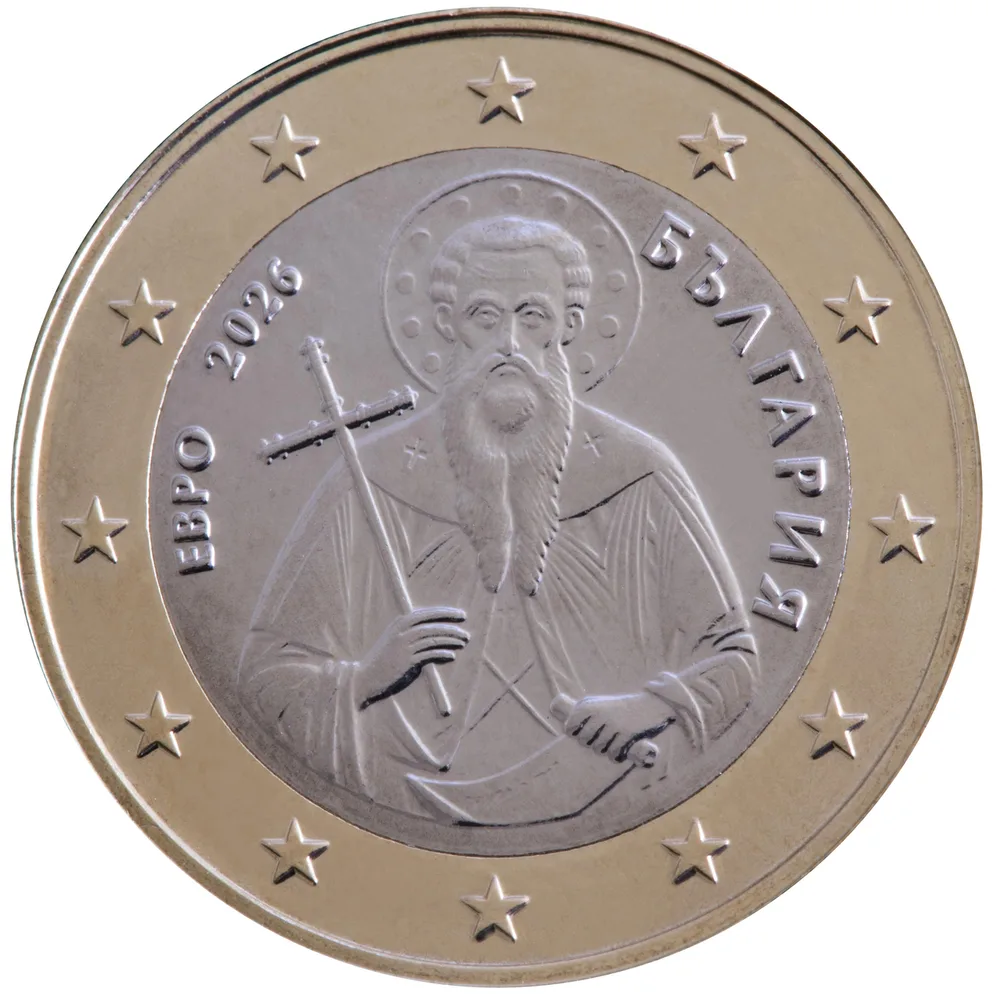
The one practical thing to know for the rest of 2026: the dual-price rule that put both currencies on every tag and menu ended on 8 August 2026, so the free conversion cross-check has gone. Some places keep a leva line out of habit, but you can no longer count on it. If you remember the country in leva, a rough rule is to halve the euro figure to get the old price. Our full guide to what the euro switch changed for visitors covers cash, cards and the dual-price rule in detail.
One honest caveat on all these numbers: locals will tell you prices have crept up over the last few years, faster in central Sofia and the tourist spots than the averages suggest, and crowd-sourced figures can lag reality. Treat the euro amounts here as a solid planning baseline, not a fixed quote, and pad a little for a big city and a peak month.
How to keep costs down
A few levers do most of the work here:
- Eat where Bulgarians eat. Markets, bakeries and neighbourhood grills, not the menu-in-six-languages places on the main square. This alone can halve your food spend.
- Use public transport. The 0.80 euro ticket and 2 euro day pass in Sofia are almost free by EU standards, and the airport metro saves a taxi fare on arrival.
- Travel in the shoulder season. June and September on the coast, and spring or autumn for the cities, mean lower rates and thinner crowds for nearly the same experience.
- Book the flight early and stay flexible on the airport. It’s your biggest cost, so a cheap fare into Plovdiv or Varna instead of Sofia can reshape the whole budget.
- Rent a car for rural loops. For the monasteries, mountains and villages, splitting a rental (from around 10 to 15 euro a day off-season with local firms) beats piecing together buses; just budget for the deposit and the motorway vignette, both covered in our car rental in Bulgaria guide.
- Draw cash from bank ATMs, not the airport machines. A bank ATM charges little or nothing, while a lone Euronet in arrivals can cost several euro a withdrawal - and always decline its offer to convert to your home currency. Our money in Bulgaria guide covers the ATM and tipping traps.
So, is Bulgaria expensive?
No. For most travellers it’s one of the cheapest, best-value trips in Europe - the numbers back it up, and the euro did nothing to change that. Budget 30 to 45 euro a day to backpack it, 60 to 100 to do it in comfort, and reserve the “expensive” label for a beach fortnight at Sunny Beach in August or a ski week at the height of winter. Everywhere and every other time, your money goes a long way.
Once the budget makes sense, the fun part is spending it well. Our 7-day Bulgaria itinerary maps out a route that mixes Sofia, the mountains and the coast, and the guide to what to eat points you at the dishes worth every cheap euro. If the low cost of living has you thinking about staying longer, our Bulgaria digital nomad guide covers the new remote-work visa, the flat 10% tax and what a month really costs in Sofia versus Bansko. Sort your dates and your gateway, and Bulgaria delivers far more trip than it costs.
Photos
Good to know
Prices are indicative 2026 figures in euro (Bulgaria joined the eurozone on 1 January 2026; fixed 1.95583 leva = 1 euro). Transport fares are the operators' own published 2026 tariffs (Sofia public transport, OK Supertrans taxi); the price level is Eurostat's comparative data. Everyday amounts for meals, drinks and beds are typical ranges seen across the country, not quoted rates - they vary by season, city and how you travel. Confirm current prices before you book.
Details checked: August 9, 2026
Read also

Before you go · 12 min read
How Much Does a Bulgaria Ski Holiday Cost?
Verified · September 13, 2026A Bulgaria ski week usually lands around 770 to 1,170 EUR mid-range: lift pass, hire, bed, food and transfer from official 2025-26 tariffs.

Before you go · 9 min read
Day Trips from Sunny Beach: Nessebar & Beyond
Verified · August 28, 2026Day trips from Sunny Beach: Nessebar on the local bus, Sozopol via Burgas, Strandzha jeep days. Times, tickets and what fits in a day. 2026.

Before you go · 10 min read
Bulgaria or Greece: Which Beach Holiday Is Better?
Verified · August 27, 2026Greece wins on islands and water clarity; Bulgaria wins on price and sandy resort beaches. Who each suits, real 2026 costs and flights from the UK.

Before you go · 8 min read
Day Trips from Varna: Balchik, Kaliakra & Caves
Verified · August 26, 2026Day trips from Varna: Balchik Palace from €10, Cape Kaliakra cliffs, Aladzha rock monastery and Pobiti Kamani. Distances, buses and what fits in a day.