
Bulgaria on the Euro: What Changed for Visitors 2026
Bulgaria joined the euro on 1 January 2026 at a fixed rate of 1.95583 leva. Here is what it means for cash, cards, prices and your budget.
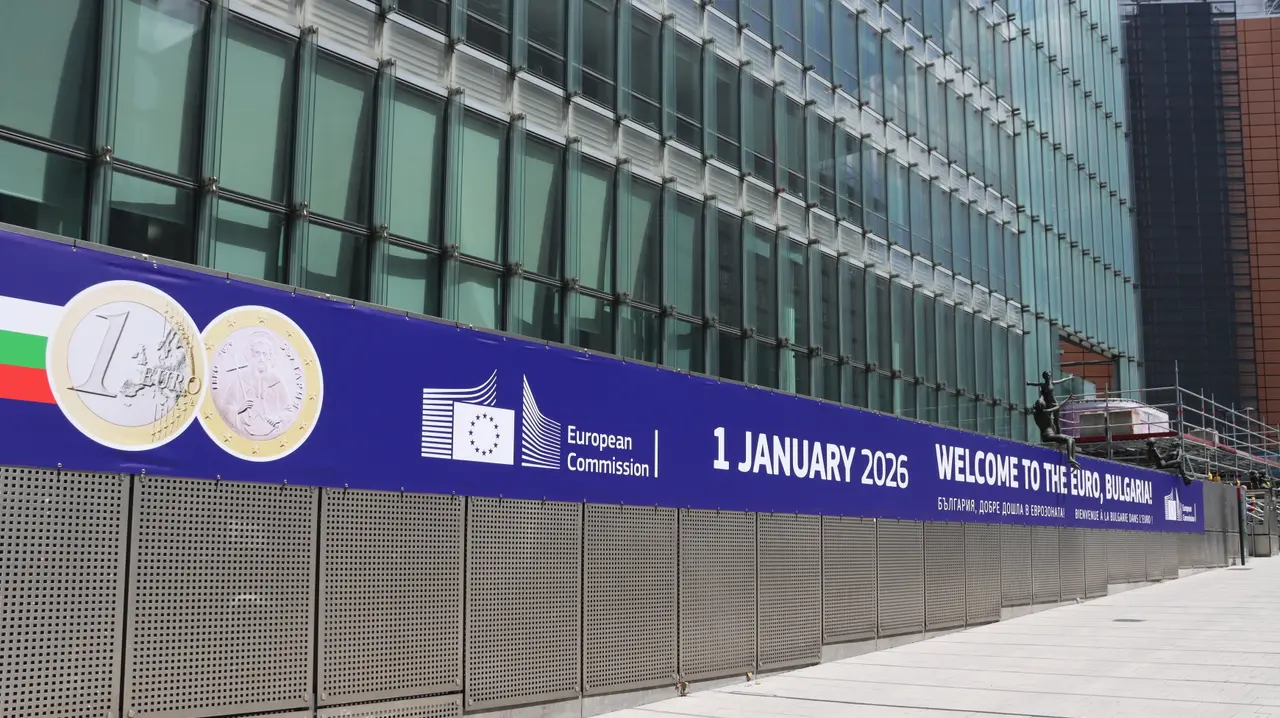
Yes, Bulgaria uses the euro now. It joined the euro area on 1 January 2026 as the 21st member, retiring the lev after 146 years, and it did so at a fixed, locked-in rate of 1.95583 leva to 1 euro. For a visitor arriving in 2026 the practical picture is simple: you pay in euro, cards and ATMs work exactly as before, and for most of the year price tags still show both currencies so you can sanity-check the conversion.
The one thing worth understanding before you go is that this was a fixed swap, not a floating exchange rate. Nothing suddenly got cheaper or dearer because of the maths. What changed is the label on the money, not what it is worth, and that distinction clears up almost every question travellers actually have.
The short version
- Bulgaria is on the euro since 1 January 2026. The lev is gone as everyday money.
- The rate is fixed at 1.95583 leva to the euro and will never move. To convert an old lev price in your head, roughly halve it.
- Cards and ATMs are unchanged. Cards charge in euro automatically; cash machines dispense euro notes.
- Tags and menus no longer carry both currencies. The dual-display rule ran until 8 August 2026 and has ended, so the free cross-check against a shop rounding in its favour is gone.
- Prices barely moved. The changeover added an estimated 0.3 to 0.4 percentage points to January 2026 inflation, concentrated in a few service sectors, then faded. Bulgaria is still one of the cheapest countries in the EU.
- Old leva aren’t worthless. The central bank swaps lev banknotes and coins for euro for free, forever.
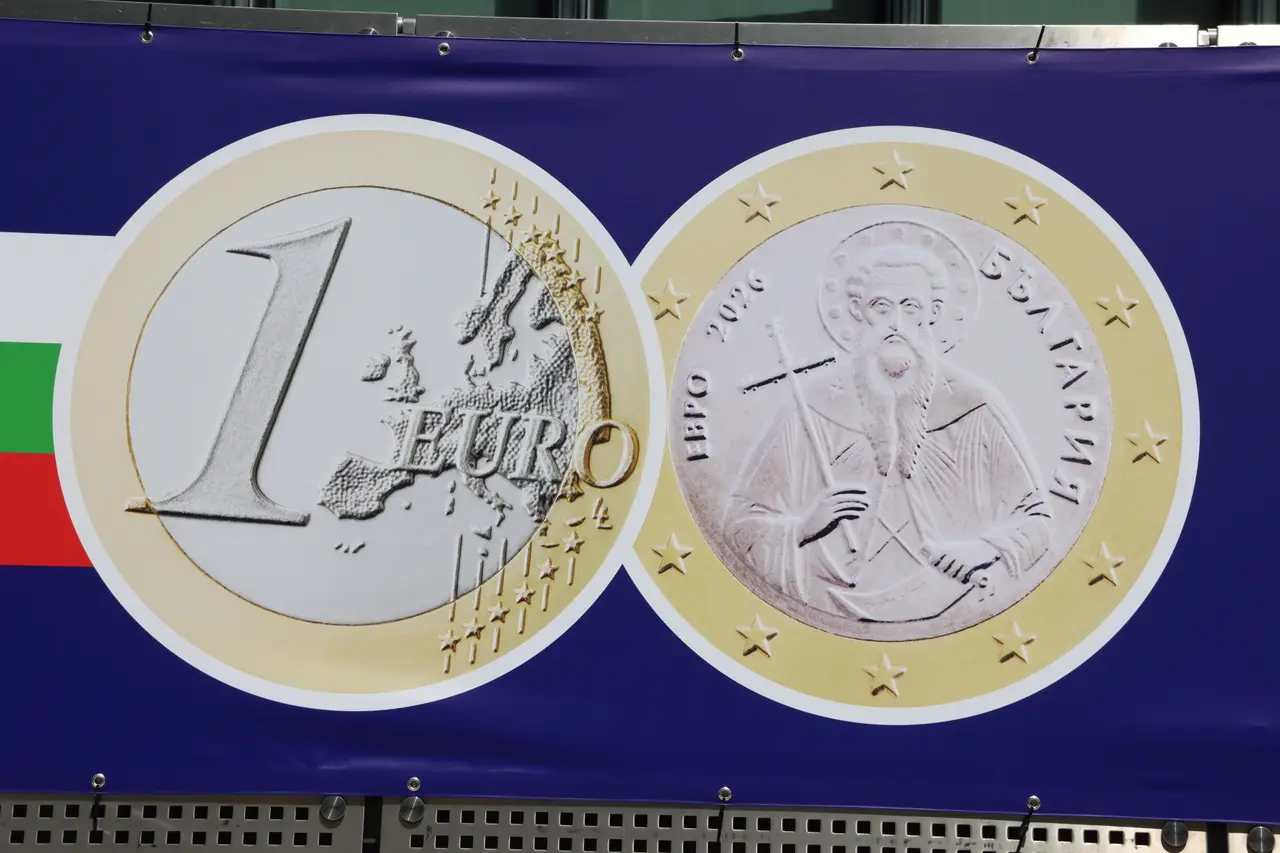
What the fixed rate actually means
The number to remember is 1 euro = 1.95583 leva. This wasn’t a market rate that got frozen on a lucky day. It was the central rate the lev had been pegged to for years under the currency board, and it’s now irrevocable, set out in the EU regulation that admitted Bulgaria to the euro area. There’s no bank spread, no “today’s rate,” no better deal down the road at a different bureau. Everything converts at that exact figure.
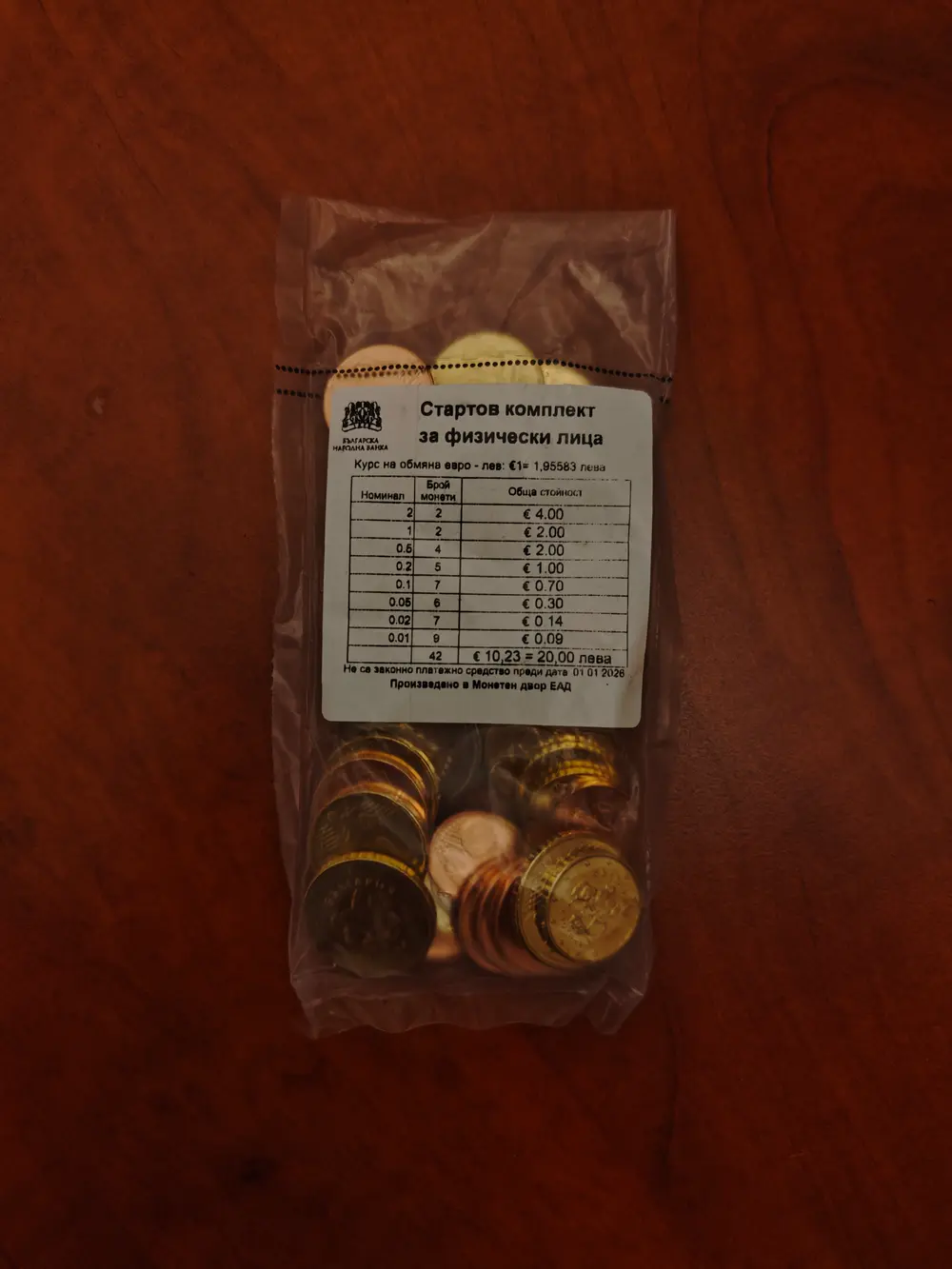
For a traveller the useful takeaway is a quick mental shortcut: a lev price is a bit more than half the euro price. A dish that used to be listed at 20 leva is 10.23 euro. A 50-lev taxi ride is about 25.56 euro. If you have been to Bulgaria before and remember prices in leva, roughly halving them gets you close enough to know whether something is a good deal.
Cash, cards and ATMs on the ground
If you pay by card, there’s genuinely nothing to do. From 1 January 2026 card terminals process in euro, and ATMs dispense euro notes. Because Bulgaria is now inside the eurozone, a card issued anywhere in the euro area sees no currency conversion at all, and cards from outside the eurozone are treated the same as they would be in France or Spain.
The one habit worth keeping is the eurozone card rule that has nothing to do with Bulgaria specifically: when a terminal or ATM asks whether you want to be charged “in your home currency,” always decline and choose euro. That dynamic currency conversion prompt exists to slip in a poor exchange rate, and choosing euro leaves the conversion to your own bank, which is almost always cheaper. That applies to Bulgaria now exactly as it does anywhere else on the continent.
Cash is where the timeline matters, because there was a short handover. During January 2026 both leva and euro were accepted in shops for one month, and by law your change came back in euro. Since 1 February 2026 the euro has been the sole legal tender and lev cash is no longer accepted at the till. So if you’re reading this for a trip in the second half of 2026 or beyond, the dual-cash window is long over: you will use euro cash and nothing else, drawn from any ATM.
Bulgaria still runs more on cash than most of Western Europe, especially in villages, at markets, for small taxis and at some family-run guesthouses, so it is worth carrying a modest amount of euro cash even though cards are widely taken in the cities. That has not changed with the currency; only the notes in your wallet have. For the full playbook on which ATMs to use, tipping and where you still need cash, see our money in Bulgaria guide.
You will still see two prices, and that is useful
Walk into a supermarket or read a menu in 2026 and you’ll notice most prices are printed twice, in euro and in leva. This is deliberate. Retailers are required to display prices in both currencies for a full year, from 8 August 2025 to 8 August 2026, converted at the fixed rate. It’s a consumer-protection measure so nobody has to trust a shopkeeper’s arithmetic.
Use it. The dual tag is a free sanity check: divide the lev figure by 1.95583 and it should match the euro figure to the cent. Conversion is purely mathematical at the fixed rate, with no “rounding up” allowed beyond standard cent rounding, and national authorities have been monitoring for shops that inflate prices under cover of the switch. If the two numbers on a tag don’t line up, that’s your cue to ask or walk away.
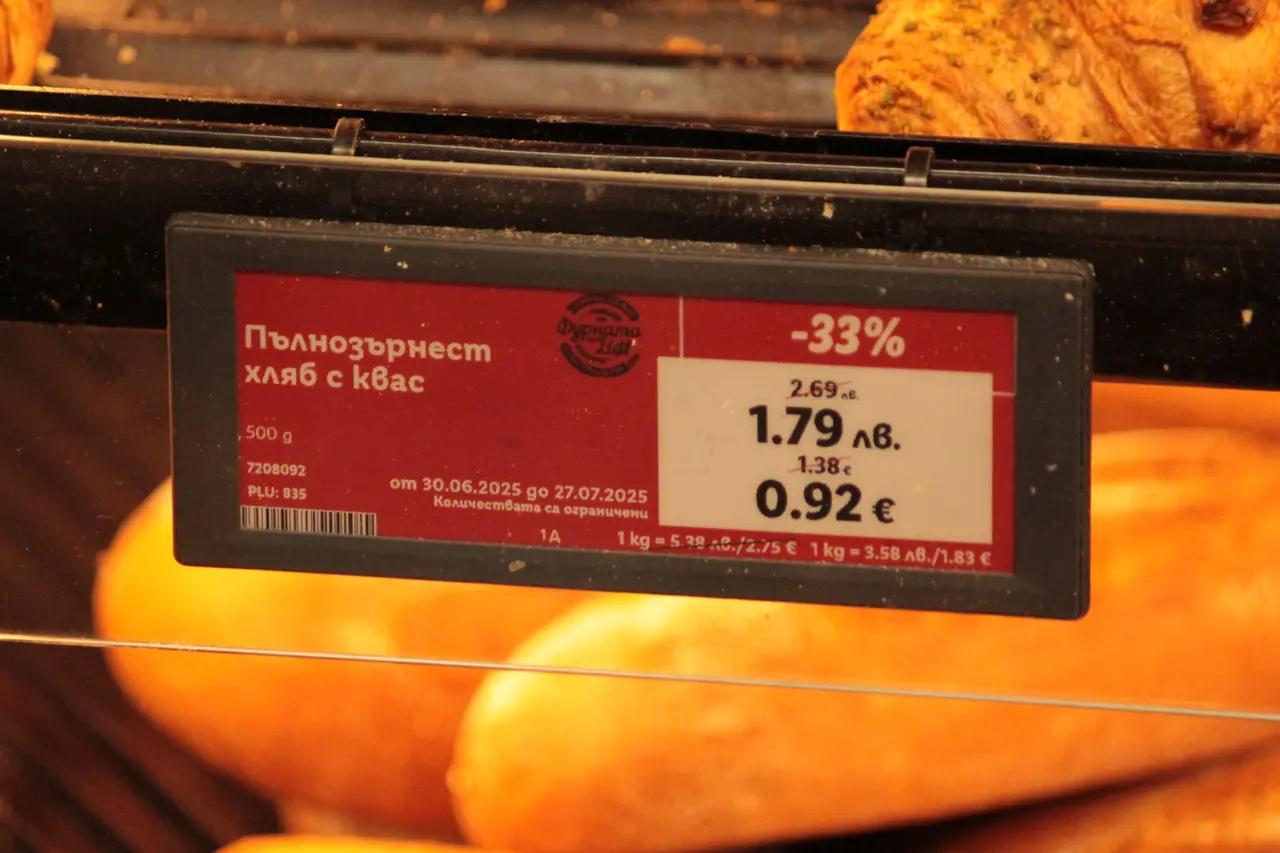
One practical note for the rest of the year: the dual-display rule ended on 8 August 2026, so the leva column is disappearing from price lists and the free cross-check has gone with it. If you still think in leva, that’s the point to switch your mental baseline to euro for good.
Did the euro make Bulgaria more expensive?
This is the question behind all the others, and the honest answer is: barely, and not in a way that changes the trip. The European Central Bank’s own review of the changeover found a limited and largely one-off effect on prices, estimated at roughly 0.3 to 0.4 percentage points added to inflation in January 2026, with a little anticipatory movement of about 0.1 percentage point during 2025. Data from retail chains showed price changes at the switch were minimal and “typically amounted to only a few euro cents,” with no evidence of systematic mark-ups.
Where you might feel it’s in services rather than shops: the small increases clustered in things like restaurants and cafes, accommodation, personal and household services, rents and haircuts, not in the price of groceries. And the effect faded fast. Headline inflation actually cooled over the changeover, from 3.5% in December 2025 to 2.3% in January and 2.1% in February 2026. By that February, public support for the euro had climbed to 54%, a majority for the first time in years, as the feared price shock did not materialise.
That’s the macro picture. On the ground there were real complaints of cafes and restaurants “rounding up” a coffee or a beer, and Bulgarian lawmakers even floated a “fair price” rule with fines to police it, so the perception of being nudged wasn’t imaginary. But it was patchy and small, not a blanket jump. The bottom line for your budget is unchanged: Bulgaria remains one of the cheapest countries in the EU, and the euro didn’t move that in any way you’ll notice against, say, Sofia versus a Western European capital. If you’re pricing up a trip, our breakdown of whether Bulgaria is expensive has the daily euro budgets in full. If you were already using our best time to visit Bulgaria guide to plan around the seasons, the same seasonal price swings between peak and shoulder still dwarf anything the currency did.
Leftover leva: what to do with them
If you have old lev notes or coins from a previous trip, don’t throw them out, and don’t assume any exchange counter will take them. Withdrawn national currencies are awkward to swap abroad, and bureaux outside Bulgaria rarely give you a fair rate for them, if they take them at all.
Here’s the current state of the exchange, checked on 6 July 2026. The free swap at commercial banks and post offices ran until 30 June 2026; that window has now closed, so from July those banks may charge a fee, though they are still obliged to exchange leva through 31 December 2026. The reliable route is the central bank: the Bulgarian National Bank exchanges lev banknotes and coins for euro indefinitely and free of charge, with no deadline at all. It does this at its head office in Sofia and at cash-service offices in Sofia, Plovdiv, Burgas, Varna and Pleven. In other words, old leva never become worthless; they just have one dependable place left to convert them. If you’re not passing through those cities, the simplest plan is to keep any leftover leva for a future trip or convert them at the airport or a bank while you’re still in the country.
Practical takeaways for a 2026 trip
- Budget in euro. Every price you see and pay is in euro. If you remember lev prices, roughly halve them.
- Bring a card and a little euro cash. Cards work everywhere they did before; keep some euro cash for markets, small taxis and villages.
- Always choose euro at the terminal, never “your home currency,” to dodge dynamic currency conversion.
- Cross-check any leva line you still find - some places keep one out of habit past the 8 August 2026 deadline - by dividing the lev price by 1.95583.
- Old leva go to the Bulgarian National Bank for a free, no-deadline swap; don’t rely on bureaux abroad.
None of this should change where you go or how you travel, only the numbers on the receipt. Schengen made land borders easier from 2025, the euro tidied up the money in 2026, and the rest of the trip is the same country it always was. One place the euro stops short is the non-EU frontier next door: if you’re weighing a side trip over the mountains, our North Macedonia vs Bulgaria comparison covers where that border still means a passport stamp and denar cash. One quirk worth flagging: travel eSIMs are still sold in US dollars even though you will spend euro on the ground, so if you’re sorting a data plan before you fly, our best eSIM for Bulgaria guide untangles the pricing. When you’re ready to plan the actual route, our 7-day Bulgaria itinerary and the things to do in Sofia guide pick up from here; if you’re driving, the car rental in Bulgaria rundown covers deposits and the motorway vignette, both now quoted in euro. And whenever you land, the money question is the least of your worries.
Photos
Good to know
Currency facts checked on 6 July 2026 against the ECB, the Bulgarian National Bank and EU sources. The dual-price display window closed on 8 August 2026; the leva exchange rules are changeover-year measures that will close or change too - confirm the current position before you travel. Prices are in euro at the fixed rate of 1.95583 leva to 1 euro.
Details checked: July 6, 2026
Read also

Before you go · 12 min read
How Much Does a Bulgaria Ski Holiday Cost?
Verified · September 13, 2026A Bulgaria ski week usually lands around 770 to 1,170 EUR mid-range: lift pass, hire, bed, food and transfer from official 2025-26 tariffs.

Before you go · 9 min read
Day Trips from Sunny Beach: Nessebar & Beyond
Verified · August 28, 2026Day trips from Sunny Beach: Nessebar on the local bus, Sozopol via Burgas, Strandzha jeep days. Times, tickets and what fits in a day. 2026.

Before you go · 10 min read
Bulgaria or Greece: Which Beach Holiday Is Better?
Verified · August 27, 2026Greece wins on islands and water clarity; Bulgaria wins on price and sandy resort beaches. Who each suits, real 2026 costs and flights from the UK.

Before you go · 8 min read
Day Trips from Varna: Balchik, Kaliakra & Caves
Verified · August 26, 2026Day trips from Varna: Balchik Palace from €10, Cape Kaliakra cliffs, Aladzha rock monastery and Pobiti Kamani. Distances, buses and what fits in a day.