
Best eSIM for Bulgaria: Prices, Data & Networks 2026
Best eSIM for Bulgaria in 2026: live Airalo, Saily, Yesim and Holafly prices, how much data you really need, and when your own plan is cheaper.
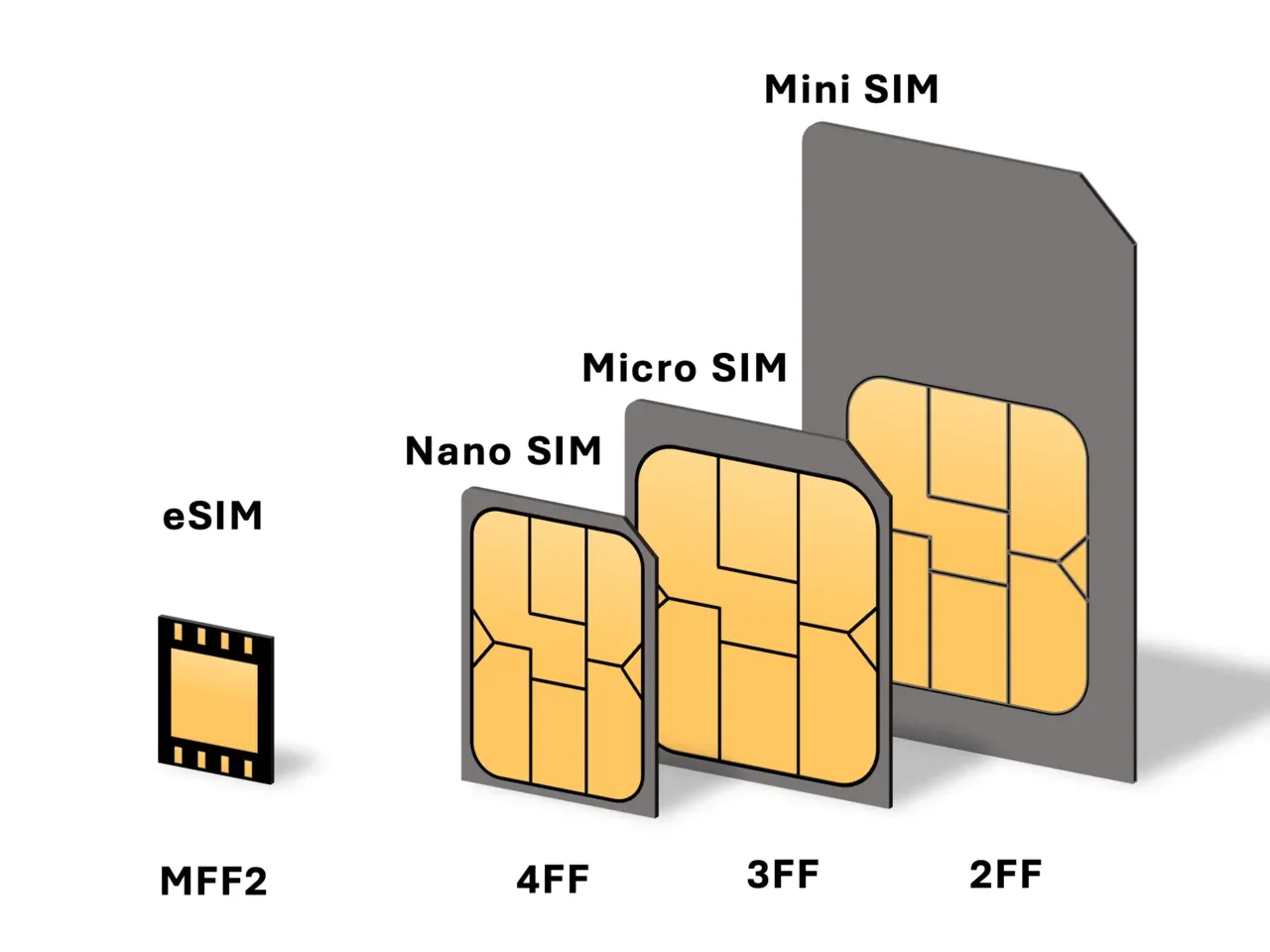
For most travellers the best eSIM for Bulgaria is a small fixed-data plan, not an “unlimited” one: 5 GB for a week costs 6.00 USD on Airalo and 6.99 USD for a whole month on Saily (list prices, checked 1 August 2026), and that is plenty for maps, messaging and booking things on the move. Buy it before you fly, scan the QR code at home, and you land in Sofia already online. The one big exception: if your phone plan is from an EU or EEA country, you may not need an eSIM at all.
Here’s the number that decides it for anyone flying in from outside Europe. A week of your own carrier’s roaming pass costs 84 USD on Verizon or AT&T. A week of data on a Bulgarian eSIM costs 6 USD. You aren’t buying the same thing - the day pass keeps your own number, texts and calls alive, the eSIM is data only - but if you mainly want maps and WhatsApp, you’re paying fourteen times over for a phone number you could leave switched off.
Do you even need an eSIM for Bulgaria?
Bulgaria is in the EU, and that changes the answer depending on where your phone number is from.
If you have a SIM or plan from any EU or EEA country, “Roam Like At Home” applies: you use your normal domestic data in Bulgaria at no extra charge. There’s usually a fair-use cap, so check your allowance, but a French, German or Irish plan generally just works here, and on a short trip you don’t need an eSIM at all.
US travellers should almost always buy one. The roaming day passes are the expensive way: Verizon TravelPass costs 12 USD a day in Europe (5 GB at full speed, then 3G for the rest of that day), and AT&T’s International Day Pass is also 12 USD a day, plus 6 USD for each extra line. T-Mobile is the outlier: Simple Global includes unlimited data on qualifying plans, but at roughly 2G speeds - fine for WhatsApp, painful for anything else - and its 5 GB high-speed pass runs 35 USD for 10 days. Against a 7 USD Airalo month the maths isn’t close, unless your employer is paying.
UK travellers need to check the date they signed. Since Brexit free EU roaming isn’t guaranteed, and the picture now varies sharply by network. EE charges about 2.47 GBP a day in Europe on plans taken or upgraded from 7 July 2021 (business tariffs pay 2.38, pay-as-you-go 2.50), indexed each 31 March. Three covers Bulgaria under Go Roam, but plans taken or upgraded from 18 December 2025 carry 2.75 to 8 GBP a day depending on the tariff. Vodafone puts Bulgaria in its Europe zone at around 2.42 GBP a day on plans from 11 August 2021. O2 still includes Europe roaming with no daily fee on most tariffs, capped at 25 GB. A fortnight costs an EE customer about 35 GBP, an O2 customer nothing, and an eSIM buyer about 7 USD.
The short answer by network: on O2 you need nothing. On EE, Three or Vodafone an eSIM pays for itself on day three. On anything else, look up your own tariff - these rates hang on the date you signed, not on the advertising.
Everyone else (Canada, Australia, most of the world) wins with an eSIM for the same reason: home-carrier roaming in Europe is priced to hurt, and a local data plan is a fraction of it.
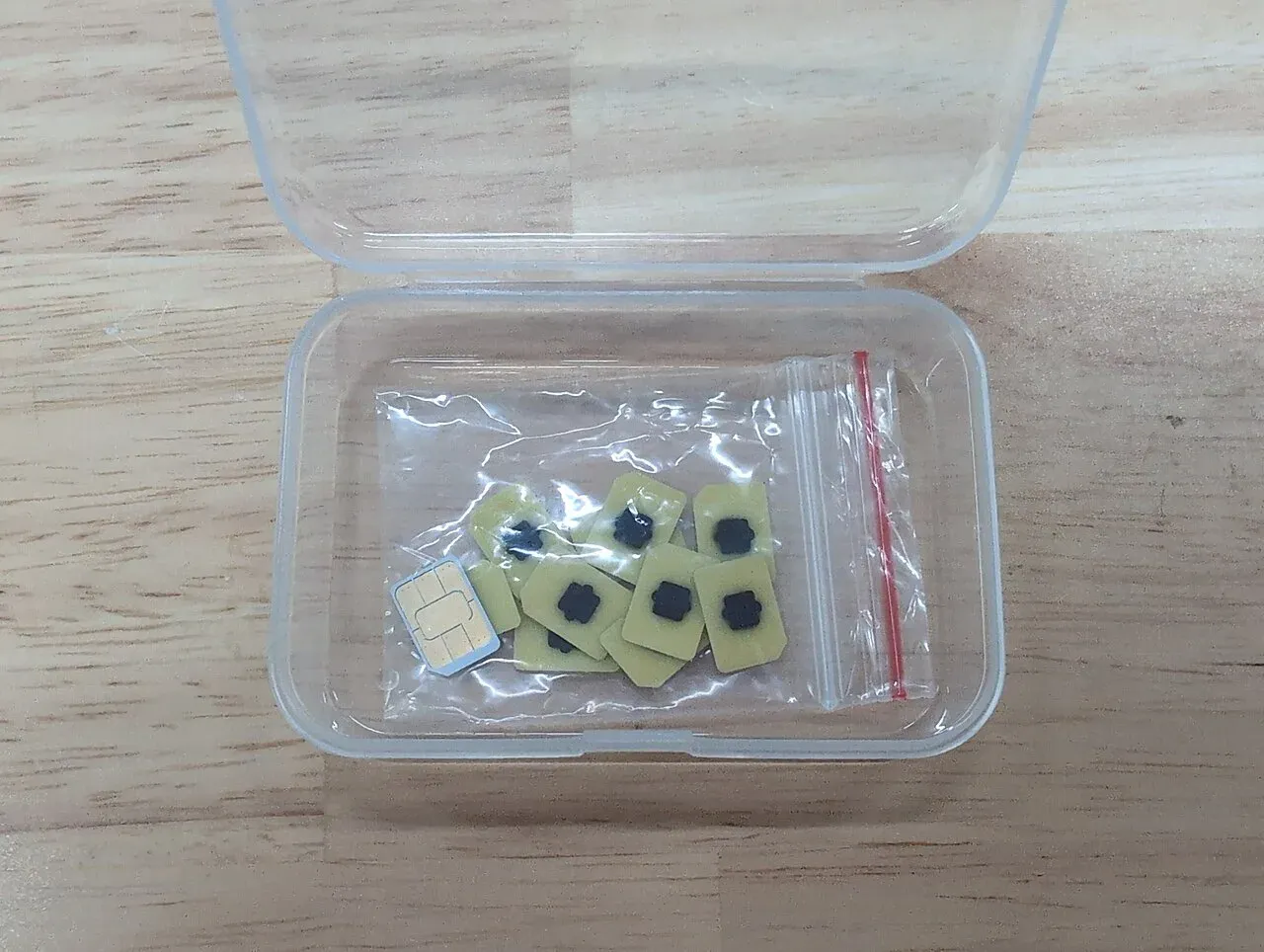
Will your phone take one? Thirty seconds to check
Two things have to be true: the handset must support eSIM, and it must be carrier-unlocked. They’re separate problems and you can settle both before you pay.
Does it have the chip? Type *#06# into the phone keypad. You don’t press call - the screen fills in by itself with a couple of long identity numbers. IMEI is the one every phone has; if an EID appears alongside it, your handset has an eSIM built in. Every iPhone from the XS onward, recent Google Pixels and most recent flagship Samsungs do; budget Androids often don’t.
Is it unlocked? On an iPhone: Settings, General, About, scroll to Carrier Lock, which should read “No SIM restrictions”. On Android it’s under Settings, About phone, SIM status. If neither is clear, phone your own network with the IMEI and ask outright. A locked handset will happily install the eSIM and then refuse to connect, and that’s a miserable thing to discover in the arrivals hall.
How much data do you actually need?
This is where people overspend, buying an “unlimited” plan for a trip that needs 4 GB. Real-world usage on the road is lower than you’d think:
- Maps (Google Maps turn-by-turn) burns only about 5 to 10 MB an hour. A full day of navigating is under 100 MB.
- Messaging (WhatsApp, Telegram) is tiny: a few MB a day of texts, and a voice call is under 1 MB a minute.
- Browsing, booking and light social adds up to roughly 0.5 to 1 GB a day if you’re on the phone a lot.
Add that up and a normal traveller uses around 3 GB for a week. Push to 5 GB if you post a lot or stream music; you only cross 10 GB if you stream video, make daily video calls or tether a laptop. So the practical answer for a one to two week trip is a 5 GB plan: headroom, under ten dollars, and nothing paid for data you’ll never touch.
The “unlimited” catch you should know about
Here’s the thing the marketing pages bury. Almost every “unlimited” travel eSIM gives you a daily high-speed allowance, and once you cross it your speed is throttled to a crawl for the rest of the day.
The specifics as of 1 August 2026:
- Airalo unlimited: 3 GB a day at full speed, then about 1 Mbps for the rest of the day.
- Saily unlimited: 5 GB a day at full speed, then anywhere from 1 Mbps down to 1 kbps depending on the plan.
- Holafly unlimited: genuinely uncapped daily, but a fair-use policy can throttle you if you burn through roughly 90 GB in a month.
- Yesim unlimited: full speed subject to a fair-use policy, and its own listings flag “possible throttling”.
Read that against the usage figures above. If you need 3 to 5 GB for the week, a fixed 5 GB plan is both cheaper and never throttled within its allowance. “Unlimited” only earns its price if you stream video daily, and even then Holafly is the honest pick because it doesn’t drop to a trickle after 3 GB. For most people, unlimited solves a problem they don’t have.
Which network do the eSIMs use in Bulgaria?
Bulgaria has three mobile networks, and which one your eSIM rides on matters once you leave the cities.
- Vivacom has the widest coverage, including the mountain areas travellers care about: the road to Rila, the Seven Rila Lakes trailhead, the Rhodope villages.
- A1 Bulgaria (the old Mtel) is strong on fast 4G and 5G in Sofia, Plovdiv, Varna and the bigger towns.
- Yettel (rebranded from Telenor in 2022) is solid in populated areas but the weakest of the three in the mountains.
For a city break, all three are fine and you won’t notice the difference. For a road trip or hiking, Vivacom is the network you want, and it’s worth knowing that Airalo’s Bulgaria plan runs on Vivacom, while Holafly lists all three. The same logic applies if you plan to work remotely from a mountain town like Bansko - our Bulgaria digital nomad guide goes deeper on which network to base yourself on.

The plans compared: what each provider is good for
All are data-only, so calls go over WhatsApp. The figures are list prices checked on 1 August 2026, before promo codes, and they move - confirm on the day.
Airalo is the safe default and the one most people should buy. Its Bulgaria pack is called Bultel, it runs on Vivacom, and the key tiers are: 1 GB / 3 days 4.00 USD, 5 GB / 7 days 6.00 USD, 5 GB / 30 days 7.00 USD, 10 GB / 30 days 12.00 USD, 20 GB / 30 days 20.00 USD, up to 50 GB / 30 days at 36.00 USD, which works out at 0.72 a gigabyte and is the cheapest data in the country if you need that much. Note what the tiers tell you: a week to a month on the 5 GB plan costs one extra dollar, so buy the longer validity and stop watching the clock. Airalo’s unlimited tiers start at 11.50 USD for 3 days and reach 71.00 USD for 30, capped at 3 GB a day.
Saily (run by the NordVPN team) is the budget pick and the cheapest per gigabyte on the small plans most travellers actually buy: 1 GB / 7 days 1.99 USD, 3 GB / 30 days 4.99 USD, 5 GB / 30 days 6.99 USD, 10 GB / 30 days 11.99 USD, 20 GB / 30 days 19.99 USD - its month-long 5 GB undercuts Airalo’s week-long one. The app is clean and the coverage is fine; it just doesn’t have Airalo’s track record.
Yesim prices in euro and is the one to look at if you’re hopping across borders. Bulgaria plans run 1 GB / 30 days at 2.50 euro (2.86 USD), 5 GB / 30 days at 9.60 euro (10.96 USD) and 20 GB / 30 days at 22 euro (25.13 USD), with single unlimited days from 3.50 euro. On a Bulgaria-only trip that’s the dearest of the three; the section on multi-country routes below explains why it flips the moment you cross a border.
Holafly is worth it only if you genuinely need heavy unlimited data. It sells unlimited-only, priced by trip length, from 3.79 euro (about 4.35 USD) for a single day and cheaper per day as you add days. It runs on A1, Vivacom and Yettel, and hotspot sharing is capped at roughly 1 GB a day - confirm in the app. With no cheap small-data tier it’s poor value for a light user, but it’s the most honest “unlimited” if you stream daily.

Going to more than one country?
If Bulgaria is one leg of a bigger trip, don’t buy three separate country eSIMs. Because Bulgaria is in the EU, a regional Europe plan covers Bulgaria alongside Greece, Romania and the rest of the bloc on a single eSIM. What matters here is the surcharge each provider puts on going regional, and it differs enough to flip the recommendation.
Airalo and Saily both charge you for the upgrade. Airalo sells two regional packs that include Bulgaria: EUconnect (EU and UK) at 4.00 USD for 1 GB / 3 days or 14.00 USD for 5 GB / 30 days, and Eurolink (wider Europe) at 5.00 and 19.50 for the same tiers, so inside the EU EUconnect is cheaper by 20 to 28 per cent. Either way that’s double the 7.00 USD Bultel plan for the same 5 GB. Saily’s gap is wider: 19.49 USD for Europe 5 GB / 30 days against 6.99 for Bulgaria, close to triple.
Yesim doesn’t charge for it at all, and that’s the one real reason to pick it. Its Europe + UK bundle spans 33 countries and costs exactly what its Bulgaria-only plan costs at every tier: 2.50 euro for 1 GB / 30 days, 9.60 for 5 GB, 22.00 for 20 GB. Cross one border and the ranking inverts: regional 5 GB is 14.00 USD on Airalo and 19.49 on Saily against Yesim’s 10.96. For a Balkans loop or a Bulgaria-and-Greece fortnight, that’s one profile for the whole route.
So the honest split is this. Bulgaria only: buy single-country, and Airalo or Saily are cheaper. Bulgaria plus anywhere else: buy regional, and Yesim is the one that doesn’t charge you for the privilege.
One last thing about the money
Airalo and Saily price in US dollars, Yesim and Holafly in euro, and Bulgaria itself has run on the euro since 1 January 2026 - so the kiosk and the café bill come in euro, not leva. Our guide to Bulgaria on the euro unpacks the rest.
Buy it the night before you fly
That’s the only instruction that really matters: an eSIM installed at home is a phone that works the second the wheels touch down, one bought on arrival is a phone hunting for airport wifi. Everything above narrows to three lines: skip the purchase on an EU plan or UK O2; take Saily’s 6.99 USD month or Airalo’s 7.00 for the safer app; go Yesim when the route crosses a border. Then get on with the planning - which airport to fly into and a 7-day route.
Photos
Admission and opening hours
- Admission price
- Provider list prices, data-only, checked 1 August 2026 (USD): Airalo Bultel 1 GB / 3 days 4.00, 5 GB / 7 days 6.00, 5 GB / 30 days 7.00, 10 GB / 30 days 12.00, 20 GB / 30 days 20.00, 50 GB / 30 days 36.00; Saily Bulgaria 1 GB / 7 days 1.99, 5 GB / 30 days 6.99, 10 GB / 30 days 11.99, 20 GB / 30 days 19.99; Yesim Bulgaria 1 GB / 30 days 2.86 (2.50 euro), 5 GB / 30 days 10.96 (9.60 euro), 20 GB / 30 days 25.13 (22 euro); Holafly unlimited from 3.79 euro for one day. Home-carrier roaming for comparison: Verizon TravelPass and AT&T International Day Pass 12 USD a day; EE about 2.47 GBP a day in Europe on plans from 7 July 2021 (2.38 on business tariffs), Vodafone about 2.42, Three 2.75 to 8, O2 included. Carrier rates depend on your individual tariff - check your own plan.
Providers set these prices in US dollars or euro and change them often, along with promo codes and fair-use caps - confirm the live price and the small print on the provider page before you buy. Carrier roaming terms depend on your individual tariff, so check your own plan rather than the headline rate. On the ground Bulgaria uses the euro (fixed 1.95583 leva = 1 euro since 1 January 2026). Checked 1 August 2026.
Details checked: August 1, 2026
Read also

Before you go · 12 min read
How Much Does a Bulgaria Ski Holiday Cost?
Verified · September 13, 2026A Bulgaria ski week usually lands around 770 to 1,170 EUR mid-range: lift pass, hire, bed, food and transfer from official 2025-26 tariffs.

Before you go · 9 min read
Day Trips from Sunny Beach: Nessebar & Beyond
Verified · August 28, 2026Day trips from Sunny Beach: Nessebar on the local bus, Sozopol via Burgas, Strandzha jeep days. Times, tickets and what fits in a day. 2026.

Before you go · 10 min read
Bulgaria or Greece: Which Beach Holiday Is Better?
Verified · August 27, 2026Greece wins on islands and water clarity; Bulgaria wins on price and sandy resort beaches. Who each suits, real 2026 costs and flights from the UK.

Before you go · 8 min read
Day Trips from Varna: Balchik, Kaliakra & Caves
Verified · August 26, 2026Day trips from Varna: Balchik Palace from €10, Cape Kaliakra cliffs, Aladzha rock monastery and Pobiti Kamani. Distances, buses and what fits in a day.