
Seven Rila Lakes from Sofia: Getting There and Cost 2026
How to get to the Seven Rila Lakes from Sofia: the 07:00 shuttle at 30 EUR return, the 16 EUR chairlift, its 08:30-17:30 hours and the October shutdown.
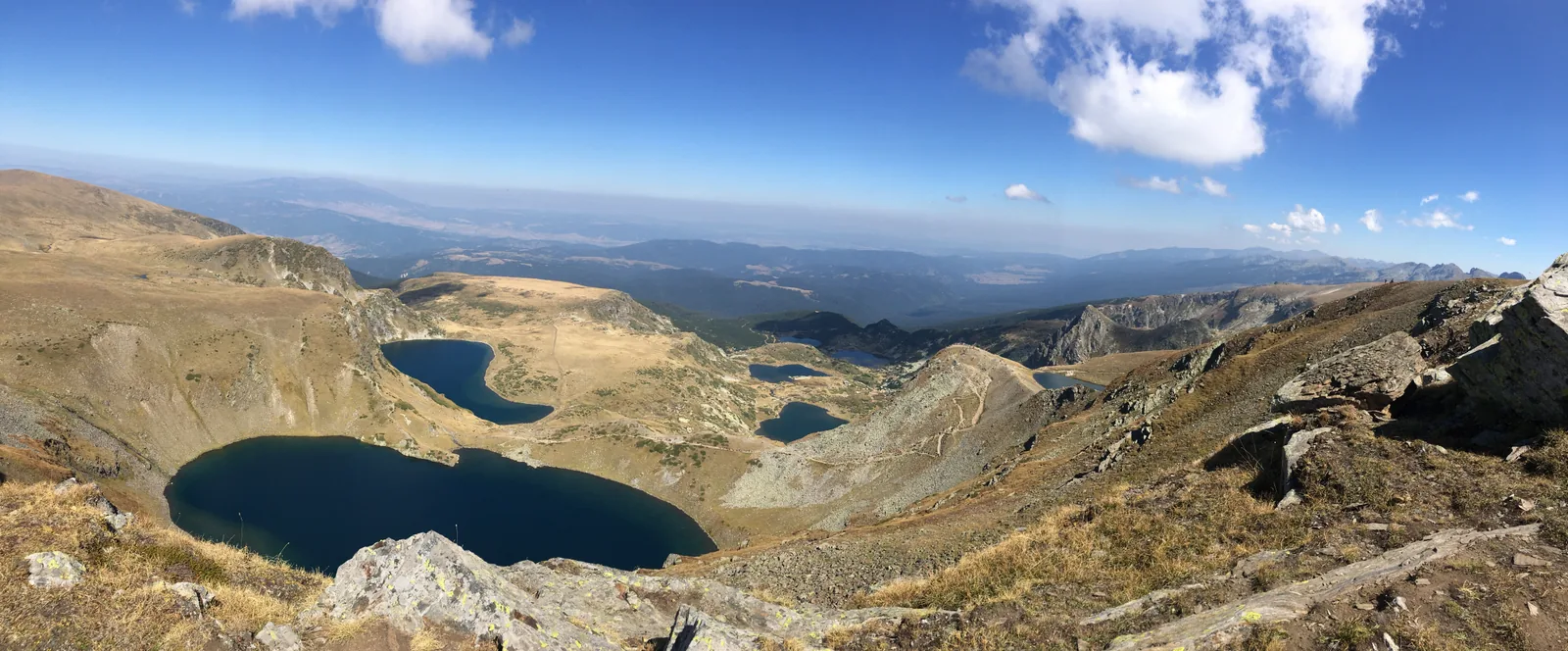
Getting there is the hard part, and there are three honest answers. A shared shuttle leaves central Sofia at 07:00 and puts you at the lift before 09:00 for 30 EUR per person return. Your own car covers the 100 km in about two hours and parks at the base for 5 EUR a day. Public transport carries you as far as Dupnitsa and then hands you to a taxi. From the base a chairlift climbs to the lakes at 2,150 m for 16 EUR return (31.30 BGN, about 18 USD or 14 GBP), and the loop past all seven glacial lakes takes three to five hours. All prices checked on 22 September 2026.
Two things decide more days here than any of that. The first is the month: in October the chairlift shuts for maintenance while the shuttle keeps selling seats, which turns an 11 km walk into a 20 km one. The second is the day of the week. Monday is the trap: there’s no shuttle departure, the chairlift starts only at 12:30, and on the last Monday of every month it doesn’t run at all. Dodge both, take an early chair, and this is the easiest big-payoff mountain day in the country.
How do you get to the Seven Rila Lakes from Sofia?
Everyone starts at the same place: the Panichishte lift base, 100 km and about two hours south of Sofia, where a chairlift covers the last climb. Three ways to reach it, in the order most visitors should consider them.
The shuttle: the default answer
A direct shared shuttle leaves central Sofia at 07:00, takes about 1 hour 40 minutes each way and has you at the lift car park before 09:00, in time for the first chairs. Rila Shuttle, which sells the run, puts the return leg at 15:00 from the car park and 17:00 in Sofia, and prices it from 30 EUR per person return (about 34 USD or 26 GBP) for the self-guided seat; a guided seat costs more, and the booking system shows the figure for your date. There are no Monday departures, and on some August dates it leaves at 10:00 instead, so read your confirmation rather than assuming.
Autumn is where this gets misread. The shuttle is still on sale in October and November - its own page warns November walkers about wet, snowy, slippery ground rather than closing the service - and it is the chairlift that stops. More on that below; the practical consequence is that an autumn seat buys you the drive, not the climb.
Most people plan around the lift’s last chair. The clock that actually matters is the 15:00 departure, and the shuttle runs to schedule with no waiting time built in. Plan the loop backwards from it - first lift up, ridge by midday, back at the top station by about 14:00 - and you won’t be the group jogging down the last 200 m. Exact pick-up times sit in your booking confirmation, and the operator can move them.
Want the lakes and Rila Monastery in one day? A combo run leaves Sofia at 07:00, gives you the lakes until 15:00 and the monastery from 16:30 to 18:00, and is back in Sofia at 20:00. It runs daily, costs more than the lakes-only seat, and sells out first in high season. One-way seats exist too, sold by a different bus operator rather than Rila Shuttle, which is worth knowing if you’re sleeping at the hut.
Driving yourself
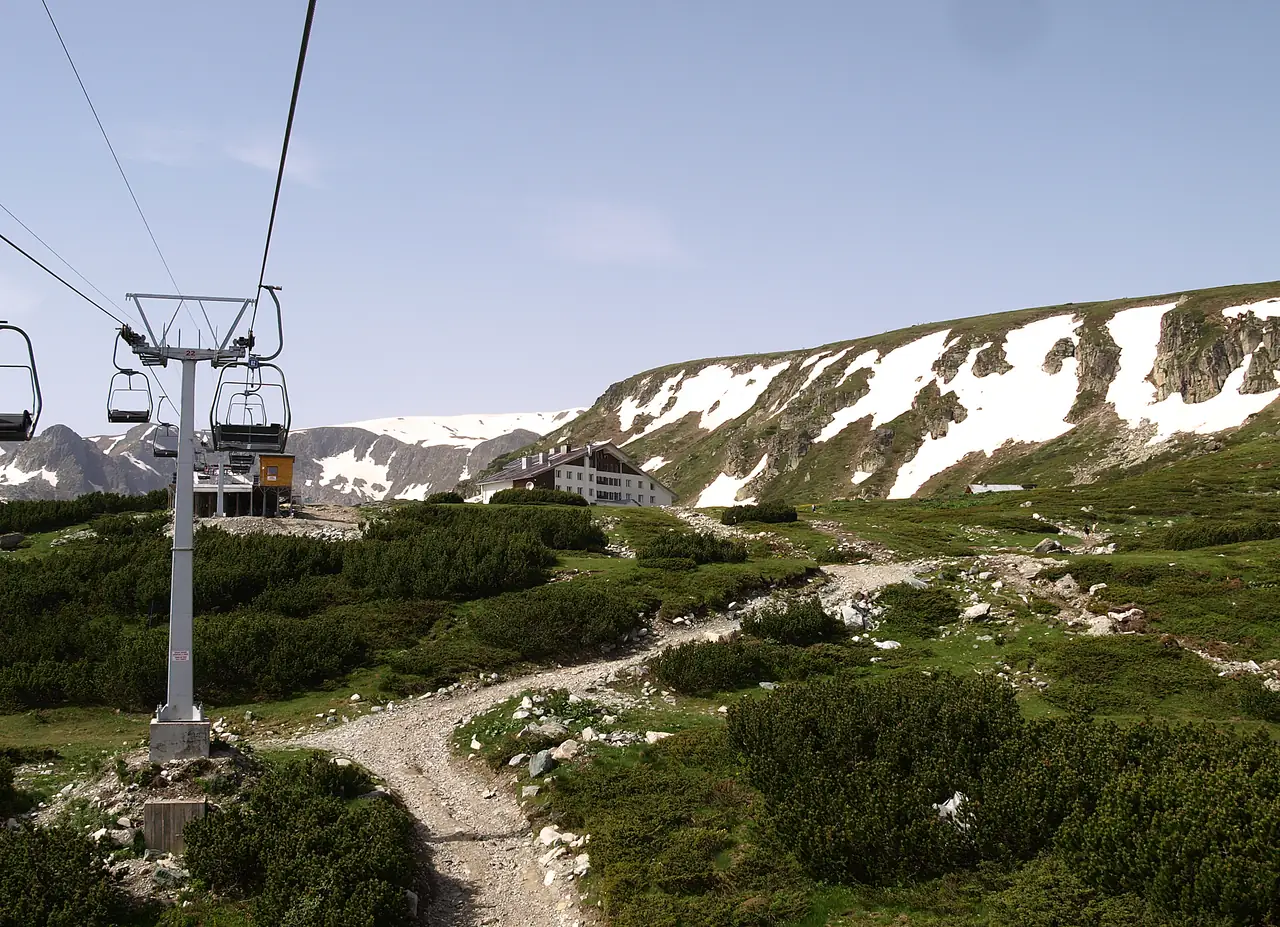
Head south out of Sofia on the A3/E79 toward Blagoevgrad, come off near Dupnitsa, then climb through the spa town of Sapareva Banya on the winding road to Panichishte and the Pionerska car park. It’s sealed road the whole way and fine for any car; the motorway needs an e-vignette you buy online in two minutes, and our driving in Bulgaria guide has the current rates.
Parking is 5 EUR a day, flat, however long you stay. That number jumped on 1 January 2026, when the Sapareva Banya council converted the old 5-leva fee straight into 5 euro, which is close to a doubling and catches returning visitors out. The car park holds 200 cars and fills on summer weekends and holidays, so leaving Sofia by 07:00 buys you a space as well as a quiet trail.
A driver’s bonus most day-trippers miss: Sapareva Banya has hot mineral pools and a well-known geyser, and a soak on the way back down is the perfect antidote to a long day on the ridge. It’s barely a detour, and the bus tours never build it in.
Public transport, and why the sums do not work
There’s no direct bus or train, and the independent visitor site rilalakes.com says so plainly. The chain runs Sofia to Dupnitsa by train or bus, then a local bus to Sapareva Banya, then a taxi for the last 14 km up to the lift, because no scheduled bus covers that stretch at all. Private minibuses also wait near the central stop in Sapareva Banya and work out cheaper if there are a few of you; agree the fare before you get in, because nobody publishes one.
Now the arithmetic. Trains leave Sofia for Dupnitsa through the day, the early one at 05:20 arriving 07:41 and the next at 07:30 arriving 09:32, with fares set dynamically and sold at the counter. Buses from Dupnitsa up to Sapareva Banya go Monday to Saturday at 06:50, 09:00, 10:40, 12:00, 14:00, 16:00 and 18:00, and on Sundays and holidays only at 07:00, 10:00, 13:00 and 16:00. So the first train lands you in Dupnitsa at 07:41, an hour after the 06:50 bus has gone; you wait for the 09:00, then still need that taxi, and you reach the lift around 10:15 at the very best, behind the queue, on a mountain where cloud builds by lunchtime. The chain saves maybe 15 EUR and costs you the morning. Take the shuttle. Our guide to what fits into one day out of Sofia weighs the lakes against Vitosha, Boyana Church and Rila Monastery by the hours each one costs.
The chairlift: price, hours and the Monday trap
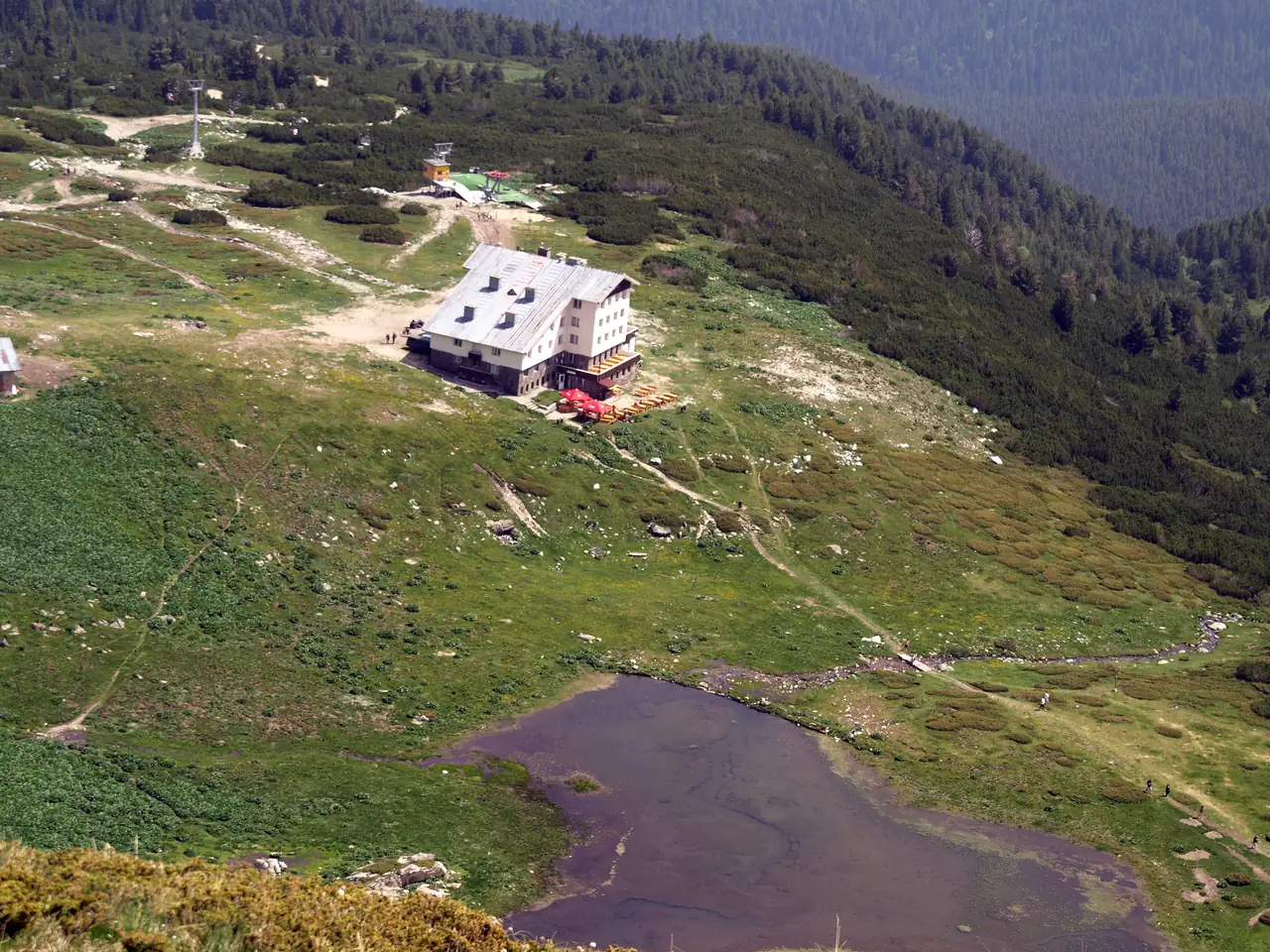
The chairlift (locals call the bottom station Pionerska) runs from about 1,500 m up to the Rila Lakes hut by the Fish Lake at 2,150 m, and the ride takes around 20 minutes. Prices from the operator’s own site, checked 22 September 2026:
- Adult return 16.00 EUR / 31.30 BGN, about 18 USD or 14 GBP; one-way 11.00 EUR / 21.51 BGN.
- Children 5 to 12, pensioners and disabled visitors: 8.00 EUR return / 15.65 BGN, about 9 USD or 7 GBP; one-way 6.00 EUR. Children need proof of age, but the pensioner and disability rates are written for Bulgarian paperwork, a pension decision from the NSSI or a disability ruling from TELK, so a visiting retiree from abroad should expect to pay the adult fare.
- Under-fives ride free, and every ticket includes passenger accident insurance, which isn’t the same thing as mountain-rescue cover.
Bulgaria has been on the euro since 1 January 2026 at a fixed 1.95583 leva, and the leva column on price lists like this one has been disappearing since the dual-price rule ended on 8 August 2026. The dollar and sterling figures come from the ECB reference rate of 22 September 2026 and will drift.
Now the hours, because this is where the internet is out of date. The operator posted new ones on 22 May 2026: the lift runs every day from 08:30 to 17:30, with Monday starting at 12:30 because the weekly maintenance slot runs to midday. Its own English page still shows an 18:30 finish, but that block is dated November 2025 and has not been touched since; the 17:30 close is what the operator published last. Never plan to be on the last chair either way.
Then the closures. The lift shuts all day on the last Monday of every month for maintenance, which for the rest of 2026 means 28 September, 26 October, 30 November and 28 December. On top of that it closes for a longer technical shutdown in October and again in spring, and the operator has not announced this autumn’s dates. Don’t read “a couple of weeks” into that: the spring 2026 shutdown began on 20 April and the lift only restarted on 23 May, five weeks later. If you’re planning an October trip, check the operator’s page close to your travel date rather than trusting a date printed here or anywhere else. Bad weather or a power cut can stop the lift with no refund. Stack that on the 12:30 Monday start and the shuttle’s missing Monday and the rule writes itself: don’t come on a Monday.
One more practical note. The card reader often fails up here because the mobile signal is poor, and then it’s euro cash only. There’s no online ticket sale either, so you buy at the window on the day. Bring notes.
Does anything up here run in October and winter?
Short answer, and it’s the opposite of what most guides say: the shuttle runs, the lift doesn’t. Rila Shuttle keeps selling the Sofia seat into autumn - it prices the chair-lift add-on as “not available in October” and warns November walkers about wet and snowy ground, which is not how a company writes about a service it has stopped. The chairlift is the one that goes down, for its autumn technical shutdown, and the operator hasn’t published the dates.
That matters more than it sounds. Without the lift you start at the Panichishte car park instead of the top station, which turns the day from an 11 km loop into roughly 20 km with an extra 500 m of climbing before you even reach the hut. It’s a real mountain day, not a stroll, and in October the light runs out early.
Once the shutdown ends the lift works through the winter on its own price list: half-day and multi-day passes from 18 EUR up to 92 EUR for a seven-day pass, alongside the same one-way and return fares. There’s also a 300-metre ski slope with a drag lift up there, though it belongs to the Sedemte Ezera hut further round the Fish Lake rather than to the hut at the top station. The lakes themselves freeze and the upper trail turns to snow and ice by late autumn, so anyone going beyond the hut needs winter kit or snowshoes.
What to book before you go
- Shuttle seats. July and August weekends sell out, and the combo run with Rila Monastery goes first.
- A private transfer, if two or three are sharing or you want your own hours: door to door, fixed price, no 15:00 deadline.
- A hire car, early for July and August, when Sofia fleets run out.
- A bed at the Rila Lakes hut, if you want the lakes at dawn before the day-trippers land.
- Not the lift ticket. There’s no advance sale. Turn up, queue, pay cash.
What is the hike actually like?
Easy to moderate, and genuinely doable for a fit beginner. From the top station the standard route is a loop of about 10 to 11 km with only 350 to 500 m of total ascent, and at a normal pace with photo stops it takes three to five hours. The path is well trodden; the tougher bits are the rocky sections climbing toward the top lakes and the ridge.
The lakes are strung one above the other between 2,095 m and 2,535 m, connected by streams and small cascades, and each has a name. From the bottom up: The Lower Lake (Dolnoto), which collects the outflow; The Fish Lake (Ribnoto), the shallowest; The Trefoil (Trilistnika), low-shored and irregular; The Twin (Bliznaka), the largest by area; The Kidney (Babreka), with the steepest walls; The Eye (Okoto), an almost perfect oval and, at 37.5 m, the deepest cirque lake in Bulgaria; and highest of all, The Tear (Salzata) at 2,535 m, so clear you can see straight to the bottom.
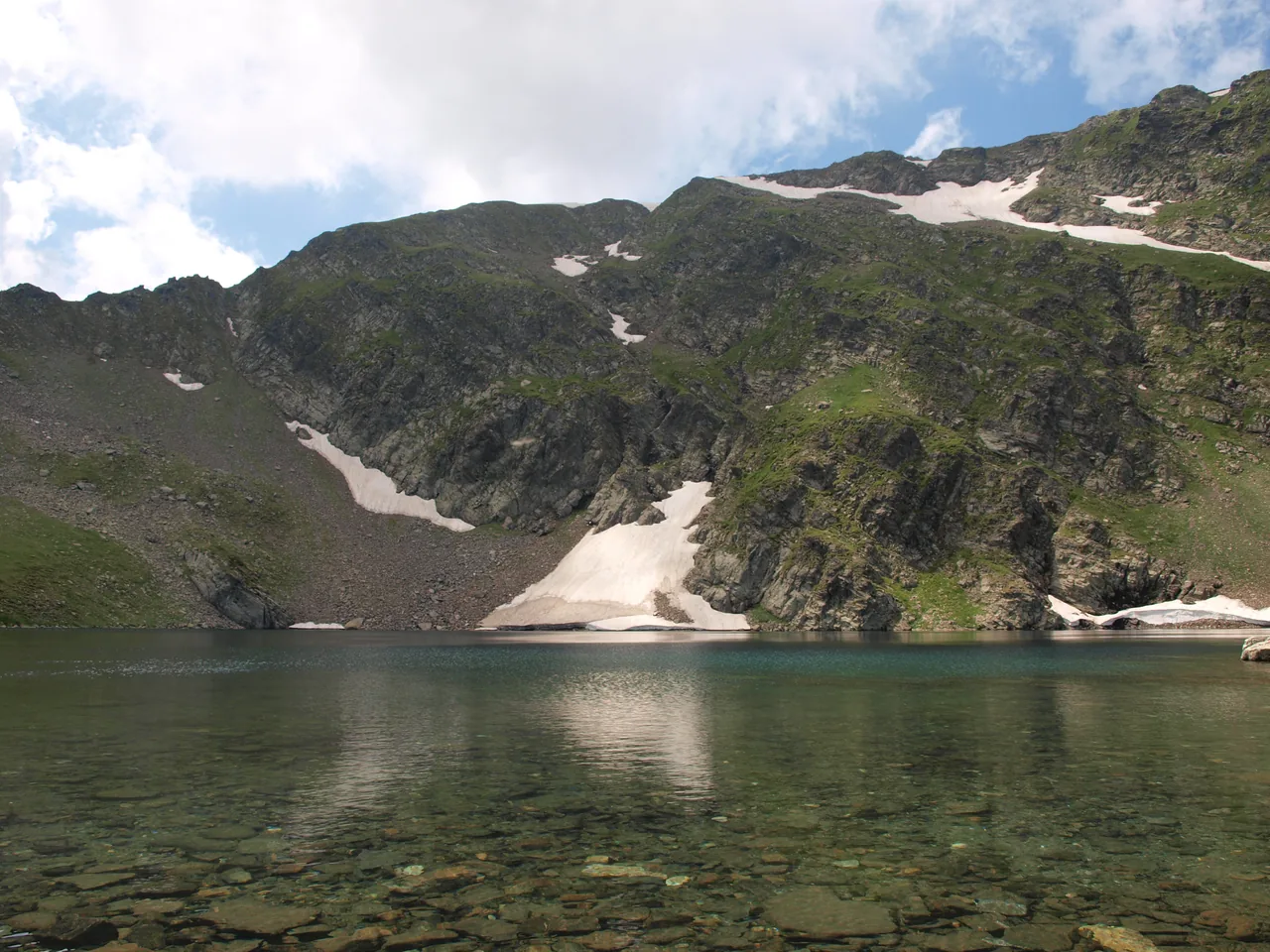
Most walkers go clockwise, past the lower lakes first, saving the big view for the top. You don’t have to reach every lake at water level; the higher you go, the more of them line up below you.
If the lift is shut, which in October it will be, or you simply want a longer day, you can walk up from the Panichishte car park instead. That adds roughly 500 m of climbing before you even reach the hut and turns the outing from about 11 km into around 20 km. Only take it on with an early start and settled weather.
Where is the viewpoint with all seven lakes?
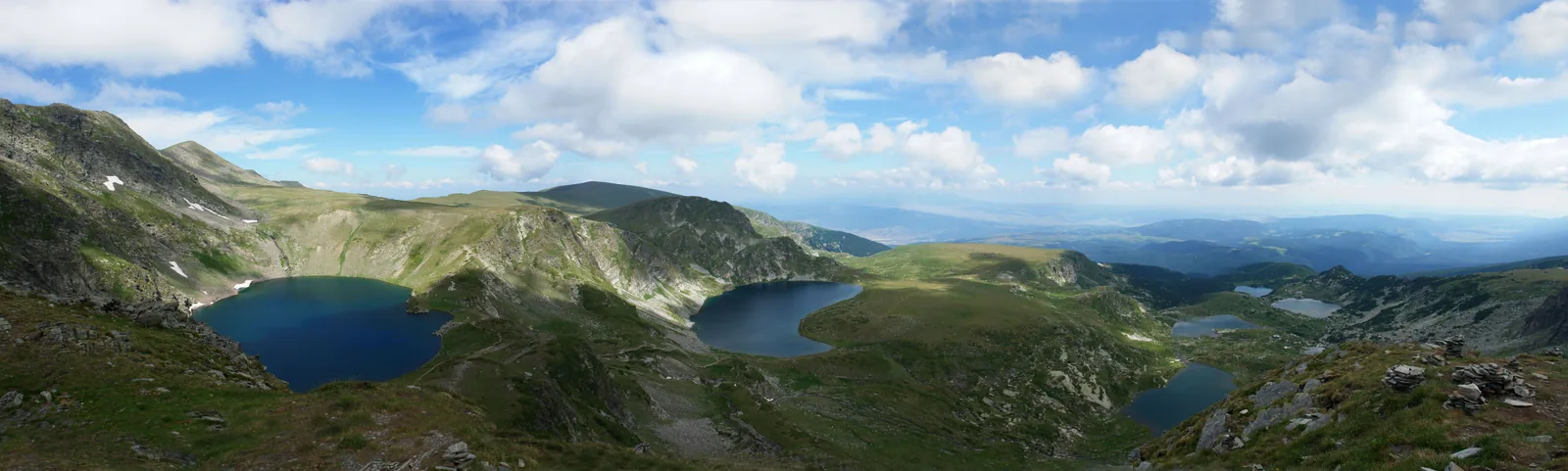
The famous shot, the one where all seven lakes stack up beneath you like steps, comes from the ridge above The Eye and The Tear, on the shoulder of Otovishki peak (2,696 m). You don’t need to summit it. A viewpoint on the ridge at roughly 2,500 m, a steady climb from the upper lakes, opens the whole staircase of water in one frame. Give yourself that extra push: it’s the reason most people come, and lake level alone doesn’t do it justice.
When is the best time to go?
Mid-June to late September, ideally early autumn. That window gives you clear trails, wildflowers in July and the best odds of a cloudless ridge. Outside it, from roughly October to May, there’s snow on the peaks and the lakes freeze over; the upper cirque holds snow patches well into June even in a normal year.
Two honest caveats. The weather turns fast: a bright morning can cloud over by lunchtime, and afternoon thunderstorms, cold wind and fog are all common in summer, which is another reason to be off the ridge by early afternoon. And the place is popular, so weekends and the July to August peak bring crowds and real queues at the lift, sometimes an hour or more. Come on a weekday if you can.
Nothing exotic goes in the pack, but don’t treat this as a stroll. Proper hiking shoes, because the upper trail is rocky and gets slippery when wet. Layers and a wind or waterproof shell: you are above 2,000 m, colder and windier than Sofia even in August. Sun protection and water for a ridge with no shade. And euro cash for the lift window, the car park and the hut buffet.
Is the Seven Rila Lakes hike worth it?
Yes, and it’s the one mountain day almost every visitor to Bulgaria should make room for. The effort is modest, the payoff is huge, and the chairlift does the hard climbing for you. A car-free day out of Sofia comes to 46 EUR while the lift is turning: 30 for the shuttle, 16 for the lift, plus whatever you eat at the hut. In October the lift half of that disappears and the walking doubles. Go on a clear weekday that’s not a Monday, take the first chairs, push up to the ridge, and you’ll see why this is the country’s most photographed hike.
The Rila Monastery sits in the same massif and makes a natural second day, a separate valley and a separate trip unless you book the combo shuttle; our guide to getting from Sofia to Rila Monastery covers that run in detail. Browse more of Bulgaria’s top attractions, plan the capital you’ll be based in with things to do in Sofia, or fit the lakes into a longer loop with our 7-day Bulgaria itinerary. Don’t bolt the hike onto a monastery circuit: the Rila-Rozhen-Bachkovo drive is five different days, and the chairlift’s Monday trap is exactly why.
If this is the day that gets you into the mountains, the rest of the country is in our guide to hiking in Bulgaria - the Rila, Pirin and Rhodope trails, what the marking system means, and when the high routes are actually open.
Photos
Admission and opening hours
- Admission price
- National park and lakes: free. Chairlift (Pionerska-Rila Lakes): adult 16.00 EUR / 31.30 BGN return, 11.00 EUR / 21.51 BGN one-way; child 5-12 on proof of age, or pensioner and disabled visitors on Bulgarian NSSI/TELK paperwork, 8.00 EUR / 15.65 BGN return; under 5 free; ticket includes accident insurance. Car park at the lift base 5 EUR per day. Shuttle from Sofia from 30 EUR per person return.
- Opening hours
- Chairlift: every day 08:30 to 17:30, with Monday starting at 12:30 because maintenance runs to midday. That is the operator notice of 22 May 2026; its own English hours page still shows an 18:30 finish and has not been updated since November 2025. Closed all day on the last Monday of each month. Closed again for autumn maintenance in October, with no dates announced; the spring 2026 shutdown ran from 20 April to 22 May.
Checked on 22 September 2026 against the lift operator and Rila Shuttle, which sells the Sofia run. In October the chairlift stops for maintenance while the shuttle keeps running, so an October visit means walking up from Panichishte. There is no online ticket sale for the lift, so you buy at the window; card readers often fail on the poor signal, so bring euro cash. Confirm times, price and lift status on the day.
Details checked: September 22, 2026
Distance ≈100 km · about 2 hours by car to Panichishte, or 1 hour 40 minutes on the direct shuttle
- Sofia ≈100 km · about 2 hours by car to Panichishte, or 1 hour 40 minutes on the direct shuttle Shared shuttle leaves central Sofia at 07:00 and reaches the lift before 09:00, from 30 EUR per person return, and it is still sold in October and November. No Monday departures. Driving: south on the A3/E79, exit near Dupnitsa, then up through Sapareva Banya. No scheduled bus covers the last leg to the lift.
Read also

What to see · 13 min read
Skiing in Bulgaria vs the Alps: Honest Verdict
Verified · September 13, 2026Bansko's last published 6-day pass was 341 EUR; Livigno's 2026-27 rate is 374.50 EUR. Real lift-pass, terrain and rental numbers, checked Sep 2026.

What to see · 12 min read
Pirin National Park: Vihren, Trails & Lakes
Verified · September 3, 2026Pirin National Park: the Vihren hut road closure, UNESCO peaks, 27 marked trails, glacial lakes and Bansko visitor centre hours.

What to see · 12 min read
Climbing Musala: The Balkans' Highest Peak
Verified · August 29, 2026Climbing Musala, the Balkans' highest peak at 2,925 m: the Yastrebets gondola schedule and price, the real hiking time from the top station, huts and gear.

What to see · 9 min read
Learning to Ski in Bansko: Schools & Lessons
Verified · August 25, 2026Bansko ski lessons: group and private prices in euros from official schools, Banderishka Polyana base, plus the lift pass you still need. Checked 2026.