
Bansko Skiing: Lift Pass Prices, Slopes & Season 2026
Bansko skiing explained: lift pass prices in euros, the 75 km of slopes, the season dates, the gondola and how to get there from Sofia. Checked 2026.
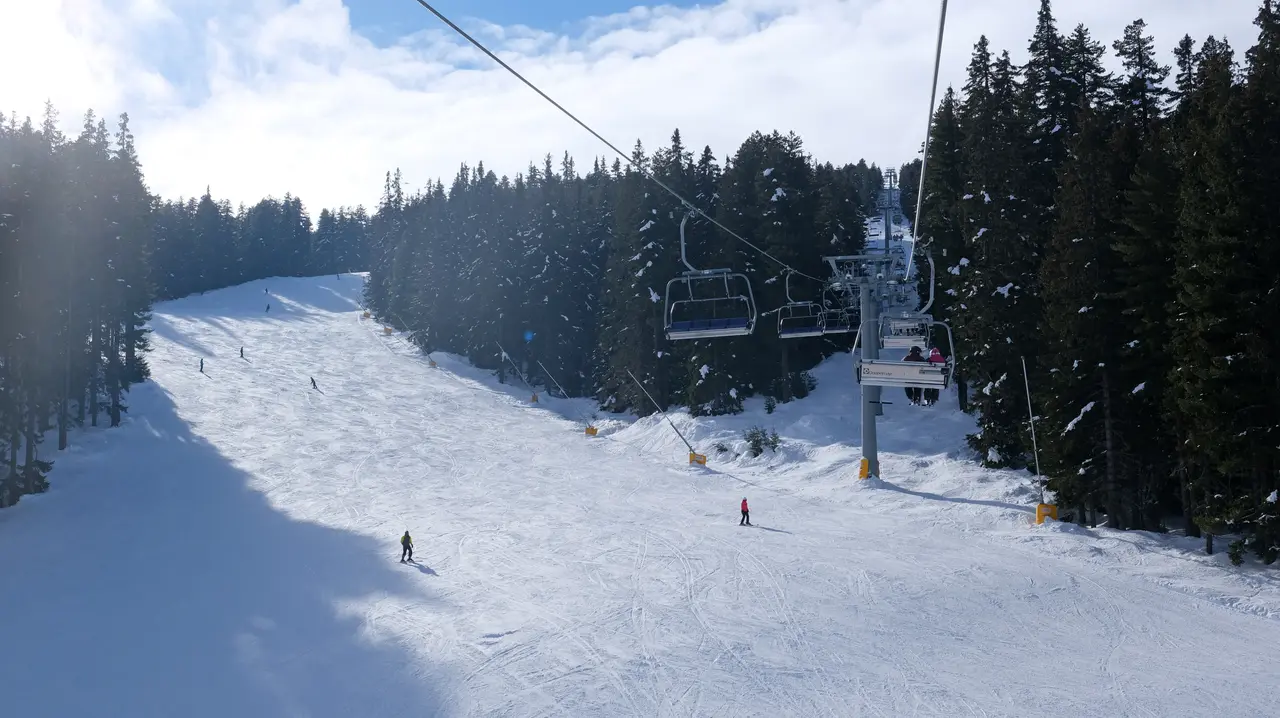
Bansko is Bulgaria’s biggest and best ski resort, and its pitch is simple: proper alpine terrain for well under what the Alps cost, as long as you count the whole trip and not just the day pass. You get 75 km of pisted runs, a modern gondola out of town, and a top height of about 2,530 m under Todorka peak. The lift pass itself has crept up, an adult day is around 59 EUR now, closing in on Alpine day-pass prices - Livigno 74.50 EUR in high season, Sölden 84.50 EUR in main season at the cash desk (86.50 EUR in peak); where Bulgaria still wins big is everything around it, with multi-day passes, lodging, food and ski hire at a fraction of Alpine cost. The season usually runs from December to mid-April, and the resort sits about 160 km south of Sofia, roughly two hours by car.
The gondola queue on a January Saturday morning is Bansko’s one real weak spot, and knowing how to dodge it can save you half a ski day - so that’s the first thing worth sorting. Getting here’s the easy part: the run down from Sofia is short, and our Sofia to Bansko guide lays it out in full.
When is the Bansko ski season?
The lifts usually open in the second half of December and run to mid-April, but the reliable window is narrower than that. For the 2025-26 season the resort opened on 13 December 2025, and in a normal year the top of the mountain holds snow into April while the lower runs depend on the snow cannons. The whole ski area sits between 990 m in town and about 2,530 m at the top, so cold-holding altitude isn’t a problem up high.
If you want the safe bet, aim for mid-January to late February. That’s when the base is deepest, the whole mountain is usually open, and the long tree runs back to the valley are skiable rather than slushy. December can be thin on natural snow (the resort leans on snowmaking early), and by late March the afternoons turn soft and the lower slopes get patchy. The trade-off is crowds: those peak weeks are also when Bulgarians, Brits and Balkan neighbours all pile in, so weekdays beat weekends by a wide margin.
Opening and closing dates shift with the weather every year, so check the resort’s own snow report before you lock in flights. Don’t build a trip around the last week of the published season, that tail end is the first thing to close if the spring is warm.
How much is a Bansko lift pass?
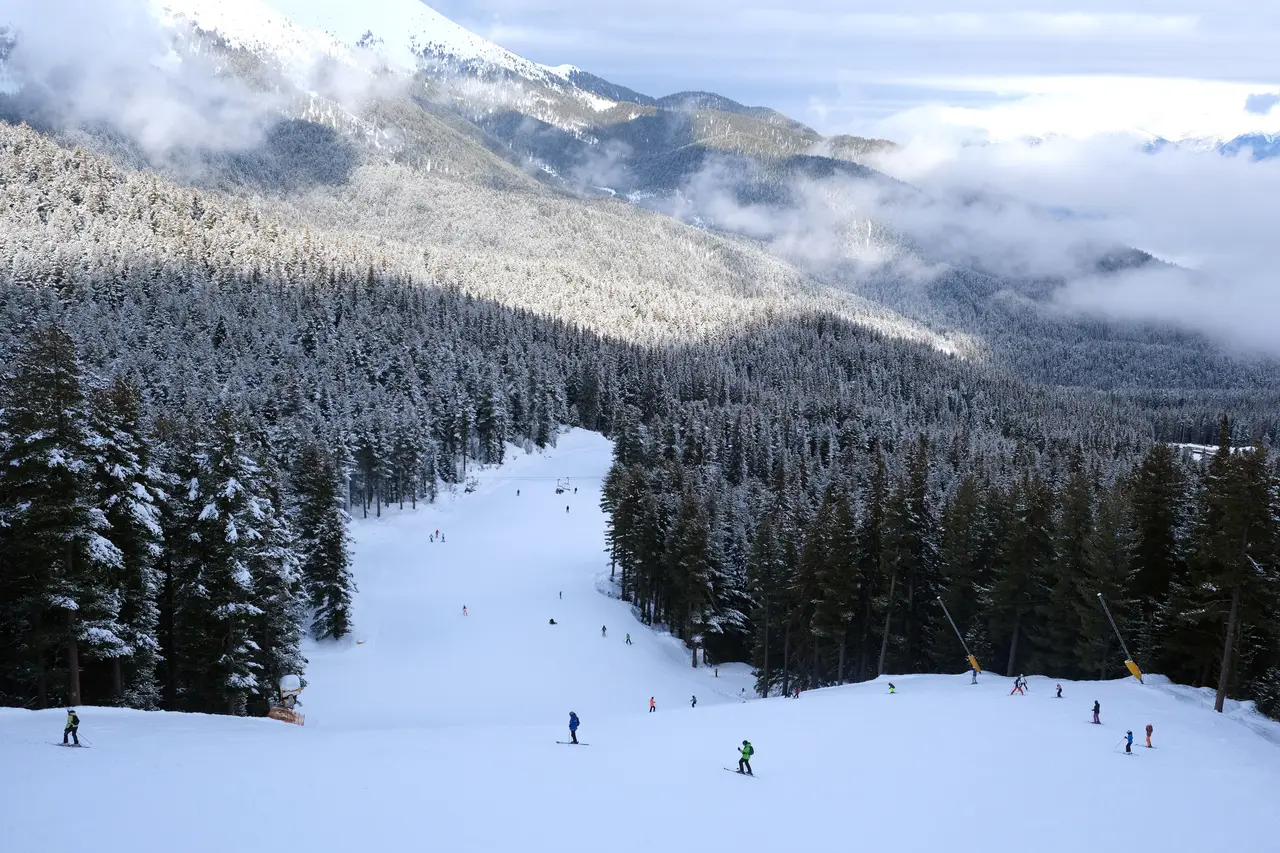
An adult day pass is about 115 BGN, roughly 59 EUR, but only in high season, which ran 27 December to 31 March in 2025-26. Either side of it the same ticket is much cheaper: 65 BGN, about 33 EUR, from 14 December, the day after the 13 December opening, until high season begins, and 88 BGN, about 45 EUR, in low season from 1 April. Ski the pre-Christmas week or the April spring snow and you pay a little over half the headline rate. Children (7 to 11) are around 30 EUR in high season, and students and pensioners a little under the adult rate. Multi-day passes trim the daily rate a little: a 6-day adult pass runs about 341 EUR (666.94 BGN), so a week of skiing works out near 57 EUR a day. If you’re staying the whole winter, the adult season pass is 1,020 EUR (about 1,995 BGN), and the same ticket covers the year-round lift, so it also gets you the summer gondola.
One detail worth knowing: the pass price includes mountain rescue insurance, which isn’t the norm everywhere and is a genuine bit of value if you take a hard fall off-piste. What it doesn’t include is ski hire or lessons, which you arrange separately in town or at the base.
A word of caution on the numbers. These are the resort’s own winter 2025-26 tariffs from banskoski.com (prices include VAT and mountain insurance), checked in July 2026, and the 2026-27 prices aren’t out yet: the resort usually posts them in the autumn, often with an early-bird discount if you buy a season pass before opening day. Bulgaria switched to the euro on 1 January 2026, so you’ll still see prices quoted in both euro and the old leva, and reseller sites and ski-shop windows sometimes list higher package rates than the resort’s own gate price. So confirm the current figure on the day, either at the cash desk by the gondola or on the resort’s official site.
What are the slopes like?
Bansko has 75 km of marked runs, and the split tells you who it suits: about 44 km easy (59%), 25 km intermediate (33%) and only 6 km of hard, black terrain (8%). In plain terms, this is a fantastic mountain for beginners and improving intermediates, and a fairly small one for experts. If you can link turns on a blue and want to spend a week getting genuinely confident on reds, Bansko is close to ideal. If you’re an advanced skier chasing steep bump runs and long blacks, you’ll have skied most of what challenges you in a couple of days.
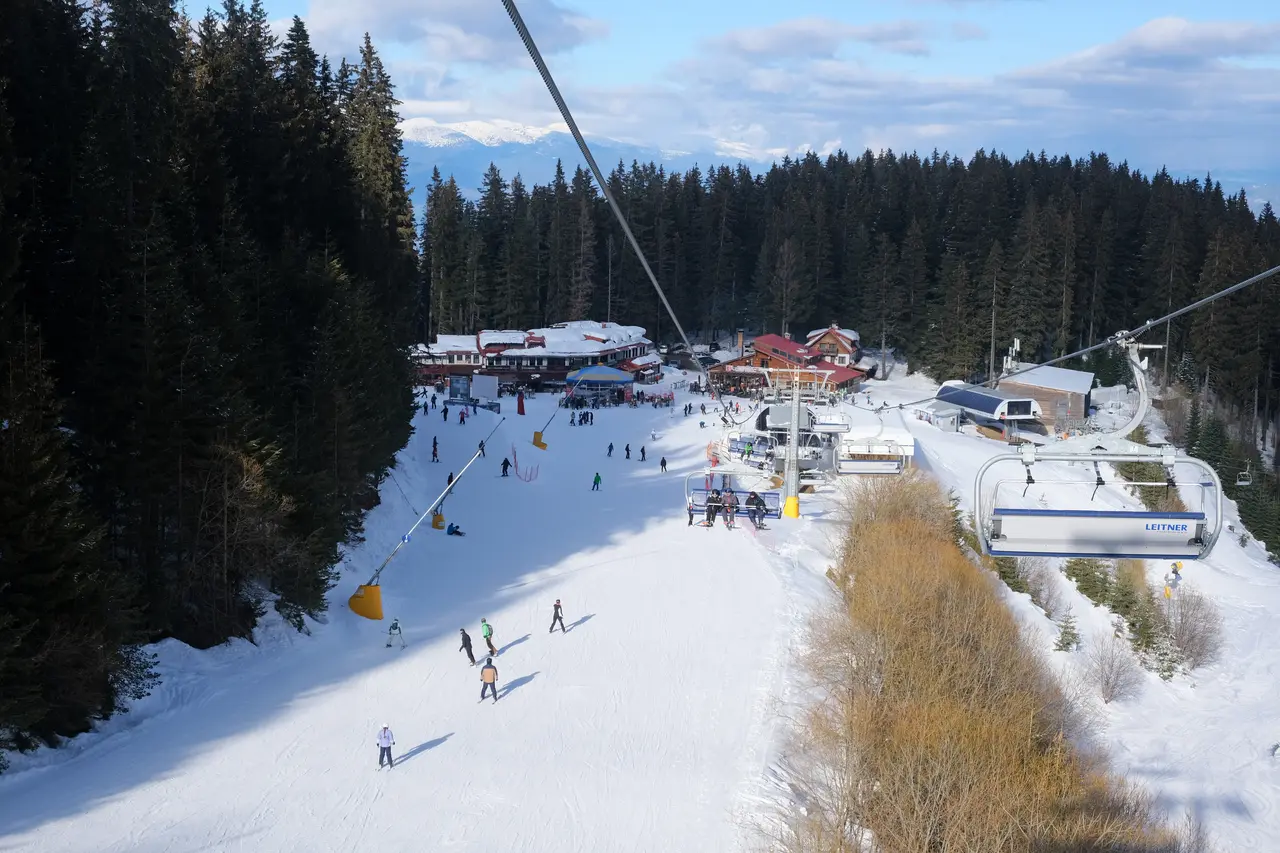
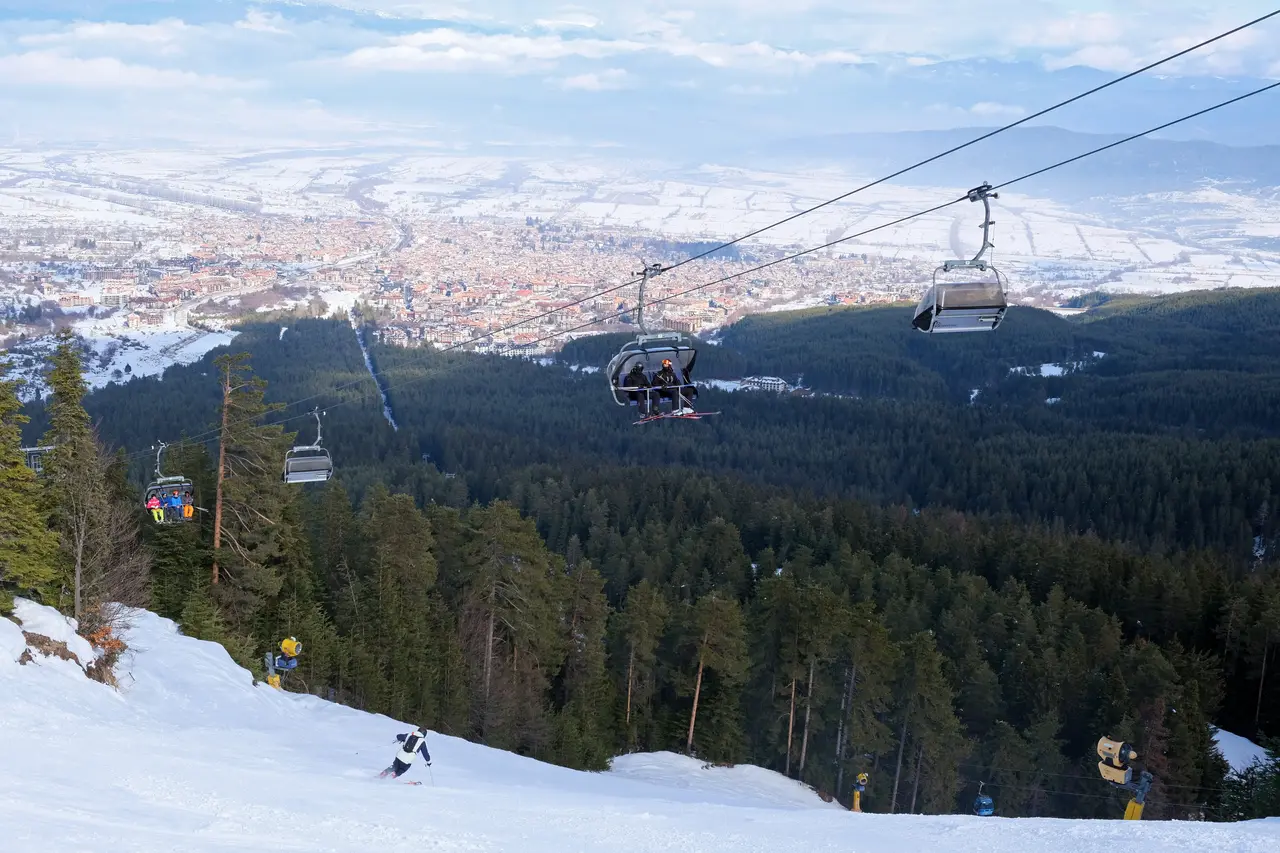
The layout is easy to read. The 8-seat gondola lifts you about 6.2 km from the edge of town up to Banderishka Polyana at roughly 1,600 m, and that’s where the real skiing starts: a cluster of chairlifts, the ski school, gear rental, and the gentle nursery slopes all sit around this hub. Above it, chairs fan out toward Todorka peak and the resort’s showpiece runs, including the World Cup slope. The single best thing about the mountain is the long descent: from the top you can ski a continuous 16 km line all the way back down to the valley, dropping over 1,500 m of vertical through the pine forest, when snow cover lower down allows it.
Beginners
First-timers are well looked after. The nursery area at Banderishka Polyana is wide, gentle and served by its own lifts, so you learn away from the through-traffic, and the ski schools here are cheap and used to English-speaking guests. Once you find your feet, the run of easy blues gives you real mileage rather than one short slope on repeat.
Intermediates and experts
Confident intermediates get the most out of Bansko. The reds off Todorka are the meat of the mountain, with proper length and pitch, and the cruise back to town is a highlight in good snow. Experts have the World Cup piste and a handful of steeper black sections to play on, but the honest read is that the genuinely hard terrain is limited. Bansko has hosted Alpine Ski World Cup races, and Mikaela Shiffrin won here in 2020, so the race pedigree is real, just not endless.
How do you get to Bansko from Sofia?
Bansko sits about 160 km south of Sofia, and there are three sensible ways to cover it.
The direct bus is the cheap option. Buses leave central Sofia (from the Central Bus Station and the Vasil Levski stop) for Bansko’s new station about five times a day, take roughly 2 hours 50 minutes, and cost around 11 to 16 EUR. It’s fine if you travel light, but wrestling a ski bag onto a service bus is nobody’s idea of fun, and the schedule can be tight around flight times.
Driving takes two to two and a half hours and gives you the most freedom, especially if you want to combine Bansko with other stops. Head south out of Sofia on the A3/E79 motorway toward Blagoevgrad, then cut east through Razlog to Bansko. The road is good; the only thing to respect is winter conditions on the final mountain stretch, so a car with winter tyres (mandatory in Bulgaria in winter) and some care after fresh snow.
A private or shared transfer from Sofia airport is the stress-free choice with gear, taking about 2.5 hours door to door and dropping you straight at your hotel. It costs more than the bus but far less than a comparable transfer in the Alps, and for a family with skis and boots it’s usually worth it.
Flying into Plovdiv instead? In winter it works mainly as a charter airport for exactly this trip, and our Plovdiv to Bansko guide covers the two afternoon buses, the scenic narrow-gauge railway and the winter ski shuttle from Plovdiv airport.
Practical tips that make or break the day
- Beat the gondola queue. This is the one real pain point. Because the town sits below the snow and everyone funnels up the single gondola, the morning line can eat 45 minutes on a peak Saturday. Get to the base by 08:15 to 08:30 for first lifts, ski through lunch when the queue thins, or stay slopeside and skip the town-to-mountain crush entirely.
- Ski midweek if you can. Tuesday to Thursday are noticeably quieter than the weekend, when day-trippers from Sofia and Thessaloniki arrive.
- Bring some cash and expect euro. Cards work at the base, but a little cash smooths out the smaller huts and the odd machine, and after January 2026 prices are in euro.
- Stay in the old town for the evenings. Bansko’s mehanas (traditional taverns) in the cobbled old quarter are cheap, hearty and a big part of why people come back. This is where the resort beats the sterile purpose-built Alpine village on atmosphere and price. Which taverns put a folk band on, and on which night, is in our Bansko après-ski guide.
- Rent gear locally. Ski and boot hire in town is inexpensive and saves you flying with heavy kit; shops near the gondola sort you out in minutes.
Is Bansko worth it?
For beginners, intermediates and anyone who wants a week of skiing without the Alpine bill, yes, clearly. What that week costs end to end - pass, hire, bed, food, transfer - is in How much a Bulgaria ski holiday costs. You get a real mountain, a modern gondola, English-speaking ski schools, and a lively old town for the evenings, all for roughly half of what western Europe charges. The honest caveats are the gondola queue on peak weekends and the thin supply of expert terrain, so hard-charging skiers should treat Bansko as a fun few days rather than a full week. If you’re travelling with young kids or nervous first-timers and want something gentler, sunnier and quieter, Pamporovo down in the Rhodopes is the easier alternative - our Bansko or Pamporovo comparison sorts that fork - and for the shortest transfer of all, Borovets sits barely an hour from Sofia. Weigh the two Sofia-side names directly in Bansko vs Borovets. Whichever you pick, check your travel policy includes winter sports before you go - our Bulgaria travel insurance guide covers the ski clause and who pays for a mountain rescue, and our dedicated ski travel insurance guide goes deeper on off-piste cover and the two-part rescue question.
Skiing is a great winter add-on to a wider trip. For the resort itself, our guide to where to stay in Bansko breaks down the gondola end, the Old Town and the cheaper beds nearby. Base yourself in the capital first with our guide to the best things to do in Sofia, pair Bansko with the nearby Rila Monastery in the same Rila-Pirin mountains, drop south to the tiny wine town of Melnik for its rock-cut cellars and sand pyramids, and see how it all fits together in our 7-day Bulgaria itinerary or the wider list of top Bulgarian attractions. When the snow melts, the same valley opens into summer Pirin National Park - trails and lakes, not the gondola queues this page is about.
Photos
Admission and opening hours
- Admission price
- Adult day pass runs three tariffs across the 2025-26 season: 33.23 EUR (65 BGN) from 14 December, the day after the 13 December opening, until high season starts, 59 EUR (115.39 BGN) in high season 27 December to 31 March, and 45 EUR (88.01 BGN) in low season from 1 April. Child (7-11.99) high-season day pass 30 EUR (58.67 BGN); 6-day adult 341 EUR (666.94 BGN); adult season pass 1,020 EUR (1,994.95 BGN). Mountain rescue insurance is included in the pass.
- Opening hours
- Gondola runs about 08:30 to 17:00; ski lifts about 08:45 to 16:15. Winter season roughly December to mid-April (2025-26 ran 13 December 2025 to 12 April 2026), snow permitting.
These are the official banskoski.com winter 2025-26 tariffs (prices include VAT and mountain insurance); the 2026-27 tariff is not published yet and is usually announced in the autumn, often with an early-bird season-pass discount. Resellers and window rates can be higher. Confirm the current price and season dates on the day.
Details checked: July 20, 2026
Distance ≈160 km · about 2 to 2.5 hours by car
- Sofia ≈160 km · about 2 to 2.5 hours by car South on the A3/E79 motorway toward Blagoevgrad, then east through Razlog to Bansko. Direct buses run from central Sofia about 5 times a day (roughly 2h50); private airport transfers take around 2.5 hours door to door.
Read also

What to see · 13 min read
Skiing in Bulgaria vs the Alps: Honest Verdict
Verified · September 13, 2026Bansko's last published 6-day pass was 341 EUR; Livigno's 2026-27 rate is 374.50 EUR. Real lift-pass, terrain and rental numbers, checked Sep 2026.

What to see · 12 min read
Pirin National Park: Vihren, Trails & Lakes
Verified · September 3, 2026Pirin National Park: the Vihren hut road closure, UNESCO peaks, 27 marked trails, glacial lakes and Bansko visitor centre hours.

What to see · 12 min read
Climbing Musala: The Balkans' Highest Peak
Verified · August 29, 2026Climbing Musala, the Balkans' highest peak at 2,925 m: the Yastrebets gondola schedule and price, the real hiking time from the top station, huts and gear.

What to see · 9 min read
Learning to Ski in Bansko: Schools & Lessons
Verified · August 25, 2026Bansko ski lessons: group and private prices in euros from official schools, Banderishka Polyana base, plus the lift pass you still need. Checked 2026.