
Belogradchik Rocks & Fortress: Visiting Guide
Visiting the Belogradchik Rocks and Kaleto fortress in NW Bulgaria: euro prices, hours, the climb up the pinnacles, and getting there from Sofia.
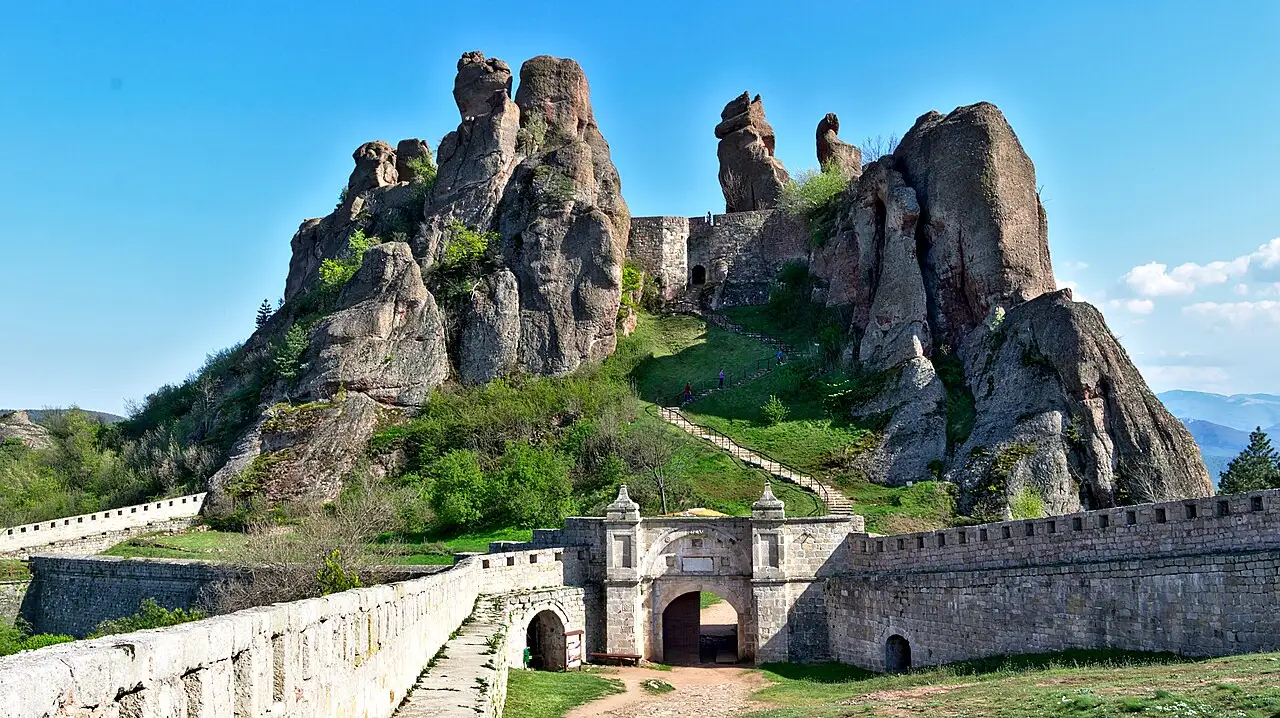
The Belogradchik Rocks are a field of red sandstone towers in Bulgaria’s far northwest, and the best way to see them is from inside the Kaleto fortress that was built straight into them. Entry to the fortress costs about 4 euros, it opens daily from 09:00, and the rocks themselves cost nothing. The catch is distance: this is roughly 200 km from Sofia with only one direct bus a day, so plan on driving or staying a night rather than squeezing it into an afternoon.
The part most visitors underestimate is the ladder climb to the top - an exposed scramble up steel rungs bolted into the sandstone that turns a pleasant fortress into a small adventure. If a corner of the country that public transport mostly forgot sounds like a detour, it is, but it’s the kind people remember longer than the big-name sights.
What are the Belogradchik Rocks?
They’re a natural formation of sandstone and conglomerate pillars that runs across the western slopes of the Balkan mountains, spreading over an area of around 50 square kilometres. The tallest towers reach up to 200 metres, and their rusty red colour comes from iron oxide (hematite) in the rock. The whole thing began as sediment on the floor of a shallow sea more than 200 million years ago, then was cemented, lifted, and weathered into the shapes you see now.
Those shapes are the point. Over centuries locals gave the rocks names based on what they resemble: the Horseman, the Madonna, the Schoolgirl, the Bear, the Camel, the Lion, the Mushrooms, the Monks, Adam and Eve. It’s not a hard sell either; several are genuinely uncanny once someone points them out. The rocks were on Bulgaria’s UNESCO tentative list from 1984, and in 2009 they were the country’s official entry in the New 7 Wonders of Nature campaign. They didn’t make the final seven, but the nomination tells you how the Bulgarians rate them.
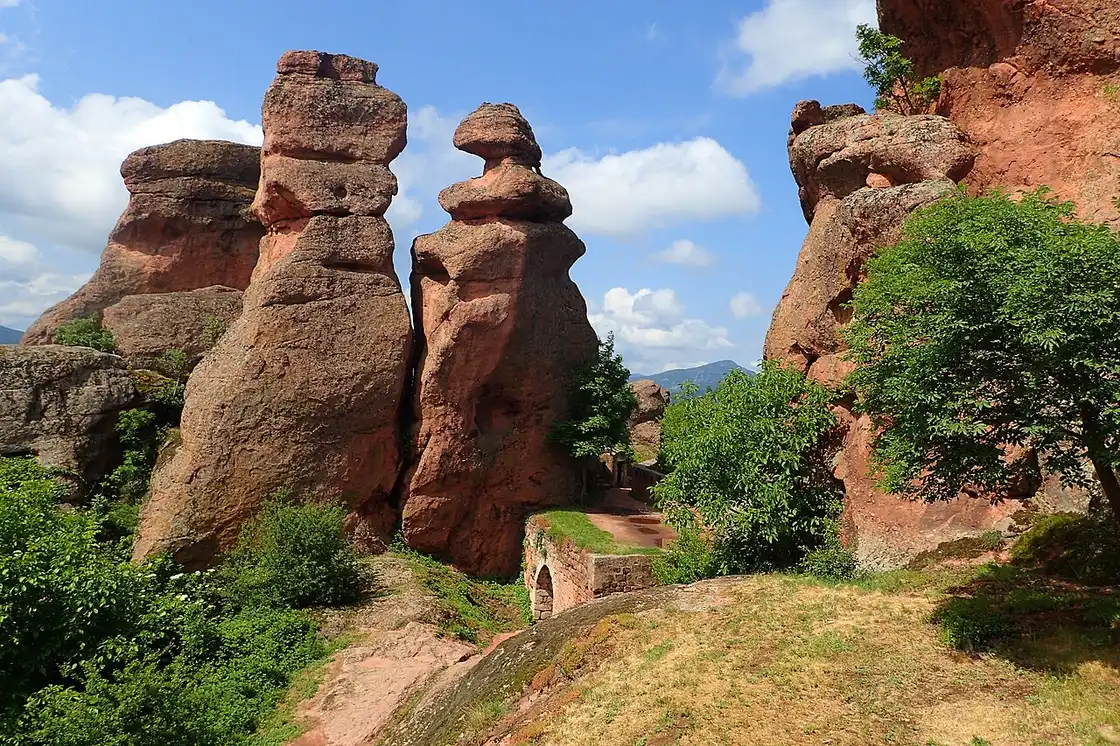
There’s a legend that ties three of the rocks together, and it is worth knowing before you go so you can spot them. A young nun fell in love with a horseman on a white steed and became pregnant; when the monastery cast her out, the story goes, day turned to night and everyone was turned to stone in that moment. The three formations left behind are the Madonna (a woman holding a child), the Horseman, and the Monks. Whether you buy the tale or not, it is a good excuse to slow down and actually look at the rock faces instead of walking past them.
The Kaleto fortress: a castle with rock walls
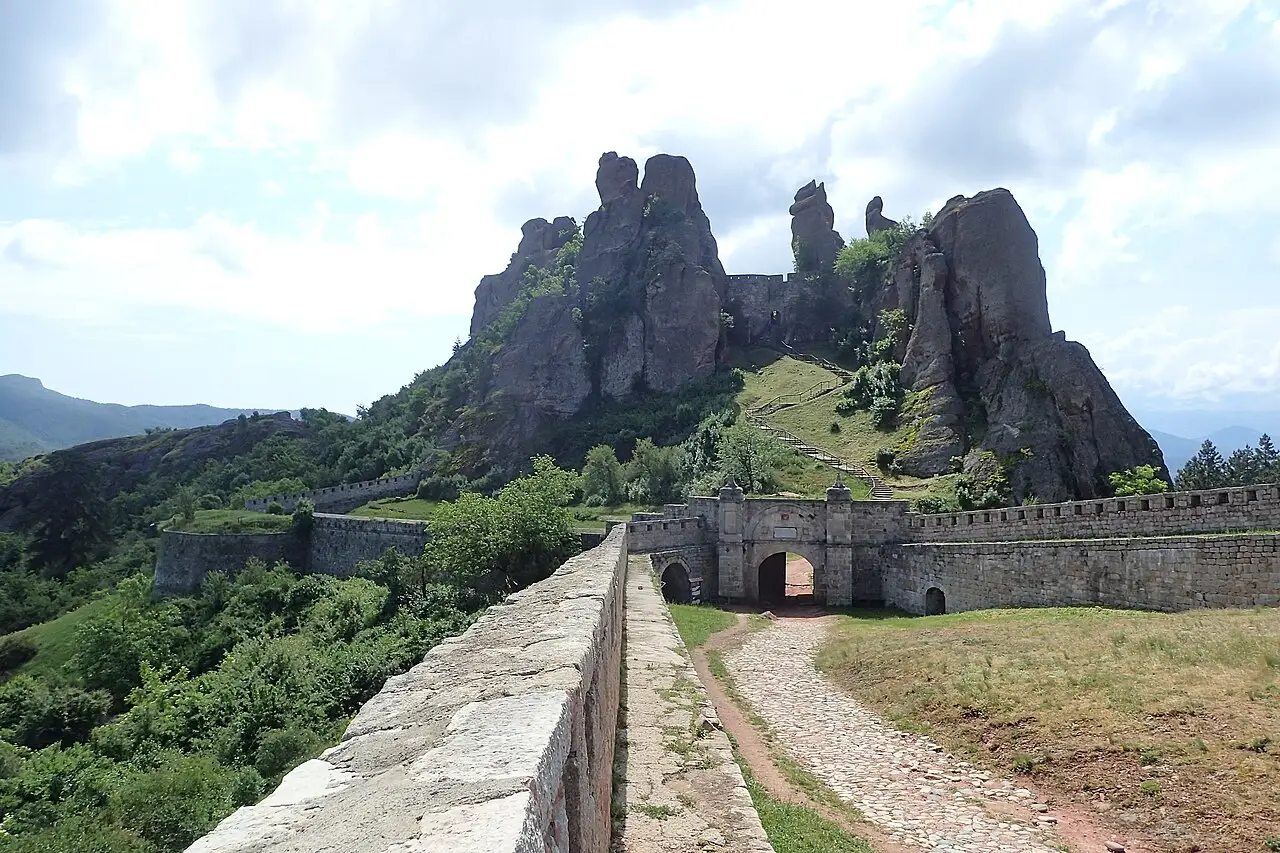
Most fortresses build their own walls. Belogradchik’s builders cheated in the best way, wedging their stonework into the gaps between the natural rock towers so that on two sides the defences are simply cliffs up to 70 metres high. That’s what makes Kaleto (“the fortress” in Turkish) different from every other castle you’ll visit in Bulgaria: here the architecture and the geology are the same thing.
The Romans put the first fort here for the strategic position over the northwestern approaches. Bulgarians expanded it later, most seriously under Tsar Ivan Sratsimir of the Vidin kingdom in the 14th century, when it became the region’s second-most important stronghold after Baba Vida on the Danube. The Ottomans took it around 1396 and held it for centuries. The masonry you photograph today mostly dates from a major rebuild between 1805 and 1837, when French and Italian military engineers modernised it with proper artillery bastions. It carries a darker chapter too: the fortress was used to put down the local Belogradchik peasant uprising of 1850.
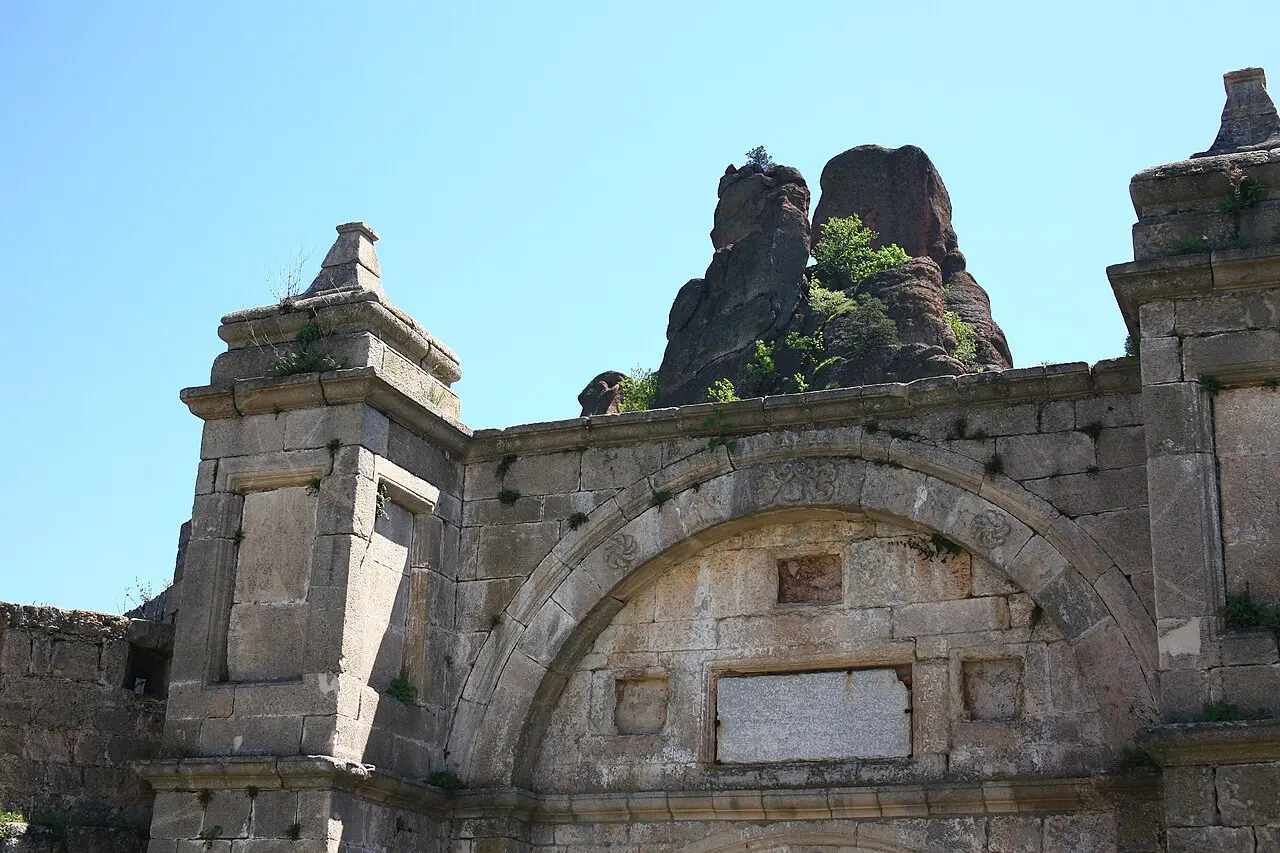
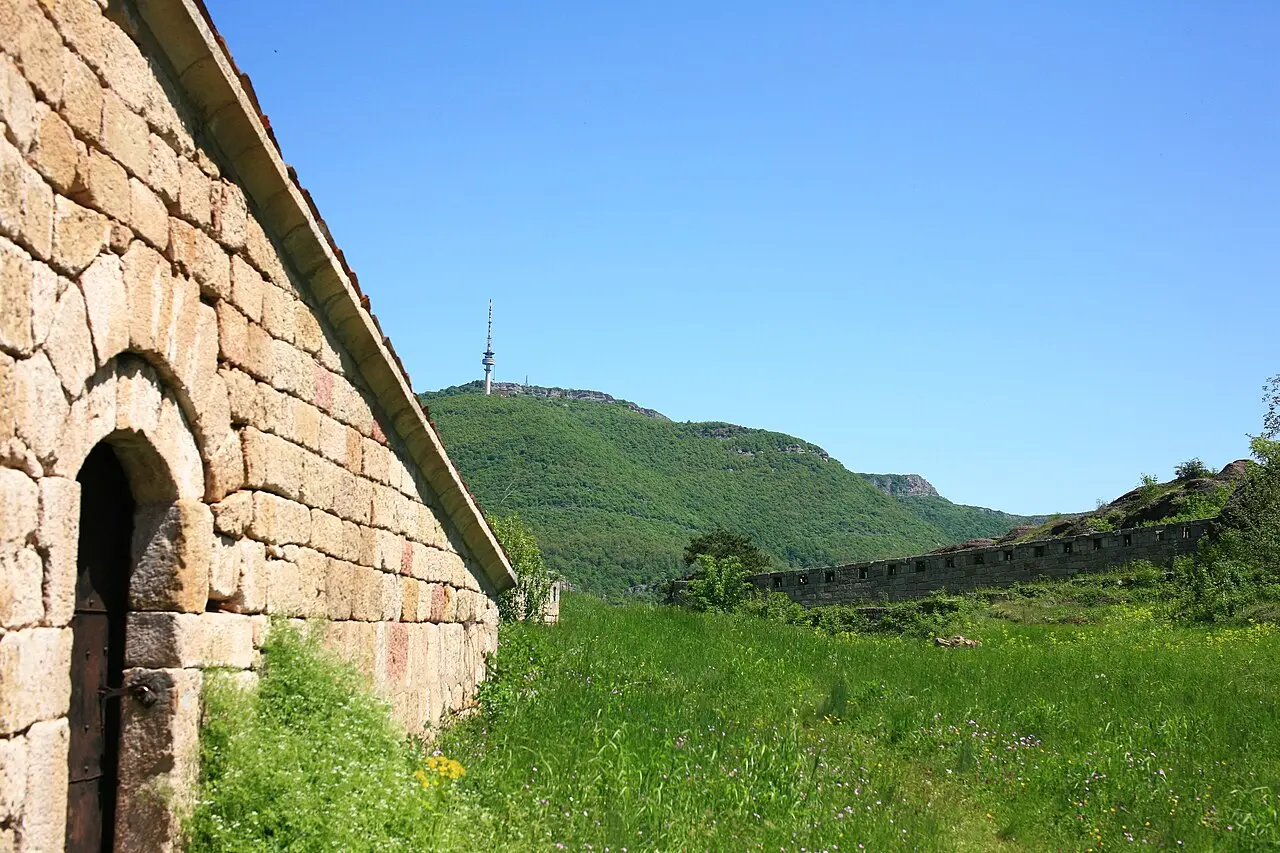
The fortress covers just over 10,000 square metres and is laid out as three separate courtyards, each able to hold out on its own if the others fell, linked by gates that could be sealed. The lower stone walls stand up to 12 metres high and more than two metres thick at the base. Walking in through the first gate and up the ramp, you pass from human-built rampart to raw rock without any clear line between them, which is the whole experience in a nutshell.
The climb most people underestimate
Here’s the part the ticket doesn’t warn you about: the best views are earned. From the upper courtyard, a set of steep metal ladders and cut steps runs up the rock pinnacles to a small platform near the top, and from there you get the full 360 over the town, the rock field, and the plain rolling toward the Danube. It is the single best thing you can do here, and it’s free once you are inside.
It is also not for everyone. The ladders are near-vertical in places, the rock can be slick after rain, and there are stretches with a real drop beside you and only a modest handrail. If heights unsettle you, the lower fortress and the gate views are still well worth the trip and you lose little by skipping the top. If they don’t, wear shoes with grip, use both hands, and give yourself time; the descent is slower and more careful than the way up. Either way, this is why you budget more time than the “one hour” some guides suggest.
Prices, hours, and how long to stay
The fortress is run by the regional museum, and the official adult ticket is about 4 euros (8 leva), with students around 2 euros and pensioners around 2.5 euros. A combined ticket that also covers the Magura Cave and the town museums runs about the same 4 euros, which is good value if you plan to see more than the fortress. One honest flag: some recent travel guides quote a higher 15-lev adult fare, so the price you actually pay may differ; check at the gate. Bulgaria switched to the euro in 2026 (the old lev figures you still see quoted are just the pre-changeover amounts), so bring a few small euro notes, because a small rural ticket office like this one doesn’t always take cards.
Opening hours shift with the season. In midsummer (June to August) the gate is open 09:00 to 20:00; it closes at 19:00 in May and September, 18:00 in April and October, and 17:00 through the winter. Give yourself at least an hour and a half to two hours if you want to do the climb, more if you like to linger over the views or wait for good light. Late afternoon is kindest to photographers, when the low sun sets the red rock glowing.
For the best time of year, aim for spring (April to May) or early autumn (September to October): mild weather, long light, and none of the exposed-hilltop heat that bakes the rocks in July and August. Weekends, especially summer Saturday afternoons, are the busiest, so a weekday visit gives you the ladders more or less to yourself.
How to get to Belogradchik
This is the deciding factor for most people, so be clear-eyed about it. Belogradchik sits about 200 km northwest of Sofia, near the Montana-Vidin road, in a part of Bulgaria that tourism logistics haven’t caught up with.
By car is the easy answer, about three hours from Sofia each way. It also lets you fold in the Magura Cave (roughly 20 km northwest, with prehistoric cave paintings) or Vidin and its riverside Baba Vida fortress on the Danube. A rental is the most flexible way to reach the whole northwest corner in one trip.
By bus from Sofia is possible but awkward: there’s usually only one direct service a day, taking around four hours, and it tends to leave in the late afternoon, which makes a same-day return impossible. From the bus stop it’s a short walk (around 15 minutes) up to the fortress. If you’re relying on buses, plan to stay overnight.
By train is the scenic-but-slow option. There’s no direct line to the town; you take the Sofia-Vidin railway to Gara Oreshets station, about 10 km east, a journey of roughly four to four and a half hours, then finish with a short taxi or local bus into Belogradchik. Fine if you enjoy trains, frustrating if you’re in a hurry.
From Vidin it’s much easier: Belogradchik is only 50 km south, with regular buses through the day taking about an hour. If you are already on the Danube, or arriving from Romania across the river, this is the natural way in.
Is it worth the trip, and what to pair it with
If you only have a few days centred on Sofia, Belogradchik is a stretch, and something like Rila Monastery or Plovdiv will give you more for less travel time. But if you have a car, a spare day, and a taste for places that aren’t on every itinerary, few sights in Bulgaria reward the effort like standing on top of a rock tower inside a medieval fortress.
The smart way to do it’s to treat the northwest as its own mini-loop: base a night in Belogradchik or nearby Vidin, climb the fortress in the good light, and take in the Magura Cave. If you are building a longer route, it slots in as a northern detour rather than a core stop; see how the headline sights connect on the 7-day Bulgaria itinerary, and if fortresses are your thing, pair it with the medieval capital at Veliko Tarnovo further east. For getting started in the country, Sofia is where most trips begin.
Photos
Admission and opening hours
- Admission price
- Adult about 4 EUR (8 BGN); students about 2 EUR (4 BGN); pensioners about 2.5 EUR (5 BGN). Combined ticket with Magura Cave and the town museums about 4 EUR (8 BGN).
- Opening hours
- Jan-Mar and Nov-Dec 09:00-17:00; Apr and Oct 09:00-18:00; May and Sep 09:00-19:00; Jun-Aug 09:00-20:00.
Paid at the on-site ticket office; bring cash in euros (small notes), as this rural office may not take cards. Bulgaria switched to the euro in 2026, so prices are in euros now; the leva figures are just the old amounts for reference. Some online guides quote a higher 15 BGN adult fare, so confirm the current price on the day. Parking in front of the gate is about 1.30 EUR (2.60 BGN) per car.
Details checked: July 4, 2026
Distance
- Sofia ≈200 km · about 3 hours by car Northwest of Sofia toward Montana and Vidin. One direct bus a day (about 4 hours), so most people drive or stay overnight rather than day-trip.
- Varna No practical direct route; reach it via Sofia or via Vidin on the Danube.
Read also

What to see · 13 min read
Skiing in Bulgaria vs the Alps: Honest Verdict
Verified · September 13, 2026Bansko's last published 6-day pass was 341 EUR; Livigno's 2026-27 rate is 374.50 EUR. Real lift-pass, terrain and rental numbers, checked Sep 2026.

What to see · 12 min read
Pirin National Park: Vihren, Trails & Lakes
Verified · September 3, 2026Pirin National Park: the Vihren hut road closure, UNESCO peaks, 27 marked trails, glacial lakes and Bansko visitor centre hours.

What to see · 12 min read
Climbing Musala: The Balkans' Highest Peak
Verified · August 29, 2026Climbing Musala, the Balkans' highest peak at 2,925 m: the Yastrebets gondola schedule and price, the real hiking time from the top station, huts and gear.

What to see · 9 min read
Learning to Ski in Bansko: Schools & Lessons
Verified · August 25, 2026Bansko ski lessons: group and private prices in euros from official schools, Banderishka Polyana base, plus the lift pass you still need. Checked 2026.