
Things to Do in Sofia: Complete Guide
What to do in Sofia in two or three days: Nevsky, Roman Serdica under the metro, Boyana Church, Vitosha mountain, real hours and euro prices.
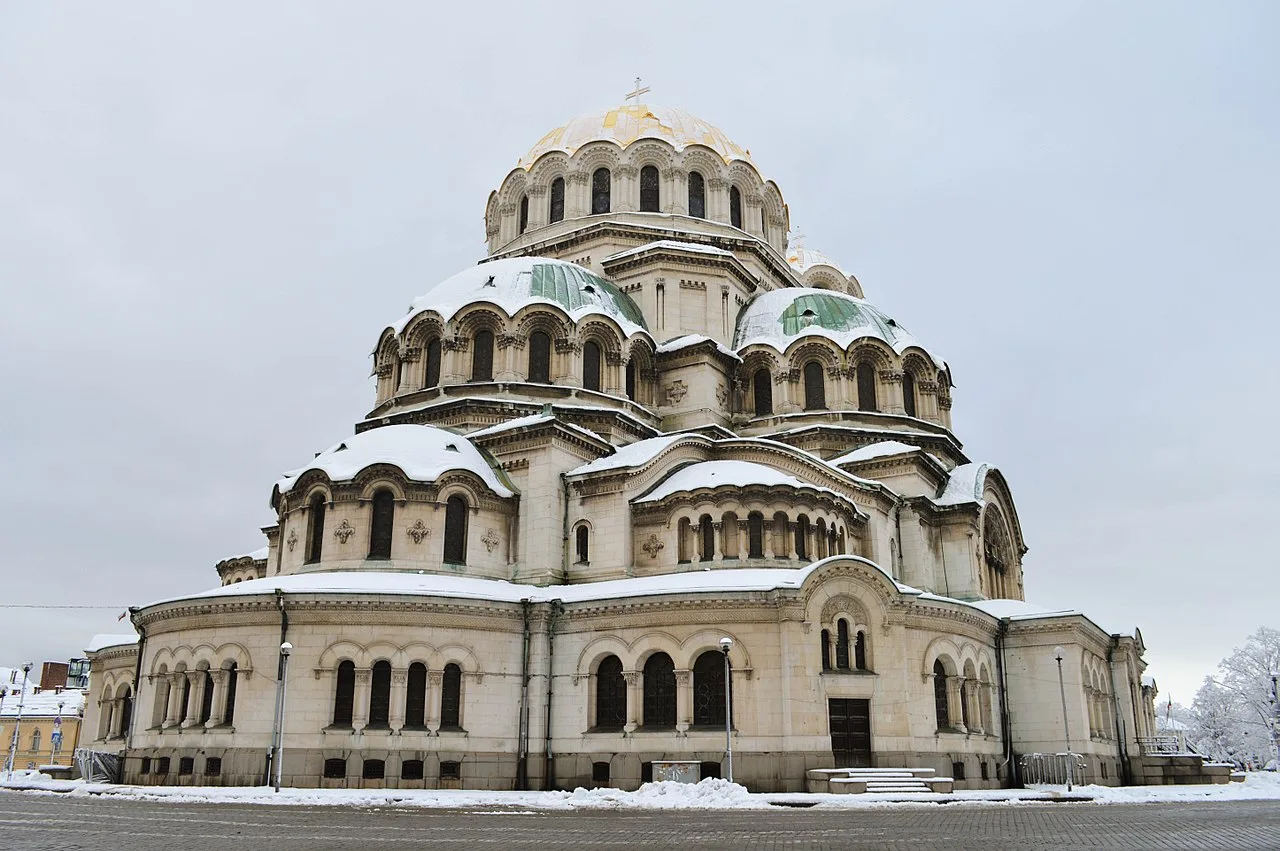
Sofia packs 2,000 years into a walkable centre, so the best things to do sit within a 15-minute stroll of each other: the gold-domed Alexander Nevsky Cathedral, a Roman city called Serdica exposed under the metro, and the wall of green mountain, Vitosha, that rises straight off the boulevards. Give it two full days for the city and a third for the frescoed Boyana Church and a hike up Vitosha. One housekeeping note before you go: Bulgaria switched to the euro on 1 January 2026, so prices below are in euros, though small kiosks and museum desks still love cash.
This guide is built around what’s actually worth your time, in the order that makes sense on foot, with real opening hours and the couple of things that trip people up (a mountain with no cable car left, a fresco you get eight minutes with). For the wider picture beyond the capital, browse our Bulgaria attractions hub; and if you’re pairing Sofia with the rest of the country, see the 7-day Bulgaria itinerary, which uses the capital as its base. If you’ve only got a Friday-to-Sunday city break, our 2-day Sofia itinerary takes this same list and sequences it hour by hour.
How many days do you need in Sofia?
Two days covers the centre without rushing, and a third lets you get out to Boyana and up Vitosha. On a tight city break you can see the headline sights in a single long day, because they cluster so tightly, but Sofia rewards a slower pace: half the pleasure is the cafe culture along Vitosha Boulevard and the layers of Roman, Ottoman, and Soviet history stacked within a few streets.
The compact core is a gift for a walking trip. From St Nedelya square you can reach the Nevsky cathedral, the Roman rotunda, the old mosque, the synagogue, and the mineral baths in the time it takes to finish a coffee.
Alexander Nevsky Cathedral
Start here, because it’s the city’s landmark and it costs nothing to walk in. This neo-Byzantine giant was built between 1882 and 1912 to honour the roughly 200,000 Russian and Bulgarian soldiers who died in the 1877-78 war that freed Bulgaria from Ottoman rule. It holds several thousand people under gilded domes, and the interior is deliberately dim: let your eyes adjust and the alabaster, onyx, and Italian marble start to glow.
The cathedral is open daily 07:00-19:00 with no closing day, and entry is free (a donation box sits by the door). The one thing that isn’t free is the crypt museum downstairs, run as a branch of the National Gallery: one of the best collections of Orthodox icons in the country, spanning the medieval period to the 19th century, for 10 euro (4 euro discounted for pensioners, over-65s and students, 2 euro on Thursdays). The crypt keeps its own shorter hours (roughly Tuesday to Sunday, closed Mondays and public holidays), so check the desk on the day. Outside, the open-air icon and antiques market on the square is the spot for old prints, Soviet pins, and hand-painted souvenirs.
Cover your shoulders and knees, keep your voice down if a service is on, and note that photography inside is sometimes restricted or carries a small fee.
What is the Roman ruin under the metro? (Ancient Serdica)
This is the sight that surprises first-timers most. When Sofia dug its metro between 2010 and 2012, the works uncovered whole streets of the Roman city of Serdica, and rather than pave over them the city put them on display. Today you walk down into the Serdika metro underpass and find yourself among 1,700-year-old cobbled streets, brick walls, and the outlines of Roman houses, right under the modern square.
The Romans took the town around 29 BC and Emperor Constantine the Great, who spent long stretches here, is said to have called it “my Rome.” Most of the open-air complex is free and accessible during metro hours (roughly 5am to midnight, depending on the line); a few covered sections and the small museum spaces may charge a modest fee. It’s genuinely one of the most casual encounters with antiquity anywhere in Europe: commuters stream past mosaics without a glance.
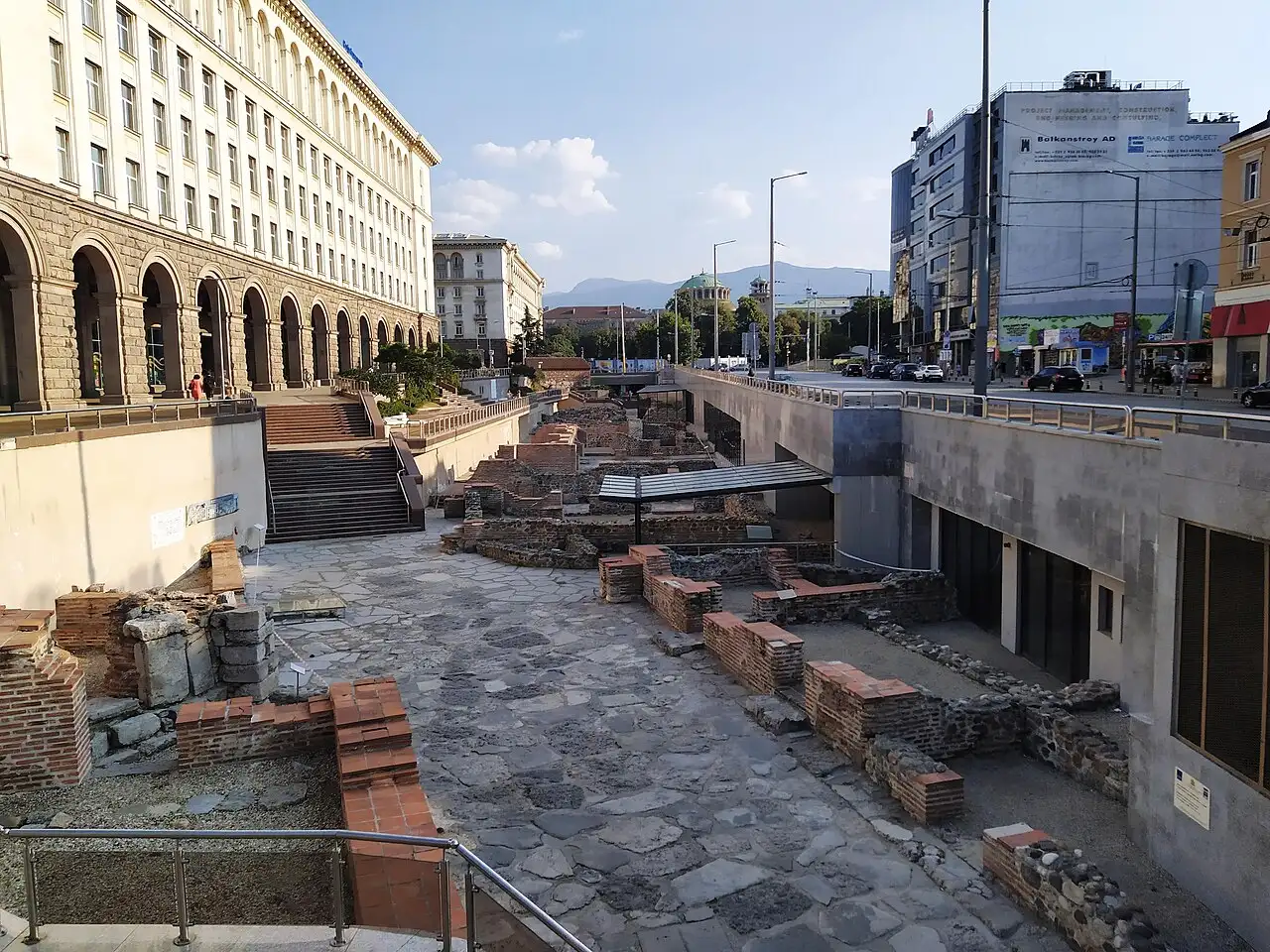
A few steps away sits the St George Rotunda, a red-brick church from the 4th century that’s the oldest surviving building in Sofia. It stands in a quiet courtyard hemmed in by the Presidency and a hotel, still holds services, and keeps medieval frescoes under its dome. Around it, the monumental Largo ensemble, all Stalinist symmetry, was built in the 1950s directly over these Roman remains, so you get antiquity and mid-century Communist grandeur in one glance.
Boyana Church: worth the trip out, but read this first
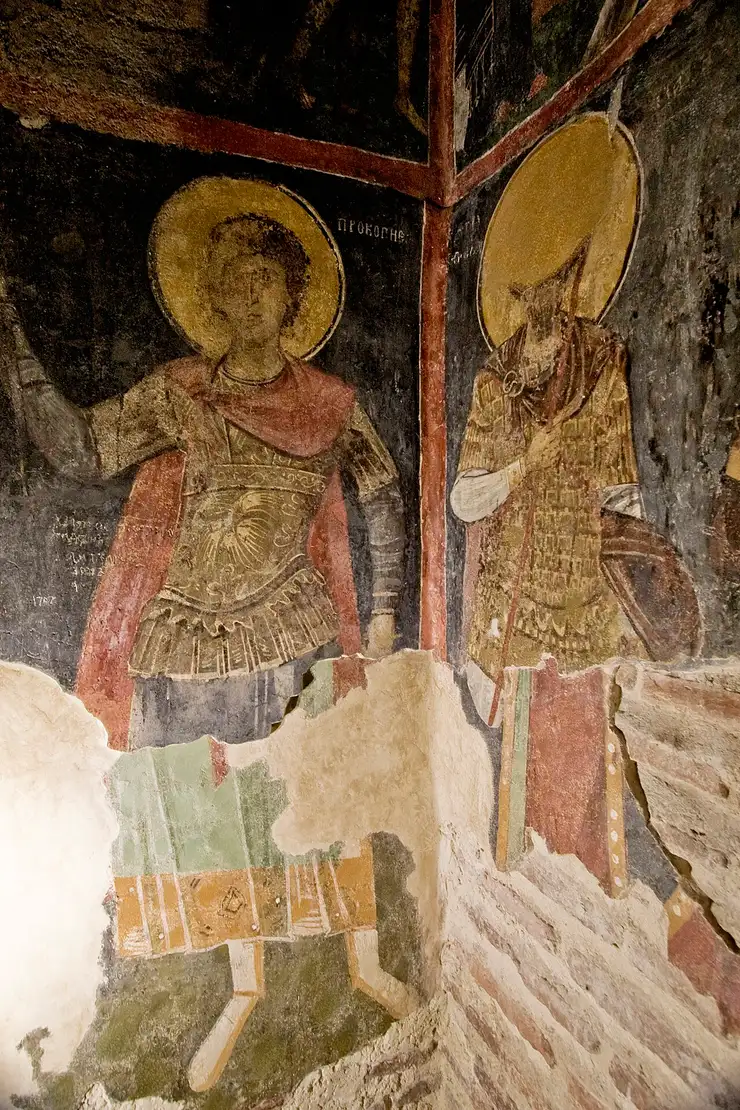
The UNESCO-listed Boyana Church sits on the southern edge of the city, tucked below Vitosha in the Boyana district, and it’s small: three modest rooms you could walk in a minute. What makes it a World Heritage Site (since 1979) are the frescoes painted in 1259, whose realistic, emotional faces are often called a “pre-Renaissance” leap, painted a generation before Giotto in Italy.
Here’s the catch, and it’s the thing to plan around: to protect the paintings, they let in only a small group (up to about 9 people) at a time, and you get roughly 10 minutes inside the painted room before the next group. Individual visits run on a fixed timetable rather than a live queue - two slots right at opening, then a gap while mid-morning slots go to booked groups - so email reservation@boyanachurch.info ahead and pay by bank transfer to lock one, or buy at the small kiosk on arrival and take your chances.
Opening hours run 09:30-18:00 in summer (1 April to 30 September) and 09:00-17:30 in winter; the adult ticket is around 6 euros (check on site, as this shifted with the euro changeover). Getting there’s easy without a tour: bus 64 from the centre drops you a short walk away. About 2 km further on, a 25 to 30 minute walk or a quick hop on bus 64, the National History Museum in Boyana holds a huge sweep of Thracian gold and Bulgarian history - ask at the desk whether a combined ticket with the church is available that day. For the full walkthrough of the frescoes, the timed-slot system, and how to reach it, see our Boyana Church guide.
Vitosha mountain: the peak you can climb from the city
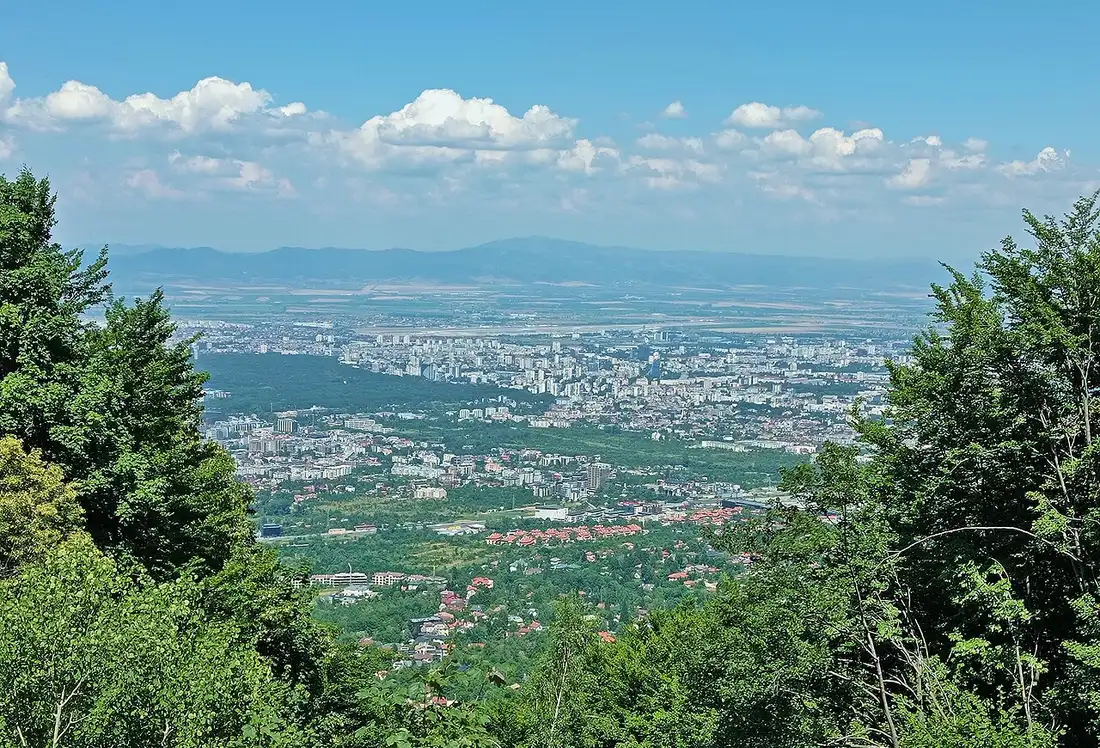
Few capitals have a 2,290-metre mountain on the tram map. Vitosha rises straight off Sofia’s southern edge, and its summit, Cherni Vrah (Black Peak), is a genuine day hike you can start from a city bus stop. In winter it turns into the closest ski slope to any European capital; in summer it’s all pine forest, meadows, and the eerie Golden Bridges, a “stone river” of boulders left by an ice age.
Getting to the foot of it’s simple: take the metro (Line 2) to Vitosha station, or trams 10 or 15, then a bus up the slope. Bus 66 climbs highest, to the Aleko hut area, which is as far as public transport goes and the usual launch point for the summit. From Aleko, a red-marked path reaches Cherni Vrah in roughly 1.5 to 2 hours on foot each way, with a broad plateau and huge views over the city on the way down.
One honest warning that saves a wasted afternoon: there’s no longer a cable car up from the city. The Simeonovo gondola stopped running in 2023 and was then written off for good, because the manufacturer no longer supplies the parts it needs; the Dragalevtsi and Knyazhevo chairlifts have been derelict for years. Plan the day around bus 66, which reaches Aleko and the high forest whatever the lifts are doing. The small Vitoshko lale chairlifts up at Aleko itself still run, but only on Saturdays, Sundays and public holidays, 09:00 to 16:30 and weather permitting, with the summer season opening on 6 June. On a weekday they stand still. Bus 66 thins out on weekdays too, which is why our guide to getting out of Sofia for the day starts with the departure board rather than the view.
The rest of the centre worth an hour
Once you have the big four, the centre fills the gaps beautifully on foot. The St George Rotunda aside, don’t miss these:
- Banya Bashi Mosque and the Central Mineral Baths stand side by side near the market, and locals still fill bottles from the free public spouts of warm mineral water out front. Bring an empty bottle and taste it.
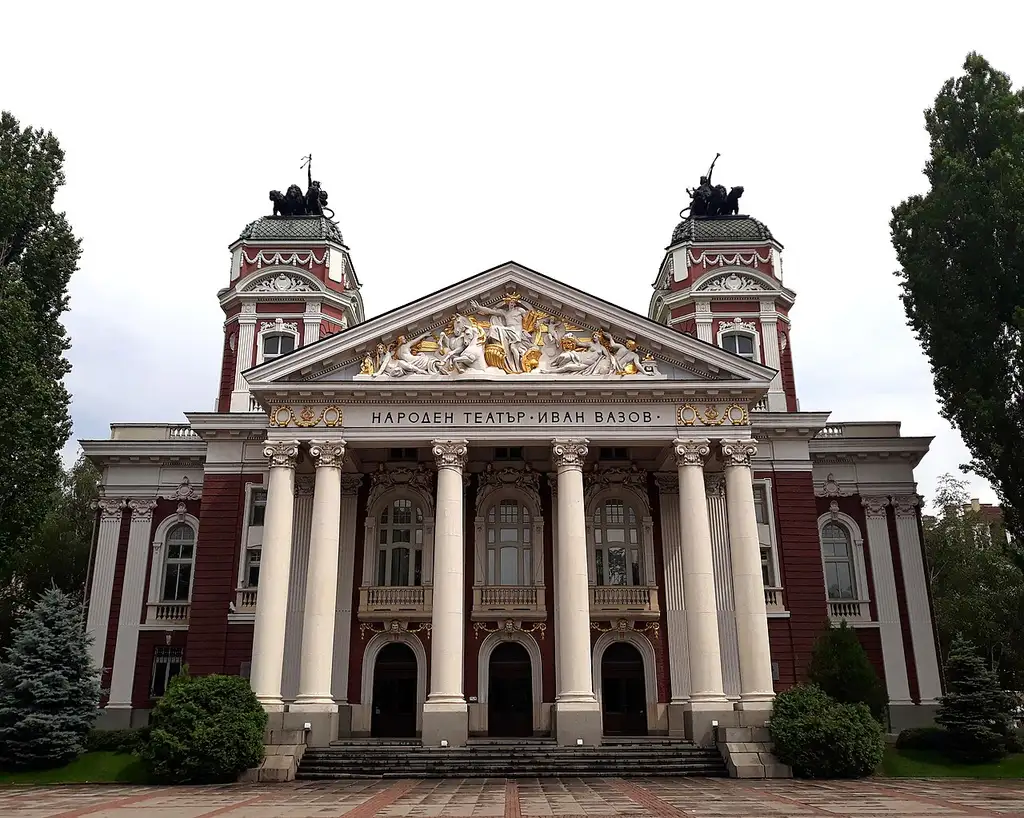
- The Ivan Vazov National Theatre, a red-and-gold neo-classical showpiece from 1907, faces a small park that’s the city’s favourite people-watching bench.
- St Nedelya cathedral anchors the main square, and the Sveta Sofia basilica, which gave the city its name, sits beside the Nevsky with an eerie underground necropolis you can pay to walk. Together with the golden Russian Church and the Rotunda, they string into a walkable half-day of their own, which our Sofia churches guide sets out in order.
- Vitosha Boulevard (“Vitoshka”) is the pedestrian spine for coffee, shopping, and dinner, with the mountain framed at the end of it.
Give the theatre park and Vitoshka an unhurried evening; that’s where Sofia feels most like itself.
Where to eat, and what to try
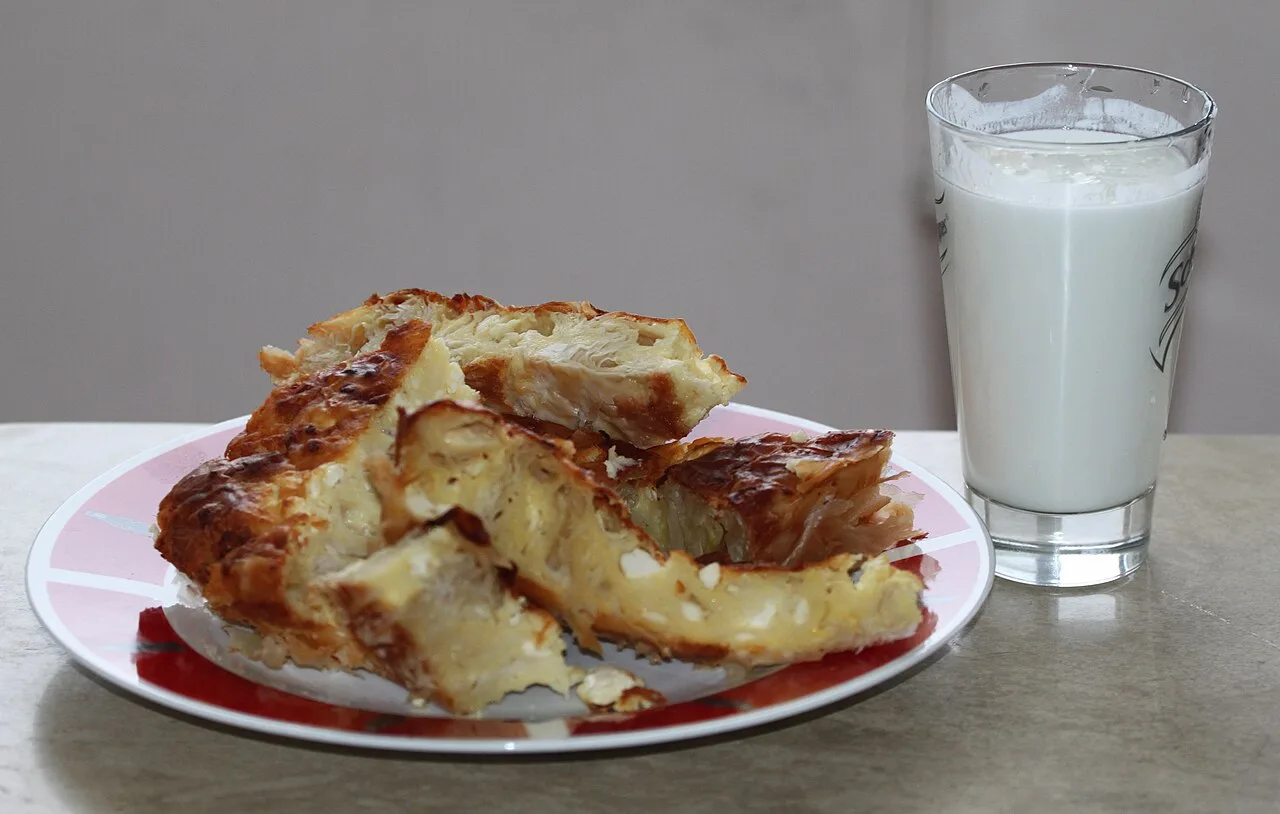
Sofia eats well and cheaply. Start a morning with banitsa, a flaky filo pastry with salty white cheese, often washed down with boza or ayran. At lunch or dinner, order a shopska salad (tomato, cucumber, roasted pepper, and a snowdrift of grated sirene cheese), then grilled kebapche and kavarma stew. The national aperitif is rakia, a strong fruit brandy, usually poured cold to open a meal alongside that salad rather than as a nightcap - you’ll want it with the shopska, not after dessert.
Vitosha Boulevard has the see-and-be-seen terraces, but you’ll find better local spots a street or two off it, around the theatre and toward the market hall. Portions are large and the bill is small by Western European standards, even on the euro. For the full rundown of what to order, from tarator and sarmi to Mavrud wine, see our guide to what to eat in Bulgaria. And once the plates are cleared, the bars and clubs are a scene of their own - our Sofia nightlife guide covers where locals drink.
Getting in and around
Sofia is one of the easiest European capitals to arrive in. Sofia Airport (SOF) is on the metro: the yellow Line 4 runs from the airport terminus to Serdika in the centre in about 20 minutes, and a single ride is roughly 0.80 euros, valid across the whole network. That single ticket beats a taxi hands down for a solo traveller with a backpack - don’t overthink it. If you’re arriving late, with luggage, or as a family, a fixed-price airport transfer to your hotel door removes the guesswork.
Around town, the metro, trams, and buses all take the same cheap single ticket, and the metro accepts contactless bank cards at the gate. The centre itself, though, you’ll mostly walk: that’s the whole point of Sofia. For where to base yourself, staying near Vitosha Boulevard or the Largo puts every sight in this guide within a 15-minute walk, and our full guide to where to stay in Sofia breaks the neighbourhoods down. And if Sofia is the first stop of a bigger loop, our Bulgaria road-trip and transport notes cover how the capital connects to Plovdiv, Rila, and the coast. The obvious second city is Plovdiv, two hours down the A1, and if you can’t decide between the two our Sofia or Plovdiv guide weighs them up; the easiest day trip out is Rila Monastery, roughly two hours south by shuttle or car. For a mountain day instead, the Seven Rila Lakes are an easy chairlift-and-loop hike in the same range. For history rather than mountains, the Revival house-museums of Koprivshtitsa, where the 1876 April Uprising broke out, make a day out east of the city. Which of those you can realistically fit between the first bus out and the last one back is the whole point of our day trips from Sofia guide. And if the trip ends on the Black Sea, the UNESCO old town of Nessebar is the coast’s one unmissable stop.
Photos
Read also

Cities · 10 min read
Bulgaria's Spa Towns: Velingrad, Hisarya & More
Verified · August 31, 2026Compare Velingrad, Sandanski and Hisarya: water temps, climate, Roman walls, when to go year-round, and real 2026 spa-hotel rates.

Cities · 12 min read
Where to Stay in Pamporovo: Hotels & Chalets
Verified · August 22, 2026Pamporovo hotels, chalets and apartments by lift base: Malina vs Studenets, why "renovated" is not "new", and how to price a bed.

Cities · 14 min read
2 Days in Sofia: The Perfect Weekend Itinerary
Verified · August 20, 2026A 2-day Sofia itinerary for a Friday-to-Sunday trip: Nevsky, Serdica, Boyana Church, real euro prices, and what actually fits in one weekend.

Cities · 9 min read
Where to Stay in Burgas: Best Areas & Hotels
Verified · August 10, 2026Where to stay in Burgas: city centre for a first visit, Sea Garden for beach and park, Lazur for quiet value, or Sarafovo by the airport.