
Varna: Sea Capital Guide (Beaches, Baths & Old Town)
Things to do in Varna: the Sea Garden, Roman Thermae, the cathedral, the world-oldest gold, the beaches, and how to get there from Sofia.
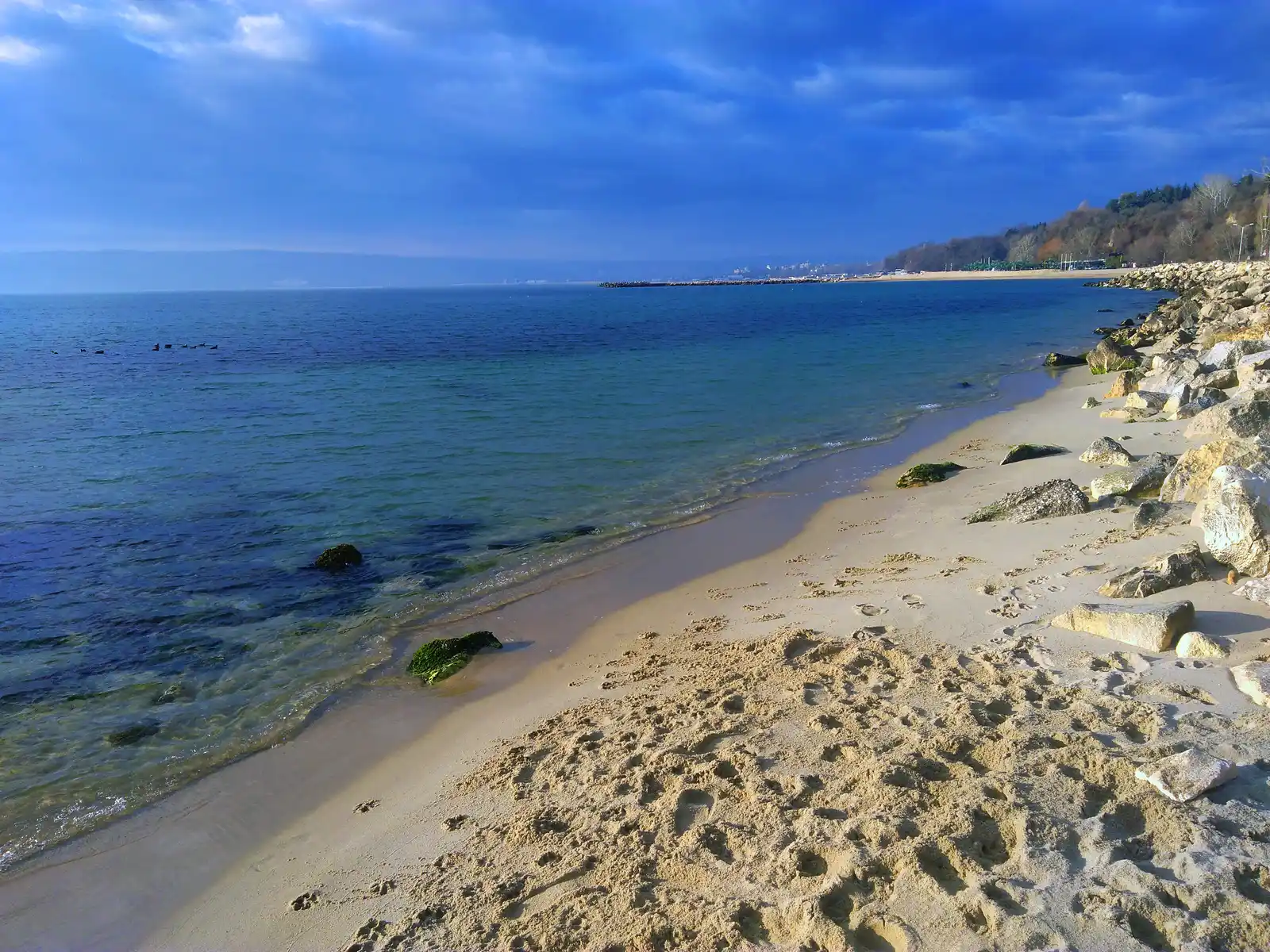
Varna is Bulgaria’s third-largest city and its biggest on the Black Sea, and it does something most Bulgarian destinations can’t: it gives you a proper beach holiday and a serious dose of history in the same afternoon. Locals call it the “Sea Capital”, and the shorthand for a first visit is easy - swim in the morning, walk the Sea Garden, then spend an hour among 2nd-century Roman baths and the oldest worked gold on the planet. Two days is comfortable; a week works if you use Varna as a base for the coast.
What lifts Varna above a beach stop sits in the Archaeological Museum: the oldest worked gold ever found, buried in a necropolis here more than six thousand years ago. Museum tills now ring up in euros alongside the old leva (Bulgaria switched on 1 January 2026). If Varna is one leg of a bigger trip, it slots onto the 7-day Bulgaria itinerary as the coastal stop, and it pairs naturally with the old towns down the coast at Nessebar and Sozopol. To get here from the capital, our guide on Sofia to the Black Sea coast weighs the flight, the overnight train and the bus.
How long do you need in Varna?
One full day covers the headline sights on foot: the Sea Garden, the Roman Thermae, the cathedral and the Archaeological Museum all sit within a walkable core, and none of them takes more than an hour or two. Add a beach afternoon and you’re into a second day without trying. Give it three if you want a day trip to the cliffside Aladzha Monastery or the resort strip at Golden Sands - or see the full day trips from Varna planner for Balchik, Cape Kaliakra and the stone forest. If you are choosing a beach base, our ranking of Bulgaria’s Black Sea resorts compares Golden Sands, Albena and the rest.
The city works almost year-round, but the beach only makes sense from roughly June to September, when the sea sits at about 22 to 25 degrees and the July air averages around 23. The trade-off is crowds: mid-July to mid-August is peak, when hotel prices climb and the central beach fills up. Late May, early June and September are the sweet spot - warm enough to swim, quiet enough to enjoy it.
The Sea Garden: Varna’s front room
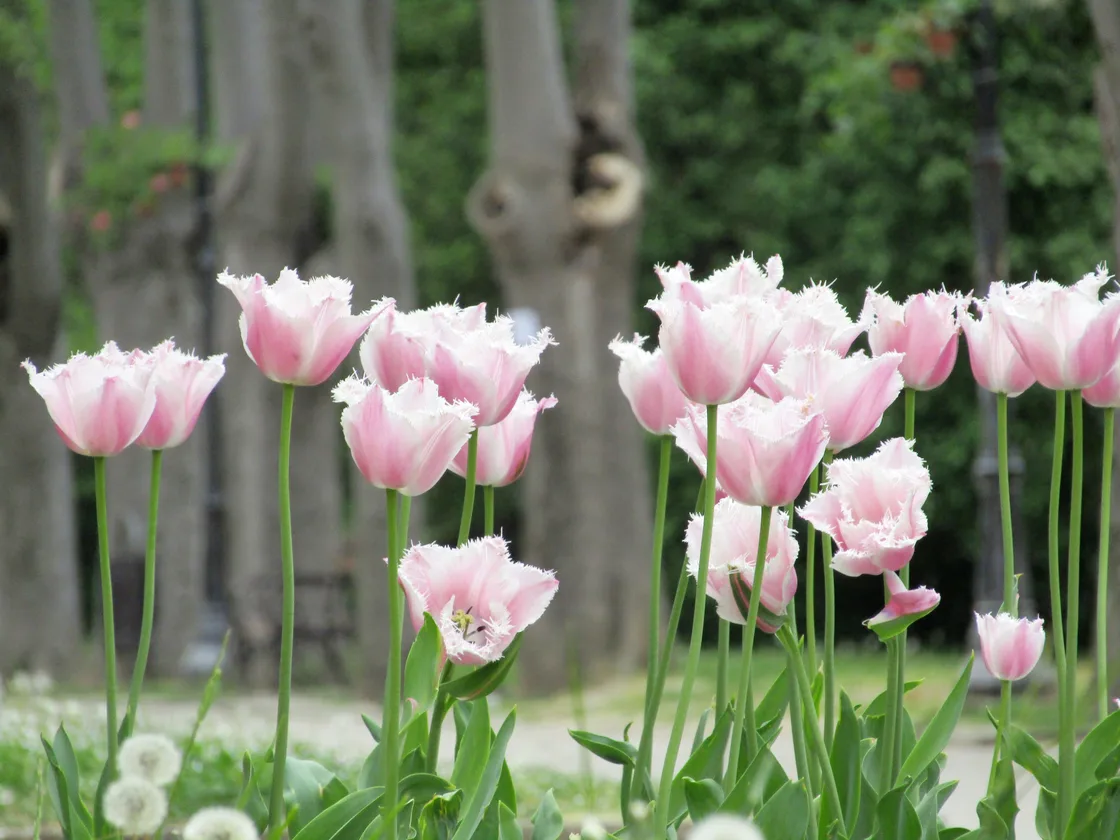
Start with the Sea Garden (Primorski Park), because it’s where the city lives. It runs along the top of the coast above the beach and is the largest and oldest public park in Varna - often billed as the largest landscaped park in the Balkans, and a listed monument of landscape architecture. A small garden was first laid out here in 1862; after Bulgaria’s Liberation, mayor Mihail Koloni pushed for a proper seaside park in 1881, and the Czech gardener Anton Novak, trained at Vienna’s Schonbrunn and Belvedere, arrived in 1895 to shape it into what you see now.
It is not just lawns and alleys. Inside the park sit the Aquarium (built 1906 to 1911, the oldest of its kind in Bulgaria), the Dolphinarium (opened 1984), a zoo, and an observatory and planetarium from 1968. The Alley of the National Revival, laid out in 1908, lines a path with busts of 19 figures from Bulgaria’s 19th-century awakening. You can happily lose an hour or two here; if you’re travelling with kids, the dolphin show is the obvious draw, but check the current schedule on the official Dolphinarium site, because show times and prices shift by season.
Roman Thermae: the biggest ancient building in Bulgaria
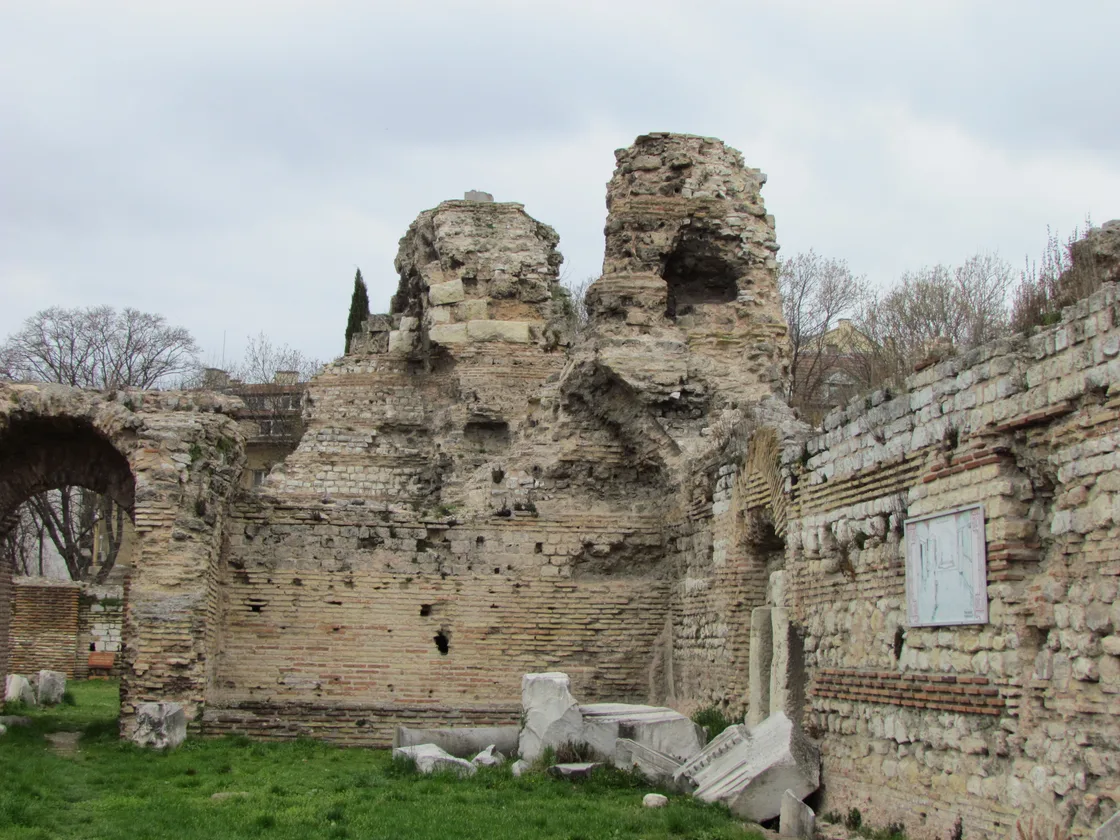
A few blocks back from the water, the Roman Thermae of Odessos are the reason to make time for Varna’s ancient side. Built at the end of the 2nd century AD, they covered around 7,000 square metres, which makes this, on the official reckoning, the largest ancient building found in Bulgaria and the biggest on the Balkan Peninsula. You’ll see the “fourth-largest Roman baths in Europe” line repeated on plenty of travel sites; treat that ranking as commonly-quoted rather than gospel, but the scale on the ground is genuinely impressive.
What makes it worth an hour is that you can read the plan as you walk it. The baths were heated by a hypocaust - a raised floor with hot air circulating in the gaps below - and the brickwork of the arches, furnaces and service passages is remarkably legible. Walls once faced in marble still stand high enough to give you the shape of the frigidarium and the halls around it. Wear decent shoes; the footing is uneven Roman rubble, not a museum floor.
The site is at 13 San Stefano Street. On the museum’s own tariff, adult entry is 4 euros (7.82 leva) and schoolchildren pay 2 euros (3.91 leva); under-7s go free. Summer hours (1 June to 30 September) are 10:00 to 18:00 daily; in winter (1 October to 31 May) it runs 10:00 to 17:00 and closes on Sundays and Mondays. Checked July 2026 - confirm on the day, because the coast runs on seasonal timetables and the older 5-leva price still shows on some city pages.
The world’s oldest gold, at the Archaeological Museum
Here’s Varna’s headline claim, and it’s not marketing. The Varna Archaeological Museum holds the gold of the Varna Chalcolithic Necropolis, dated to roughly 4600 to 4200 BC and widely regarded as the oldest processed gold in the world. It was found by accident in October 1972, when a digger operator hit the site on the edge of town. Excavations have opened around 294 graves so far - and left an estimated 30 percent of the necropolis untouched - producing about 3,000 gold objects weighing close to 6 kilograms, in more than 38 distinct types.
The famous piece is Grave 43: the burial of a high-status man laid out with a gold-handled sceptre, gold plaques and hundreds of beads and appliques, one man buried with more gold than had been found in the entire rest of the world for that period. Standing in front of it reframes the whole region - this was a sophisticated, gold-working society on the Black Sea more than a thousand years before the pyramids at Giza. Do not rush it.
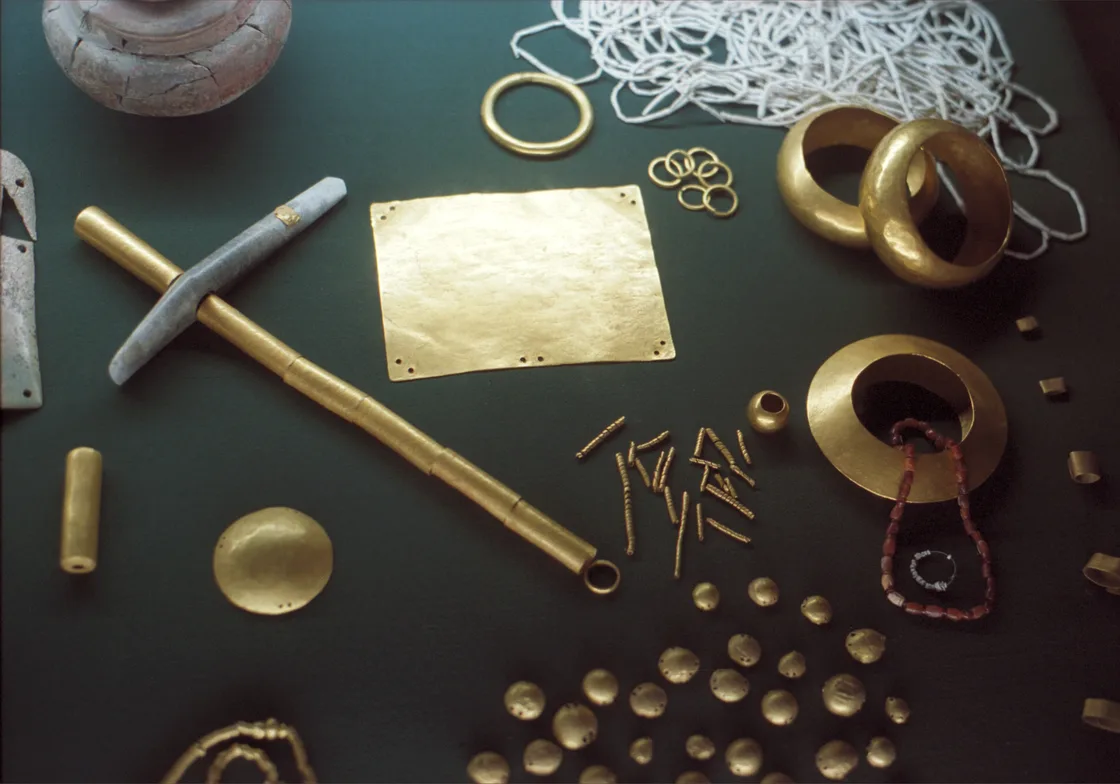
Tickets are 10 euros for adults (19.56 leva) and 4 euros for schoolchildren (7.82 leva); under-7s are free, and groups of 15 or more pay 8 euros a head. Opening hours are 10:00 to 17:00, daily from May to September, and closed on Sundays and Mondays from October to April (checked July 2026 on the museum’s own tariff). Allow at least an hour, more if the Thracian and Roman rooms pull you in - and for the gold alone, it’s the best-value ticket in the city.
The Dormition Cathedral
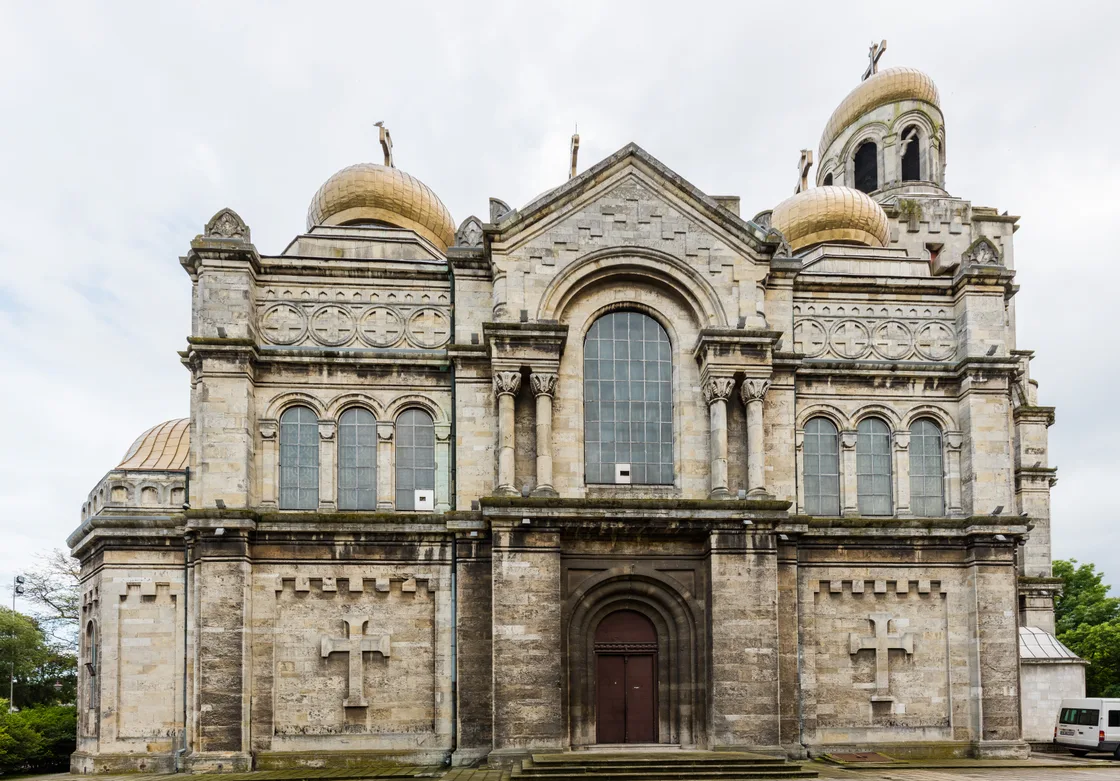
Up on Mitropolit Simeon Square, the Cathedral of the Dormition of the Mother of God is Varna’s landmark church and the third-largest cathedral in Bulgaria. Its foundation stone was laid by Knyaz Alexander I in 1880 and it opened in 1886; it was dedicated to the memory of the Russian empress Maria Alexandrovna, a benefactress of newly-freed Bulgaria. The plan is a big cross-domed basilica, roughly 35 metres square, with a belltower rising to about 38 metres - built in stages, the tower only finished in the early 1940s.
Inside, the draw is the woodwork: a carved iconostasis and a bishop’s throne, with murals and stained glass added through the 20th century. It is a working cathedral, so entry is generally free; dress respectfully and keep quiet if a service is on. Even a ten-minute look up at those gilded onion domes from the square is worth the detour.
Varna’s beaches: city sand vs Golden Sands
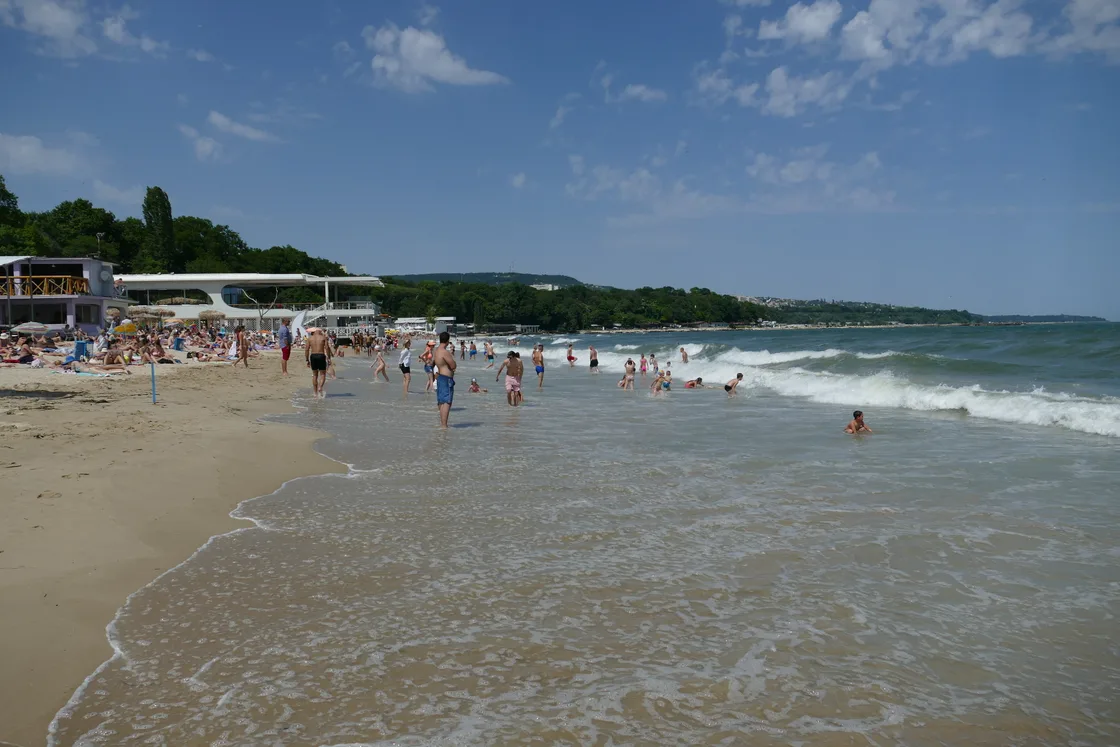
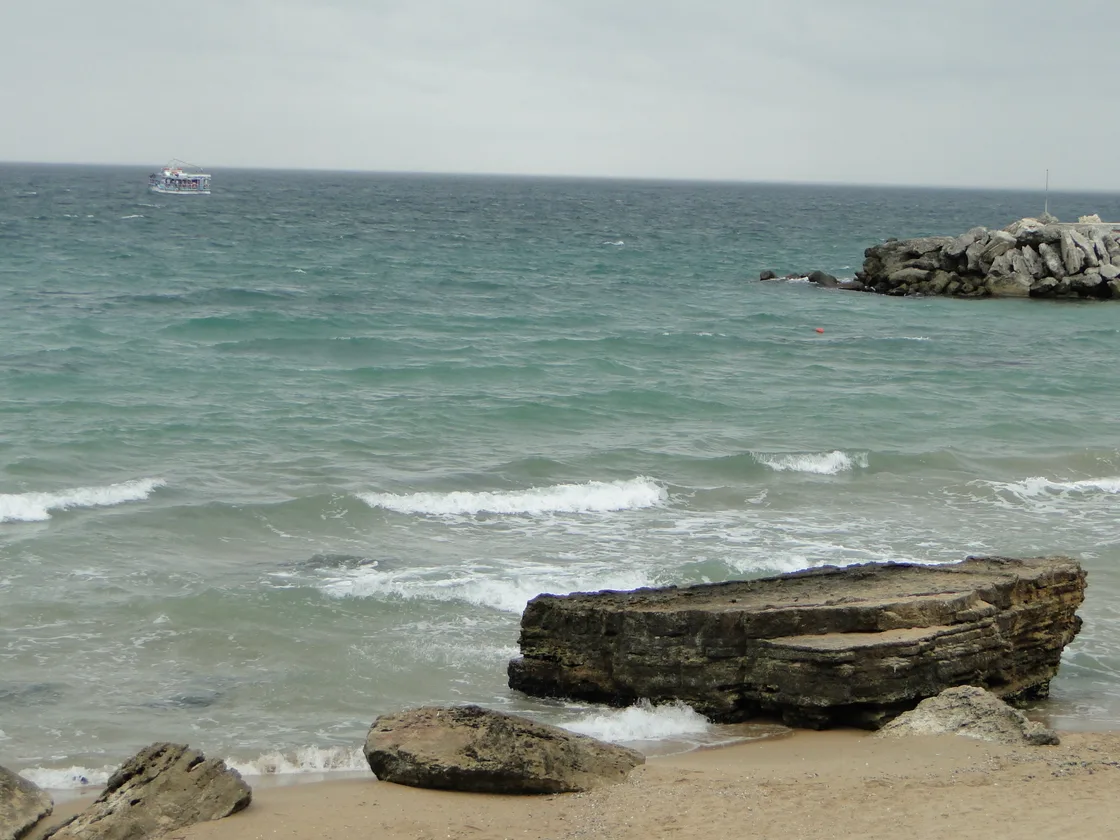
The city’s coast runs to more than 20 km of sand, so you’re never far from a swim. The Central Beach (Gradski Plazh) sits directly below the Sea Garden and is the easy option: golden sand, beach bars, volleyball nets and summer events, all a short walk from the centre. It’s busy and social rather than pristine, which is exactly what most people want a five-minute stroll from their hotel. South across the bay, Asparuhovo beach is the quieter local alternative.
For the postcard version, head 17 km north to Golden Sands (Zlatni Pyasatsi), a full-blown resort of fine sand, big hotels and loud nightlife backed by a nature park. It’s a different holiday from central Varna - all-inclusive towers and beach clubs rather than a working city - so which one you want depends on your trip. My steer: base yourself in Varna for the mix of beach and culture, and treat Golden Sands as a day out (or a night out) rather than your whole stay. If you are actually choosing between the coast’s two big resorts, our head-to-head on Sunny Beach vs Golden Sands weighs them up; if the real question is Varna or the southern gateway, see Varna or Burgas.
Day trip: Aladzha Monastery
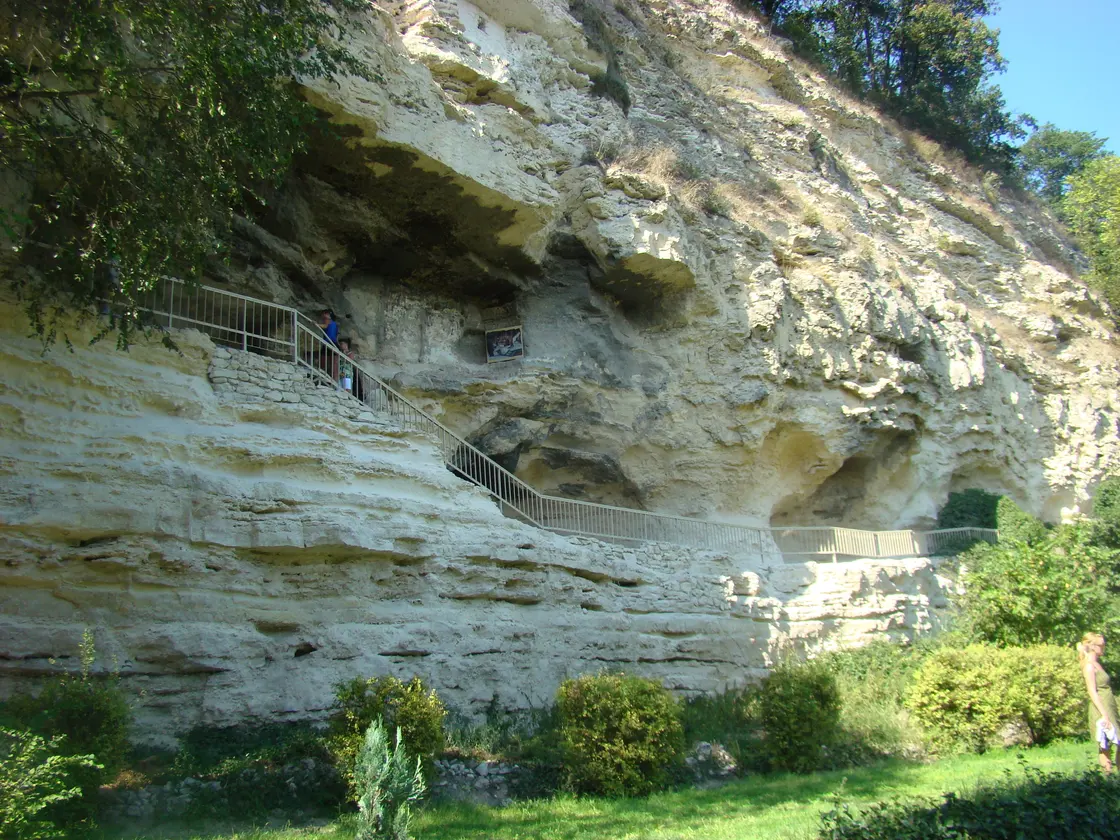
If you have a spare half-day, the Aladzha Monastery is the best short trip from Varna. It’s a medieval rock-hewn monastery, the most famous cave monastery on the Bulgarian Black Sea, cut straight into a near-vertical limestone cliff about 40 metres high and arranged on two levels. Hermit monks lived here in the 13th and 14th centuries, in cells, a chapel and a refectory carved into the rock; today you climb a metal staircase to reach the ledges and look into the caves.
It sits about 17 km north of central Varna and roughly 3 km inland from Golden Sands, inside the Golden Sands Nature Park, which makes it a natural pairing with a beach day up that way. The forest setting is half the appeal - cool and green after the exposed coast. Entry is 5 euros for adults (9.78 leva) and 3 euros for schoolchildren (checked July 2026), with under-7s free. With a car it’s a 20-minute drive; otherwise it’s doable by the resort buses plus a walk, or a taxi from Golden Sands.
How to get to Varna
By air is the fastest way in. Varna Airport (VAR) sits about 7.5 km from the centre, and bus line 409 runs roughly every 30 minutes, reaching the city in about 20 minutes before carrying on to Golden Sands (around 25 km, about 50 minutes). Taxis and pre-booked transfers cover the same ground door to door if you’re arriving with luggage or late at night - our full Varna airport transfer guide breaks down bus 409, its ticket prices and the taxi options. If you are still deciding between the coast and the capital, our guide to which Bulgarian airport to fly into weighs Varna against Sofia and Burgas.
From Sofia, weigh time against money. The quickest option is a domestic flight with Bulgaria Air, about 50 minutes gate to gate, with roughly four departures a day. The train is the scenic-but-slow choice: direct services take about 7.5 hours, including an overnight train, with second-class fares from around 15 euros (fares are dynamic, so check BDZ for your date). Buses are the workhorse - about 18 a day, 7 to 7.5 hours over roughly 440 km of road, run by operators like Union Ivkoni and Biomet. Honestly, unless you love a rail journey, fly the Sofia leg and save half a day.
Where to stay and what comes next
For a first visit, stay in the city centre or along the Sea Garden: you’ll have the beach, the museums and the restaurants within a short walk, and you can skip the resort-strip transfers entirely. For where to eat once you’re settled, see best food in Varna. If your trip is all about the beach and nightlife, Golden Sands is the alternative base, but you trade the city’s character for it. Our full guide to where to stay in Varna breaks down every area and its trade-offs.
From Varna the coast opens up in both directions. South down the shore, the UNESCO churches of Nessebar and the wooden-house old town of Sozopol are the two must-sees, and Varna threads together with them and the interior on the 7-day Bulgaria itinerary. If you’re looping back inland toward the capital, our guide to things to do in Sofia picks up the other end of that train line.
Photos
Read also

Cities · 10 min read
Bulgaria's Spa Towns: Velingrad, Hisarya & More
Verified · August 31, 2026Compare Velingrad, Sandanski and Hisarya: water temps, climate, Roman walls, when to go year-round, and real 2026 spa-hotel rates.

Cities · 12 min read
Where to Stay in Pamporovo: Hotels & Chalets
Verified · August 22, 2026Pamporovo hotels, chalets and apartments by lift base: Malina vs Studenets, why "renovated" is not "new", and how to price a bed.

Cities · 14 min read
2 Days in Sofia: The Perfect Weekend Itinerary
Verified · August 20, 2026A 2-day Sofia itinerary for a Friday-to-Sunday trip: Nevsky, Serdica, Boyana Church, real euro prices, and what actually fits in one weekend.

Cities · 9 min read
Where to Stay in Burgas: Best Areas & Hotels
Verified · August 10, 2026Where to stay in Burgas: city centre for a first visit, Sea Garden for beach and park, Lazur for quiet value, or Sarafovo by the airport.