
Burgas: Black Sea Gateway Guide
Things to do in Burgas: the Sea Garden and sea bridge, pink salt lakes and flamingos, St Anastasia Island, and getting to Sozopol and Nessebar.
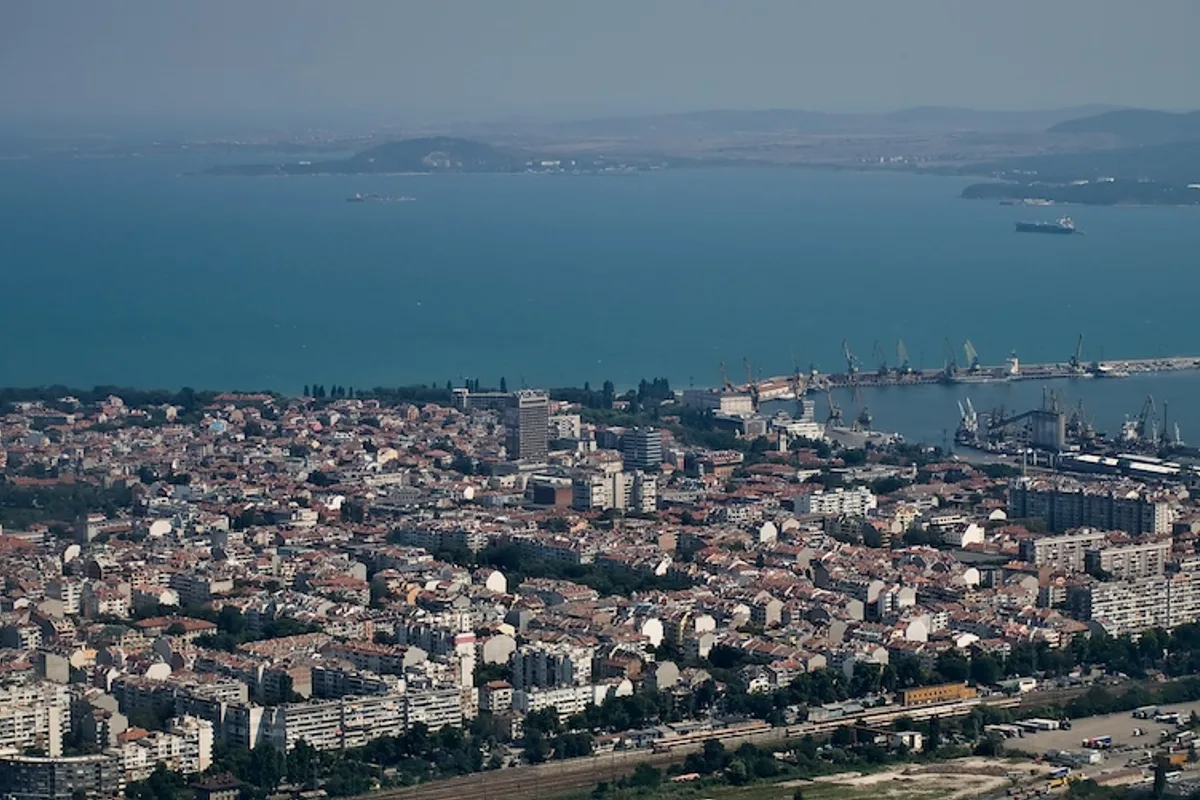
Burgas is Bulgaria’s fourth-largest city and the main hub of the southern Black Sea coast, and its real value is exactly that: it’s a gateway. Most people land at its airport, grab a transfer to a beach resort, and never look back - which is a mistake, because the city itself gives you a huge seafront park, a 300-metre bridge into the sea, a chain of salt lakes full of flamingos and pelicans, and a prison-island you reach by boat. One full day covers the city; give it two or three and you can use it as a base for the whole southern coast.
What sets Burgas apart from every other town on this coast is what’s not the beach - the ring of salt lakes full of flamingos and pelicans, and the prison-island you reach by boat. Prices are in euros now (Bulgaria switched over on 1 January 2026). If Burgas is one leg of a bigger trip, it slots onto the 7-day Bulgaria itinerary as the coastal base, and it’s the natural launch pad for Sozopol and Nessebar.
How long do you need in Burgas?
One full day is enough for the city on foot. The Sea Garden, the bridge, the pedestrian centre and the museums all sit within a walkable core, and none of them eats more than an hour or two. What pushes you to a second and third day is everything around the edges: the salt lakes and the Poda bird reserve, the boat out to St Anastasia Island, and day trips down the coast to Sozopol and Nessebar. Treat Burgas as a base and two or three nights make sense; treat it as a stopover and a single day does the job.
Timing matters more here than in the interior. The city works year-round, but the beach and the island boats only make sense from roughly June to September, and the airport is intensely seasonal. Mid-July to mid-August is peak, when charter flights pour in and the coast is at its busiest and priciest. June and September are the sweet spot - warm enough to swim, and noticeably calmer.
One honest note before you build your hopes around it: Burgas is a working port city with the largest oil refinery in southeastern Europe on its outskirts. It’s not a manicured resort, and it doesn’t pretend to be. That’s part of the appeal - it feels lived-in and real - but come for the lakes, the island and the location rather than for postcard-pretty streets.
The Sea Garden and the bridge
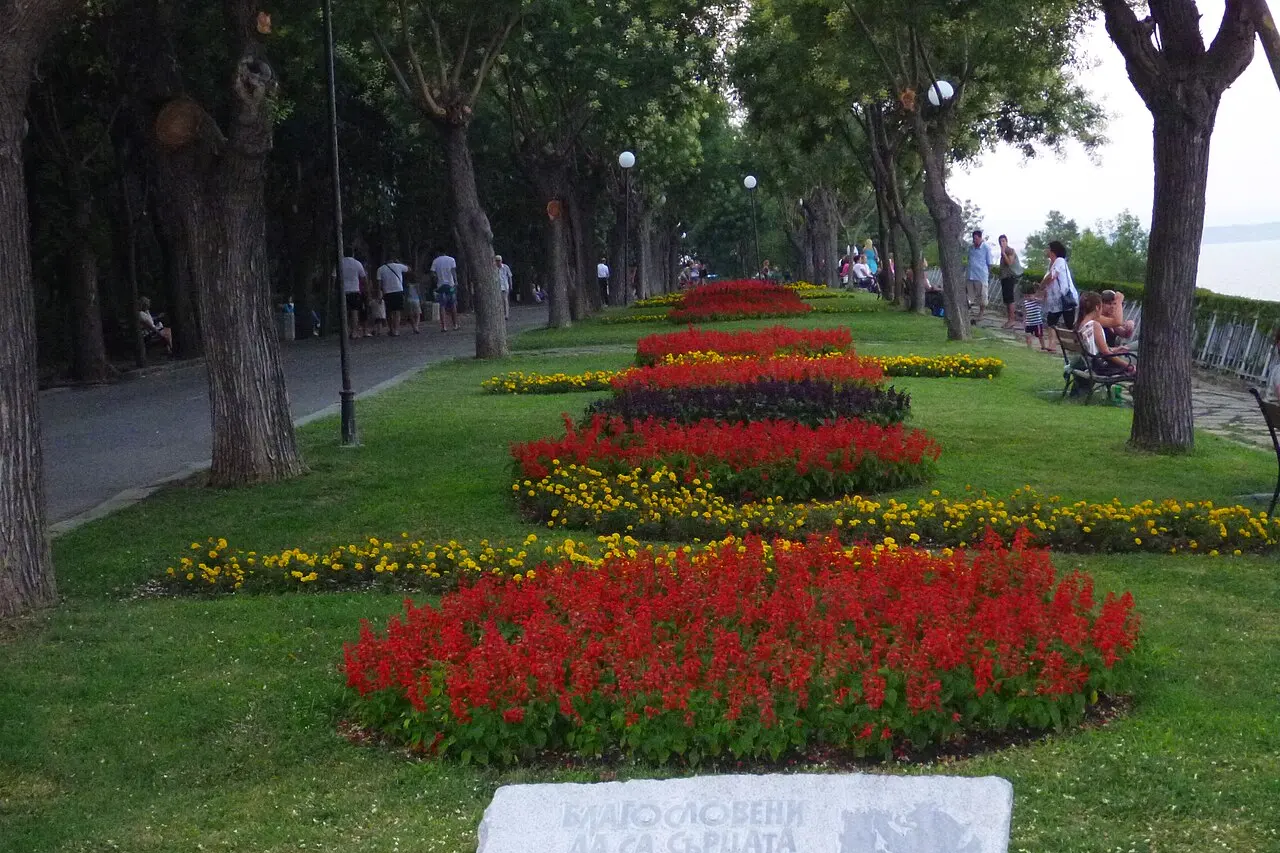
Start with the Sea Garden (Primorski Park), because it’s where the city breathes. It runs the length of the coast above the beach and is Burgas’s great public space, first planted in 1889 by soldiers of the 24th Infantry Regiment and laid out from 1910 by the architect Georgi Duhtev, who turned the marsh between the town and the sea into a park stocked with plants from every continent. It covers roughly 800 decares (about 320 hectares), it’s a listed monument of landscape architecture, and entry is free.
It’s not just lawns. Inside you’ll find the open-air Summer Theatre, the 1938 Marine Casino (now a cultural venue, not a gambling hall), a Pantheon, a monument to Alexander Pushkin, and the “Flora” flower exhibition. It’s a genuinely good place to kill an hour: shaded alleys, sea views, benches, ice cream. If you only do one thing in central Burgas, walk the length of it.
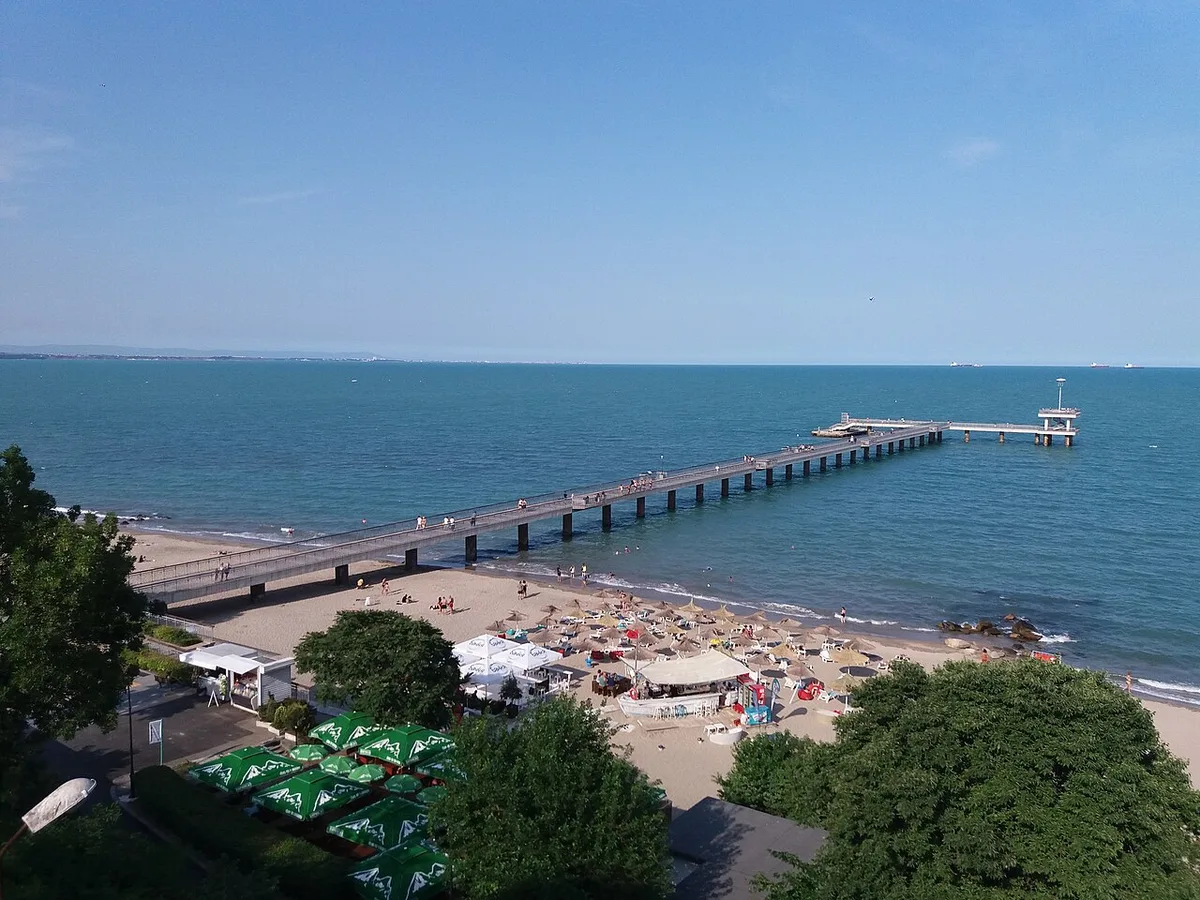
Where the park meets the sea, the Burgas Bridge (locals just call it “the Bridge”, Mostut) runs about 300 metres straight out over the water. It was first built in 1936 and fully rebuilt by 2012, with wooden decking, old-style lamps and viewing platforms at the far end. It’s the city’s signature photo and its evening ritual - come at sunset, when half of Burgas walks out to the end and back. Below it stretches the Central Beach, whose sand is unusually dark because it’s rich in magnetite, a small detail that catches everyone out on their first swim.
The Burgas lakes: pink water, flamingos and salt
This is what makes Burgas different, and almost nobody who flies in for the resorts realises it’s here. The city sits inside a ring of four coastal lagoons - Atanasovsko, Vaya (Burgas Lake), Mandra and Pomorie - that together cover about 95 square kilometres and form one of the most important wetland systems in Europe, right on the Via Pontica bird migration route. More than 250 bird species have been recorded across them.
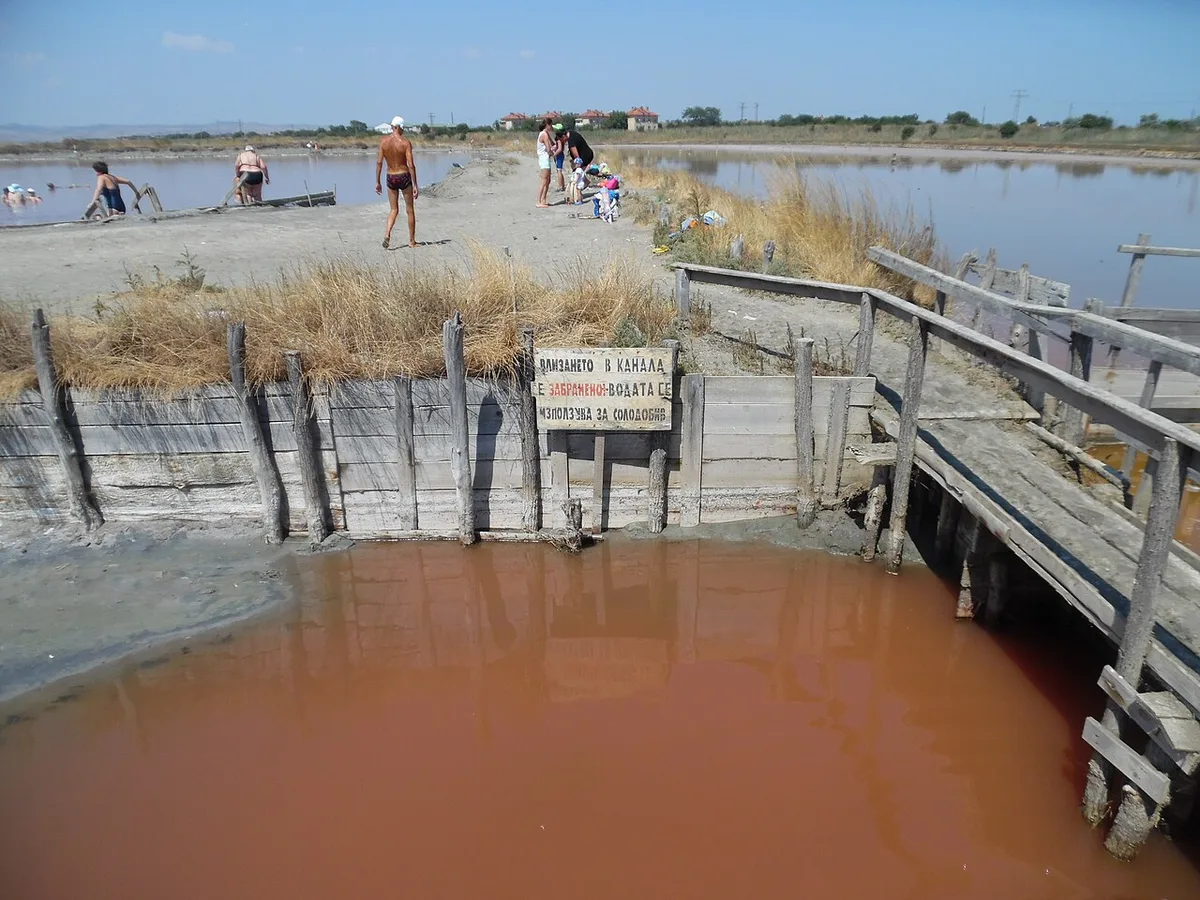
The star is Atanasovsko Lake, just north of the centre. It’s both a strict nature reserve and a working salt pan - one of the few left in Bulgaria - and the combination is what draws the birds: flamingos and avocets feed in the hyper-saline basins, which turn a startling pink in high summer as the salinity climbs. Locals also come here for the therapeutic salt mud and brine. You’ll not always catch the pink at its brightest or the flamingos in numbers - both depend on the season and the weather - but when it lines up, it’s one of the strangest and best sights on the whole coast.
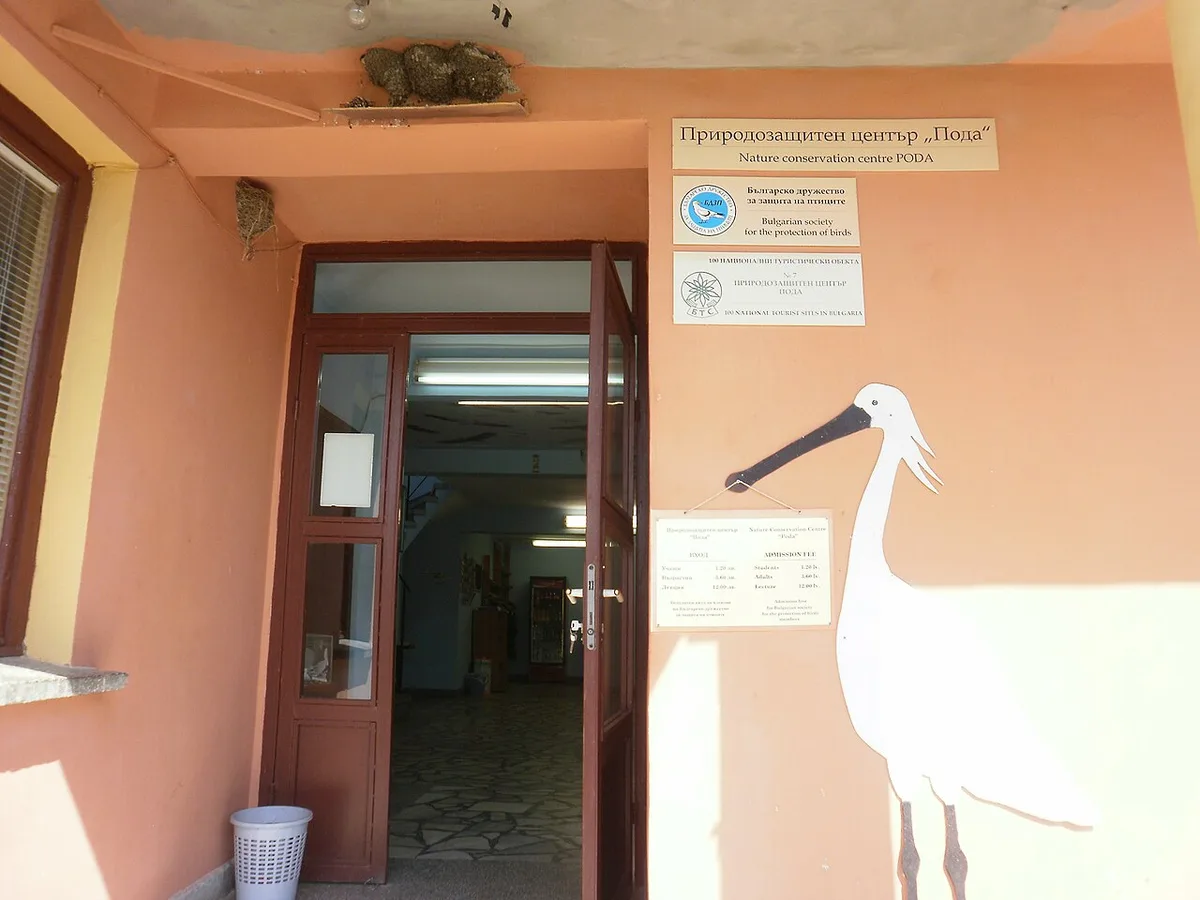
If you’re even slightly into birds, the place to go is the Poda Protected Area on the road south toward Sozopol, beside Lake Mandra. It was declared protected in 1989 and was the first reserve in Bulgaria run entirely by an NGO, the Bulgarian Society for the Protection of Birds. In a tiny area it has logged 265 bird species, and it holds the only mixed heron colony on the Bulgarian coast - spoonbills, glossy ibis and several kinds of egret and heron nesting together. The BSPB centre has observation terraces, a trail and hides, with scopes and staff on hand. Check current opening hours and the entry fee on the BSPB site before you go.
Vaya, the big lake immediately west of the city, is Bulgaria’s largest coastal lake and a major stop for migrating pelicans - up to 55,000 birds pass through in a season - so if you’re driving in from Sofia, that shimmer of water on your left as you approach isn’t the sea yet.
St Anastasia Island
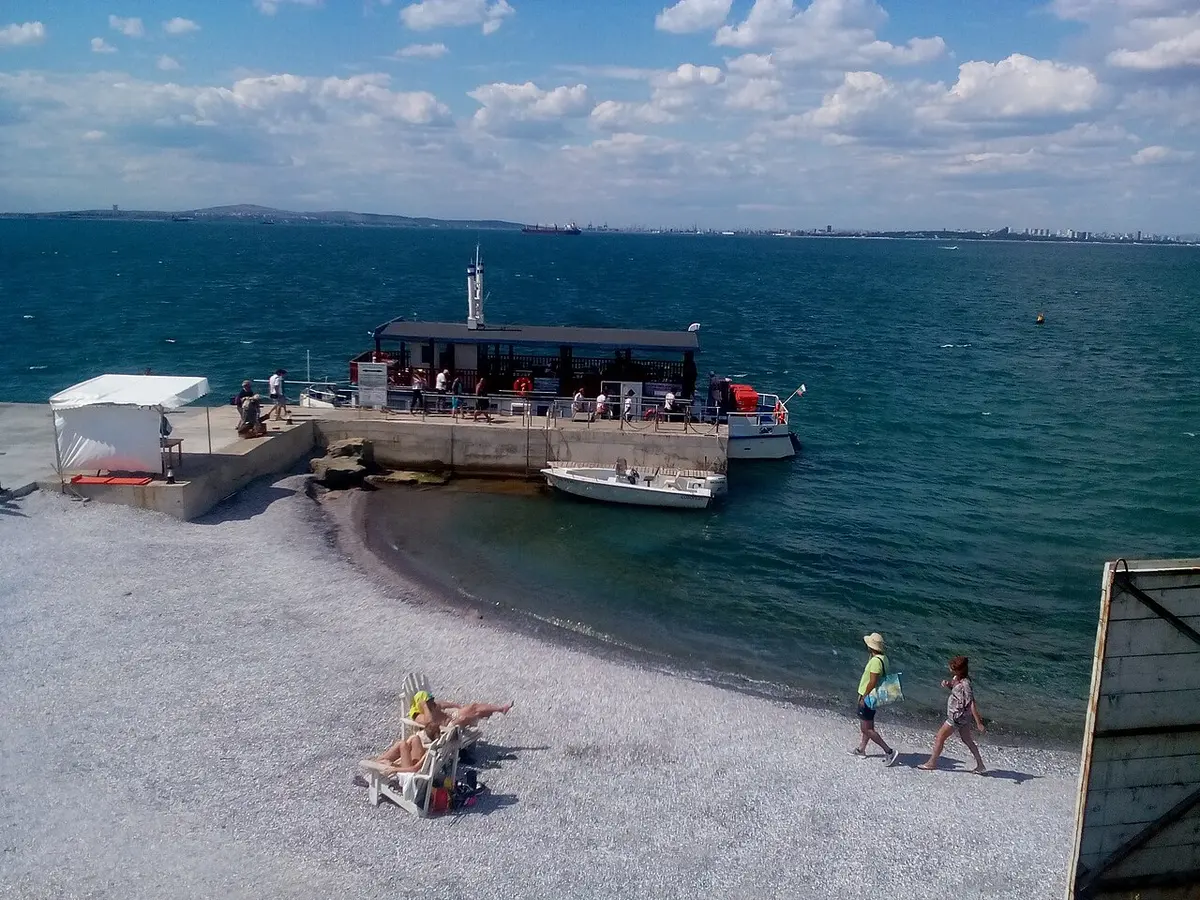
Out in the bay sits the coast’s one genuine oddity: St Anastasia Island, the only inhabited island on the Bulgarian Black Sea and, technically, part of the city. It has been a monastery since the Middle Ages, and in the 20th century, under communism, it did a stint as a prison for political detainees. Today it has a small museum, a lighthouse (the current one dates from 1914), a restaurant, and guest rooms if you fancy the very unusual option of spending a night offshore.
The boat, named “Anastasia”, leaves from Magazia 1 at the public end of the port, about five minutes’ walk from the entrance, and the crossing takes around 30 to 40 minutes. On recent figures the return boat is roughly 6 euros for adults and 4.60 euros for children (converted from 12 and 9 leva), with island museum entry around 3 euros; confirm before you sail, because these were quoted in leva and are worth checking directly with the operator (reservations@gotoburgas.com). Boats run in the warm season only, broadly May to September, on a seasonal timetable. Give the island three to four hours - it’s small, but it’s the kind of place you don’t want to rush the last boat back from.
The city centre and museums
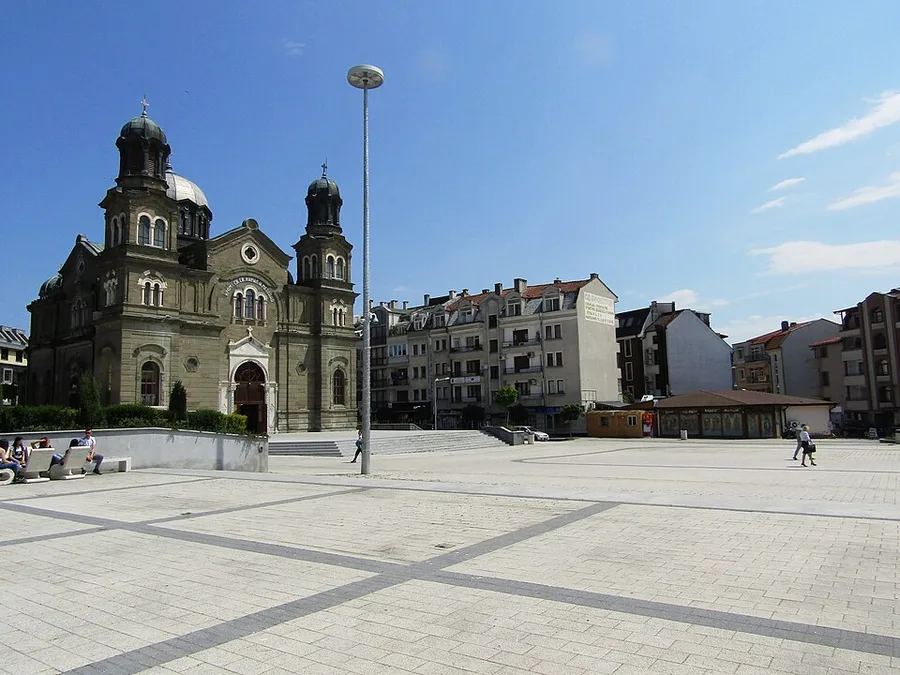
The heart of Burgas is a compact, walkable grid behind the Sea Garden, built around the pedestrian Aleksandrovska and Aleko Bogoridi streets - lined with cafes, Secession-era facades and the constant summer flow of people between the station, the centre and the sea. The obvious landmark is Troykata Square and the twin-domed Saints Cyril and Methodius Cathedral, the city’s main church, which anchors the wide plaza at the centre of town. You’ll cover the core in an easy afternoon on foot.
For a rainy hour or a break from the beach, the Regional Historical Museum spreads across four branches in the centre: Archaeology (on Aleko Bogoridi), Ethnography, History and Natural History. On the museum’s own current tariff, a single museum is 3 euros for adults and 1.50 euros for students and pensioners, and children under 7 go free; a combined ticket runs 4.60 euros for two, 6 euros for three and 9 euros for all four - so if you want to see more than one, you’ll want the combination. Opening hours are listed as 10:00 to 18:00; some pages note the Archaeology branch closes on Sunday and Monday, so check on the day (all prices checked July 2026). The archaeological rooms, with finds from ancient Thracian and Greek sites around the bay, are the pick if you only choose one - that’s the branch most visitors start with.
Day trip: Aquae Calidae, the Roman baths
If you’ve got a car and half a day, Aquae Calidae (also called Thermopolis) is the best trip on the city’s doorstep, about 14 km northwest of the centre in the Vetren district. Hot springs at 41 degrees have drawn people here since the Thracians; the Romans built large baths on the site, and the visitors’ list over the centuries reads like a history syllabus - Philip II of Macedon, the emperors Trajan and Justinian, and Sultan Suleiman the Magnificent, whose restored 16th-century bathhouse is now the centrepiece, fitted with a 3D projection that runs through the whole story. A modern mineral-water spa opened here in October 2022. It’s open Tuesday to Sunday, 09:00 to 20:00, closed Mondays; check current prices before you go. It’s an easy add-on to a lakes day, since both sit inland from the coast.
How to get to Burgas, and onward down the coast
By air. Burgas Airport (BOJ) sits at Sarafovo, about 10 km from the centre, and it’s Bulgaria’s busiest summer charter airport - it handled about 1.8 million passengers in 2024, overwhelmingly on seasonal flights from Poland, the UK, Czechia and beyond (Ryanair, Jet2, easyJet, TUI). Bus 15 links the airport to the city’s South bus station in around 25 minutes, and a metered taxi into the centre runs from about 15 euros, while a pre-booked door-to-door transfer is more like 25 euros - our full Burgas airport transfer guide walks through bus 15, taxis and resort transfers in detail. If you’re still choosing where to fly into, our guide to which Bulgarian airport to fly into weighs Burgas against Sofia and Varna.
Down the coast. This is where Burgas earns its “gateway” name, and nearly everything leaves from the South bus station. For Nessebar and Sunny Beach, buses run roughly hourly and take about 1 hour 10 minutes, following the coast through Pomorie and Ravda - our Burgas to Sunny Beach guide has the timetable, fares and where to board. For Sozopol (and Chernomorets), Burgasbus and Sozopolbus both run about hourly from early morning until evening from Sector 5, covering the 35 km in around 40 minutes - see Burgas to Sozopol for the published timetable, fares and when a transfer makes more sense. Timetables still shift with the season, so check on the day. With a car, the same trips plus the lakes and Aquae Calidae open up without waiting for a bus - see our guide to renting a car in Bulgaria.
Inland. For the capital, it’s about 425 km by road. Trains run five times a day and take around 6 hours, including an overnight service; buses take roughly 5 hours. From Plovdiv you’re already on the A1, so the same coast is a morning trip - Plovdiv to Burgas has the trains, the Union Ivkoni coaches and the drive. Varna, the coast’s other big city, is about 130 km north - and if you’re deciding which end of the coast to base yourself on, our head-to-head on Varna or Burgas sets the two side by side, while the Varna guide covers the city itself.
Where to stay and what comes next
For a first visit, stay in the city centre or along the Sea Garden: you’ll have the beach, the bridge, the museums and the restaurants within a short walk, and every coastal bus leaves from nearby. Our full where to stay in Burgas guide weighs the centre against Lazur and Sarafovo so you can match the neighbourhood to the trip. Book early for July and August, when the airport crowds spill into the city.
From Burgas the southern coast is yours. The wooden-house old town of Sozopol is 35 km south and pairs a 2,600-year-old quarter with proper beaches; the UNESCO churches of Nessebar sit up the coast on the way to Sunny Beach. Both thread together with the interior on the 7-day Bulgaria itinerary, and if you’re weighing the northern coast instead, Varna is the other Sea Capital a couple of hours up the shore.
Photos
Read also

Cities · 10 min read
Bulgaria's Spa Towns: Velingrad, Hisarya & More
Verified · August 31, 2026Compare Velingrad, Sandanski and Hisarya: water temps, climate, Roman walls, when to go year-round, and real 2026 spa-hotel rates.

Cities · 12 min read
Where to Stay in Pamporovo: Hotels & Chalets
Verified · August 22, 2026Pamporovo hotels, chalets and apartments by lift base: Malina vs Studenets, why "renovated" is not "new", and how to price a bed.

Cities · 14 min read
2 Days in Sofia: The Perfect Weekend Itinerary
Verified · August 20, 2026A 2-day Sofia itinerary for a Friday-to-Sunday trip: Nevsky, Serdica, Boyana Church, real euro prices, and what actually fits in one weekend.

Cities · 9 min read
Where to Stay in Burgas: Best Areas & Hotels
Verified · August 10, 2026Where to stay in Burgas: city centre for a first visit, Sea Garden for beach and park, Lazur for quiet value, or Sarafovo by the airport.