
Sozopol: Old Town and Beaches on the Black Sea
Sozopol guide: the old-town Revival houses, ancient Apollonia, its churches and museums, which beach to pick, and how to get there from Burgas.
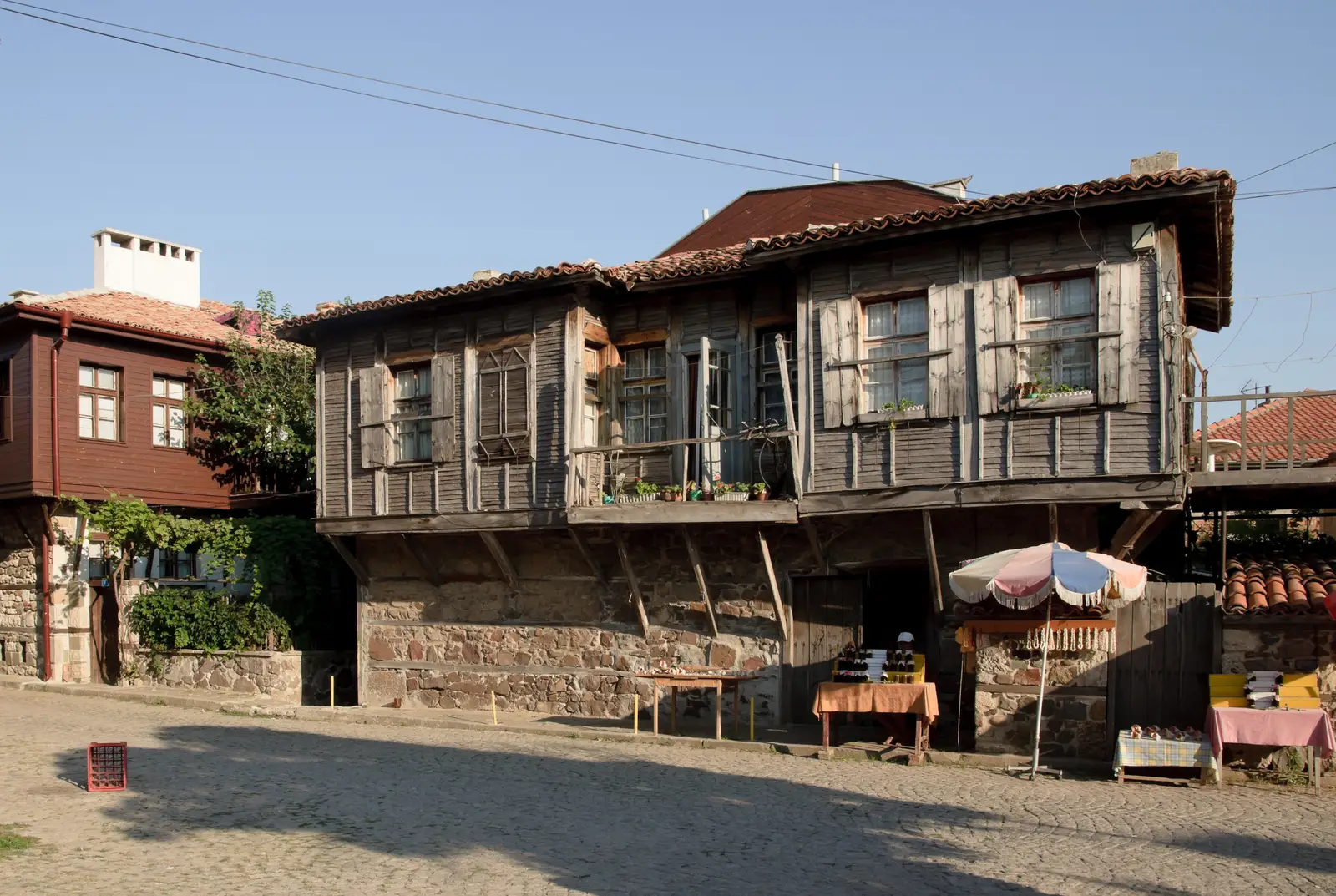
Sozopol is an old fishing town on the southern Black Sea coast of Bulgaria, about 35 km south of Burgas, and it does two things few places manage at once: it hands you a genuine 2,600-year-old old town and a proper swimming beach within a five-minute walk of each other. The historic quarter sits on a small rocky peninsula, all cobbled lanes and timber Revival houses, while the sandy beaches spread along the bay just below and behind it. You can see the old town in half a day and still be in the sea by lunchtime.
Not every old-town church here charges, and not every one is worth it - knowing which few museums and chapels earn their euro ticket is what makes an afternoon on the peninsula feel like more than a stroll. Prices are in euros now (Bulgaria switched on 1 January 2026), and it’s a short hop from Burgas or its airport. If you’re already thinking of the more famous Nessebar up the coast, there’s an honest comparison of the two further down.
What makes Sozopol worth it
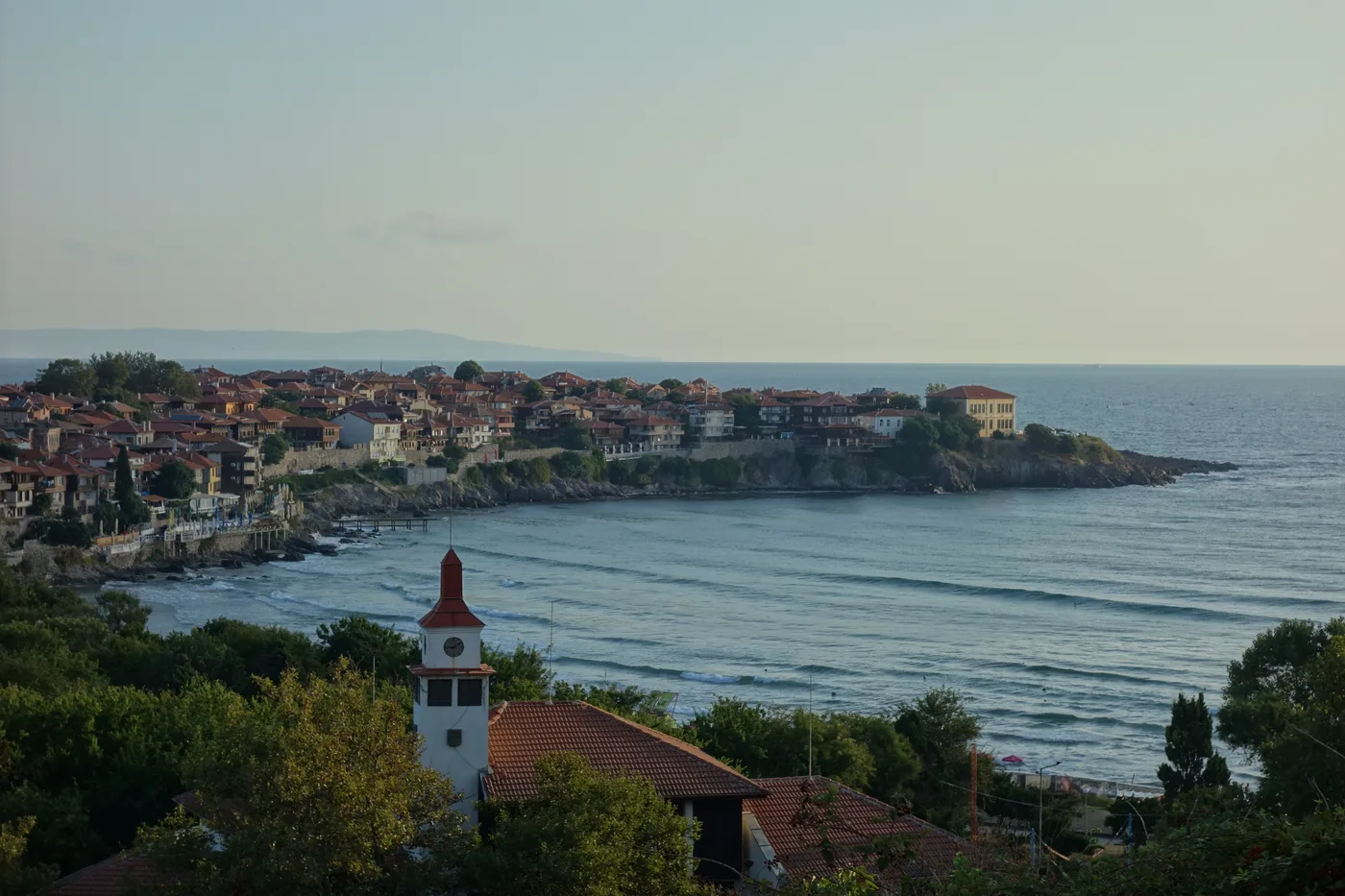
The short version: it’s Nessebar’s quieter, beachier cousin. The old town rests on a peninsula that was long ago an island, tied to the mainland by a low neck of land; the modern town, the bus station and the biggest beach sit back on the isthmus and the shore beyond. That layout means the historic lanes stay compact and walkable, and you’re never more than a few minutes from the water.
Underneath the postcard is real antiquity. The town began as Apollonia, founded by Greek colonists from Miletus in the 7th century BC and named for a temple of Apollo. It grew rich on Black Sea trade and minted its own coins from the late 6th century BC, using an anchor as the city symbol. Its showpiece was a colossal bronze statue of Apollo, 13 metres tall, made by the sculptor Calamis; when Rome sacked the town in 72 BC, the general Marcus Lucullus shipped the statue off to the Capitol, where it was eventually lost. The later Greek name Sozopolis, “town of salvation”, is the one that stuck - that’s the name you’ll still hear locals use for the old story of the place.
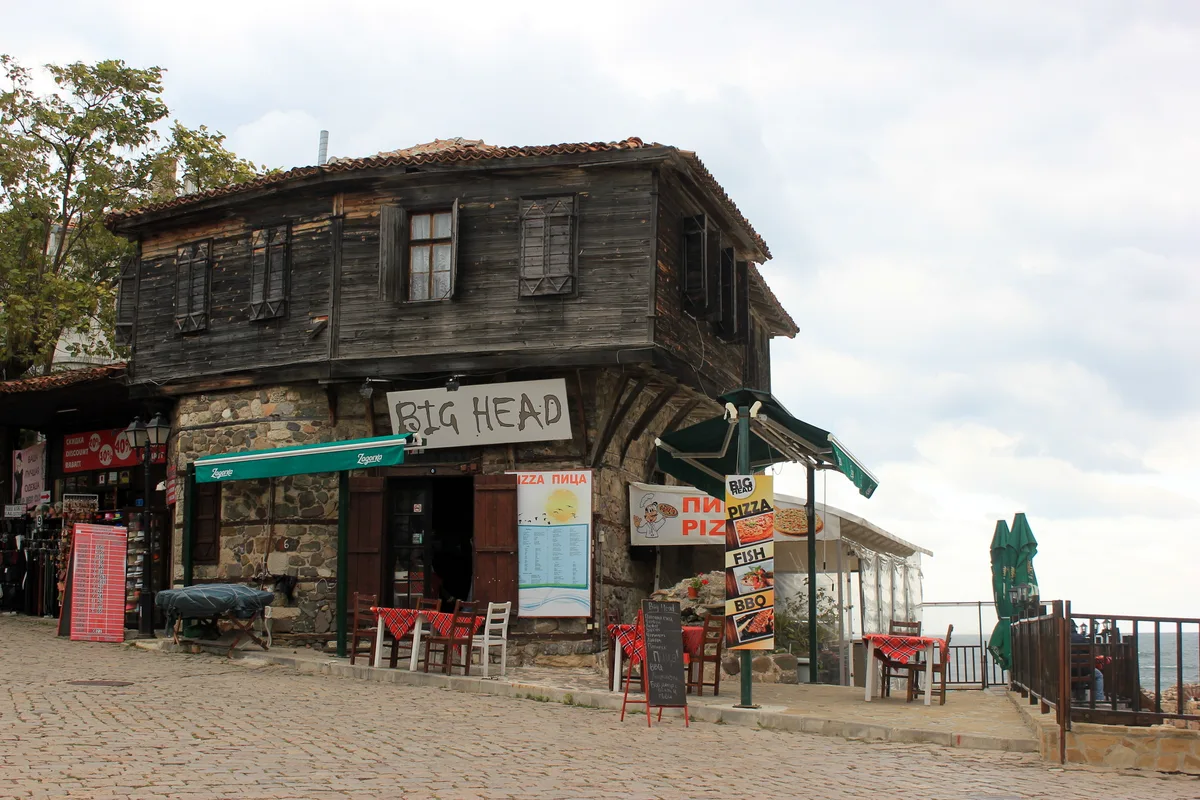
The old town: houses, churches and the fortress wall
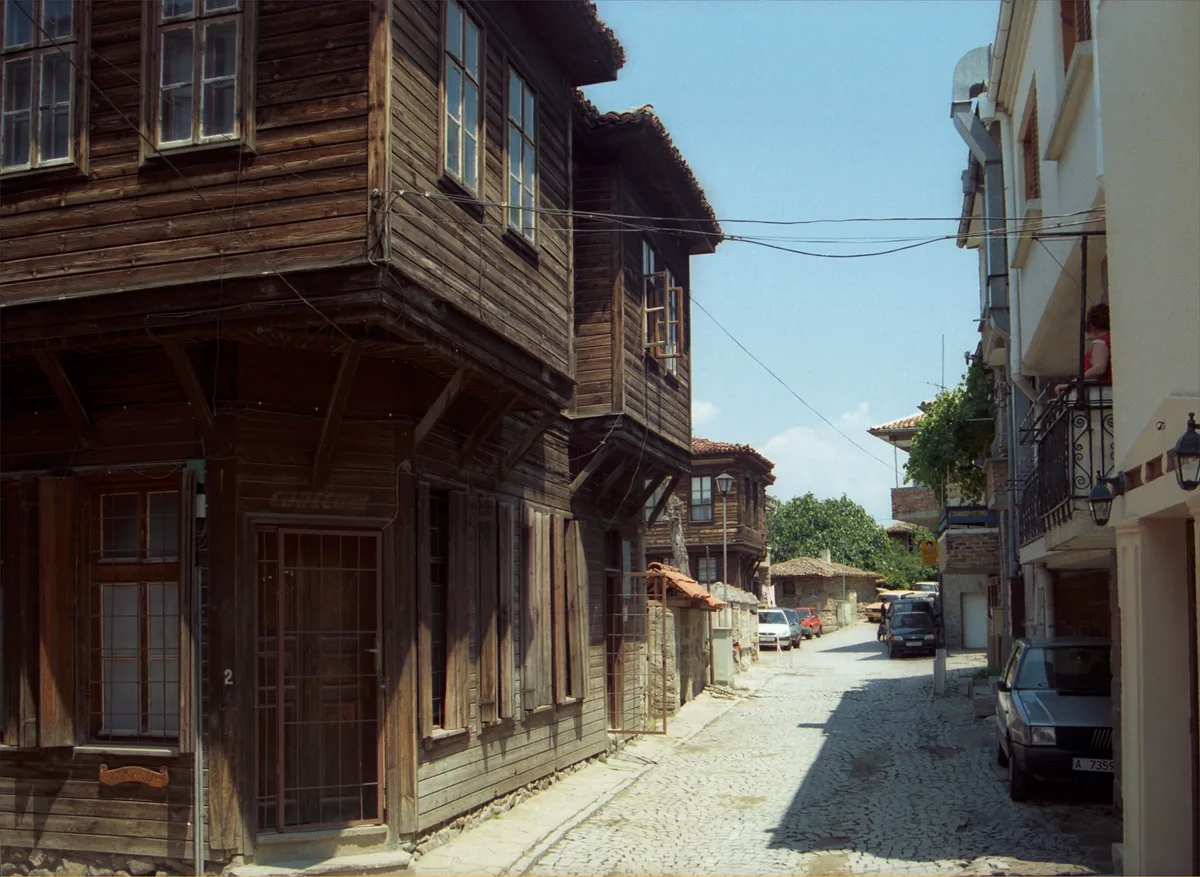
The old quarter was declared an architectural and archaeological reserve in 1965, and it protects well over a hundred houses built between the mid-18th and early 19th centuries. The template is consistent and easy to spot once you know it: a stone base with sun-dried brick above, then a projecting wooden upper floor boarded over to shrug off the salty wind, capped with tiles. Streets like Anaximander and Apollonia are narrow enough that the balconies almost touch across the lane. Half the pleasure is simply getting mildly lost between the wine shops, small galleries and fish restaurants - you’ll do that without trying.
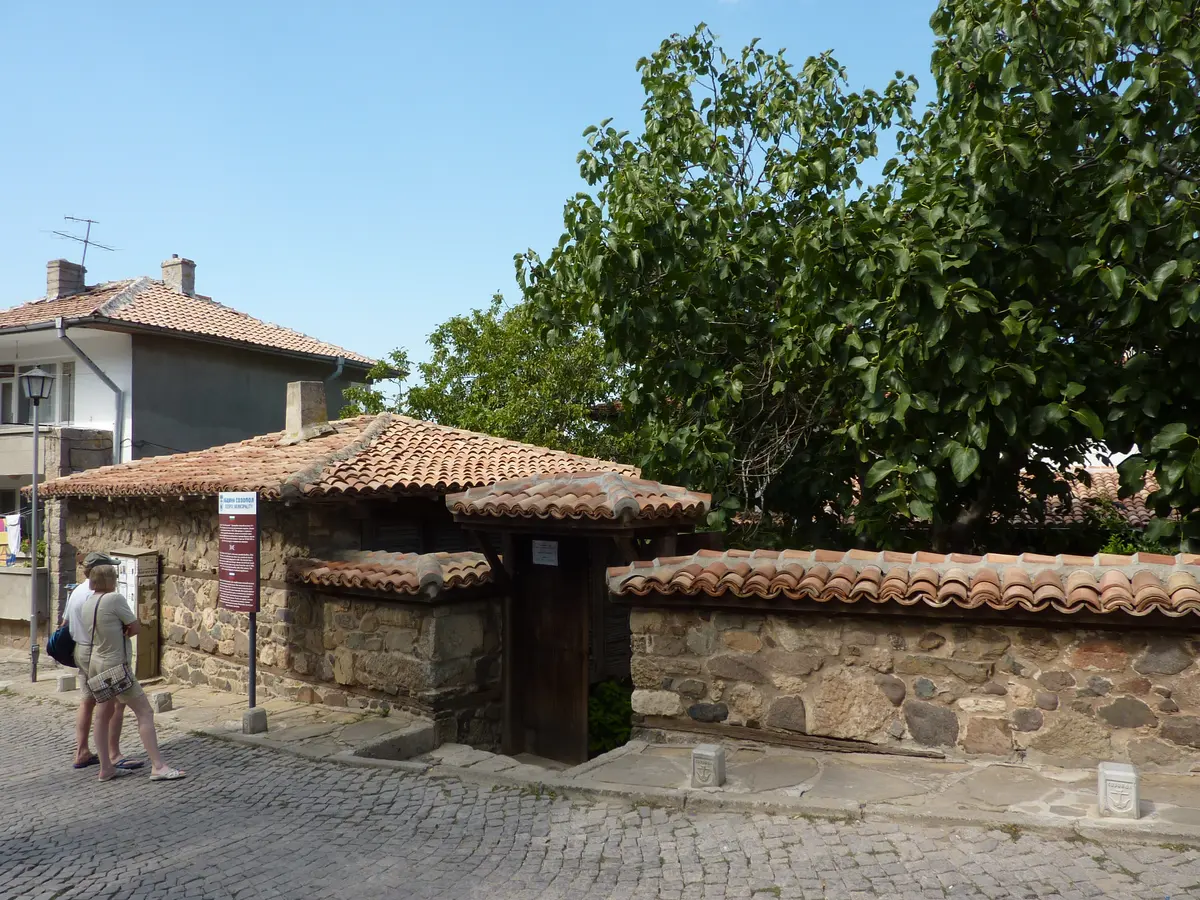
For all the ancient billing, the churches that survive here are mostly modest and mostly worth a look. The oldest active one is the Church of St George (Sveti Georgi), rebuilt in 1828 over the remains of an early Christian basilica, with a painting of St George and the dragon over the door and a good 19th-century iconostasis inside. The Church of the Holy Mother of God (Sveta Bogoroditsa) is the atmospheric one: a 15th-century church built half sunk into the ground because Ottoman rules barred Bulgarians from raising tall buildings, its dim interior filled by a finely carved wooden iconostasis from the end of the 18th century. Don’t skip it if you’re already in the lanes.
The one with the story is the Church of Saints Cyril and Methodius, built in 1889 for Bulgarian refugees from Eastern Thrace and back in use after restoration since 2011. Through the summer season it displays what put Sozopol in the world’s headlines: relics said to belong to John the Baptist. In 2010, archaeologist Kazimir Popkonstantinov dug up a small marble reliquary on the offshore St Ivan (St John) island, holding six fragments of bone. Later radiocarbon work at Oxford dated them to a Middle Eastern man from around the 1st century AD, which is as close to “it could be genuine” as this kind of relic ever gets. The bones now rest in a marble sarcophagus in the church; note that access is seasonal, so treat it as a summer sight and check locally out of season.
Down on the southern seafront, the Southern Fortress Wall and Tower is a compact open-air site built around a well-preserved stretch of the medieval southeast wall, a square watchtower and the remains of a large 5th-to-6th-century grain building. It’s a quick visit but a good one, and the terrace gives you the sea on two sides.
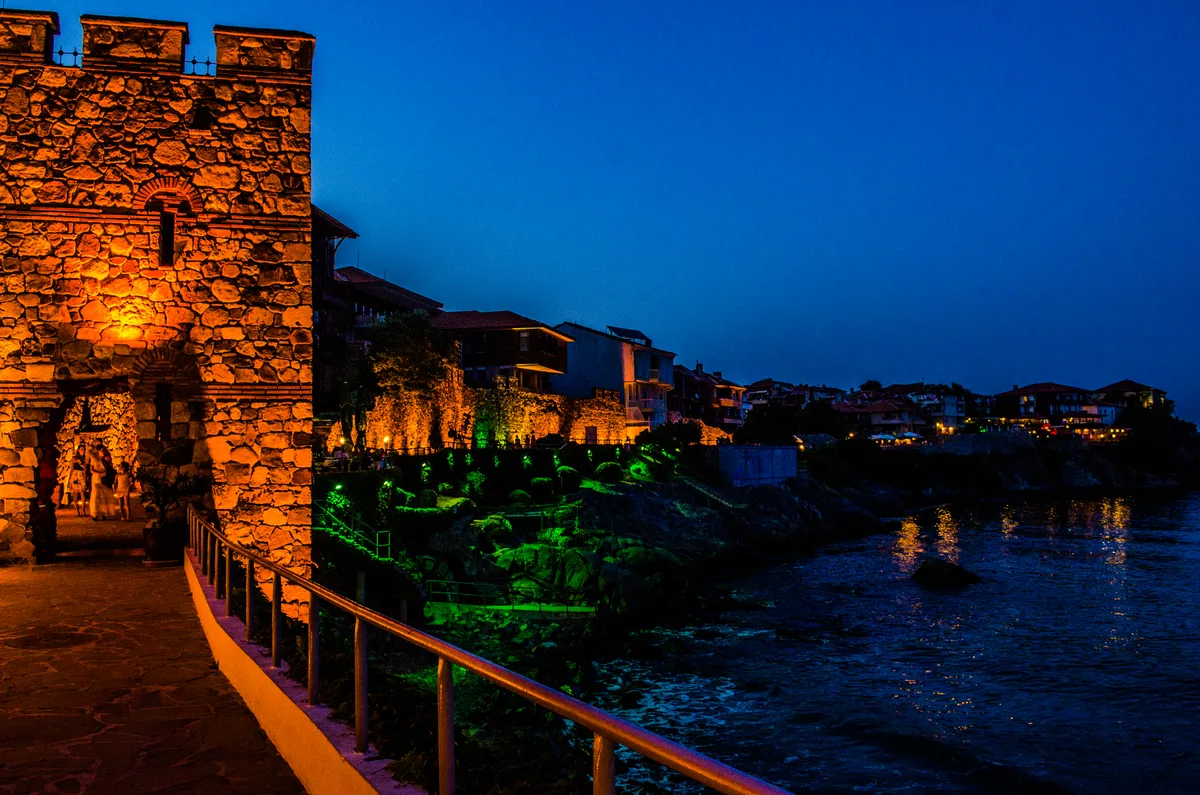
If you only enter one building, make it the Archaeological Museum, named for the historian Bozhidar Dimitrov. It holds the richest collection of ancient Greek vases in Bulgaria, from the 7th to 3rd centuries BC, plus amphorae, stone and lead anchors dredged from the bay, and the reliquary story laid out in full. Half an hour here turns the rest of your walk from “pretty old houses” into a place with 2,600 years behind it.
Tickets, hours and how long you need
Half a day covers the old town comfortably; add a beach afternoon and you have a full, easy day. The museum sites are inexpensive. The Archaeological Museum runs to a few euros for adults (about 3 to 3.50 euros, roughly half that for children, students and pensioners) and the Southern Fortress Wall and Tower is cheaper still, around 1.50 euros. Those figures are converted from the leva prices and checked in July 2026; because Bulgaria only moved to the euro this year and museums adjust rates and seasonal hours, reconfirm at the ticket desk on the day. Opening is generally from mid-morning, roughly 09:00, with longer hours in high summer and shorter ones off-season, and the churches keep their own seasonal times (the Cyril and Methodius relics in particular are a summer showing).
A note on driving: don’t try to drive into the old town. The lanes are narrow, cobbled and largely pedestrian, and satnav aimed at “Sozopol Old Town” will land you somewhere you can’t turn. Aim for “Sozopol Center” and park on the edge of the historic quarter, or skip the car for the day trip and take the bus from Burgas.
Which beach to pick
This is where Sozopol pulls ahead of most old towns: the beaches are right there.
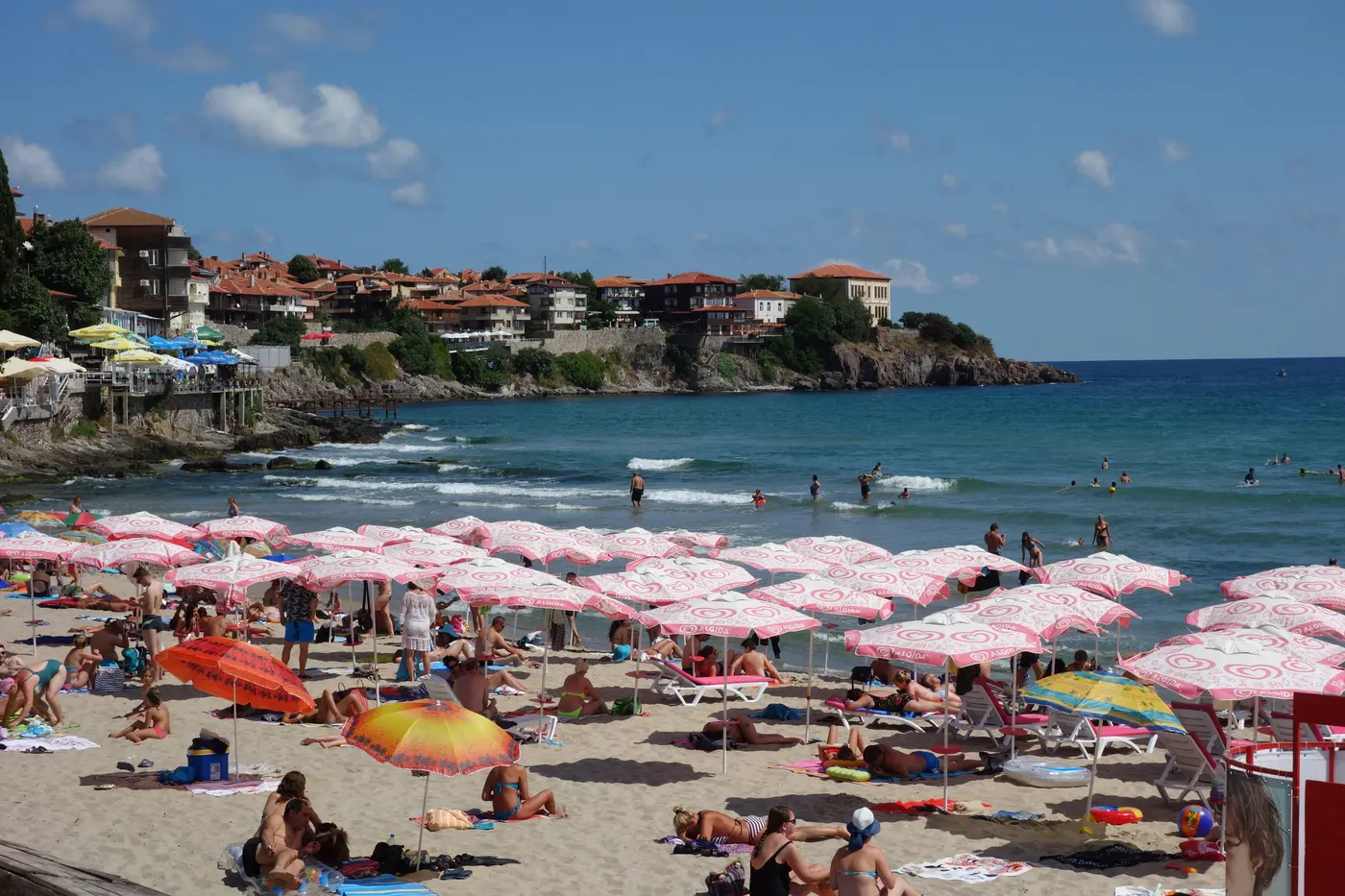
- Central Beach is the strip of sand tucked directly below the old-town walls, between the historic peninsula and the new town. It’s the handiest and the liveliest, which also means it fills up fast in July and August. Good for a quick swim between sights, less good if you want space.
- Harmani (Harmanite) Beach sits in the new town and is wider and longer, so it copes far better with the high-season crowds. If you want a lounger and room to breathe within walking distance of the old town, this is the pick.
- Kavatsi (Kavatsite), about 3 km south between capes Chrysos and Agalina, is the scenic one: a roughly 2 km sweep of sand backed by low cliffs, with a gentle entry to the sea and campsites behind. Worth the short hop by car, bike or a summer shuttle.
- Smokinya, another few kilometres south, is the wild option: dunes and protected flora inside a nature-managed zone near the Alepu lagoon, with little infrastructure and far fewer people. Bring your own shade and water.
Sozopol is also the base for the Apollonia Arts Festival, Bulgaria’s biggest arts festival, held here every year in late August and early September since 1984, with music, theatre, film and exhibitions across the town - our Apollonia festival guide covers this year’s dates, program and the accommodation crunch it creates. If you can, come in June or September: the sea is warm, the light is beautiful and the old town has room to move, which it very much doesn’t at the peak of August.
Sozopol or Nessebar?
Both are old peninsula towns with timber Revival houses, cobbled lanes and clusters of churches, and travellers constantly ask which to see. The honest answer is that they’re different animals. Nessebar is the UNESCO heavyweight, with around forty medieval churches and correspondingly heavy cruise and coach traffic; its beaches are effectively next-door Sunny Beach rather than the town itself. Sozopol isn’t UNESCO-listed as an ensemble and has fewer must-see monuments, but it’s calmer, feels more lived-in than staged, and, crucially, its own beaches are a short walk from the old lanes. If you want the single greatest concentration of medieval church architecture, go to Nessebar. If you want an old town where you can also swim, drink a coffee among locals and slow down, Sozopol wins. With time for both, they pair naturally on a coast trip. Our head-to-head Nessebar vs Sozopol walks through the choice in detail, and there’s a fuller church-by-church breakdown in the Nessebar guide.
How to get to Sozopol
Burgas is the gateway. Buses run from Burgas South Bus Station (Sector 5) to Sozopol via Chernomorets, operated by Burgasbus and Sozopolbus, roughly every half hour between them across the day; the first Burgasbus out is at 05:00 and departures run to 20:00, with a 21:30 Sozopolbus tail. The trip takes about 40 minutes and costs 3.37 euro - full timetable, fares and day-trip timing are in Burgas to Sozopol. Buy at the station desk or from the driver, and note the return side finishes earlier: the last two buses back to Burgas are 20:30 and 21:00.
From Burgas Airport (BOJ), roughly 45 km away, there’s no direct bus, so the simple move with luggage is a pre-booked taxi or transfer, about 45 to 60 minutes. What you pay depends more on the channel than on the distance: a local Burgas transfer firm publishes from about 40 euros for a car to Sozopol, while the international booking marketplaces start higher for the same run, so compare the live quote for your dates and party size rather than trusting one headline number. You can also bus it via Burgas town if you’re travelling light and in no hurry, but with bags and a family the direct transfer is worth the money. Prices and schedules move with the season, so confirm when you book.
Where to stay and what is nearby
For the atmospheric version of Sozopol, stay in the old town in one of the timber houses turned guesthouse, where the lanes go quiet after the day-trippers leave. For beach and choice, the new town around Harmani puts you on the wider sand with more rooms and restaurants, still a short walk from the history. Either way you don’t need a car once you’re in. For a full breakdown by area, prices and which beach each one puts you nearest, see our where to stay in Sozopol guide.
From here the coast runs north to Burgas and its long sea garden, and on to Nessebar and Varna. Inland, Sozopol slots into the rest of a Bulgaria trip alongside the mountain monastery at Rila, the old towns of Plovdiv and Veliko Tarnovo, and the capital, Sofia. The easiest way to tie the coast to the interior is the 7-day Bulgaria itinerary, which builds in a Black Sea day you could just as easily spend here as in Nessebar. Arriving by car from Varna, this is the last stop on the Black Sea coast road trip: park in the new town, walk the peninsula, drop the car at Burgas.
Photos
Read also

Cities · 10 min read
Bulgaria's Spa Towns: Velingrad, Hisarya & More
Verified · August 31, 2026Compare Velingrad, Sandanski and Hisarya: water temps, climate, Roman walls, when to go year-round, and real 2026 spa-hotel rates.

Cities · 12 min read
Where to Stay in Pamporovo: Hotels & Chalets
Verified · August 22, 2026Pamporovo hotels, chalets and apartments by lift base: Malina vs Studenets, why "renovated" is not "new", and how to price a bed.

Cities · 14 min read
2 Days in Sofia: The Perfect Weekend Itinerary
Verified · August 20, 2026A 2-day Sofia itinerary for a Friday-to-Sunday trip: Nevsky, Serdica, Boyana Church, real euro prices, and what actually fits in one weekend.

Cities · 9 min read
Where to Stay in Burgas: Best Areas & Hotels
Verified · August 10, 2026Where to stay in Burgas: city centre for a first visit, Sea Garden for beach and park, Lazur for quiet value, or Sarafovo by the airport.