
Best Time to Visit Bulgaria (Month by Month) 2026
The best time to visit Bulgaria in 2026: July and August for the Black Sea, January and February for skiing, May, June or September for cities.
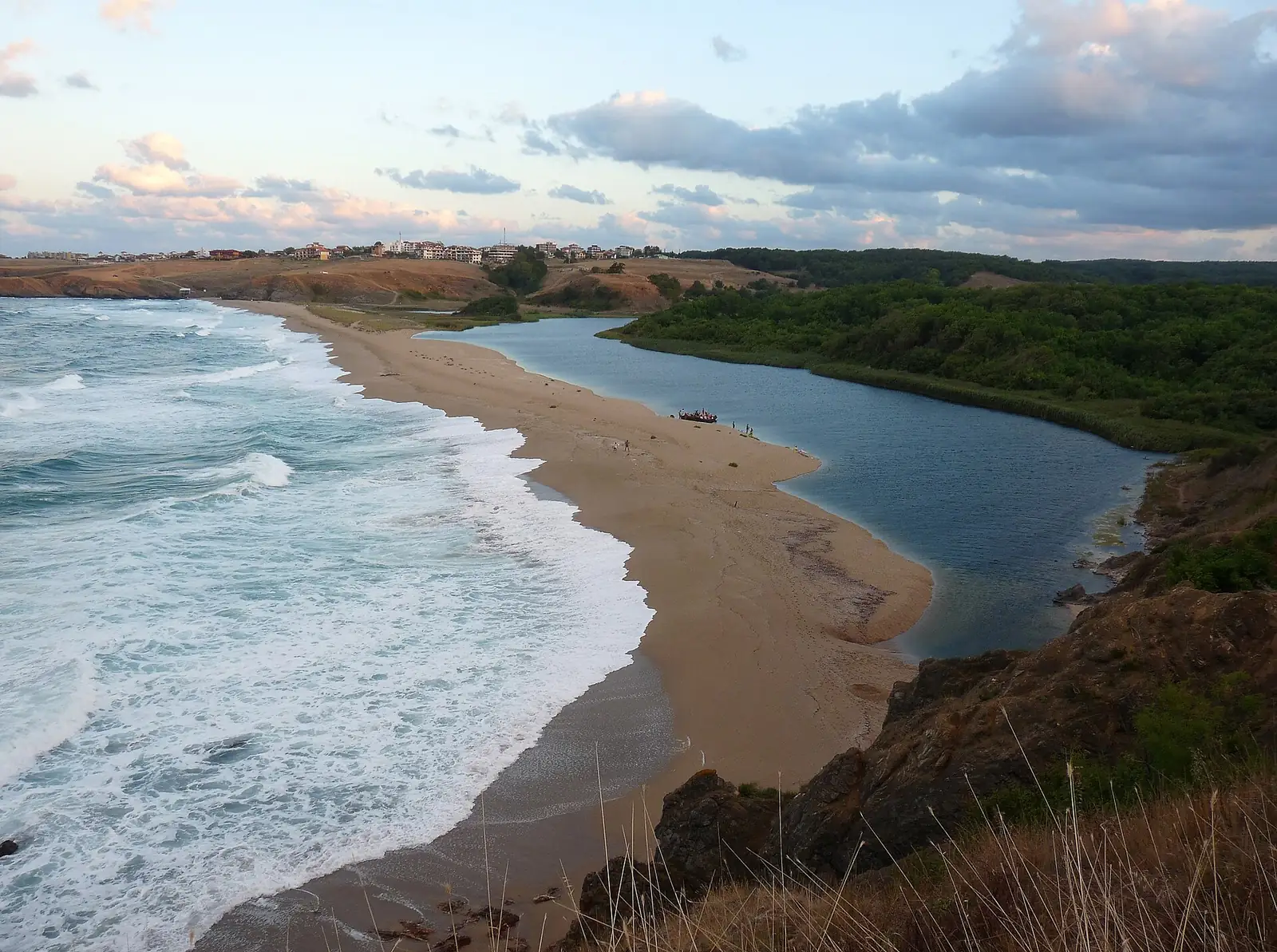
The short answer: go in July or August if you want the Black Sea, January or February if you want to ski, and May, June or September for everything else - cities, monasteries, wine and mountain hiking without the heat or the crowds. Bulgaria is really three trips in one country, and the “best” month depends entirely on which of the three you’re booking.
That’s the whole trick to timing a trip here. The coast, the ski resorts and the interior each have their own calendar, and they barely overlap. If you’re still deciding which of the three trips to take, our overview of the best things to do in Bulgaria lays out the options first. Below is how the year actually plays out, month by month, so you can match your dates to what you came for.
The two-minute version
- Beach on the Black Sea: mid-July to late August is peak. Warmest water, liveliest resorts, highest prices. For the same warm sea with fewer people and lower rates, you’ll want June or September.
- Skiing in Bansko or Pamporovo: the season runs roughly mid-December to early April, with the most reliable snow in January and February. If your dates fall over the holidays, our guide to Christmas and New Year in Bulgaria covers the compulsory gala dinner most hotels add on 31 December, and the week when lift passes are cheapest.
- Cities, hiking, wine, road trips: late May to June and September are the sweet spot - warm days, cool evenings, thin crowds. Spring can be wet; autumn is drier and quieter.
- Budget and quiet: November, early December and March are the cheapest, emptiest weeks, with the trade-off of grey weather and closed beach resorts. Bulgaria is cheap year-round - the cheapest country in the EU - but these are its lowest rates.
Summer (June to August): the coast and the high mountains
Here’s the obvious window and the busiest. If your trip is built around the beach, you want the sea warm, and it takes until early summer to get there. At Varna and Burgas the water climbs to around 23 degrees in early July and peaks near 24 to 25 degrees in August - the warmest fortnight of the year is usually late July into August. June is a touch cooler in the water but has longer, emptier beaches; September holds its warmth into the first half of the month.
The catch is everyone else has the same idea. Mid-July to August is the peak, which means the highest hotel rates and the fullest resorts, and Sunny Beach - the biggest resort on the coast - is also the most expensive place in the country at that time. If a lively, party-strip holiday is the point, that’s exactly where to be - just keep a hand on your bag, as the busy resorts are the one spot where pickpockets are worth watching for (more in our is Bulgaria safe guide). If it’s not, the quieter old towns down the coast are a different world in the same weeks: our guides to Sozopol and the UNESCO island of Nessebar cover the calmer alternatives, and Varna itself earns a couple of days beyond the beach.
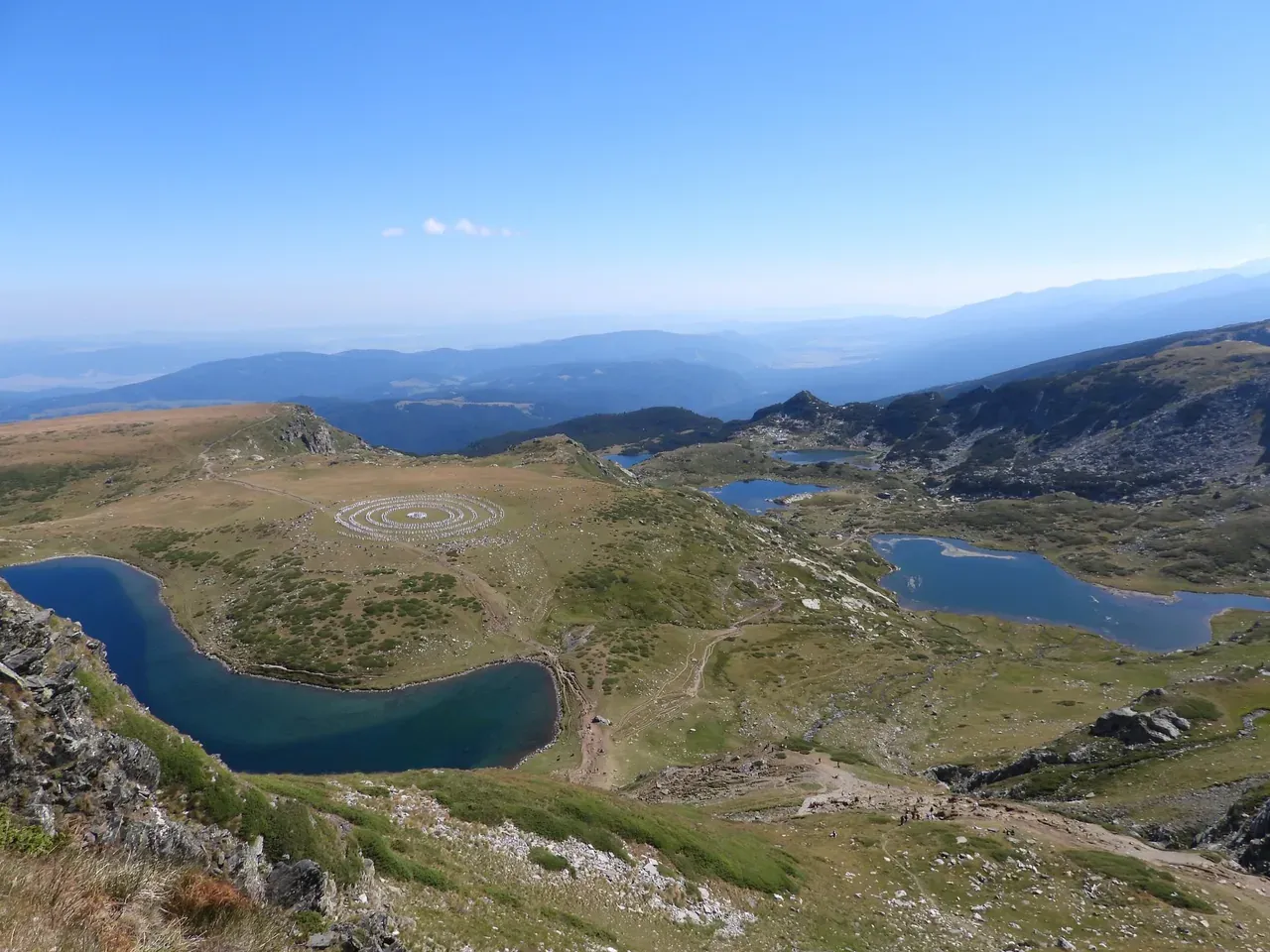
Summer is also the only realistic window for the high mountains. The famous Seven Rila Lakes hike is only reliably snow-free from July through September, and the Panichishte chairlift that saves you the first climb runs through the season apart from the last Monday of each month, when it shuts for maintenance. The honest warning: on July and August weekends the queue for that lift can hit 60 to 90 minutes, so go on a weekday, or come in June or September when the trails are clear but the crowds thin out. Every 19 August, thousands of people in white gather on the plateau to perform the Paneurhythmy dance - a genuinely strange and beautiful thing to catch if your dates land on it.
The heat trap on the plains
Here’s the thing summer brochures skip. Away from the coast and the mountains, the interior gets genuinely hot. Plovdiv sits on the Thracian plain and is the hottest city in Bulgaria, with July highs averaging around 30 to 31 degrees and heatwaves that push to 38 to 40 degrees (the record is 45, set in July 2000). Sightseeing across the Three Hills of Plovdiv at two in the afternoon in August is a slog.
Sofia is easier. At around 550 metres altitude it stays cooler - August days average about 27 degrees rather than the plain’s mid-thirties - so the capital is bearable in high summer even when Plovdiv is baking. The practical move if you’re touring in July or August: see the cities in the morning and evening, and spend the hot middle of the day in the sea, in the mountains, or in the shade with a cold beer. A trip that mixes coast and interior works best if you build it around that rhythm; our 7-day Bulgaria itinerary is timed with the same logic.
Winter (December to March): ski season
Bulgaria is one of Europe’s best-value ski destinations, and this is the second reason to come. The two resorts worth flying for are Bansko in the Pirin mountains and Pamporovo in the Rhodopes, and both run a season of roughly mid-December to early April.
The exact opening date shifts with the snow each year. To give you a real benchmark: for the 2025/26 season Bansko opened on 13 December 2025 with 70 cm of snow at the Plato area and 140 cm up at Todorka peak, while Pamporovo opened on 28 December 2025 after a late start held back by warm weather. That variability is the point - don’t book flights around a fixed opening date, because a slow snow year can push it back by weeks. Modern snowmaking helps both resorts hold a base from December into April, but the most reliable natural snow is in January and February, which is also the busiest and priciest stretch. Late March can still ski well and costs less, with longer daylight and softer afternoon snow.
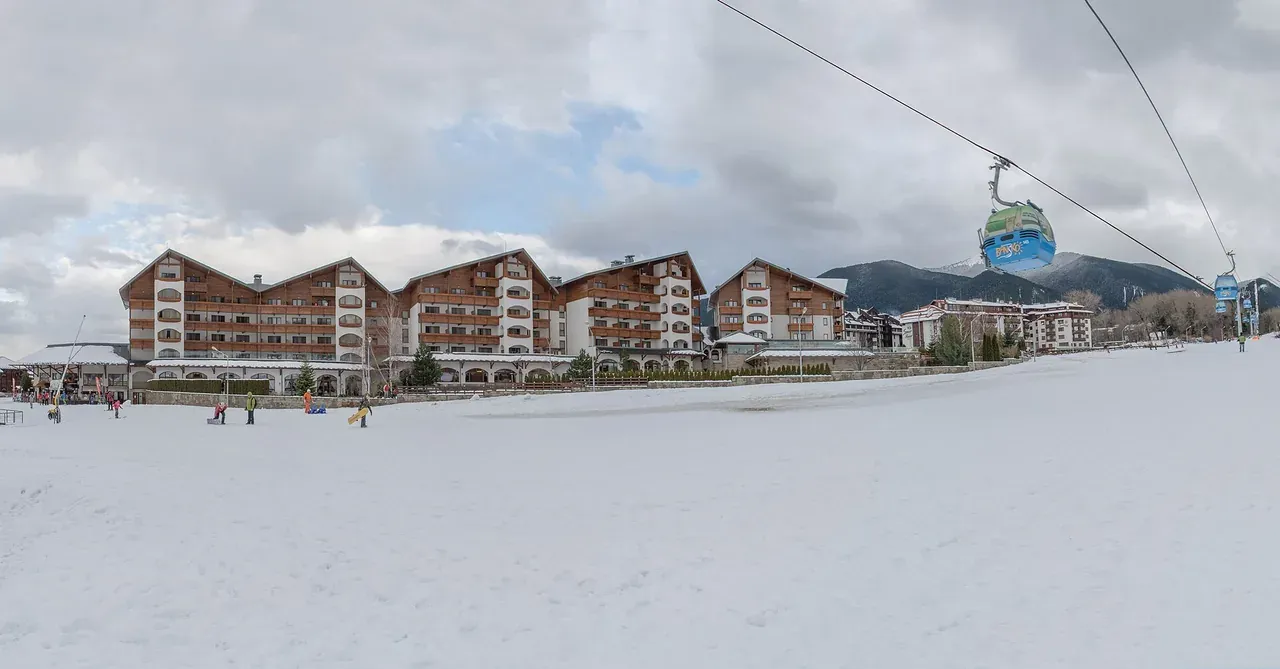
If you ski, Bansko is the resort to know: it has the longest runs, a gondola out of the old town, and the liveliest apres scene of the two. Pamporovo is gentler and sunnier, better for beginners and families. Book a hotel with its own snowmaking-fed slopes and you’re less exposed if the natural snow is late. For the full cost breakdown across all three resorts, the thermal spa towns and the winter tyre law if you’re driving, see our Bulgaria in winter guide. The spa towns themselves - Velingrad, Sandanski and Hisarya, and what a weekday package costs - have their own guide in Bulgaria’s spa towns.
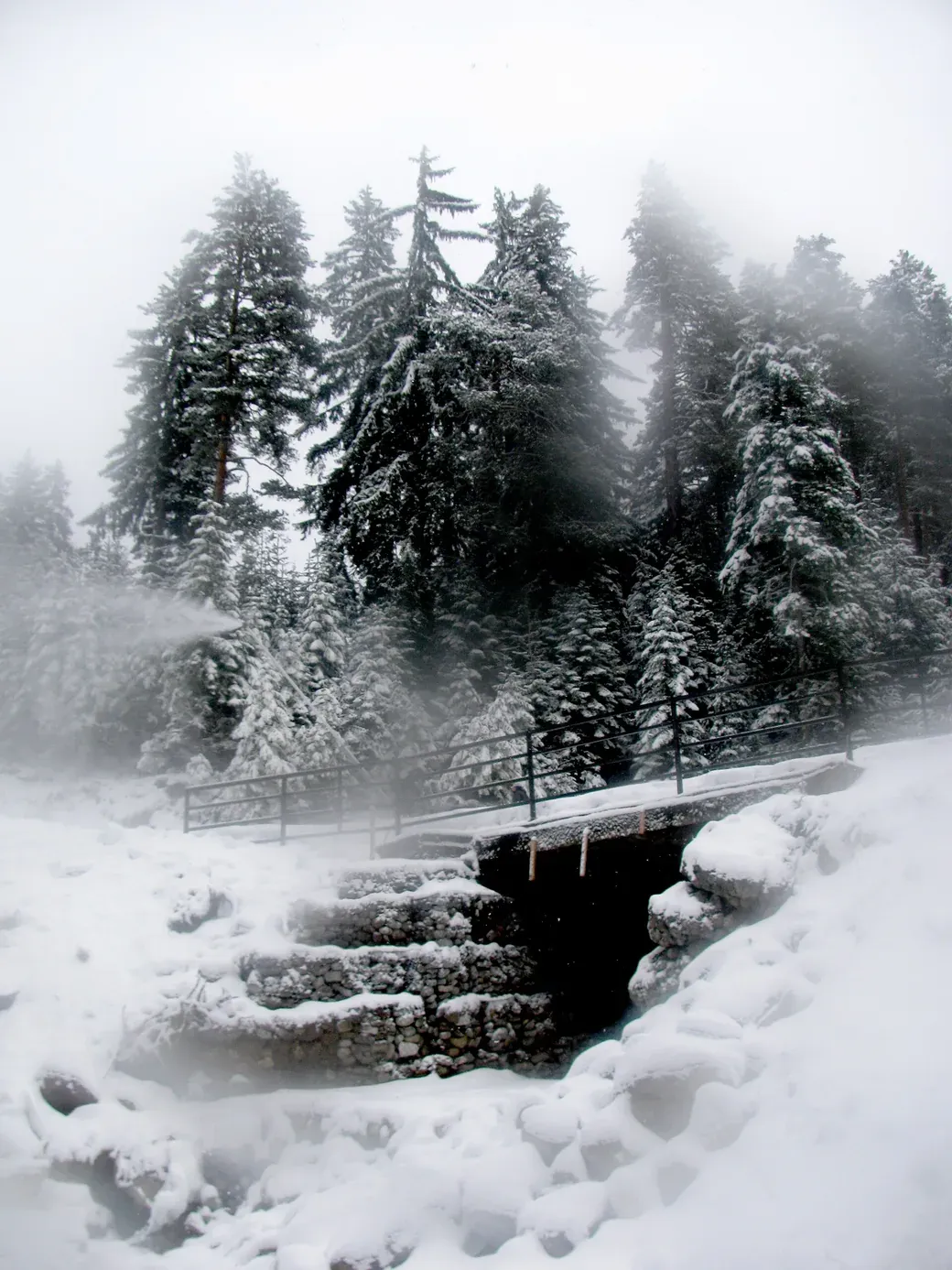
Away from the slopes, winter is low season everywhere else. The coast shuts down, Sofia and Plovdiv are cold - Sofia averages around freezing in January, with nights below minus four - and daylight is short. That’s not a reason to stay away if cities are your aim: museums are open, the food is heavier and better, and you’ll have Rila Monastery or the Sofia sights almost to yourself. Just pack for real cold and don’t expect a beach.
Spring and autumn: the smart traveller’s window
If you’re not tied to the beach or the slopes, late May, June and September are the best months to visit Bulgaria, full stop. Days run a comfortable 20 to 25 degrees, evenings are cool, the countryside is either green (spring) or gold (autumn), and you dodge both the summer crowds and the winter grey. Hotel rates in the cities are lower than peak, and the sea is even swimmable at the shoulders - warm into mid-September, tolerable by June.
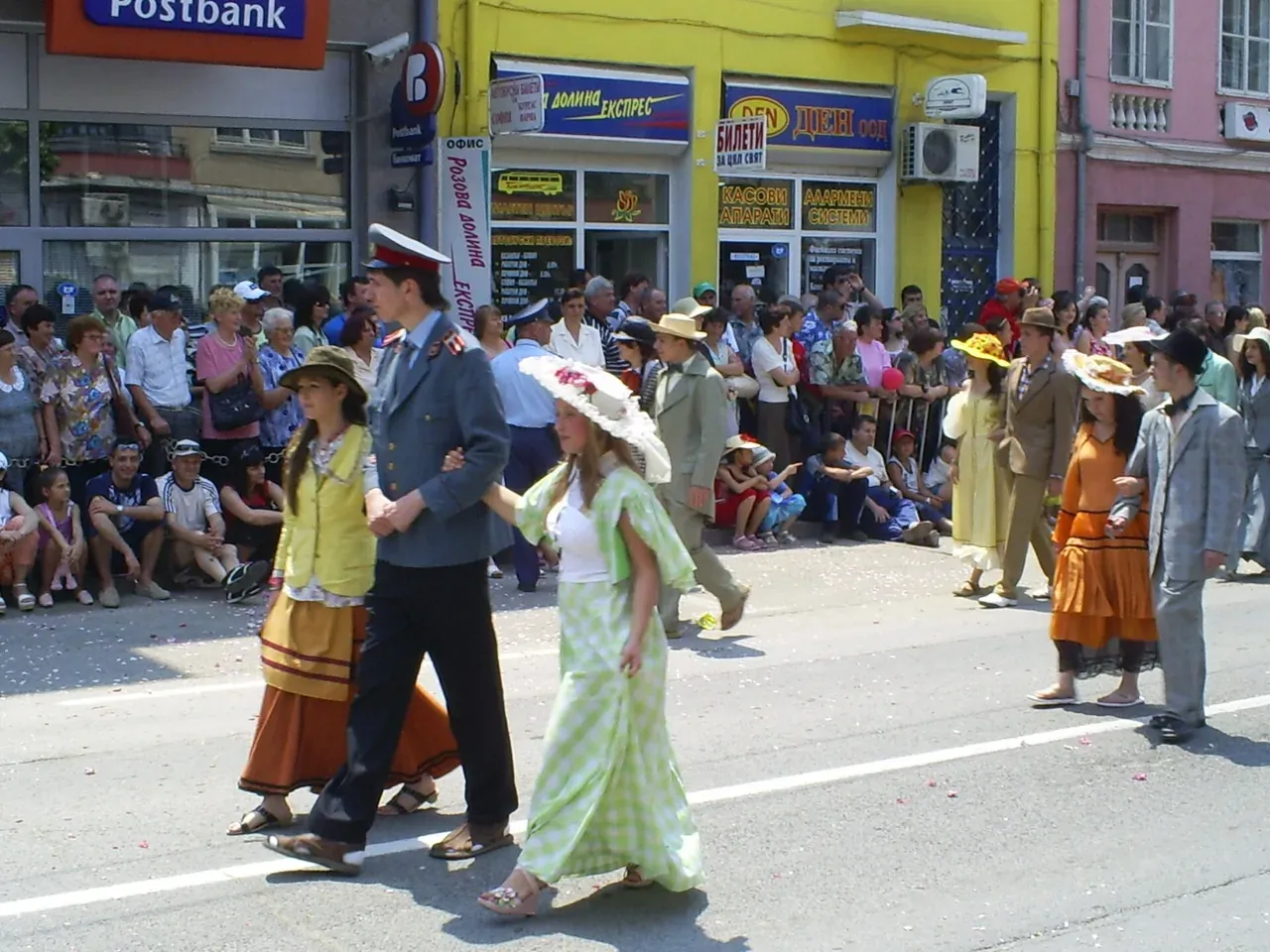
Spring’s one drawback is rain. May is one of the wetter months - Sofia gets around 90 mm of rain across roughly 11 days - so you’ll want a shell and should expect a few washed-out afternoons. The reward is the countryside at its greenest and one of the country’s signature events: the Rose Festival at Kazanlak, in the Valley of the Roses, where Bulgaria’s damask roses are harvested at dawn. In 2026 the main festival days are 5 to 7 June, with the big parade and the crowning of the Rose Queen on Sunday 7 June; the rose-picking rituals happen in the first weekend of June, early in the morning before the dew burns off. If a folklore-heavy, flower-scented spring trip appeals, you’ll want to time it around that first June weekend and read up on the Valley of the Roses first.
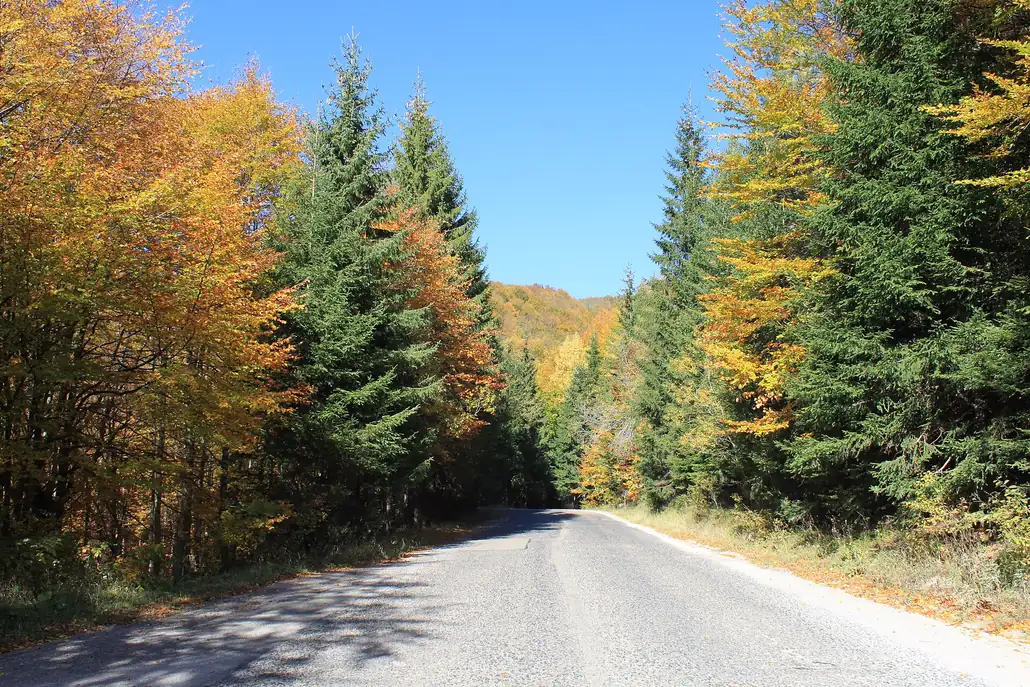
Autumn edges spring for many people. September is arguably the single best month - the sea is still warm, the light is softer for photos, the summer crowds have gone home, and the wine regions around Melnik and the Thracian plain are into harvest. October cools and quietens further, the forests turn, and it stays good for city breaks and low-country hiking until the first cold snaps. That’s also the natural season to eat your way around the country without the heat killing your appetite; our guide to what to eat in Bulgaria works in any month, but a September table of grilled meat and shopska salad on a terrace is hard to beat.
So when should you go?
You’ll want to work backwards from what you actually want:
- A beach holiday: July and August for the full, lively resort experience; June or September for the same warm sea, lower prices and room to breathe.
- Skiing: January or February for the most reliable snow; late March for cheaper, sunnier spring skiing.
- Cities, culture and hiking: late May, June or September - the all-round best months, warm and uncrowded. Bring a raincoat in May.
- A festival trip: the Rose Festival’s first June weekend for folklore and flowers.
- The cheapest, quietest trip: November, early December or March, accepting grey skies and closed beach towns in return.
Whatever month you land in, our Bulgaria events calendar has the full month-by-month rundown of what else is on, and it’s worth cross-checking against our Bulgarian public holidays calendar too, since a national holiday can mean a quieter museum queue or a closed bank counter depending on your dates.
One practical note for 2026, whenever you come: prices on the ground are now in euro, since Bulgaria joined the eurozone on 1 January 2026 at a fixed rate of 1.95583 leva to the euro. Dual price tags were required to 8 August 2026 and have since ended, so menus and tags now show euro only, so keep a rough conversion in your head - our guide to what the euro switch changed for visitors walks through cash, cards and prices in detail. Sort out your dates first, then the rest - the 7-day itinerary and the city guides pick up from there.
Photos
Good to know
Temperatures and sea readings are multi-year averages and vary year to year; the ski season depends on snowfall; prices and timetables are seasonal, and festival dates change each year. Confirm current conditions and dates before you travel. Prices are in euro (Bulgaria joined the eurozone on 1 January 2026; fixed 1.95583 leva = 1 euro).
Details checked: July 6, 2026
Read also

Before you go · 12 min read
How Much Does a Bulgaria Ski Holiday Cost?
Verified · September 13, 2026A Bulgaria ski week usually lands around 770 to 1,170 EUR mid-range: lift pass, hire, bed, food and transfer from official 2025-26 tariffs.

Before you go · 9 min read
Day Trips from Sunny Beach: Nessebar & Beyond
Verified · August 28, 2026Day trips from Sunny Beach: Nessebar on the local bus, Sozopol via Burgas, Strandzha jeep days. Times, tickets and what fits in a day. 2026.

Before you go · 10 min read
Bulgaria or Greece: Which Beach Holiday Is Better?
Verified · August 27, 2026Greece wins on islands and water clarity; Bulgaria wins on price and sandy resort beaches. Who each suits, real 2026 costs and flights from the UK.

Before you go · 8 min read
Day Trips from Varna: Balchik, Kaliakra & Caves
Verified · August 26, 2026Day trips from Varna: Balchik Palace from €10, Cape Kaliakra cliffs, Aladzha rock monastery and Pobiti Kamani. Distances, buses and what fits in a day.