
Is Bulgaria Safe for Tourists? Real Risks & Tips 2026
Yes - Bulgaria is Level 1 safe and far from the war in Ukraine. The real risks are pickpockets, taxi scams and the roads - here is how to stay safe.
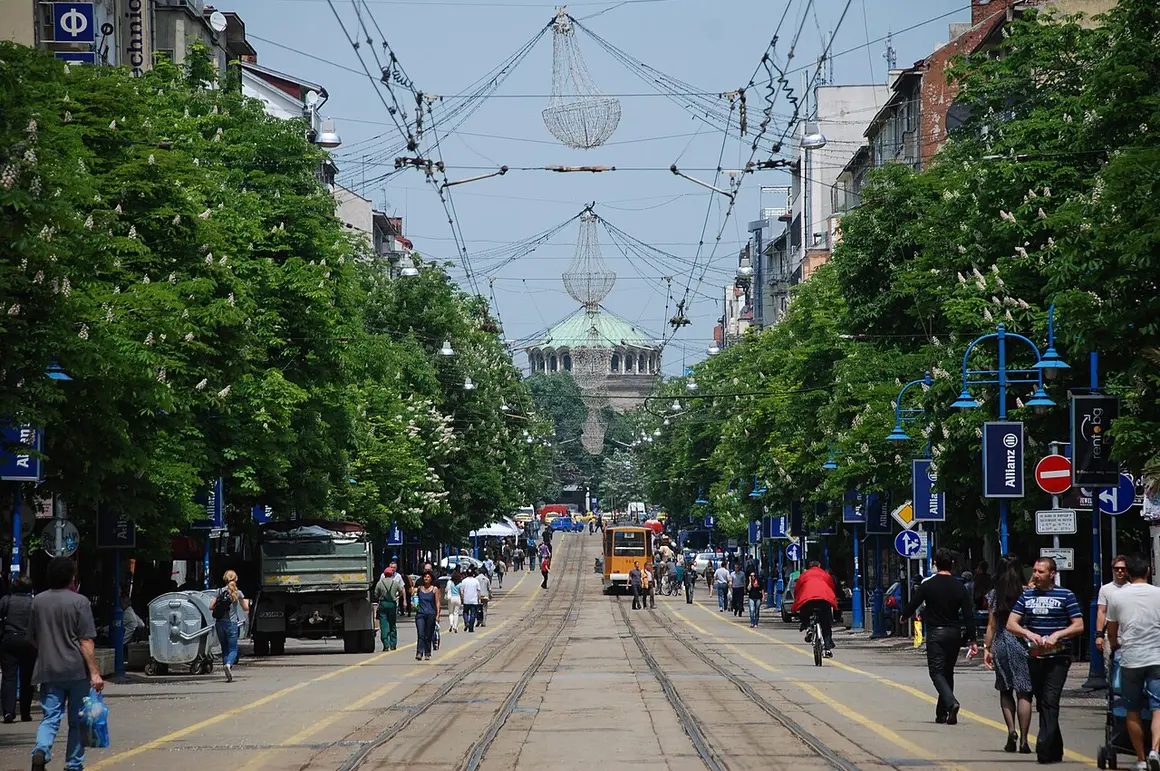
Yes, Bulgaria is safe for tourists from the US, UK, Canada, Australia and the rest of Europe. It sits at Level 1, “Exercise Normal Precautions”, on the US State Department scale (lowest of four; advisory last issued 9 October 2025, still Level 1 when rechecked 9 August 2026), and violent crime against visitors is rare. What actually catches people out is petty stuff: pickpockets in a crowd, a rigged airport taxi, and roads that reward defensive driving.
If you’re booking from far away, the useful comparison isn’t “safer than nowhere” - it’s closer to home than most readers from the US, UK, Canada or Australia assume. The Institute for Economics and Peace ranks 163 countries every year for its Global Peace Index, a peacefulness score built from militarisation, conflict and safety data - it’s not a street-crime ranking, and it’s worth saying plainly. The 2026 edition puts Bulgaria 26th, well ahead of the United Kingdom at 39th, behind Canada (14th) and Australia (20th), and a long way ahead of the United States at 134th. That gap isn’t about muggings: the US score is dragged down mainly by militarisation, arms exports and its incarceration rate, not street-level danger to a tourist. It doesn’t mean street crime never happens in Bulgaria; it means the baseline fear that keeps some Western travellers from booking is usually out of date, and for American readers specifically, the comparison runs the other way round.
Numbers you can actually use
- Official rating: Level 1. State Department line: Bulgaria is “generally a safe destination for travelers.” UK Foreign Office advice matches on the risks that matter (theft, taxis, roads), not a separate war-zone story.
- Global Peace Index 2026 (Institute for Economics and Peace): Bulgaria 26th of 163 countries worldwide, and 1st of the 15 countries in the Eastern Europe and Central Asia group - the most peaceful country in that region on this index, ahead of Uzbekistan, Kazakhstan and Romania.
- Numbeo mid-2026 (updated 9 August 2026, 1,104 contributors): level of crime 35.1 (Low); safety walking alone in daylight 85.5 (Very High); at night 60.9 (High). Perception, not police stats - still the index Google surfaces next to “is Bulgaria safe”.
- Emergency number: 112, free, English-speaking operators available.
- Money trap size: airport taxi scams commonly try €20-40 (about $22-45 / £17-34) for a ride the official desk does for about €13-15. Sofia metro airport-centre: about €0.80 (about $0.90 / £0.70) and about 20 minutes.
What the advisories actually flag
Read past the headline. Both the US and UK lists are short and practical: pickpocketing and bag theft in crowds, on public transport and at hubs including airports; ATM skimming and card fraud; taxi and street money-change scams; and, in bold, that driving in Bulgaria is dangerous. Terrorism is the standard Europe-wide boilerplate, not a Bulgaria-specific threat.
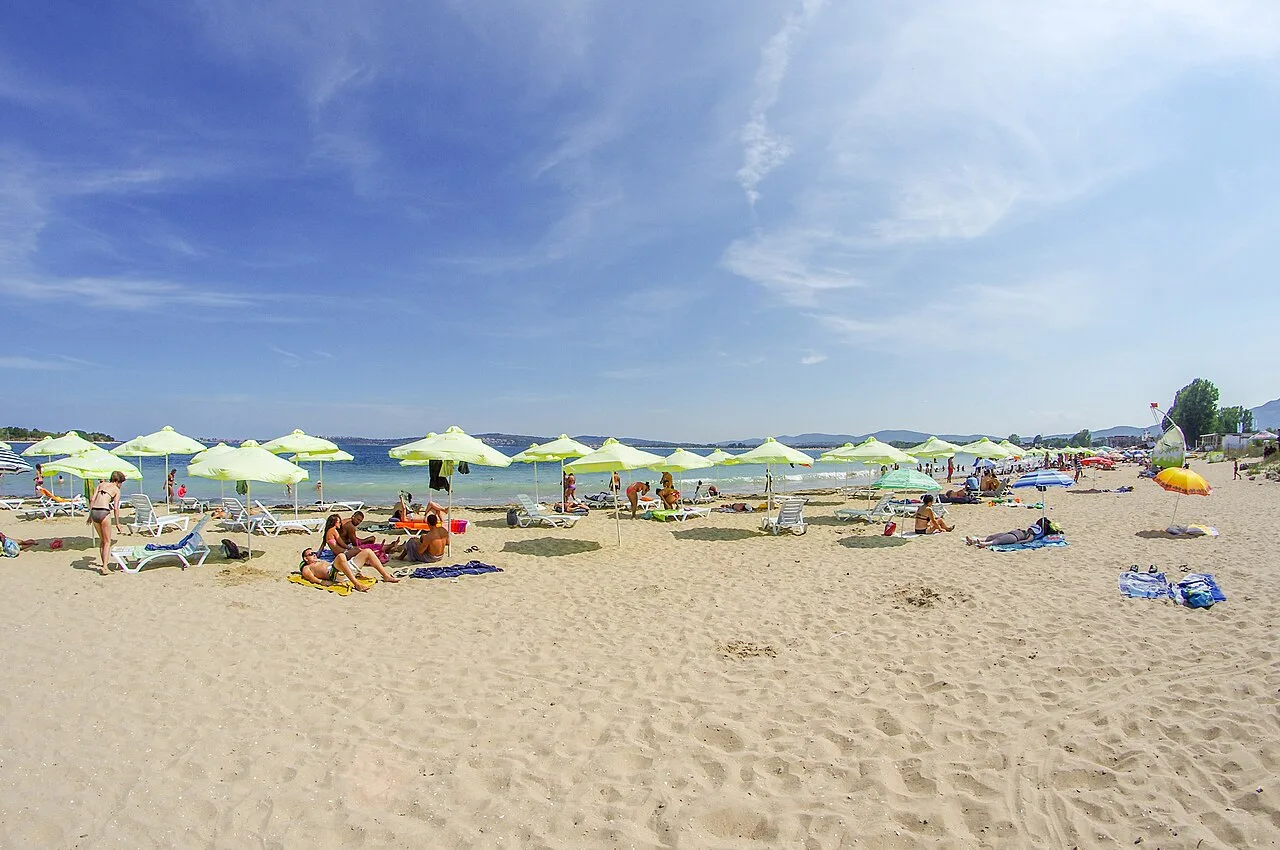
UK advice adds two local notes worth keeping. Tourists are actively targeted in Sunny Beach and other big resorts and cities - so a packed beach strip is where your bag stays zipped and in front. And some visitors have been hit with bills running into the hundreds of pounds after a night in a Sofia “gentlemen’s club”, with the same trap reported in Bansko, Borovets and Sunny Beach. If that’s not your night out, you’ll never meet it; if it is, agree prices in writing and never hand over a card to run a tab.
Advisory levels change. Treat this page as a solid baseline and open your own government’s live page (travel.state.gov, gov.uk) close to departure.
Petty theft: guard the bag, not your whole trip
If something goes wrong on a normal holiday, it’s almost always this. Pickpockets work the tram into the centre, packed markets, landmark crowds and arrivals halls - distraction, not force. Cross-body zipped bag, phone in a front pocket, and a hard pass on anyone who bumps you or thrusts a petition in your face.
Cars are softer targets than people. UK advice notes thefts from unattended vehicles at petrol stations - smashed window while you pay for fuel, not a carjacking. Leave nothing visible on the seat. Same logic as any European road trip: it’s opportunity, not menace.
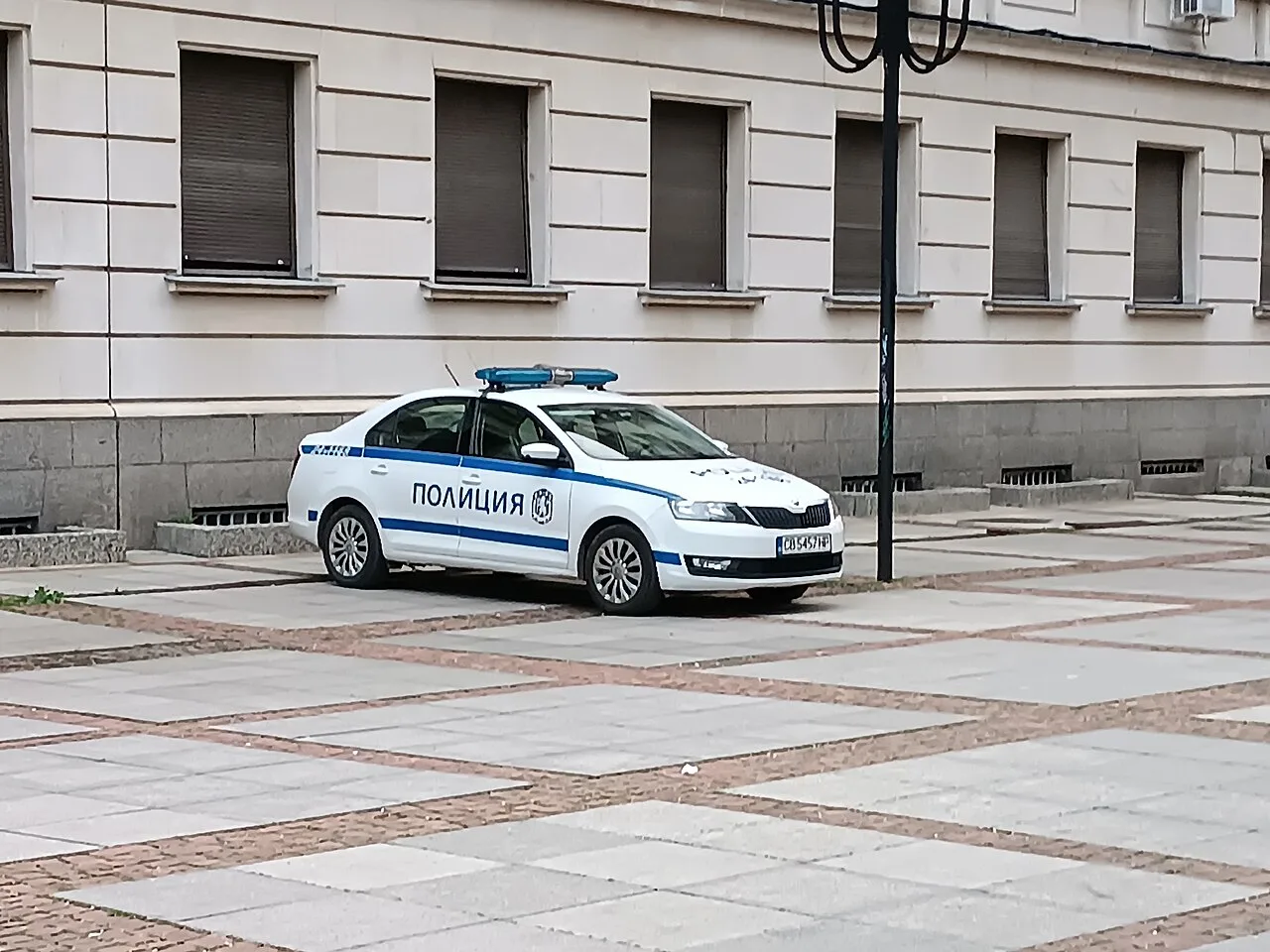
The airport taxi scam, and how to sidestep it
Sofia Airport has legitimate metered operators (OK Supertrans, look for 9732121 on the door, and Yellow!), but copycats park nearby with near-identical branding - OK SuperChance, OK SofiaTrans, OK ExtraTrans - and either quote a flat €20-40 or leave the meter off. Card charges several times the real cost show up often enough that it’s a real risk, not folklore. Book at the official desk inside the terminal, confirm the price before the doors close, refuse touts in the hall.
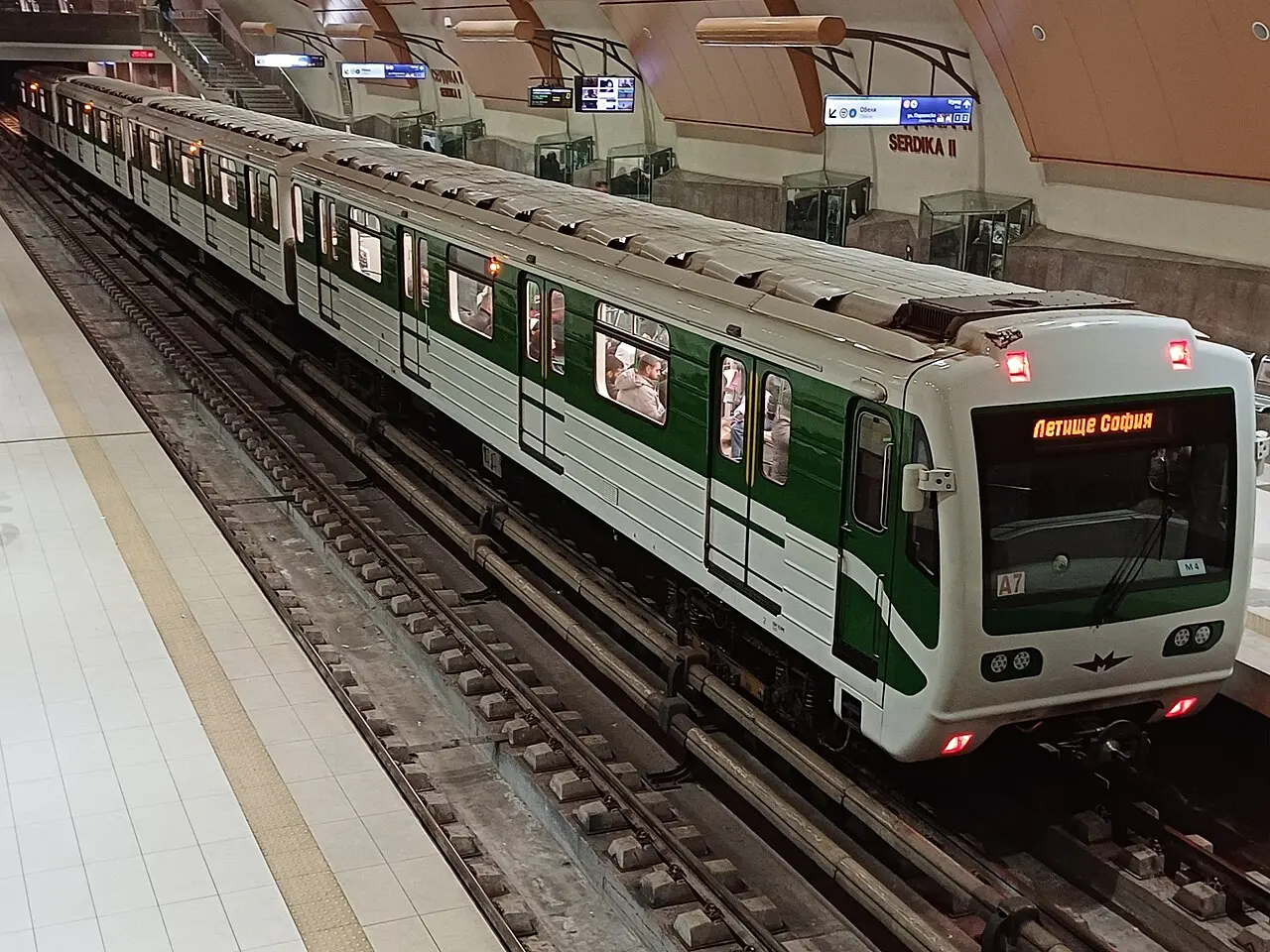
Cleaner still: skip the rank. The metro from Terminal 2 to Serdika takes about 20 minutes for €0.80 - immune to overcharging. Our guides to which airport to fly into and Sofia airport transfers walk through the arrival options in detail. A pre-booked transfer with a name on a board removes the guesswork if you land late or with heavy bags.
Street money-changers are a con, full stop - don’t use one. Bulgaria has been on the euro since 1 January 2026, so you rarely need to change anything; if you do, a bank ATM or an office with the rate on the board is the safe option. Details in our euro and cash guide and how money works in Bulgaria.
The roads are the real danger
Statistically, the most likely way for a Bulgaria trip to go badly is a car crash, not crime. US and UK advisories both single out aggressive overtaking, mixed road quality, and one of the higher road-fatality rates in the EU. That’s not a reason to skip driving - a car is still the best way to reach monasteries and mountain villages - but it’s a reason to drive defensively, avoid back roads after dark, and give tailgaters room. Specs (vignette, deposits, winter tyres) sit in driving in Bulgaria and getting around. Prefer not to drive? Intercity buses are cheap, frequent and fine for the main corridors.
Is it safe for solo and female travellers?
Broadly yes. Solo travellers, women included, generally find the cities relaxed: low violent crime, locals more likely to help than hassle. Keep normal city habits at night, favour licensed or app taxis, trust your instincts in empty streets.
The honest wrinkle is catcalling and unwanted verbal attention in bigger cities - a nuisance more than a threat, and ignoring it usually ends it. Travellers of colour and those in visible religious dress may get more stares or the odd rude comment. Isolated hostility around LGBT+ events has been reported, so same-sex couples often prefer to stay a little lower-key in small towns than in central Sofia. None of that’s a Level-2 story; it’s texture worth knowing before you land.
Is it safe to travel to Bulgaria because of the war in Ukraine?
Yes - and this is still the question that stops people from buying the ticket. Bulgaria doesn’t border Ukraine. Romania and the width of the Black Sea sit between them; the nearest Ukrainian territory is hundreds of kilometres away across water, not over a shared land border. Bulgaria is in the EU, NATO and Schengen (land border controls with Romania lifted in early 2025), and it’s not a combat zone. Flights into Sofia, Varna and Burgas run normal European schedules; Black Sea resorts had a normal busy summer. Neither the US nor the UK flags the war as a reason to avoid Bulgaria - both keep Level 1 / equivalent normal-precaution advice.
What you may notice on the ground is humanitarian, not military: Ukrainian families living and working in resort towns. That’s not a visitor safety issue. Planning a 2026 holiday here feels like planning one in any other calm EU country, because that’s what it is. For the paperwork side of a trip like this (passport, Schengen days, ETIAS timeline), use Bulgaria entry requirements.
Health, water and insurance
Tap water is fine to drink in Sofia and Plovdiv (Vitosha and Rila supply, EU standards). In remote villages many locals still prefer bottled - under a euro for a large bottle. Pharmacies (apteka) are common; city hospitals work to EU-level care.
Every advisory still pushes travel insurance - not because Bulgaria is risky, but because a road day, a ski day or a mountain hike is exactly when cover earns its keep. EU/UK visitors should carry a valid EHIC or GHIC for state care. Save 112, keep a passport scan offline, and the practical base is covered.
Bottom line for booking from far away
Bulgaria is a Level 1 country that also lands 26th of 163 on the 2026 Global Peace Index, ahead of the UK and a long way ahead of the US on that particular measure, where the worst most visitors actually face is a pickpocket, a rigged airport fare or a hairy overtake. Guard the bag in crowds, take the metro or a booked transfer from SOF, drive defensively or stick to buses, keep 112 handy. Do that and the trip is as ordinary-European-safe as a holiday in Spain or Poland - and the war on the far side of the Black Sea isn’t part of the itinerary.
When you’re ready to plan rather than worry, best time to visit sorts seasons, and the 7-day Bulgaria itinerary maps a first loop through Sofia, the mountains and the coast.
Planning a cross-border week after Bucharest? See the Romania-Bulgaria itinerary.
Photos
Good to know
Safety conditions and official travel advisories change - always check the current guidance from your own government (travel.state.gov, gov.uk) close to your travel date. Bulgaria was still rated Level 1 (Exercise Normal Precautions) when this guide was checked on 9 August 2026 (State Department advisory last issued 9 October 2025). Country-to-country comparisons cited are the 2026 Global Peace Index (Institute for Economics and Peace, published June 2026 - a composite ranking of 163 countries on peacefulness, built from militarisation, conflict and safety-perception data, not a street-crime ranking) and Numbeo mid-2026 crowd-sourced perception scores (self-reported by users, not police statistics). Both are indicative context, not verified crime statistics. Prices are in euro (Bulgaria joined the eurozone on 1 January 2026; fixed 1.95583 leva = 1 euro). Convert roughly: €1 ≈ $1.08 / £0.85 - check the day you travel.
Details checked: August 9, 2026
Read also

Before you go · 12 min read
How Much Does a Bulgaria Ski Holiday Cost?
Verified · September 13, 2026A Bulgaria ski week usually lands around 770 to 1,170 EUR mid-range: lift pass, hire, bed, food and transfer from official 2025-26 tariffs.

Before you go · 9 min read
Day Trips from Sunny Beach: Nessebar & Beyond
Verified · August 28, 2026Day trips from Sunny Beach: Nessebar on the local bus, Sozopol via Burgas, Strandzha jeep days. Times, tickets and what fits in a day. 2026.

Before you go · 10 min read
Bulgaria or Greece: Which Beach Holiday Is Better?
Verified · August 27, 2026Greece wins on islands and water clarity; Bulgaria wins on price and sandy resort beaches. Who each suits, real 2026 costs and flights from the UK.

Before you go · 8 min read
Day Trips from Varna: Balchik, Kaliakra & Caves
Verified · August 26, 2026Day trips from Varna: Balchik Palace from €10, Cape Kaliakra cliffs, Aladzha rock monastery and Pobiti Kamani. Distances, buses and what fits in a day.