
Driving in Bulgaria: E-Vignette, Rules & Roads 2026
Driving in Bulgaria in 2026: the e-vignette you must buy or be fined, speed limits, winter tyres, the Sofia low-emission zone and fuel prices, in euro.
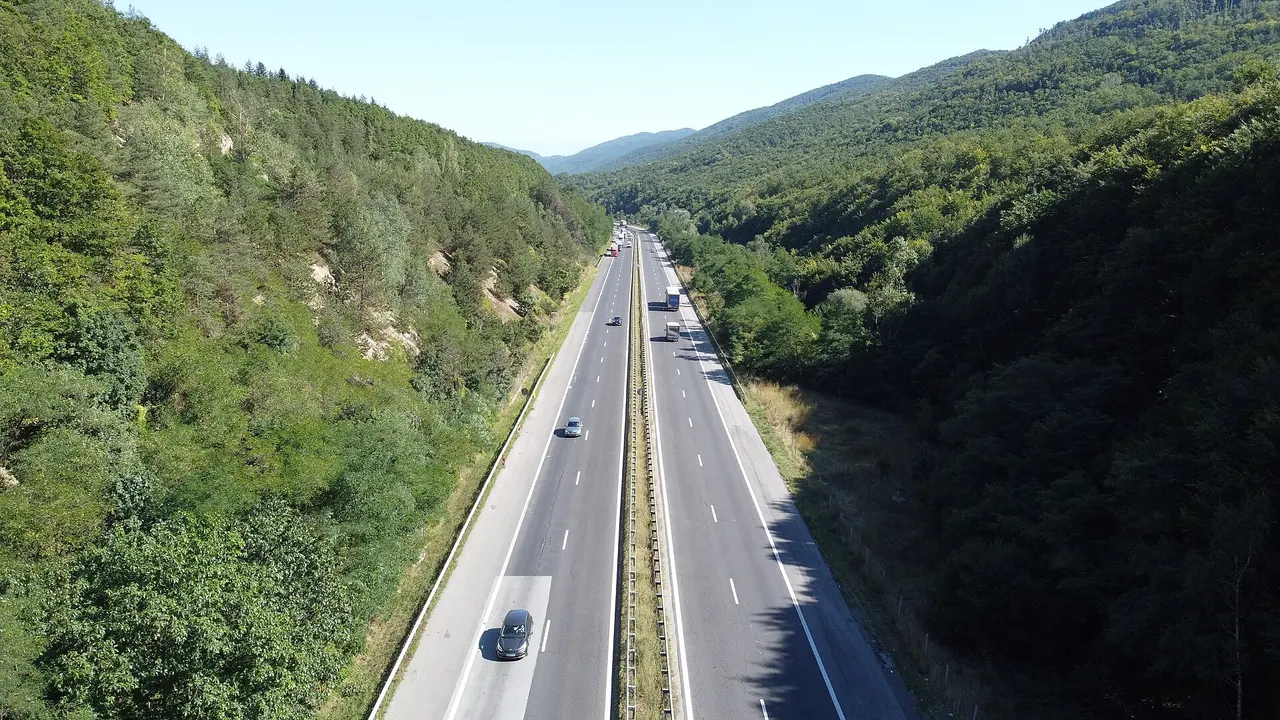
Driving in Bulgaria is easy and cheap once you know three things: the speed limit on the motorways is 140 km/h (the highest in the EU), you must buy an electronic vignette to use the main roads, and from mid-November to March the law wants proper tyres on your car. Sort those out, keep your headlights on day and night, and stay under 0.5 for alcohol, and you can drive the whole country without trouble. Everything below is priced in euro, because Bulgaria joined the eurozone on 1 January 2026.
Think of this as the rulebook, not the rental desk. The things that actually get tourists fined here are the quiet ones - the vignette almost nobody warns you about, the winter-tyre window, Sofia’s low-emission zone, the day-and-night headlight rule, and average-speed cameras newer than most guidebooks. If you’re still deciding whether to rent at all, our separate guide to car rental in Bulgaria handles the deposit, insurance excess and supplier traps; this one gets you legally and safely down the road. Your own travel insurance is a separate thing again - a medical policy won’t cover the car, and the car’s cover won’t cover you.
Is it easy to drive in Bulgaria?
Yes, with two honest caveats. The good news first: distances are short, you’re rarely more than two hours from anywhere that matters, and the motorway network is modern and quick. The A1 Trakia links Sofia to Plovdiv (about 145 km, an hour and a half) and runs on to Burgas and the coast, and it’s a genuinely relaxing drive; if you’re weighing the car against the train or the bus for that first leg, see our guide on getting from Sofia to Plovdiv.
The caveats are the mountains and the driving culture. Off the motorways, the roads narrow, the surface gets patchy, and the scenic stuff everyone wants, the climb to Bansko, the road up to Rila Monastery, the passes through the Rhodopes, all involve slower, twistier tarmac where you plan more time than the map suggests. And local driving is assertive: expect brisk overtaking on two-lane roads and drivers who sit close behind you. None of it’s dangerous if you keep right, don’t dawdle in the fast lane, and let the hurried ones past - though the roads are still the one real risk we flag in our is Bulgaria safe guide, well ahead of any crime.
What are the speed limits in Bulgaria?
Four numbers cover it:
- Towns and villages: 50 km/h. Enforced hard, because villages line the older main roads.
- Open road (out of town): 90 km/h.
- Expressways: 120 km/h.
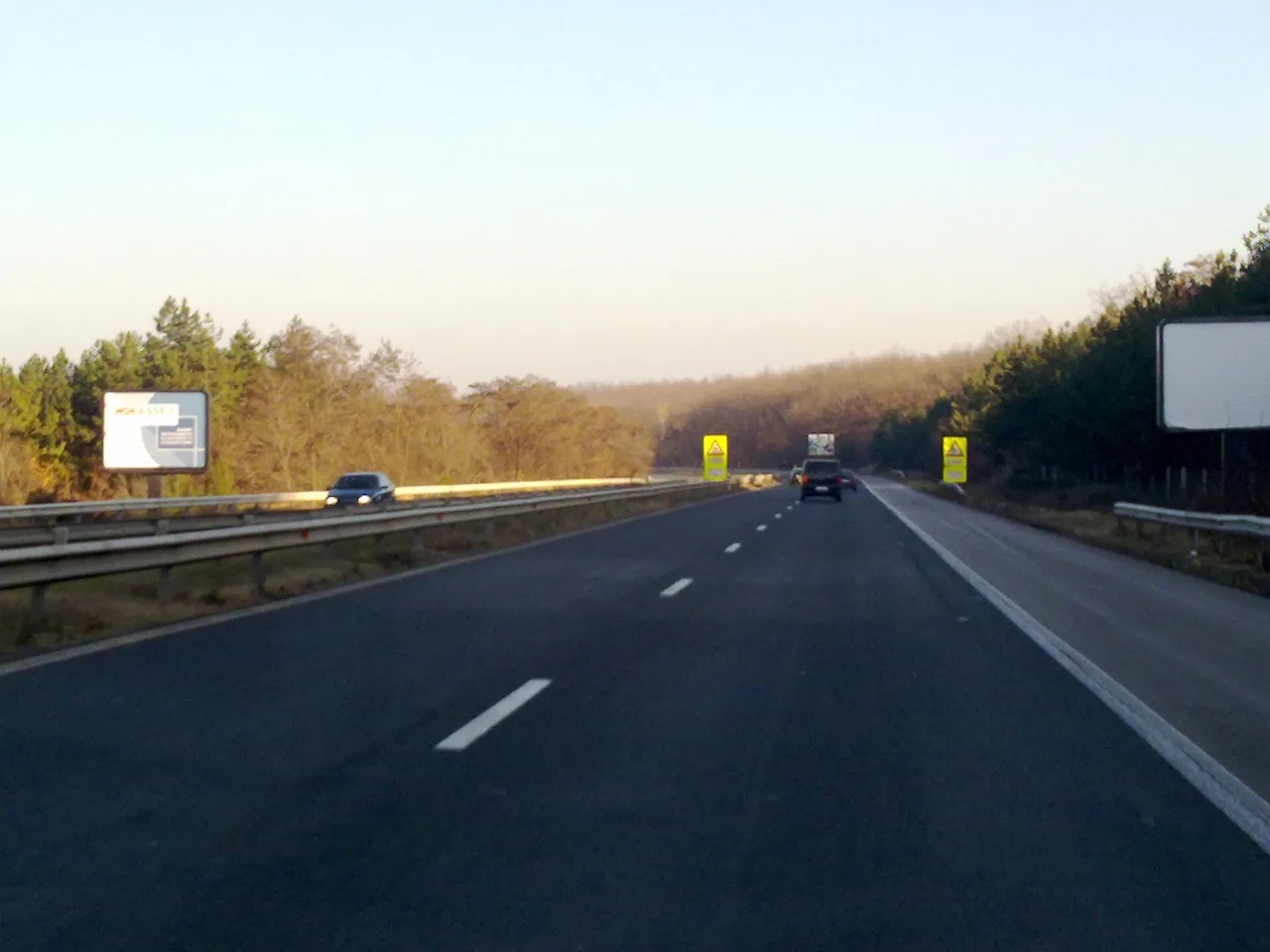
- Motorways: 140 km/h - the highest limit in the European Union.
Parliament reconfirmed that 140 figure in July 2025, rejecting a proposal to drop it to 130, so it’s current. The catch is what came with it: average-speed enforcement. Since September 2025 the toll cameras that read your vignette also feed average-speed data to the Interior Ministry, which means you can be fined for your average over a whole stretch of motorway, not just for one radar reading. Sitting at 155 between two camera points will catch you even if you brake for each one. Cameras generally give you around 10 km/h of tolerance, but don’t treat 140 as a suggestion.
Speeding fines start low, from around 100 BGN (roughly 51 EUR), and climb steeply the faster you go. Through villages in particular, ease off: a 50 zone with a camera is a classic tourist fine.
The e-vignette: the road toll you must not skip
This is the single most common surprise for first-time drivers here, so read it carefully. Bulgaria doesn’t have toll booths for cars. Instead it charges through an electronic vignette, a toll pass linked to your number plate, with no windscreen sticker since 2019. You need one to legally drive not just on the motorways but on most first-class (national) roads too. Get caught without one and you get fined.
Buy it in two minutes before you set off on the official portal bgtoll.bg or its app. It activates immediately, so there’s no reason to queue at a border and no advantage to buying early. If you’re in a rental, don’t assume you’re covered; some companies include an annual vignette, some hand you the keys with nothing, so ask when you collect the car (more on that in the car rental guide).
For a passenger car up to 3.5 tonnes, the 2026 prices are genuinely cheap:
- One day: about 5.30 EUR (10.37 leva) - a new option launched on 3 February 2026, valid 24 hours
- Weekend: about 6.60 EUR (12.91 leva) - valid Friday noon to Monday noon
- Weekly: about 10.00 EUR (19.56 leva)
- Monthly: about 19.90 EUR (30 leva)
- Annual: about 64.50 EUR (126.15 leva)
For a normal week’s holiday the weekly vignette at roughly 10.00 EUR is all you need, and it’s the best 8 euro you’ll spend here, because it removes the one thing that can genuinely spoil a driving trip. The one-day option is handy if you only need the motorway for a single airport-to-hotel hop. Prices are shown in both euro and leva through 2026.
One thing worth knowing if you’ve driven here before: the first vignette price rise in seven years took effect on 1 August 2026, a roughly 30% increase, and the figures above already reflect it. Always confirm the current rate on the official portal bgtoll.bg before you buy, since rates can still change again later.
Winter tyres: a seasonal law with teeth
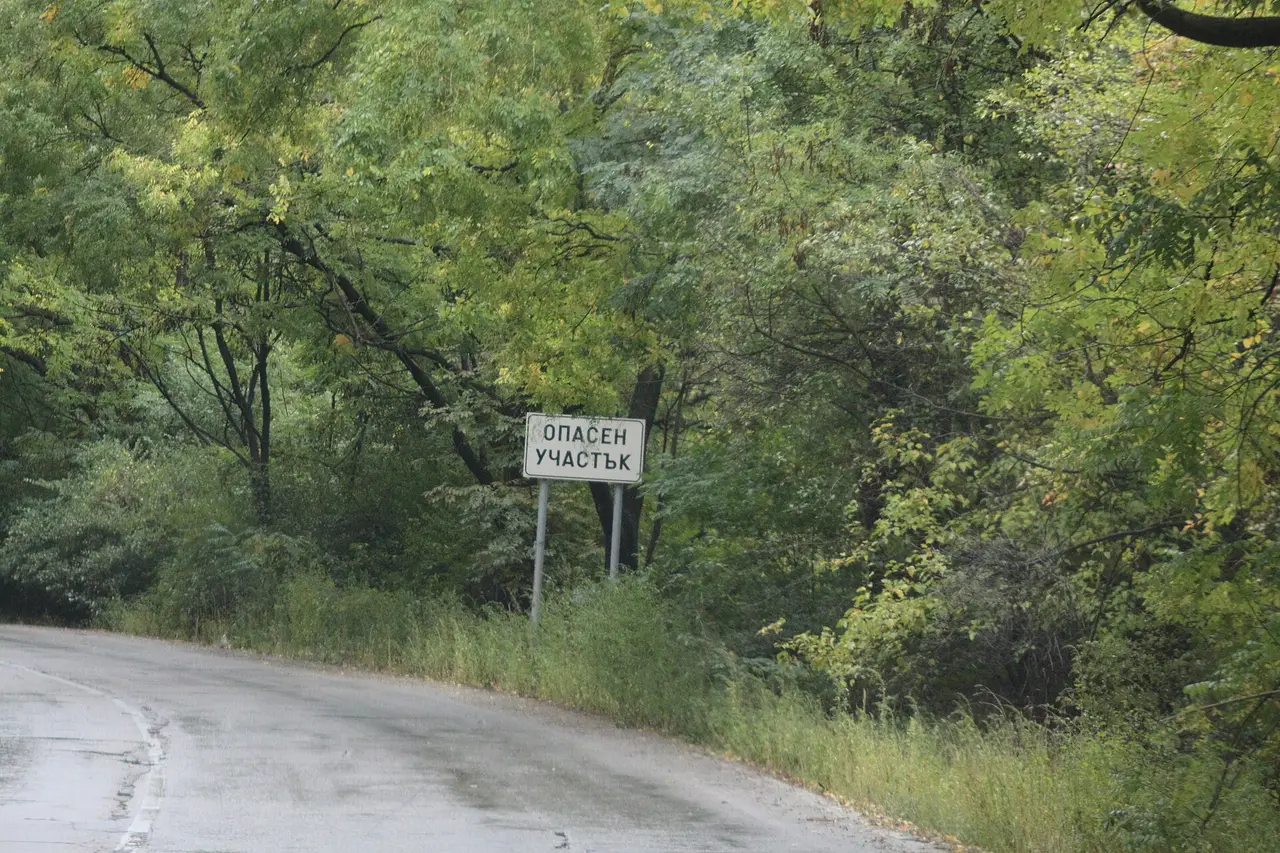
Between 15 November and 1 March, Bulgarian law requires tyres suitable for winter conditions. That means proper winter or all-season tyres (marked M+S or with the 3PMSF snowflake), or summer tyres with a tread depth of at least 4 mm. That 4 mm bar is the trap: the year-round legal minimum tread is 1.6 mm, so a set that’s fine in July can be illegal in January.
Driving on bald summer tyres in that window risks a fine of roughly 26 to 102 EUR (50 to 200 leva), and far worse, a summer-tyre car on an icy mountain road is genuinely dangerous. Studded tyres are banned in Bulgaria altogether. If you’re picking up a rental for a ski trip to Bansko or Pamporovo, confirm the car has winter tyres before you book rather than hoping, and give yourself extra time on the mountain roads. The Interior Ministry runs a road-safety “Winter” campaign from the start of November, so police checks are more common in this period.
Sofia’s low-emission zone: the rule tourists miss
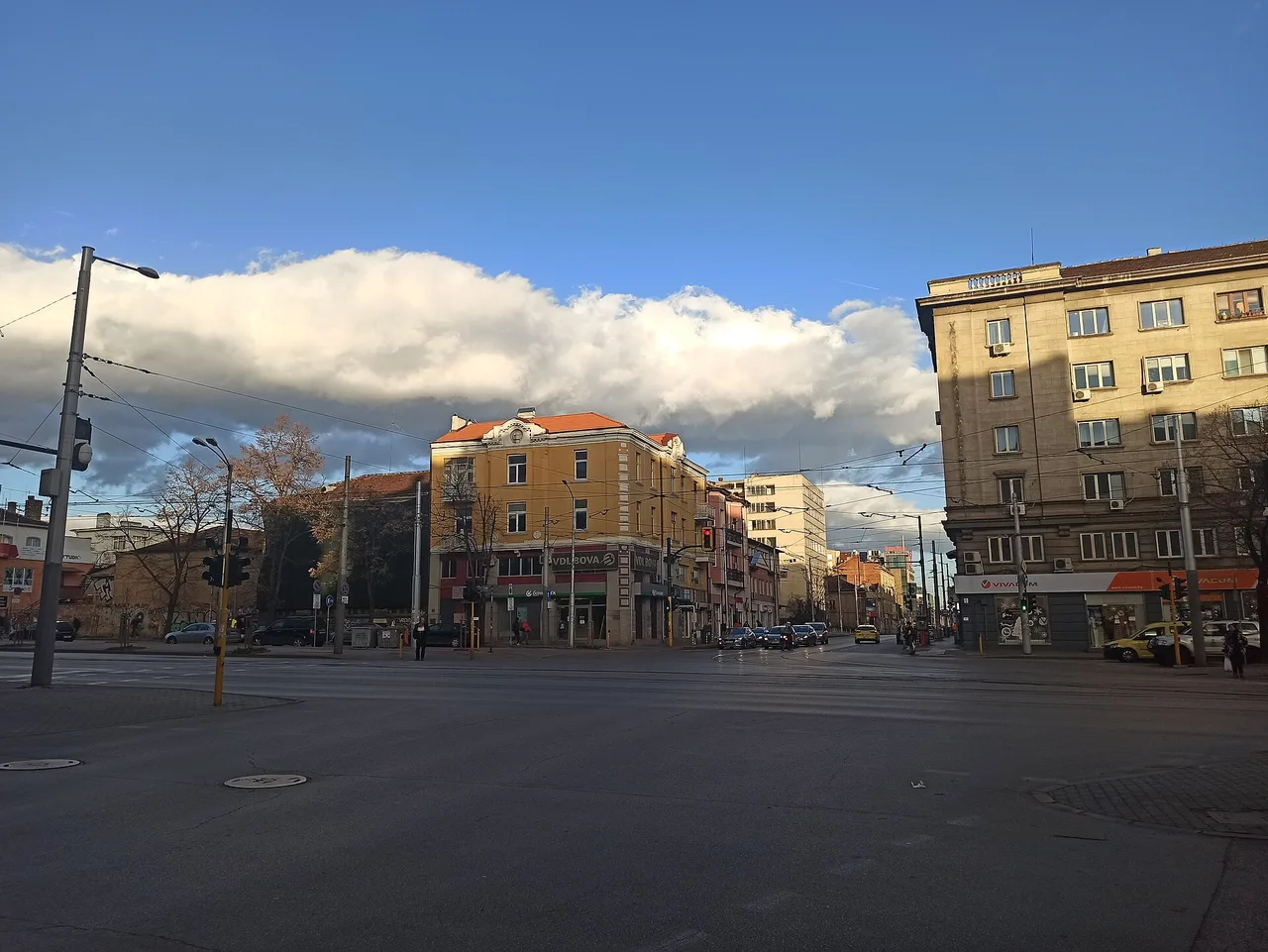
Here is one almost no guidebook mentions. In winter, central Sofia runs a low-emission zone (LEZ), in force from 1 December to the end of February. Older, high-emission cars, the lowest environmental groups, roughly Euro 1 and Euro 2, are barred from the central rings, enforced by around 180 cameras, with fines from 50 leva. The cutoff has tightened year by year.
For most visitors this is a non-issue: any modern rental car (Euro 5 or 6) drives into the centre freely. It only bites if you’re driving an old private or borrowed car into central Sofia in the winter months. Either way, in the capital itself you rarely want a car anyway; Sofia has a clean metro, cheap taxis and a walkable centre, so the smart move is to explore the city on foot and pick the rental up when you leave for the mountains or the coast.
Rules that quietly catch foreign drivers
A handful of everyday rules trip up visitors who assume Bulgaria works like home:
- Headlights on, day and night, all year. Dipped headlights or daytime running lights are compulsory even in bright July sunshine. Driving without them is a small fine (around 10 EUR), but it’s an easy one to collect.
- Alcohol: 0.5 g/l (0.05% BAC) for everyone, and effectively zero tolerance if you’ve held your licence less than two years. Go over and you’re looking at a heavy fine from around 500 leva and losing your licence. With cheap metered taxis you can call by phone or book in a taxi app, don’t risk it.
- Seatbelts front and rear, child seats required, and handheld phones are banned (hands-free is fine).
- Mandatory kit in the car: a warning triangle, a first-aid kit, a fire extinguisher and a hi-vis reflective vest. Rentals normally carry all four, but check on pickup, because the police can ask to see them.
Roads, fuel and your licence
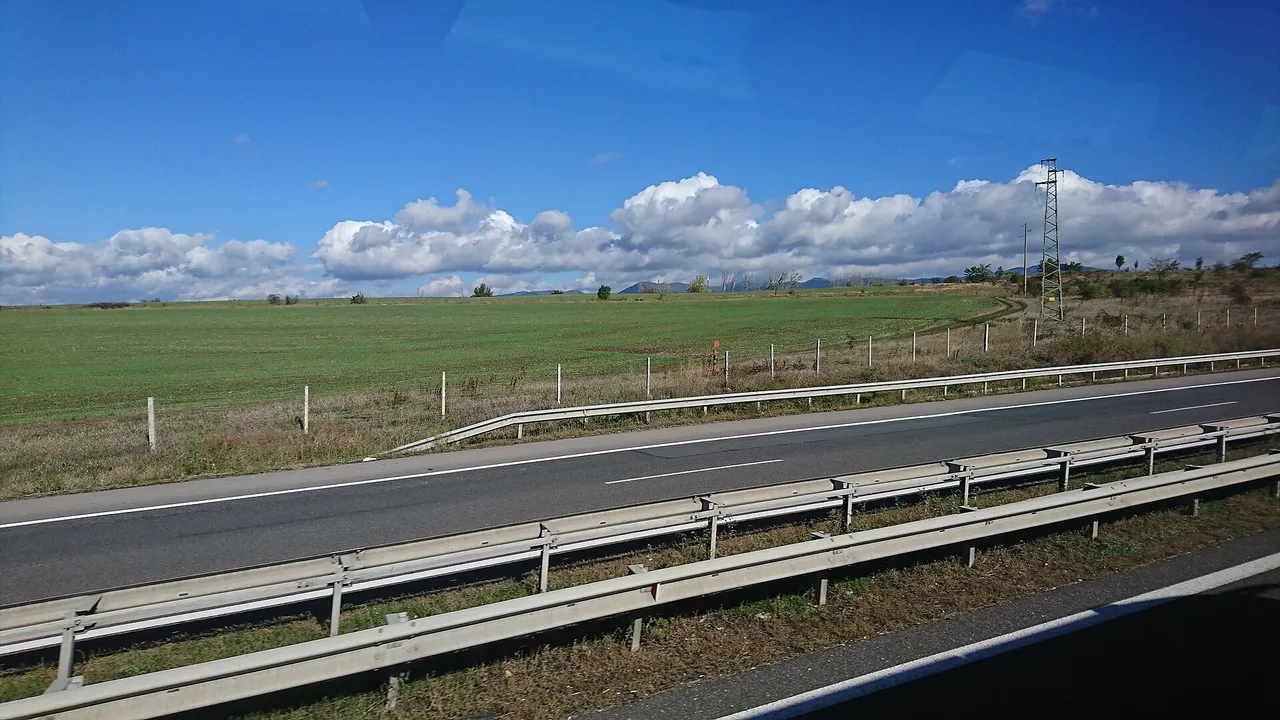
The motorway spine is the A1 Trakia (Sofia to Plovdiv, Burgas and the Black Sea) and the A3 Struma heading south toward the Greek border. The A2 Hemus, meant to connect Sofia with Varna, is the one to watch: it still has unfinished sections that dump you onto slower two-lane roads, so plan a Sofia-to-coast drive around the gap rather than trusting a single blue line on the map. If you’re working out where to base yourself, our guide to which airport to fly into for Bulgaria breaks down what each region is good for. Heading abroad from Sofia, the A6 motorway runs west to the Serbian frontier; see our guide on getting from Sofia to Belgrade for the vignette and border side of that drive. Driving north to Romania instead, our Sofia to Bucharest guide covers the Danube bridge toll and the rovinieta you need on the far bank.
Fuel is a bright spot. In mid-2026 unleaded (Euro 95) runs around 1.50 EUR a litre and diesel around 1.54 EUR, roughly a tenth below the EU average, and LPG is widely sold if your car takes it. Stations are frequent on the motorways and in towns, thinner in the deep mountains, so fill up before a long rural stretch. Prices drift, so treat these as a guide and check the board.
On paperwork, an EU, EEA or Swiss licence is valid in Bulgaria as it is, with no exchange and no registration. If your licence is from outside the EU and especially if it’s not in the Latin alphabet, carry an International Driving Permit alongside it; it saves a lot of friction if a traffic officer stops you. Keep your passport or ID, the vehicle documents and your insurance to hand too.
If something goes wrong
The single emergency number is 112, the same across the EU, with English-speaking operators for the police, ambulance and fire service. If you have a breakdown or a bump, put on the hi-vis vest before you step out, set the warning triangle behind the car, and call it in. For any accident with an injury or a dispute over blame, get the police to attend so you have the report your insurer will want.
That is the whole rulebook. Buy the vignette, respect the 140 and the village 50s, keep your lights on, mind the winter-tyre window, and Bulgaria is one of the most rewarding and best-value countries in Europe to explore by car, from the monasteries and mountains to the little towns strung along the Black Sea coast. If, after all this, you would rather someone else did the driving, a private transfer straight to your hotel or the ski resort is still cheap here by European standards; but for touring the country, the freedom of your own car is hard to beat.
Admission and opening hours
- Admission price
- E-vignette for a passenger car (2026): one day about 5.30 EUR, weekend about 6.60 EUR, weekly about 10.00 EUR, monthly about 19.90 EUR, annual about 64.50 EUR. Petrol (Euro 95) around 1.50 EUR/litre and diesel around 1.54 EUR/litre in mid-2026.
Prices are in euro since Bulgaria joined the eurozone on 1 January 2026 (fixed 1.95583 leva = 1 euro); dual price tags were mandatory until 8 August 2026 and have since ended, so expect euro only. A ~30% vignette rise took effect on 1 August 2026 and is reflected above.bg and the fuel price at the pump.
Details checked: July 5, 2026
Read also

Transport · 12 min read
Sofia to Borovets: 70 km, ~1h, Bus from €5
Verified · September 5, 2026Sofia to Borovets (~70 km, 1-1.5h): public bus via Samokov from ~€5, seasonal shared shuttles from €8/pp, private transfer from ~€79.

Transport · 11 min read
Plovdiv to Pamporovo: Bus & Ski Transfer
Verified · September 3, 2026Plovdiv to Pamporovo is about 80 km via Chepelare. Bus from Rodopi station, winter airport transfer, or drive - how to choose.

Transport · 9 min read
Sofia to Sunny Beach: Bus, Train & Transfer
Verified · August 24, 2026Direct coaches Sofia to Sunny Beach year-round (~7h, from ~€21), train only to Burgas, or a fixed private transfer. Times, stops and when each wins.

Transport · 11 min read
Burgas to Sozopol Bus 2026: €3.37, 40-50 Min
Verified · August 21, 2026Burgas South Sector 5 to Sozopol: bus 3.37 euro, about 40-50 min; taxi/transfer about 30-40 min. Buses about every 30 min. Checked Aug 2026.