
Sofia to Belgrade Bus: from €38, 6-7 Hours 2026
Sofia to Belgrade in 2026: the direct bus from €38 in about 6-7 hours, why the train no longer runs, the Kalotina border and how to go by rail.
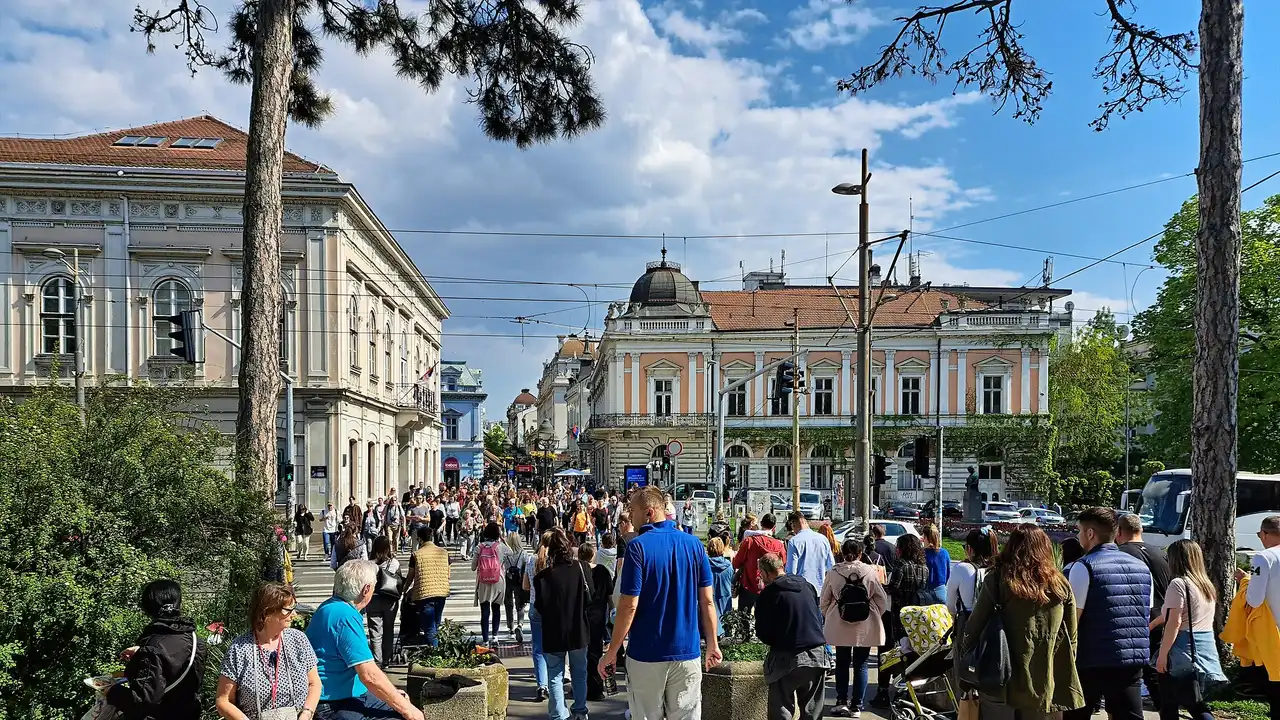
The honest answer for Sofia to Belgrade in 2026 is: take the bus. There is no direct train between the two capitals any more, so the coach is the standard way to cover the roughly 330 km, and it runs several times a day, costs from about 38 EUR one way, and takes somewhere between five and seven hours depending on the operator and the wait at the Kalotina border. Driving is the flexible alternative; a rail-only trip is technically possible but slow and awkward. This guide covers all three, plus the one detail that catches people out at the Serbian end.
Here’s the short version: it’s a bus from Sofia’s Central Bus Station, and Serbia on the other end isn’t a formality, it’s a real border. Bring a passport (an EU, EEA or Swiss ID card also works), budget the whole day with room for the Kalotina queue, and note that coming back into Bulgaria after April 2026 means biometric EES registration at the checkpoint (details in our Bulgaria entry requirements guide).
Is there a train from Sofia to Belgrade?
No, and this is worth spelling out because plenty of old timetables online suggest otherwise. The direct Belgrade-Sofia passenger train was suspended in 2020 and never properly came back. For a few years afterwards you could still cobble the trip together, riding a Serbian train down to Niš and a cross-border train from Dimitrovgrad into Sofia, with a bus filling the gap in the middle. As of 2026 even that Dimitrovgrad-Sofia train has been cut, so there’s no through rail service across this border at all.
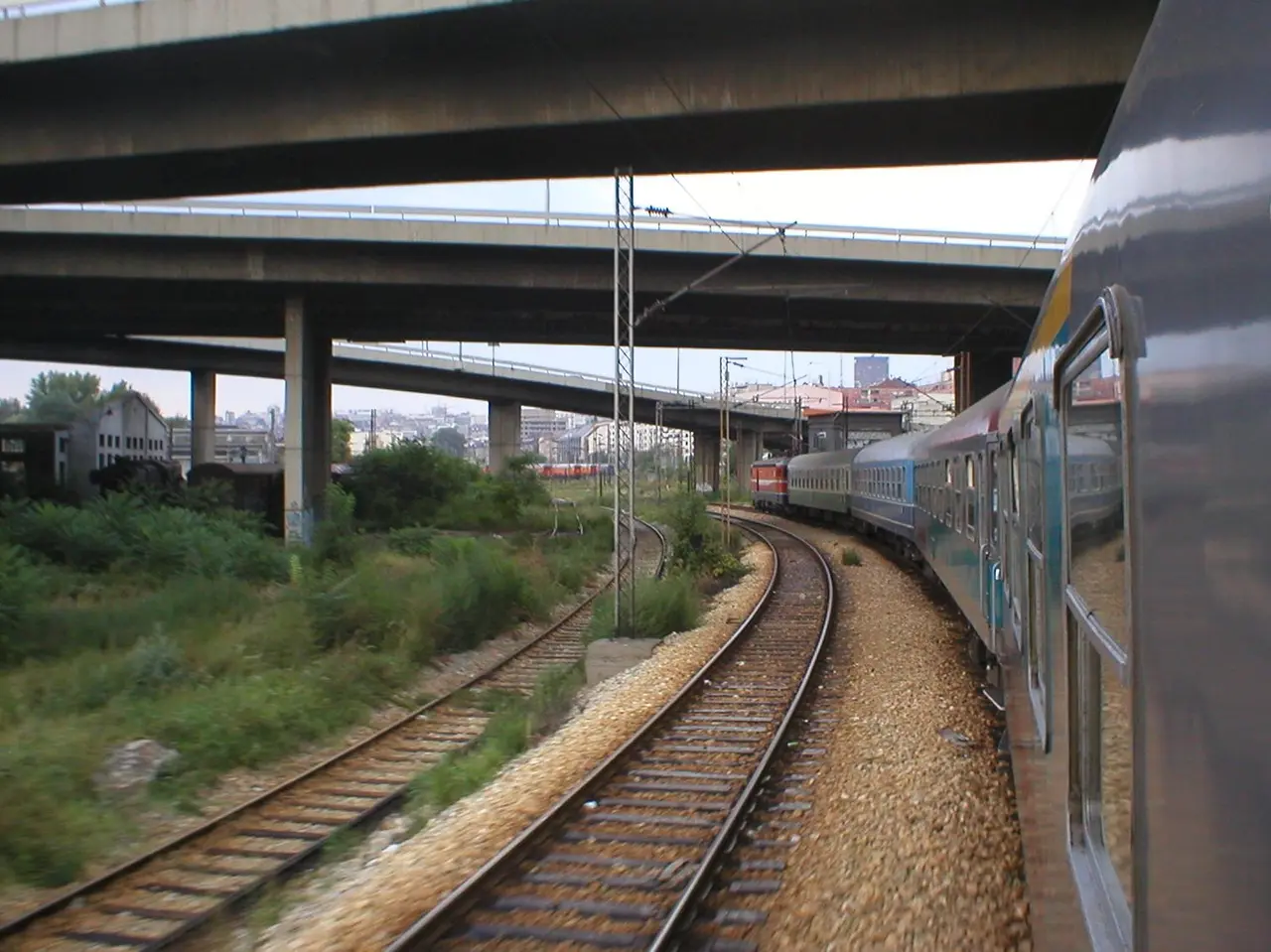
What survives is a train-and-bus combination that only really makes sense in the Belgrade-to-Sofia direction. The comfortable, air-conditioned Serbian regional train leaves Belgrade Centar in the morning (around 07:30) and reaches Niš in the early afternoon (about 14:08). From Niš bus station you take a Niš Express coach on to Sofia, arriving in the evening. Fares are low, the Belgrade-Niš train is only a little over 1,000 dinars and the Niš-Sofia bus around 2,300 dinars, but you burn most of a day and juggle a station transfer in Niš with a couple of hours to kill. Coming the other way, out of Sofia, the connections line up badly. So treat rail as a scenic option for train lovers, not the sensible default, and confirm current times on the Serbian railways site before you commit, because these timetables shift with the seasons.
The bus: how most people do it
The coach is the answer for almost everyone, and the network is dense enough that you rarely need to book far ahead outside the July and August peak. On a typical day a handful of direct departures run, thinning out midweek and on Sundays, operated by a mix of lines including Karat-S, Citylines and FlixBus. Buy tickets on the operator’s own site or through a comparison site like Omio or Busbud; turning up at the station and buying on the spot usually works too, but it’s the peak-season Friday that will burn you.
Fares are reasonable. One way generally starts around 38 EUR and climbs from there depending on how far ahead you book and the time of year, with the summer months dearest. Treat that figure as a starting point, not a locked-in price: operators reshuffle routes and timetables most seasons, so check the live schedule when you actually buy instead of going on what you saw last year. Expect a small extra charge for a bag stowed in the hold too, paid in cash to whoever loads it.
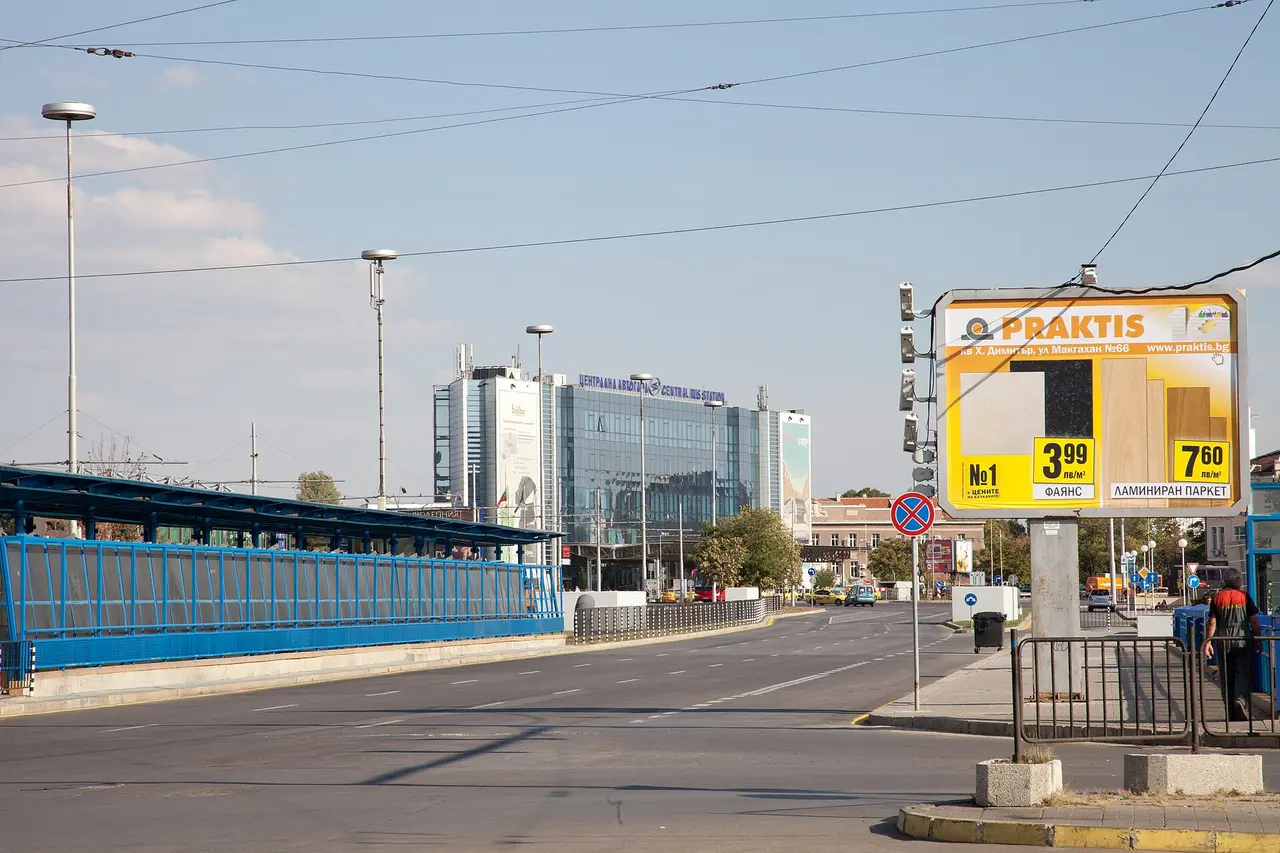
Where you leave from is easy in Sofia: buses go from the Central Bus Station (Tsentralna Avtogara) on Boulevard Knyaginya Maria Luiza, right beside the central railway station and one metro stop from the centre. The catch is at the other end. Belgrade’s main bus station moved in September 2024 from its old central site to a brand-new terminal out in Block 42 in New Belgrade, so any guidebook or forum post naming the old station is now wrong. Check the exact arrival point on your ticket, because the new station is a taxi or city-bus ride from the old town, not a short walk. One more Serbian quirk to expect: there’s a small station platform fee of around 300 dinars, cash only, paid at the Belgrade station, and Serbia uses the dinar, not the euro, so keep a few notes handy.
Day bus or night bus
Both exist and they suit different travellers. Daytime departures, leaving Sofia in the morning, cost you a working day but let you watch the country go by, and the run up through the hills to the border is a pleasant one. Overnight services save you a hotel night and hand you a full day at the far end, but sleeping upright through a midnight border stop is nobody’s idea of rest, and you arrive frayed. If you sleep well on coaches, the night bus is efficient; if you don’t, take a morning departure and arrive human. Whichever you pick, build slack into your plans for the evening, because the one thing no timetable can promise is the queue at the frontier.
The Kalotina border: the slow bit
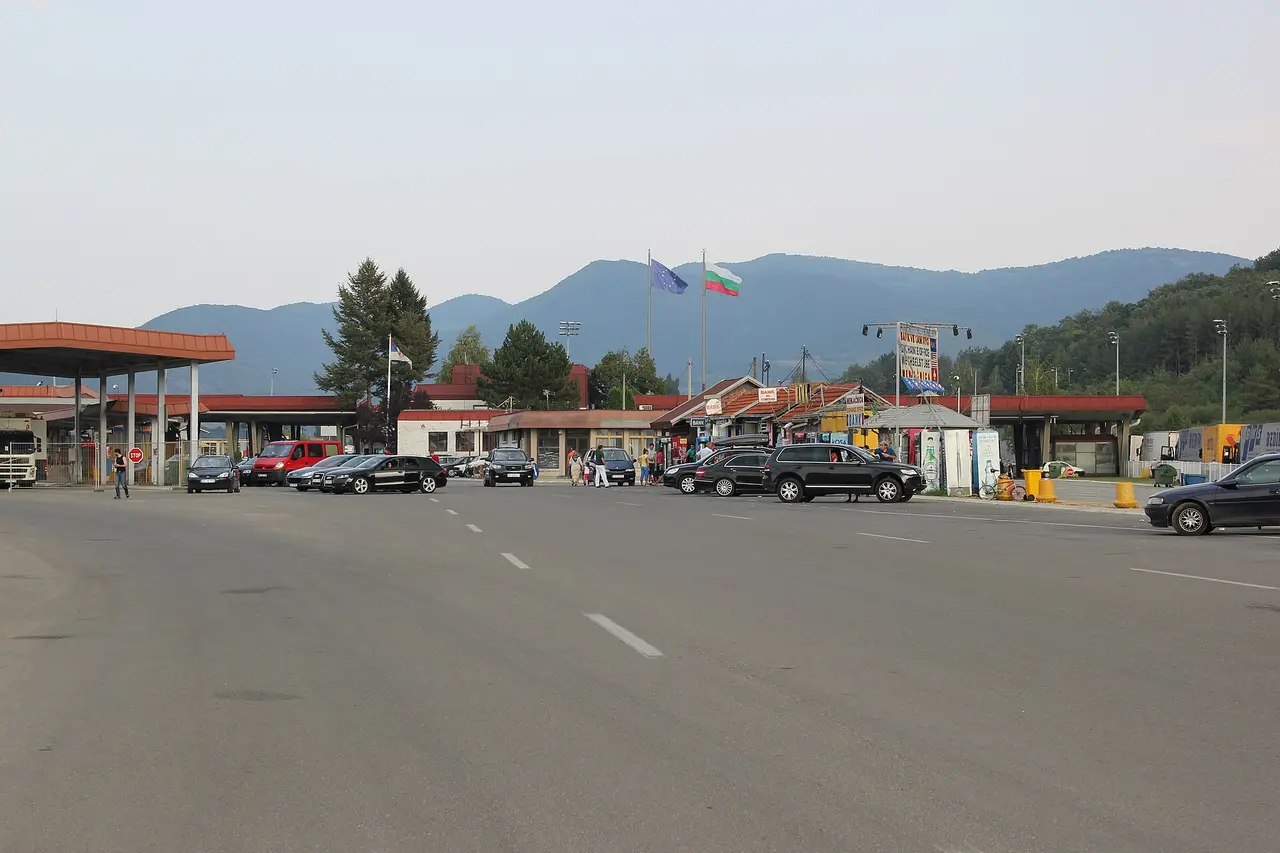
Both the bus and the drive cross into Serbia at the Kalotina (Bulgaria) / Gradina (Serbia) checkpoint on the E80, the old Roman road to Constantinople and still the main artery between the two countries. It’s open around the clock, and on a quiet day the coach is through in a few minutes: passports checked on both sides, an officer working down the aisle or collecting documents, and away you go.
The honest warning is that this is one of the busiest and most congested crossings in Southeastern Europe, and the wait is the single biggest variable in the whole journey. It is worst from June to September, when summer traffic and lines of trucks can turn a formality into an hour or more of idling. There’s nothing you can do about it from a bus seat except pad your schedule, so do not book a tight onward connection in Belgrade for the same evening. If timing matters, an early departure tends to beat the afternoon build-up.
A word on documents, because this border is different from crossing between two EU states. Serbia isn’t in the EU or the Schengen area, so this is a genuine international frontier with proper passport control in both directions. EU, EEA and Swiss citizens can cross on a national ID card and enter Serbia visa-free for up to 90 days in any 180; travellers from elsewhere need a passport and should check their own entry rules, as most nationalities enter visa-free but the details depend on your passport. Rules can change, so confirm the current position on the Serbian foreign ministry site (mfa.gov.rs) before you travel. Verified July 2026.
Driving it yourself
Driving means you clear the border on your own schedule instead of whichever one the operator picked for you. Moving time lands close to the bus, call it four to five hours plus whatever the Kalotina queue adds, but you choose the stops and the pace. The route is straightforward: out of Sofia you pick up the A6 “Europe” motorway for the roughly 63 km to Kalotina, then join Serbia’s A4 on the far side down to Niš, and finally the E75 north to Belgrade. It’s motorway or near-motorway almost the whole way, so this is an easy drive by Balkan standards, and it opens up a stop in Niš, Serbia’s third city, to break the run.
Two practical points before you set off. First, if you drive to the border you’ll need a Bulgarian e-vignette to use the motorways on the way there, which you buy in two minutes online; our guide to driving in Bulgaria covers the vignette, speed limits and the rules that actually get tourists fined. Second, taking a hire car across into Serbia needs the rental company’s permission and the right insurance paperwork (a Green Card) arranged when you book, not at the desk on the day, so flag the cross-border plan up front. Whether hiring is worth it for your trip at all, and how deposits and insurance excess work here, is in our car rental in Bulgaria guide. If you like the door-to-door idea but not the driving, a private transfer covers the same route with someone else at the wheel, which for two or three people sharing can land close to the combined cost of separate tickets, and it lets you sail past the border queue without changing seats.
So which should you take?
For most travellers the bus is still the easy answer: cheap, several times a day, buy a ticket and go. The real decision here isn’t really bus versus car versus rail, it’s what time of day you hit Kalotina: from June to September an early departure has a genuine shot at beating the queue before the trucks and the summer traffic pile up, while an evening one can sit in it for a while. Choose the car if you want to stop in Niš, run your own clock, or would rather not hand a long day over to someone else’s driving, and sort the vignette and the cross-border paperwork first. Rail suits people who value the ride over the speed, and only Belgrade to Sofia, at the cost of most of a day. Whichever way you travel, budget for the passport control, not the kilometres, because that’s what decides whether you land in daylight or after dark.
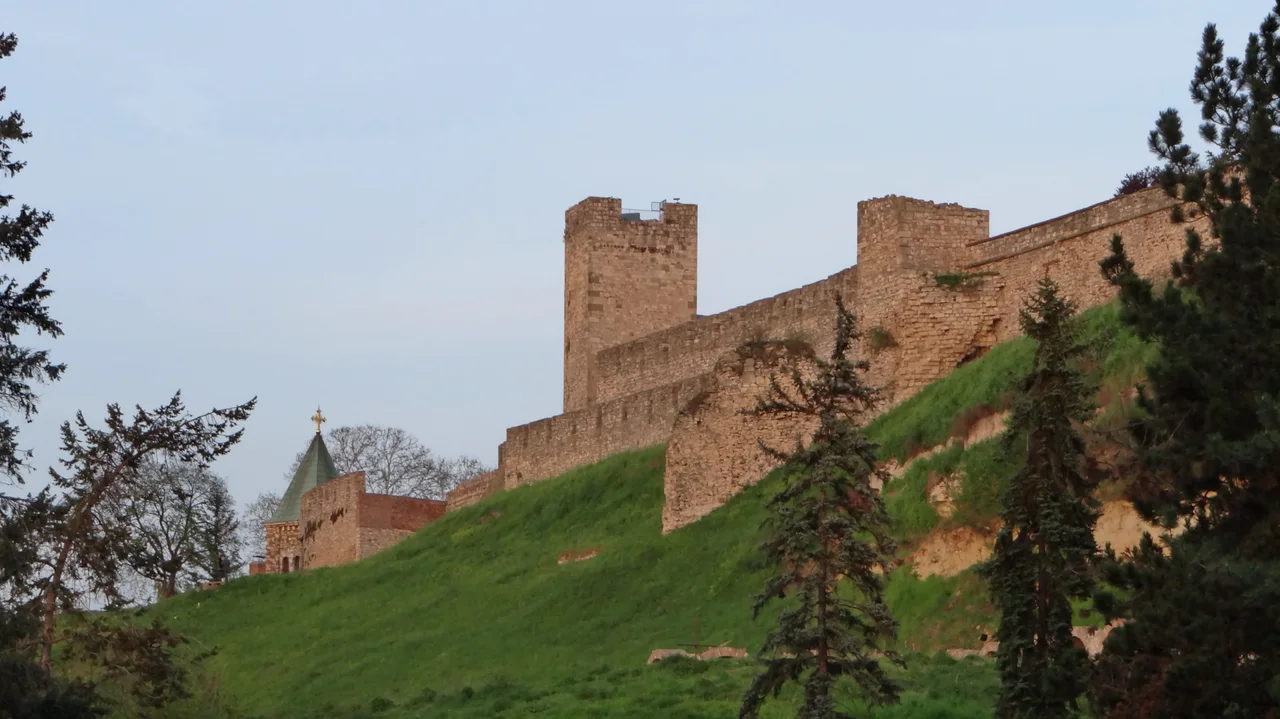
Belgrade rewards the haul at the end of it: a big, loud, riverside capital with a fortress over the confluence of the Sava and the Danube and a nightlife scene that runs on floating clubs. To make the most of your first evening, our neighbours over at Serbia Guidebook have a solid rundown of things to do in Belgrade. Building this into a wider Balkan loop rather than a there-and-back trip? Our 7-day Bulgaria itinerary shows where Belgrade fits into the bigger picture, and things to do in Sofia is the place to start if you’re beginning there instead. Sofia also opens onto other borders worth knowing about: east to Bucharest, where there’s no border left at all, south to Thessaloniki, eased by Bulgaria’s own Schengen entry, and west to Skopje across the North Macedonia line.
Read also

Transport · 12 min read
Sofia to Borovets: 70 km, ~1h, Bus from €5
Verified · September 5, 2026Sofia to Borovets (~70 km, 1-1.5h): public bus via Samokov from ~€5, seasonal shared shuttles from €8/pp, private transfer from ~€79.

Transport · 11 min read
Plovdiv to Pamporovo: Bus & Ski Transfer
Verified · September 3, 2026Plovdiv to Pamporovo is about 80 km via Chepelare. Bus from Rodopi station, winter airport transfer, or drive - how to choose.

Transport · 9 min read
Sofia to Sunny Beach: Bus, Train & Transfer
Verified · August 24, 2026Direct coaches Sofia to Sunny Beach year-round (~7h, from ~€21), train only to Burgas, or a fixed private transfer. Times, stops and when each wins.

Transport · 11 min read
Burgas to Sozopol Bus 2026: €3.37, 40-50 Min
Verified · August 21, 2026Burgas South Sector 5 to Sozopol: bus 3.37 euro, about 40-50 min; taxi/transfer about 30-40 min. Buses about every 30 min. Checked Aug 2026.