
Sofia to Bucharest Bus: 12 a Day, from €15, 6-7h 2026
The Sofia to Bucharest bus takes 6-7 hours from about €15, with roughly a dozen departures a day. Plus the scenic Danube train, driving, and no border.
The straight answer for Sofia to Bucharest in 2026 is: take the bus. Around a dozen coaches a day cover the roughly 380 km between the two capitals, they cost from about 15 EUR one way, and they take somewhere between six and seven hours. There’s also a genuinely lovely once-a-day train that crosses the Danube on a famous old steel bridge, but it eats most of a day. Driving is the third option and gives you the freedom to break the trip. This guide covers all three, plus the big thing that changed here recently: as of 2025 both countries are in Schengen, so the border you used to queue at is essentially gone. Carry a passport or EU ID card anyway, but on the ground Bulgaria and Romania are now a single travel area, which also means your days in both count against the same Schengen allowance (entry requirements).
How to get from Sofia to Bucharest
You have three realistic ways to make this trip, and they suit different people:
- Bus is the default. About 13 departures a day, from roughly 15 EUR, six to seven hours, and you just turn up and go.
- Train is one scenic daytime service that rolls across the Danube bridge at Ruse. It costs around 36 EUR and takes close to ten hours, so it’s for people who like trains, not people in a hurry.
- Driving takes a similar moving time to the bus but lets you stop in Veliko Tarnovo or Ruse and travel on your own clock.
The distance is the same whichever you pick, and so is the route in broad strokes: north out of Sofia across Bulgaria to the Danube at Ruse, over the river into Romania at Giurgiu, then a fast run up to Bucharest.
The bus: the default option
The coach is the sensible choice for almost everyone. Departures run often enough that late bookings rarely become a problem once you’re past the summer peak, with something like 13 connections a day run by a mix of operators including Union Ivkoni, FlixBus, Pegasus, Openline and others. Union Ivkoni runs the classic, long-standing through service; FlixBus is the name most foreigners recognise, and it’s the easiest to book online in English.
Journey times cluster around six to seven hours. The quickest scheduled runs come in near 5h50, while the slower ones stretch to about 7h15 - the difference isn’t the border, which no longer holds anyone up, it’s how many stops a given service makes. Departures are spread right across the day, with the first bus around 06:25 and the last close to 23:25, and you’ll find more of them on Fridays and in the evenings.
Fares are low. One way generally starts around 15 EUR if you book a little ahead, with a typical spread of roughly 15 to 45 EUR depending on the date and how late you leave it, and it climbs higher on peak summer weekends. Read that as a ballpark, not a quote: this corner of the Balkans reshuffles bus fares and departure times most seasons, so pull up the live schedule on the day you book instead of trusting a number from an old search.
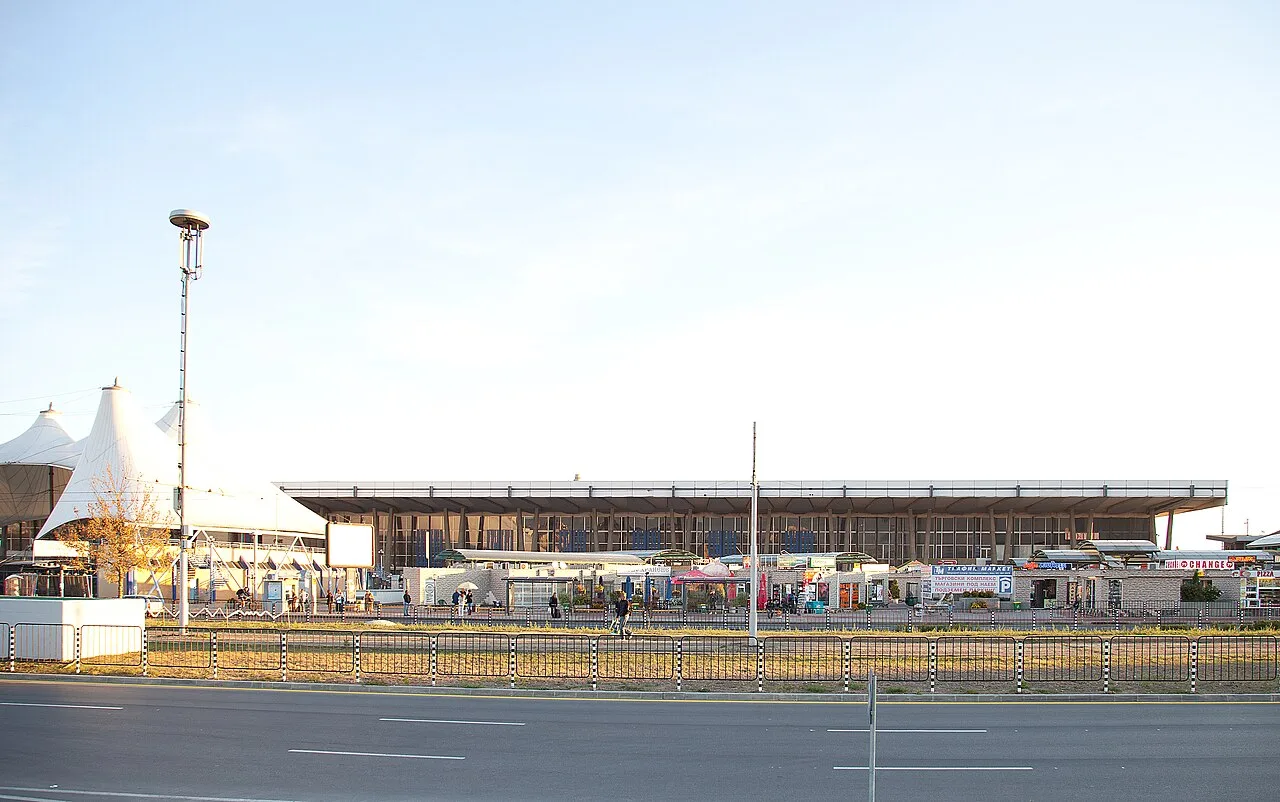
Where you leave from is easy in Sofia: buses go from the Central Bus Station (Tsentralna Avtogara) on Boulevard Knyaginya Maria Luiza, right beside the central railway station and one metro stop from the centre. The Bucharest end is the detail worth checking. Most coaches arrive at Militari bus station on the western edge of the city rather than in the middle, but Militari sits on the M3 metro line, so it’s a straightforward ride into town. Some services use other stops, so read your ticket rather than assuming you’ll be dropped in the old town.
One practical note on money. Bulgaria switched to the euro on 1 January 2026, so your Sofia end is priced in euros. Romania still uses its own currency, the leu, so once you’re across the river you’ll want some lei for a coffee, a metro ticket or a taxi. Card works in most city places, but a few cash notes save hassle on arrival.
Day bus or night bus
The choice here is simpler than on most Balkan crossings, because the border no longer eats into the schedule the way it once did. Daytime departures cross Bulgaria’s northern plain and the Danube in daylight, which is worth seeing once even though the scenery is flat rather than dramatic. The overnight option is really just a hotel-cost trade: you sleep sitting up and gain a spare day in Bucharest, and since nobody checks passports at two in the morning any more, you land close to your planned time either way.
The train: slow, cheap and scenic
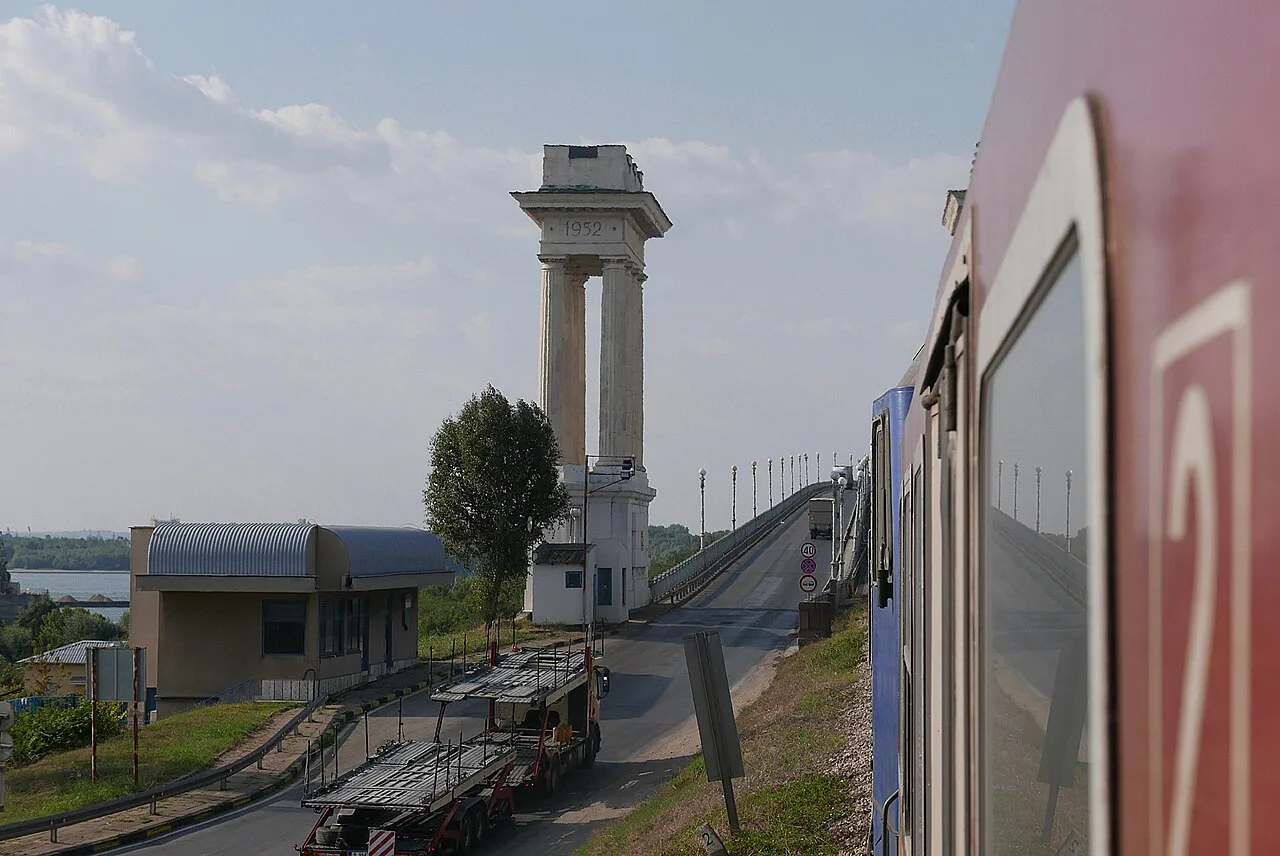
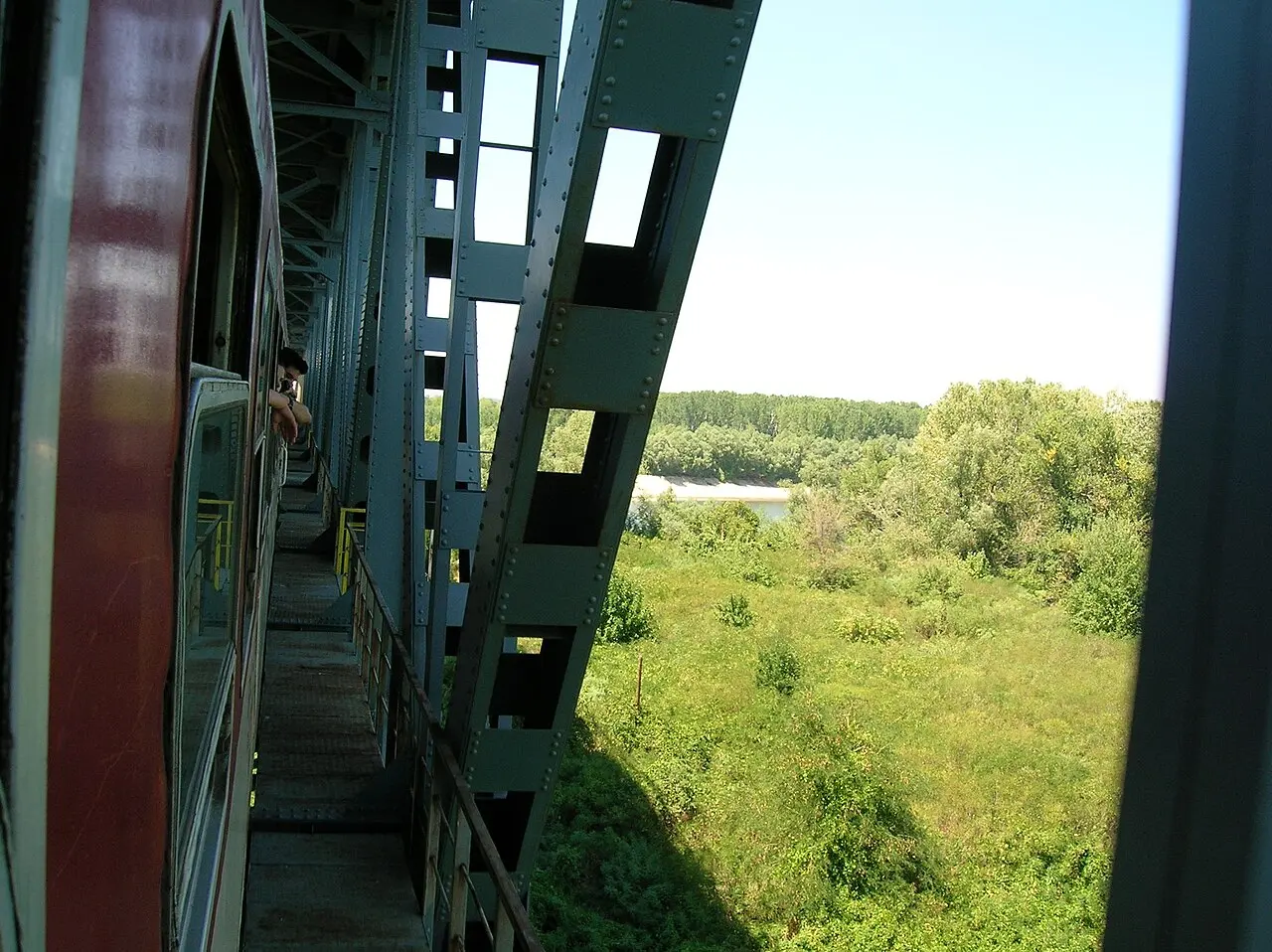
There’s exactly one train a day, and it’s a proper old-school journey rather than a fast link. It leaves Sofia at 07:00 and reaches Bucharest Gara de Nord at 16:56, so close to ten hours door to door. That’s far slower than the bus, and the reason to take it’s the ride itself: a single-track meander through green Bulgarian valleys, then the crossing of the Danube on the steel bridge at Ruse, a little over 2.2 km long, opened in 1954 and for years reckoned among the longest steel bridges in Europe.
Two things to know before you commit. First, from mid-June to mid-October 2026 this runs as a direct service with one through Bulgarian coach; outside that window you change trains at Ruse, dropping off the Bulgarian train in the early afternoon and picking up a modern air-conditioned Romanian unit for the last leg. Second, there’s no catering on board, so bring a picnic, some water and a book. The fare is about 36 EUR including the seat reservation, second class, which for ten hours of travel is a bargain even if it’s a long day.
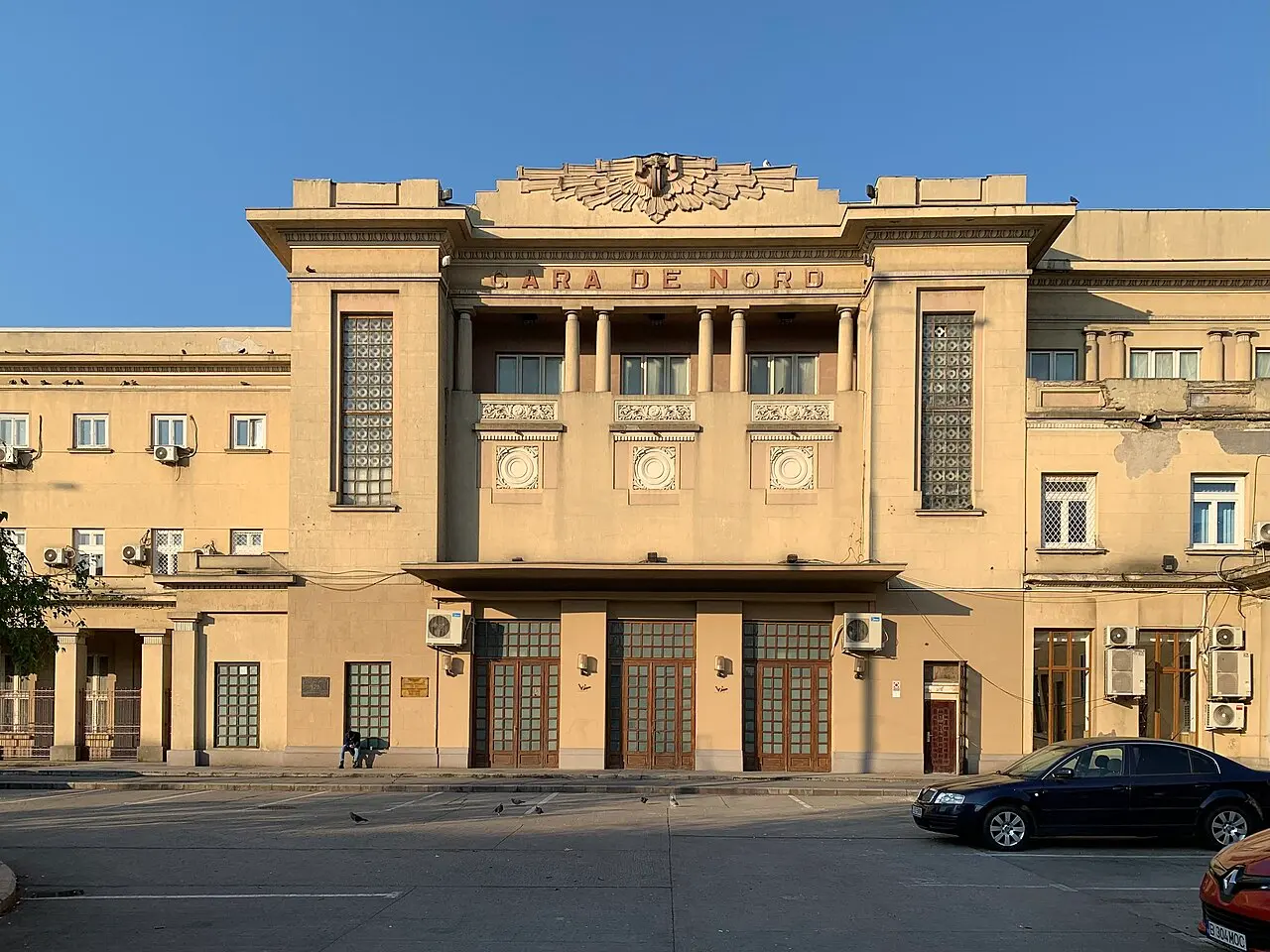
One quirk worth flagging: for track works into the summer of 2026, the Sofia departure has been running from Sofia North station (Sofia Sever) at around 07:15 rather than from Sofia Central, so confirm which station your ticket shows before you set off. Buy tickets at the international windows in Sofia’s central station or online through Romanian Railways. For anyone who plans a trip around a good rail journey, this is one of the better ones left in this corner of Europe.
The border that isn’t there any more
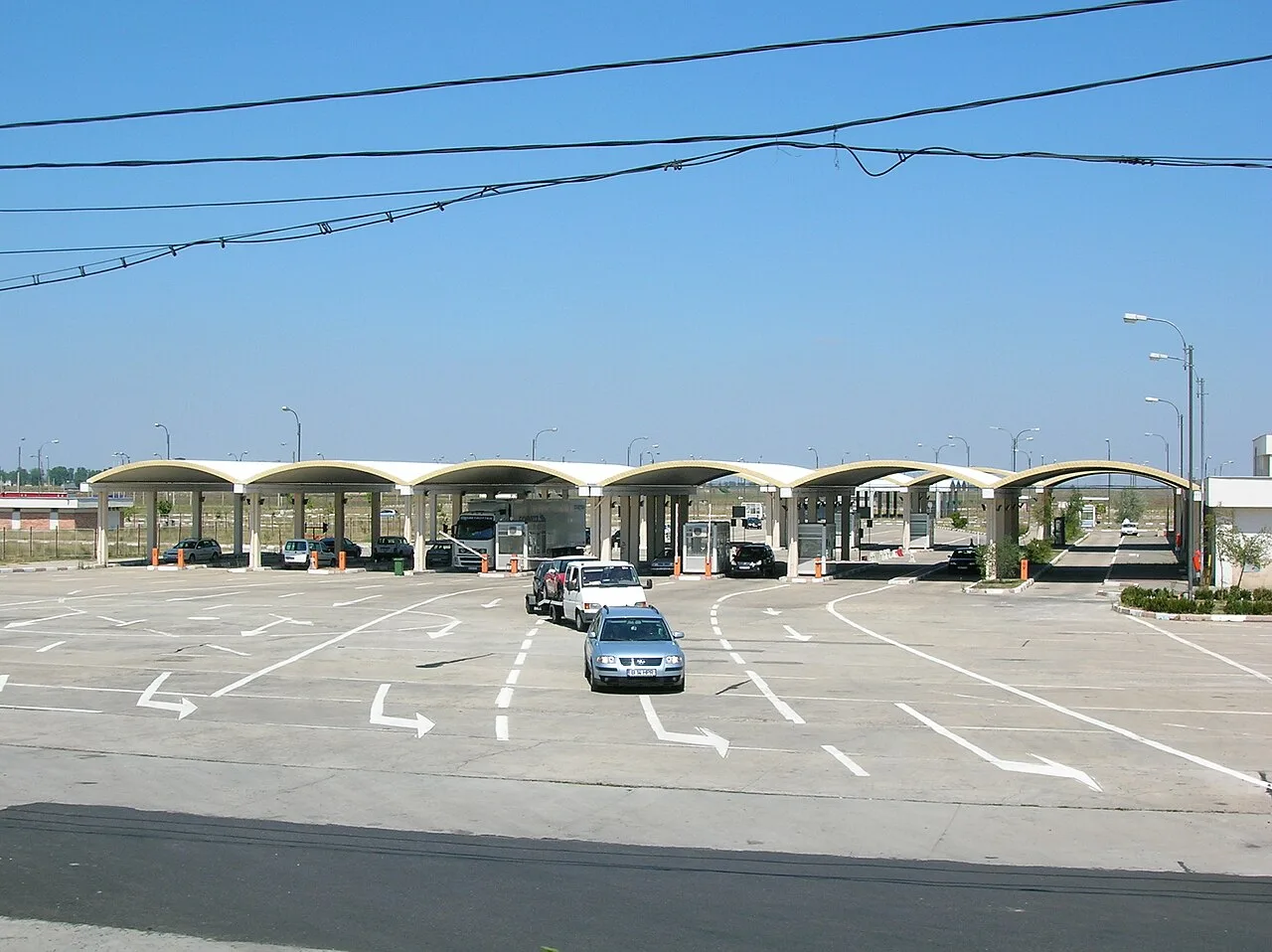
Here’s the headline change, and the reason an old guidebook will steer you wrong. Bulgaria and Romania became full members of the Schengen area on 1 January 2025. The air and sea borders opened in March 2024, and the land borders followed at the start of 2025 after the EU Council signed it off in December 2024. In practice that means the crossing at Ruse-Giurgiu is now an internal Schengen border: there are no routine passport checks, buses and cars roll straight over the Danube bridge, and the long summer queues that used to define this trip are gone.
Do still carry your passport or national ID card. Schengen countries can and occasionally do run spot-checks, and you need photo ID to travel anyway, but the days of every coach emptying out at a control post are over. For non-EU visitors already inside the Schengen area, nothing new happens at this border either; the usual 90-days-in-180 Schengen rule covers the whole zone, so a hop from Sofia to Bucharest doesn’t restart any clock. Rules can change, so if your nationality has particular entry conditions it is worth a quick check before you travel. Verified July 2026.
Driving it, and breaking the trip
Renting a car turns a transit day into one you control, and with the border formality gone it’s more appealing than it used to be. Moving time is broadly similar to the bus, but you set the stops. The route is simple to picture: head north out of Sofia across the country to Ruse on the Danube, cross the bridge into Giurgiu, then take Romania’s main road (a fast dual carriageway) for the final stretch into Bucharest.
Don’t expect motorway the whole way on the Bulgarian side, though. The A2 “Hemus” motorway that’s meant to run across northern Bulgaria is still unfinished, open only in two disconnected sections, so a good part of the Sofia-to-Ruse leg is ordinary two-lane road through towns and countryside. It’s an easy drive, just not a fast blur, so allow more time than a pure motorway distance would suggest.
There are three bits of paperwork to sort before you go. You need a Bulgarian e-vignette to use the motorways and main roads here, bought online in a couple of minutes; a 7-day sticker for a car costs about 10 EUR. On the far side you need a Romanian rovinieta, the equivalent network vignette, also sold online or at fuel stations. And the Danube bridge toll is separate from both, paid at the crossing, a small charge of a few euros; from June 2026 the Giurgiu-Ruse bridge began accepting electronic payment for cars. Our guide to driving in Bulgaria walks through the e-vignette, speed limits and the rules that actually get tourists fined.
If you’re hiring rather than bringing your own car, taking it across into Romania is routine now both are in the EU and Schengen, but still confirm the rental company allows cross-border travel and that the insurance covers it when you book, not at the desk on the day. How deposits and insurance excess work with Bulgarian hire cars is in our car rental in Bulgaria guide. Not keen on the wheel but still want door to door? Book a private transfer instead: split three ways, it typically comes out close to buying separate bus tickets, minus the hassle of driving yourself across a country you don’t know.
The real argument for going by road, or a stitched-together bus route, is what sits along the way. Veliko Tarnovo, Bulgaria’s medieval capital with the floodlit Tsarevets fortress, is an easy detour off the northern route and turns a transfer into a genuine stop; see our Veliko Tarnovo guide for a day or two there. Closer to the river, Ruse itself is worth an hour or three, the natural place to pause before or after the bridge.
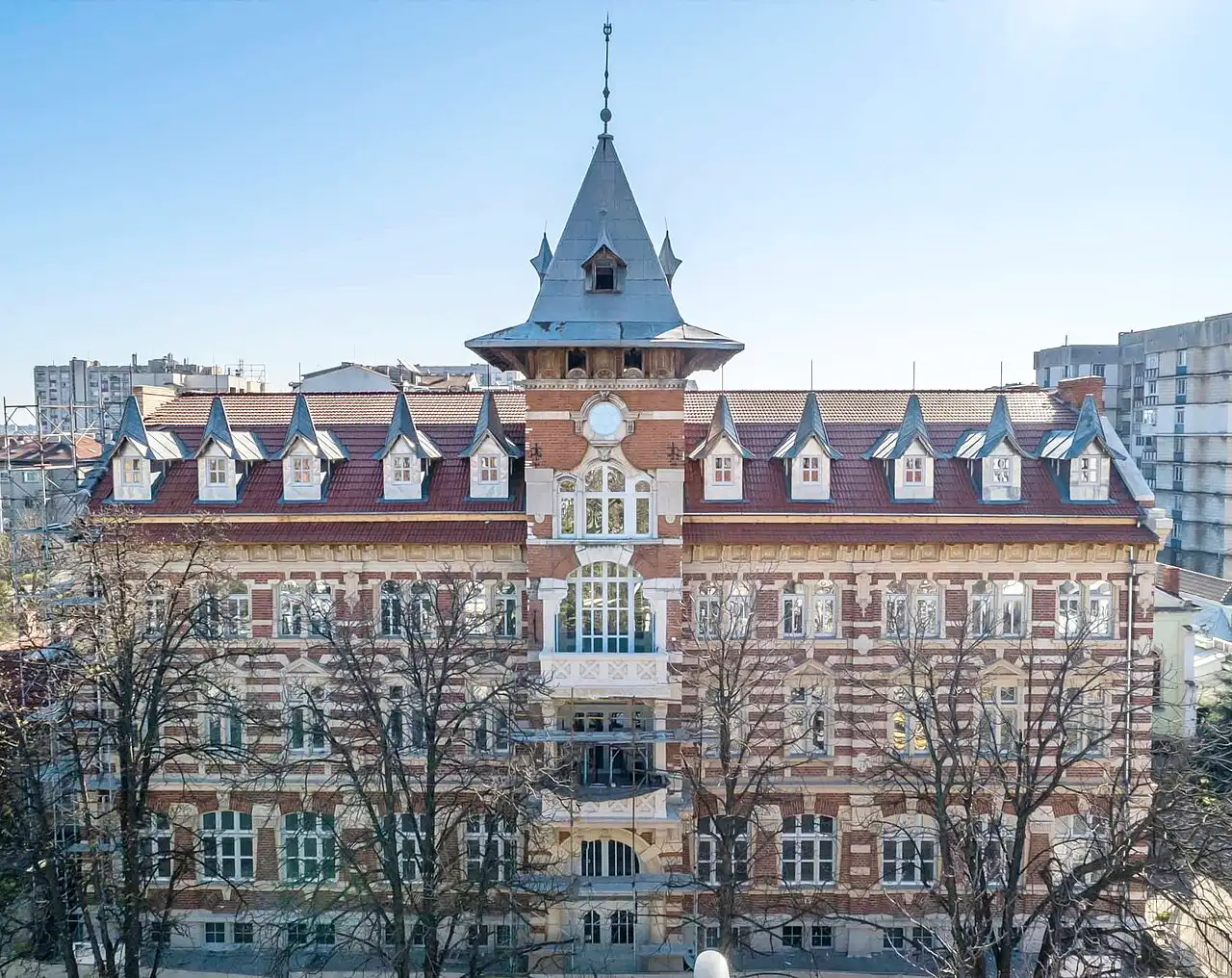
You can even build the journey around these stops without a car. From Sofia, take a bus or train up to Veliko Tarnovo, spend the night, carry on to Ruse (roughly two hours), and finish with a short bus from Ruse across the river to Bucharest (about 67 km, well under two hours). It turns a long transfer day into a proper mini-trip through the Bulgarian north.
So which should you take?
This is a shorter argument than it used to be: the bus wins almost by default, because its old rival’s edge, dodging a slow queue by car, no longer applies to anyone. Take the bus if the point is simply reaching Bucharest: cheap, and genuinely quick for the distance now that the border adds nothing. Take the train if you’re willing to trade three or four extra hours for one view of the Danube bridge, since that’s a fee for the scenery, not the speed. Take the car if you’d rather spend those same extra hours on your own stop in Veliko Tarnovo or Ruse instead of watching them go by. The real change from a few years back isn’t which option to pick, it’s that a border guard no longer makes that choice for you: all three now run on the timetable instead of the queue.
Bucharest makes a big, surprising reward at the end of it, a sprawling capital of grand boulevards, communist-era monoliths and a buzzing old-town bar scene. Our sister Romania guide has the full rundown of things to do in Bucharest for when you arrive. From here there are two common plans. If this was a there-and-back trip, keep the 7-day Bulgaria itinerary and the things to do in Sofia guide in mind, since Bucharest slots in neatly as the far point of both. If you’re pushing on across the Balkans instead, we also cover the run from Sofia to Belgrade, where unlike this one, you’ll still clear a real border.
Read also

Transport · 12 min read
Sofia to Borovets: 70 km, ~1h, Bus from €5
Verified · September 5, 2026Sofia to Borovets (~70 km, 1-1.5h): public bus via Samokov from ~€5, seasonal shared shuttles from €8/pp, private transfer from ~€79.

Transport · 11 min read
Plovdiv to Pamporovo: Bus & Ski Transfer
Verified · September 3, 2026Plovdiv to Pamporovo is about 80 km via Chepelare. Bus from Rodopi station, winter airport transfer, or drive - how to choose.

Transport · 9 min read
Sofia to Sunny Beach: Bus, Train & Transfer
Verified · August 24, 2026Direct coaches Sofia to Sunny Beach year-round (~7h, from ~€21), train only to Burgas, or a fixed private transfer. Times, stops and when each wins.

Transport · 11 min read
Burgas to Sozopol Bus 2026: €3.37, 40-50 Min
Verified · August 21, 2026Burgas South Sector 5 to Sozopol: bus 3.37 euro, about 40-50 min; taxi/transfer about 30-40 min. Buses about every 30 min. Checked Aug 2026.