
Bulgaria Digital Nomad Guide 2026
Bulgaria now has a digital nomad visa: the income rule, flat 10% tax, real living costs in euro and fast internet - a 2026 guide for remote workers.
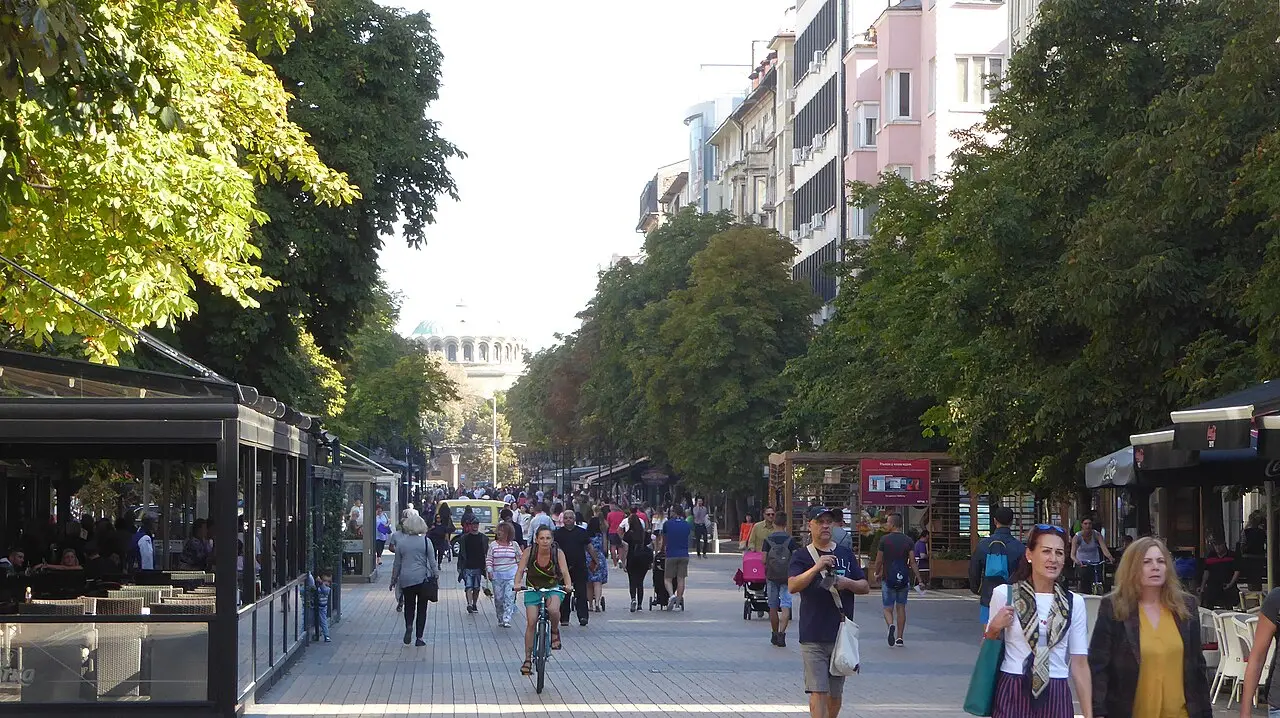
Bulgaria is one of the strongest-value bases in Europe for a remote worker right now: it’s the cheapest country in the EU, the internet is genuinely fast, personal income tax is a flat 10%, and as of 2026 there’s finally a proper digital nomad visa for people from outside the EU. If you hold an EU or EEA passport you can just move and start working. If you don’t, you now have a legal one-to-two-year route instead of running down a 90-day tourist stamp.
What decides whether Bulgaria works for you is rarely the price tag - it is your passport first of all, then the income you can document and how long you plan to stay before the tax rules start to notice.
The short version
- New in 2026: a digital nomad visa for non-EU/EEA/Swiss citizens, live since applications opened on 20 December 2025.
- Income rule is a formula: you must show income of at least 50 times the Bulgarian monthly minimum wage. With the 2026 minimum wage at 620.20 euro, that works out to roughly 31,000 euro a year. The euro figure moves up whenever the minimum wage does, so treat the formula as the real rule.
- Permit runs one year, renewable once, so up to two years total. You can’t work for Bulgarian companies or clients on it.
- Tax is a flat 10% on personal income, the joint-lowest headline rate in the EU. Stay more than 183 days and you likely become a Bulgarian tax resident, taxed on worldwide income - get advice before you cross that line.
- Cost of living is low: a comfortable single-person month in Sofia runs about 1,500 to 2,000 euro all in; Bansko is cheaper still.
- Internet is a real selling point: Bulgaria leads Europe on mobile 5G speed and has cheap, widespread fibre.
- Everything is priced in euro now (fixed at 1.95583 leva to the euro since 1 January 2026), so no currency risk if you earn in euro.
Do you even need the visa?
The first question decides everything else, and it comes down to your passport.
If you’re an EU or EEA citizen, there’s no visa and no nomad-permit paperwork. You’ve freedom of movement: come, rent a flat, work. You register your address with the authorities if you stay past three months, but that’s an administrative formality, not an application you can fail. For you, Bulgaria is simply a cheap, fast-internet base you can start using tomorrow, and the rest of this guide is about cost and tax rather than immigration.
If you are a third-country national (US, UK, Canada, Australia, and most of the world outside the EU/EEA/Switzerland), you used to be stuck with the Schengen rule of 90 days in any 180, which our Bulgaria entry requirements guide explains in full. That’s fine for a long visit but useless for actually living somewhere. The new digital nomad visa is what changed: it is a purpose-built residence route for remote workers, and it’s the reason Bulgaria is worth a serious look in 2026 rather than just a place to burn a summer.
The digital nomad visa, in plain terms
Bulgaria added a “digital nomad” residence category by amending its Law on Foreigners, and started taking applications on 20 December 2025. Here’s what it actually asks for. Every figure below is 2026 and worth reconfirming on the official pages before you commit, because immigration detail shifts and some of the fee numbers floating around are estimates rather than published tariffs.
Who qualifies. You must be a non-EU/EEA/Swiss citizen who earns from outside Bulgaria, in one of three shapes:
- a remote employee of a foreign (non-Bulgarian) company;
- a freelancer working for foreign clients, with at least one year of prior experience;
- an owner or partner holding more than 25% of a foreign company.
The income rule, as a formula. This is the number everyone wants, and it is important to understand it as a formula rather than a fixed figure. You have to show an average annual income of at least 50 times the Bulgarian gross monthly minimum wage. That minimum wage rose to 620.20 euro for 2026, which puts the threshold at about 31,000 euro a year. Because the minimum wage is reviewed most years and generally goes up, the euro amount will drift upward too, so a source quoting “31,000 euro” is really quoting “50 times the current minimum wage” at today’s rate. You document it with the previous calendar year’s bank statements, payslips or tax returns.
What you can’t do. The visa is strictly for foreign-earned income. You may not take a job with a Bulgarian employer, provide services to clients on Bulgarian soil, or otherwise generate Bulgarian-source income. Keep your work pointed abroad and you’re within the rules.
How long it lasts. The residence permit is issued for one year and can be renewed once, so the ceiling is two years. It’s a nomad permit, not a fast track to a passport, so think of it as a comfortable medium-term base rather than a settlement plan.
How you actually apply
The process runs in two stages, and the order matters because the second one is time-sensitive.
First, you apply for a type D long-stay visa at a Bulgarian embassy or consulate in your home country, before you travel. This is the entry document, and it takes a while: budget something like four to eight weeks of processing, and start early because the documents need gathering. Alongside proof of income you’ll need proof of accommodation, a clean criminal-record certificate, translated and apostilled documents where required, and private health insurance that covers you in Bulgaria for the whole stay and is valid across the Schengen area (one legal source cites a minimum of 30,000 euro of cover including repatriation - confirm the exact requirement when you apply).
Second, once you land in Bulgaria on that type D visa, you apply for the actual residence permit at the Migration Directorate within 14 days of arrival. Miss that window and you undo the whole thing, so treat it as the first errand of your new life here, not something to leave until you’ve unpacked. Reported government fees are modest but variable - roughly 100 euro for the D visa and somewhere in the low hundreds for the permit - and again, confirm the current figures rather than budgeting off a blog.
The tax question you must not ignore
This is the part that quietly bites people, and it is worth reading twice. Bulgaria has a flat 10% personal income tax, the joint-lowest headline rate in the European Union. On paper that’s a huge draw for a high earner used to 40%-plus at home.
The catch is residency. Spend more than 183 days in Bulgaria in a year, or make it your centre of vital interests, and you generally become a Bulgarian tax resident, at which point you’re taxed on your worldwide income, not just anything Bulgarian. Below that line, a non-resident is taxed only on Bulgarian-source income. So the flat 10% is only genuinely yours once you’re resident, and becoming resident brings its own obligations: filing here, potentially deregistering elsewhere, and dealing with social security and any double-tax treaty between Bulgaria and your home country.
None of that’s a reason to avoid Bulgaria - for a lot of nomads the 10% rate is exactly the appeal - but it’s a reason not to wing it. Tax residence, treaty relief and social-security rules depend on your specific situation, and the 183-day threshold sneaks up if you’re enjoying the place. Talk to an accountant who knows both Bulgaria and your home system before you cross into resident territory, and confirm the current rules with the National Revenue Agency (NRA) rather than relying on a guide like this one for the fine print.
What it costs to live here
Bulgaria is the cheapest country in the EU for everyday spending, and that’s the practical reason the maths works even at a modest remote salary. For the full traveller-level breakdown of daily costs, see our guide to whether Bulgaria is expensive; for living here month to month, the shape is roughly this.
In Sofia, Investropa’s tracked range for a one-bedroom flat is roughly €500 to €950 a month, averaging around €600 (checked 9 August 2026). Its methodology names Numbeo alongside Imoti.info and Properties.bg as inputs and says the average is weighted toward non-central stock, since most flats sit outside the small historic core - a blended estimate, not a pure listings feed. A same-day spot-check of live Imoti.info listings in cheaper districts (Banishora, Borovo) found real asking prices mostly €430 to €780, comfortably inside that range. The leafy districts nomads actually want - Lozenets, Oborishte, Ivan Vazov - sit toward the top of it, though the source gives no separate figure per district, so treat “up to roughly €950” as an honest ceiling, not a per-neighbourhood price. Add utilities, groceries, eating out a few times a week, a coworking desk and private health insurance, and a comfortable single-person month works out to roughly 1,500 to 2,000 euro all in - our own add-up, not a single quoted figure. That’s still a Western-European lifestyle at a fraction of the price, and it’s well inside what the visa income floor assumes.
Bansko is cheaper again. This mountain town has quietly become Bulgaria’s nomad capital, and comfortable living there runs closer to 600 to 1,000 euro a month, rent included. It’s the budget option if you want mountains, a tight community and lower overheads, with the trade-off that it is a small town rather than a capital.
Groceries, transport and eating out are where Bulgaria really pulls ahead. Sofia’s entire tram, bus, trolley and metro network runs on an 0.80 euro ticket or a 2 euro day pass, a sit-down lunch is single-digit euro, and a coffee is 2 to 3. You feel the value most when you live like a local rather than importing your home habits.
The internet: better than you would guess
For remote work this is the make-or-break question, and Bulgaria answers it well. The country is a genuine connectivity story, not a compromise. On mobile it is one of the fastest in Europe, leading the continent on 5G download speeds, and it ranks among the top handful of countries in the world for mobile speed. Fibre to the home is common and cheap in the cities, so a fixed connection for video calls is easy to sort.
Where it gets practical is coverage once you leave town. Bulgaria has three mobile networks, and the differences matter if you plan to work from the mountains. Vivacom has the widest reach, including the rural and high country around Bansko and the Rhodopes; A1 is strong on fast urban 4G and 5G; Yettel is fine in populated areas but the weakest of the three up high. If your base is a mountain town, Vivacom is the one to be on. For the full rundown of plans and which network each rides on, see our guide to the best eSIM for Bulgaria - and note that if your phone plan is from an EU or EEA country, roaming here’s free and you may need nothing at all.
Where to base yourself
The choice really comes down to four places, each with a different trade-off.
Sofia is the default: the capital, the biggest job of services and embassies, the fastest internet, the most flights in and out, and by far the largest coworking market with dozens of spaces. The honest caveat is that most of those spaces are built for local teams rather than solo nomads dropping in, so the community feel is less concentrated than in Bansko. Come for the infrastructure and the things to do in Sofia rather than a ready-made nomad scene.
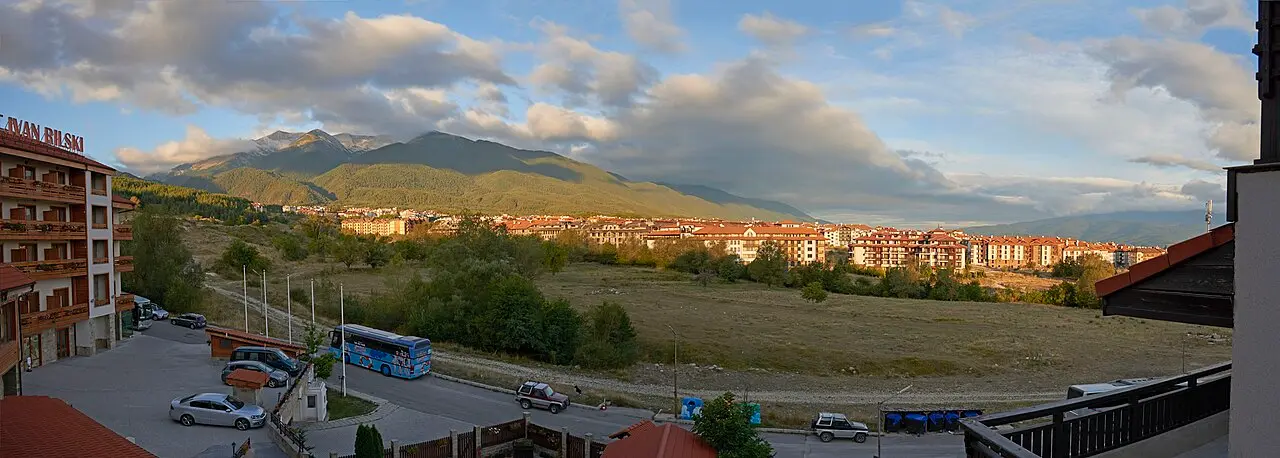
Bansko is the surprise, and the one place in Bulgaria with a real, dense nomad community. This ski town in the Pirin mountains hosts Bansko Nomad Fest, billed as the largest gathering of digital nomads in the world, and the coworking scene that grew up around it means you land with a ready-made network of a couple of hundred remote workers at any given time. It’s a winter ski base and a cheap, sociable mountain base the rest of the year - our Bansko skiing guide covers the cold-season side.
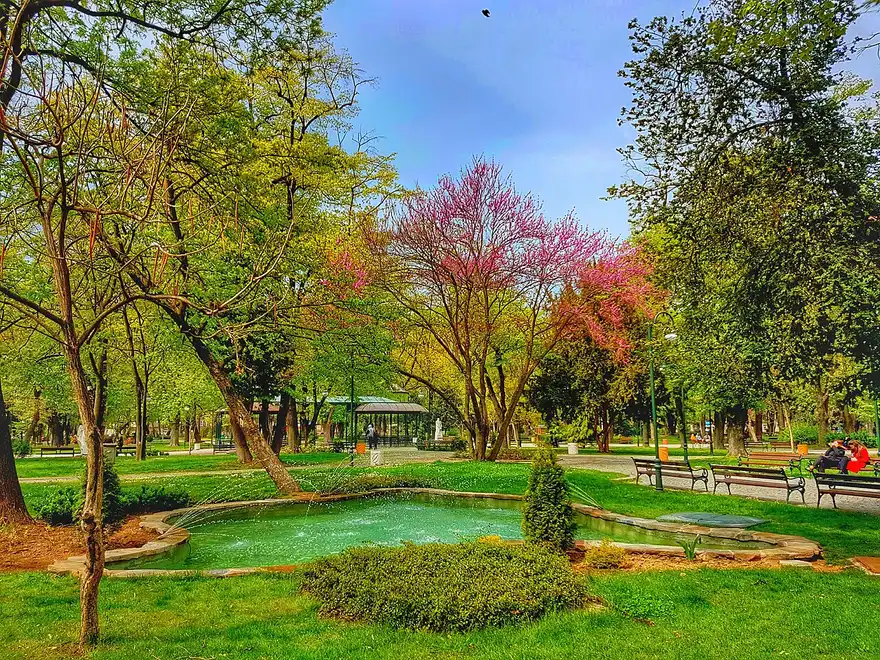
Plovdiv is the cultured middle option: Bulgaria’s second city, a walkable old town, a creative-district cafe scene, cheaper than Sofia and easier to feel at home in quickly. If Sofia is too big and Bansko too small, this is the balance, and there’s plenty to fill the weekends among the things to do in Plovdiv.
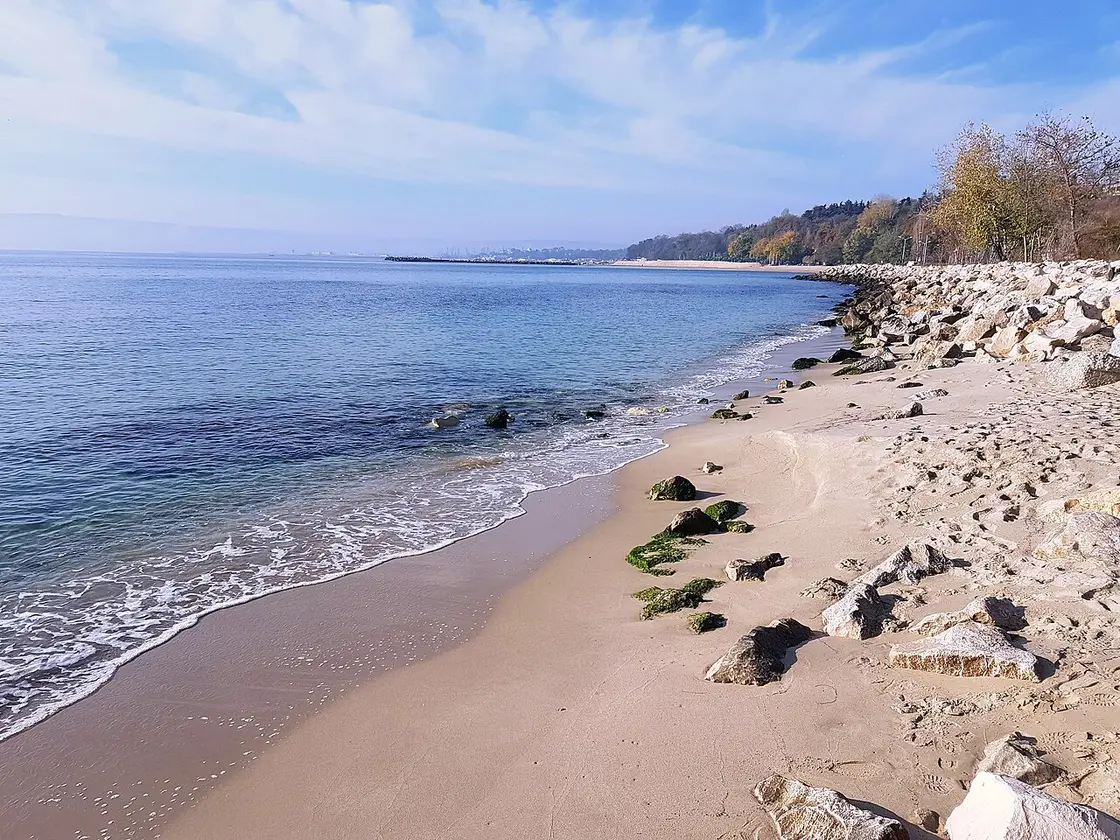
Varna is the summer play: the main city on the Black Sea, sea and city in one, a good warm-months base if you want to work near a beach. It quietens off-season, so it suits a summer stint more than a year-round home. Read up on Varna before you commit to the coast.
The euro, and why it simplifies things
One thing worth flagging for 2026: Bulgaria joined the eurozone on 1 January 2026, so everything on the ground is now priced in euro at a fixed, locked rate of 1.95583 leva to the euro. For a nomad earning in euro that removes currency risk entirely - your rent, your coffee and your coworking desk are all quoted in the same money you’re paid in. Price tags carried both euro and the old leva for a year as a sanity check, but that rule ended on 8 August 2026 - expect euro-only pricing now. If you want the detail on cash, cards and the switch, our guide to Bulgaria on the euro covers it.
So, is Bulgaria a good nomad base?
For the right person, very. If you’re an EU citizen it’s a no-brainer cheap, fast, central base you can start using immediately. If you’re outside the EU, the new digital nomad visa turns Bulgaria from a 90-day stopover into a genuine one-to-two-year option, provided you clear the income formula and keep your work aimed abroad. The flat 10% tax is a real draw once you’re resident, but it is exactly the thing to get advice on rather than assume.
The move that makes the decision is to come and try a base before you commit to the paperwork. Spend a couple of weeks in Sofia or Bansko, feel out the community and the connection, and you will know quickly whether it fits. When you’re ready to see the rest of the country between work weeks, our 7-day Bulgaria itinerary is a good map of what’s a short drive from your new desk.
Photos
Good to know
Visa, tax and cost figures are 2026 and change - the income threshold is a formula (50x the Bulgarian minimum wage), so the euro amount moves each year the minimum wage rises. Visa and tax details are drawn from the Bulgarian Law on Foreigners changes, PwC and reporting from January 2026. Sofia rent figures are the published Investropa range (9 August 2026 check); its own methodology page names Numbeo alongside Imoti.info and Properties.bg as sources, so treat it as a blended estimate rather than a pure listings feed - we cross-checked the lower end directly against live Imoti.info listings on 9 August 2026. The wider monthly-budget estimate is our own add-up of rent plus the transport, food and coworking prices quoted below, not a single sourced figure. Confirm current rules on the official Migration Directorate and consulate pages, and your own tax position with an accountant, before you act.
Details checked: August 9, 2026
Read also

Entertainment · 10 min read
Plovdiv Young Wine Festival: November 2026 Guide
Verified · October 6, 2026Plovdiv's Young Wine Festival fills Old Town houses on 20-22 November 2026: how the tasting tokens work, hours, which day to go and where to stay.

Entertainment · 13 min read
Bansko Après-Ski: Bars, Mehanas & Nightlife
Verified · October 3, 2026Bansko after the lifts stop at 16:15: Happy End at the gondola, huts on the way down, Old Town mehanas with folk bands and kapama, bars open to 4am.

What to see · 13 min read
Skiing in Bulgaria vs the Alps: Honest Verdict
Verified · September 13, 2026Bansko's last published 6-day pass was 341 EUR; Livigno's 2026-27 rate is 374.50 EUR. Real lift-pass, terrain and rental numbers, checked Sep 2026.

Transport · 12 min read
Sofia to Borovets: 70 km, ~1h, Bus from €5
Verified · September 5, 2026Sofia to Borovets (~70 km, 1-1.5h): public bus via Samokov from ~€5, seasonal shared shuttles from €8/pp, private transfer from ~€79.