
Balkan Visas 2026: US and UK Entry Rules Compared
Three of these countries share one 90-day Schengen clock. The rest each run their own, and one gives Americans a year. The table, with the sources.
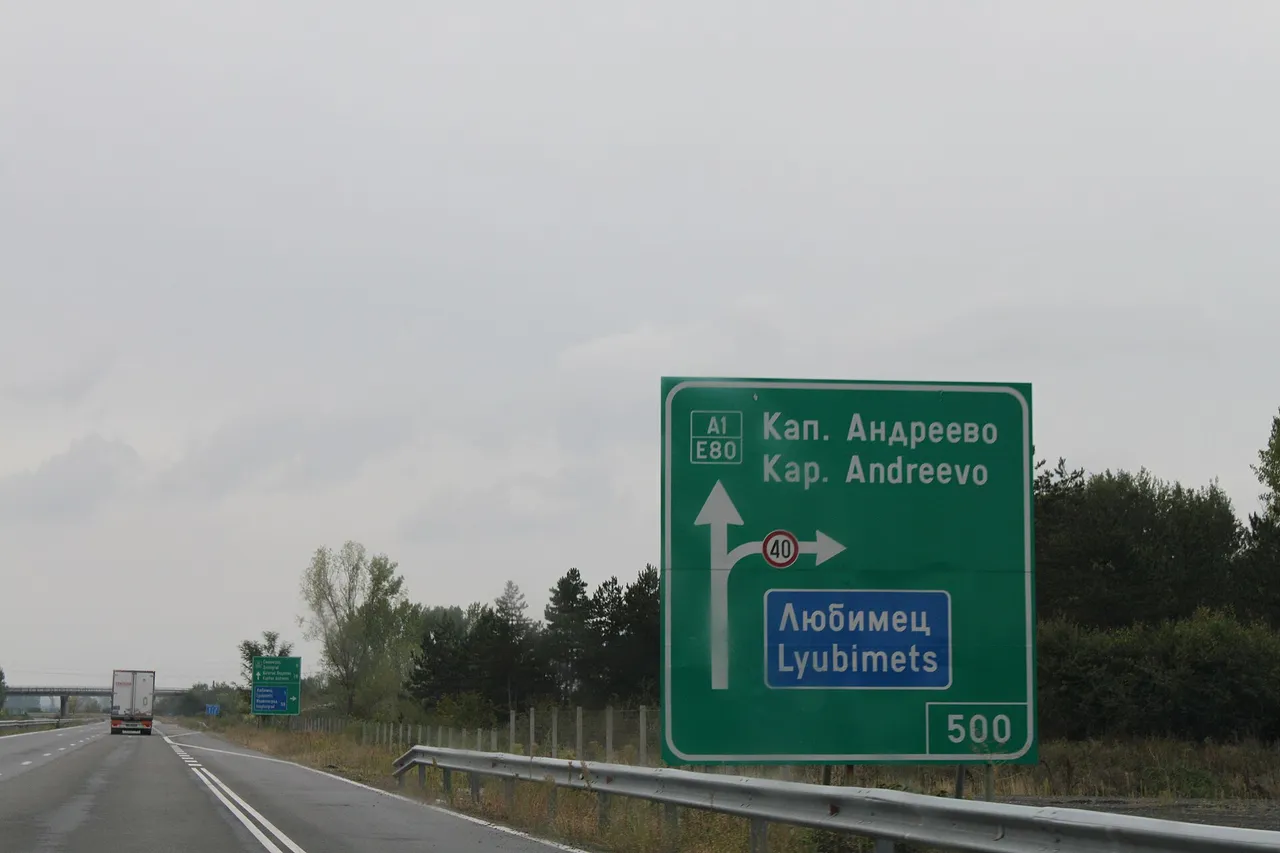
Twelve countries, two passports, and one number that trips people up more than any other: 90 days. It means something different depending on which line you have just crossed.
In Croatia, Romania and Bulgaria those 90 days come out of a single shared Schengen allowance. Spend them in Bulgaria and you’ve none left for Spain. In Albania, Montenegro, North Macedonia, Serbia and Bosnia the same 90 days belong to that country alone, and its clock runs whatever you did in the EU last month. Georgia gives a year. Armenia gives half of one. And Albania, uniquely here, lets an American stay twelve months.
Get the counter wrong and the price is not a fine but a refused entry, so ten minutes now are worth it.
This is general information for travellers, not legal advice. Entry rules change without notice. Confirm your nationality’s current rules on gov.uk foreign travel advice or travel.state.gov before you book and again before you fly.
The table
Checked 15 August 2026. UK figures come from gov.uk entry-requirements pages; US figures from travel.state.gov country information.
| Country | US citizens | UK citizens | Whose clock |
|---|---|---|---|
| 🇭🇷 Croatia | 90 days / 180 | 90 days / 180 | shared Schengen |
| 🇷🇴 Romania | 90 days / 180 | 90 days / 180 | shared Schengen |
| 🇧🇬 Bulgaria | 90 days / 180 | 90 days / 180 | shared Schengen |
| 🇦🇱 Albania | up to 1 year | 90 days / 180 | its own |
| 🇲🇪 Montenegro | 90 days / 180 | 90 days / 180 | its own |
| 🇲🇰 North Macedonia | 90 days / 6 months | 3 months | its own |
| 🇷🇸 Serbia | 90 days / 6 months | 90 days / 6 months | its own |
| 🇧🇦 Bosnia and Herzegovina | 90 days / 6 months | 90 days / 6 months | its own |
| 🇬🇪 Georgia | up to 365 days | up to 1 year | its own |
| 🇦🇲 Armenia | 180 days / year | 180 days / year | its own |
| 🇺🇸 United States | n/a | ESTA, then up to 90 days | n/a |
| 🇨🇦 Canada | no eTA needed | eTA, normally up to 6 months | n/a |
Two columns look identical for most rows, and that is the point: for these countries your passport rarely changes the length of stay. What changes is the counter it comes out of.
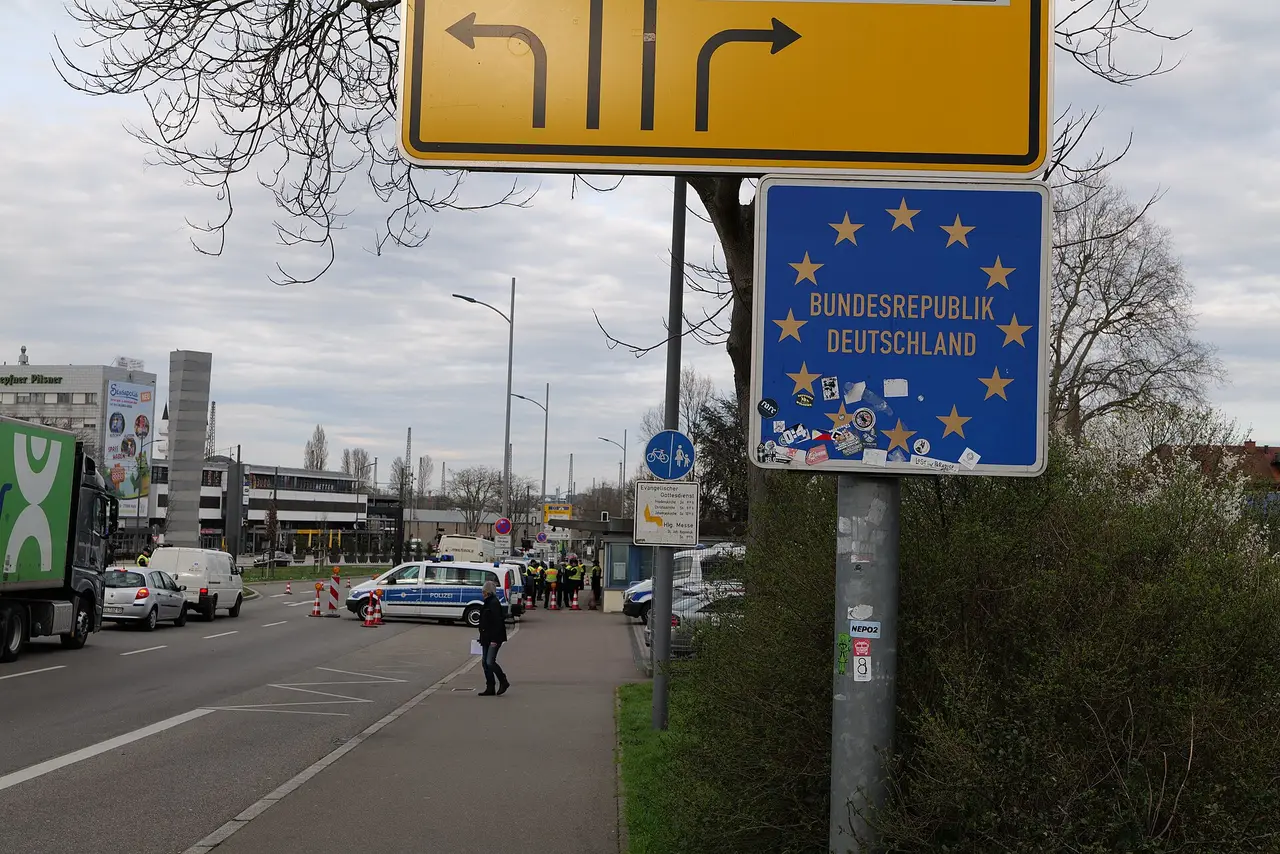
The 90/180 rule, explained once properly
The Schengen rule is not “90 days per visit” and not “90 days per year”. On any given day, count backwards 180 days and add up every day you were inside the Schengen area in that window. That total must not exceed 90.
It’s a rolling window, so days drop off the back as time passes. Leave for a month and you get roughly a month of allowance back - not a clean reset, a gradual one.
Three of our twelve sit inside that window. Croatia joined Schengen on 1 January 2023. Bulgaria and Romania became full members on 1 January 2025, when land border checks were finally lifted; their air and sea controls had already gone on 31 March 2024. Since then, a week in Sofia costs you a week of Spain.
The five Western Balkans countries are outside it, and each keeps its own count. That isn’t a technicality on a long trip: an American who has used up Schengen days in Italy can still spend three months in Serbia, and a Briton who spent April in Croatia starts Montenegro on a full 90.
Serbia and Bosnia describe their allowance as 90 days within a 6-month period rather than a rolling 180-day window - a different sentence and, in edge cases, a different answer. If you’re close to the limit in either, count from their wording, not from the Schengen habit.
North Macedonia’s “3 months” has a window too, and it is not a per-visit reset: the country’s own foreign ministry counts 90 days within any rolling 180-day window - the US advisory phrases the same rule as 90 days within a six-month period. Popping across a border and back does not restart the clock.
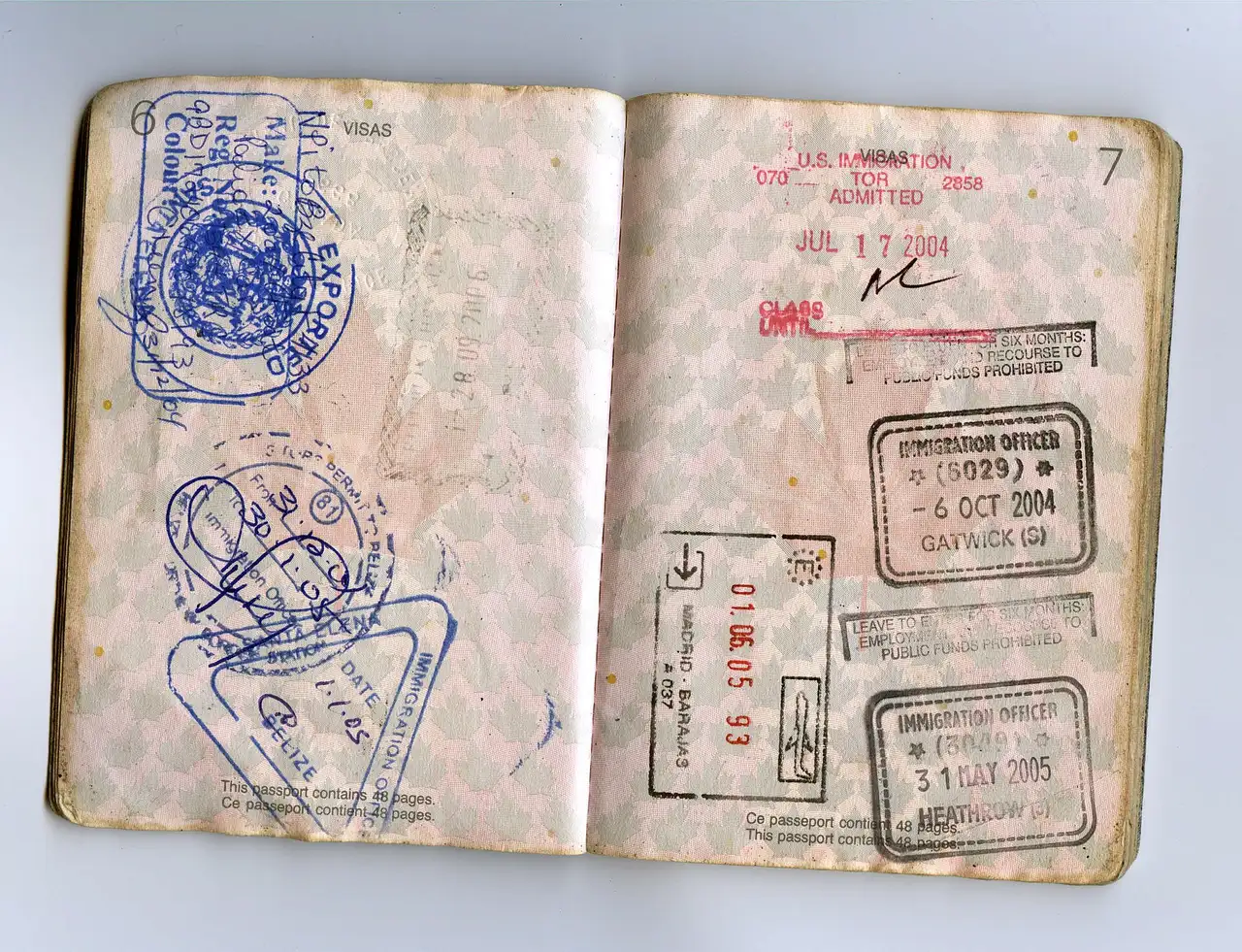
The Albanian exception, and how the reset works
Albania is the outlier worth planning around. US citizens may stay up to one year without a residency permit - the State Department says so plainly, and the US Embassy in Tirana spells out the catch: to restart that year you must leave Albania and stay out for at least 90 days before re-entering permit-free.
British citizens don’t get this. For a UK passport Albania is an ordinary 90 days in 180, the same as Montenegro.
If you’re American and thinking about a long slow winter somewhere warm, that single row is the most valuable line in the table. Our one-year visa-free guide for US citizens covers how the year behaves in practice; Albania entry requirements covers everyone else.
Registration: the rule nobody reads until it bites
Four of the five Western Balkans countries require you to register your address with the police or the tourist office after arrival, and the deadlines are short:
| Country | Register within | Usually handled by |
|---|---|---|
| 🇷🇸 Serbia | 24 hours | your hotel at check-in |
| 🇲🇪 Montenegro | 24 hours | hotel or tourist office |
| 🇲🇰 North Macedonia | 48 hours | hotel at check-in |
| 🇧🇦 Bosnia and Herzegovina | 72 hours | hotel, or the Service for Foreigners’ Affairs |
A hotel does this for you automatically. Private apartments and stays with friends are where people fall through, because nobody registers them and the traveller doesn’t know they should. The penalties named in the official guidance run from fines to detention and future entry bans, and in North Macedonia you’re also expected to de-register 24 hours before you leave if you registered yourself.
Our country pages carry the local detail: Serbia, Montenegro, North Macedonia and Bosnia.
What border guards can ask for
Passport validity isn’t one rule here, it’s four:
- Albania, Montenegro: at least 3 months beyond your departure date.
- Serbia, Bosnia, North Macedonia: at least 90 days beyond departure - and Bosnia and Montenegro also want a passport issued within the last 10 years.
- Georgia, Armenia: valid for the duration of your stay.
- Schengen three: the standard Schengen pair - issued within the last 10 years, valid at least 3 months after your intended departure.
Beyond the passport, expect the usual short list at any of these borders: proof of onward travel, an address for your stay, and enough money for it. Schengen entry can also require travel medical insurance, which is the one item people leave until the airport.

What is changing at the Schengen border
Two systems, often confused, and only one of them exists yet.
EES, the Entry/Exit System, is live. The European Commission states it has been fully operational across all Schengen countries since 10 April 2026. It replaces the passport stamp with a digital record: your face and fingerprints on first entry, then a database that counts your 90/180 days for you. Practical effect for Croatia, Romania and Bulgaria - a slower first crossing, and no more hoping a missed stamp buys you extra days.
ETIAS doesn’t exist yet. It is a travel authorisation, not a visa, for visa-exempt visitors to Schengen. The Commission has stopped naming a launch window: its pages now say only that ETIAS is not in operation, no applications are being taken, and the specific start date will be announced several months before launch. Once running it will cost EUR 20 and be valid three years or until your passport expires.
You will read confident launch dates elsewhere - the Commission itself once pointed at late 2026, then pulled the target. There’s no published start date, so this page doesn’t print one. Check the Commission’s own pages shortly before you travel.
Going the other way: the US and Canada
For a British passport the flow reverses.
United States. You need an ESTA before you fly under the Visa Waiver Program. CBP puts the fee at 40.27 USD - 10.27 for processing and 30.00 more if you are approved - valid two years or until your passport expires, with stays of up to 90 days. Apply only at the official CBP site; the lookalike sites charge a markup for the same form. Full detail: ESTA and US visas.
Canada. Air travellers with a UK passport need an eTA: 7 CAD, valid up to five years or until the passport expires, and visitors are normally admitted for up to six months at the border officer’s discretion. Arriving by land or sea, no eTA is required. US citizens don’t need an eTA at all. Full detail: Canada eTA and visas.

The short version
Short trip, one country. Nothing to do beyond passport validity - unless it is the US or Canada, where the authorisation must be in hand before you board.
Multi-country Balkan route. Count two separate budgets: one shared Schengen allowance for Croatia, Romania and Bulgaria, and a fresh one in each Western Balkans country. Register your address within 24 to 72 hours wherever you are not in a hotel.
Long stay. Georgia at 365 days is the most generous here for both passports, and Albania matches it for Americans only. Both are real options for a winter, and both are worth confirming on the official page the week you fly, because this is the row most likely to move.
Bulgaria’s own detail lives on our Bulgaria entry requirements page, and if the trip’s still taking shape, is Bulgaria expensive sets the budget next to its neighbours.
Good to know
General information for travellers, not legal advice. Every figure below was checked on 15 August 2026 against gov.uk foreign travel advice, travel.state.gov and the European Commission. Entry rules change without notice - confirm your own nationality on the official pages before you book and again before you fly.
Details checked: August 15, 2026
Read also

Before you go · 12 min read
How Much Does a Bulgaria Ski Holiday Cost?
Verified · September 13, 2026A Bulgaria ski week usually lands around 770 to 1,170 EUR mid-range: lift pass, hire, bed, food and transfer from official 2025-26 tariffs.

Before you go · 9 min read
Day Trips from Sunny Beach: Nessebar & Beyond
Verified · August 28, 2026Day trips from Sunny Beach: Nessebar on the local bus, Sozopol via Burgas, Strandzha jeep days. Times, tickets and what fits in a day. 2026.

Before you go · 10 min read
Bulgaria or Greece: Which Beach Holiday Is Better?
Verified · August 27, 2026Greece wins on islands and water clarity; Bulgaria wins on price and sandy resort beaches. Who each suits, real 2026 costs and flights from the UK.

Before you go · 8 min read
Day Trips from Varna: Balchik, Kaliakra & Caves
Verified · August 26, 2026Day trips from Varna: Balchik Palace from €10, Cape Kaliakra cliffs, Aladzha rock monastery and Pobiti Kamani. Distances, buses and what fits in a day.