
Bulgaria Entry Requirements 2026: Visa, EES & ETIAS
No visa for US, UK, Canadian and Australian passports: 90 days in 180, the biometric EES border, the 10-year passport trap and where ETIAS stands.
Most people don’t need a visa to visit Bulgaria. If you hold a passport from the US, UK, EU, Canada, Australia or one of around 60 visa-exempt countries, you turn up with that passport and stay up to 90 days in any 180. Two things are genuinely different in 2026: Bulgaria is fully inside the Schengen Area, so your days here now come out of the same 90-day pot as the rest of the bloc, and the biometric EES border went fully live on 10 April 2026, which means a fingerprint and face scan instead of an ink stamp when you arrive from outside the zone. ETIAS, the online authorisation everyone keeps asking about, is still not running and the EU hasn’t named a start date. If the trip covers more than Bulgaria, how the Balkan entry rules compare for US and UK passports puts all twelve countries in one table.
| Your passport | Visa for a holiday? | At the border | How long |
|---|---|---|---|
| EU, EEA, Switzerland | No | ID card or passport, no EES | Unlimited; register an address after 3 months |
| US, UK, Canada, Australia, NZ, Japan | No | EES fingerprints and face scan if arriving from outside Schengen | 90 days in any rolling 180 |
| Other Annex II visa-free country | No | Same as above | 90 days in any rolling 180 |
| Everyone else | Yes, Schengen type C | Visa plus EES | As granted, within 90/180 |
Get the passport dates wrong and you can be turned back at the desk holding a document that hasn’t expired, which is the single most common avoidable refusal at a Schengen border. Rules do move, so treat everything below as correct on the checked date in the box above and reconfirm your own nationality’s position on the official consulate and EU pages before you pay for flights.
Do you need a visa for Bulgaria?
For a normal holiday or business trip, probably not. Citizens of the EU, EEA and Switzerland have full freedom of movement: come, stay as long as you like, and register your address only if you settle for more than three months. Beyond that, nationals of around 60 visa-exempt countries listed in the EU’s Annex II can enter visa-free for short stays, and that list covers most of the travellers who read this: the United States, United Kingdom, Canada, Australia, New Zealand, Japan and most of Latin America among them. You get up to 90 days in any 180-day period with nothing but a valid passport.
If your nationality isn’t on the visa-free list, you need a Schengen short-stay (type C) visa, and here’s the part that changed: Bulgaria now issues the uniform Schengen visa that’s valid across the whole area, not a separate national one. You apply at a Bulgarian embassy or consulate before you travel, and the paperwork includes proof of accommodation, funds, and medical insurance valid across the EU with a minimum of 30,000 euro of cover for emergencies and repatriation. Your passport needs at least two blank pages. Different rules apply to long stays and to remote workers, which the type D visa and the Bulgaria digital nomad route cover, but for a visit the C visa or visa-free entry is what matters.
Bulgaria is now in Schengen: what actually changed
This is the single biggest shift, and it reshapes how your days are counted. Bulgaria’s air and sea border checks were lifted on 31 March 2024, and the land borders followed on 1 January 2025, making it a full Schengen member. Practically, that means three things.
First, there’s now one Schengen visa that works here and in the other 28 countries, rather than a Bulgarian visa on the side. Second, arriving from another Schengen country is now like a domestic trip: fly in from Vienna, Athens or Bucharest and there is no routine passport check. Third, and this is the one that catches repeat visitors, the days you spend in Bulgaria now count toward your shared Schengen 90-day allowance. Before 2025, some travellers treated Bulgaria and Romania as bonus time outside the Schengen clock. That loophole is gone. As the Bulgarian foreign ministry puts it, the 90-day count begins from the moment you enter Schengen territory, Bulgaria included.
The 90/180-day rule, and why people miscount it
The 90/180 rule sounds simple and trips up half the people who rely on it. You may spend a maximum of 90 days inside the Schengen Area in any rolling 180-day window. It’s not 90 days per country and it’s not per calendar year. On any given day, look back 180 days: if your total Schengen presence in that window is under 90, you are fine.
The mistake is treating it as a fresh 90 days each trip. If you spent six weeks in France in spring and then plan a month in Bulgaria in summer, those French days are still inside the 180-day window and count against you. Now that Bulgaria is in Schengen, a Balkan summer split between here, Greece and Romania draws from the same single pot. Overstaying isn’t a slap on the wrist: it can mean fines, deportation and a re-entry ban, and the new border system logs your dates automatically, so a quiet overstay is far easier to get caught for than it used to be. If you want longer than 90 days, you need a residence route, not a tourist stamp.
Passport rules: the 10-year trap
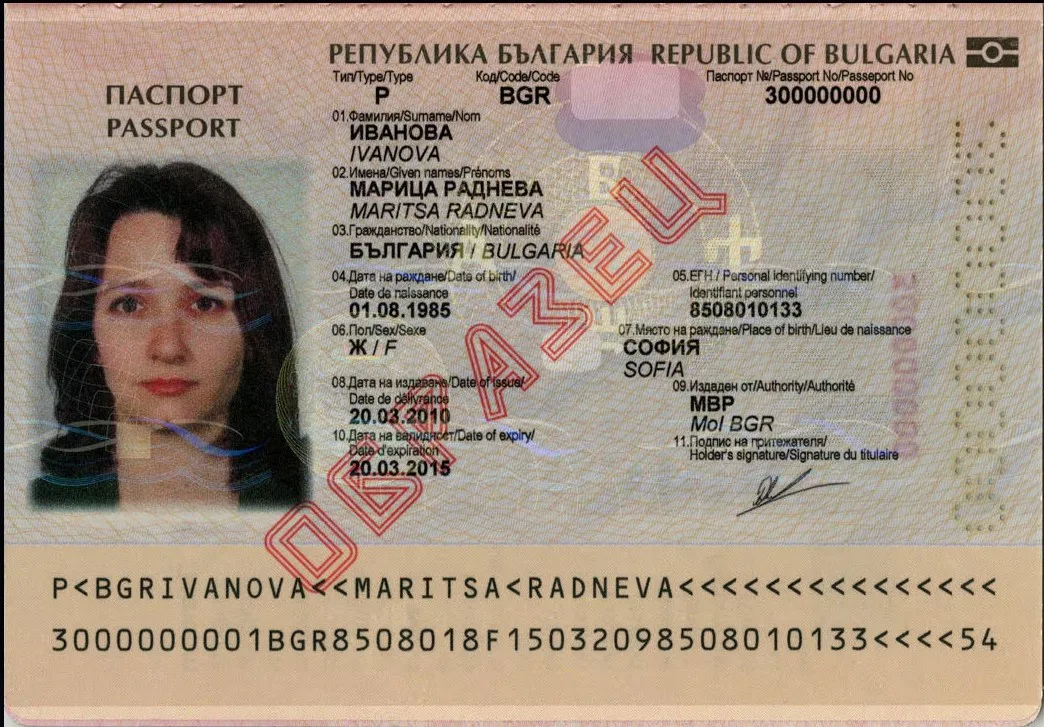
Two passport rules apply, and the second one is the sneaky one. Your passport must be valid for at least three months beyond your planned departure from Schengen, and it must have been issued within the last 10 years at the time you enter.
That second rule catches people whose passport is technically still valid. If you renewed early and your country added the leftover months onto the new document, a passport can carry an expiry date more than 10 years after its issue date. Border officers go by the issue date, not the expiry, so a passport that looks valid on the cover can be refused at the desk. Check the “date of issue” page before you fly: if it’s more than about nine and a half years ago, renew. It’s the most common avoidable reason travellers get turned back at a Schengen border, and it has nothing to do with Bulgaria specifically.
EES: the new biometric border
If you arrive in Bulgaria from outside Schengen, you’ll meet the Entry/Exit System (EES). It has been phased in since October 2025 and became fully operational across all 29 Schengen countries on 10 April 2026, so it’s live now. Instead of an officer stamping your passport, the system records your fingerprints and a facial scan along with your name, document and the date and place of each entry and exit.
The upshot for you is mostly practical. Your first crossing takes a little longer while your biometrics are captured, after which re-entries are quicker. There are no more ink stamps, which means the system, not you, now keeps the running tally of your 90/180 days, and it does so precisely. The Commission’s annual State of Schengen report, published on 18 May 2026, counted more than 60 million entries and exits by non-EU nationals and over 30,000 refusals of entry in the system’s first six months, almost 7,000 of them travellers turned away for having overstayed (figures to 20 April 2026). The automatic day-counting isn’t theoretical.
Where you actually meet EES in Bulgaria depends on how you arrive. It applies at external Schengen borders only: the land crossings with Turkey, Serbia and North Macedonia, and direct flights from non-Schengen countries such as the UK or US. Take the bus on our Sofia to Belgrade route and you’ll be biometrically registered on the way back in. Fly in from another Schengen country, or drive over from Romania on the Sofia to Bucharest run, and you cross an internal border with no routine check at all.
ETIAS: not running, and no start date announced
This is the section to read slowly, because the internet is full of confident launch dates and paid application forms, and the European Commission’s own ETIAS page says something different. Checked on 3 August 2026, it states that the system “is currently not in operation and no applications for travel authorisations are collected at this point”, and that “the European Union will inform about the specific date for the start of ETIAS several months prior to its launch”. No date has been set. Anyone quoting you one is guessing.
When it does arrive, ETIAS will be a pre-travel authorisation, not a visa: an online form in the mould of the American ESTA or the British ETA, for visa-exempt travellers to 30 European countries. EU citizens will never need it. The fee has been fixed at 20 euro per application, up from the 7 euro written into the original 2018 regulation, though it takes effect only once ETIAS is actually operational. The Commission has also confirmed that applicants under 18 and over 70 pay nothing, although they still have to apply. An approved authorisation lasts three years or until your passport expires, whichever comes first, and covers as many trips as you like inside that window.
For a 2026 trip the practical answer is short. You don’t need ETIAS to enter Bulgaria, this month or on any date currently on sale. Don’t pay a website offering a “Bulgaria ETIAS”, because the official system isn’t accepting applications at all, which makes every such site premature at best. When it opens, apply only through the official EU portal, and expect the announcement to come months ahead rather than as a surprise. Until then your passport and the visa-free rules above are the whole requirement.
Arriving in Bulgaria: airports and land borders
Most visitors fly in, and Bulgaria has four main international airports: Sofia (SOF), Plovdiv (PDV) and the summer-charter hubs at Varna (VAR) and Burgas (BOJ). If you’re weighing them up, our guide to which Bulgarian airport to use breaks down routes and connections. On arrival from a non-Schengen country you clear the EES border once, collect your bags and walk out; from another Schengen country you skip passport control entirely.

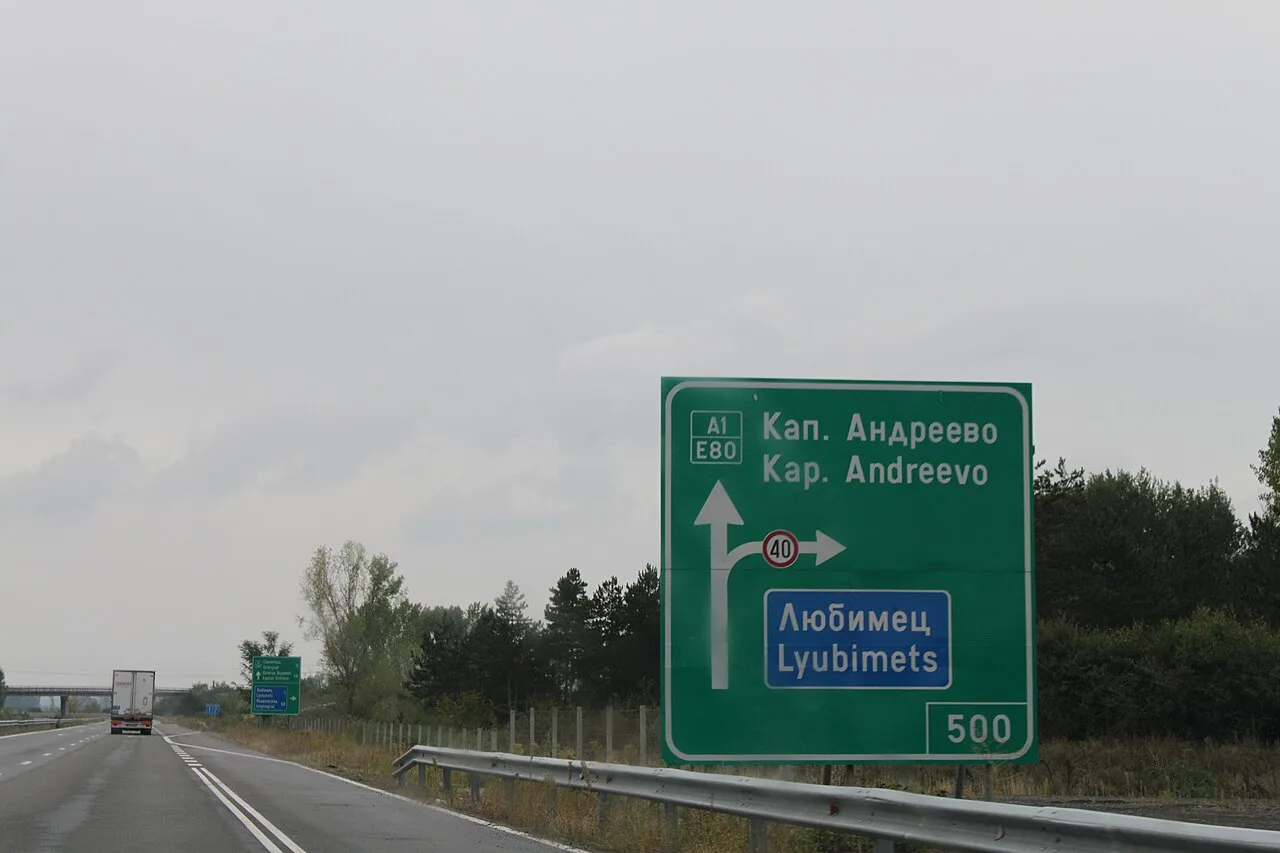
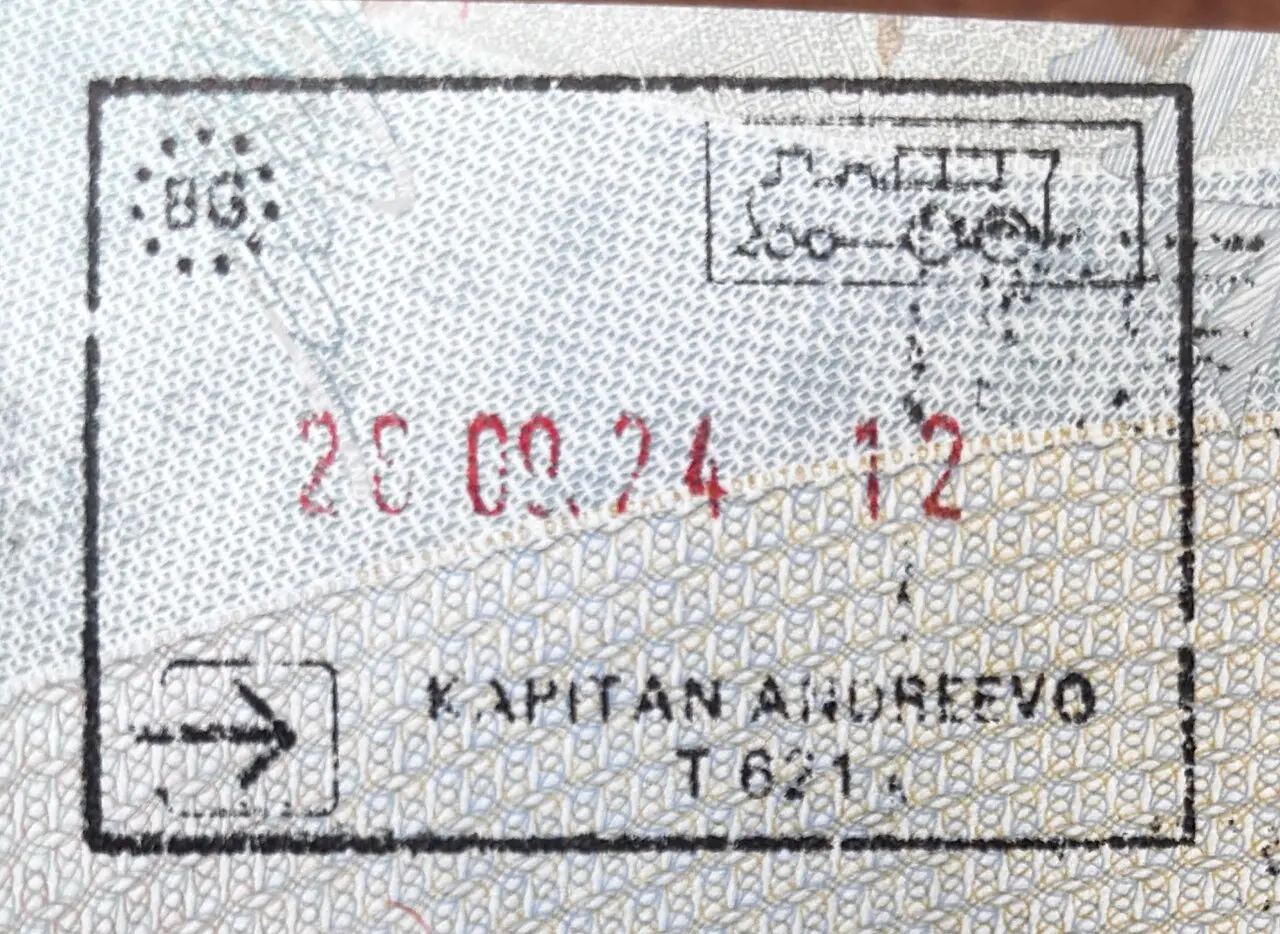
From Sofia Airport the metro reaches the city centre in about 20 minutes for the price of a single ticket, which is the cheapest way in; a taxi or pre-booked car is easier with luggage, and our Sofia airport transfer guide covers the fair fares and the taxi trap to avoid. Overland, the busy crossings are the Danube bridges from Romania and the Kapitan Andreevo crossing from Turkey, the main road gateway from Istanbul and the busiest of the external land borders where EES applies.

Insurance, money and the euro
Travel insurance is a formal requirement only if you are applying for a visa, where you must show at least 30,000 euro of medical cover valid across the EU. For visa-free travellers it’s not checked at the border, but skipping it’s a false economy: a hospital stay abroad is exactly the sort of bill that ruins a cheap holiday, and a policy that covers medical care and repatriation costs little against that risk. If you’re a remote worker or longer-term visitor, the same kind of rolling cover is what the residence routes ask for anyway.
On money, Bulgaria joined the eurozone on 1 January 2026, so prices are now in euro at a fixed rate, shops showed both euro and the old leva through the transition year, which ended on 8 August 2026. That removes any currency guesswork for most European visitors; our guides to money in Bulgaria and the euro changeover cover cards, cash and ATMs. And if safety is on your mind before booking, the honest picture is in is Bulgaria safe.
The bottom line
For a 2026 trip, most travellers need remarkably little: a passport issued within the last 10 years and valid three months beyond departure, and an eye on the 90/180 rule if you’re touring wider Schengen. Bulgaria being fully in Schengen means one visa and no internal checks, but also that your days here count against the shared 90, which is worth doing the sums on before you decide how many days to spend in Bulgaria. The EES border is live, so expect a biometric check rather than a stamp when you arrive from outside the zone. ETIAS is not running and has no announced start date, so ignore anyone selling it. Sort the passport dates, buy sensible travel insurance, and the border is the easy part of the trip. If you’re thinking of staying longer than 90 days, start with the digital nomad and residence options instead.
Good to know
Entry, visa and border rules change. This guide is drawn from the Bulgarian Ministry of Foreign Affairs, the European Commission pages on the Entry/Exit System, ETIAS and EU visa policy, and the official EU travel portal, all re-checked on 3 August 2026. It is general information, not legal advice - always confirm the current rules for your nationality on the official consulate and EU pages before you travel.
Details checked: August 3, 2026
Read also

Before you go · 12 min read
How Much Does a Bulgaria Ski Holiday Cost?
Verified · September 13, 2026A Bulgaria ski week usually lands around 770 to 1,170 EUR mid-range: lift pass, hire, bed, food and transfer from official 2025-26 tariffs.

Before you go · 9 min read
Day Trips from Sunny Beach: Nessebar & Beyond
Verified · August 28, 2026Day trips from Sunny Beach: Nessebar on the local bus, Sozopol via Burgas, Strandzha jeep days. Times, tickets and what fits in a day. 2026.

Before you go · 10 min read
Bulgaria or Greece: Which Beach Holiday Is Better?
Verified · August 27, 2026Greece wins on islands and water clarity; Bulgaria wins on price and sandy resort beaches. Who each suits, real 2026 costs and flights from the UK.

Before you go · 8 min read
Day Trips from Varna: Balchik, Kaliakra & Caves
Verified · August 26, 2026Day trips from Varna: Balchik Palace from €10, Cape Kaliakra cliffs, Aladzha rock monastery and Pobiti Kamani. Distances, buses and what fits in a day.