
Bulgaria Border Crossings by Car: Turkey, Serbia & EES 2026
Driving across Bulgaria's borders in 2026: where EES applies, Kapitan Andreevo works, Danube bridge tolls, rental permission and the green card.
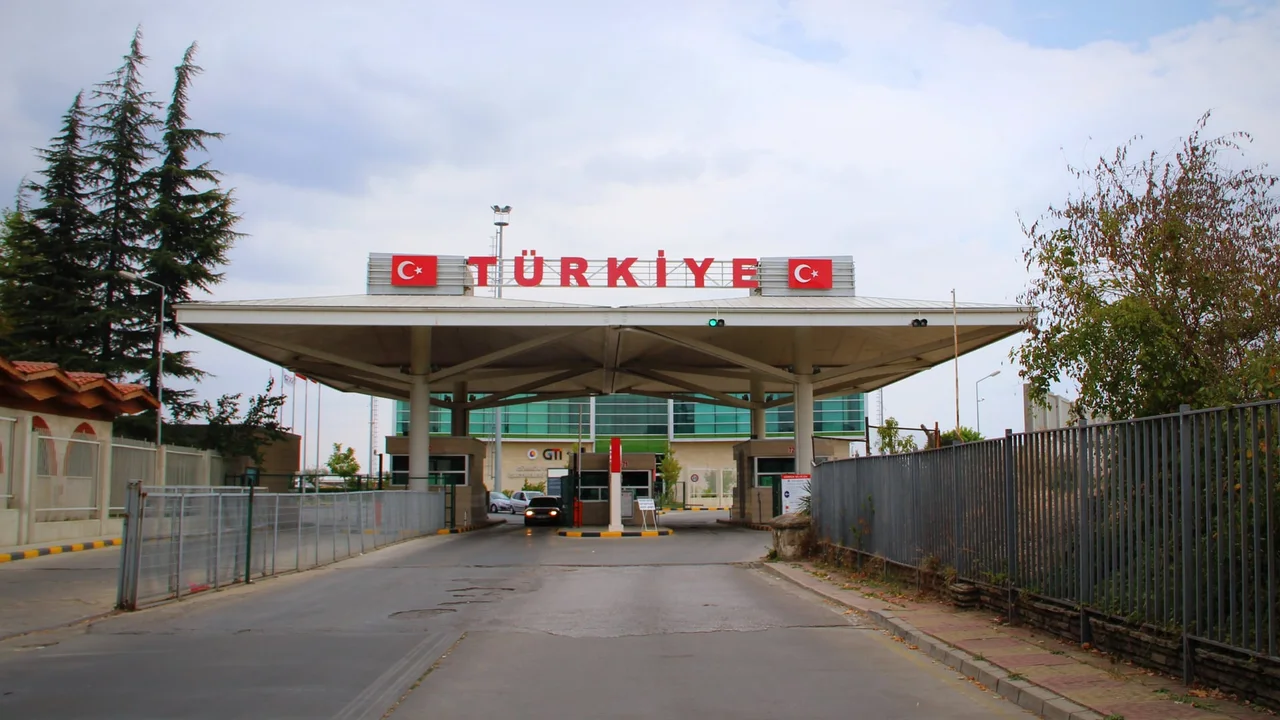
Bulgaria has five land neighbours, and three of them still put a booth in your way. Greece and Romania are inside Schengen with Bulgaria, so those borders have no routine passport check. Turkey, Serbia and North Macedonia are outside it, and on those borders the Bulgarian officer now runs the Entry/Exit System (EES) as well: a fingerprint and face scan on your first crossing if your passport isn’t from the EU or Schengen. The booth is rarely the hard part, though. The Turkish crossing at Kapitan Andreevo is being rebuilt until the end of summer 2027, a Danube bridge toll changed on 1 October 2026, and a hire car needs the supplier’s permission before you even pick it up. The borders below come in order of trouble, with a date on every fact that can change.
Five neighbours, two kinds of border
Bulgaria’s land borders split cleanly. Turkey, Serbia and North Macedonia are external Schengen borders, so you get a passport check and customs. Greece and Romania are internal ones: the European Commission records that checks on persons at the internal land borders were lifted on 1 January 2025, the day Bulgaria and Romania became full Schengen members.
| Neighbour | Road crossings on the official lists | Border type | What the driver needs |
|---|---|---|---|
| Turkey | Kapitan Andreevo, Lesovo, Malko Tarnovo | External | Passport, EES, customs, car papers, green card |
| Serbia | Kalotina, Strezimirovtsi, Bregovo, Vrashka Chuka | External | Passport, EES, customs |
| North Macedonia | Gyueshevo, Stanke Lisichkovo, Zlatarevo | External | Passport, EES, customs, green card |
| Greece | Kulata, Ilinden, Kapitan Petko Voivoda, Rudozem, Zlatograd, Makaza, Ivaylovgrad | Internal | No routine check; the small crossings take cars and minibuses up to 3.5 t |
| Romania | Ruse-Giurgiu and Vidin-Calafat bridges, Danube ferries, and land crossings in Dobrudzha such as Durankulak | Internal | Toll on the two bridges; Romania’s road vignette |
The external names are the ones Bulgaria’s Interior Ministry listed when it switched EES on at the land borders on 6 January 2026, as BTA reported, with Kalotina already running it. The Greek names come from the Border Police’s morning bulletin of 31 October 2026, as BTA reported it.
EES from the driver’s seat
The European Commission says EES has been fully operational at every external Schengen crossing since 10 April 2026. Bulgaria phased it in: Kalotina, the airports and the river and sea ports on 12 October 2025, then the other nine land crossings at 10:00 on 6 January 2026. It applies to non-EU nationals on a short stay. The first time, the officer takes your passport data, a photo and fingerprints; later entries need only a face check.
The Commission’s July 2026 note lists who isn’t recorded: citizens of EU countries plus Iceland, Liechtenstein, Norway and Switzerland; nationals of Andorra, Monaco, San Marino and the Vatican; non-EU nationals holding a long-stay visa or residence permit from a country that runs EES; and non-EU family members of an EU, Icelandic, Liechtenstein, Norwegian or Swiss citizen who hold a residence card or permit. If you’ve settled in Bulgaria on a residence permit, the note says checks stay as usual: passport and permit, no fingerprints. The full list of exemptions is on the official EES website; if you’re not on it, you get a file.
EES keeps a file per traveller rather than per vehicle, so in a car you hand over every non-EU passport, not just the driver’s, and expect the first registration to take longer than an ink stamp ever did. The same system also does the sums on your 90 days in any 180, which our entry requirements guide walks through. On 28 October 2026 Bulgaria’s transport minister listed stricter checks on that rule among the reasons for the lorry build-up at Kapitan Andreevo, so it’s not a formality at the window.
Kapitan Andreevo: a border under reconstruction
Kapitan Andreevo is where the Maritsa motorway meets Turkey, and it’s a building site. Works started in August 2026: EUR 43.55 million excluding VAT, three stages, twelve months, finishing by the end of summer 2027, with traffic kept moving (BTA, 18 August 2026). When they’re done, car lanes entering Bulgaria go from 10 to 15, five of them reversible. Until then some lanes are shut, and on 28 October the transport minister named the closed lanes as one cause of the lorry queue.
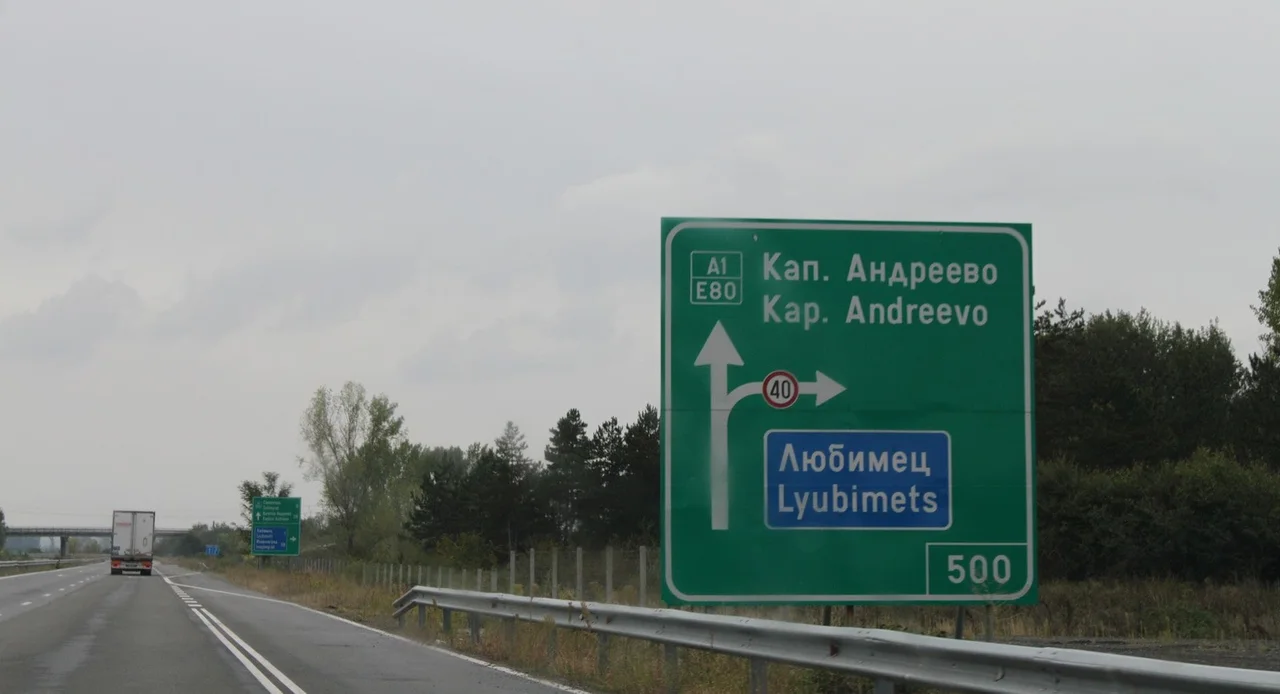
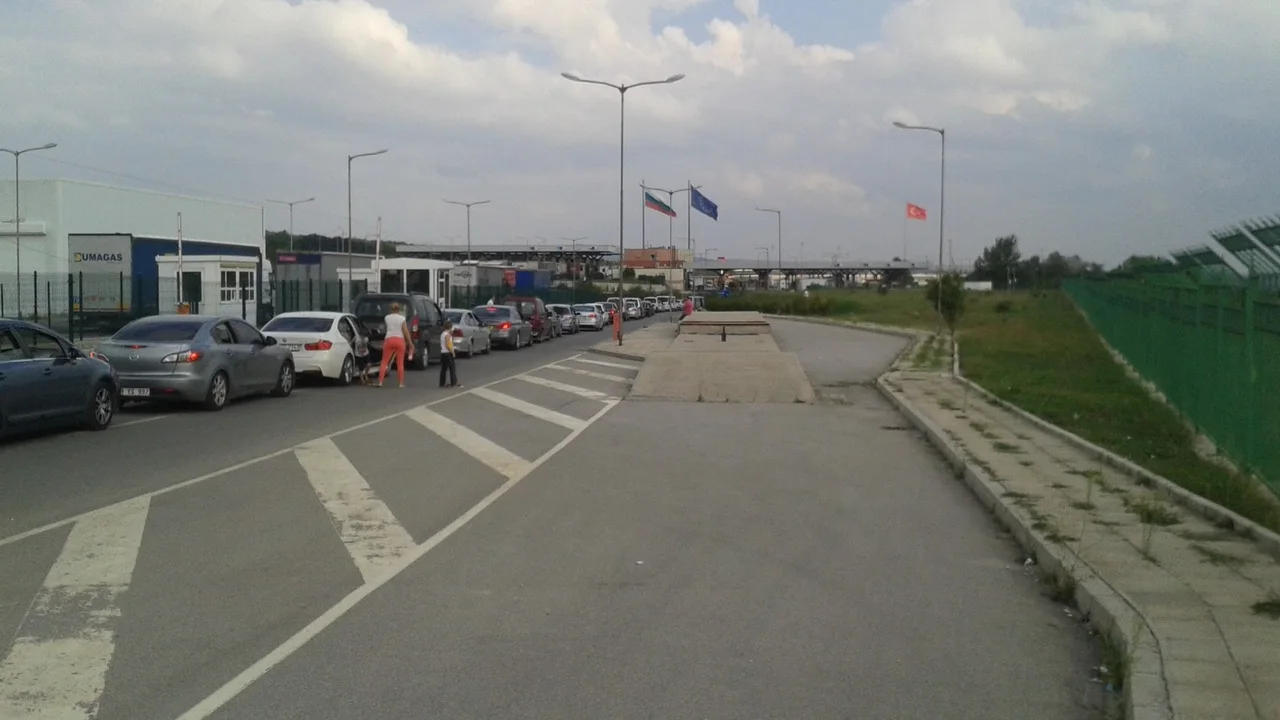
For cars, the queue depends more on the calendar than on the booth. In July 2026 BNT reported car columns of 2 to 3 km at the end of the motorway and waits of 3 to 8 hours leaving for Turkey, mostly Turkish citizens living in Western Europe driving home for the summer; 10,120 vehicles had crossed in the previous 24 hours. The October reports concern lorries rather than cars. BTA’s 28 October report blames part of the late-October lorry crush on the run-up to Turkey’s national day on 29 October. So if your dates are flexible, keep a crossing away from the July peak and from the days around a Turkish public holiday.
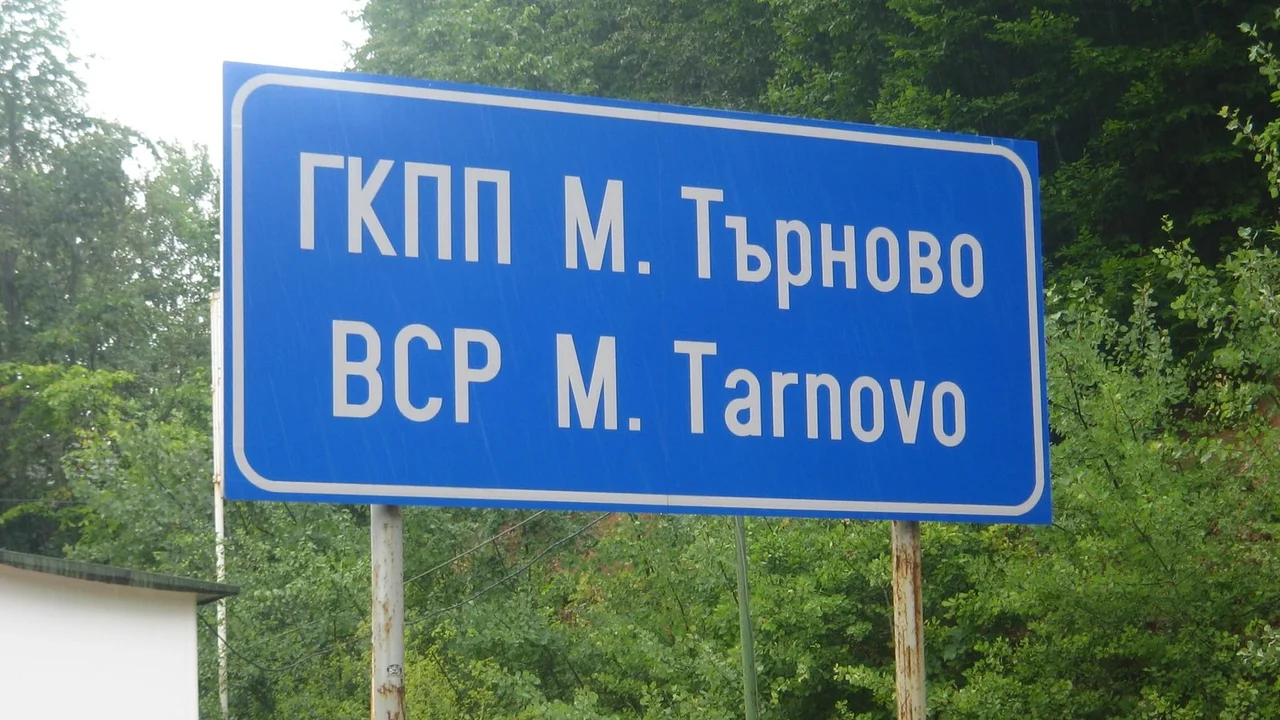
Lesovo and Malko Tarnovo are the other two Turkish crossings. Malko Tarnovo sits in the Strandzha hills; pick the crossing that matches your road first, then check the morning bulletin, which names the crossings where traffic is heavy.
On the Turkish side, Turkey’s foreign ministry lists ordinary US, UK, Canadian and Australian passports as visa-free for tourism for up to 90 days in any 180, and advises a passport valid at least six months from arrival (checked 31 October 2026). For the car, the Turkish trade ministry’s customs question-and-answer page asks for the vehicle ownership document (with a valid power of attorney if the car isn’t yours), an insurance policy valid in Turkey and your passport. That list is why a hire car needs paperwork, covered below. The same page says a foreigner’s car may stay as long as the person may, so for these passports that’s 90 days at most. The page is dated August 2019, so confirm the list with your supplier or at the border.
Serbia and North Macedonia: Kalotina, Gyueshevo and a post under repair
Kalotina is the main Serbian crossing, west of Sofia, and it’s where Bulgaria’s land-border EES began on 12 October 2025. The three smaller Serbian crossings, Strezimirovtsi, Bregovo and Vrashka Chuka, joined on 6 January 2026. Our Sofia to Belgrade guide covers the Serbian side of the line, and the Balkans entry comparison lines up visa rules for US and UK passports across the region.
Insurance is where Serbia and its neighbours differ. The Council of Bureaux lists Serbia among the six countries outside the EU and EEA that took part in the multilateral agreement, so an ordinary EU or UK motor policy is valid there; the UK government’s guidance agrees that a green card isn’t needed in Serbia. Turkey and North Macedonia aren’t on that list, and for them a green card is the safe assumption.
For North Macedonia, Gyueshevo is the crossing on the Sofia-Skopje road; our Sofia to Skopje guide and the North Macedonia versus Bulgaria comparison cover what lies beyond. The one to watch is Stanke Lisichkovo, the Delchevo post. On 11 September 2026 it was running one lane each way for entry and exit while North Macedonia rebuilds it, and the Macedonian interior ministry asked drivers to use another crossing with Bulgaria where they can (BTA, 11 September 2026). Check the latest before you route through it.
Greece and Romania: no booth, but the bridges bill you
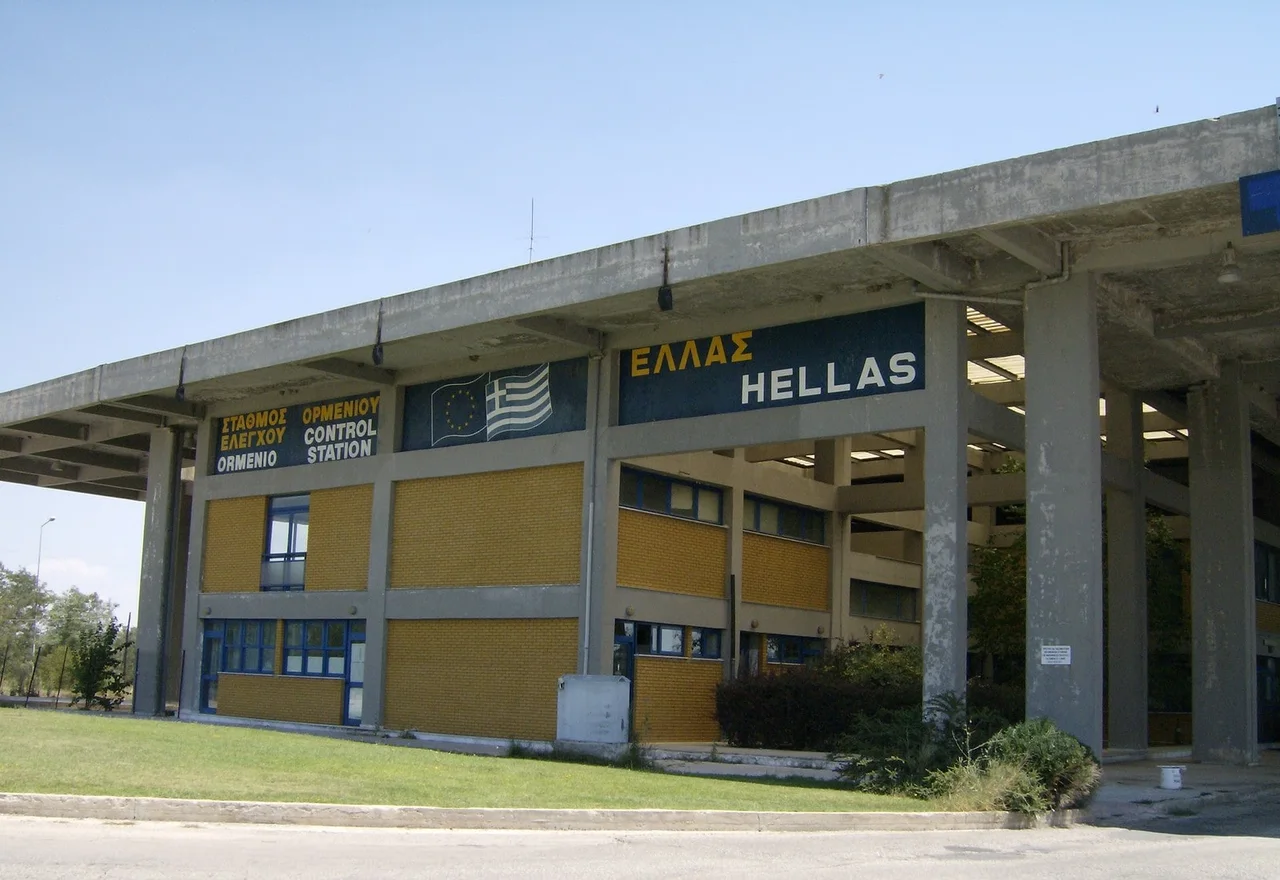
Greece costs you nothing at the line. The routine passport check is gone, so the question is the road. The Border Police’s bulletin of 31 October 2026 lists Kulata, Ilinden and Kapitan Petko Voivoda as open to cars, buses and lorries, and Rudozem, Zlatograd, Makaza and Ivaylovgrad to cars and minibuses up to 3.5 tonnes. If your vehicle is heavier than that, plan on the first three. Our Sofia to Thessaloniki guide covers the Kulata route.
Romania is where the money changes hands. On the Danube Bridge between Ruse and Giurgiu, Romania stopped charging cars heading into Bulgaria on 1 October 2026. Leaving Bulgaria, cars were still being charged Bulgaria’s EUR 2 (about $2.23 or £1.67) on 31 October 2026. On 29 October the Ruse municipal council asked the government to match Romania and drop it; no decision had been reported by 31 October, so check the toll before you set off. The Vidin-Calafat bridge in the west charges EUR 6 per car each way on the operator’s own tariff, checked 31 October 2026 (about $6.70 or £5.00). At those 31 October 2026 rates, Ruse is cheaper by EUR 4 leaving Bulgaria and EUR 6 coming in, where your route gives you the choice. The Danube ferries are the least dependable option: on 31 October 2026 the Border Police reported the Oryahovo-Bekhet and Svishtov-Zimnitsa ferries suspended because the river was low.
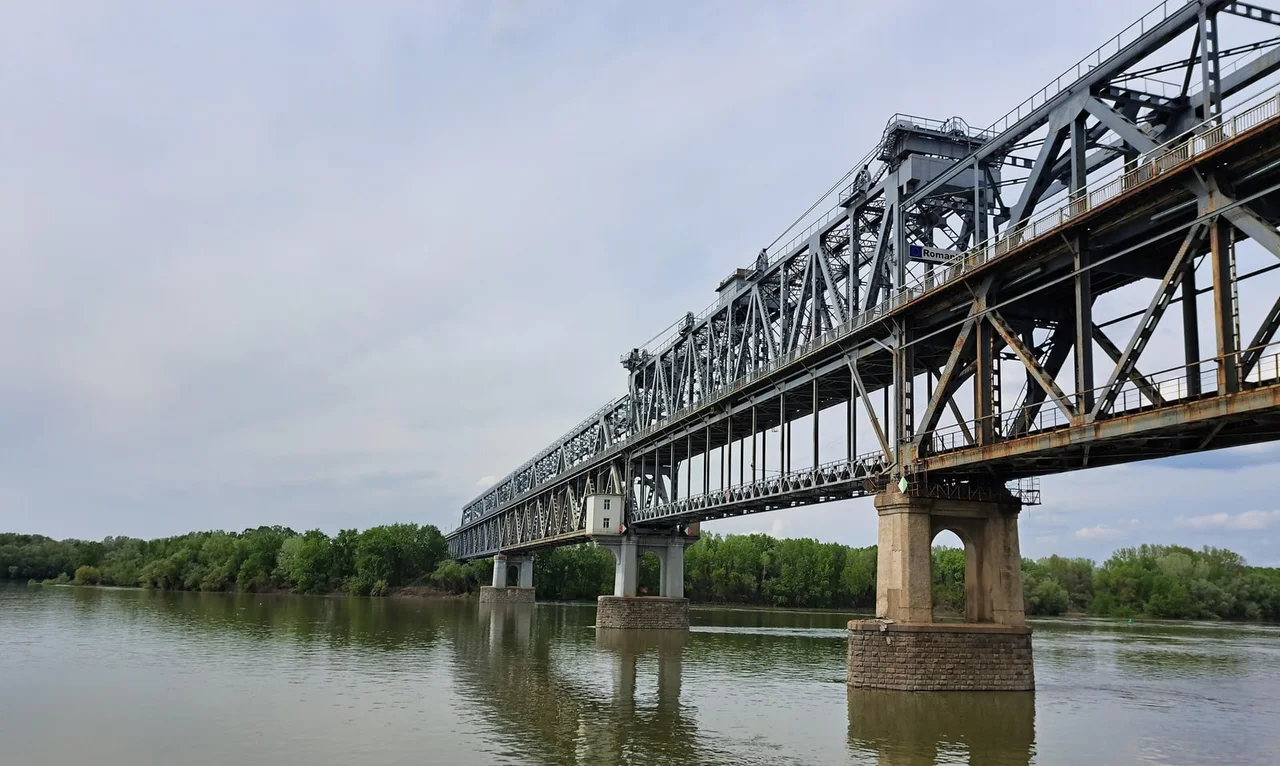
Neither bridge toll replaces a vignette. Bulgaria’s e-vignette is bought online before you drive, and our driving guide has the current rates; Romania wants its own vignette on the far bank, which the Sofia to Bucharest guide explains.
What the rental desk and your insurer need to know
A hire car doesn’t leave Bulgaria on a handshake. The operator terms we checked on 31 October 2026 (Top Rent A Car) allow Greece, North Macedonia, Serbia, Romania and the European part of Turkey on prior approval only; the paperwork deadline, the fees and the deposit that doubles when you tick “going abroad” are in our car rental guide. What that guide doesn’t cover is where the paperwork meets the border. The power of attorney the company issues with the approval is the document Turkish customs asks for when the car isn’t yours, and it runs to the end of the rental and no more than 25 days; a longer rental means paying the cross-border fee again. Turkey’s customs page also says a rented car may stay only as long as the rental agreement allows, so the 90 days a foreigner’s own car can get don’t apply to a hire car. Other suppliers set their own terms, so ask for the cross-border clause before you pay.
Insurance follows the same logic. Ask the supplier which countries the policy covers, and for Turkey and North Macedonia ask for a green card by name. Own car: look at which countries your card lists before you leave home.
What customs counts in the boot
Your Europe lists Bulgaria among the countries that apply the lower tobacco limit to land travellers: 40 cigarettes, 20 cigarillos, 10 cigars or 50 g of tobacco when you come in from outside the EU, and only for travellers aged 17 and over (under-17s get no tobacco or alcohol allowance). The page calls its country list indicative, so treat Bulgarian customs as the final word. The alcohol allowance is 4 litres of still wine and 16 litres of beer plus 1 litre of spirits. Anything from EUR 10,000 in cash, in or out of the EU, goes on the EU cash declaration form. Those limits are for a day trip to Edirne or Skopje as much as for a fortnight in Istanbul.
Reading the queue before you leave
The most useful number is the one from this morning. The Border Police issues a morning traffic note for the crossings (the one BTA repeated on 31 October 2026 gave the picture as of 06:00), and Bulgarian news outlets pass it on, so a search for “Kapitan Andreevo” plus the day’s date finds it faster than any map app. Add the bridge operators’ own pages for the Danube, and the North Macedonian interior ministry’s notices if you’re heading for Delchevo.
Then decide by rule, not by hope. A column of several kilometres at the end of the Maritsa motorway, as in July, is a reason to leave later or sleep on the Bulgarian side. If the bulletin talks only about lorries, don’t read it as your wait: BTA’s 28 October 2026 report counted lorries and gave no waiting time for cars. And keep a day of slack in your 90-in-180 count, so a long queue can’t push you over.
Last, the night-before list:
- Passports for every non-EU traveller, valid six months for Turkey (Turkey’s advice, not the Schengen rule).
- Rental: cross-border approval and power of attorney printed, green card for Turkey and North Macedonia.
- E-vignette bought for the plate, Romanian vignette if you’re driving into Romania.
- Cigarettes, alcohol and cash under the limits above.
- A data connection that works outside the EU, so the morning bulletin is on your screen at the barrier.
Read also

Transport · 12 min read
Taxis in Bulgaria: No Uber or Bolt Cars, Real Fares
Verified · October 24, 2026Uber and Bolt send no cars in Bulgaria. Use TaxiMe or Yellow!, read the windscreen sticker, know Sofia's 2026 per-km caps and the airport taxi queue.

Transport · 12 min read
Sofia to Borovets: 70 km, ~1h, Bus from €5
Verified · September 5, 2026Sofia to Borovets (~70 km, 1-1.5h): public bus via Samokov from ~€5, seasonal shared shuttles from €8/pp, private transfer from ~€79.

Transport · 11 min read
Plovdiv to Pamporovo: Bus & Ski Transfer
Verified · September 3, 2026Plovdiv to Pamporovo is about 80 km via Chepelare. Bus from Rodopi station, winter airport transfer, or drive - how to choose.

Transport · 9 min read
Sofia to Sunny Beach: Bus, Train & Transfer
Verified · August 24, 2026Direct coaches Sofia to Sunny Beach year-round (~7h, from ~€21), train only to Burgas, or a fixed private transfer. Times, stops and when each wins.