
Bulgaria Travel Insurance: EHIC, GHIC & What to Buy 2026
Bulgaria travel insurance: what your EHIC or GHIC covers, why it never pays for repatriation, private clinics or mountain rescue, and what to buy.
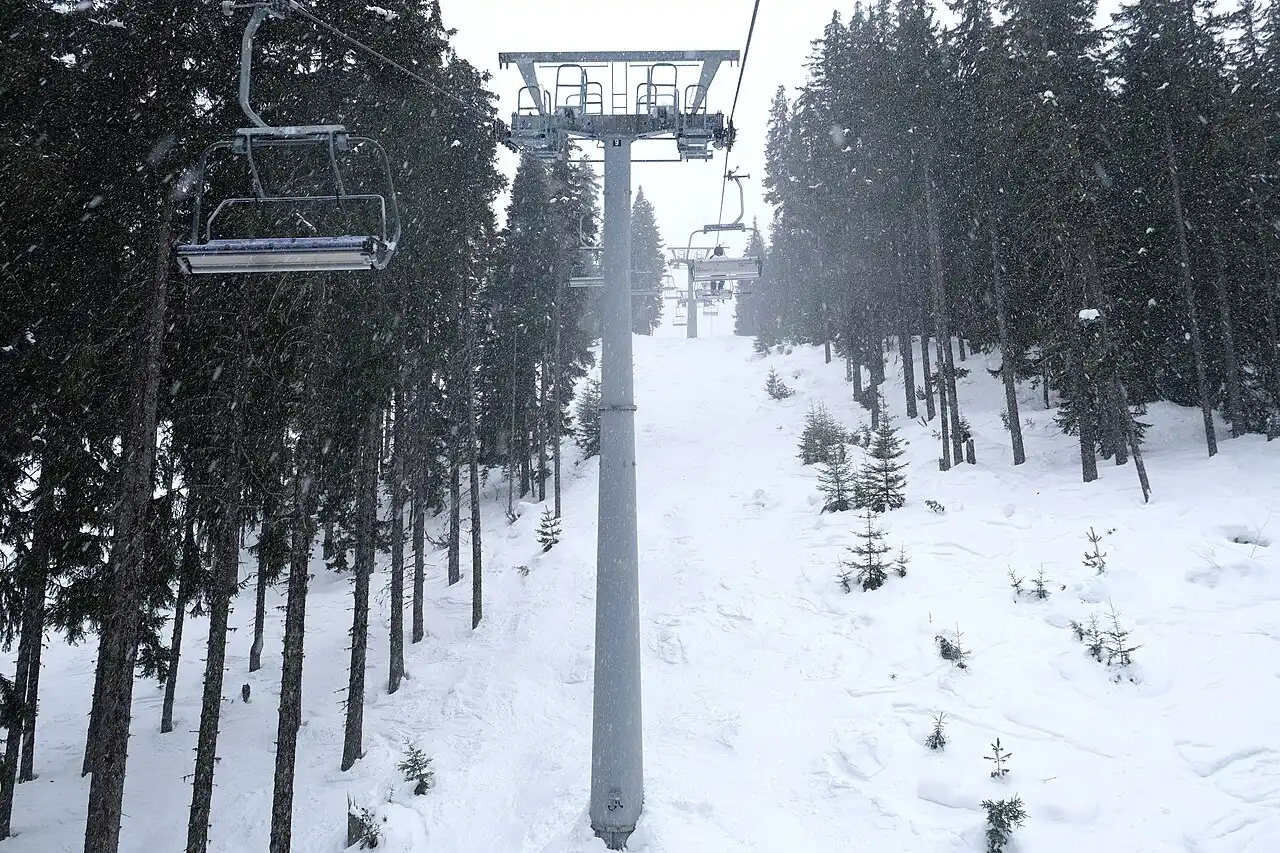
Bulgaria is now a full member of the Schengen area (since 1 January 2025) and on the euro (since 1 January 2026), so for EU and UK visitors the healthcare setup is the same as anywhere else in the bloc: your EHIC or GHIC gets you into the state system for medically necessary care, and that’s it. It won’t fly you home, it won’t cover a private clinic, and it won’t pay for a mountain rescue above Bansko. That is exactly the gap a travel policy fills, and if you’re coming to ski, hike or spend a week on the Black Sea, it’s the part of the budget that does real work.
The clause most people skip is the one that matters most here: a standard policy often caps or excludes mountain rescue and off-piste skiing, which is exactly what you might need above Bansko. That, plus the honest question of when Bulgaria actually requires cover at all, is where the small print is worth ten minutes.
The short version
- EU citizens: carry a free EHIC. UK citizens: carry a free GHIC. Both get you state-provided care in Bulgaria at a public price, with co-payments of 1.48 euro for an outpatient consultation and 0.51 euro a day in hospital, capped at ten days a year.
- Neither card is travel insurance. The NHS says it plainly: an EHIC or GHIC “never covers repatriation costs.” Nor private hospitals, nor mountain rescue.
- Everyone should still buy a travel policy. If you need a Schengen visa to enter, you are legally required to hold one with at least 30,000 euro of medical cover. A mainstream four-week policy starts at around $62.72 for a traveller aged 18 to 39.
- Skiing or hiking? Many standard policies exclude winter sports and off-piste, and some of the ones that do cover the piste still leave out the rescue. Both are worth checking by name.
- Mountain rescue isn’t free for the uninsured. The rescue service publishes a tariff: 285 euro for an accident in the mountains, 205 euro on a piste, 370 euro plus 20 euro an hour once a search passes 24 hours.
- Emergency number is 112, free from any phone, with English-speaking operators.
EHIC and GHIC: what the free card actually gets you
If you hold an EHIC (any EU country) or a UK GHIC, you’re entitled to medically necessary state healthcare in Bulgaria on the same terms as a local. In practice that means care at any doctor or hospital contracted with the National Health Insurance Fund (NHIF), which is most of the public system. According to the European Commission’s own guidance, “all doctors and hospitals contracted by NHIF should accept valid EHICs.”
It is not quite free at the point of use, but the co-payments are tiny: the Commission puts them at 1.48 euro for an outpatient consultation, non-refundable, and 0.51 euro per day in hospital, capped at ten days a year. Those are token amounts. The card is genuinely useful for the boring stuff - a stomach bug, a sprained ankle, a prescription - and you should absolutely carry one, because it’s free to apply for and valid for years.
One caveat the Commission adds on the same page, and almost nobody repeats: accepting the card “is not mandatory for medical specialists,” and “often patients in the EU countries are forced to pay for their medical services” and claim the money back once they are home. So carry the card, but budget for the possibility of paying on the spot and filing for reimbursement afterwards.
The catch is everything it leaves out. An EHIC or GHIC does not cover private hospitals (which is where many foreigners actually end up), planned treatment, most dental work, or being flown home. It’s a floor, not a safety net. Apply well before you travel through your national health service; don’t turn up expecting to sort it at the border.
Why you still need a travel policy on top
This is the line people skip and regret. State cover through your EHIC or GHIC stops exactly where a real emergency gets expensive: repatriation, a private clinic, an air ambulance, mountain rescue. None of those are in the card. The NHS spells it out - a UK EHIC or GHIC “is not a substitute for travel insurance,” so “make sure you have travel insurance as well.”
There’s no fine at the border for arriving without a policy, so the cost of skipping it is purely medical. And it is not theoretical. Pay out of pocket at a private clinic, add an evacuation, and a serious case runs into thousands of euros. A four-week policy with a mainstream provider costs less than one night of that (the exact figure is below, in the skiing section, since that’s where the same policy earns its keep twice over). For a country as cheap and easy as Bulgaria, insurance is the one line in the budget where going without is a genuinely bad bet - the same conclusion we reach in the is Bulgaria safe guide, for the same reason: the roads and the mountains, not crime, are what actually hurt people here.
State versus private hospitals
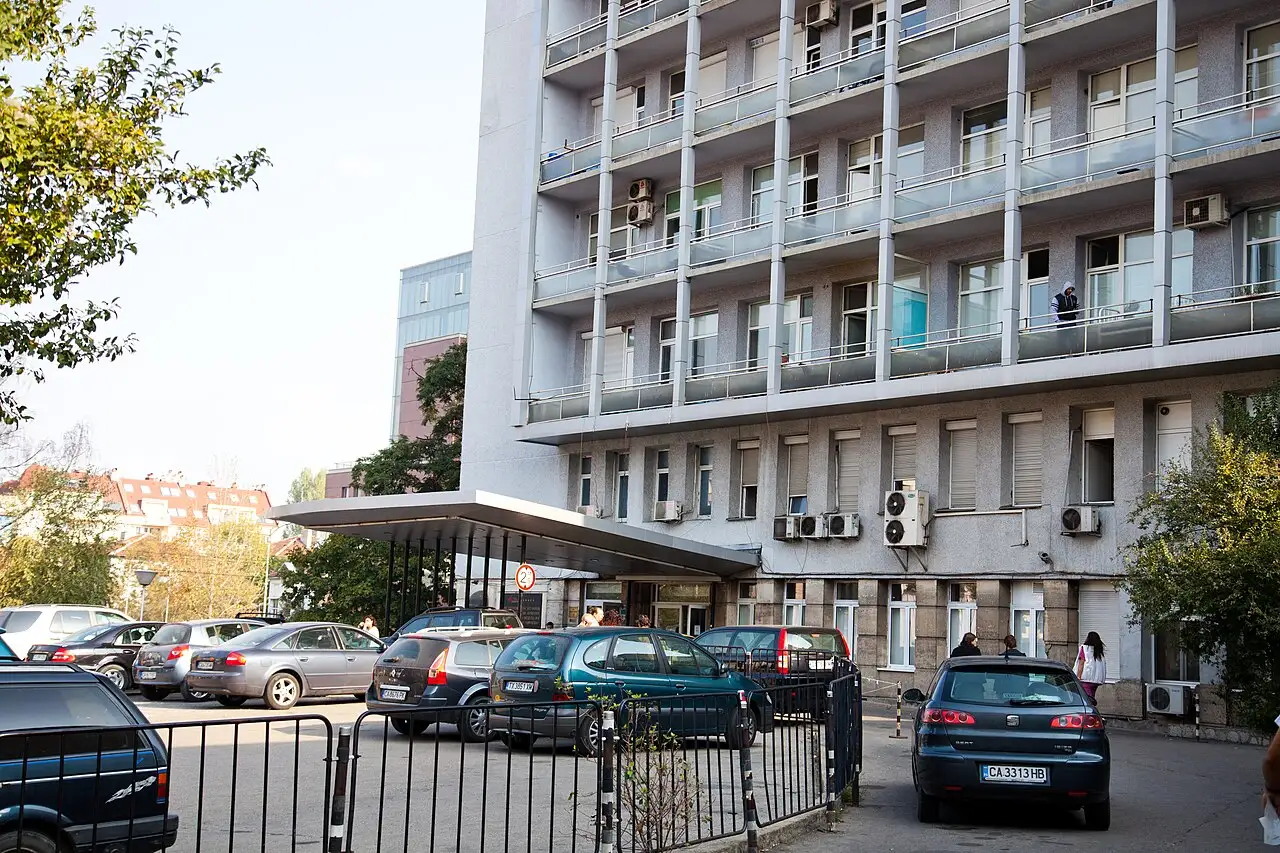
Bulgaria has two parallel systems, and the difference matters when you are the patient. The state side is where your card works: Pirogov, the national emergency hospital in Sofia, is the classic example, and regional public hospitals cover the rest of the country. It’s competent, especially for acute emergencies, but it can be stretched, and English is hit or miss outside the capital.
The private side is where many foreigners choose to go, and where your EHIC or GHIC is worthless. The largest is Acibadem City Clinic Tokuda Hospital in Sofia, a 575-bed, internationally accredited facility with interpreter support in English, Russian and other languages. It’s the comfortable option, and you pay for it, up front, unless a travel policy is picking up the bill. That single fact is the strongest argument for buying cover: it turns the good hospital from an expensive gamble into a phone call.
If you need a visa: the 30,000 euro rule
For most Western readers this section does not apply - EU, UK, US, Canadian, Australian and many other passport holders enter Bulgaria visa-free, as our guide to Bulgaria entry requirements sets out. But if your nationality needs a Schengen visa, insurance stops being optional and becomes a legal condition of the visa itself.
Under the Schengen Visa Code (EU Regulation 810/2009), applicants must show travel medical insurance with a minimum of 30,000 euro in cover, valid across the whole Schengen area, including emergency treatment, hospital care, medical evacuation and repatriation of remains. Now that Bulgaria is a full Schengen member, that requirement applies here in full. Buy a compliant policy before you apply, not after you land, and keep the certificate with your documents.
Skiing Bansko, Borovets or Pamporovo? Check the winter-sports clause
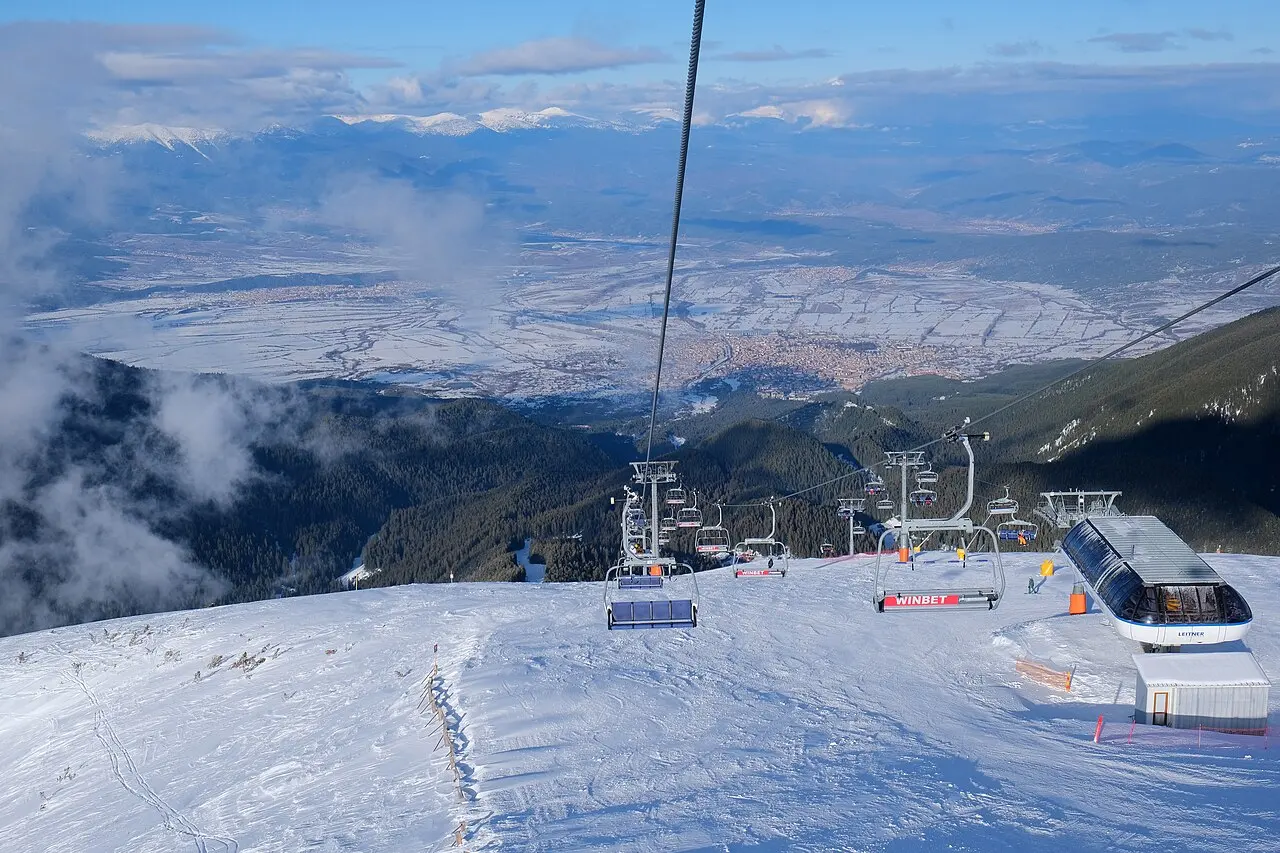
The winter-sports clause cuts both ways. Plenty of standard travel policies exclude winter sports outright unless you tick a box and pay extra, but not all of them work that way. SafetyWing’s own Essential plan, for instance, lists skiing and snowboarding as a standard covered activity already priced into its base rate: $62.72 for four weeks for a traveller aged 18 to 39 (roughly €55; the premium rises with age, and the plan sells up to 69). No extra box, as long as you stay on marked, patrolled runs and follow the local ski school’s guidance. Go off-piste, or ski against that advice, and it’s a different story: that needs the Adventure Sports add-on, an extra $10 per 28 days, and only on a subscription plan rather than a fixed-date one.
Then read the rescue line, because cover for the skiing is not cover for getting you off the mountain. SafetyWing’s own FAQ says the Essential plan “doesn’t cover search and rescue”; search and rescue at a recognised ski resort sits in the dearer Complete plan instead. That is not a reason to skip the cheaper plan, but it is a reason to pair it with something that does the rescue: a lift pass that bundles mountain insurance, as Bansko’s does, or a separate mountain policy. Read whatever you’re actually buying the same way, because plenty of insurers still put all skiing, on-piste included, behind a paid add-on, and plenty of the rest stop at the edge of the piste.
Turn up in Bansko, Borovets or Pamporovo on a policy that genuinely excludes skiing, take a fall, and the insurer can decline the claim outright. Read the small print for two things in particular: whether off-piste skiing is included (often it’s not, or only with a guide), and whether the policy covers piste rescue and the ski patrol, a separate cost from the hospital bill that follows it. Bansko’s own pricing page says “the price of lift passes and tickets includes mountain insurance” - that is the resort’s wording, and it doesn’t spell out which insurer or exactly what is covered, so treat it as a useful layer rather than a full answer. Borovets and Pamporovo are worth checking resort by resort. Sort all of this before the first lift ticket, not after a fall. For the full breakdown of on-piste versus off-piste cover and the two-part rescue question, our dedicated ski travel insurance for Bulgaria guide goes deeper.
The mountains: who pays for a rescue
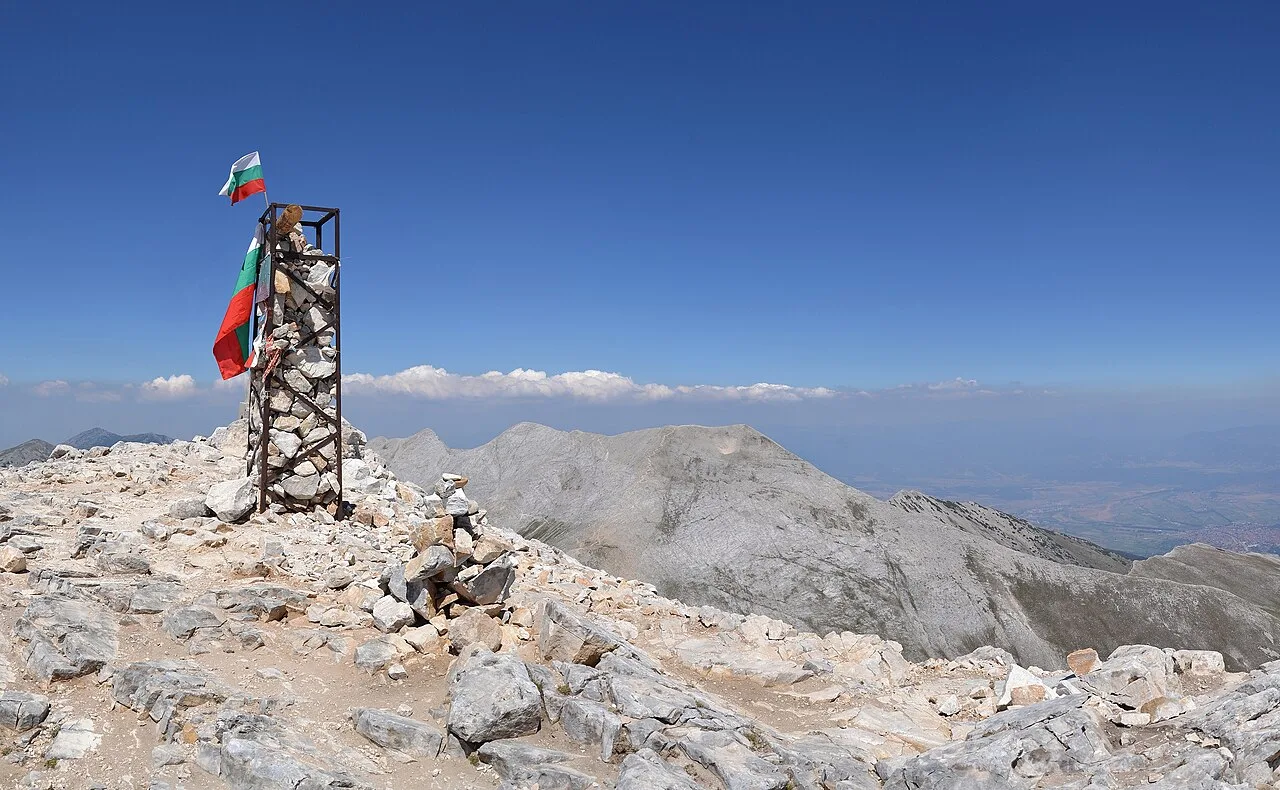
This is the one nobody thinks about until they’re on a stretcher. Bulgaria’s Mountain Rescue Service (PSS, Planinska Spasitelna Sluzhba) runs teams at all four major ski areas including Bansko, and across the hiking ranges. The rescuers give their labour free, but the service is not state-funded, and it says plainly that the person who triggers a call-out is the one who has to carry its costs. Statutory health cover, your EHIC or GHIC, doesn’t touch any of it.
Unusually, PSS publishes what those costs are, though it publishes the list for Bulgarian citizens, so treat the figures as a floor rather than a quote for a visitor. That list prices an accident in the mountains at 285 euro, an accident on a marked piste at 205 euro, a search at 370 euro, with 20 euro an hour added once it passes 24 hours, an avalanche call-out at 488 euro on the same terms past 48 hours, and 82 euro to carry a casualty out on the service’s own rescue gear. The one line with no number against it is the helicopter, which the list prices case by case depending on the kind of operation - which is precisely why you don’t want to find out your own figure.
Two ways to be covered. Either your travel policy includes mountain rescue and search-and-rescue (check the wording, and check it’s not capped low), or you buy a Bulgarian mountain policy. PSS doesn’t sell that itself: it names the insurers that do, a dozen of them, from Lev Ins and Bul Ins to Armeec and Euroins. Several write their cover for people legally resident in Bulgaria, so if you don’t have a Bulgarian ID number, ask whether they will sell to you at all before you count on it. If you’re here to hike the Seven Rila Lakes or push higher into the Pirin, one of the two routes is worth sorting before you set off.
Summer on the Black Sea
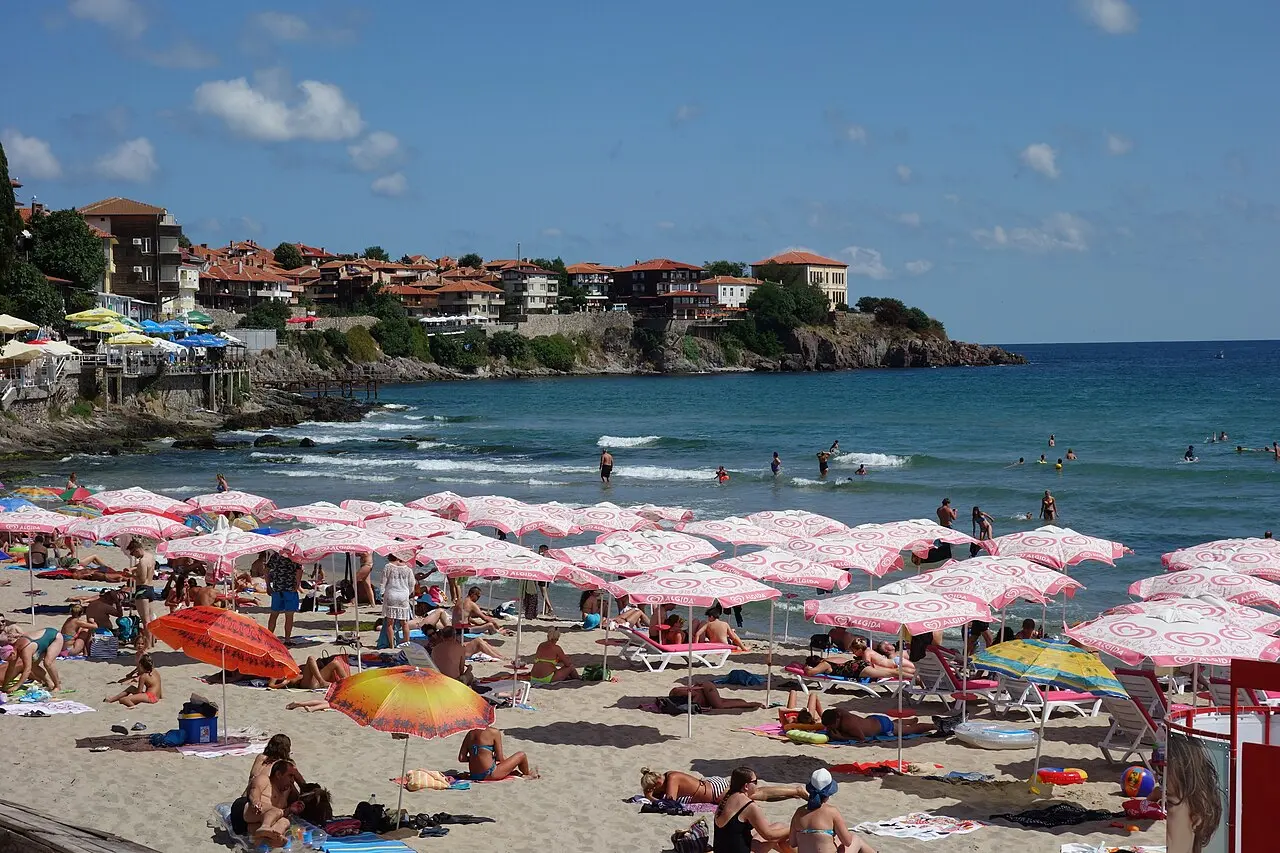
The coast is a gentler risk profile, but not zero. The big resorts run guarded beaches and seasonal medical points, and standard care for a jellyfish sting or too much sun is easy to find. Where the small print bites is water sports: jet-skis, parascending, banana boats and diving are the kind of “hazardous activities” a base policy can quietly exclude. It cuts the other way too - SafetyWing’s base list, for instance, names jet skiing, kayaking and snorkelling as covered - so the only safe move is to look for your activity by name rather than guess which side of the line it falls on. If you plan to do any of it, check that your policy names it, or add the option. For the everyday beach week, a normal travel policy is plenty.
What to check before you buy
- A sensible limit. Around 30,000 to 50,000 euro of medical cover is a comfortable European benchmark; visa applicants need 30,000 as a legal minimum.
- The activity you are actually doing. Winter sports for the slopes, water sports for the coast, mountain rescue for the trails. Find each one named in the policy wording rather than inferred from it.
- A policy you can show in English. Handy at a private clinic that wants to see cover before treating.
- When it starts. Some services have a waiting period of several days, so buy before you travel, not on the way to the airport.
- The car is separate. A medical policy does not cover a rental car. Damage cover (CDW) is arranged with the rental itself, covered in the driving in Bulgaria guide.
The bottom line
Carry your EHIC or GHIC. It is free and it works for the everyday stuff in the state system. But treat it as the floor, not the plan. A proper travel policy is what covers the expensive edges: a private hospital, a flight home, a rescue off the Pirin, a bad day on the slopes. Match the cover to what you’re actually doing in Bulgaria, buy it before you leave, and the one real financial risk of the trip is handled for the price of a couple of dinners.
Photos
Good to know
Entry and insurance rules change, and this page is not a legal source. Confirm the current requirements for your nationality against official sources before you travel - your own government, the EHIC/GHIC pages at ec.europa.eu and nhs.uk, and for visa applicants the Schengen visa insurance rules. Prices are in euro (Bulgaria joined the eurozone on 1 January 2026; fixed 1.95583 leva = 1 euro).
Details checked: September 22, 2026
Read also

Insurance · 10 min read
Ski Travel Insurance for Bulgaria: What It Covers
Verified · August 2, 2026Travel insurance for skiing in Bulgaria: why off-piste is usually excluded, the two different rescues you can be billed for, and what to check first.

Entertainment · 10 min read
Plovdiv Young Wine Festival: November 2026 Guide
Verified · October 6, 2026Plovdiv's Young Wine Festival fills Old Town houses on 20-22 November 2026: how the tasting tokens work, hours, which day to go and where to stay.

Entertainment · 13 min read
Bansko Après-Ski: Bars, Mehanas & Nightlife
Verified · October 3, 2026Bansko after the lifts stop at 16:15: Happy End at the gondola, huts on the way down, Old Town mehanas with folk bands and kapama, bars open to 4am.

What to see · 13 min read
Skiing in Bulgaria vs the Alps: Honest Verdict
Verified · September 13, 2026Bansko's last published 6-day pass was 341 EUR; Livigno's 2026-27 rate is 374.50 EUR. Real lift-pass, terrain and rental numbers, checked Sep 2026.