
Ski Travel Insurance for Bulgaria: What It Covers 2026
Travel insurance for skiing in Bulgaria: why off-piste is usually excluded, the two different rescues you can be billed for, and what to check first.
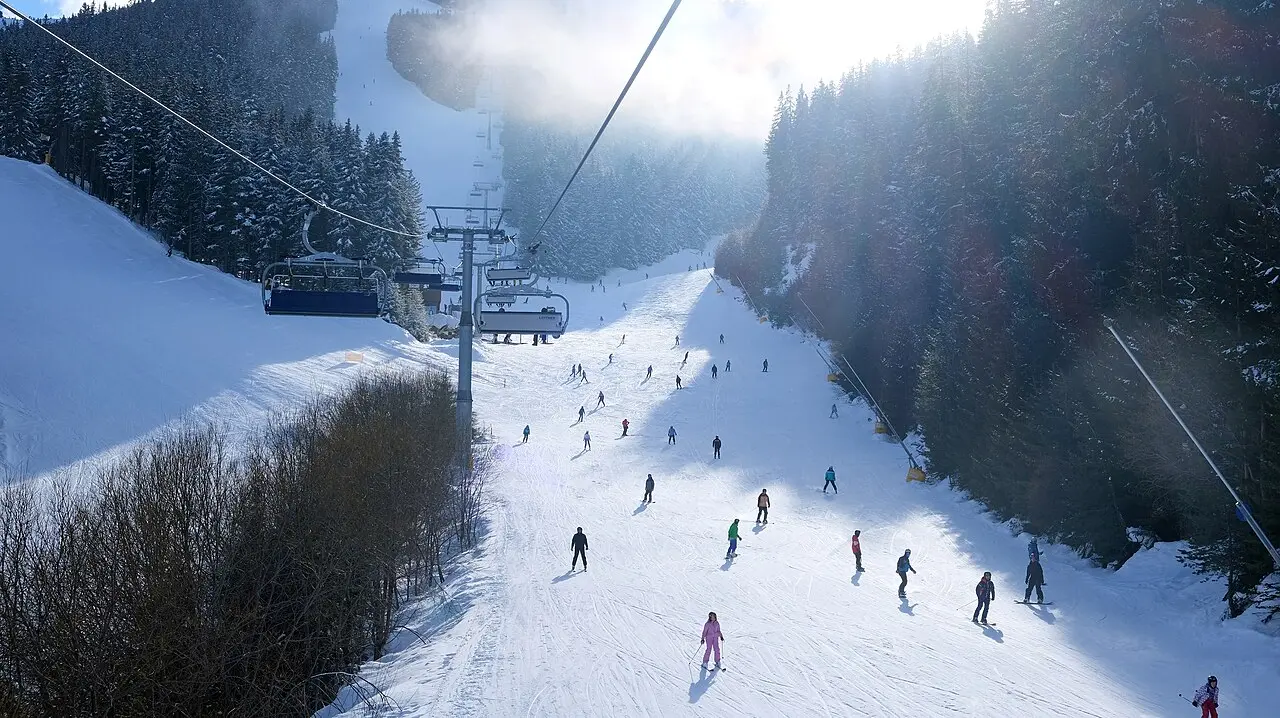
Here’s the quick version. A standard travel policy won’t pay out for skiing unless you’ve added winter-sports cover, and even then it usually stops at the edge of the marked piste: off-piste skiing is a separate box to tick, sometimes with a guide required, and mountain rescue off the slope is billed separately from the hospital care that follows it. If you’re heading to Bansko, Borovets or Pamporovo, that is the fine print worth reading before you book, not after you fall.
Our Bulgaria travel insurance guide covers the basics that apply to every visitor - EHIC and GHIC, the Schengen visa rule, state versus private hospitals. This page goes narrower: what changes once skis or a board are involved, and the two-part rescue question that catches people out on the mountain itself.
Why a standard policy usually isn’t enough for skiing
Most travel insurance is written for the beach and the museum trip, not the mountain. Skiing and snowboarding sit on the standard exclusion list at plenty of insurers, alongside diving and paragliding, and those policies will decline a ski claim outright on the grounds that you were doing something they never priced in. Not all of them work that way, though, and the difference is worth ten minutes. SafetyWing, for one, names skiing and snowboarding as covered activities in its base Essential plan, on marked and patrolled runs and as long as you follow the local ski school; go off-piste and you need its Adventure Sports add-on at an extra US$10 per 28 days, and only on a subscription plan. Wherever your policy sits, sort it before you travel, because one bought after you land, or after the fall, won’t help you.
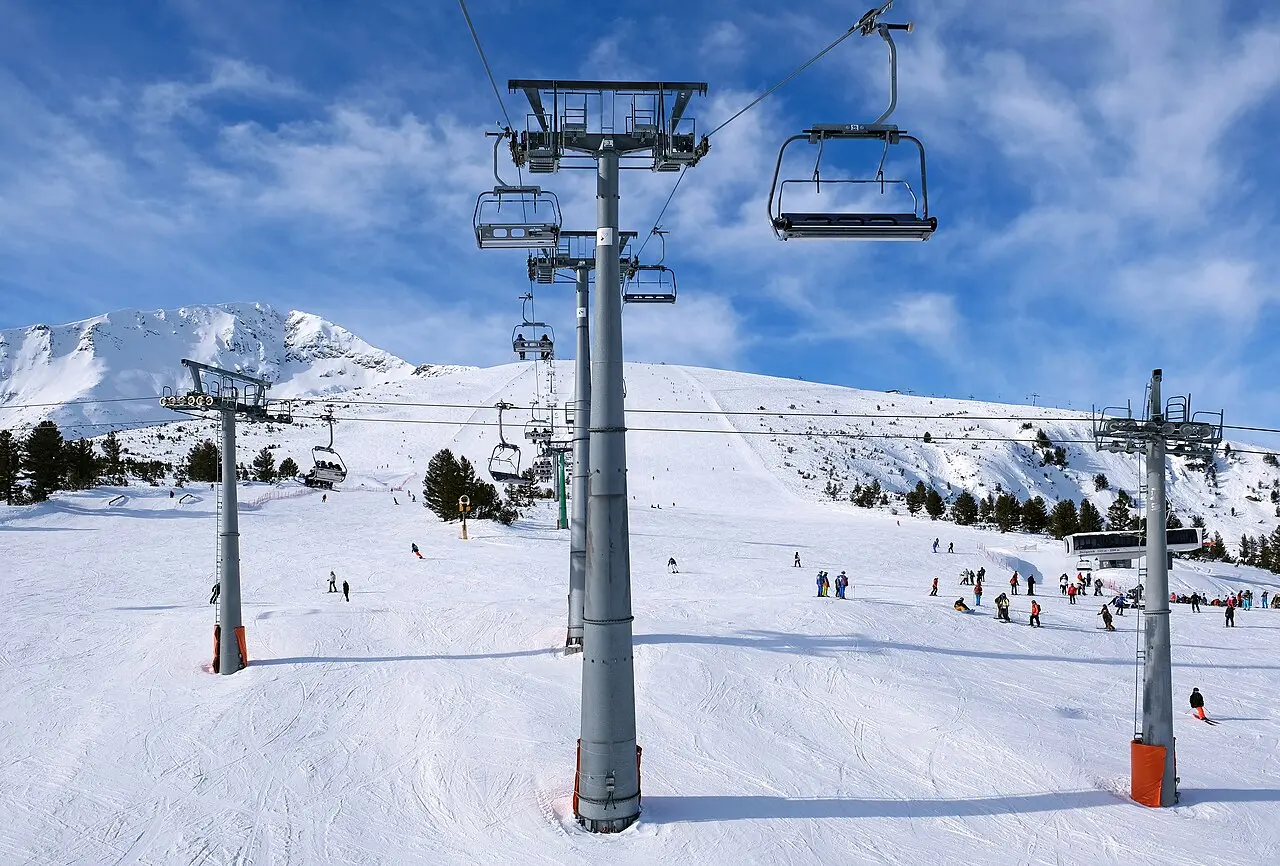
What the add-on buys you is medical treatment, evacuation and repatriation if skiing is what put you in hospital. That’s the part your EHIC or GHIC never covers, on or off a mountain: those cards pay for state-system medical care and stop well short of a private clinic, an air ambulance or a flight home, which is exactly the theme of the wider Bulgaria travel insurance guide. Skiing just raises the odds you will need that cover, and narrows what counts as “covered” if you do.
On-piste versus off-piste: where the cover actually stops
Inside the winter-sports box, there is a second, quieter line most people never read: the difference between on-piste and off-piste. On-piste means the marked, groomed and patrolled runs, the ones with numbered signs and a resort avalanche and grooming programme behind them. That’s what a standard winter-sports add-on is built for.
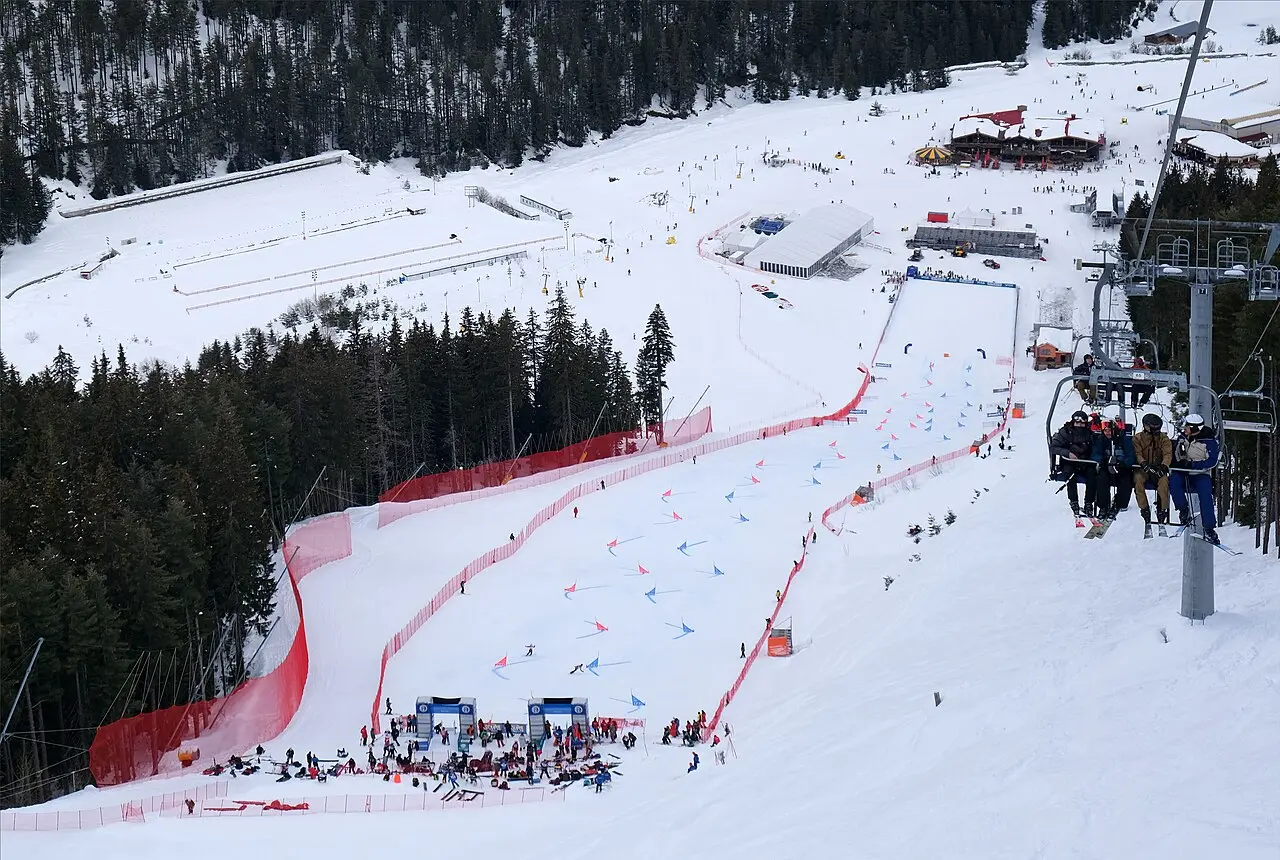
Off-piste, meaning ungroomed terrain outside the marked runs, is a different question entirely. Many policies exclude it outright. Others cover it only within the resort’s marked boundaries, or only with a qualified mountain guide, or only up to a certain point before it counts as an “extreme sport” requiring its own separate add-on. None of that is standard across insurers, which is exactly why it’s worth reading rather than assuming. If you plan to duck a rope at any of Bulgaria’s resorts, confirm in writing, before you buy, whether off-piste is included, and under what conditions.
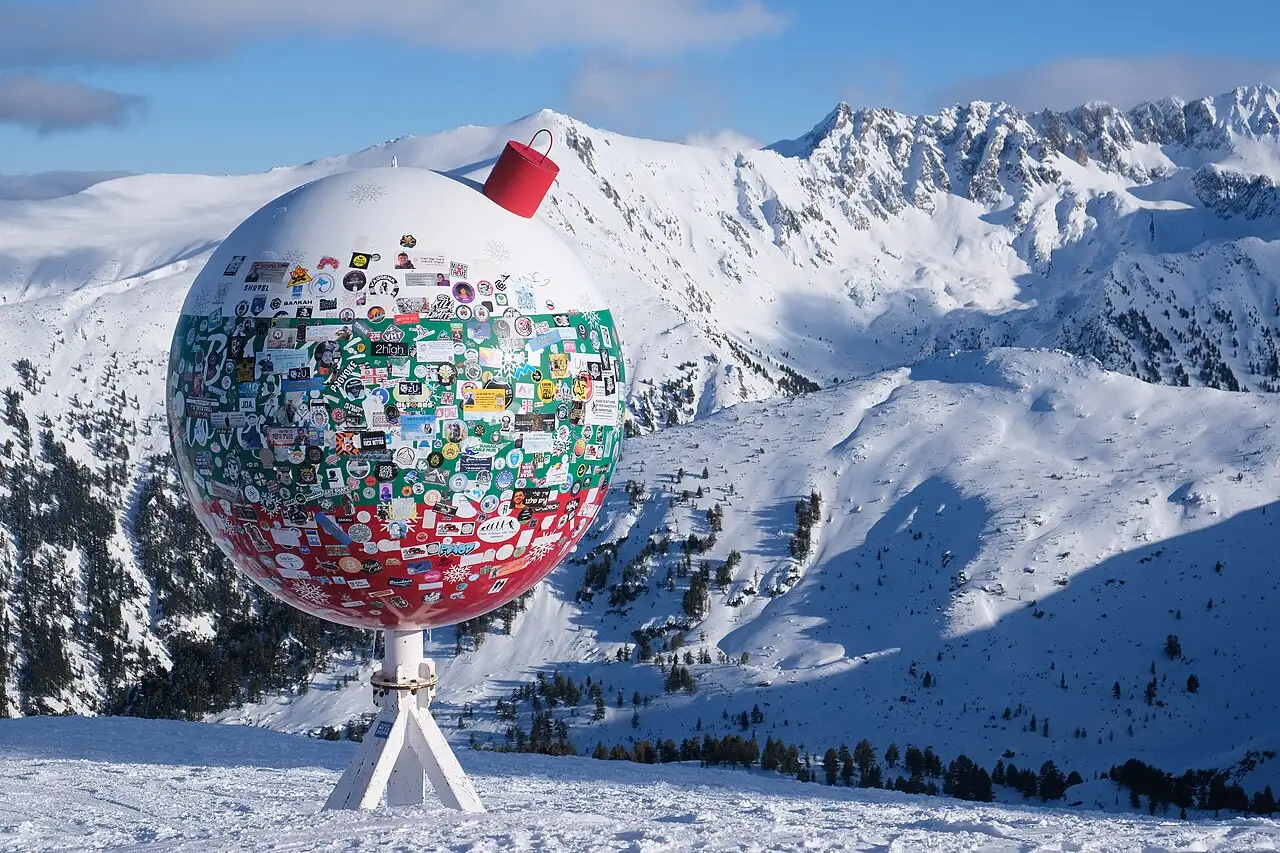
This isn’t a Bulgaria-specific rule, it’s how winter-sports cover works everywhere skiing is sold, but it matters more here than in a resort with ski patrol on every ridge. Bansko, Borovets and Pamporovo are proper mountains with real vertical, and the terrain does not stop being off-piste just because it’s easy to reach from a lift.
Two different rescues: getting off the mountain, and getting treated
This is the part that trips people up, because it looks like one problem and is actually two, billed by two different parties.
The first is physically getting you off the slope: a sled down, a snowmobile tow, occasionally a helicopter for a remote or serious case. In Bulgaria that job belongs to the Mountain Rescue Service, PSS (Planinska Spasitelna Sluzhba), which runs teams at Bansko and the country’s other major ski areas as well as across the hiking ranges. At Bansko specifically, the lift pass itself already includes mountain rescue insurance, according to the resort’s own official tariff, which is a genuinely useful thing to know: buy a day or season pass at the gondola, and piste rescue at that resort is already priced in. Borovets and Pamporovo are worth checking directly, since pass inclusions vary by resort and by season. PSS does not sell a policy itself. What it publishes instead is a price list for its own call-outs, in euro - 285 for an accident in the mountains, 205 for one on a marked piste, 82 to carry a casualty out on its rescue gear - and a list of the Bulgarian insurers that do sell mountain cover, from Lev Ins and Bul Ins to Armeec and Euroins. Several of those write their policies for people legally resident in Bulgaria, so ask whether they will sell to a visitor before you count on that layer.
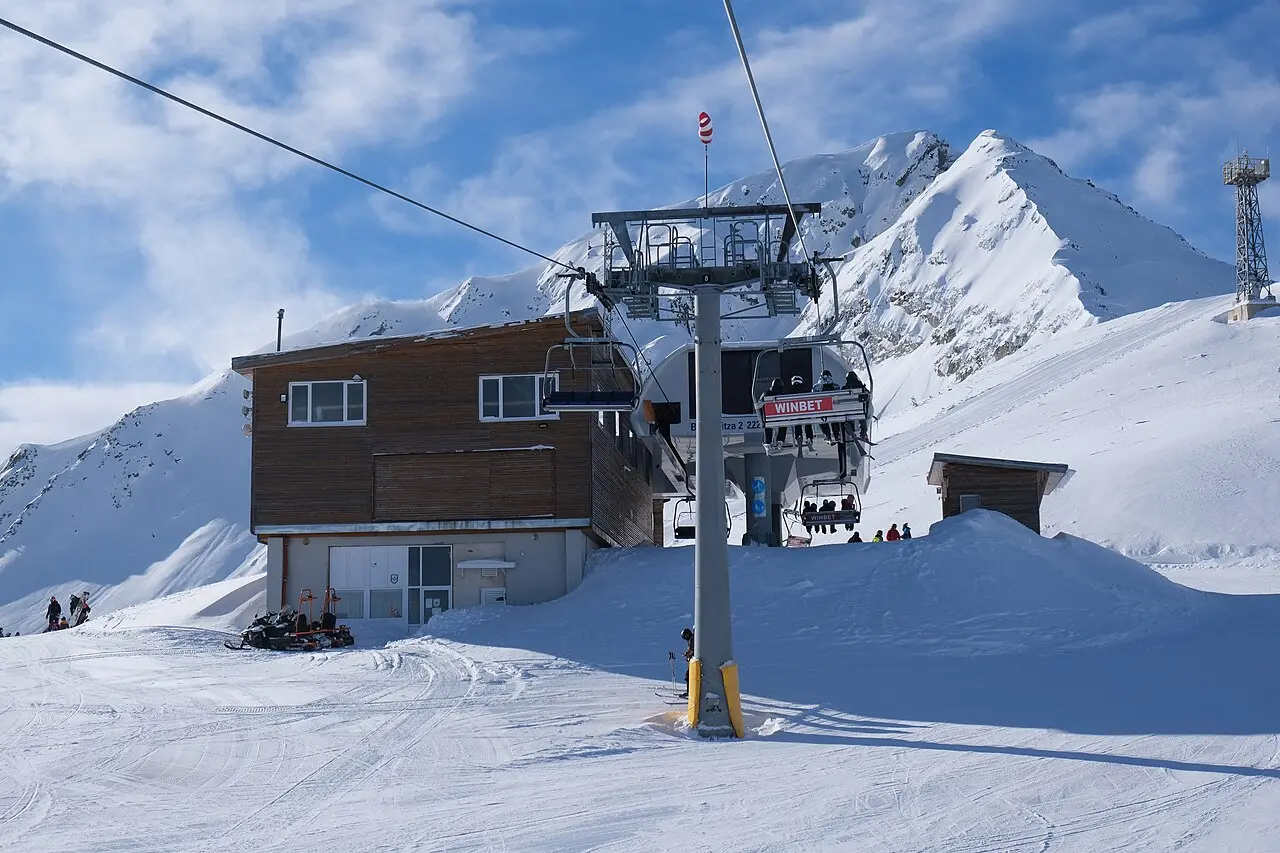
The second job starts once you are off the mountain: the ambulance, the hospital, the scans, and if it’s serious, a flight home. A lift-pass rescue benefit or a Bulgarian mountain policy is built around the rescue itself; any medical element inside it is small and capped, nowhere near enough for a private clinic, an air ambulance or a flight home. That’s squarely a travel-insurance question, and a genuinely large bill if you skip it: the one line on the PSS tariff with no number against it is the helicopter, which the service prices case by case according to the kind of operation, all before a single hospital charge is added. If your PSS-style rescue cover or lift pass gets you to the base station, and your travel policy’s winter-sports add-on gets you from there to a full recovery, you have actually closed the loop. Miss either half and you are exposed on that half specifically.
Equipment, baggage and the ski bag that goes missing
Medical cover is the part that can bankrupt a trip, but it’s not the only thing worth checking. A rented ski or snowboard set is usually the hire shop’s problem if it’s damaged on the mountain, covered by a small deposit or a damage waiver you pay at the counter, not your travel policy - which is one reason renting locally is so common in Bulgaria rather than flying with your own kit. If you’re bringing your own skis or a board anyway, check whether your policy’s baggage section extends to sports equipment specifically, since general baggage cover sometimes caps sports gear at a lower limit or excludes it altogether. A lost or delayed ski bag is a mundane, common travel hiccup rather than a medical emergency, but it’s the kind of thing that ruins the first day of a short trip, and it’s worth the two minutes it takes to check the policy wording before you fly.
Bansko, Borovets or Pamporovo: the same policy question at every resort
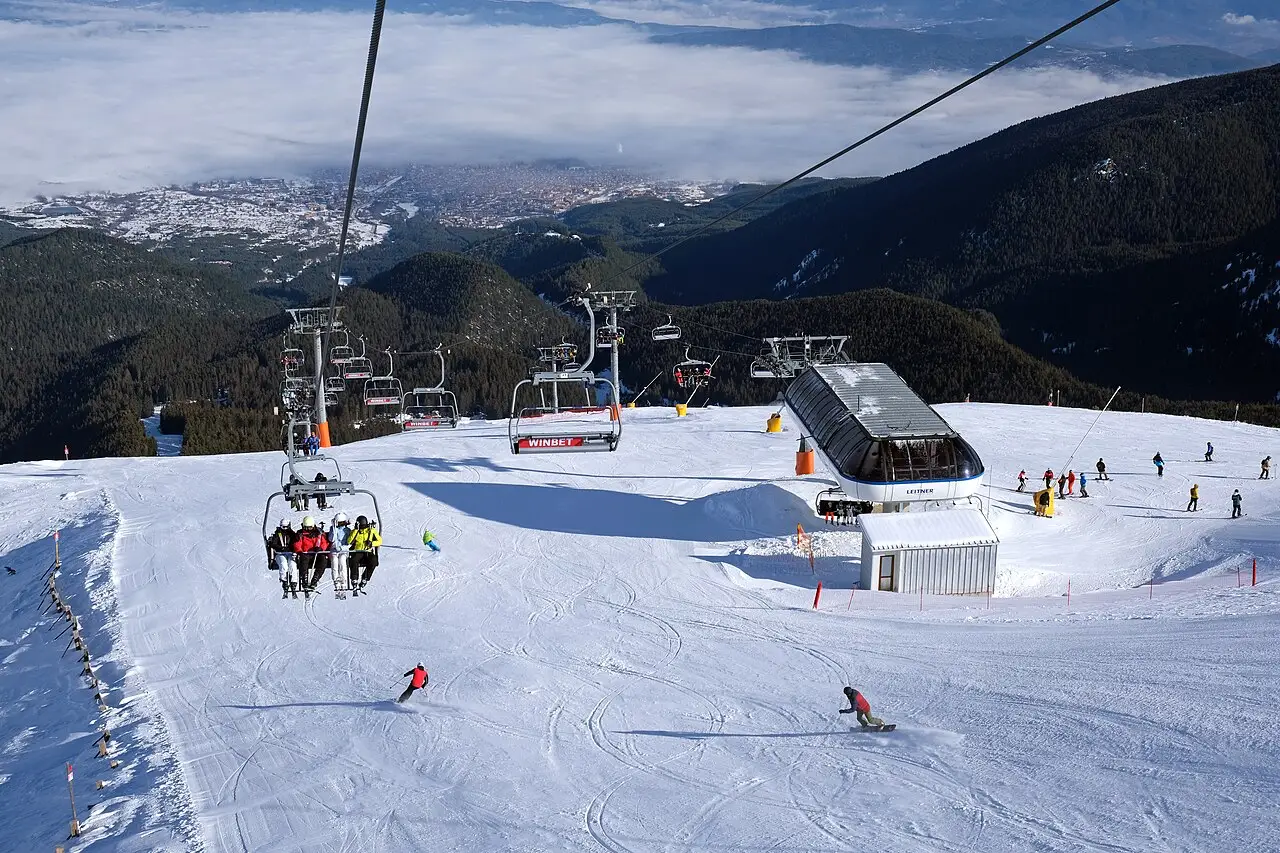
None of this changes much between resorts, which is good news if you’re comparing them. Whichever you pick, our Bansko skiing guide has the lift pass prices and the terrain, and if you’re still deciding, Bansko versus Borovets weighs the two head to head. The altitudes differ (Bansko tops out around 2,530 m, Borovets around 2,550 m, Pamporovo’s high point at Snezhanka is lower at 1,926 m), but the insurance answer doesn’t move with altitude the way you might expect: a fall on a blue run at 1,600 m needs the same medical cover as a fall higher up, and the off-piste question depends on where you actually ski, not which resort you booked.
Our Bulgaria in winter guide lays out how the three resorts compare on cost, season dates and getting there, if you’ve not settled on one yet. Buy one policy that covers the whole trip rather than trying to match cover to a single resort - plans shift once you’re actually on the ground, and nothing about switching resort mid-trip should depend on which one your insurance happens to know about.
What to check before you buy
- The winter-sports box is ticked. Some policies include on-piste skiing in the base plan and some do not, so read yours rather than assume either way.
- Off-piste is named explicitly, and you understand any condition attached to it, such as a guide requirement or a distance-from-piste limit.
- Mountain rescue and search-and-rescue are in the policy, with a limit that is not capped low, on top of whatever your lift pass or a Bulgarian mountain policy already includes.
- Equipment cover, if you’re flying with your own skis, boots or a board rather than renting.
- The dates match your actual ski days, not just “winter” in general, and the policy is bought before you fly rather than at the resort.
- A limit around 30,000 to 50,000 euro of medical cover is a sensible European benchmark to aim for; if you’re applying for a Schengen visa to enter, 30,000 euro specifically is the legal minimum.
The bottom line
Skiing doesn’t make Bulgaria expensive to insure, but it does make the small print worth actually reading. Add winter-sports cover before you travel, know exactly what your policy says about off-piste, and understand that a lift pass or a mountain policy gets you off the mountain while your travel policy takes over from there. Get that right and Bansko, Borovets and Pamporovo are as straightforward to ski safely as anywhere in the Alps, for a fraction of the price.
Photos
Good to know
Insurance wording and prices change between insurers and seasons, and this page is not a legal source. Read your own policy document before you ski, and confirm current terms directly with the insurer. Prices are in euro (Bulgaria joined the eurozone on 1 January 2026; fixed 1.95583 leva = 1 euro).
Details checked: August 2, 2026
Read also

Insurance · 13 min read
Bulgaria Travel Insurance: EHIC, GHIC & What to Buy
Verified · September 22, 2026Bulgaria travel insurance: what your EHIC or GHIC covers, why it never pays for repatriation, private clinics or mountain rescue, and what to buy.

Entertainment · 10 min read
Plovdiv Young Wine Festival: November 2026 Guide
Verified · October 6, 2026Plovdiv's Young Wine Festival fills Old Town houses on 20-22 November 2026: how the tasting tokens work, hours, which day to go and where to stay.

Entertainment · 13 min read
Bansko Après-Ski: Bars, Mehanas & Nightlife
Verified · October 3, 2026Bansko after the lifts stop at 16:15: Happy End at the gondola, huts on the way down, Old Town mehanas with folk bands and kapama, bars open to 4am.

What to see · 13 min read
Skiing in Bulgaria vs the Alps: Honest Verdict
Verified · September 13, 2026Bansko's last published 6-day pass was 341 EUR; Livigno's 2026-27 rate is 374.50 EUR. Real lift-pass, terrain and rental numbers, checked Sep 2026.