
How Many Days Do You Need in Bulgaria?
How many days in Bulgaria? 3-4 for a city break, 7 for the classic loop, 10-14 to add the Black Sea coast or mountains - what each length buys.
Seven days is the sweet spot for a first trip to Bulgaria: enough to pair the relaxed capital, a mountain monastery and an old town or two without watching the clock. Shorter works fine, too - three or four days makes a solid city break, and ten to fourteen lets you fold in the Black Sea coast or the mountains. Below is what each length actually buys you, so you can size the trip to the Bulgaria you came for.
The short version
- 3 to 4 days: Sofia plus one big day out (Rila Monastery, or Plovdiv). A long-weekend city break.
- 5 days: Sofia and Plovdiv done properly, with the Rila day trip slotted in between.
- 7 days: the classic first loop - Sofia, Rila, Plovdiv, Veliko Tarnovo. The best all-rounder, and the one to aim for if you can.
- 10 days: that same loop plus the Black Sea coast, or a slow wander through the Rhodope villages and mountains.
- 14 days: the whole country at a walking pace - cities, mountains and coast with no forced marches.
- The lever that matters most: whether you rent a car. Bulgaria’s intercity buses are cheap and good, but thin on the cross-country and mountain legs, and useless for reaching Rila.
A weekend, or 3 to 4 days: Sofia and one day out
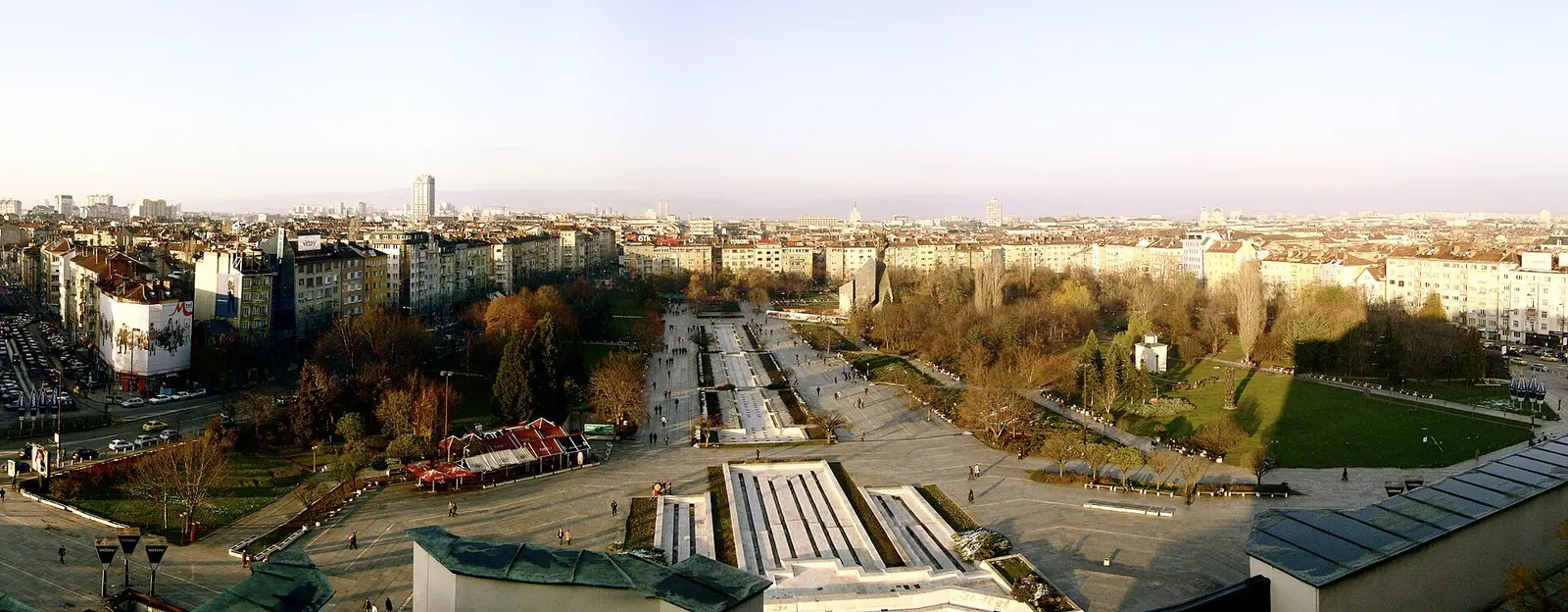
If all you’ve is a long weekend, spend it on the capital and one big day trip. Give Sofia two nights and you’ll be surprised how much it holds without rushing: the gold-domed Alexander Nevsky Cathedral (free to enter), the 4th-century St George Rotunda, Roman Serdica ruins sitting under a glass floor in the metro underpass, and Vitosha mountain rising straight off the end of the boulevards. Out on the edge of town, the tiny UNESCO-listed Boyana Church shows its 1259 frescoes in timed ten-minute slots, so book that around a fixed time. Our guide to the best things to do in Sofia puts it all in walkable order.
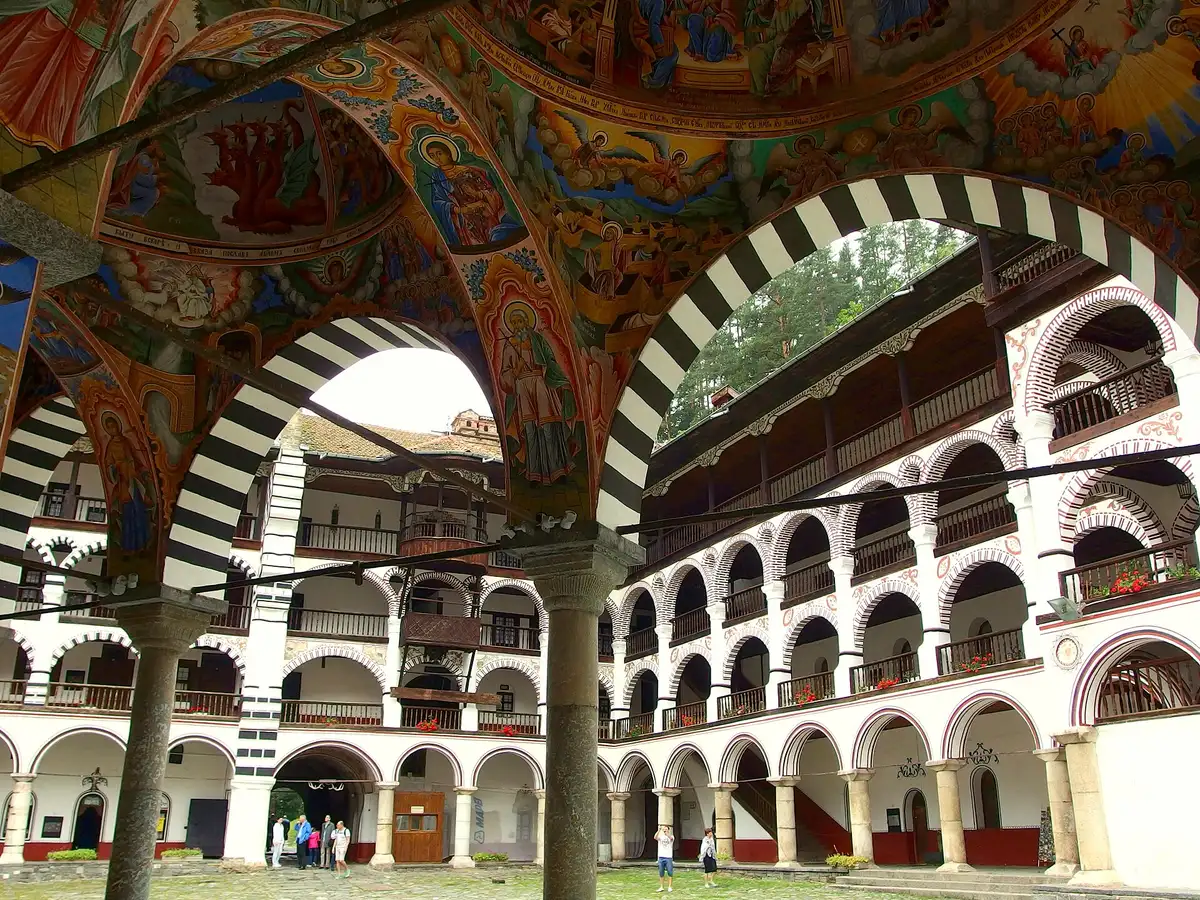
Then take one full day for the country’s single best half-day out: Rila Monastery, about 120 km south, a 2 to 2.5 hour drive up into the Rila mountains. Here’s the catch nobody tells you until you’re stuck at a bus station: there’s no reliable scheduled public bus to Rila and there hasn’t been for years. So it’s drive it yourself, take the daily tourist shuttle from central Sofia, or join a tour - not the local bus. The courtyard and church are free; you pay only a few euro for the museum and the tower.
Swap Rila for Plovdiv (two hours away by frequent bus) if old towns move you more than mountains, and you have the shape of a very good three or four day trip. Either way the choice is arithmetic more than taste, and our guide to day trips from Sofia sorts the candidates by how much of the day each one eats.
Five days: add Plovdiv
Five days is where Bulgaria stops being a city break and starts being a trip. The natural shape is two nights in Sofia with the Rila day trip, then two nights in Plovdiv. Sofia to Plovdiv is about 145 km, and this is the first place Bulgaria breaks a European habit: the bus beats the train, roughly two hours by frequent coach against nearly four on a roundabout rail line.
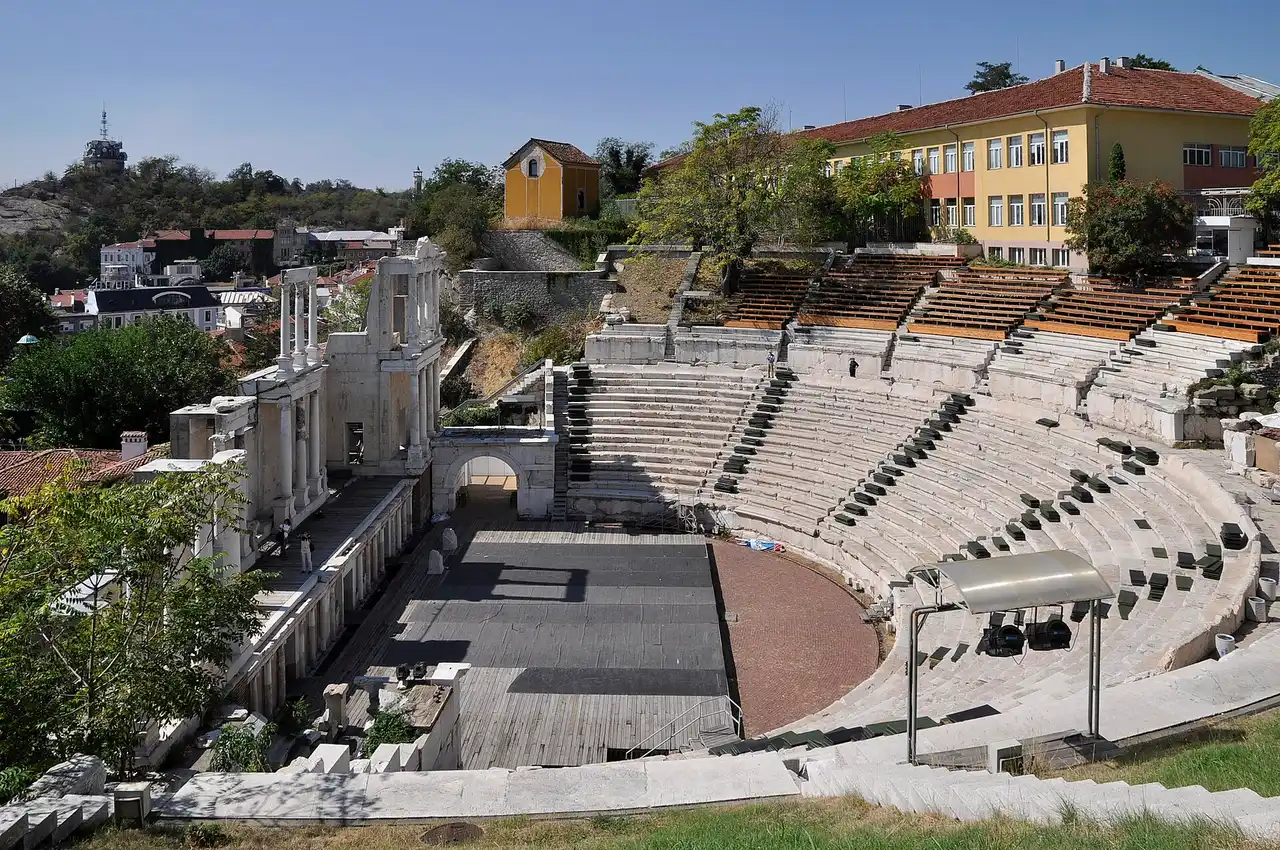
Plovdiv rewards slow wandering. The Roman Theatre of Philippopolis, rediscovered under a landslide in 1972, is no roped-off ruin - it still hosts opera and concerts for thousands. Above it climbs an Old Town of painted 19th-century Revival mansions, and below it sits Kapana, the creative quarter of galleries, wine bars and small-batch coffee that carried the city’s 2019 European Capital of Culture year. Our full guide to the best things to do in Plovdiv sorts it by neighbourhood. Five days gets you two great cities properly, and that’s a genuinely satisfying trip on its own.
Seven days: the classic first loop
Seven is the number to aim for. It adds one more stop to the five-day plan - Veliko Tarnovo - and turns two cities into a loop that hits Bulgaria’s whole cultural core: capital, mountain monastery, Ottoman-era old town and medieval citadel. The run is Sofia to Rila to Plovdiv to Veliko Tarnovo and back, roughly 610 km all in, and our 7-day Bulgaria itinerary maps it day by day with the drive times and tickets.
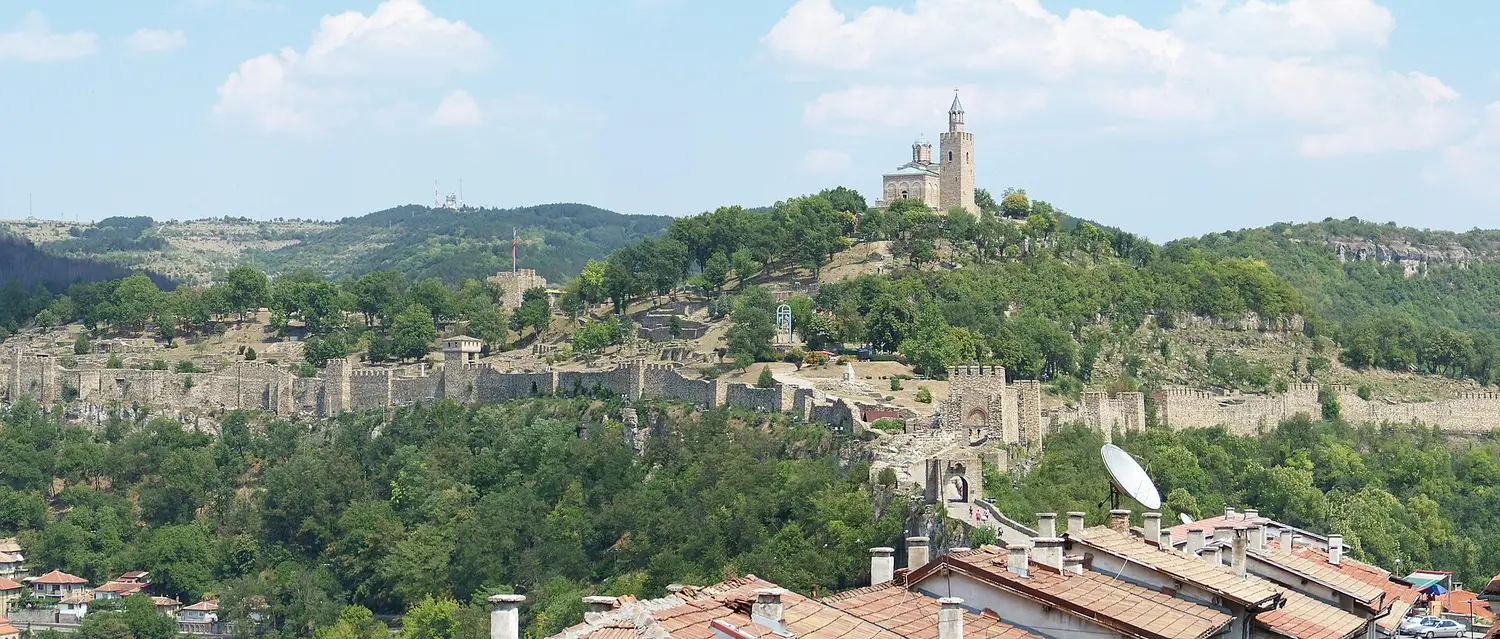
Veliko Tarnovo is the payoff: the medieval capital of the Second Bulgarian Empire, stone houses stacked up the cliffs of the Yantra gorge, all of it under the great Tsarevets fortress (adult entry about 7.67 euro). One honest warning about this leg - Plovdiv to Veliko Tarnovo is around 190 km over the Balkan range, 2.5 to 3 hours by car but a real chore on public transport, with barely one direct bus a day and a slow train that changes. This is the single stretch where a rental car or a booked transfer earns its keep. A week here never feels rushed; it feels complete.
Ten days: reach the Black Sea coast
With ten days the coast finally comes into range - but be honest with yourself about the map. Sofia to Varna is about 444 km, five and a half hours of driving, or a 50-minute flight with Bulgaria Air. So don’t try to bus the entire cultural loop and the seaside into ten days; either fly one leg or drive it, and give the coast three or four nights rather than a flying visit.
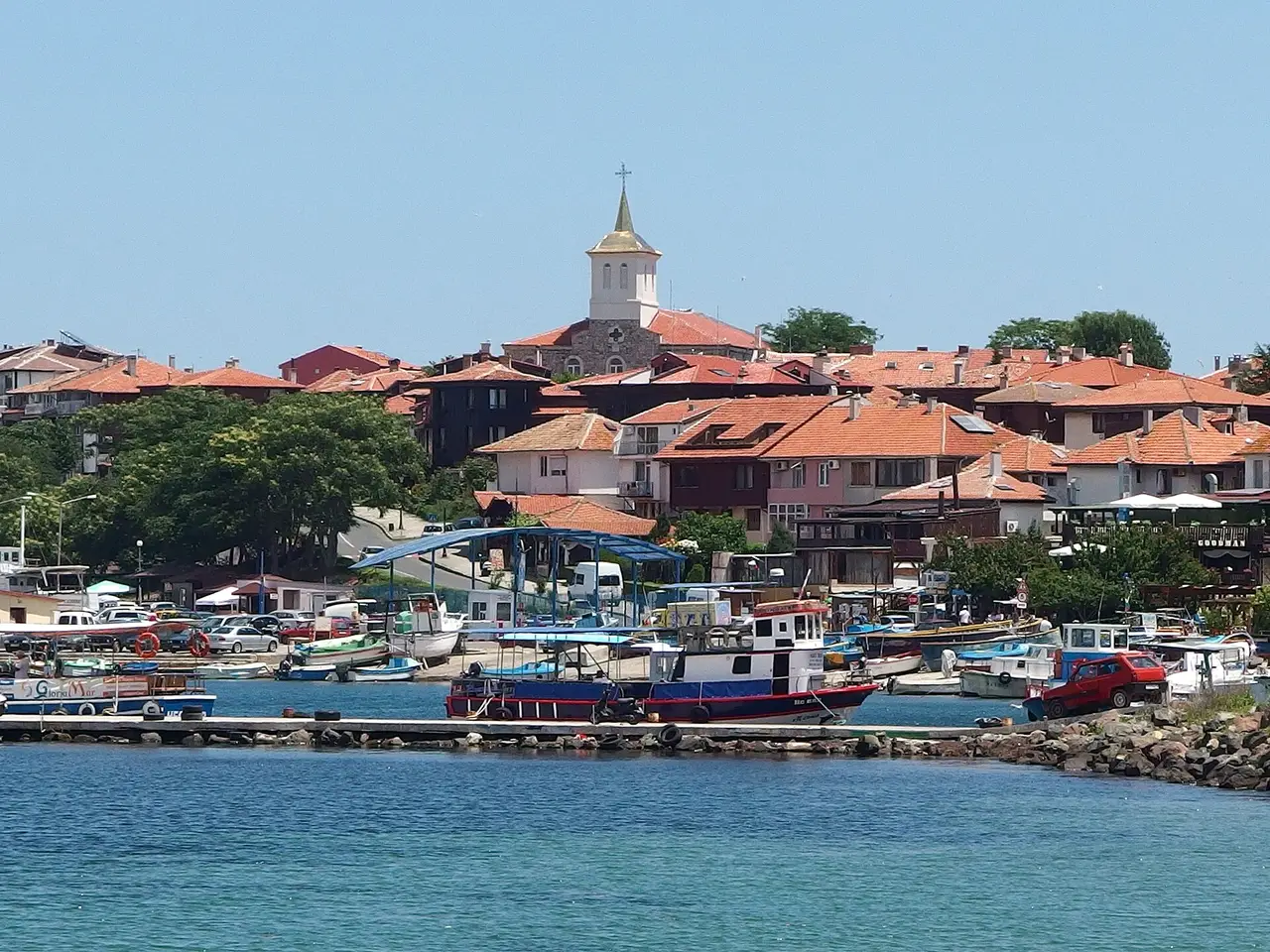
What you add depends on your taste. Nessebar is the marquee stop, a UNESCO old town of medieval churches and wooden houses crammed onto a rocky peninsula. Quieter Sozopol, just south of Burgas, is prettier than the big resorts and has sandy beaches a short walk from its lanes. And Varna, the coast’s easygoing city, has its Sea Garden, Roman baths and the museum that holds the oldest worked gold on earth. You’ll want to time your coast for May to September; in July and especially August the resorts fill and prices peak, so aim for the shoulders if you can. To pick between them and the big resorts, see our ranking of Bulgaria’s Black Sea resorts.
Two weeks: the whole country, unhurried
Fourteen days is Bulgaria without compromise - cities, coast and mountains, with room to slow down and even do nothing for a day. You’ll want to check one thing before you book a stay this long: since Bulgaria joined Schengen, the days here come out of the shared 90-in-180 allowance, which our Bulgaria entry requirements guide explains. That’s when the country’s quieter corners repay the extra time: the frescoed churches and craft villages of the Rhodopes, the alpine day hike up to the Seven Rila Lakes, the wine cellars of tiny Melnik, or the strange sandstone towers and fortress at Belogradchik in the far northwest.
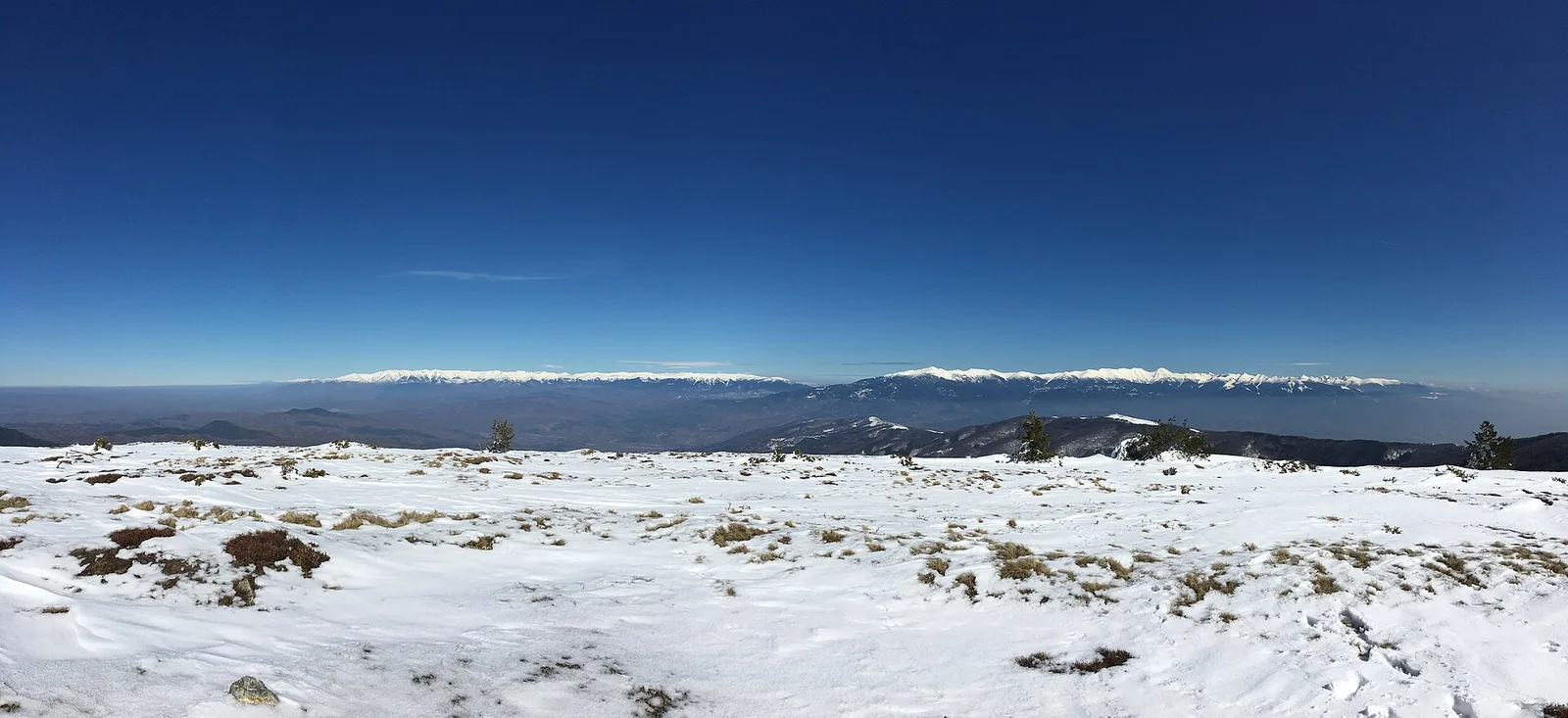
In winter the calculation flips: swap the coast for the slopes and give a few of those days to skiing in Bansko, about 160 km and a 2.5 hour drive south of Sofia. Two weeks is also the point where a car stops being optional if the villages and mountains are what you’re after - the buses simply don’t reach most of them on a useful schedule.
What actually decides your number
The day counts above are a starting grid, not a rule. A few things move you up or down it:
- Your pace. If you like three sights before lunch, you’ll move faster than these estimates; if a long lunch and a slow evening walk is the point, add a day per city. Bulgaria rewards the slower version - the old towns of Plovdiv and Veliko Tarnovo are made for it.
- The season. The coast only earns its place from roughly May to September, and it is worth flying to when it does. Winter turns those same coastal days into ski days. Our best time to visit Bulgaria guide breaks the trade-offs down month by month.
- Car or bus. Buses are cheap and frequent between the big cities but thin on the cross-country legs and no help for Rila or the mountain villages; a car unlocks the harder-to-reach half of the country. Our getting around Bulgaria guide covers what connects and what doesn’t.
- One base or moving on. Hate repacking? You can day-trip a surprising amount from Sofia alone - Rila, Plovdiv and the Revival village of Koprivshtitsa are all within reach - and see plenty in four or five days without changing hotels.
- Budget barely factors. Bulgaria is the cheapest country in the EU, so extra days on the ground cost little; the flight is usually the big line, which argues for making the trip worth the airfare. See is Bulgaria expensive for real daily numbers. One practical note for 2026: the country is on the euro now, prices still show in both currencies until 8 August, and small tickets and monastery parking still love cash - our guides to what the euro switch changed and money in Bulgaria have the detail.
So, how many days?
Aim for seven if the calendar allows it - a week is the honest, complete first trip, enough for the capital, the mountains and the old towns without a rushed hour anywhere. Take three or four for a city-break taster built on Sofia and one big day out, five to add Plovdiv properly, and stretch to ten to fourteen when you want the Black Sea coast or the mountains folded in. Whatever length you land on, book the accommodation early for the peak months and the coast, keep the itinerary loose enough to enjoy a slow lunch, and Bulgaria delivers far more trip than it costs.
Good to know
Distances and drive times are indicative and drawn from route planners (Rome2Rio) and local guides, checked July 2026; they vary with traffic, season and roadworks. Prices are 2026 figures in euro (Bulgaria joined the eurozone on 1 January 2026). Confirm times and prices before you book.
Details checked: July 13, 2026
Read also

Before you go · 12 min read
How Much Does a Bulgaria Ski Holiday Cost?
Verified · September 13, 2026A Bulgaria ski week usually lands around 770 to 1,170 EUR mid-range: lift pass, hire, bed, food and transfer from official 2025-26 tariffs.

Before you go · 9 min read
Day Trips from Sunny Beach: Nessebar & Beyond
Verified · August 28, 2026Day trips from Sunny Beach: Nessebar on the local bus, Sozopol via Burgas, Strandzha jeep days. Times, tickets and what fits in a day. 2026.

Before you go · 10 min read
Bulgaria or Greece: Which Beach Holiday Is Better?
Verified · August 27, 2026Greece wins on islands and water clarity; Bulgaria wins on price and sandy resort beaches. Who each suits, real 2026 costs and flights from the UK.

Before you go · 8 min read
Day Trips from Varna: Balchik, Kaliakra & Caves
Verified · August 26, 2026Day trips from Varna: Balchik Palace from €10, Cape Kaliakra cliffs, Aladzha rock monastery and Pobiti Kamani. Distances, buses and what fits in a day.