
Getting Around Bulgaria: Trains & Buses 2026
How to get around Bulgaria without a car: intercity buses vs BDZ trains, the booking apps, overnight sleepers to the coast, city transport and euro fares.
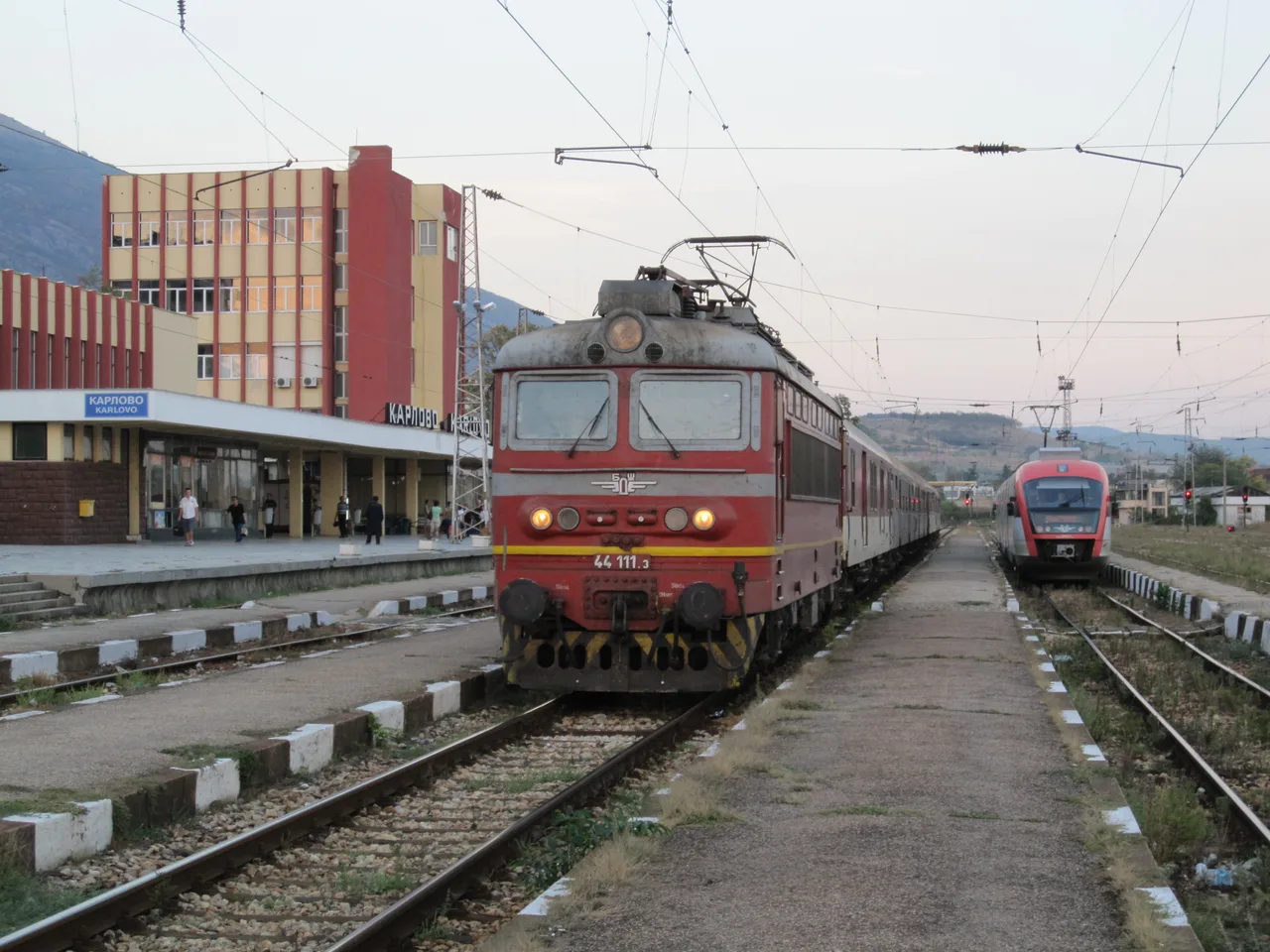
For getting around Bulgaria without a car, the intercity bus is your workhorse: buses are faster, run more often and reach more towns than the trains, and they cost about the same. Take the train when the route is scenic or you want an overnight sleeper to the Black Sea, and only consider a cheap domestic flight to skip the long summer haul from Sofia to the coast. Inside the cities you rarely need more than your feet, the Sofia metro and the occasional taxi.
Bulgaria is compact, distances are short and public transport is genuinely cheap, so you can see most of the country without ever renting a car. Think of this as the map of how it all fits together: which mode wins for which trip, how to buy a ticket without a word of Bulgarian, and the handful of journeys where a car or a flight actually earns its keep. For the big individual routes, it points you to the detailed guides.
Buses: the default for town-to-town travel
For most journeys between Bulgarian towns, take the bus. The intercity network is dense, the coaches are modern and air-conditioned, and services are frequent, which is why locals lean on buses far more than trains. The routes are run by private operators - Union Ivkoni, Biomet and Etap are the names you will see most - and on the busy corridors they leave through the day rather than a handful of times.
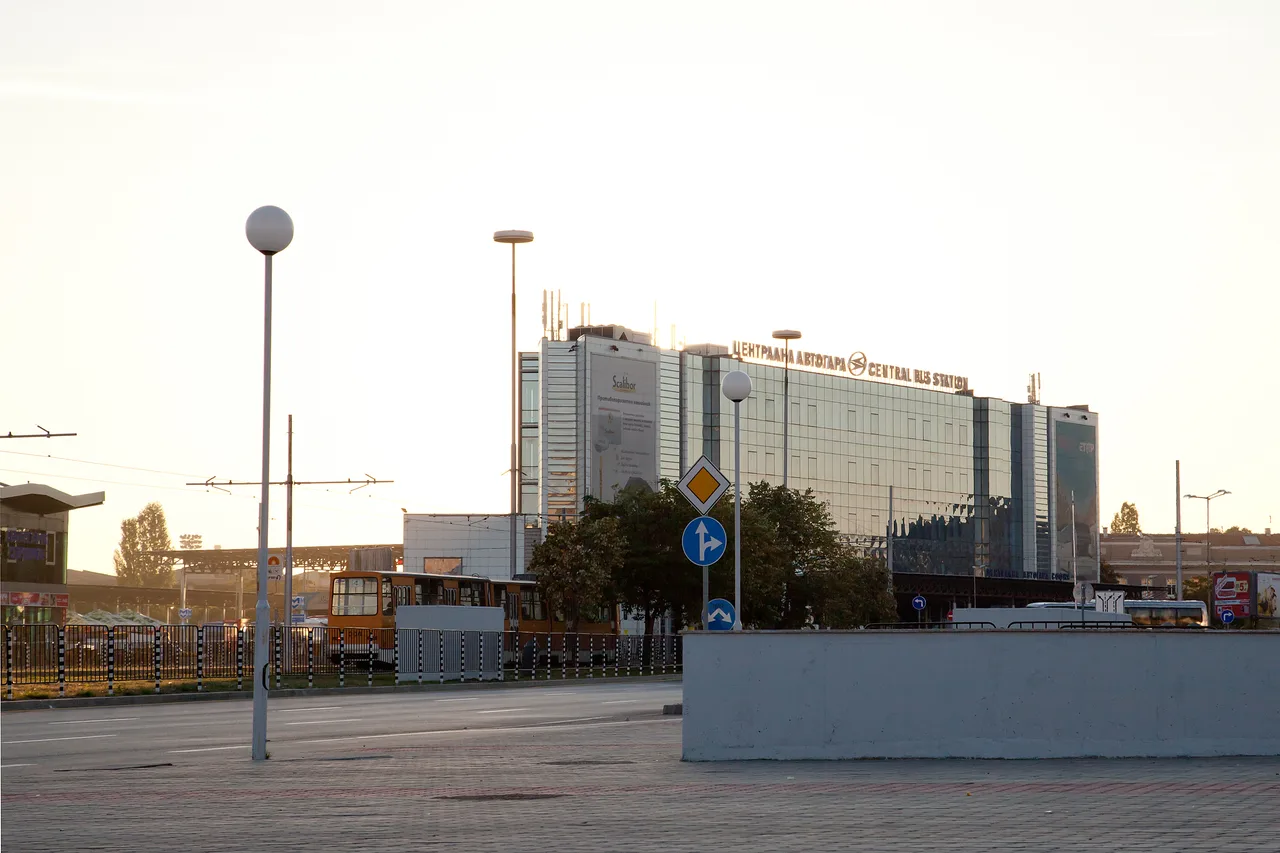
In Sofia they nearly all start from the Central Bus Station (Tsentralna Avtogara) on Knyaginya Maria Luiza Boulevard, right next to the railway station and about a kilometre north of the centre. It’s a big, modern building with dozens of ticket windows and a departures screen; you can buy at the window on the day for most routes, or book popular runs online through the operator or the station site. One practical note: that station area is fine for catching a bus but a bit grim to linger in, so treat it as a transit point, not somewhere to hang about.
The one thing worth doing in advance: in July and August, book the coast routes (Sofia to Burgas or Varna) a day or two ahead, because the popular departures sell out. Off-season and on quieter routes you can usually just turn up.
Trains: slower, a little cheaper, and sometimes the nicer ride
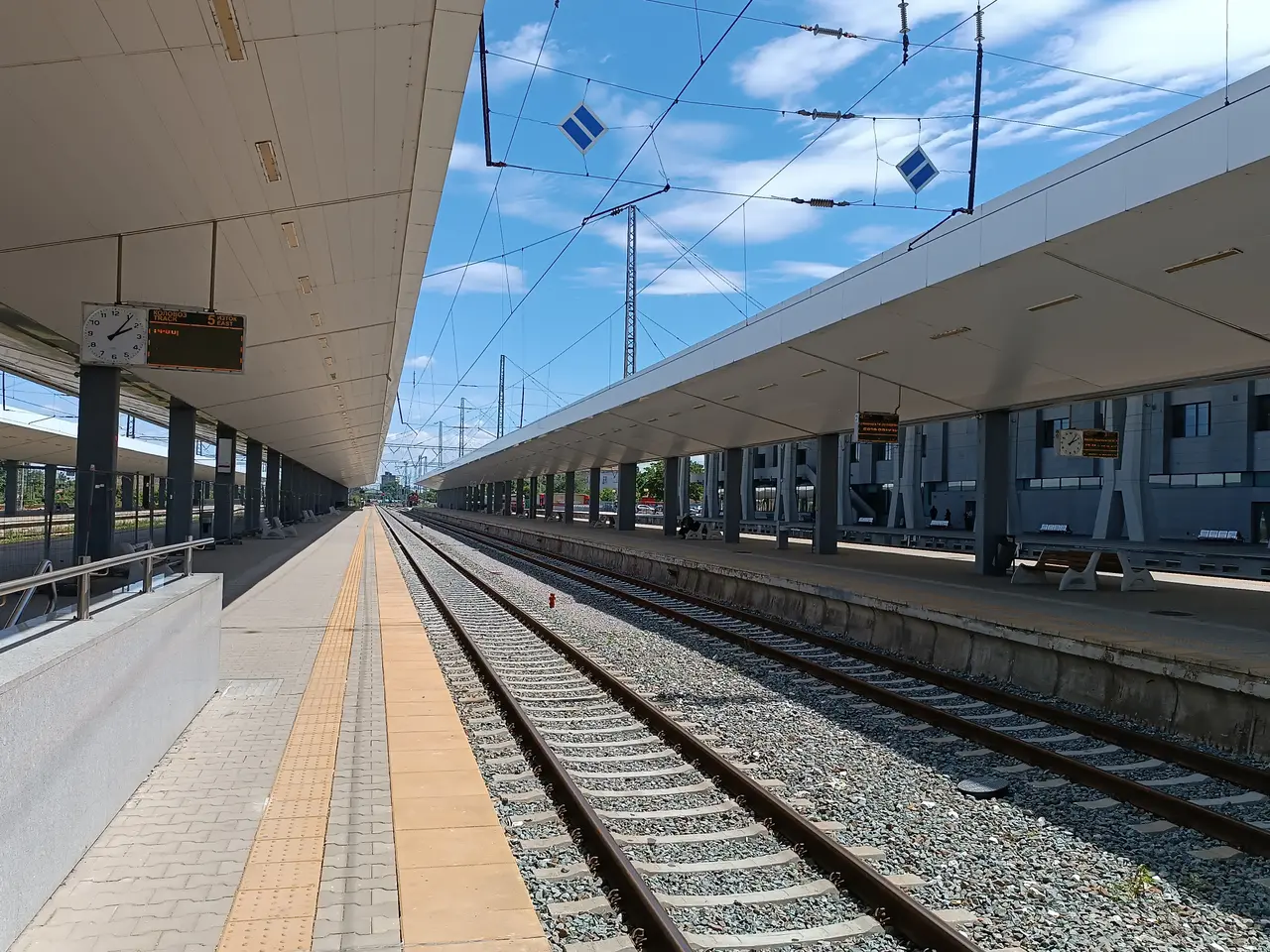
Bulgaria’s railways, run by BDZ (Bulgarian State Railways), are the other half of the picture. Trains are generally slower than the bus on the same route and the rolling stock can be old, so they’re not the fastest way from A to B. What they offer instead is a bit more room, better scenery on the mountain lines, and the option of sleeping through a long journey.
Two train types matter: the Barz vlak (fast train), which skips the small stops, and the Patnicheski vlak (slow train), which calls at everything. On any intercity route you want the fast one. You can check times on the timetable site (razpisanie.bdz.bg) and buy on bdz.bg or the BDZ mobile app, which takes international Visa and Mastercard and issues a mobile or print-at-home ticket for most routes. The fleet is slowly improving, too, with dozens of second-hand Deutsche Bahn coaches arriving to ease years of shortages.
Overnight sleepers to the coast
This is the train’s best trick, and the one most visitors miss. BDZ runs night trains from Sofia to Burgas and Varna that leave late (around 22:50) and pull in the next morning (around 06:30), turning the long trek to the Black Sea into a night you would have spent in a hotel anyway. A seat is cheap, roughly the price of the day train, and a berth in a couchette or a private sleeper compartment costs only a small supplement on top - a private compartment works out around 23 euro all in. Book the sleeper ahead in summer; the beds go first.
The scenic exception: the narrow-gauge line
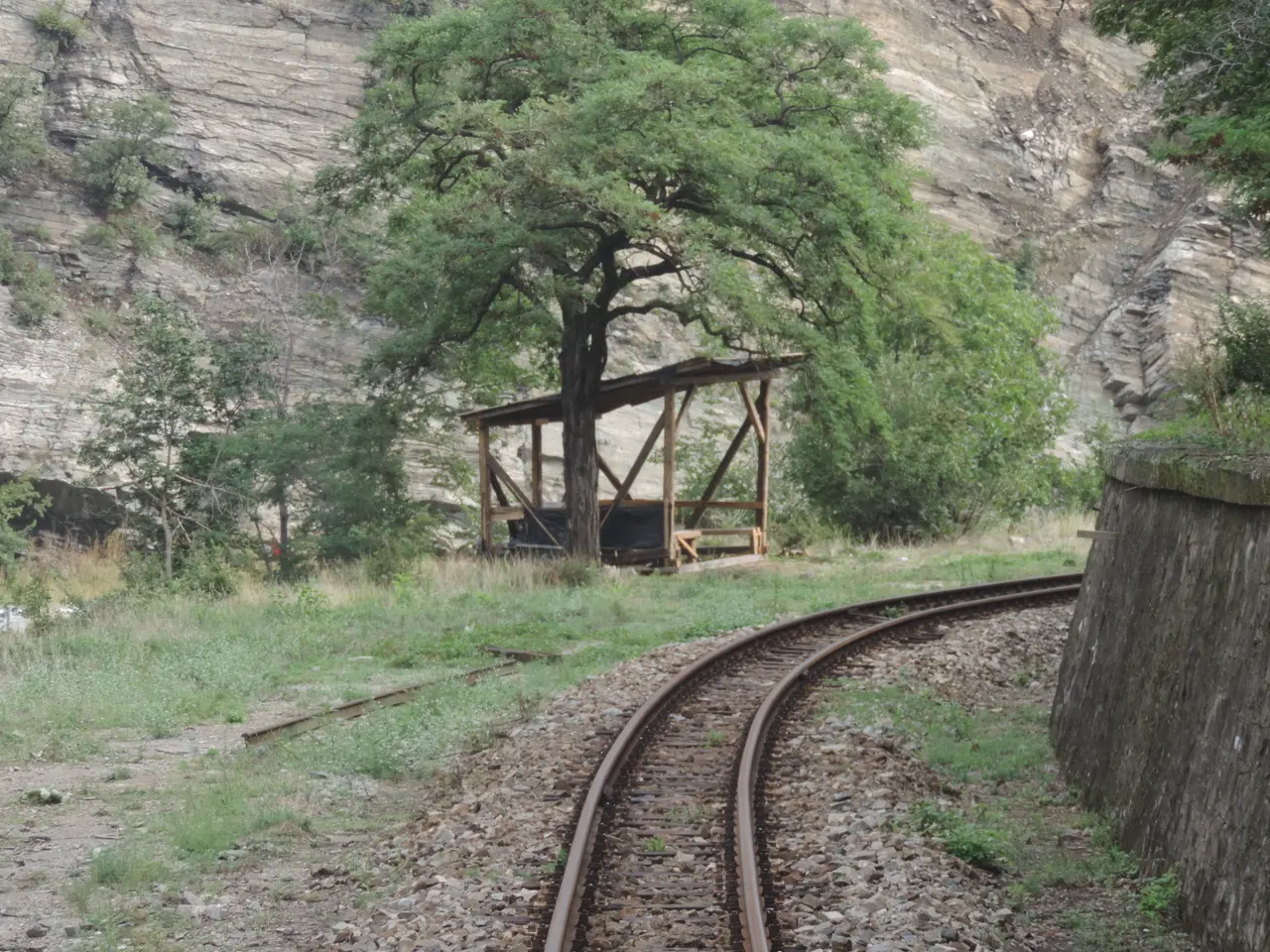
If you care about the journey as much as the destination, the Septemvri to Dobrinishte narrow-gauge railway is worth a detour on its own. It climbs slowly through the Rhodope and Rila mountains on a metre-gauge track, past gorges and villages, and it is one of the most beautiful rail rides in the Balkans. Nobody takes it to save time; you take it because the slow, rattling climb is the point.
The main routes at a glance
Approximate journey times, to help you pick a mode. Treat these as planning numbers and confirm the current timetable before you go:
- Sofia to Plovdiv: about 2 to 2.5 hours by fast train or bus, all day, both cheap. Our full guide to the Sofia to Plovdiv route breaks down the options.
- Sofia to Varna (northern coast): roughly 6 to 7 hours by bus, 7 to 8 by day train, or an overnight sleeper; Bulgaria Air also flies it in about an hour.
- Sofia to Burgas (southern coast): similar to Varna by bus or the overnight train.
- Plovdiv to Varna: a direct train takes around 5.5 hours; the bus is comparable.
The pattern is simple: for anything under about three hours, take whichever bus or train leaves soonest. For the long coast runs, weigh the overnight train (saves a hotel night) against a summer flight (saves most of a day).
Getting around inside the cities
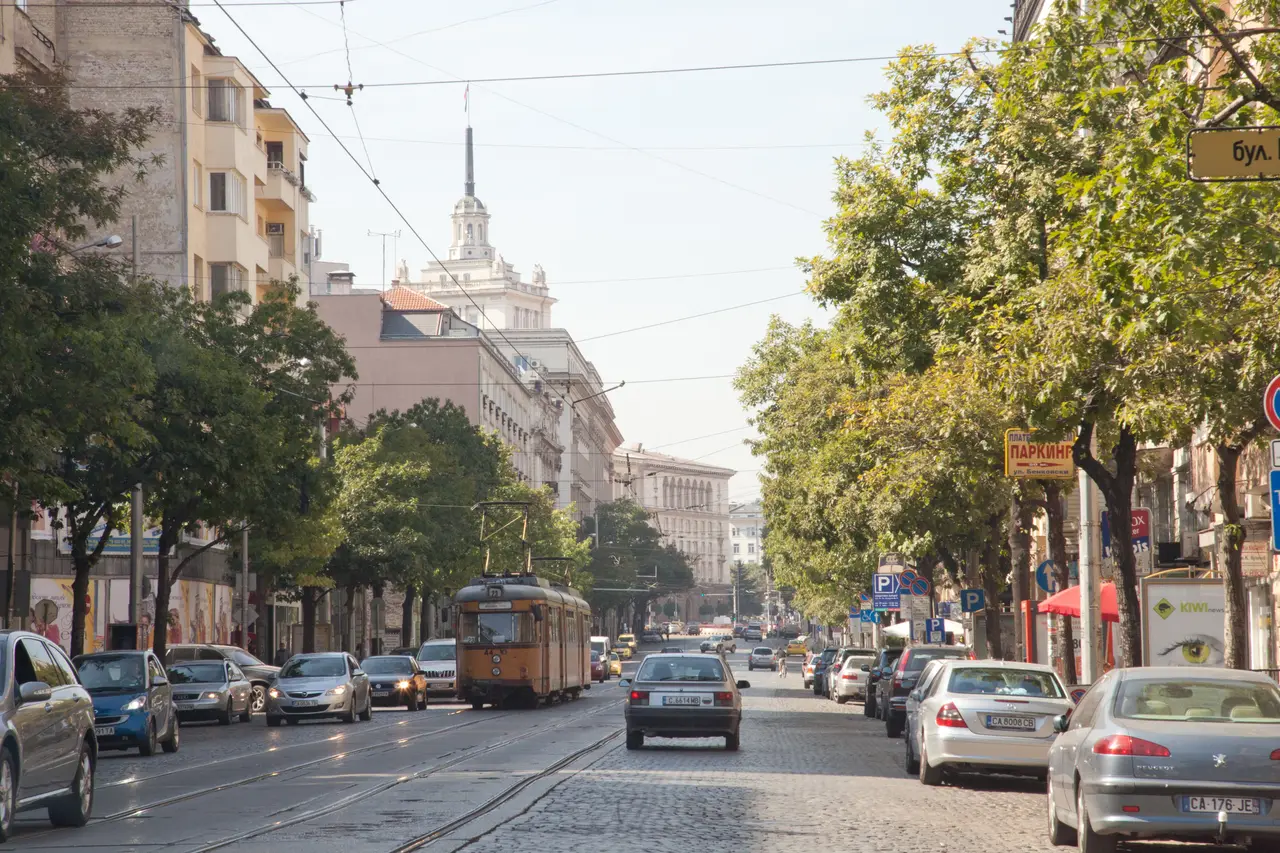
Once you are in a city, you barely need intercity transport at all. Sofia has a clean four-line metro plus trams, buses and trolleybuses; a single ride is about 0.80 euro (1.56 leva) and there’s a daily cap of roughly 2 euro (3.91 leva) across all public transport, so a full day of hopping around costs less than one short taxi. The central sights are walkable, and the metro reaches both stations and runs straight out to the airport. Plovdiv and Varna are smaller and mostly walkable, with city buses for the longer hops.
For taxis, the rule is the same everywhere in Bulgaria: use a metered, marked cab (called by phone or through a taxi app) rather than the drivers who tout for business at stations and airports. The touts are the one reliable way to get overcharged; a metered ride across town is cheap. The same warning runs through our guide to which airport to fly into for Bulgaria, where the official taxi desk beats the men in the arrivals hall every time, and it’s one of the three real risks we unpack in is Bulgaria safe - ahead of almost any violent crime.
When a car or a transfer actually helps
Public transport covers the cities and the corridors between them well, but it thins out fast once you leave the main lines. The places it struggles with are exactly the ones people most want to reach: Rila Monastery, the Seven Rila Lakes trailhead, the small towns south of Burgas, the mountain villages of the Rhodopes. For those, a bus runs once or twice a day if at all.
That is where you have a choice. For a self-guided trip built around the mountains and monasteries, renting a car is the best-value answer, and our guide to car rental in Bulgaria covers the deposit, insurance and vignette traps before you book. If you would rather not drive, a private transfer does the same job door to door - straight from Sofia Airport to Bansko, say, or out to Rila for the day - without a timetable or a steering wheel. In a country this cheap, that’s often a better deal than it sounds.
Heading out of the country rather than around it? The same bus-first logic carries across the border: see our guides to Sofia to Belgrade, Sofia to Bucharest and Sofia to Thessaloniki for the coaches, the crossings and what’s changed since Bulgaria joined Schengen.
One last practical note for 2026: prices moved to the euro when Bulgaria joined the eurozone on 1 January, at a fixed 1.95583 leva to the euro, and during the changeover year you’ll still see both on tickets and screens. Carry a little cash for small-town bus windows that are slow to take cards, keep a rough conversion in your head, and Bulgaria turns out to be one of the easiest and cheapest countries in Europe to travel without a car.
Good to know
Fares, timetables and taxi prices are shown in euro (Bulgaria joined the eurozone on 1 January 2026; fixed 1.95583 leva = 1 euro), dual price tags were mandatory until 8 August 2026 and have since ended, so expect euro only. Times and prices are seasonal and change - check the operator (bdz.bg for trains, the bus company or station) before you travel.
Details checked: July 9, 2026
Read also

Transport · 12 min read
Sofia to Borovets: 70 km, ~1h, Bus from €5
Verified · September 5, 2026Sofia to Borovets (~70 km, 1-1.5h): public bus via Samokov from ~€5, seasonal shared shuttles from €8/pp, private transfer from ~€79.

Transport · 11 min read
Plovdiv to Pamporovo: Bus & Ski Transfer
Verified · September 3, 2026Plovdiv to Pamporovo is about 80 km via Chepelare. Bus from Rodopi station, winter airport transfer, or drive - how to choose.

Transport · 9 min read
Sofia to Sunny Beach: Bus, Train & Transfer
Verified · August 24, 2026Direct coaches Sofia to Sunny Beach year-round (~7h, from ~€21), train only to Burgas, or a fixed private transfer. Times, stops and when each wins.

Transport · 11 min read
Burgas to Sozopol Bus 2026: €3.37, 40-50 Min
Verified · August 21, 2026Burgas South Sector 5 to Sozopol: bus 3.37 euro, about 40-50 min; taxi/transfer about 30-40 min. Buses about every 30 min. Checked Aug 2026.