
Sofia Airport Transfer to the City 2026
From Sofia Airport to the centre: the M4 metro (0.80 euro, 20 min), bus 84, official taxis and private transfers, plus the luggage-ticket catch. 2026.
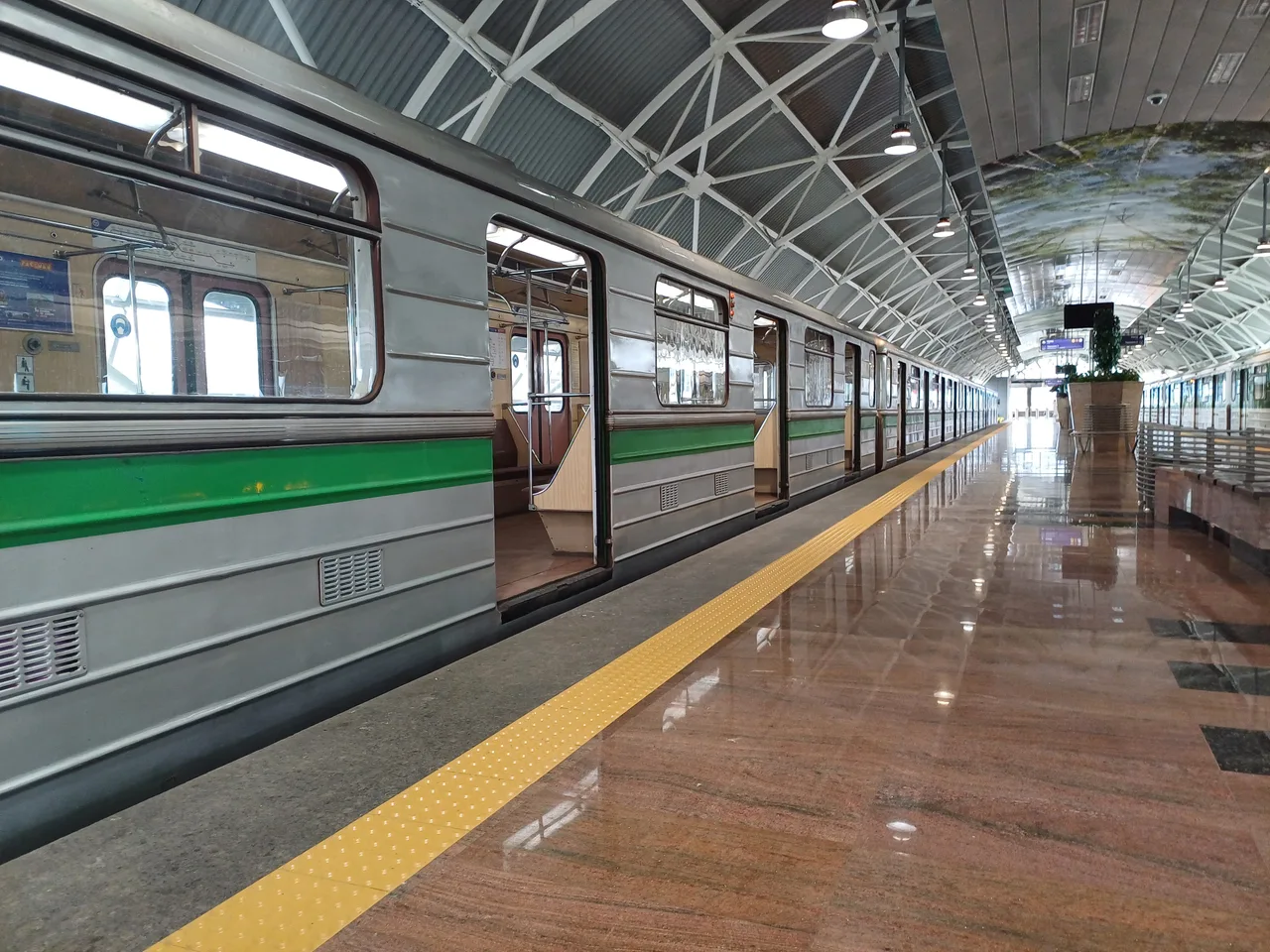
The fastest and cheapest way from Sofia Airport into the city is the M4 metro: it runs from a station right at Terminal 2 to Serdika in the centre in about 20 minutes, for 0.80 euro, with no traffic to fight. If you land after roughly 23:30, when the last train has gone, or you’ve heavy bags or a hotel away from the line, take an official taxi (about 13 to 15 euro) or a pre-booked transfer instead. Bus 84 is the cheap backup, but it’s slow. That’s the whole decision.
The one small rule that catches people out is the luggage one: on the metro and the bus only two bags travel free, so a big suitcase can need its own ticket. Sort that before you land and you can be in the centre inside half an hour.
The M4 metro: fastest and cheapest
The metro is the answer for most arrivals, and it is genuinely one of the easiest airport runs in Europe. The station sits at Terminal 2, by the departures entrance next to the bus stop, and the M4 line reaches Serdika, the central interchange, in about 18 to 20 minutes. There’s no traffic, trains are frequent, and you surface in the heart of the old town.
A single ride is 0.80 euro (1.56 leva) and it is valid across the whole metro network, so any transfer to another line on the same journey is included. On the operator’s summer 2026 timetable, trains leave the airport station from 05:21 to 23:38:30 on weekdays and from 05:25:30 to 23:46:30 on Saturdays, Sundays and holidays, every 7 to 14 minutes on weekdays and every 12 to 15 minutes on non-working days. Those late cut-offs matter: a flight landing near midnight has likely missed the last train, so plan a taxi or transfer for a late arrival.
If you expect to keep using public transport on that first day, it is worth knowing the same tickets feed into a daily cap of about 2 euro (3.91 leva) across the metro, buses and trams, so a morning of sightseeing after you drop your bags costs almost nothing on top of the ride in. The metro also reaches both the railway station and the central bus station, which makes an onward train or coach out of Sofia painless straight off the plane, without a taxi across town first.
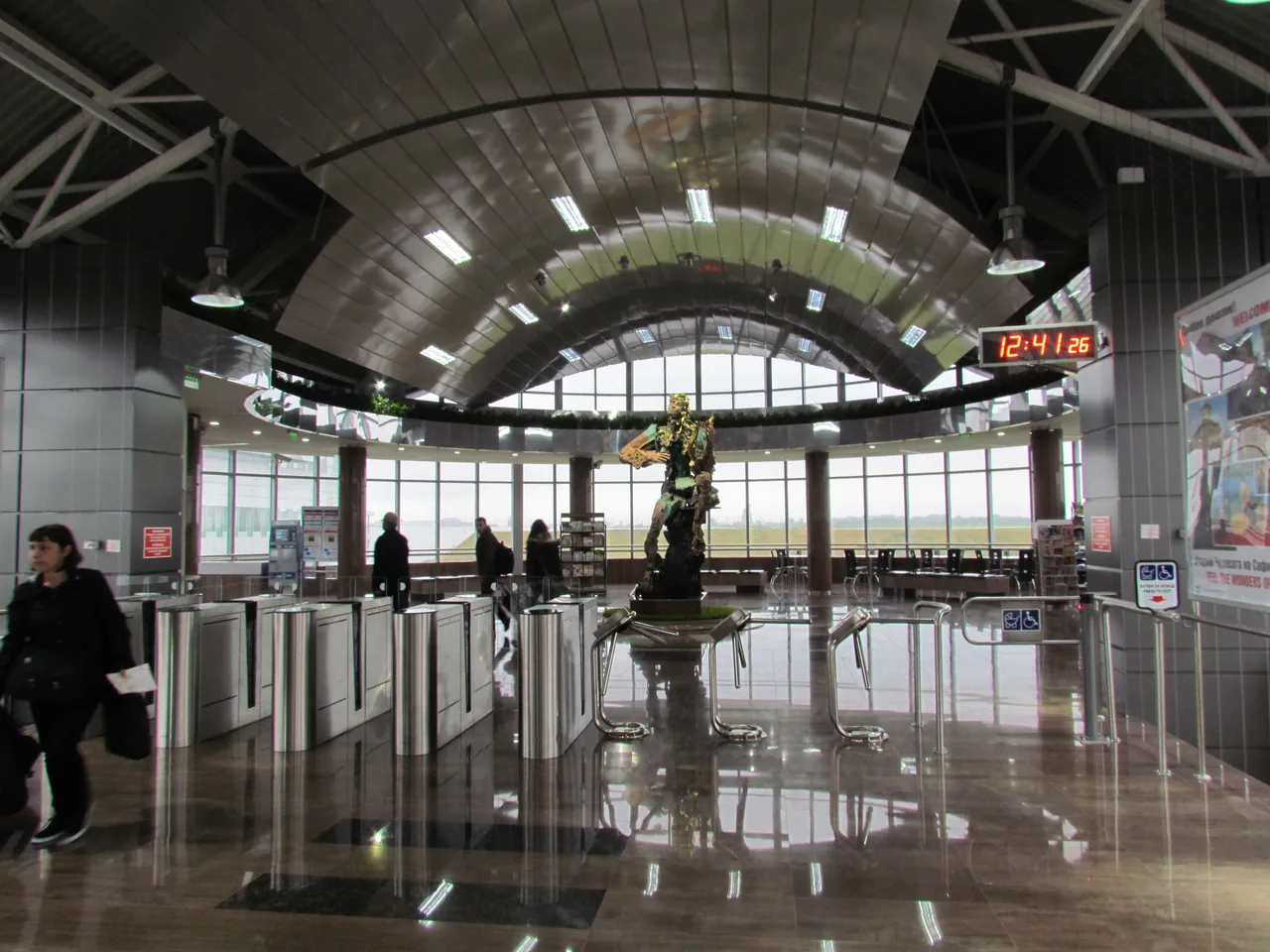
If your flight lands at Terminal 1, the metro isn’t there: take the free shuttle bus between the two terminals (a five-minute hop, running every 15 to 20 minutes) across to Terminal 2, then follow the signs down to the platform. It’s the one extra step at SOF, and it’s well marked.
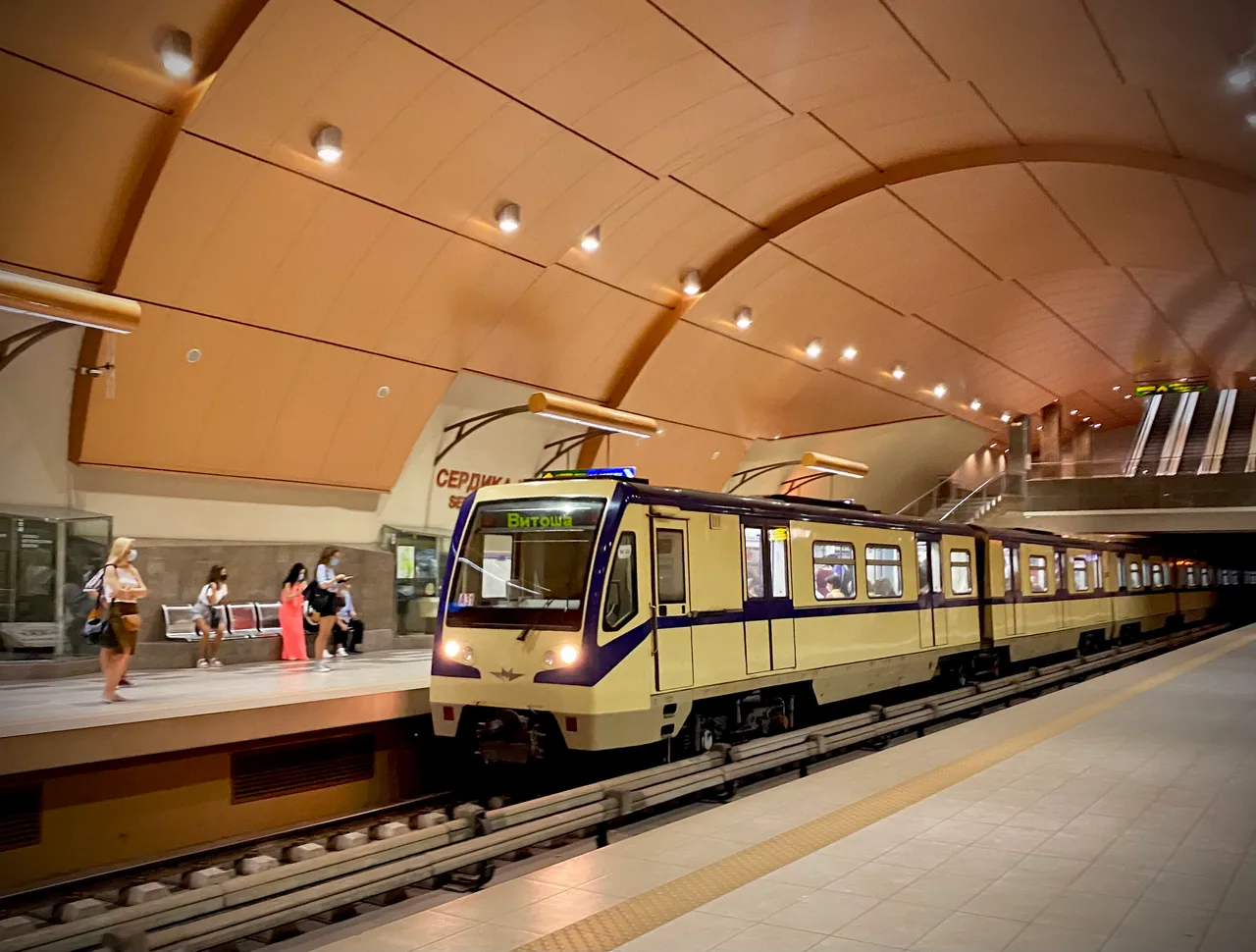
Buying a ticket, and the luggage catch
The flow on arrival is simple: clear passport control and pick up your bags, follow the Metro signs down from the Terminal 2 concourse, buy a ticket at the machine and tap through the gate. Because the airport is the end of the line, trains leave from a single platform and every one of them runs into the city, so there’s no wrong direction to second-guess. Buy from the ticket machines at the airport metro station: they take Bulgarian banknotes and coins, and one of them also takes cards. Keep the ticket until you leave. Here’s the rule almost no one mentions: on Sofia public transport you carry up to two pieces of hand luggage free, and each additional piece needs its own ticket. A single large suitcase can count as that extra piece, so if you’re travelling heavy, buy a second 0.80 euro ticket for the bag rather than risk a fine from an inspector. It’s a small sum and saves an argument.
Bus 84: the slow, cheap backup
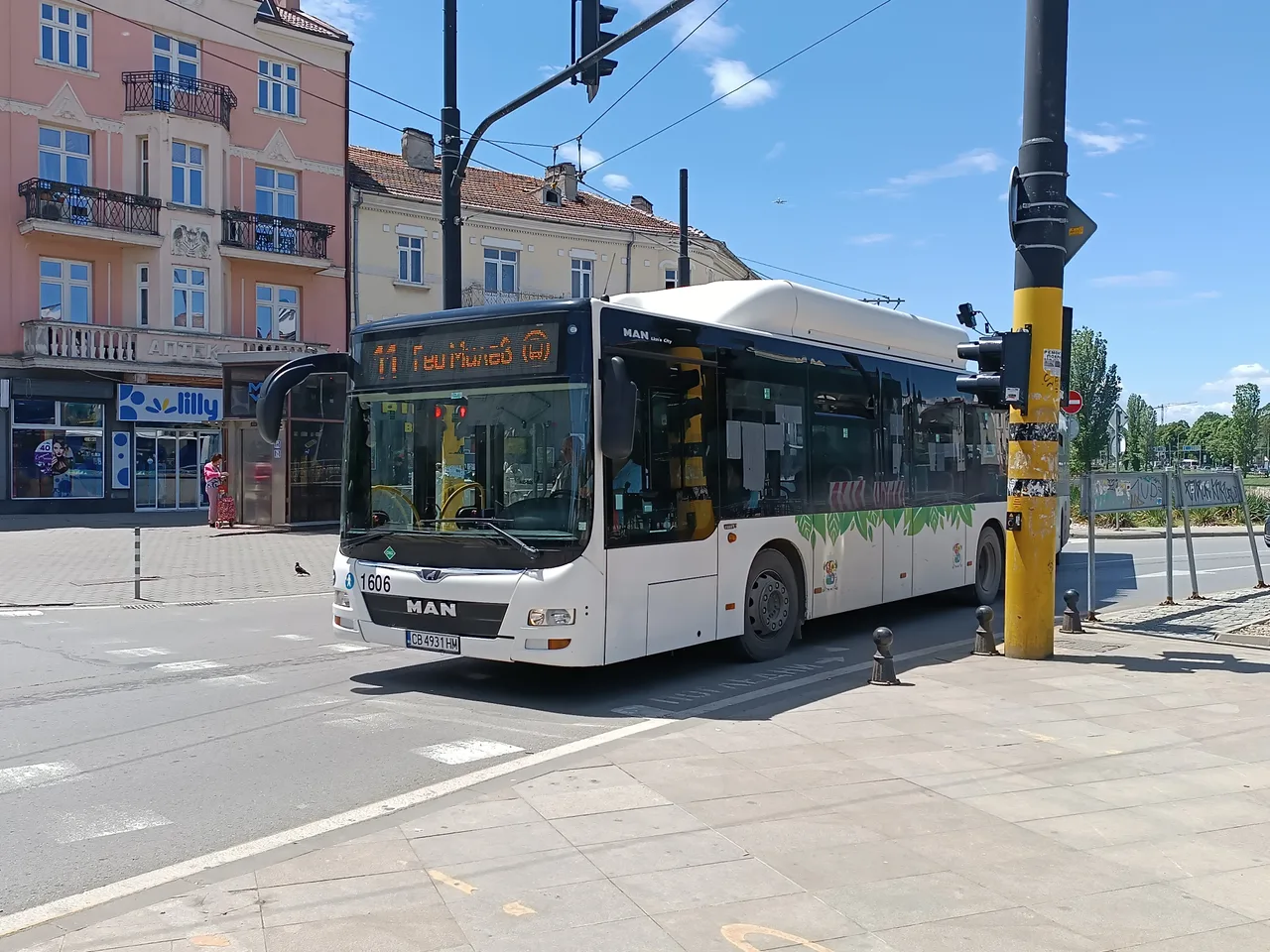
Bus 84 links the airport (both terminals) with the city centre at Gen. Gurko Street, and it costs the same 0.80 euro (1.56 leva) as the metro. The catch is speed: it takes around 45 minutes on weekdays and 35 at weekends, and it crawls in traffic, so it only makes sense if your accommodation sits right on its route and the metro would mean a longer walk. Buy the ticket before you board, from the Urban Mobility kiosk or the vending machine in Terminal 1 arrivals (it takes Bulgarian coins), and keep the same two-bag luggage rule in mind. One thing to ignore: bus 384 only serves the eastern suburbs, not the centre, so it’s not your airport bus.
Official taxi: for late nights and heavy bags
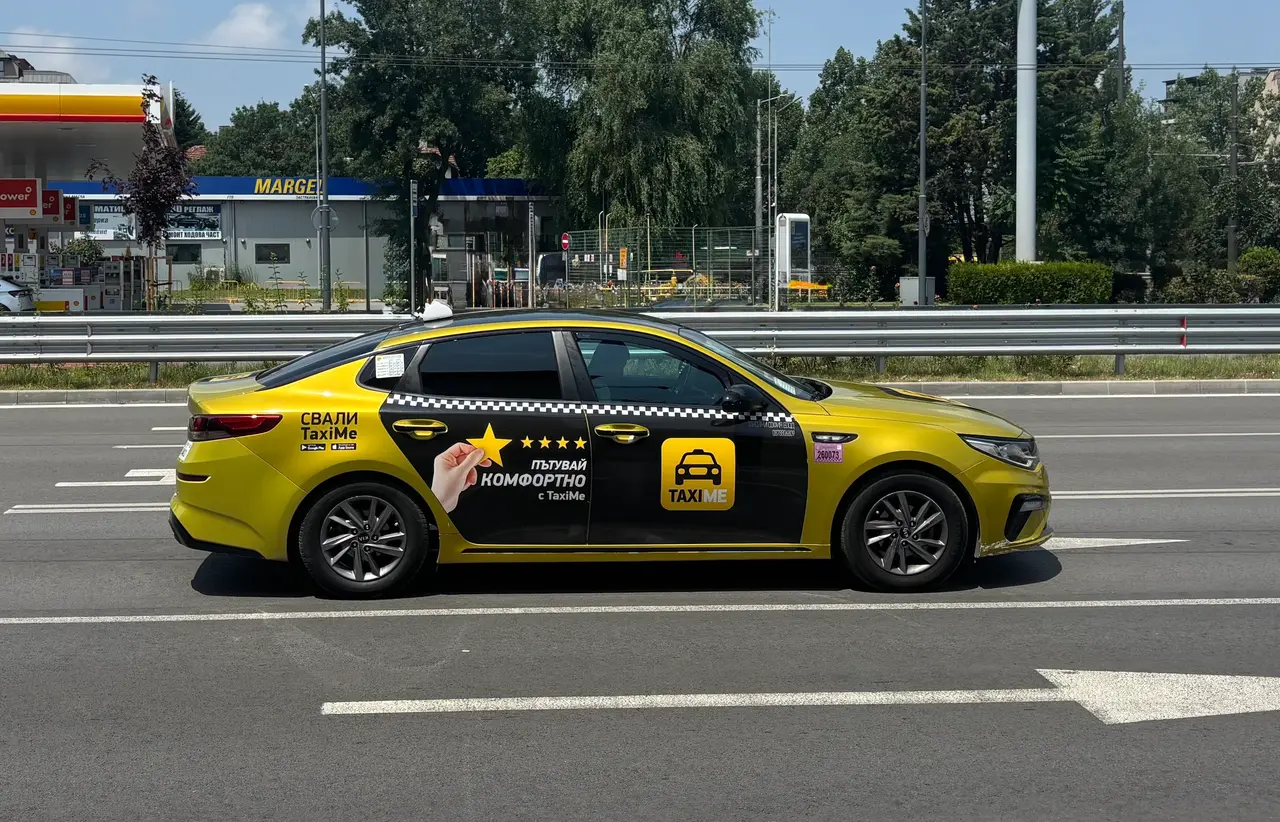
When the metro has stopped, or you simply want a door-ish ride with your luggage, take a taxi - but take the right one. The airport works with two recommended companies, OK Supertrans and Yellow!, and a ride to the centre should run about 13 to 15 euro (25 to 30 leva), roughly 20 to 30 minutes depending on traffic. Order it from the official taxi desk in arrivals, or hail a clearly metered, marked cab, and ignore the drivers who approach you inside the hall offering a lift. Those touts are the one reliable way to get badly overcharged at SOF; the official route is cheap and painless. A metered app such as TaxiMe does the same job from your phone. We unpack why this scam sits ahead of almost any violent crime in is Bulgaria safe.
Private transfer: fixed price, door to door
If you’re arriving late, travelling as a family or group, carrying a lot of luggage, or heading to a hotel off the metro line, a pre-booked private transfer is the least stressful option. You get a fixed price agreed before you fly, a driver waiting with your name at arrivals, and a straight run to the door with no ticket machines or taxi queue. In Bulgaria it is still cheap by European standards, and for two or more people it often costs little more than the taxi while removing every bit of guesswork.
So which should you take?
- Daytime arrival, light bags, hotel in the centre: the metro, every time. Twenty minutes and 0.80 euro.
- Late arrival, early departure, or lots of luggage: an official taxi or a private transfer.
- Family or group, or a hotel off the line: a private transfer usually wins on price and hassle.
- Tight budget and a hotel on its route: bus 84, if you do not mind the slow crawl.
Getting back to the airport
The trip reverses cleanly. From Serdika, the M4 runs back out to the airport in about 20 minutes for the same 0.80 euro, which is the easy choice for most departures. You don’t have to start at Serdika, either: any station on the line into the airport works, so board wherever is closest to your hotel and stay on to the end. Just watch the clock at both ends: the last airport train leaves Serdika at 23:23 on weekdays (23:32:30 on Saturdays, Sundays and holidays), and the first not until 05:08:30 (05:10 on non-working days), so for a red-eye or a very early check-in, book a taxi or transfer the night before rather than hoping. Allow a little buffer for the Terminal 1 shuttle if you’re flying from there, and remember the metro drops you at Terminal 2, so leave a few minutes to cross if your flight goes from Terminal 1.
Still deciding whether Sofia is even the right airport for your trip? Our guide to which airport to fly into for Bulgaria weighs it against Varna and Burgas, and where to stay in Sofia helps you pick a neighbourhood before you land. Once you’ve dropped your bags, the things to do in Sofia guide picks up from Serdika and maps out the city. Heading straight on to Plovdiv the same day? Compare bus, train and car on Sofia to Plovdiv. Landing for the slopes instead, Sofia to Borovets breaks down the bus, shuttle and private-transfer options for that last mountain leg.
Good to know
Fares and taxi prices are shown in euro (Bulgaria joined the eurozone on 1 January 2026; fixed 1.95583 leva = 1 euro), dual price tags were mandatory until 8 August 2026 and have since ended, so expect euro only. Times, fares and metro hours are seasonal and change - confirm on the day before you travel.
Details checked: July 9, 2026
Read also

Transport · 12 min read
Sofia to Borovets: 70 km, ~1h, Bus from €5
Verified · September 5, 2026Sofia to Borovets (~70 km, 1-1.5h): public bus via Samokov from ~€5, seasonal shared shuttles from €8/pp, private transfer from ~€79.

Transport · 11 min read
Plovdiv to Pamporovo: Bus & Ski Transfer
Verified · September 3, 2026Plovdiv to Pamporovo is about 80 km via Chepelare. Bus from Rodopi station, winter airport transfer, or drive - how to choose.

Transport · 9 min read
Sofia to Sunny Beach: Bus, Train & Transfer
Verified · August 24, 2026Direct coaches Sofia to Sunny Beach year-round (~7h, from ~€21), train only to Burgas, or a fixed private transfer. Times, stops and when each wins.

Transport · 11 min read
Burgas to Sozopol Bus 2026: €3.37, 40-50 Min
Verified · August 21, 2026Burgas South Sector 5 to Sozopol: bus 3.37 euro, about 40-50 min; taxi/transfer about 30-40 min. Buses about every 30 min. Checked Aug 2026.