
Where to Stay in Sofia: Best Areas
Where to stay in Sofia: the centre and Vitosha Boulevard for a first visit, Oborishte and Lozenets for quiet, and the one area to skip. Prices in euro.
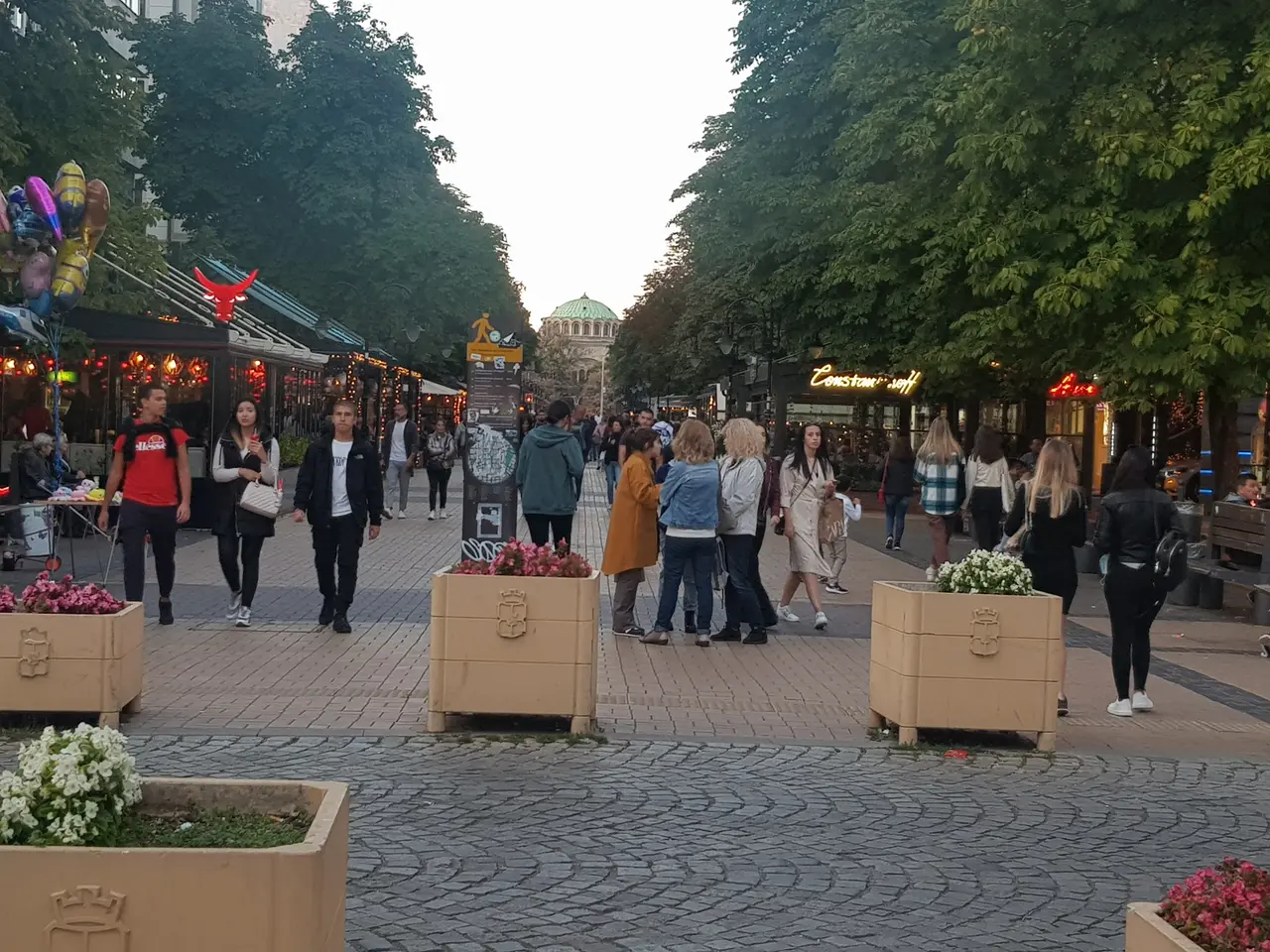
For a first trip, book in the centre: the grid of streets around Vitosha Boulevard and Serdika metro, where the main sights, the best restaurants and the airport metro line all sit within a ten-minute walk of each other. If you want the centre on foot but a quieter street to sleep on, pick Oborishte to the north or leafy Lozenets to the south. And wherever you land, skip the blocks right around the Central Railway Station - they look cheap and central on a map, but they’re the one genuinely grim corner of an otherwise walkable, easy city.
Here’s what most Sofia guides bury: the city is small and the metro is almost free, so which district you choose matters far less than it would in Paris or Rome. Get inside the ring of the centre and you can walk to nearly everything; sleep two metro stops out and you’re still eight minutes from the cathedral for the price of a coffee. So this guide is less about chasing a “perfect” area and more about matching the neighbourhood to the kind of trip you’re on, and steering you off the couple of streets that aren’t worth the saving.
The short version
- First visit, sightseeing, nightlife: the centre, around Vitosha Boulevard and Serdika. Everything on foot.
- Couples and families who want quiet but central: Oborishte, a short walk north of the Nevsky cathedral.
- A calmer, local, residential base with good cafes: Lozenets, just south of the centre.
- A winter ski trip using Sofia as a base: the Vitosha foothills (Boyana) can work, but only then - they are a long way from town.
- Skip: the cheap hotels marketed as “by the station” on Knyaginya Maria Luiza Boulevard.
The centre: Vitosha Boulevard and Serdika
This is the default, and for a first visit it’s the right call. “Vitoshka”, the pedestrianised stretch of Vitosha Boulevard, runs from St Nedelya Church down toward the National Palace of Culture, lined with cafes and with the mountain filling the view at the far end. Base yourself in the blocks around it and Serdika metro station, and you can reach the Nevsky cathedral, the Roman ruins under the Largo, the main museums and a hundred restaurants without ever touching transport. Our guide to things to do in Sofia shows just how much of that’s walkable from here, and it’s the best base for a night out too - see Sofia nightlife. If you’re only in town for a couple of nights, our 2-day Sofia itinerary is built around exactly this base and sequences the sights hour by hour.
Two practical notes. First, this is the priciest and busiest part of the city, and Vitoshka itself gets loud on summer evenings, so if you sleep lightly ask for a room off the boulevard rather than facing it. Second, Serdika is the one station where three of the city’s four metro lines meet - M1, M2 and the M4 straight from the airport - so arriving and leaving is painless from a central base. If you have not booked flights yet, which airport to fly into for Bulgaria explains why Sofia is almost always the one.
Oborishte: quiet, leafy and full of restaurants
Just northeast of the centre, Oborishte is the answer when you want calm streets and a residential feel without giving up the walk to the sights. It’s an old, upper-class district of embassies and mansion blocks, and over the last few years it has quietly turned into one of Sofia’s best areas to eat, with bistros and wine bars clustering around the Doctor’s Garden. The Alexander Nevsky Cathedral is ten to fifteen minutes away on foot, and the centre proper not much more.
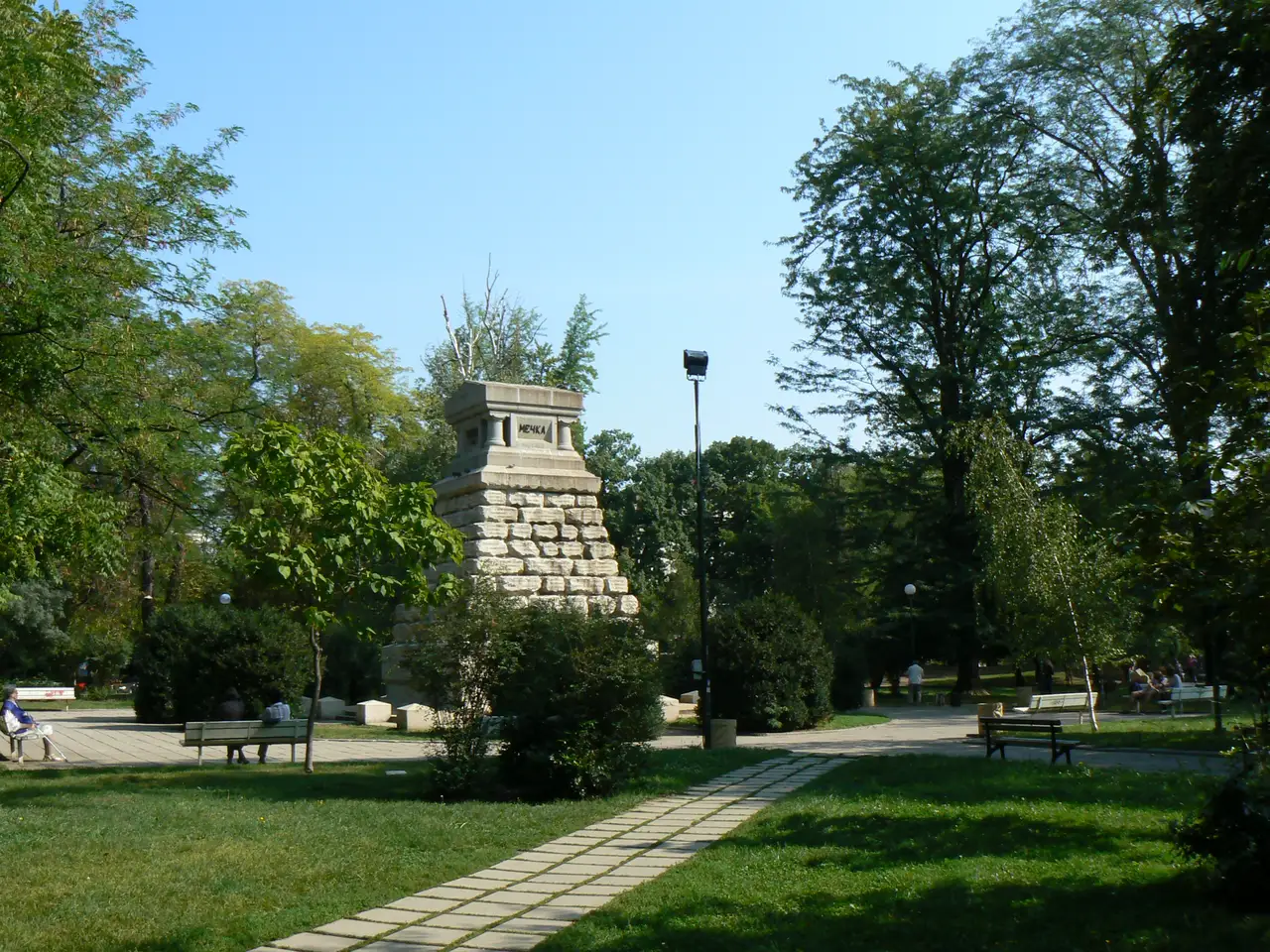
This is the pick for couples and families who found the centre too much on a previous visit, or anyone who would rather come home to a quiet street than a bar crawl. You pay a little for the address, but rarely as much as the marquee hotels on the boulevard.
Lozenets: the trendy residential south
Lozenets sits just south of the centre and has become the city’s fashionable place to live, which makes it a good base if you want to feel less like a tourist and more like a local. The streets are leafier and the cafes more neighbourhood than tour-group, and it runs down toward South Park, Sofia’s big green space for a morning run or a lazy afternoon. You’re a short walk or a single metro hop from the centre, but the pace drops the moment you cross into it.
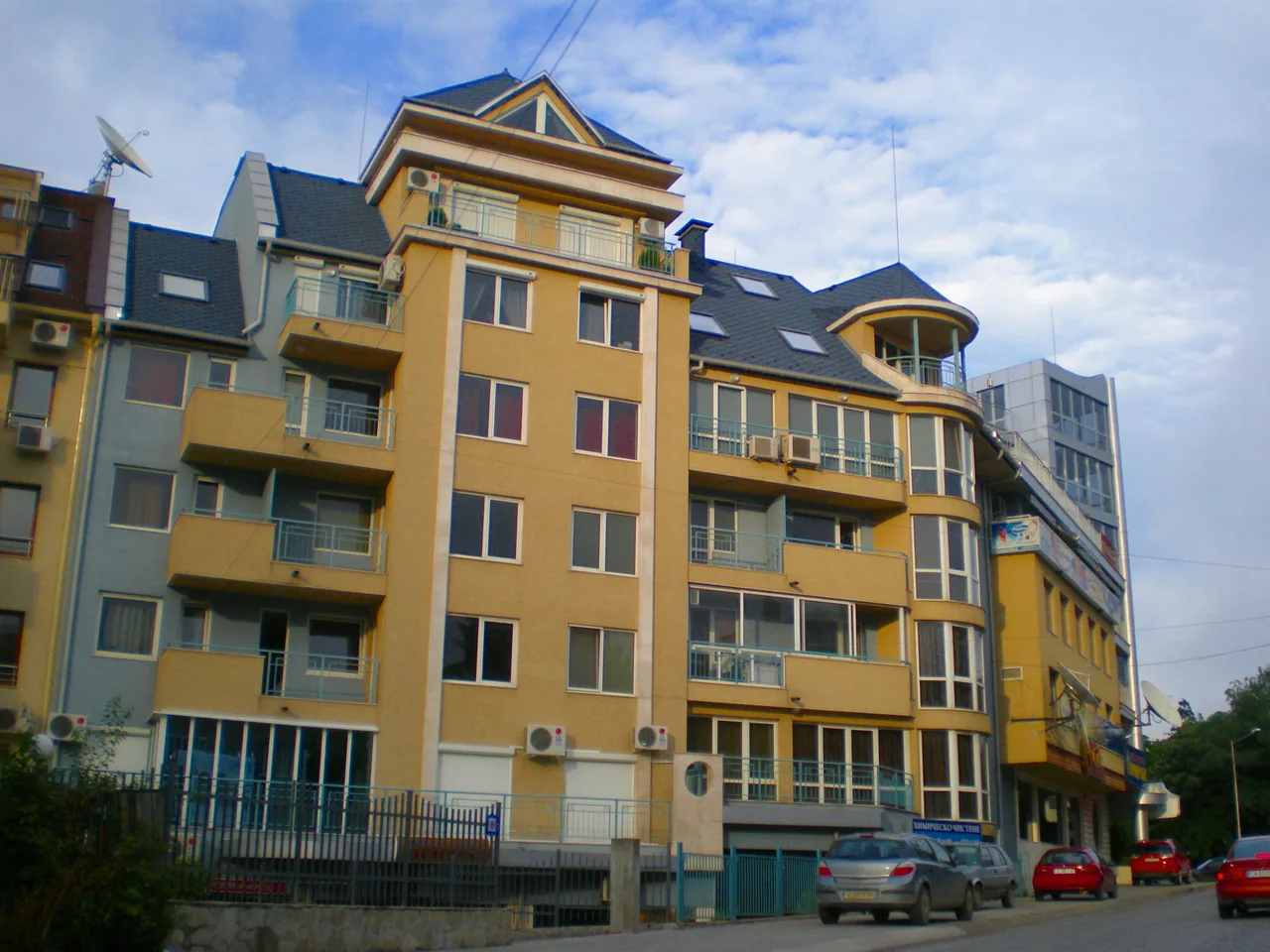
The trade-offs are honest ones. Hotel choice is thinner here than in the centre because Lozenets is mostly apartments, prices for the good places aren’t cheap, and street parking is a real headache if you bring a car (for the city itself, you don’t need one). But if a second trip to Sofia has you wanting a base with more character than a downtown chain, this is where to look.
The one area to skip: around the Central Railway Station
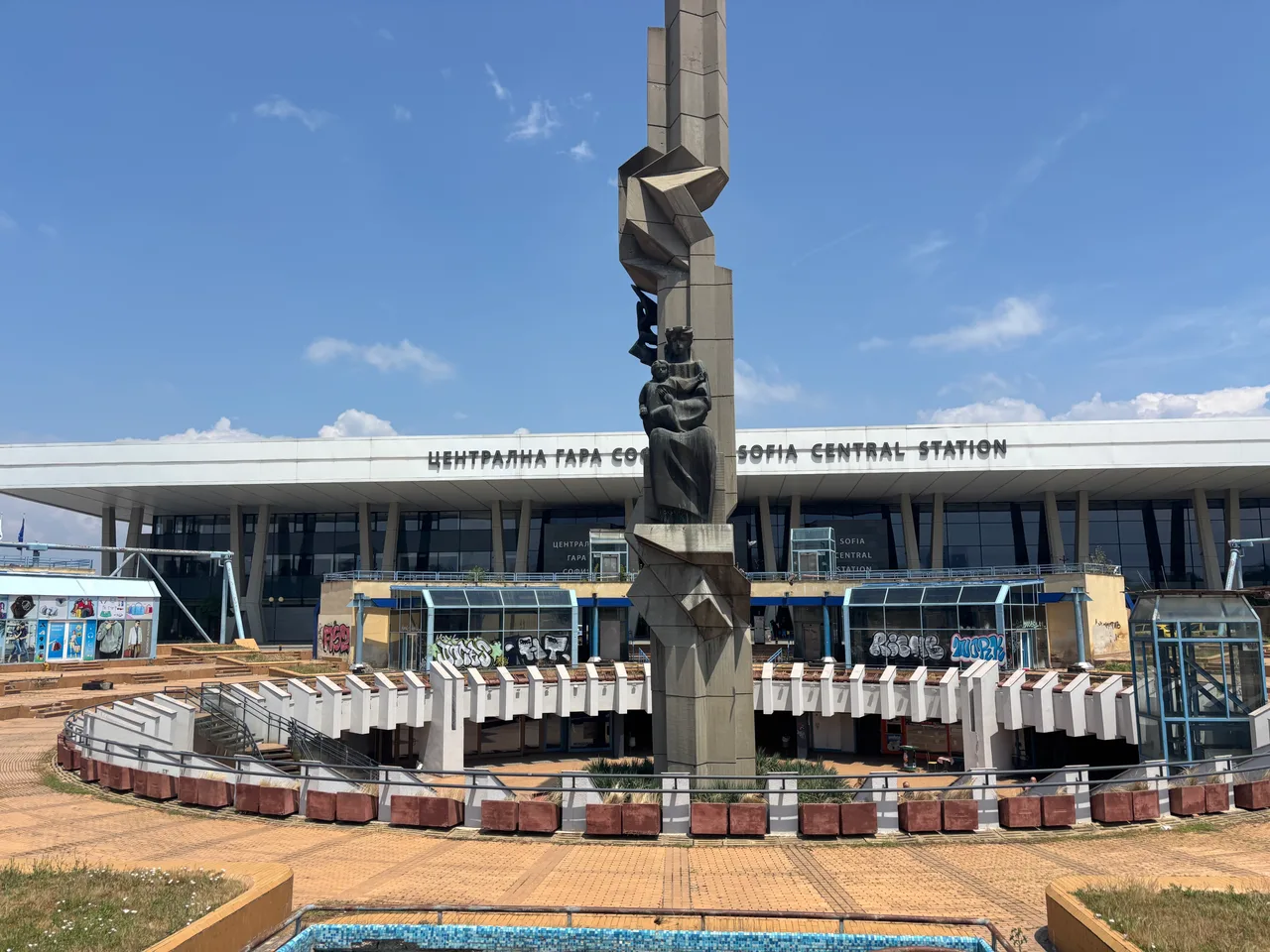
On a map, the area around the Central Railway Station looks tempting. It’s barely a kilometre north of the centre, the metro serves it, and the hotels there are cheap. In practice it’s the one part of central Sofia I would steer a first-timer away from sleeping in. The station sits on Knyaginya Maria Luiza Boulevard by the landmark Lions’ Bridge (Lavov Most), and the blocks around it, past the Women’s Market and the market hall, are busy, run-down and not remotely scenic.
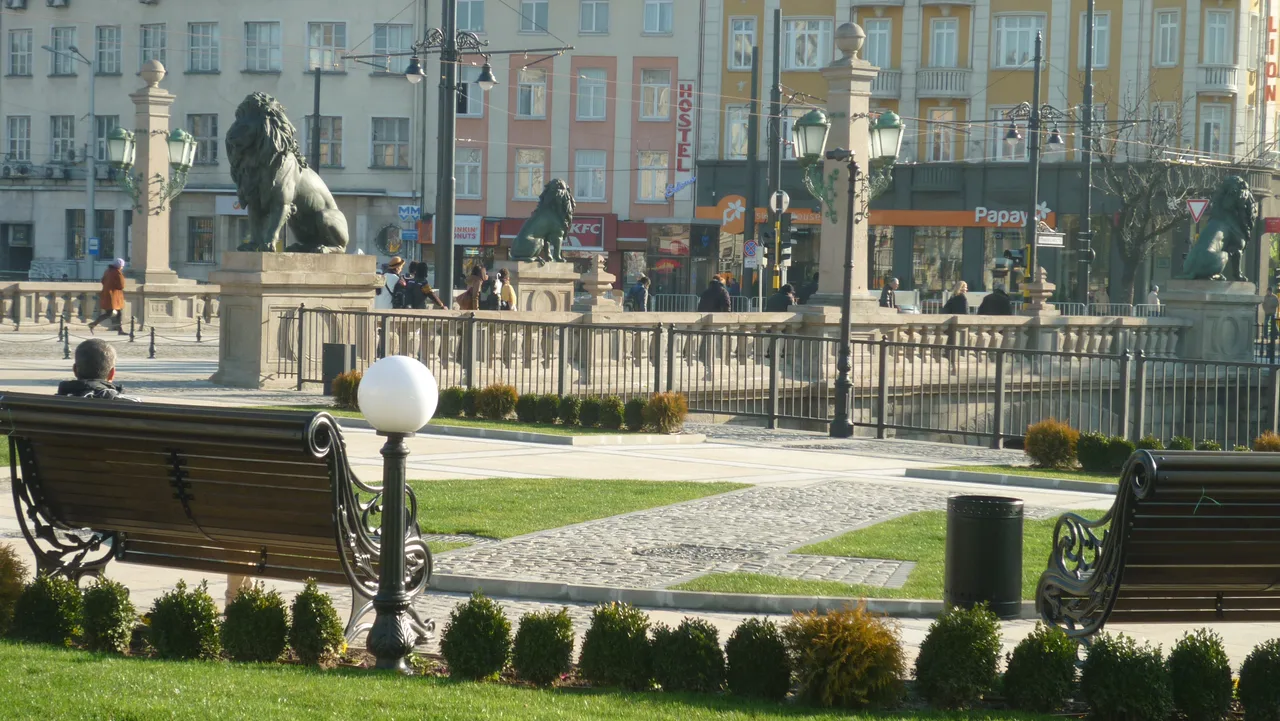
The reason it’s not worth it comes down to the metro. Serdika, in the heart of the centre, is only a couple of stops away, and a single ride costs about 0.80 euro, so the “saving” from a station hotel buys you a worse neighbourhood in exchange for a fare you would barely notice. Use the station to arrive and leave; sleep somewhere nicer.
One thing to keep separate: the “Vitosha” you sometimes see in hotel listings can mean the mountain foothills (around Boyana), not the boulevard. Those addresses are green and calm but sit well outside town, so they only make sense for a winter trip built around the ski slopes, not a city break.
Getting around once you are booked
Sofia is one of the easier European capitals to move around, which is exactly why the district debate is low-stakes. The metro is clean, frequent and cheap: a single ride is about 0.80 euro (1.56 leva), and there’s a daily cap of roughly 2 euro (3.91 leva) across public transport, so a whole day of hopping about costs less than one short taxi. That cap is also what makes the cheapest day trips from Sofia work: bus 64 out to Boyana Church and bus 66 up Vitosha both run on the same day card. Serdika ties three of the four lines together, including the M4 from the airport, and the centre, Oborishte and Lozenets all sit a stop or two from it.
Expect a small nightly tourist tax on top of your room rate, from a few cents to well under a euro per person per night depending on the hotel’s star rating, usually settled at check-out. It’s minor, but worth knowing so it’s not a surprise on the bill.
One more piece of timing: rates swing hard by season. Sofia is a year-round city rather than a beach resort, but a ski-season weekend or a big summer conference can push central hotels up sharply, so it pays to line your dates up with the best time to visit Bulgaria.
What it costs, and how to book
Sofia is still cheap by Western European standards, even after the switch to the euro on 1 January 2026. As a rough guide from live listings spot-checked in August 2026, a hostel dorm bed runs about 9 to 15 euro a night at a named central hostel and dips to around 5 euro at the cheapest listings, a budget private room - a hostel private or a small guesthouse - about 20 to 40 euro, a comfortable three or four-star hotel in the centre sits somewhere around 50 to 90 euro (the same band our is Bulgaria expensive guide finds for a mid-range room generally), and the city’s named five-star addresses - think Grand Hotel Sofia in the centre or the design-led Sense Hotel near the National Assembly - spot-checked at roughly 100 to 150 euro a night on the dates we checked, climbing further in peak season. Treat those as ballparks, not quotes: central addresses and peak dates run higher, and you should confirm the real figure on your own booking. The legal requirement for shops and hotels to show both euro and leva prices ran for a year and ended on 8 August 2026, so expect euro-only pricing from here on; keep the fixed rate (1.95583 leva to the euro) handy in case you spot an old dual tag still hanging around.
The booking method is simple. Pick the neighbourhood first, using the guide above, then compare on price and reviews within it, not across the whole city. For the centre, filter for somewhere a few minutes from Serdika or the boulevard. For Oborishte or Lozenets, check the walking time to the nearest metro before you commit, because those quieter streets can sit a little further out than the listing photos suggest. Do that and Sofia rewards you: a comfortable, central base for the kind of money that barely covers a hostel bunk further west.
Photos
Good to know
Room rates and the nightly tourist tax are shown in euro (Bulgaria joined the eurozone on 1 January 2026; fixed 1.95583 leva = 1 euro). The mandatory dual euro/leva price display ran for a year and ended on 8 August 2026, so expect euro-only pricing from here on, though some places may keep a leva line a little longer out of habit. Price bands below are spot-checked against live listings on booking platforms (Trip.com, Booking.com) on 9 August 2026, not a cost-estimate tool - prices are seasonal and vary by hotel, so confirm the current rate on your own booking.
Details checked: August 9, 2026
Read also

Cities · 10 min read
Bulgaria's Spa Towns: Velingrad, Hisarya & More
Verified · August 31, 2026Compare Velingrad, Sandanski and Hisarya: water temps, climate, Roman walls, when to go year-round, and real 2026 spa-hotel rates.

Cities · 12 min read
Where to Stay in Pamporovo: Hotels & Chalets
Verified · August 22, 2026Pamporovo hotels, chalets and apartments by lift base: Malina vs Studenets, why "renovated" is not "new", and how to price a bed.

Cities · 14 min read
2 Days in Sofia: The Perfect Weekend Itinerary
Verified · August 20, 2026A 2-day Sofia itinerary for a Friday-to-Sunday trip: Nevsky, Serdica, Boyana Church, real euro prices, and what actually fits in one weekend.

Cities · 9 min read
Where to Stay in Burgas: Best Areas & Hotels
Verified · August 10, 2026Where to stay in Burgas: city centre for a first visit, Sea Garden for beach and park, Lazur for quiet value, or Sarafovo by the airport.