
2 Days in Sofia: The Perfect Weekend Itinerary
A 2-day Sofia itinerary for a Friday-to-Sunday trip: Nevsky, Serdica, Boyana Church, real euro prices, and what actually fits in one weekend.
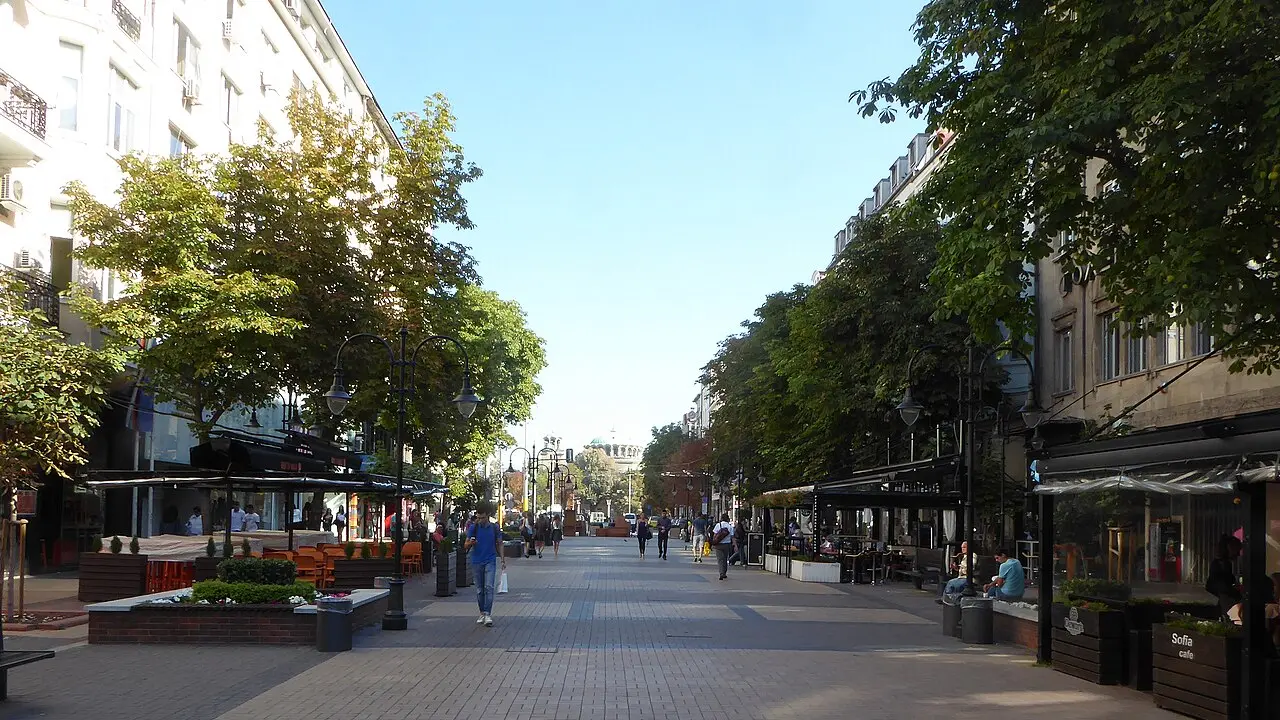
Sofia is a good match for a short trip: you can cross the whole historic centre on foot in fifteen minutes, and the airport metro drops you right into the middle of it. Land Friday evening and you have a full Saturday for Roman ruins, gold domes and a mountain skyline, then a Sunday morning for Boyana Church before you head home. That’s the exact window this plan is built for: real opening hours, current euro prices, and a straight answer to the question every guidebook dodges - can you actually fit Boyana Church and a trip up Vitosha into the same short weekend?
Two things are worth knowing before you land. First, Bulgaria’s dual euro-and-lev pricing ended on 8 August 2026: prices are euro-only now, and where you still spot a lev figure on a menu or ticket, it’s printed for reference only, not what you pay. Second, don’t let a tour desk sell you a single Sunday morning that covers both the Boyana frescoes and the Vitosha summit before a flight - it’s a tighter squeeze than the shared bus stop between the two suggests, and there’s a better way to split it that I’ll get to on Sunday.
Friday night: touching down before the weekend starts
If your flight lands before about 23:30, the M4 metro is the easy call: it runs from a station right at Terminal 2 to Serdika, the central interchange, in about 18 to 20 minutes for 0.80 euro. Trains run roughly every 10 to 15 minutes and there’s no traffic to sit in, so you can be dropping your bag before you’ve finished deciding where to eat. Watch the baggage rule, though: two hand-luggage items travel free, but only if each stays under 140 cm across its three dimensions (roughly 60x40x40 cm) - a normal check-in suitcase usually doesn’t, first bag or only bag, so buy it a second 0.80 euro ticket rather than risk a fine.
Land later than that and the metro has usually stopped for the night. Take an official taxi from the marked desk in arrivals (about 13 to 15 euro to the centre, 20 to 30 minutes) or book a transfer in advance so a driver is waiting with your name. Either way, skip the drivers who approach you inside the terminal offering a ride - that’s the classic airport taxi scam here, and the official route costs the same or less. Our full Sofia airport transfer guide breaks down every option, including the free shuttle if you land at Terminal 1.
Once you’re settled, don’t plan much for the night itself. A short walk from a central hotel to a late kitchen or a quiet bar on Vitosha Boulevard is enough; you’ll want the energy for tomorrow, which is the long day of the two. If you’d rather have the morning mapped stop by stop, with timings for the four faiths, Serdica and Vitosha, swap it for the Sofia walking route.
Where to sleep so the weekend runs on foot
For a weekend this short, the district matters more than usual, because every hour you spend on transport is an hour you don’t get back. Book in the centre, around Vitosha Boulevard and Serdika metro: from there, Nevsky Cathedral, the Roman ruins, Vitosha Boulevard’s restaurants and the airport metro line all sit within a ten-minute walk of each other, and you never need to plan around a bus. If you’d rather trade a few minutes’ walk for quieter streets, Oborishte, just north of the cathedral, swaps the boulevard’s evening noise for a scatter of bistros around the Doctor’s Garden.
As a rough guide, a comfortable three or four-star room in the centre runs somewhere around 50 to 90 euro a night, with budget rooms from about 15 to 40 euro and named five-star addresses from roughly 100 to 150 euro - the same ranges our where to stay in Sofia guide keeps checked against live listings, with the full district breakdown and the one corner near the station that’s cheap for a reason.
Saturday morning: Alexander Nevsky and Roman Sofia underfoot
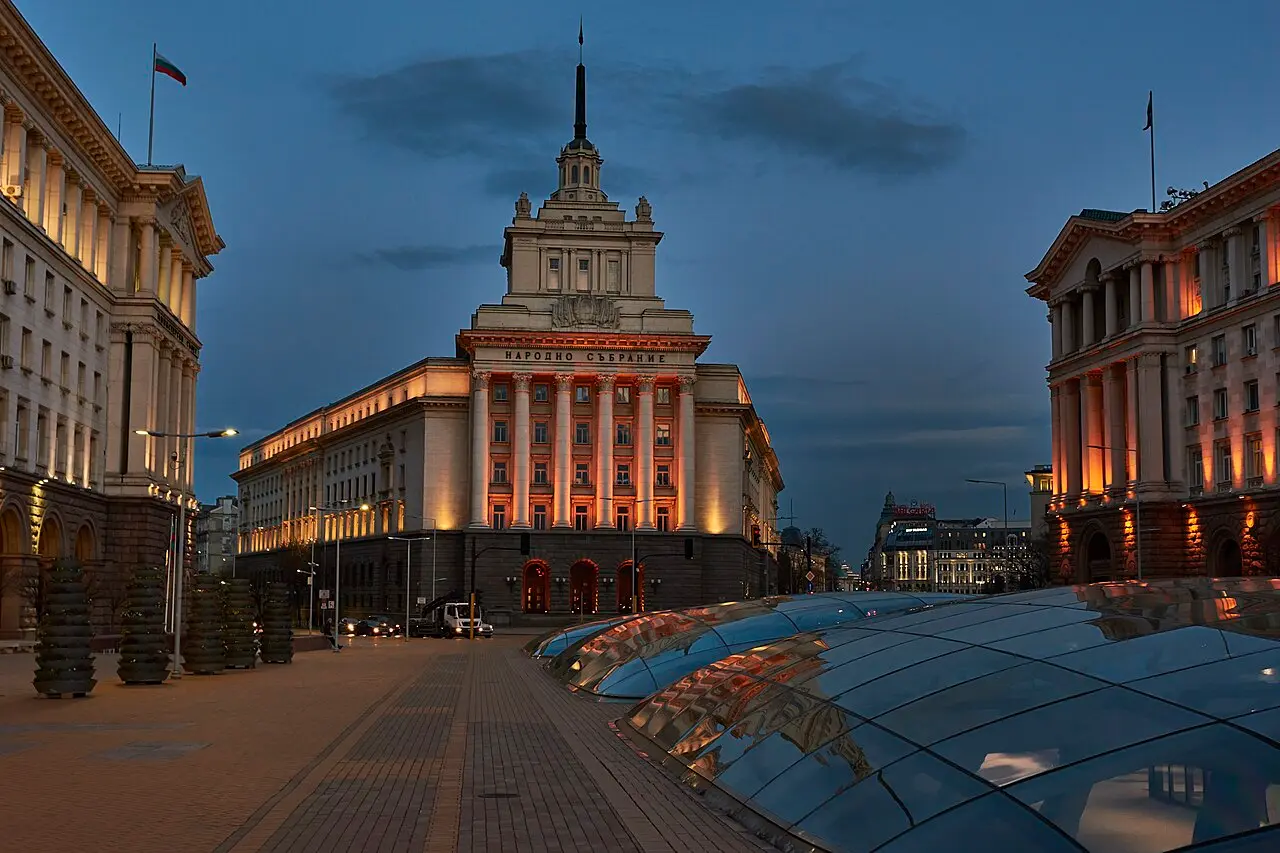
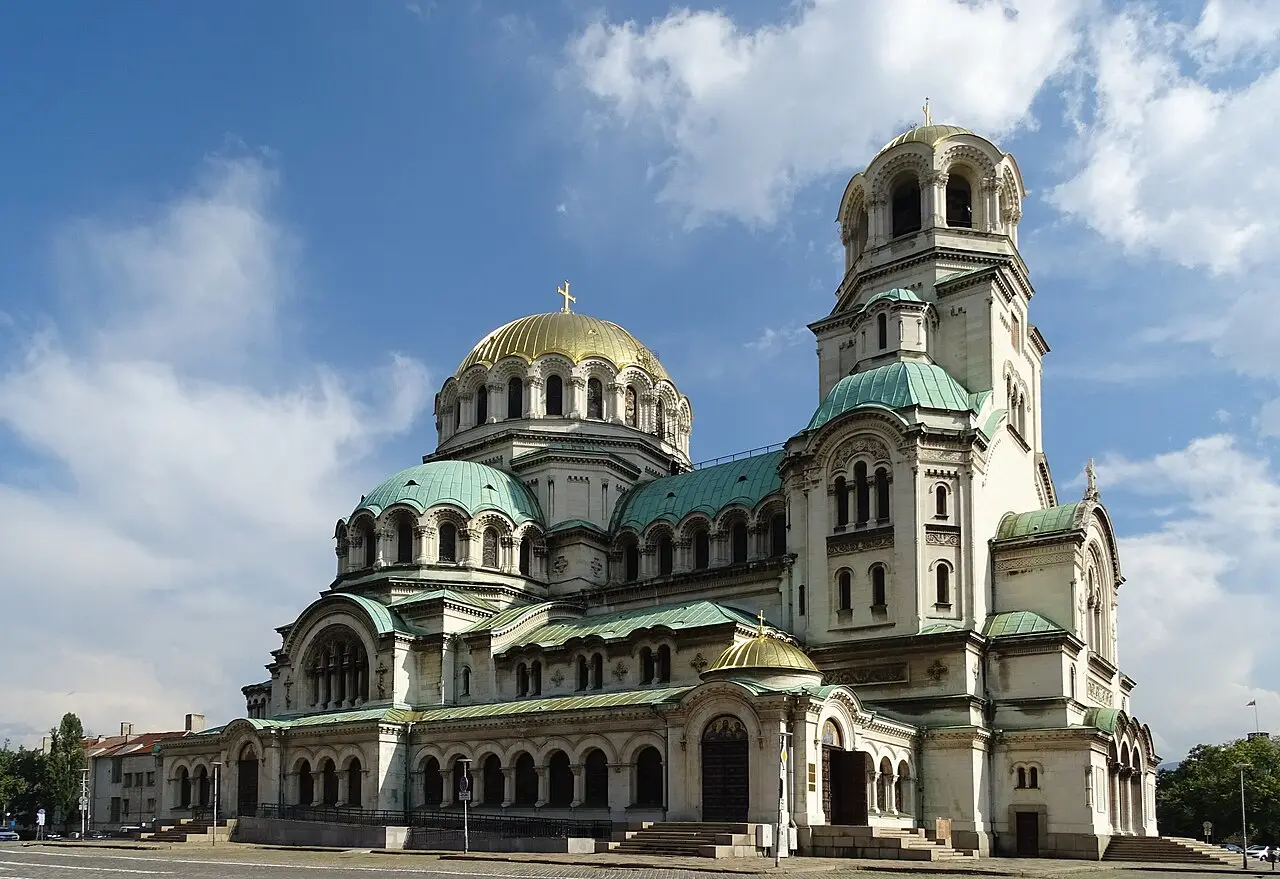
Start at the landmark everyone comes for, at 09:00 if you can, before the tour groups arrive. The Alexander Nevsky Cathedral is open daily from 07:00 to 19:00 and costs nothing to walk into. Step in from the bright square and give it a minute: your eyes need to adjust before the marble and gilding really show themselves. The one paid extra is the crypt icon museum downstairs, run as a branch of the National Gallery: open Tuesday to Sunday 10:00 to 18:00 (closed Mondays and Bulgarian public holidays) for 10 euro (4 euro discounted for pensioners, over-65s and students; 2 euro on Thursdays).
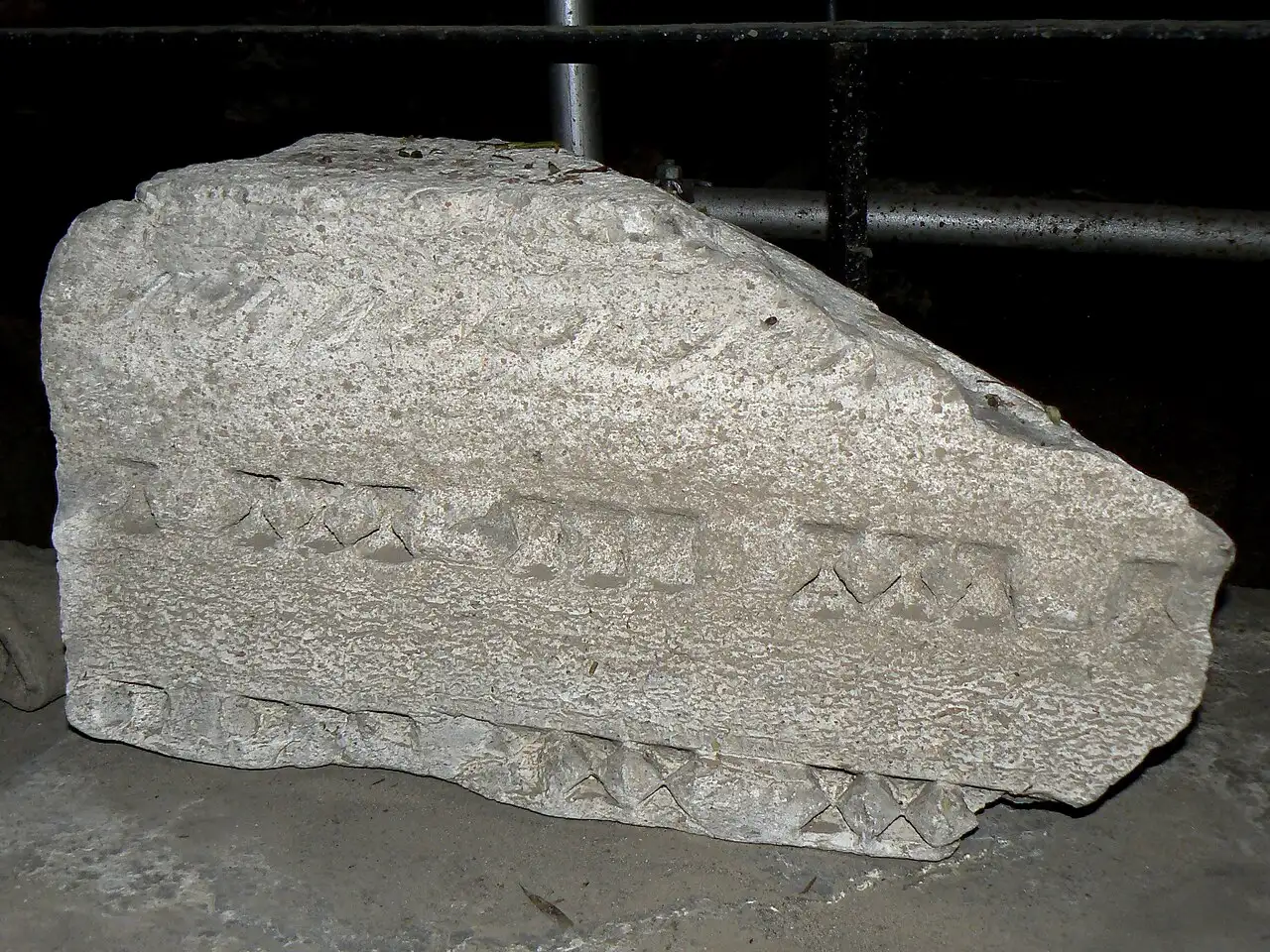
By around 10:30, walk toward Sveta Nedelya square and drop down into the Serdika metro underpass. Digging this stretch of the metro between 2010 and 2012 ran straight into the Roman city underneath, and the ruins were left on display rather than paved over: ancient street and brick walls, free to cross any time the metro is running (roughly 5am to midnight, depending on the line). Our things to do in Sofia guide covers the rest of what the dig turned up.
Before lunch: a free walk past four faiths
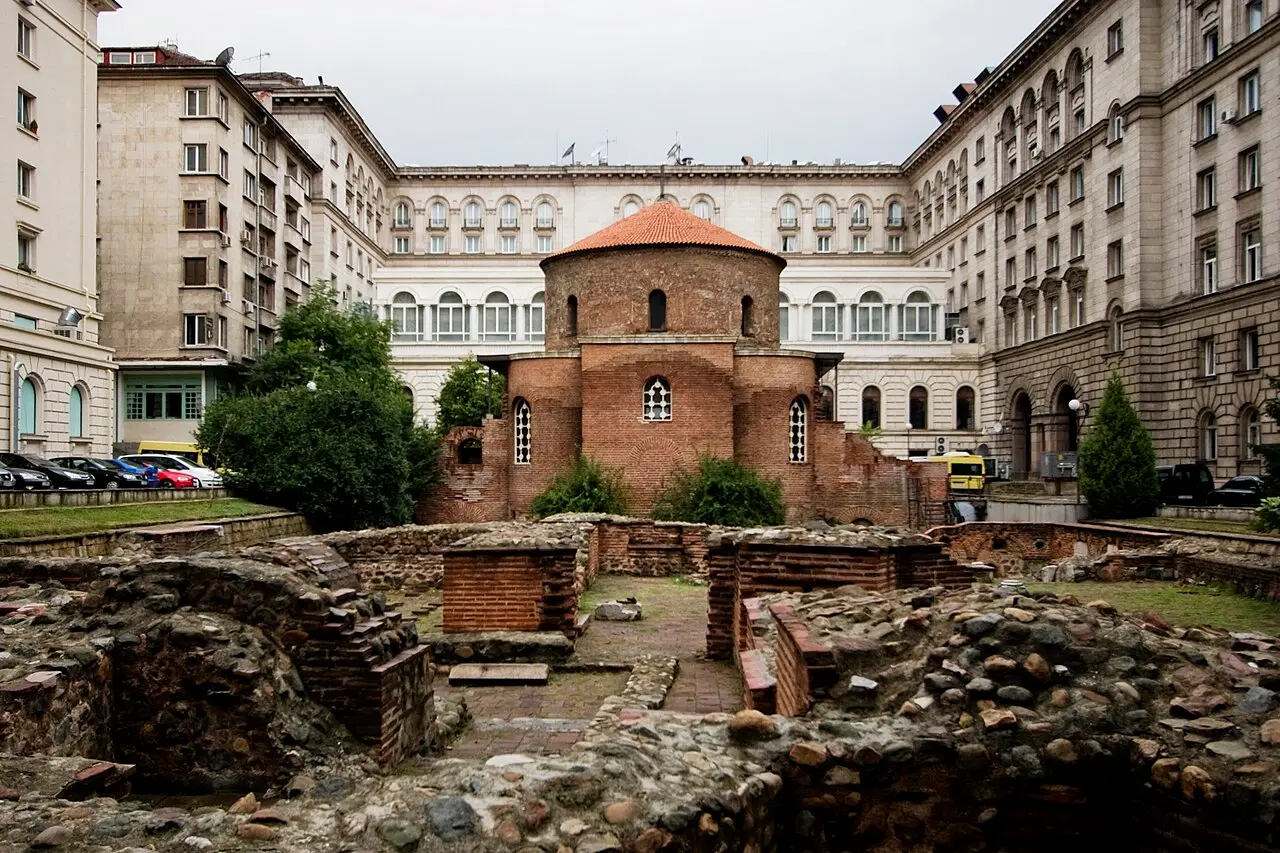
Sofia’s churches cluster so tightly that you can string several of them into an hour without doubling back, and almost none of it costs a euro. From Serdika, the red-brick St George Rotunda, the oldest building in the city, sits in a quiet courtyard behind the Presidency; a few minutes on is the plain, 6th-century Hagia Sophia, the church that gave Sofia its name; and beyond that the jewel-box golden domes of the Russian Church. The fourth faith is a short detour away, on Knyaz Boris I Street: the Catholic Cathedral of St Joseph, rebuilt in 2006, sits a few hundred metres from the Banya Bashi mosque and one of Europe’s largest synagogues - Orthodox, Catholic, Islam and Judaism in one pocket locals call the Square of Religious Tolerance. Our Sofia churches guide lays the whole walk out in order with hours for each stop.
Saturday afternoon: Vitosha Boulevard and a lunch that isn’t rushed
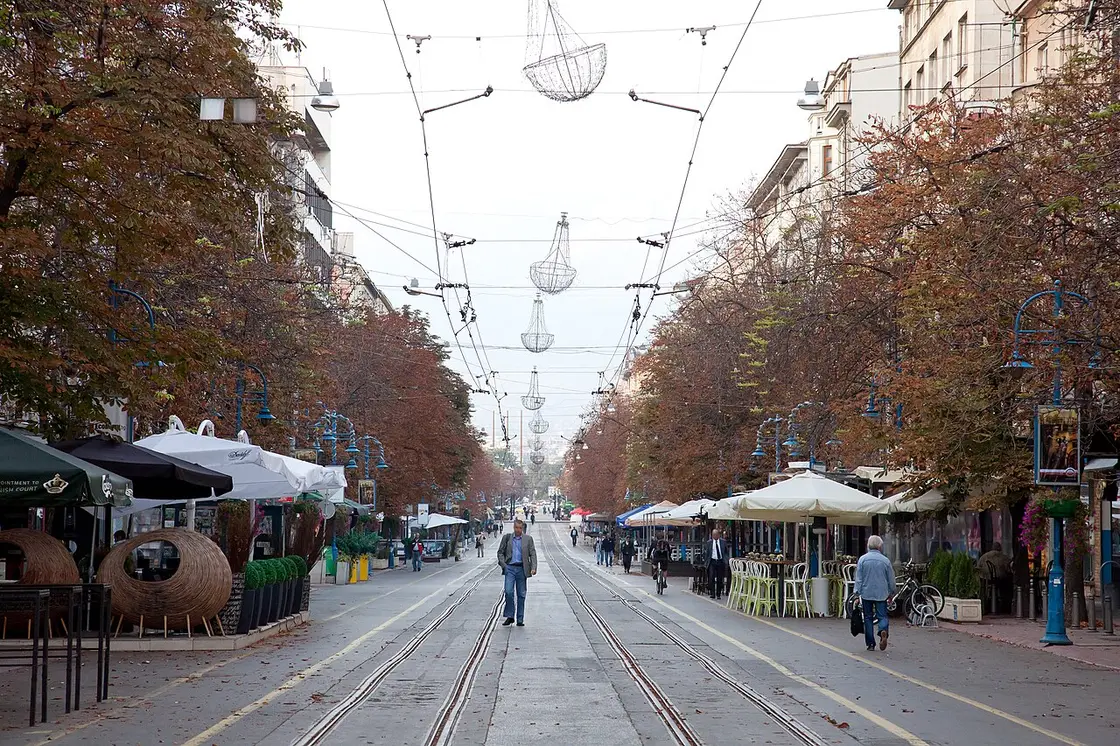
Once the morning’s sightseeing wraps up, around 13:00, Vitosha Boulevard - the pedestrian spine everyone just calls “Vitoshka” - is the natural next stop. Grab a terrace table, order a shopska salad and whatever’s grilling, and let an hour pass without checking the map: Vitosha itself rises at the far end of the street, close enough that lunch comes with a mountain view, which is an unusual thing for a capital city to manage. If you’d rather browse than sit, the side streets running off the boulevard hold better shops than the boulevard itself.
This is also the low-effort half of the day, and worth treating that way. You climbed nothing this morning and you won’t climb much tonight either, so a slow two or three hours here, coffee then a shop then another coffee, is the right rhythm before the evening.
Saturday night: a mehana dinner, then wherever the evening takes you
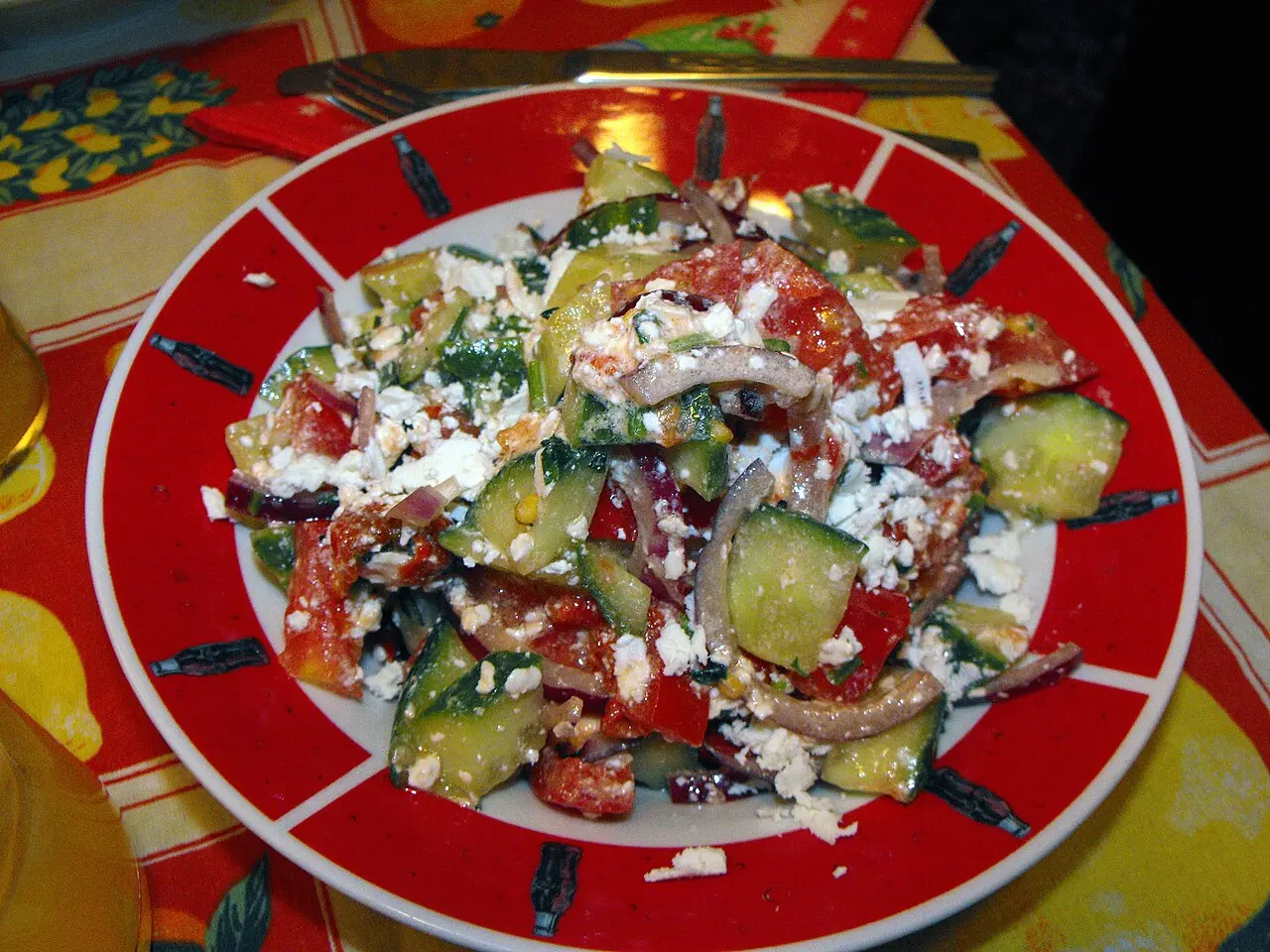
For a first Bulgarian meal, book a table around 19:30 at a mehana, a traditional tavern with folk textiles on the walls and a grill going, and order stuffed cabbage rolls, kavarma stew and a shopska salad to share. Sofia has two the whole city sends first-timers to, and our where to eat in Sofia guide names both, plus the modern kitchens if the folk-decor room isn’t your evening. After the plates are cleared, the polished bar scene runs along Vitosha Boulevard and the streets just off it; our Sofia nightlife guide covers where locals actually go, and the one bit of logistics worth flagging now: the central metro stations run until about midnight, and the M4 airport branch you used on Friday stops earlier than that, so sort a taxi app before you need one rather than after.
Sunday morning: Boyana Church, and the summit that doesn’t fit before a flight
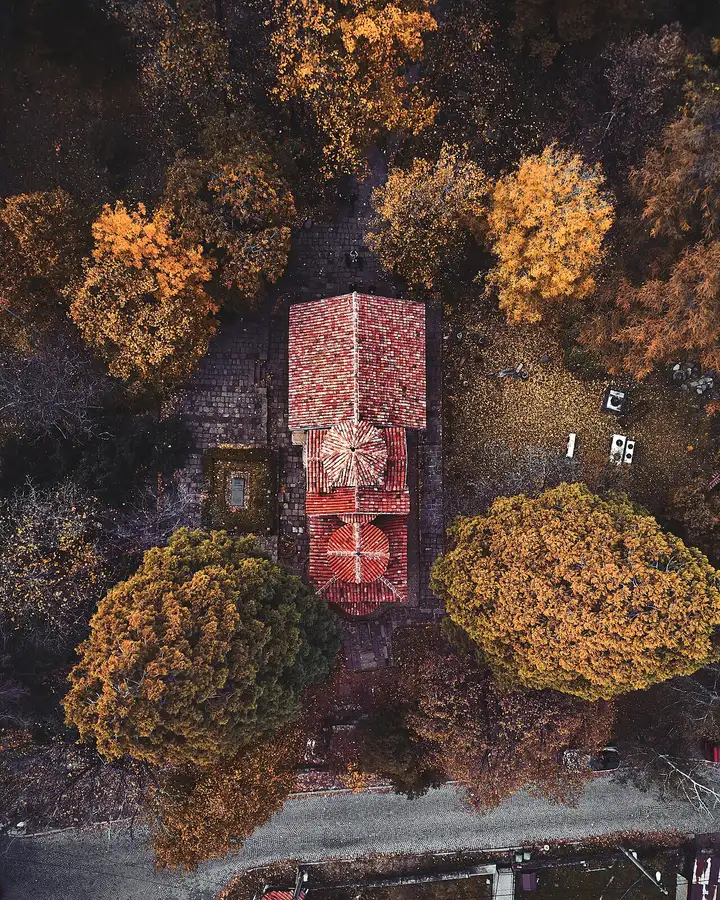
Everything else about this weekend is easy to plan; this one part needs a plan of its own. Start by asking the front desk to hold your bags past checkout - most central hotels do it free - so you’re not hauling a suitcase up the hill to Boyana. The UNESCO-listed Boyana Church, with its remarkable 1259 frescoes, sits on the southern edge of the city below Vitosha, reached by bus 64 from Vitosha metro station: about 25 to 30 minutes on the bus, then a roughly 10-minute walk uphill from the Boyansko Hanche stop to the gate. Aim for the 09:30 slot and you can be back at that same stop by around 12:30. The adult ticket is 6.14 euro (still printed as 12 lv. on the official price list; students 1.53 euro), and the church opens 09:30 to 18:00 through summer, 09:00 to 17:30 in winter. The detail that decides your morning, though, is this: only up to 9 visitors go into the painted room at a time, for 10 minutes each, on a fixed timetable rather than a walk-up queue - two individual slots right at opening (09:30 and 09:45), then nothing free again until 11:15 while the gap goes to booked groups. Miss those first two and you’re waiting most of an hour. Email reservation@boyanachurch.info ahead and pay by bank transfer to lock a slot instead of gambling on the door. About 2 km away - a 25 to 30 minute walk, or a quick hop on bus 64 - the National History Museum, housed in a former government residence, is a separate ticket (around 7.67 euro adult) and worth an extra couple of hours for the Thracian gold; our Boyana Church guide has the full visiting rules and the museum details together.
The bus map is different from what it looks like at a glance. Bus 64 runs between Zoopark and the Centre of Hygiene, calling at both Vitosha metro station and Boyansko Hanche; bus 66 runs between Zoopark and the Aleko hut, also calling at Vitosha metro station. They’re two separate routes, not one continuous line - but they cross at that one stop, so after Boyana you can ride bus 64 back to Vitosha metro station and pick up bus 66 there, without detouring out to Zoopark. Our day trips from Sofia guide uses that same transfer to pair Boyana with a full Vitosha afternoon for visitors who have three days and no flight to catch. What breaks the plan on a Sunday like this one is time, not the transfer: a real walk up to Cherni Vrah eats three to four hours round trip on the trail alone (1.5 to 2 hours each way from Aleko), and once you add the buses both ways that’s five to six hours, not an add-on to a church visit before a flight. Weekends cut both ways here too: more buses up to Aleko (21 runs against a weekday’s 12), but more tour groups at Boyana as well. Treat Boyana as its own morning, budget about two hours, and leave the summit for a trip where a boarding gate isn’t waiting on the other end.
Sunday afternoon: last hours before the flight
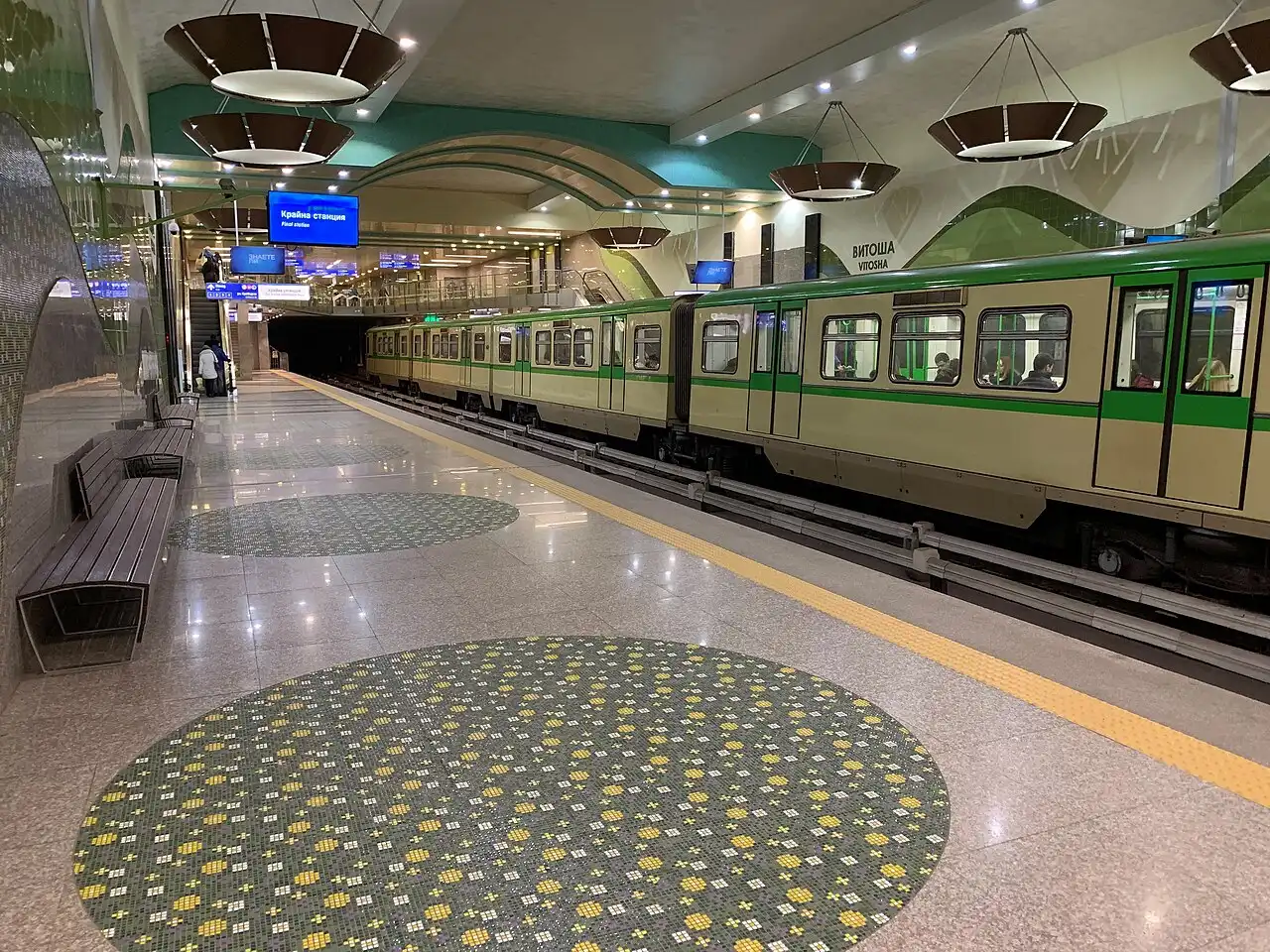
Ride the M4 back from Serdika to the airport in the same 18 to 20 minutes and 0.80 euro it took to arrive, and build in a buffer rather than cutting it close - even with a booked slot, Boyana is the one stop on this weekend that isn’t right next to the route home. If your trip happens to stretch into a Monday morning instead of ending Sunday, know that the crypt museum under Nevsky is the only sight in this whole plan that closes for the day (it also shuts for Bulgarian public holidays); the cathedral itself, Serdica, the churches walk, Boyana Church and the National History Museum all open as normal, seven days a week.
What the weekend costs, and if you get a third day
Sofia is gentle on a budget even after the switch to the euro. City transport runs 0.80 euro a ride or about 2 euro for a day card, the Nevsky crypt runs 10 euro (4 euro discounted, 2 euro on Thursdays), Boyana Church is around 6 euro, and a mehana dinner for two with rakia runs close to double the 18 to 28 euro our Bulgaria costs guide gives for one. The one real cost is the room, and that’s where booking early pays off most, since central rates climb fast around any big event.
Two nights covers everything above without rushing, but if you land with a third day, don’t spend it repeating Saturday. Push out to Rila Monastery, the classic full-day trip on a shuttle that leaves the monastery at 15:00 (and again at 17:00 on days other than Monday, through 29 September), or finally take that Vitosha summit walk properly rather than squeezing it against Boyana. Our things to do in Sofia guide covers the fuller city list if two days leaves you wanting more, and the day trips from Sofia guide sorts every option by how much of a day it actually eats. And if you only have one day rather than two, Vicky and Malte’s One Day in Sofia on Traveling Is Our Passion fits the cathedrals, the Central Market Hall and Borisova Gradina park into a single day.
Good to know
Prices below are in euro (Bulgaria joined the eurozone on 1 January 2026; fixed 1.95583 leva = 1 euro). The legal requirement to show both euro and leva ended on 8 August 2026, so prices are euro-only now; a leva figure printed alongside is for reference only, not what you pay. Hours and bus timetables shift with the season - confirm the day before.
Details checked: August 20, 2026
Read also

Cities · 10 min read
Bulgaria's Spa Towns: Velingrad, Hisarya & More
Verified · August 31, 2026Compare Velingrad, Sandanski and Hisarya: water temps, climate, Roman walls, when to go year-round, and real 2026 spa-hotel rates.

Cities · 12 min read
Where to Stay in Pamporovo: Hotels & Chalets
Verified · August 22, 2026Pamporovo hotels, chalets and apartments by lift base: Malina vs Studenets, why "renovated" is not "new", and how to price a bed.

Cities · 9 min read
Where to Stay in Burgas: Best Areas & Hotels
Verified · August 10, 2026Where to stay in Burgas: city centre for a first visit, Sea Garden for beach and park, Lazur for quiet value, or Sarafovo by the airport.

Cities · 9 min read
Where to Stay in Borovets: Hotels by the Lifts
Verified · August 8, 2026Where to stay in Borovets: hotels advertised right at the gondola, the Hotel Samokov naming trap, and when the real town of Samokov is worth the drive.