
Where to Eat in Sofia: Best Traditional Restaurants
Where to eat in Sofia: the best traditional mehanas and modern Bulgarian restaurants, from Manastirska Magernitsa to Moma, plus rakia bars and cheap eats.
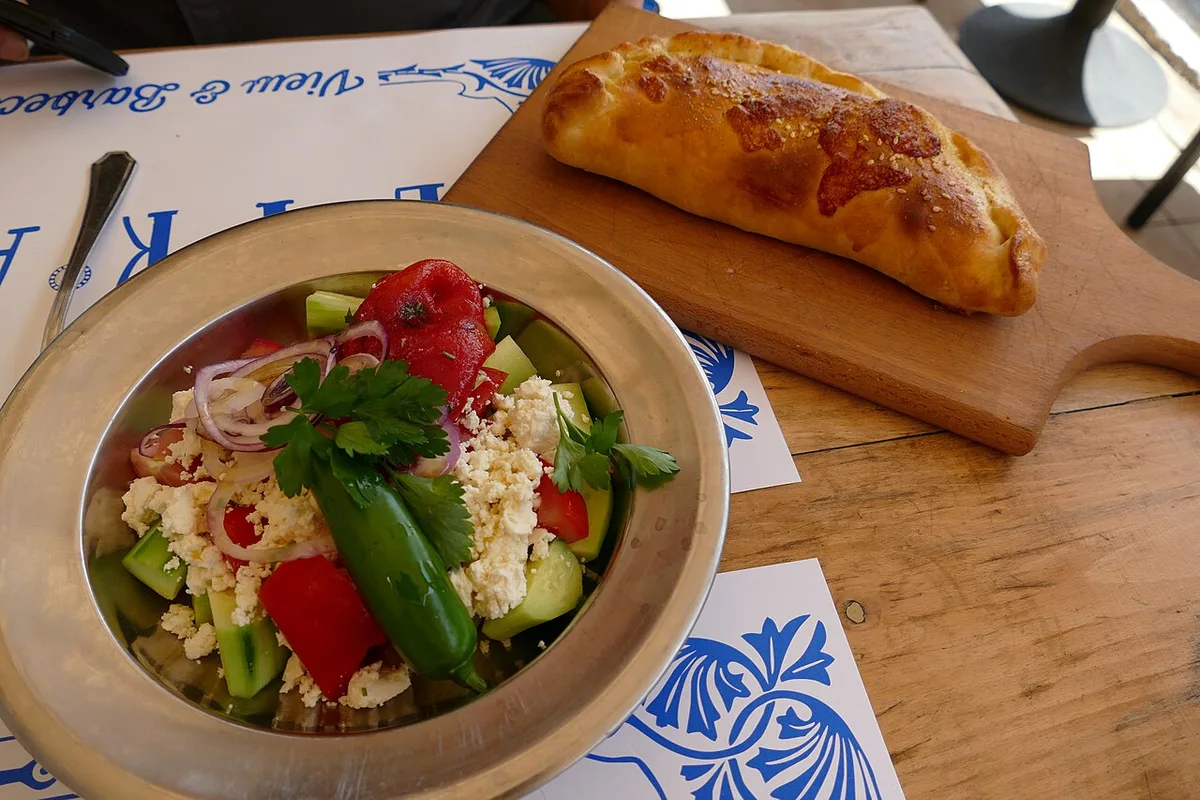
For a classic Bulgarian meal in Sofia, book a table at Manastirska Magernitsa or Hadjidraganovite Izbi, the two mehanas everyone sends first-timers to. Want the modern take, done properly? Moma and Shtastlivetsa cook Bulgarian food with a lighter touch. After rakia and small plates, head to Raketa Rakia Bar; for a full folklore night with the fire-walkers, it’s Vodenitzata in the Vitosha foothills; and for cheap and fast, the stalls of the Central Market Hall and the city’s bakeries do the job.
This is a guide to the places, not the plates. If banitsa, kavarma or a good Mavrud still sound like a foreign language, our companion what to eat in Bulgaria guide sorts that out first. What’s harder to look up is which room fits which night, so that’s the job here: matching a folk-decor cellar with live music, a modern dining room with a serious wine list, or a smart table on the main boulevard to the evening you’re actually having.
The classic mehanas
A mehana is a traditional Bulgarian tavern, usually rustic, with folk textiles on the walls, a grill going and the full range of clay-pot dishes, and Sofia has two that stand above the rest for a first visit.
Manastirska Magernitsa (“The Monastery Canteen”) is the one to book if you only eat one Bulgarian meal in the city. The name is the point: the kitchen works its way through a huge menu of recipes gathered from monasteries around the country, so you get dishes you’ll not see elsewhere alongside the standards. It sits in a 19th-century townhouse just off the centre on Han Asparuh Street, with a garden for summer, wooden beams and folk decor inside, and portions that are generous rather than fussy. It’s popular and not large, so reserve, especially at a weekend.
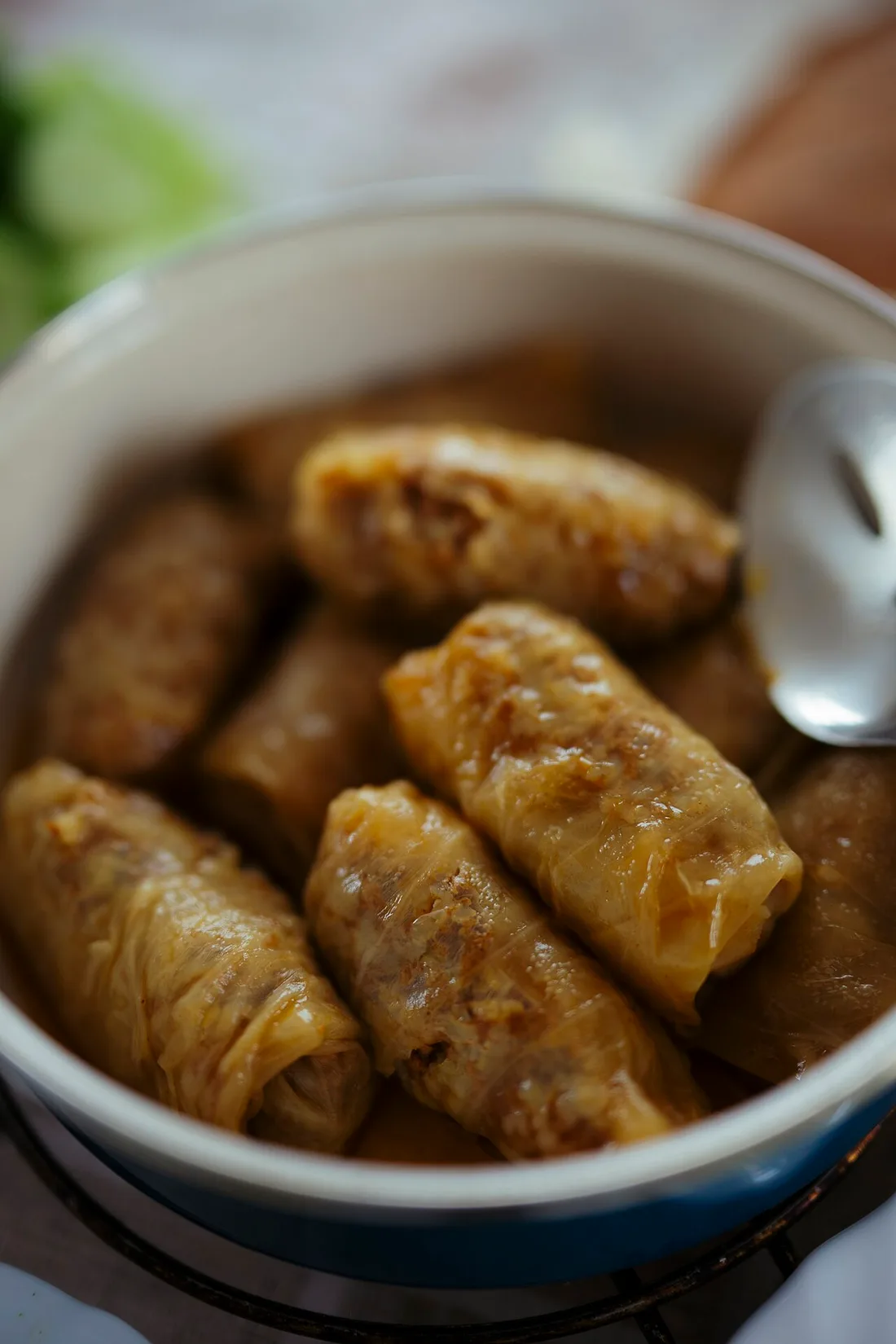
Hadjidraganovite Izbi (the “Hadjidragan Cellars”) is the other classic, and it leans harder into the show. Think stone walls, wine barrels, carved wood and staff in traditional dress, with a menu that pulls regional recipes from across Bulgaria. The draw here is the live folklore music, generally Wednesday to Sunday evenings, which turns dinner into an event; it’s touristy, yes, but genuinely fun and the food holds up. Book if you want a table near the music rather than by the kitchen door. Between the two, Manastirska Magernitsa is the better plate of food, Hadjidraganovite the better night out.
Modern Bulgarian, done well
If the folk-tavern thing is not for you, Sofia has a new wave of restaurants cooking the same tradition with a lighter, more polished touch.
Moma Bulgarian Food and Wine is the standard-bearer, and for many visitors the single best meal in the city. It takes classic recipes and plates them with care, in a bright room that reads contemporary rather than cave-like, and it has a serious Bulgarian wine list to match, which is the easiest place to drink your way through Mavrud, Melnik and the rest. It’s deservedly busy, so book ahead, particularly for dinner.
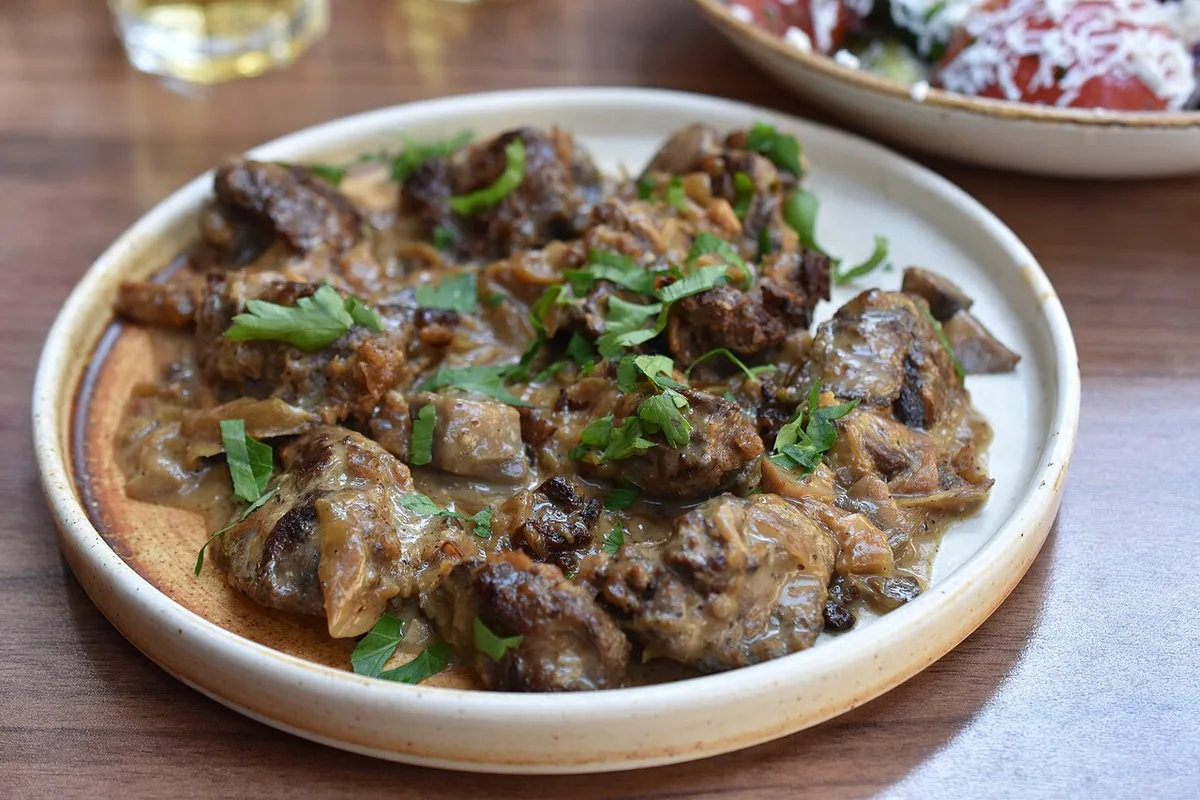
Shtastlivetsa (“The Lucky One”, after the nickname of the writer Aleko Konstantinov) sits right on Vitosha Boulevard, the city’s pedestrian spine, which makes it the easy, no-plan choice: you can walk in off the main drag, grab a table on the terrace, and watch Sofia go by over grilled meats, salads and a decent wine list. It’s smarter and a touch pricier than a back-street mehana, and it also does pizzas and international plates, so it’s a safe pick for a mixed group who do not all want stuffed peppers.
Rakia and meze: the drinking table
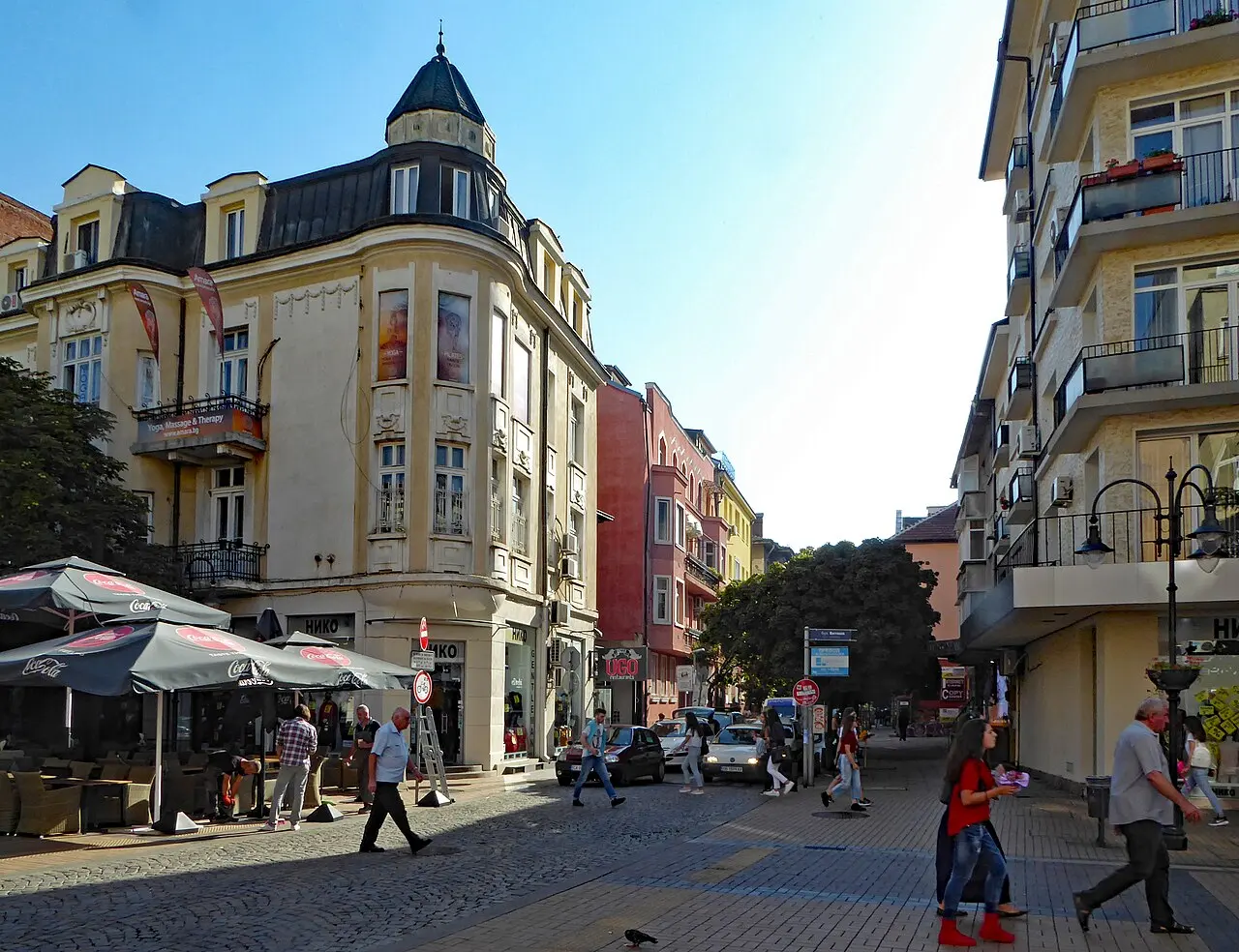
Sofia’s best evenings rarely start with a menu at all. They start with meze (small plates), a bottle of rakia between however many of you showed up, and no particular hurry to order anything hot. The place to do it’s Raketa Rakia Bar, a knowingly retro spot styled on 1970s and 80s socialist Bulgaria, all vintage radios and old-brand nostalgia, with a rakia list that runs to dozens of varieties. Order a few, get a board of cheeses, cured lukanka, roasted peppers and a shopska to share, and you have the most Bulgarian evening in the city for very little money. Sip the rakia slowly rather than shooting it, alongside the food, which is how it’s meant to be drunk in Bulgaria. It’s lively and gets full, so go early or expect to wait; a free table without a booking is rare once the evening gets going.
A folklore night out: Vodenitzata
For a proper occasion, the pick is Vodenitzata (“The Watermill”), set in a restored old mill in the wooded foothills of Vitosha, the mountain on Sofia’s doorstep. The food is solid traditional fare, but the reason people come is the live folklore show, which builds to the nestinari, dancers walking barefoot across live embers. It’s unashamedly a night out for visitors, and it’s a good one. Two practical notes: it is out of the centre, so you’ll need a taxi or a car rather than a walk, and you should book, especially if you want a table with a clear view of the stage on a show night.
A couple more worth a table
If those are booked out, a few other names are safe bets. Izbata Tavern is a cosy basement spot with a long menu of Bulgarian standards at gentle prices, the handy fallback for a group that cannot get into Moma on a Friday. Sofia also has a growing crop of casual modern bistros where young locals actually eat, serving updated Bulgarian and Balkan plates in a relaxed, no-folk-costume room. They are the antidote if the tourist-tavern format starts to wear thin, and they make a good lunch between sights: look for somewhere busy with Sofians rather than tour groups, and you’ll rarely go wrong. Skara Bar, a plain grill house on Dimitar Grekov by Zaimov Park, is where locals go for straightforward skara without the centre’s theatre.
One honest word of warning. Alexander Nevsky Cathedral pulls the biggest crowd in the city, and the pavement tables angled toward the gold domes, between the icon stalls and the tour buses, know it: a tout out front and a laminated menu in six languages are the giveaway, and the food rarely earns the view. Cross into the side streets around Solunska, or drop back to the quieter stretch of Vitosha Boulevard, and the cooking starts earning its price again.
Cheap and fast: the market hall, bakeries and the grill
Sofia doesn’t ask for a reservation either. The Central Market Hall (Tsentralni Hali) on Maria Luiza Boulevard is the fastest route to a cheap meal: a grand covered market stacked with stalls selling banitsa, grilled meat, salads and sweets, built for grazing rather than sitting down. For banitsa on its own, bakeries fold it warm into paper for pocket change - Sofiyska Banitsa at Graf Ignatiev 7A sells nothing else and does it well - and street stalls add mekitsi (fried dough) to the same short breakfast list. Wash either down with boza, a thick, mildly sweet fermented-grain drink, or the famous Bulgarian yogurt; both are an acquired taste worth acquiring once.
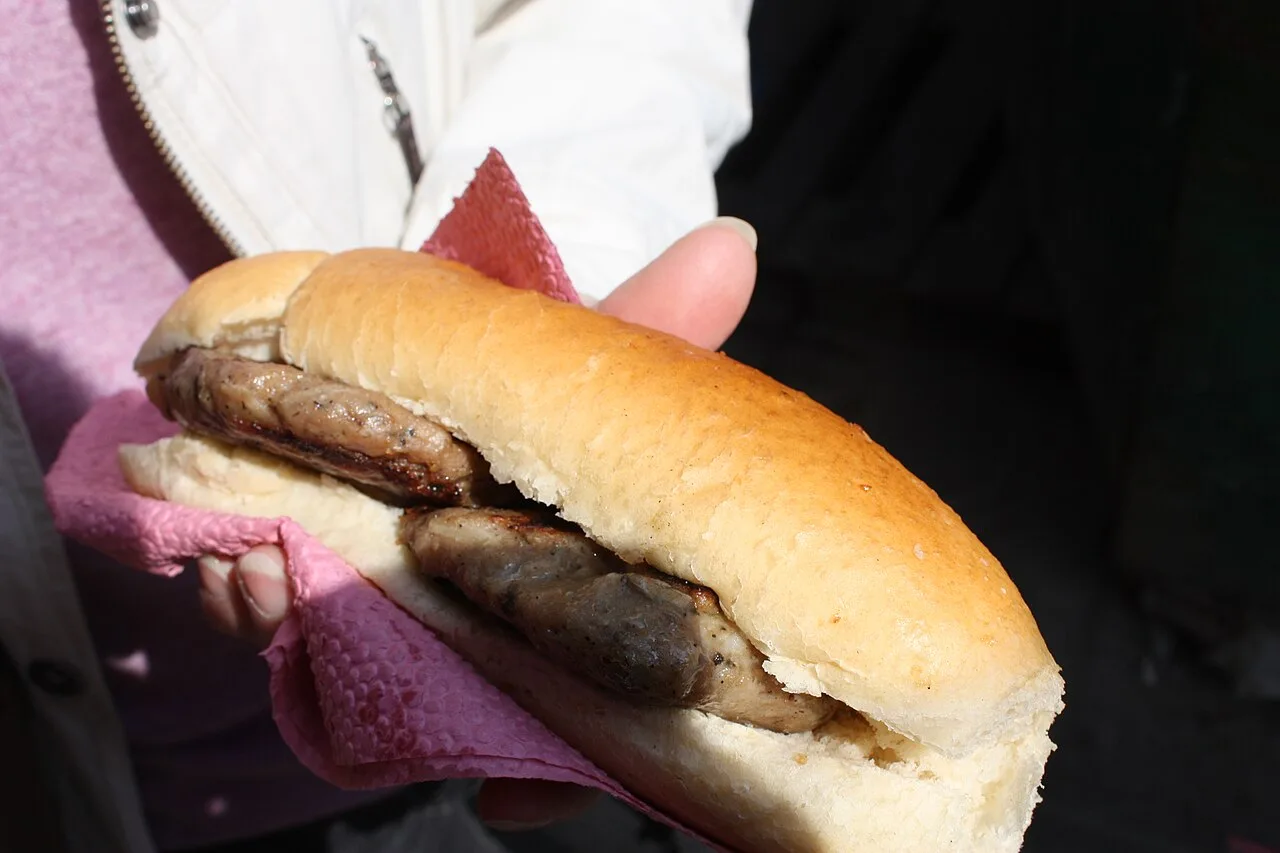
For a sit-down cheap meal, a grill house (skara) with a dining room full of Sofia regulars beats any place waving a five-language menu at the door: two or three kebapche each, a shopska for the table, bread and a beer add up to a dinner that won’t dent a modest budget.
How the evening usually goes, and the fine print
A typical Sofia dinner starts the same way whichever of these rooms you land in: a shopska salad hits the table with a cold rakia, then someone works through the grill (kebapche, kyufte) or points at a clay-pot kavarma or gyuvech, and the wine that follows is Bulgarian, a Mavrud or a Melnik red, never an imported label if the list has a local one. If any of those names mean nothing yet, our what to eat in Bulgaria guide is the menu decoder to open first. Dishes come sized for the table rather than the individual, so a group of four does better ordering three mains and stacking the middle with salads and starters than one plate each; vegetarians aren’t an afterthought either, shopska, banitsa, bean stew and grilled sirene cheese show up even on a grill-house menu.
On the practical side: Bulgaria has priced in euros since the 1 January 2026 changeover, leva still turn up on menus and in change through 2026, and cash still wins over cards at the smaller places. 10 percent on top is the standard tip for decent service. Booking matters most for Moma, Manastirska Magernitsa and Vodenitzata, and for any table on a night with live folklore music - those three sell out fastest.
Sofia’s best food sits close to Sofia’s best areas, so where to stay in Sofia is worth a look if your base isn’t fixed yet, and things to do in Sofia covers everything between meals. Building a longer trip? The 7-day Bulgaria itinerary carries on to Plovdiv and the coast, and where to eat in Plovdiv is waiting when you get there. Once you hit the sea, best food in Varna takes over the dinner list.
Read also

Food · 7 min read
Where to Eat in Varna: Fish, Mehanas & Sea Garden
Verified · September 4, 2026Where to eat in Varna: Black Sea fish at the Port, mehanas in town, Sea Garden terraces, with menu prices from Mr Baba and Captain Cook.

Food · 9 min read
Melnik Wine Guide: Cellars, Grapes & Tastings
Verified · July 23, 2026Melnik wine explained: the broad-leaved Melnik vine, Melnik 55, the sandstone cellars, which wineries to book and how to taste without driving.

Food · 8 min read
Where to Eat in Plovdiv: Kapana & Old Town Restaurants
Verified · July 21, 2026Where to eat in Plovdiv: Pavaj and craft beer in Kapana, Revival-house garden restaurants in the Old Town, plus rakia, Mavrud wine and cheap grills.

Food · 10 min read
What to Eat in Bulgaria: Food & Wine Guide
Updated · September 3, 2026What to try in Bulgaria: banitsa, shopska salad, tarator, kebapche, kavarma, sarmi, real Bulgarian yogurt, sirene cheese, plus Mavrud wine and rakia.