
Melnik Wine Guide: Cellars, Grapes & Tastings
Melnik wine explained: the broad-leaved Melnik vine, Melnik 55, the sandstone cellars, which wineries to book and how to taste without driving.
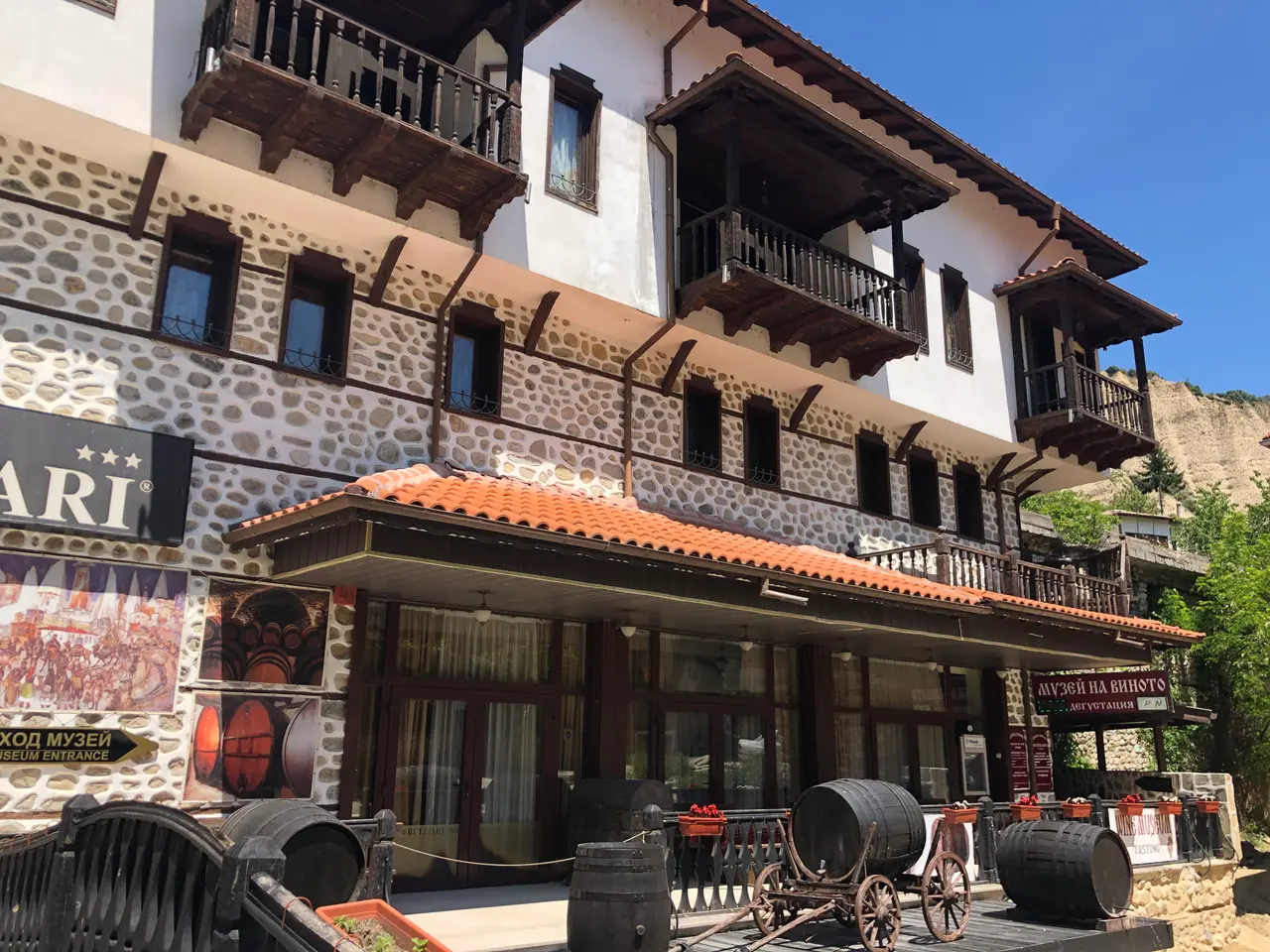
Melnik makes a dark, tannic red from a grape that grows nowhere else: Shiroka Melnishka Loza, the broad-leaved Melnik vine, an endemic variety that has resisted every attempt to plant it outside this pocket of south-west Bulgaria. You can taste it two ways here. In town, in cellars cut straight into the sandstone, informally, for very little money. Or out in the valley at modern wineries that run proper tours by appointment.
Doing both in one day is the right plan, and the thing to sort before you arrive is who drives. Melnik is Bulgaria’s smallest town, the cellars pour generously, and the wineries worth visiting are 7 to 20 km out along country roads. Get that right and this is one of the most rewarding wine stops in the Balkans; get it wrong and it’s an expensive lesson.
The grape: why the wine tastes the way it does
The broad-leaved Melnik vine takes its name from exactly what you would guess: large, broad, rough-surfaced leaves. The bunches are medium to large, semi-compact and winged, often double-winged, and the berries themselves are small and oval with a thick blue-black skin. That skin-to-juice ratio is why the wine comes out so dark and structured.
It’s a late ripener, coming in during the first half of October, and it’s fussy. It wants high spring temperatures, a hot summer, a long dry autumn and a mild winter, and it has poor resistance to winter cold. Push it a valley too far and it fails, which is why every attempt to grow it outside the Melnik area has come to nothing. In practical terms the wine is one of the few genuinely local things left in European wine: you can’t buy the same grape from a cheaper country.
In the glass it shows concentration rather than lightness: tasting notes typically list earthy tones, tobacco, dried herbs and a distinct cherry character, over ripe smooth tannins and enough freshness to keep it from feeling heavy. It ages, and the older bottles in a cellar are usually the ones worth the extra euro.
Melnik 55, and how to read a label here
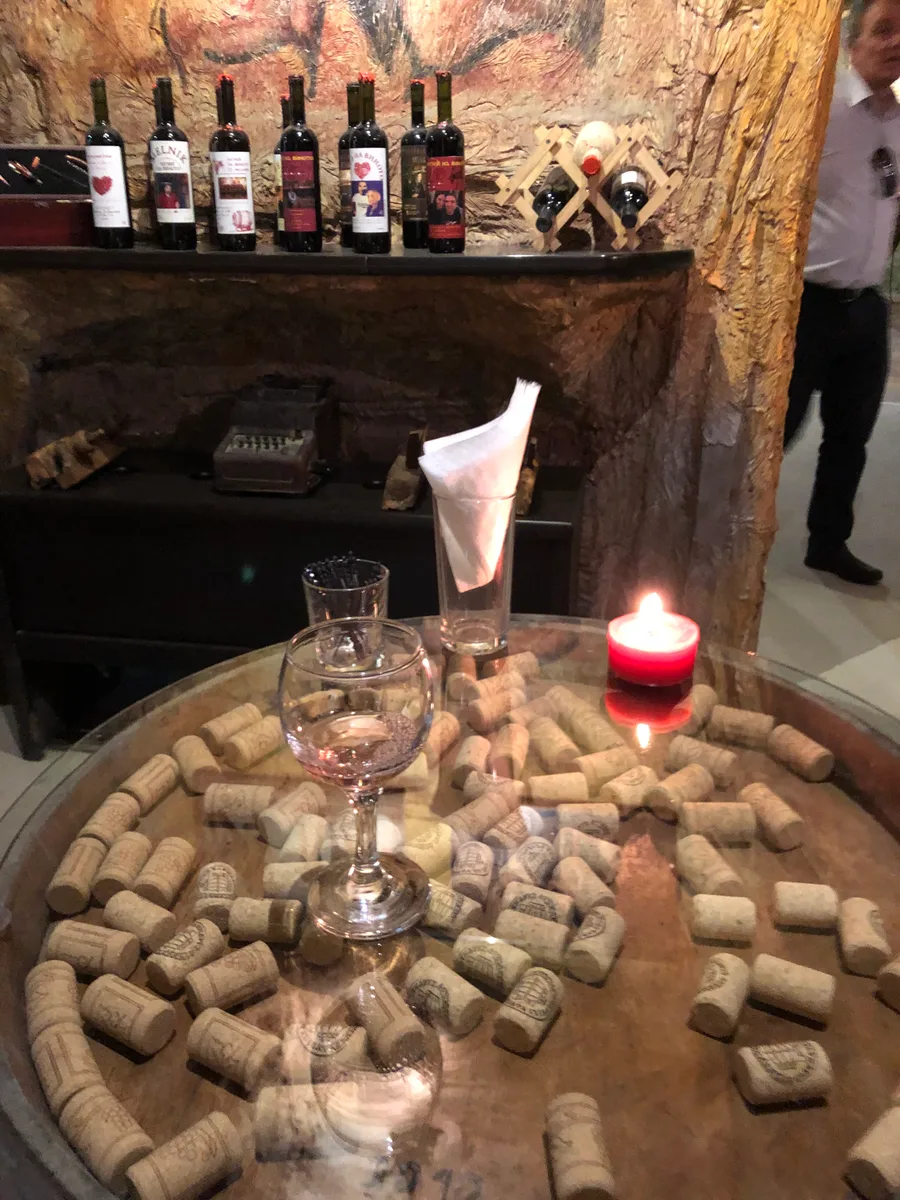
The second name you’ll see everywhere is Melnik 55, also sold as Early Melnik. It is not a marketing variant of the first grape but a deliberate cross, created in 1963, of the local broad-leaved vine with French material including Valdiguié, Durif, Jurançon and Cabernet Sauvignon. The point of the exercise was to keep the local character while ripening earlier and more reliably, and the result is a lighter-bodied, softer red.
That gives you a genuinely useful rule when you’re staring at a wine list. If you want the old, tannic, savoury Melnik that ages, look for Shiroka Melnishka Loza or Broad-leaved Melnik on the label. If you want something rounder to drink tonight with grilled meat, Melnik 55 is the safer buy. Cellars will pour both side by side if you ask, and doing that comparison first is the fastest way to work out what you actually like before you commit to buying a case.
Tasting in town: the sandstone cellars
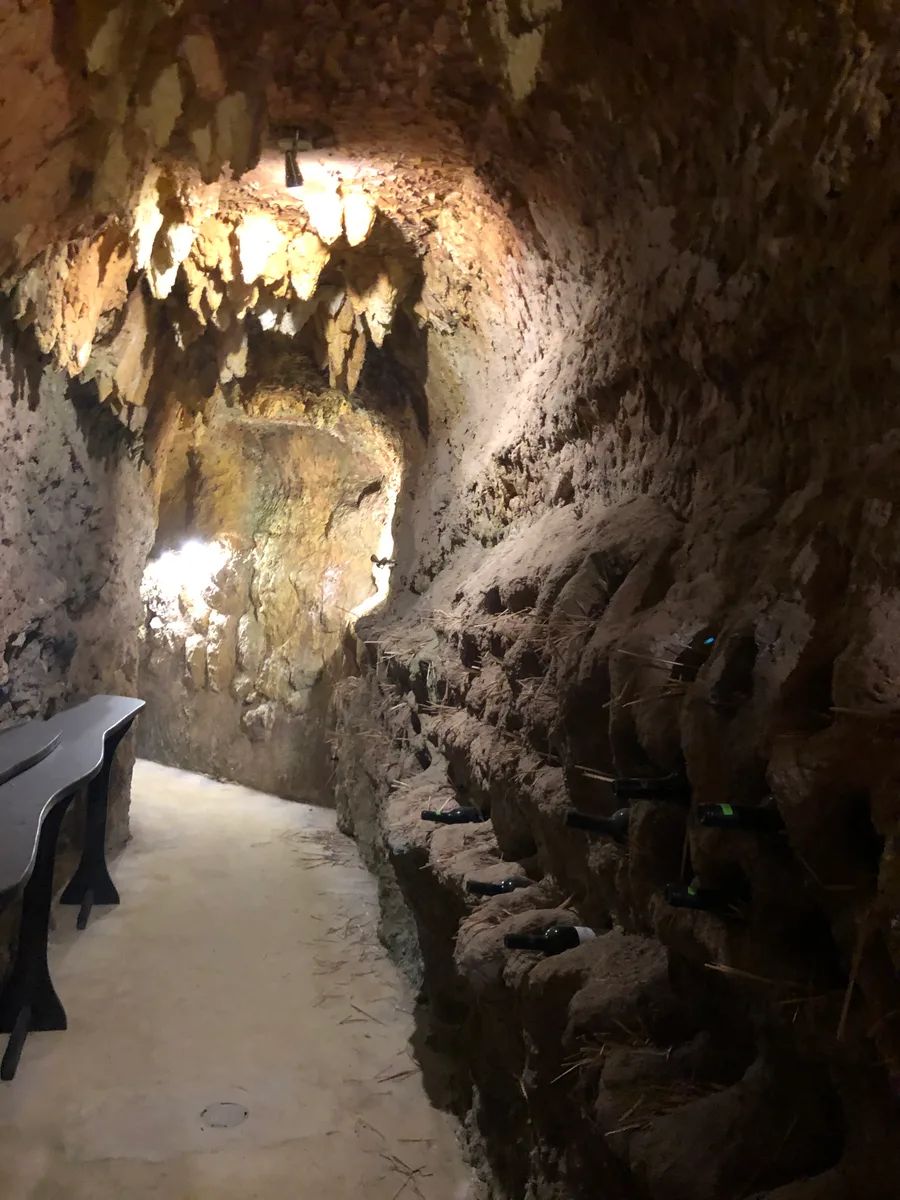
Wine is why this town exists at all, documented here since at least 1346, and the reason it kept working is geology. Melnik’s cellars are tunnels dug straight into the soft sandstone hills, and they hold a steady cool temperature all year with no machinery, no glycol, no electricity. Walking into one in August, the temperature drop at the door is startling.
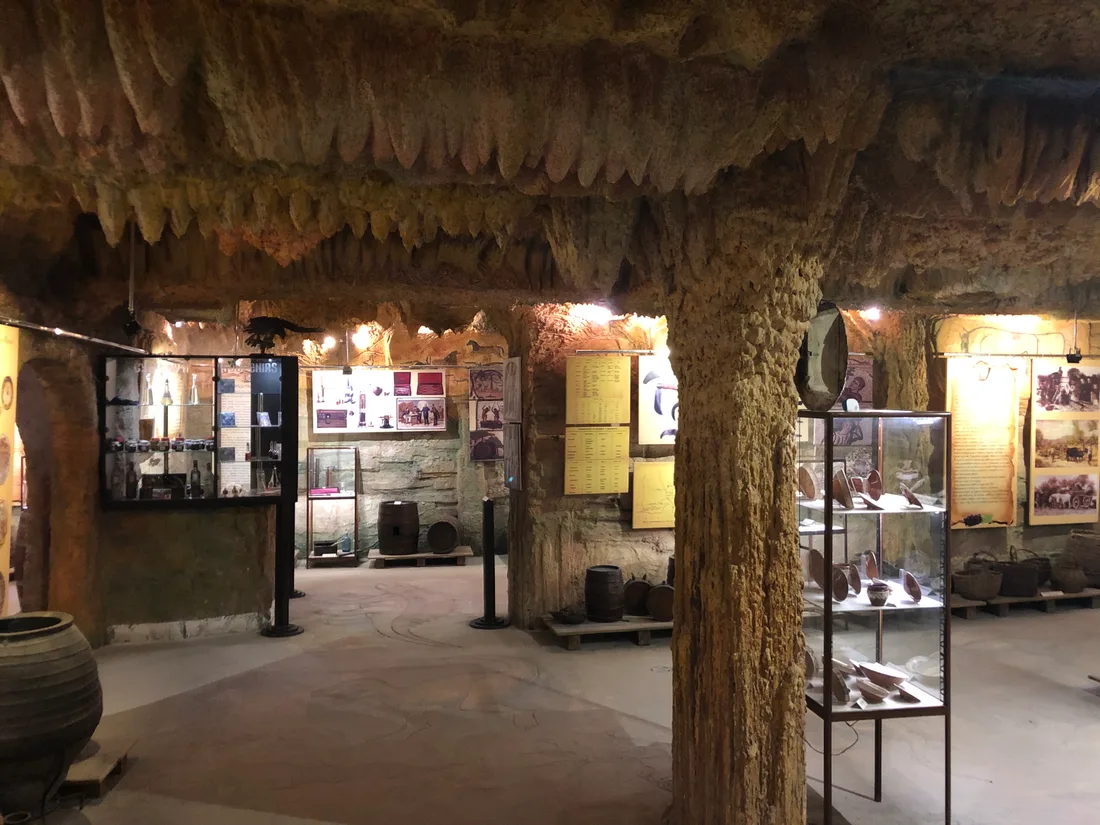
The town tasting is informal and cheap: you walk the lane, step into whichever cellar is open, and try a glass or two plus a shot of rakia, often served by the family who made it. Don’t expect a slick tasting-room script. The biggest and most visited of the cellars belongs to the Kordopulov House, whose 150-metre rock tunnel and giant barrels are covered in our Melnik town guide; entry there’s a small charge and usually includes a taste.
One honest warning about buying in town. Much of what’s poured from the barrel is house wine sold by the litre, and it’s fine, cheerful stuff to drink with dinner, but it is not the bottled, named-vintage wine you’ll find at the estates. Both are worth having. Just know which one you’re carrying home, and taste before you fill a five-litre container you then have to fly with.
The wineries worth booking
Outside the town, the modern producers are a completely different experience: proper cellar tours, vineyard walks, seated tastings with an explanation. They work by appointment, which is the single most common trip-planning mistake here, so book before you travel rather than driving up hopefully.
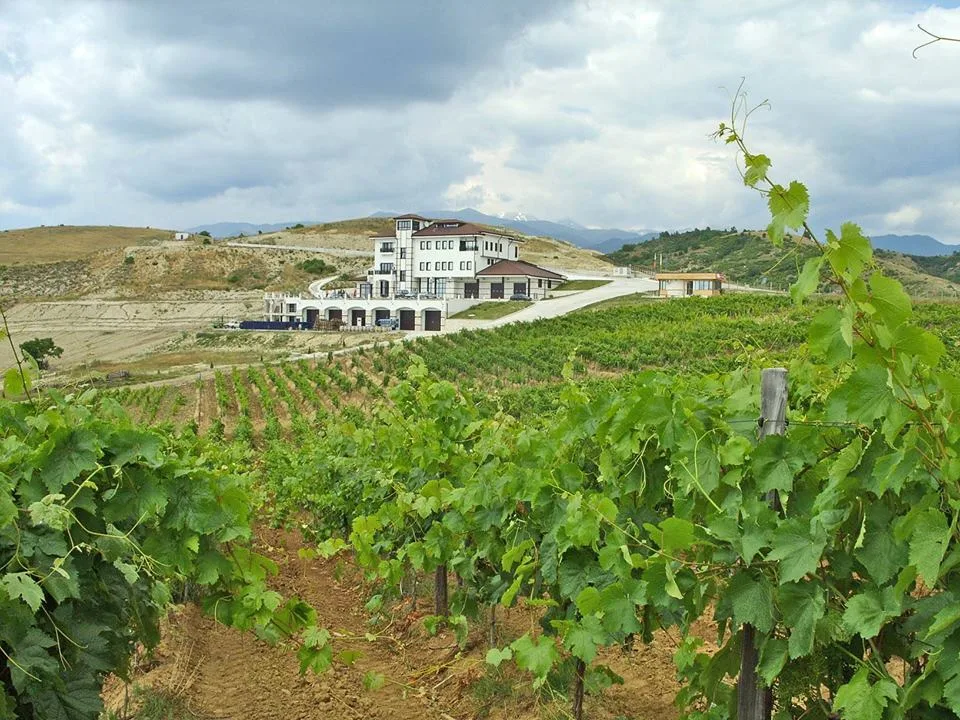
Villa Melnik, in the village of Harsovo about 7 km south of town, is the one most visitors should start with. It is a family operation, tours and tastings run daily, the roughly two-hour visit is led by the family themselves and they’ll shape it to what you want to try. It works both local and international varieties, and it made the top 50 of the World’s Best Vineyards list in 2020, at number 39. Ask specifically to see the small heritage plot where the broad-leaved vine is grown the old way, trained as free-standing bushes about 80 cm off the ground rather than on wires; that patch is the clearest picture anywhere of how this wine was made before tractors.
Orbelus, near the village of Kapatovo, is the other one to build a day around. It works only with organic grapes, and the building itself is worth the drive: a giant wine barrel in shape, half of it sunk underground, with the winemaker often doing the walk-round personally. Between the two you get the traditional and the modern face of the same valley in an afternoon.
For a slower, food-first version, Zlaten Rozhen near the Rozhen monastery pairs a tasting with lunch, which suits a group that wants to eat rather than analyse. Gülfiye and Özgür of Grapeful Travelers describe their tastings at Rupel, Orbelus, Zlaten Rozhen and Villa Melnik, one winery at a time, in their Melnik wine route.
Two booking notes that make the difference between a good visit and a locked gate. First, phone rather than email if you’re booking at short notice; Villa Melnik publishes a mobile number, +359 888 007 266, and a call the day before is normal practice here. Second, say what you want when you book. Because the family runs the tours themselves they will shape the tasting around your interest, so asking in advance for a vertical of the broad-leaved vine, or for the bush-vine plot, gets you something a walk-in never sees. If you’re travelling by campervan, Villa Melnik also allows campers and caravans to stay on site, which quietly solves the driving problem for road-trippers.
Two wineries in a day is the sensible ceiling. They are 20 minutes or more apart on small roads, each visit runs to a couple of hours if you do it properly, and a third stop turns a pleasure into a schedule.
When to come, and who drives
Because the grape ripens in the first half of October, the harvest and the pressing land in autumn, and that’s the most interesting time to be here: the cellars smell of fermenting must and everyone has something to show you. Spring and early summer are quieter and more comfortable for walking between cellars, and midsummer is hot in a valley that sits close to the Greek border. Winter is the off-season, when several places open only on request.
The driving question decides everything else. The estates are spread across country roads, tastings are generous, and Bulgarian police run routine checks on the Struma corridor. The three workable options: stay overnight in Melnik or Sandanski and use a taxi for the wineries, hire a driver or a guided tour for the day, or nominate one person to spit and stay dry. Sandanski doubles as a thermal base - Bulgaria’s spa towns explains when that overnight is worth more than a Melnik guesthouse. Our wine route covers how Melnik links to the rest of the country’s wine regions, and if you are still deciding whether to drive at all, driving in Bulgaria sets out the road rules and the alcohol limits.
What to eat with it, and what to take home
The obvious pairing is what the town serves anyway: grilled meat, kavarma, cured lukanka, sheep’s cheese and heavy bean dishes, all of which stand up to the tannin. Our guide to what to eat in Bulgaria covers the dishes worth ordering by name. The one thing worth ordering here that you will not get elsewhere is a slow-cooked meat dish with an older bottle of broad-leaved Melnik; that combination is the whole argument for the grape.
For buying, the rule is simple. Bottled wine from the estates travels and keeps; barrel wine is for drinking here. Ask what the cellar considers its best vintage rather than picking on the label, and if you’re flying, remember that a five-litre plastic container of house red isn’t going in your cabin bag. And treat the local Churchill legend, which every tasting room repeats, as a good story rather than a documented fact; the wine doesn’t need it.
Photos
Good to know
Town cellars are informal and often open on the day; the modern wineries outside Melnik work by appointment, so book a tour and tasting ahead rather than turning up. Tasting prices are set by each cellar and were not published at the time of checking, so confirm when you book. Somebody has to stay sober: police checks are routine on the Struma road.
Details checked: July 23, 2026
Distance
- Sofia About two and a half hours by road down the E79 toward Greece, then east off the motorway. Buses reach Sandanski easily; from there you need a taxi or a car for the last stretch to Melnik.
- Plovdiv Cross-country via the Rhodopes or back through Sofia. Either way it is most of a day, so treat Melnik as an overnight rather than a day trip.
- Varna The far corner of the country from here. Fly or drive to Sofia first.
Read also

Food · 7 min read
Where to Eat in Varna: Fish, Mehanas & Sea Garden
Verified · September 4, 2026Where to eat in Varna: Black Sea fish at the Port, mehanas in town, Sea Garden terraces, with menu prices from Mr Baba and Captain Cook.

Food · 8 min read
Where to Eat in Plovdiv: Kapana & Old Town Restaurants
Verified · July 21, 2026Where to eat in Plovdiv: Pavaj and craft beer in Kapana, Revival-house garden restaurants in the Old Town, plus rakia, Mavrud wine and cheap grills.

Food · 9 min read
Where to Eat in Sofia: Best Traditional Restaurants
Verified · July 20, 2026Where to eat in Sofia: the best traditional mehanas and modern Bulgarian restaurants, from Manastirska Magernitsa to Moma, plus rakia bars and cheap eats.

Food · 10 min read
What to Eat in Bulgaria: Food & Wine Guide
Updated · September 3, 2026What to try in Bulgaria: banitsa, shopska salad, tarator, kebapche, kavarma, sarmi, real Bulgarian yogurt, sirene cheese, plus Mavrud wine and rakia.