
Money in Bulgaria: Euro, ATMs, Cards & Cash
Bulgaria runs on the euro now. Where cards work, where you still need cash, which ATMs to use and skip, and how much to tip - the 2026 money guide.
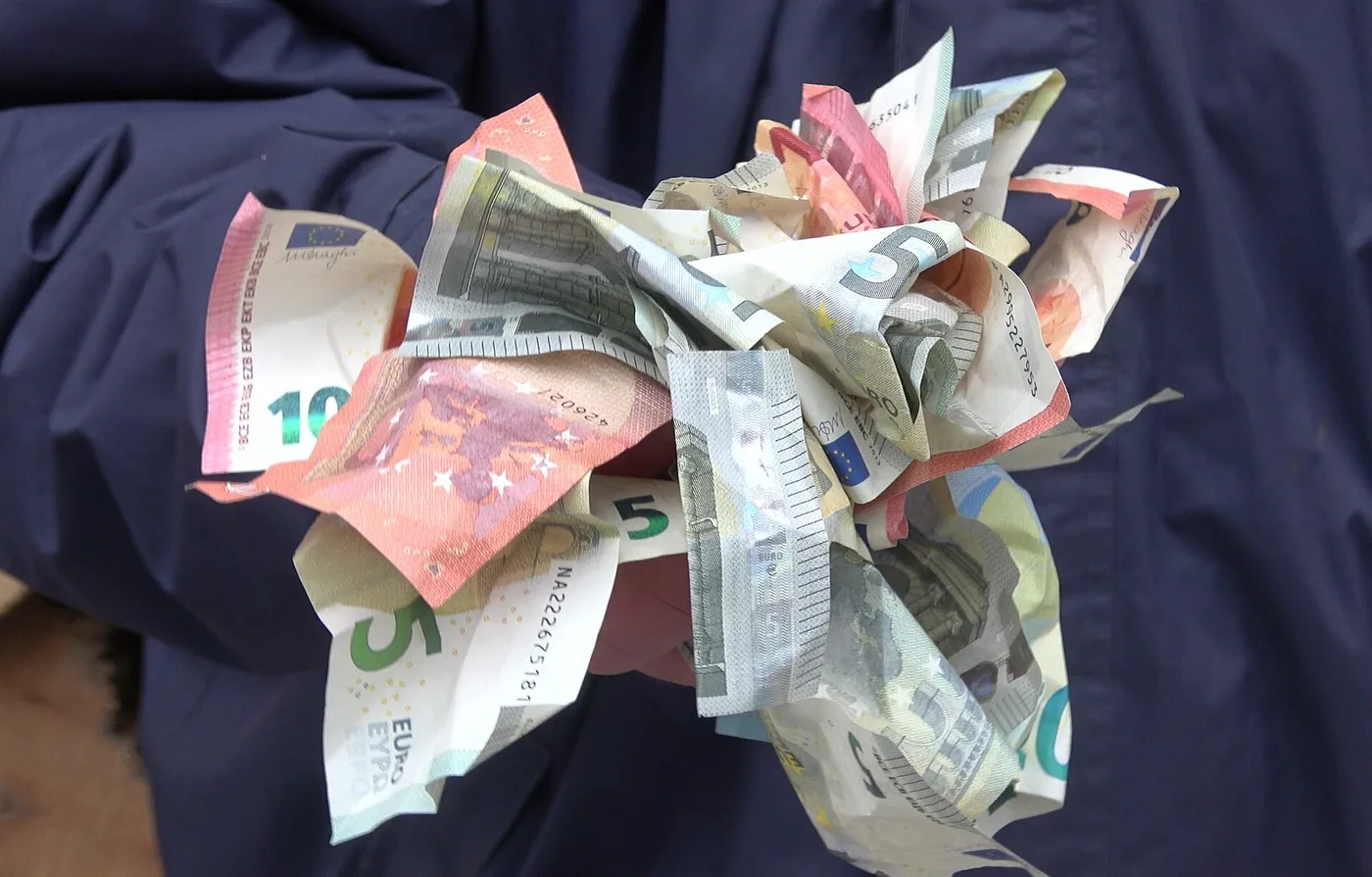
Bulgaria runs on the euro now, and paying here’s easy: cards work almost everywhere in the cities, but you should still carry some cash for markets, small towns and monasteries. The two habits that save you money are picking the right ATM and always declining the “convert to your home currency” offer. Tipping is light, around 10% in restaurants, and best given in cash. That’s the whole game; the detail below is where the euros actually go.
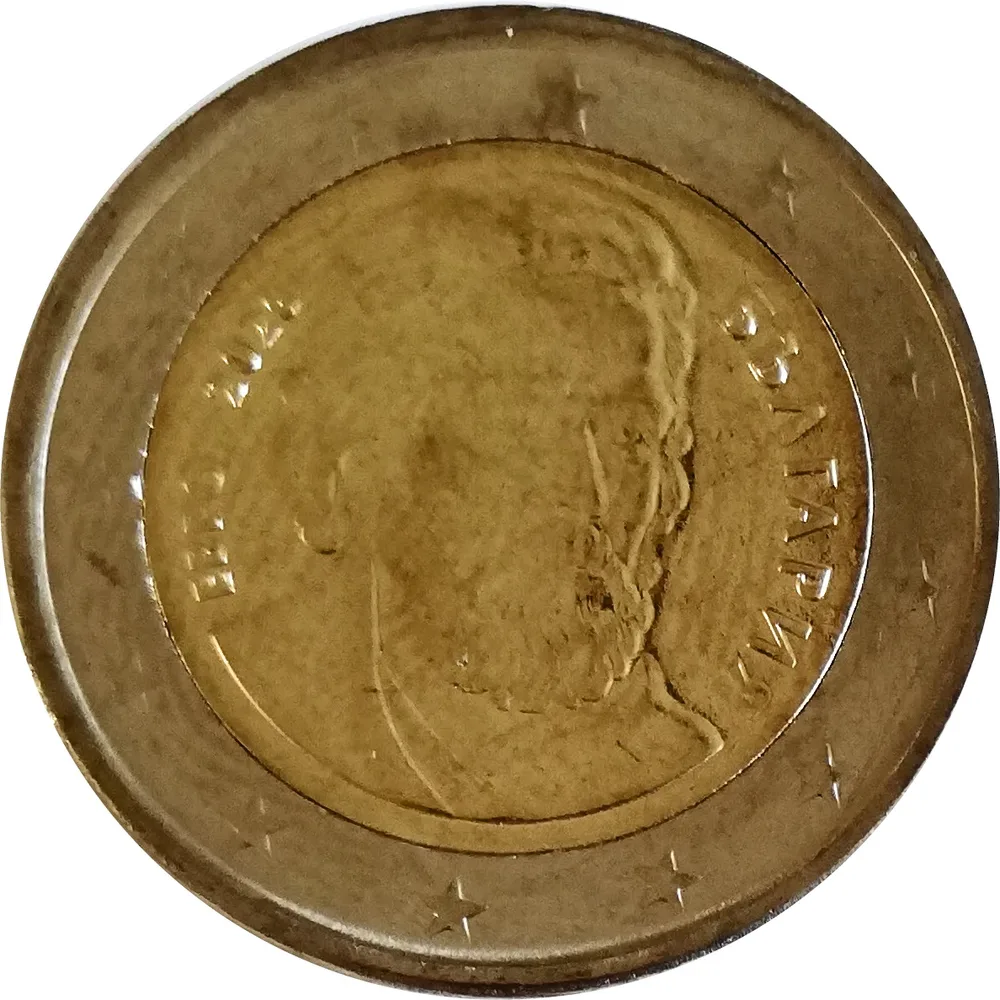
Bulgaria joined the eurozone on 1 January 2026, so the lev is gone as everyday money and every price, ATM and card terminal now works in euro. If you want the full story of the switch, the dual-price tags and what happened to prices, our guide to what the euro changeover means for visitors covers it. This page is the practical one: how to actually pay for things on the ground.
The money playbook, in six lines
- Currency: euro, since January 2026. Carry a card and some euro cash.
- Cards: taken almost everywhere in cities, including contactless, Apple Pay and Google Pay.
- Cash: still needed at markets, small taxis, villages, monastery tickets and many family guesthouses.
- ATMs: use bank machines (DSK, UniCredit Bulbank, Raiffeisen, Postbank). Avoid Euronet and other airport or high-street private ATMs, which charge far more.
- Always choose euro at any card machine or ATM, never “your home currency.”
- Tipping: about 10% in restaurants, round up taxis, and tip in cash where you can.
Cards or cash? It depends where you are
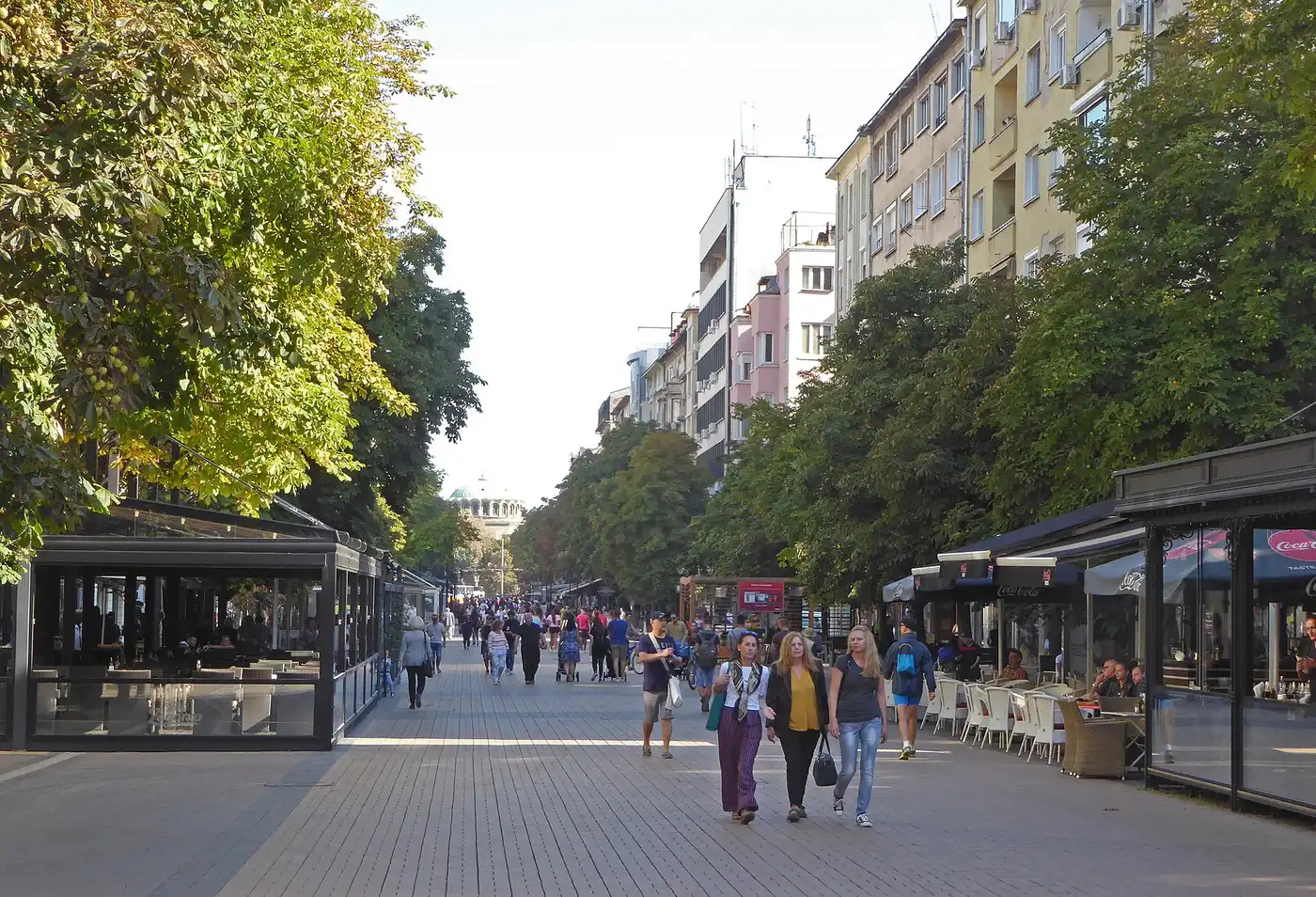
In Sofia, Plovdiv, Varna and the resorts, a card handles almost everything. Restaurants, hotels, supermarkets, chain shops, petrol stations and city transport ticket machines all take cards, contactless is standard, and phone payments (Apple Pay, Google Pay) are widely accepted. You can spend a whole city day without touching a note. Even small cafes and shops in the centre and the tourist areas nearly always take a card, and nobody minds a contactless tap for a two-euro coffee - a small purchase is no problem.
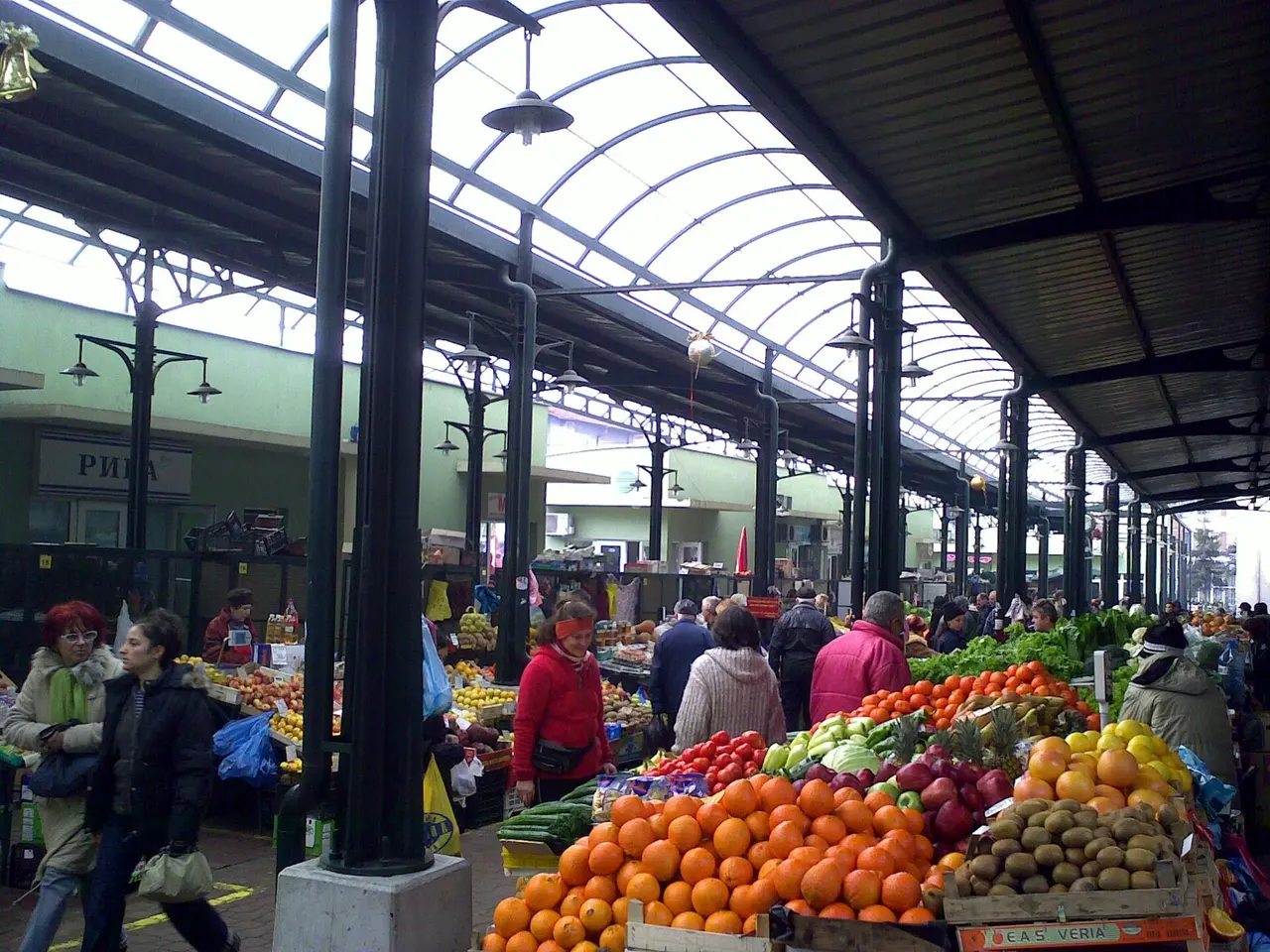
Bulgaria still runs on cash more than most of Western Europe once you step off the main drag, though, so keep a modest amount of euro on you. You’ll want it for:
- Open-air markets and produce stalls, where the fruit, cheese and honey sellers deal in cash.
- Small and independent taxis, especially ones flagged on the street rather than booked through an app.
- Villages and rural cafes, small family guesthouses, and the odd rural petrol stop where the card reader is “not working.”
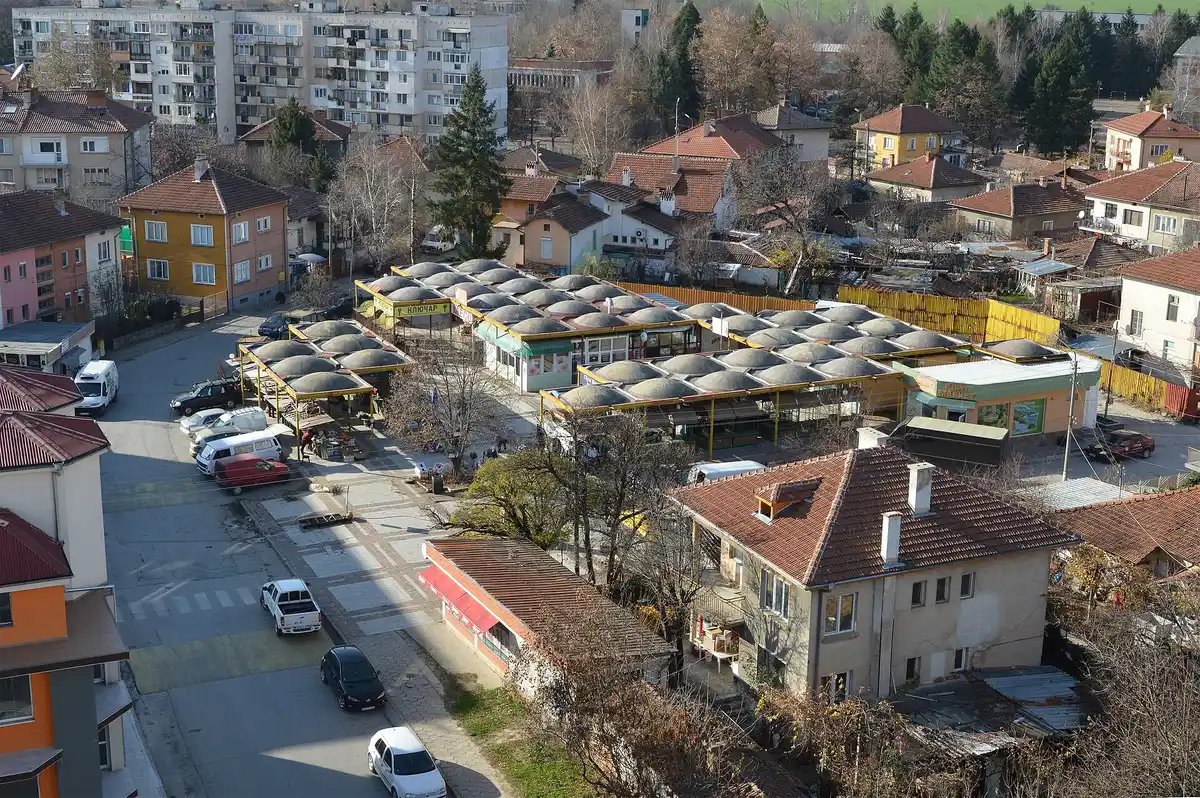
- Monasteries and sights, where the entry ticket, the candle, the small museum and the car park often want coins. Rila Monastery is the classic example, and our Rila Monastery guide flags exactly where you’ll need change.
- Public toilets, parking machines and small bakeries, the little everyday things that add up.
A sensible rule of thumb: keep something like 50 to 100 euro in cash between two people for a few days of city travel, and top up before you head into the mountains or the villages, where machines get thin on the ground. It pays to draw larger amounts less often, so you meet the per-withdrawal fee fewer times, and keep the small notes and coins for exactly the places a card won’t work.
ATMs: use the banks, dodge the tourist machines
Here’s where a careless traveller quietly loses money, because not all cash machines are equal.
Use bank-branded ATMs. The big Bulgarian banks, DSK, UniCredit Bulbank, Raiffeisenbank and Postbank, run machines in every city, town, resort, airport and shopping centre, and their fees for a foreign card are low, typically somewhere between nothing and about 3 euro per withdrawal.
Avoid Euronet and the other private machines. Independent operators like Euronet and B-Pay have spread since 2024, and they cluster exactly where flustered travellers land: airport arrivals halls, train and bus stations, and the busiest tourist streets. Their fees run far higher, often around 3.50 to 7.50 euro a withdrawal and sometimes a percentage on top, and they push dynamic currency conversion hardest. If a machine is bright yellow and standing alone in an airport, you’ll want to walk past it to a bank ATM, which will usually be minutes away in the nearest mall or supermarket (Kaufland and Lidl entrances are a reliable bet). Put real numbers on it: withdraw 200 euro from a bank ATM and the fee might be about 2 euro; do it at an airport Euronet and you can pay around 7 euro in fees and lose roughly 10 euro more if you accept its on-screen conversion - close to 17 euro gone on the same 200.
Always choose to be charged in euro. When an ATM or a shop card reader asks whether you would like to pay “in your home currency,” say no and pick euro every time. That prompt is dynamic currency conversion, and it slips in a poor exchange rate that can cost you 3 to 5% on the spot; letting your own bank do the conversion is almost always cheaper. That’s the single most useful habit to bring to Bulgaria, and it works the same across the whole eurozone.
If your own bank stings you on foreign withdrawals, a free travel card like Revolut or Wise is worth setting up before you fly. Both give a fairer conversion, both now work with Apple Pay and Google Pay, and with card acceptance so good in the cities you may barely need an ATM at all. Whatever card you bring, you’ll want to draw a bit extra before heading somewhere remote, because machines get sparse in the villages.
Tipping: light, and better in cash
Tipping in Bulgaria is modest and appreciated rather than compulsory, and nobody expects a North American 20%.
- Restaurants and cafes: around 10% is the norm for good service, a little more if you were genuinely well looked after, and it’s fine to just round up on a casual coffee or lunch. Leaving nothing at all reads as a complaint.
- Taxis: round the fare up to the next round figure; on a longer ride, roughly 10% is generous. Drivers don’t expect much.
- Hotels: a euro or so per bag for a porter, and a small daily tip for housekeeping if you like, a little more at the upmarket end.
- Tour guides: about 10% of the tour price if you enjoyed it, and a bit extra split with a separate driver.
One local point worth knowing: tip in cash where you can, even if you pay the bill by card. Cash goes straight to the server rather than through the business, and it’s the surer way to say thanks. Handing over only tiny coins, on the other hand, can come across as a small insult, so keep a few one and two euro coins handy for exactly this. In a bar it’s normal to round up for a cocktail or a beer, and in a cafe to just leave the change; there’s no fixed rate, and the only guide is to pay what feels comfortable for genuinely good service. For the finer points - the service charge some restaurants add, why the card machine has no tip line, and the “free” walking tour that’s not really free - our full guide to tipping in Bulgaria breaks it down venue by venue.
Leftover leva, and money you brought
If you’ve old lev notes or coins from a previous trip, they’re not worthless, but don’t expect a shop or a foreign exchange desk to take them now. The dependable route is the central bank, which swaps leva for euro free of charge with no deadline; the full rundown, including which cities have a counter, is in our euro changeover guide. There’s no reason to bring leva into the country any more, and no reason to seek them out, euro is all you need.
A last word on changing money: skip the exchange bureaus at the airport and the flashy “0% commission” windows on tourist streets, which make their margin on a poor rate. Now that Bulgaria is in the eurozone there’s rarely any reason to use them at all. If you’re coming from another euro country you already have the right cash; if not, a bank ATM on arrival gives you a fair rate in a minute.
The bottom line
Paying in Bulgaria in 2026 comes down to a few easy habits. Bring a card for the cities and a cushion of euro cash for the markets, taxis, villages and monasteries. Pull that cash from a bank ATM, never a lone airport Euronet, and always choose euro when a machine offers to “help” with the conversion. Tip about 10% and do it in cash. Get those right and money is the least of your worries here, which frees you up for the better questions, like whether Bulgaria is expensive (it’s the cheapest country in the EU), when to visit, how to get around, and the honest picture in is Bulgaria safe (Level 1; the real traps are taxis and roads, not violence). If you’re driving, budget cash-free but keep a card handy for the rental deposit and the motorway vignette, and if you want to sort mobile data before you land, note that travel eSIMs for Bulgaria are still priced in dollars even though you’ll spend euro on arrival.
Good to know
ATM fees, tipping norms and card acceptance checked July 2026 against Bulgarian travel-money guides and the Bulgarian National Bank; fees and customs vary by operator, city and venue. Amounts are in euro at the fixed rate of 1.95583 leva to 1 euro (Bulgaria joined the eurozone on 1 January 2026). Confirm current fees before you rely on them.
Details checked: July 13, 2026
Read also

Before you go · 12 min read
How Much Does a Bulgaria Ski Holiday Cost?
Verified · September 13, 2026A Bulgaria ski week usually lands around 770 to 1,170 EUR mid-range: lift pass, hire, bed, food and transfer from official 2025-26 tariffs.

Before you go · 9 min read
Day Trips from Sunny Beach: Nessebar & Beyond
Verified · August 28, 2026Day trips from Sunny Beach: Nessebar on the local bus, Sozopol via Burgas, Strandzha jeep days. Times, tickets and what fits in a day. 2026.

Before you go · 10 min read
Bulgaria or Greece: Which Beach Holiday Is Better?
Verified · August 27, 2026Greece wins on islands and water clarity; Bulgaria wins on price and sandy resort beaches. Who each suits, real 2026 costs and flights from the UK.

Before you go · 8 min read
Day Trips from Varna: Balchik, Kaliakra & Caves
Verified · August 26, 2026Day trips from Varna: Balchik Palace from €10, Cape Kaliakra cliffs, Aladzha rock monastery and Pobiti Kamani. Distances, buses and what fits in a day.