
Bulgaria Public Holidays 2026 and 2027: Every Date
Official Bulgaria public holidays for 2026 and 2027: every date, which weekends get an extra day off, and the traditions worth knowing about.
Bulgaria’s public holidays are written into the Labour Code: a set of fixed calendar dates, the four moveable Easter days that shift with the Orthodox calendar, and a rule that pushes most of them onto a Monday whenever they land on a weekend - Easter itself is the one exception. In 2026 that rule adds three extra days off; in 2027 it collides with Labour Day in a way most calendar sites gloss over. Here’s the full list for both years, what actually closes, and the two folk traditions that aren’t public holidays but shape the calendar anyway.
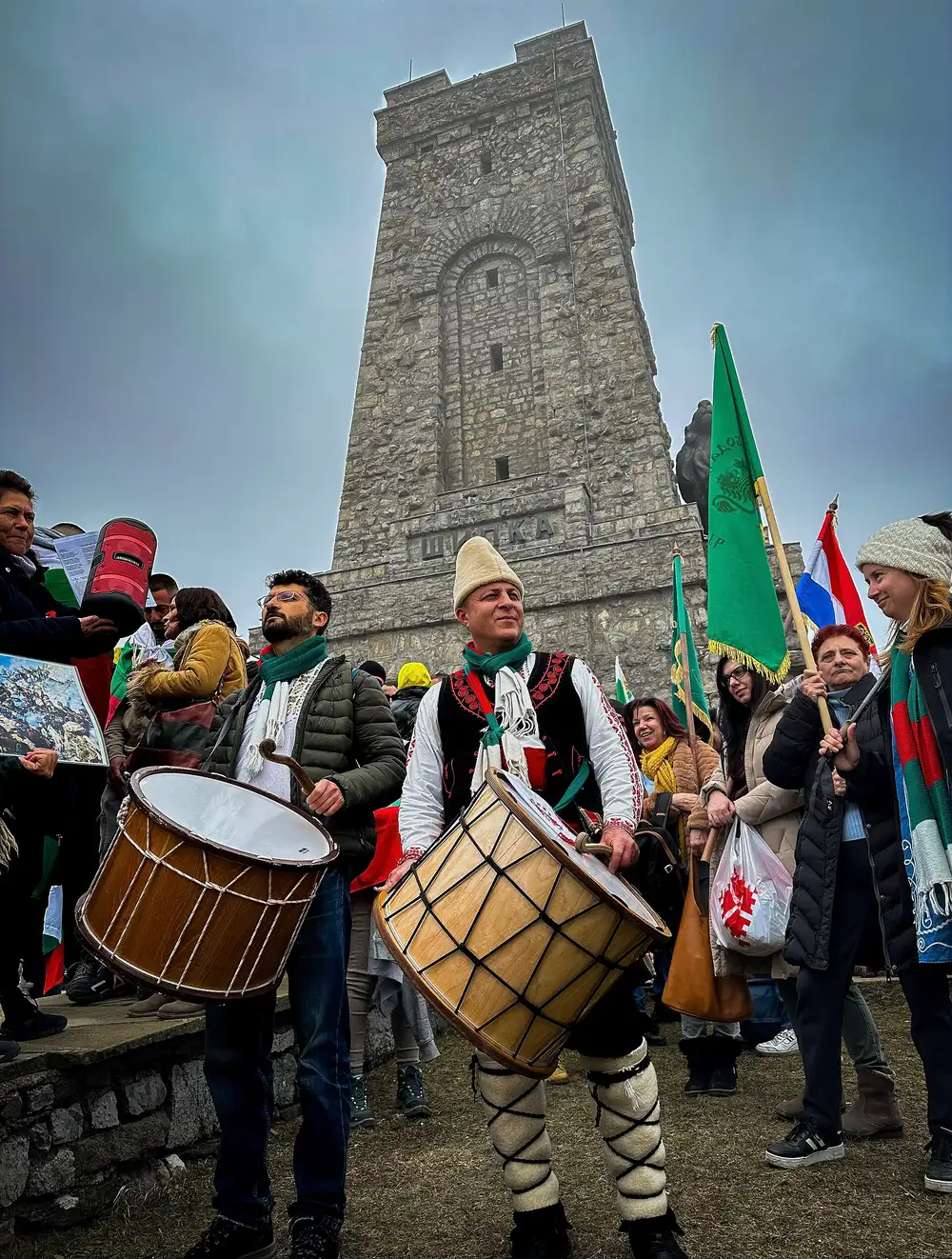
1 November, National Awakeners Day, isn’t a public holiday in the way the rest of this list is. It’s a holiday for schools only - banks stay open, shops stay open, and planning a trip around a country-wide shutdown that day means planning around nothing. It sits right next to Christmas and New Year on the calendar but works nothing like them.
The official list, and the rule that moves half of it
Bulgaria’s fixed-date public holidays are set out in the Labour Code and published each year by the Council of Ministers: 1 January (New Year’s Day), 3 March (Liberation Day, marking the end of Ottoman rule), 1 May (Labour Day), 6 May (St George’s Day, also Bulgarian Armed Forces Day), 24 May (the Day of Cyril and Methodius, of the Bulgarian alphabet, education, culture and Slavonic literature), 6 September (Unification Day), 22 September (Independence Day), 1 November (National Awakeners Day, schools only) and 24-26 December (Christmas Eve and Christmas). On top of those, Good Friday, Holy Saturday, Easter Sunday and Easter Monday move every year with the Orthodox calendar.
The rule that reshapes the calendar around them is short and official: “If any of the public holidays falls on a Saturday and/or Sunday, the first or the first two business days following that public holiday shall be non-working days.” There’s a built-in exception worth knowing before you rely on it: the Easter holidays themselves are carved out of this particular rule, because Good Friday through Easter Monday already forms its own four-day block every year regardless of the date it falls on. Every other fixed holiday gets the shift - including Labour Day, even in a year when it happens to land on the same date as one of those excluded Easter days. That distinction is why some years hand you a five-day Christmas and others don’t add a single extra day, and it’s the key to what happens in 2027.
2026: every date, and what’s actually closed
- 1 January (Thursday) - New Year’s Day. 2 January (Friday) is also non-working this year specifically, a one-off decision tied to the euro currency changeover, alongside 31 December 2025.
- 3 March (Tuesday) - Liberation Day.
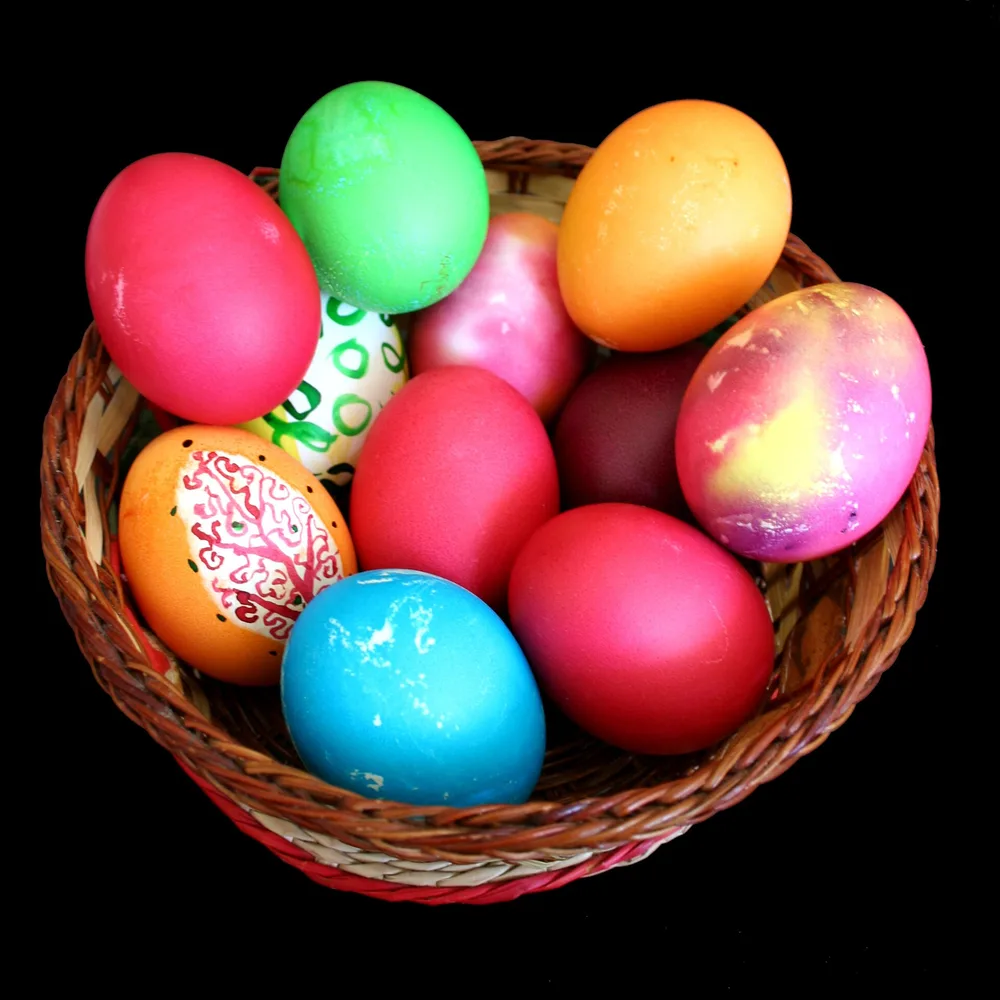
- Easter 2026: Good Friday 10 April, Holy Saturday 11 April, Easter Sunday 12 April, Easter Monday 13 April.
- 1 May (Friday) - Labour Day, making a natural three-day weekend on its own.
- 6 May (Wednesday) - St George’s Day.
- 24 May (Sunday) - Cyril and Methodius Day, with 25 May (Monday) added as the compensatory day off.
- 6 September (Sunday) - Unification Day, with 7 September (Monday) added.
- 22 September (Tuesday) - Independence Day, a weekday, so nothing shifts.
- 1 November (Sunday) - National Awakeners Day, schools only.
- 24-26 December (Thursday-Saturday) - Christmas, with 28 December (Monday) added, so the break runs from Thursday the 24th to Monday the 28th inclusive, five days in a row.
That Christmas stretch is the longest unbroken run in the 2026 calendar, and it’s worth building travel plans around deliberately rather than discovering it a week out.
2027: what’s already fixed, and the date that isn’t yet
The fixed calendar dates for 2027 are known well in advance, because they don’t move: 1 January (Friday), 3 March (Wednesday), 1 May (Saturday), 6 May (Thursday), 24 May (Monday), 6 September (Monday), 22 September (Wednesday), 1 November (Monday), and 24-26 December (Friday-Sunday). Easter 2027 falls on 2 May, which puts Good Friday on 30 April, Holy Saturday on 1 May and Easter Monday on 3 May.
Look closely at that and you’ll spot something unusual: Labour Day, 1 May, lands on the exact same date as Orthodox Holy Saturday in 2027. That’s not a typo: two independently computed Orthodox calendars agree on Easter Sunday landing on 2 May 2027. The entire stretch from Good Friday through Easter Monday, 30 April to 3 May, sits on top of the Labour Day holiday, turning four separate calendar events into one continuous block.
Here’s the part most generic calendar sites skip over: because Labour Day isn’t itself one of the Easter holidays, it still qualifies for the ordinary weekend-shift rule even though it happens to share a date with Holy Saturday. Saturday 1 May and Sunday 2 May are already non-working, and Monday 3 May is a holiday too (Easter Monday), so the first day that would otherwise have been an ordinary working day is Tuesday 4 May 2027, which becomes the compensatory day off. This isn’t a guess: the same configuration happened in 2021, the last time Labour Day fell on a Saturday during Easter weekend, and 4 May was the day Bulgaria took off then too. What genuinely isn’t confirmed yet is a government announcement naming this date - the Council of Ministers tends to formalise practical bridge-day details only a few months out, and the extra non-working day for the 2026 euro transition was only decided on 19 November 2025 - but unlike that one-off day, this particular shift needs no fresh decision: it follows automatically from the Labour Code’s standard rule. September and November 2027 are simpler: 6 September and 1 November both land on Mondays anyway, so neither needs a shift. December is worth checking too: 25 December 2027 is a Saturday and 26 December a Sunday, so on the same rule that gave 2026 a five-day Christmas, both 27 and 28 December should be added as compensatory days, running the break from Friday the 24th to Tuesday the 28th.
Trifon Zarezan and Baba Marta: the calendar’s unofficial holidays
Not every date that matters in Bulgaria is a day off work, and two are worth flagging even though nothing closes for them. Trifon Zarezan, the wine-growers’ day, falls on 14 February by the date most wineries actually use - the same date as Valentine’s Day, so half the country toasts love and the other half toasts the vine. The custom is a symbolic pruning of three vine branches and watering the roots with wine; our Bulgaria events calendar covers the full wine-town programme and the church calendar’s own 1 February date in more depth.
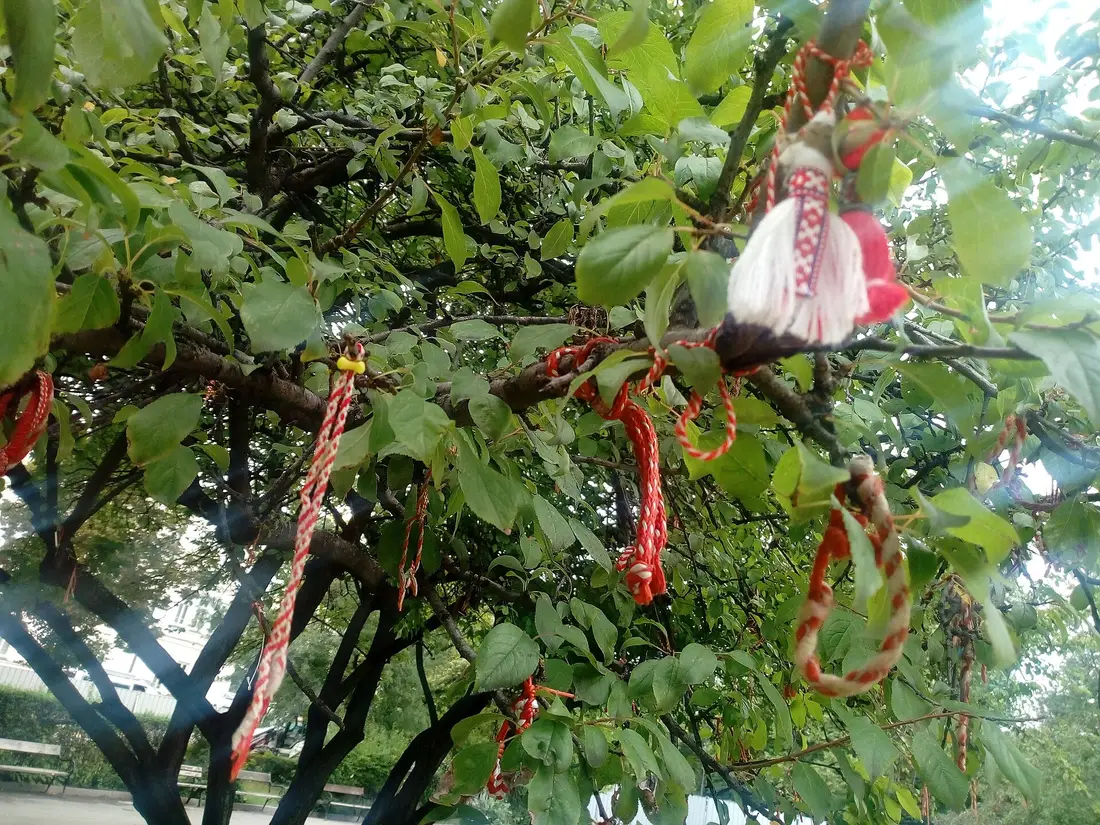
Baba Marta, “Granny March,” lands on 1 March, two days before Liberation Day, and it’s the one tradition every visitor is likely to see in person: people exchange and wear martenitsi, red and white woven bracelets or tassels, as a sign that winter’s ending. They stay on until the first stork sighting or a tree comes into blossom, then get tied to a branch instead. It isn’t a public holiday and nothing shuts, but for the whole first half of March, red and white turns up on wrists, shop counters and lapels across the country.
Christmas, Easter and the long weekends worth booking around
Christmas already has its own full breakdown, covering the Sofia markets, the ice rink, the Christmas Eve meatless dinner and what the 24-28 December closure actually means for museums and offices, in our Christmas and New Year in Bulgaria guide, so we won’t repeat that here beyond flagging the dates above. What both Easter and Christmas share is the same practical warning: these bridge weekends are when Bulgarians themselves travel, so hotel rates in Sofia, Plovdiv and the ski resorts move with the calendar, not against it. Booking early for the 24-28 December stretch or the Good Friday to Easter Monday run tends to matter more than chasing a discount closer to the date.
Planning a trip around the calendar
If your trip lines up with one of these dates, expect two things: quieter offices and banks, and a livelier town square somewhere nearby, since most of the fixed holidays above come with some kind of public event even when they aren’t the multi-day break Christmas or Easter are. For the broader question of which month suits your trip best, weather and crowds included, our best time to visit Bulgaria guide covers the seasonal side of the same calendar. The short version for planning purposes: treat 24-28 December and the four Easter days as the two weeks to book around, keep 1 November off your list of expected closures, and for 2027 pencil in the 30 April-4 May block and the 24-28 December bridge, then check back nearer the date for the government’s own confirmation.
Read also

Before you go · 12 min read
How Much Does a Bulgaria Ski Holiday Cost?
Verified · September 13, 2026A Bulgaria ski week usually lands around 770 to 1,170 EUR mid-range: lift pass, hire, bed, food and transfer from official 2025-26 tariffs.

Before you go · 9 min read
Day Trips from Sunny Beach: Nessebar & Beyond
Verified · August 28, 2026Day trips from Sunny Beach: Nessebar on the local bus, Sozopol via Burgas, Strandzha jeep days. Times, tickets and what fits in a day. 2026.

Before you go · 10 min read
Bulgaria or Greece: Which Beach Holiday Is Better?
Verified · August 27, 2026Greece wins on islands and water clarity; Bulgaria wins on price and sandy resort beaches. Who each suits, real 2026 costs and flights from the UK.

Before you go · 8 min read
Day Trips from Varna: Balchik, Kaliakra & Caves
Verified · August 26, 2026Day trips from Varna: Balchik Palace from €10, Cape Kaliakra cliffs, Aladzha rock monastery and Pobiti Kamani. Distances, buses and what fits in a day.