
Kukeri & Surva: Bulgaria's Masked Winter Rites
Where and when to see kukeri in Bulgaria: Surva in Pernik (16-25 January in 2026, 2027 dates pending), village rites on 13-14 January, Razlog on 1 January.
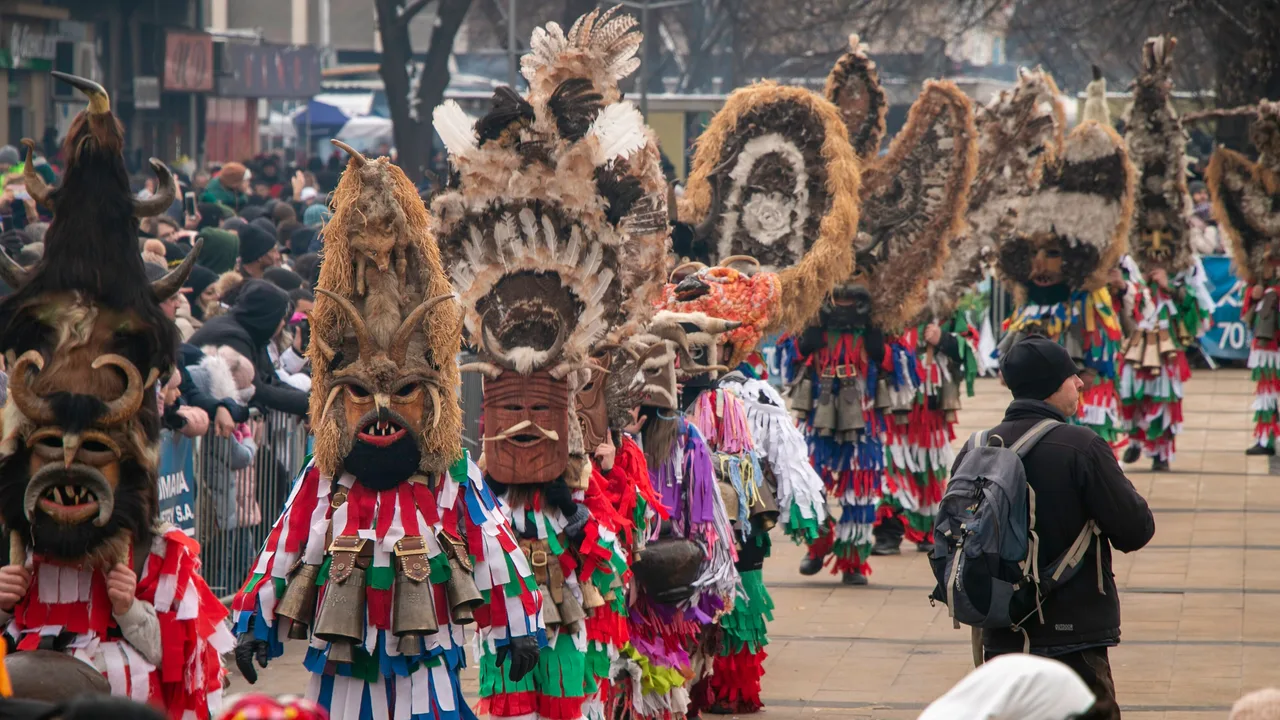
Kukeri are the masked men of the Bulgarian winter: goatskins, feathers, horns and a belt of heavy bells loud enough to rattle the old year out of town. The place to see them by the thousand is Surva in Pernik, 30 km south-west of Sofia: the record 2026 edition ran from 16 to 25 January, drew more than 160 groups and split its parades over two weekends. Pernik hadn’t posted 2027 dates by 9 October 2026, and last time they went up in early November. Meanwhile the masks come out at three other points in the year, mostly in town and village streets rather than in front of a jury, and one of them, the village night of 13 January, is the rite UNESCO actually listed.
Survakari, kukeri, chaushi: one custom under many names
Abroad, anyone in a bell belt is a “kuker”. Inside Bulgaria the name depends on the date and the valley. The festival’s own explainer draws the line like this: masked men who play around New Year in western Bulgaria are survakari, while those who come out for the late-winter games before Lent elsewhere in the country are kukeri. Local names pile on top. Razlog calls its masked men chaushi, Bansko calls them babugeri, and villages around Pernik say survashkari or sirovichkari.
It isn’t just a word. Survakari act out a mock wedding as they go round the village; kukeri perform a ritual ploughing for the harvest to come. Both belong to the stretch of the year between Christmas and Easter, when masked games were meant to see off the old year and wake the land up.
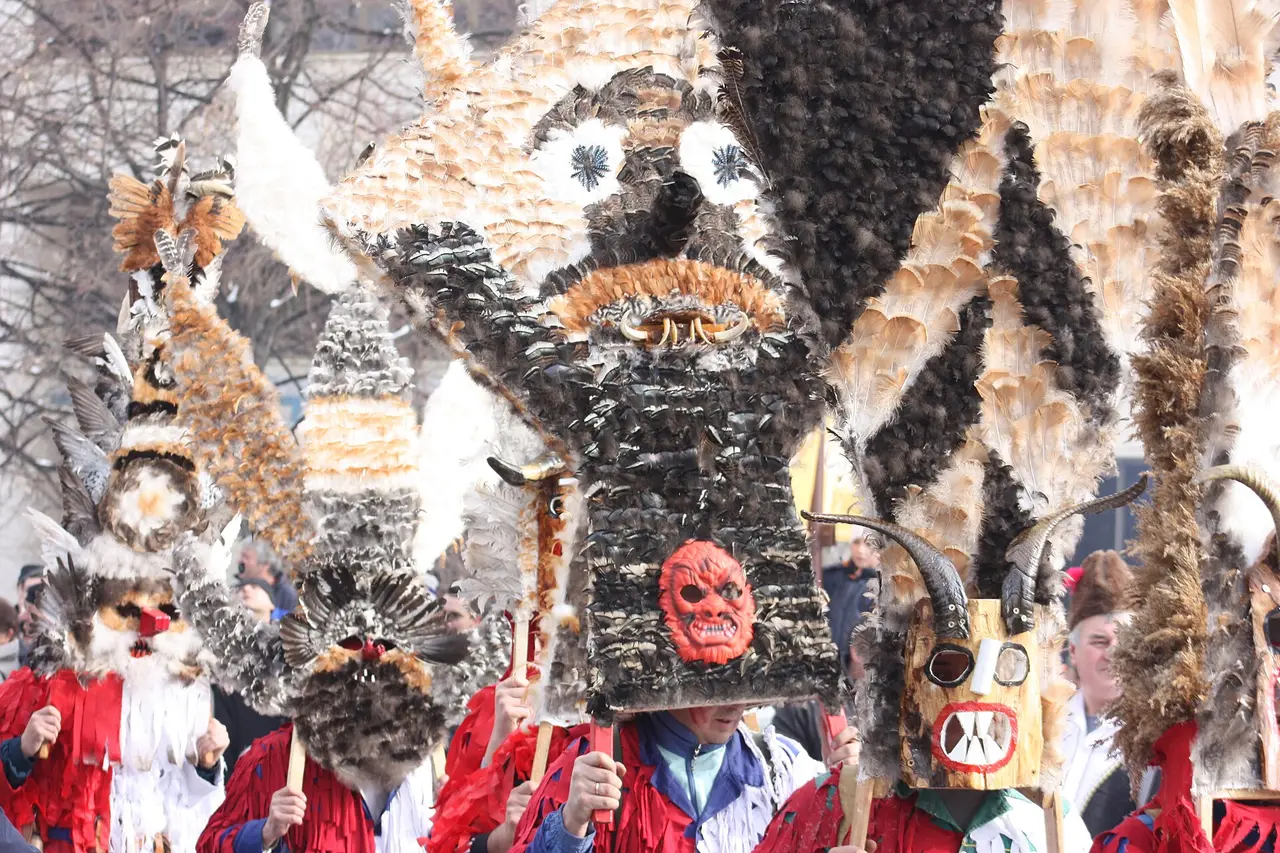
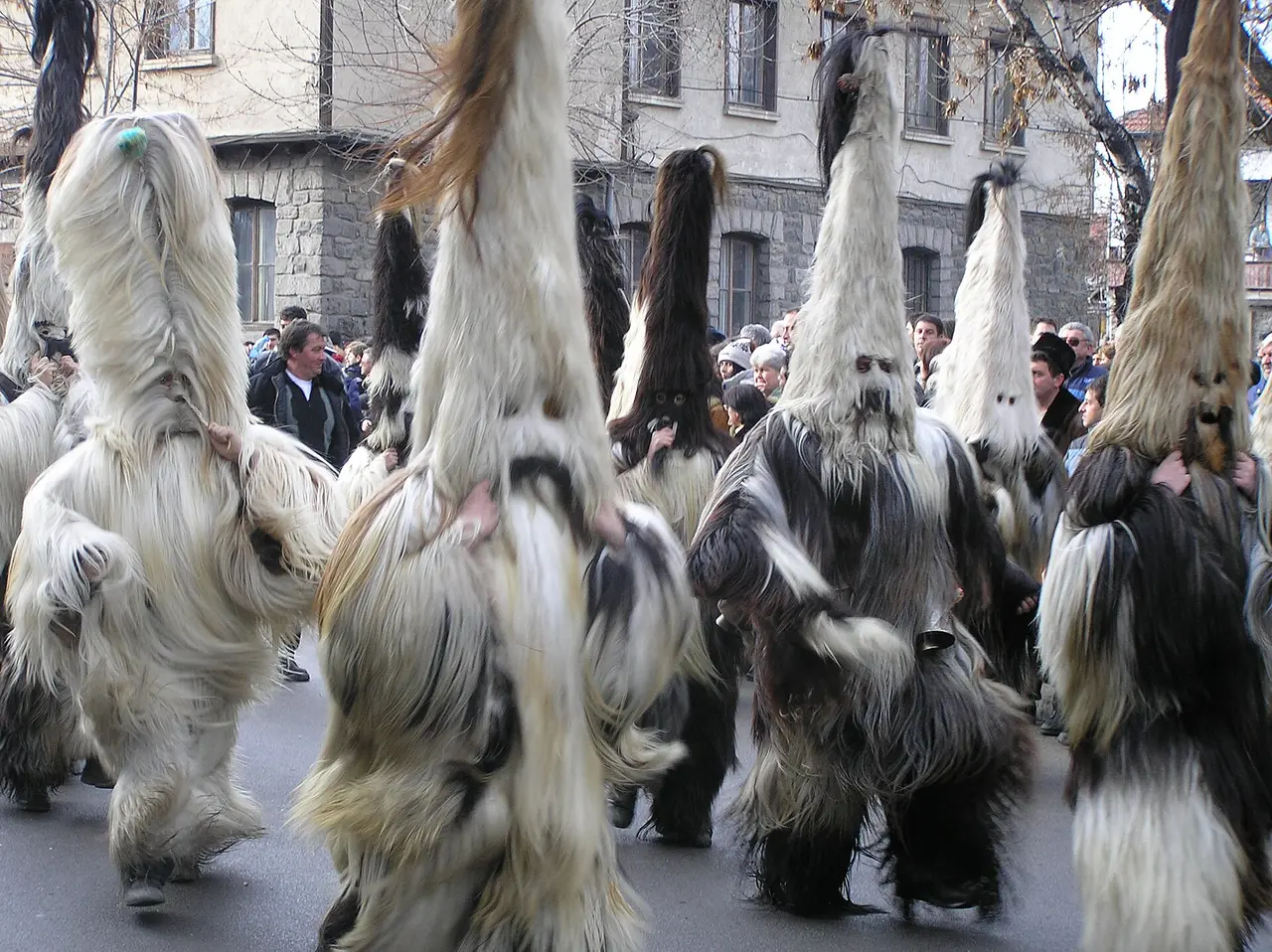
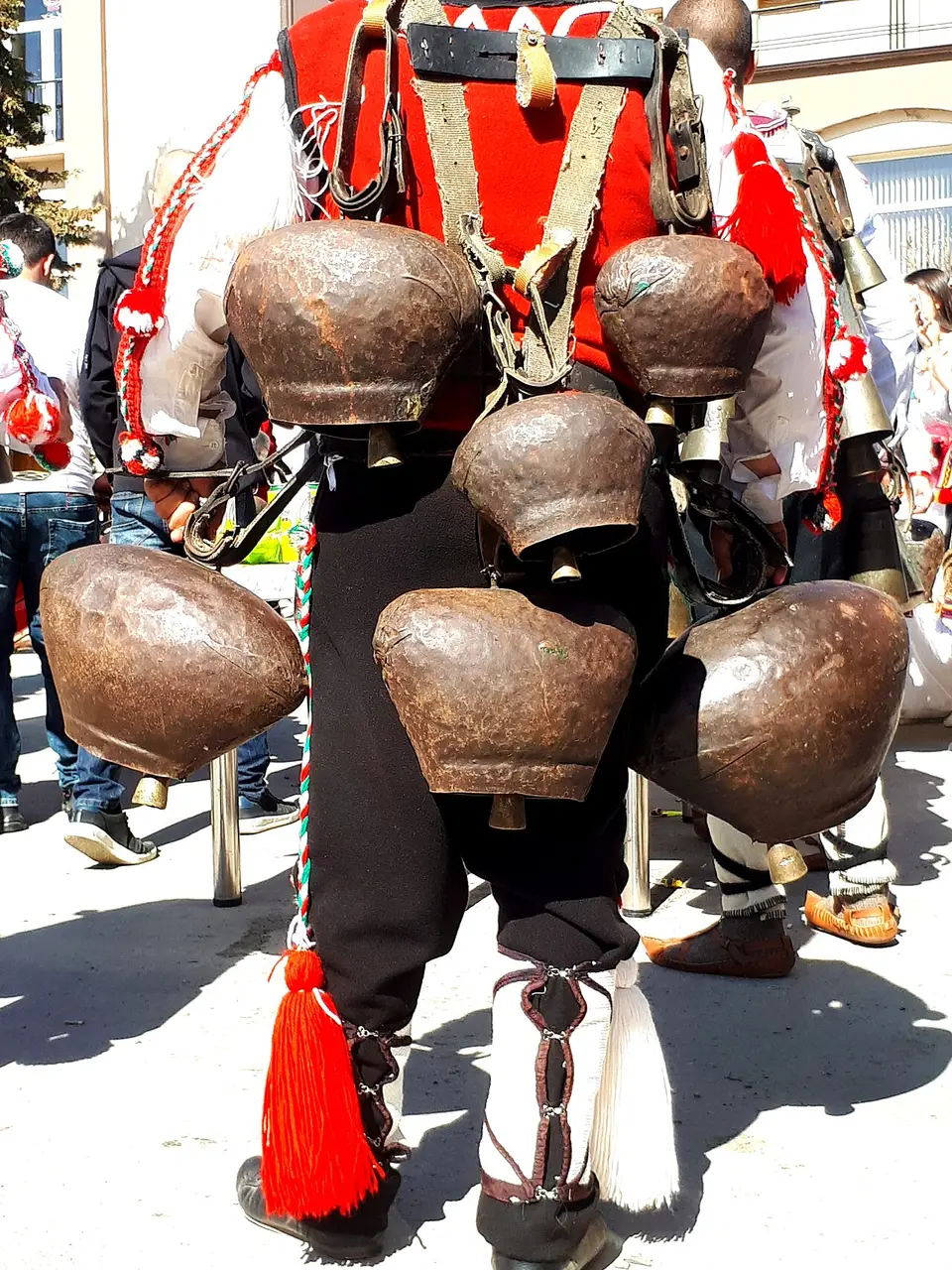
The materials tell you where a group comes from, too. In the Pernik region masks are built from sheep and goat skins, the wings and feathers of farmyard birds, horns and corn husks; elsewhere you’ll see cloth, wool yarn, beads, dried plants and paper flowers. Players make their masks themselves or with a village master, and the work is kept quiet from outsiders. The bells hang round the waist, and in the old belief their noise strengthens the mask’s protection, so it’s not decoration.
By custom every role went to men, but that’s loosening. The festival notes “veterans” over 70 walking alongside pre-school children, and women and girls who mask up as well.
Four dates when the bells come out
Surva draws the crowd, but the masks keep a calendar of their own, and it starts before the festival does.
| Date | Where | Local name | What you’ll see |
|---|---|---|---|
| 1 January | Razlog and Bansko, in the Pirin mountains | Chaushi, babugeri | New Year parades: groups from Razlog’s seven quarters meet on the square; Bansko’s babugeri head for the central square early in the morning |
| Night of 13 January and the 14th | Villages around Pernik | Survakari | The village rite on UNESCO’s list: fires in the village centre at night, house-to-house visits next morning |
| Late January (16-25 January in 2026) | Central Pernik | Every regional name at once | The Surva festival: competitive parades in front of a jury, plus guest groups from abroad |
| Around Cheesefare Sunday (22 February in 2026, 14 March in 2027) | Villages in central and southern Bulgaria; a festival in Yambol, and one in Rakovski that follows the Catholic calendar (early February in 2027) | Kukeri | Pre-Lent ploughing rites and two more festivals |
The order is the useful part. The village rite comes before the festival: in 2026 its two days, 13 and 14 January, came just before Surva opened on the 16th, so a week based in Sofia from 13 to 18 January would have caught both the village fires and the opening parade weekend.
Surva 2027: what’s settled and what isn’t
As of 9 October 2026, the festival website, surva.org, still leads with the 2026 edition, and Pernik municipality, which runs the festival, hasn’t posted 2027 dates on its news pages. The previous cycle is a fair guide: the municipality announced the 2026 dates on 6 November 2025, a little over two months ahead. Expect the 2027 announcement around early November 2026, though that’s a pattern, not a promise.
The festival’s own history explains why you should wait for the official word before booking anything non-refundable. Since 2008 Surva has been held on the last Saturday and Sunday of January, its organisers say, yet that weekend has drifted: the 2013 edition ran from 1 to 3 February, a week after the last Saturday of that January. In 2023 the parades stretched over three days because so many groups signed up, and in 2026, sixty years after the festival began on 16 January 1966, they ran over two weekends in a row, 17-18 and 24-25 January. Whether 2027 keeps that two-weekend format is exactly what the announcement will settle.
Until it lands, a flexible flight or a refundable room in Sofia for the second half of January is the low-risk way to plan.
A parade day in Pernik
The 2026 festival opened on the evening of Friday 16 January with a fire lit on the central square, a stage show with more than 250 performers and fireworks, and Bulgarian National Television announced the Gipsy Kings for 8 pm the same night. The parades then filled the four weekend days. Closing the festival, Pernik’s deputy mayor called it a record: more than 13,000 participants from every ethnographic region of Bulgaria and more than 34 groups from abroad.
Groups walk to a timetable in blocks, which matters if you’re cold or short of time. On Saturday 24 January 2026 there were six blocks from 10:00 to 17:30, with the guest groups from Sardinia, Greece, North Macedonia, Romania, Ireland and elsewhere lined up together between 11:00 and 12:40. On Sunday 25 January the last block finished at 16:30. Groups from Pernik municipality itself were spread across both days; on the Saturday, Cherna Gora, Batanovtsi and Yardzhilovtsi all walked between 15:00 and 16:00. The festival posted that weekend’s schedule on 9 January 2026, about two weeks ahead, so look for the 2027 version in early January.
Bulgarian groups compete for the jury’s Gold, Silver and Bronze Masks, guest groups from abroad parade outside the competition, and the crowd gets a vote too: in 2026 the audience prize was decided by text message. Between blocks the 2026 programme added a “survakar village”, a heated indoor events area at the Memorial of Miners’ Labour, events in the Mining Directorate building and a winter food festival in the central park.
Dress for standing still. Pernik sits at 720 m and the festival puts January’s average daily temperature at about +2°C, which feels a good deal colder after three hours at a crowd barrier.
13 January: the rite the festival is built on
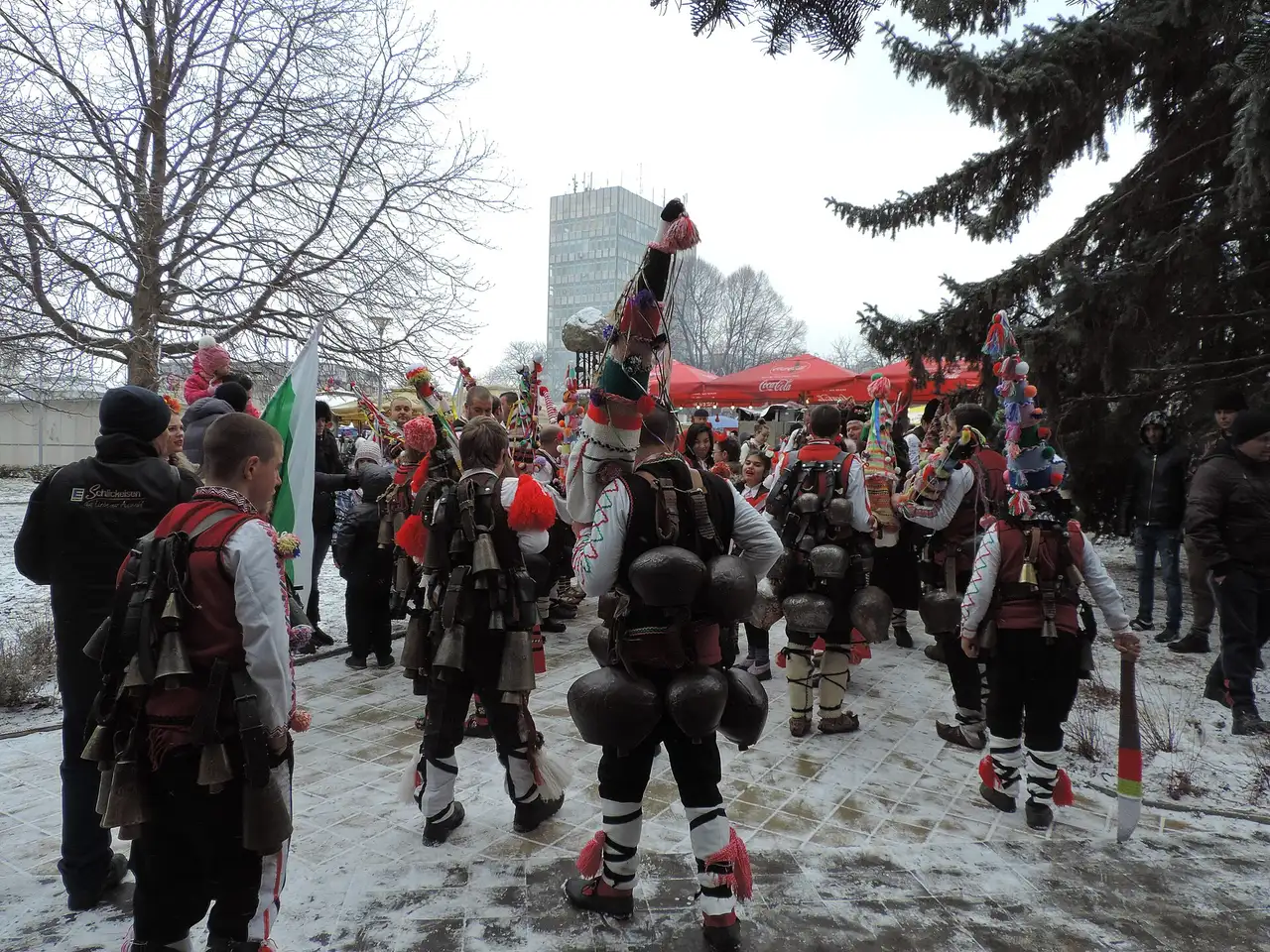
UNESCO added the “Surova folk feast in Pernik region” to its Representative List of intangible heritage in 2015, and it’s the village feast, not the festival, that the listing describes. It happens every year on 13 and 14 January, New Year by the old calendar. On the first night, masked groups of men, women and children head to the village centre, light fires and tease the people watching. Some players take set roles: the leader, the newly-weds, the priest, the bear. Early next morning they go from house to house, ritually marrying young couples while the bear “mauls” people for good health. Hosts wait with a ritual meal and gifts, and the groups often pass the money they collect on to orphans and people in need.
Finding a village is easier than it sounds. Pernik municipality says the masquerade tradition is alive in every one of its settlements, and the festival site itself suggests going out by bus or car on the 13th and 14th. Yardzhilovtsi, Bogdanov Dol, Studena and Cherna Gora all sent groups to the 2026 parades, and the nearby town of Breznik put its own Surva Breznik masquerade down for 17 January 2026 in the national calendar of municipal festivals.
UNESCO describes the shape of the two days, not a timetable, so plan to reach a village by evening on the 13th and stay into the next morning. That means a car, a bed within easy driving distance and winter roads; the rules for driving in Bulgaria include the tyre requirements that apply in January and the papers to carry with a licence from outside the EU. And since the groups play with the crowd, keep a polite distance from the bear if you’d rather not be “mauled” for your health.
New Year’s morning in Razlog and Bansko
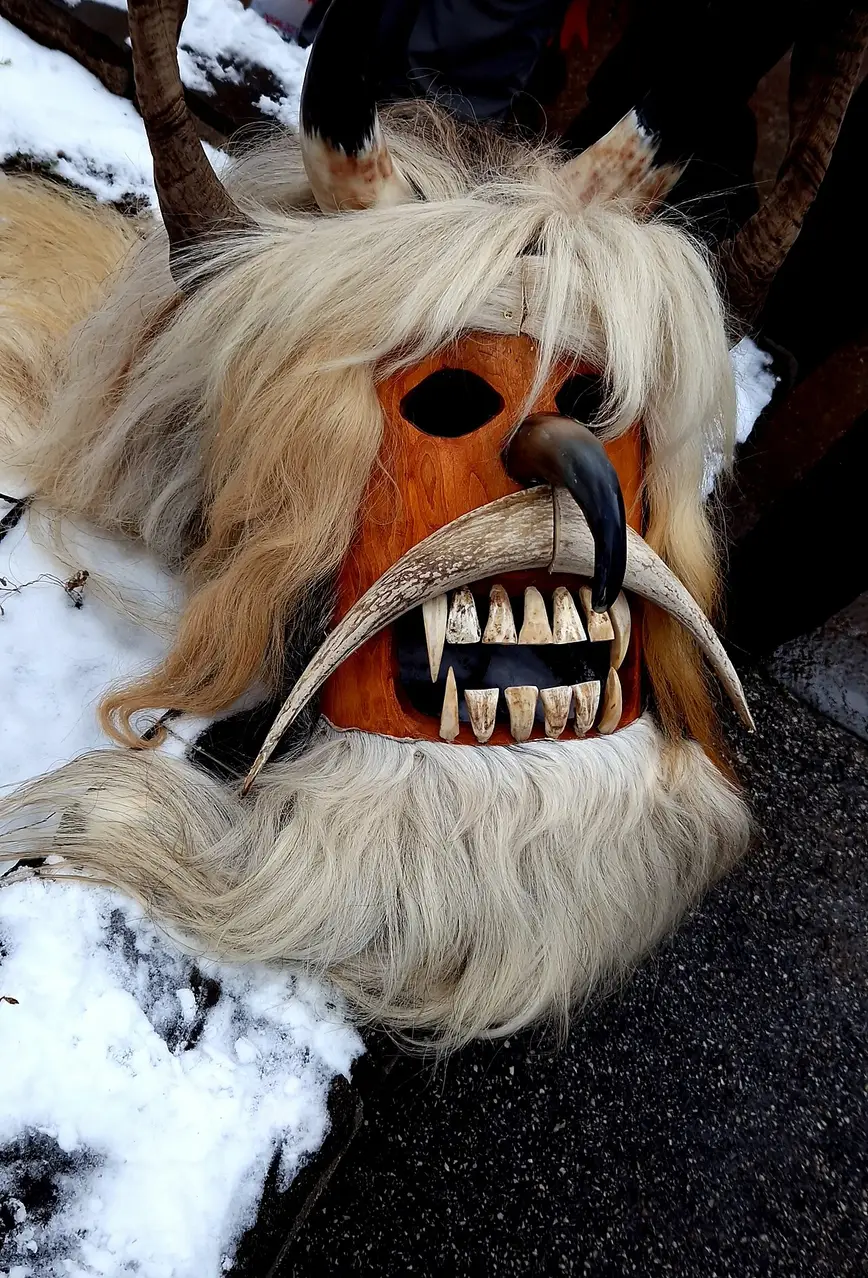
If you’re spending New Year in a ski resort, the masks come to you. In Razlog, 6 km from Bansko, the Starchevata carnival takes over the town on 1 January every year. It starts at dawn with children of seven or eight going door to door with dogwood sticks, wishing each household health and a fertile year. The main group are the chaushi: young unmarried men in skins, with tall pointed headpieces that run down into a face mask, carrying whips and bells. On the square their dance “makes a clean place”, a circle cleared of the chaos of the last days of the old year, before the rite’s “elder”, by custom a young married man, prays and the town joins the horo. Groups come from each of Razlog’s seven quarters, with bear-handlers, a priest, a bride and a groom among them.
Bansko holds its own parade the same morning. Residents in folk dress and kukeri costumes head for the central square early on 1 January, and the town’s kukeri, the babugeri, stand out for their height and their goatskins. For the skiing half of that trip, see the Bansko ski guide and where to stay in Bansko; the holiday season as a whole is in Christmas in Bulgaria.
Before Lent: kukeri and the ploughing rite
The second season belongs to kukeri in the strict sense, and it moves with Easter. The key day is Cheesefare Sunday (Sirni Zagovezni), the last Sunday before Orthodox Lent, seven weeks ahead of Easter. It fell on 22 February in 2026. With Orthodox Easter on 2 May 2027 (the dates are in public holidays in Bulgaria), it comes late, on 14 March 2027, which suits anyone who’d like their kukeri with a little less frost.
Village rites gather around that Sunday. The kukeri of Lesichovo and Tserovo, in the Pazardzhik region, are recorded by the Ministry of Culture as “Living Human Treasures”, and Lesichovo holds its Kukerovden on Cheesefare Sunday on the square of its Ladzha quarter, with the ritual ploughing and a kukeri horo danced to the left “to spite the devil”, in the municipality’s words. Rakovski, near Plovdiv, is a Catholic town and runs its Kukove festival on the Friday and Saturday before Cheesefare Sunday by the Western church calendar, so it can come weeks ahead of the Orthodox date: in 2026 its main day was Saturday 14 February, and with Catholic Easter on 28 March 2027 the same rule points to early February 2027, not March. The 24th edition in 2026 brought 13 kukeri groups from around Bulgaria, scored by a jury of folklore specialists from the Bulgarian Academy of Sciences and the Plovdiv Ethnographic Museum, plus guests from Nuoro in Sardinia. Yambol’s Kukerlandia took the end of February in 2026; dates for it and for other events through the year are in the Bulgaria events calendar.
Getting to Pernik from Sofia
Pernik has a handful of two- to four-star hotels by the festival’s own count, which doesn’t go far with this many people in town, so sleeping in Sofia and coming out for the day is the practical plan; where to stay in Sofia picks the areas. The festival puts the trip at 20-30 minutes by car, 30-40 by bus and 40-50 by train, with trains from Sofia Central Station and buses from Sofia Central Bus Station. On the 2026 parade weekends Bulgarian State Railways added seats and carriages on trains to Pernik while BNT warned of heavy traffic, so the train is the calmer choice.
If you drive, expect closures. On the parade days of 17-18 and 24-25 January 2026 several central streets were shut to traffic and others went one-way. Parking was free but controlled, with temporary car parks in the yards of two schools (the 6th Secondary School and the Temelko Nenkov school) and in the right-hand lanes of Yuri Gagarin Boulevard, and taxis could wait on Minyor Street near the Hotel Struma. Flying in on the day? The Sofia Airport transfer options cover the ride into town.
Between parades: a coal town with a hilltop fortress
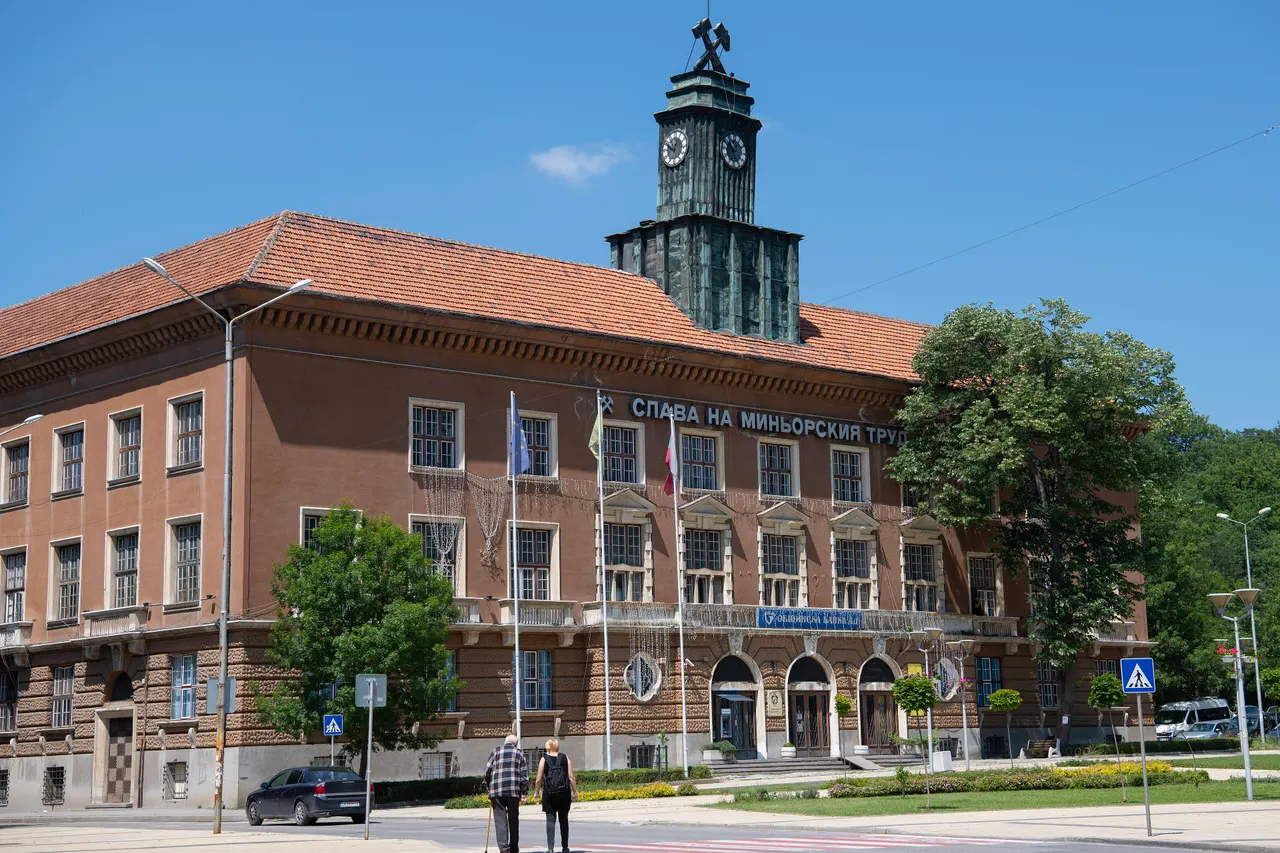
Pernik doesn’t compete with Plovdiv on looks, and it doesn’t try to. It grew at the end of the 19th century as a coal-mining, steel and engineering town, and that history is the reason to walk a few streets between parade blocks. The Mining Directorate, red-walled with a clock tower crowned by crossed hammers and “Glory to the miners’ labour” across the front, hosted festival events in 2026. The Underground Mining Museum is laid out in preserved galleries of an old coal mine, and the fortress on the hill above town goes back much further: the festival site says Slavs settled there in the 7th century and ties the town’s name to their god Perun.
That’s the odd charm of Surva: an old New Year rite with pagan roots, staged every January in a town built on coal. To fill out a cold-weather trip, Bulgaria in winter covers the other weeks; the music festivals round-up is the summer half of the year.
Read also

Entertainment · 10 min read
Plovdiv Young Wine Festival: November 2026 Guide
Verified · October 6, 2026Plovdiv's Young Wine Festival fills Old Town houses on 20-22 November 2026: how the tasting tokens work, hours, which day to go and where to stay.

Entertainment · 13 min read
Bansko Après-Ski: Bars, Mehanas & Nightlife
Verified · October 3, 2026Bansko after the lifts stop at 16:15: Happy End at the gondola, huts on the way down, Old Town mehanas with folk bands and kapama, bars open to 4am.

Entertainment · 9 min read
Music Festivals in Bulgaria: The Annual Guide
Verified · August 11, 2026Hills of Rock, PhillGood, SPICE, A to JazZ and Varna Summer 2026: dates, tickets, bases - and which fest fits your trip.

Entertainment · 10 min read
Apollonia Festival in Sozopol: What to Expect
Verified · October 31, 2026Apollonia fills Sozopol late August to early September. The 42nd edition ran 27 August-6 September 2026: program, golden ticket, venues, where to sleep.