
Plovdiv Young Wine Festival: November 2026 Guide
Plovdiv's Young Wine Festival fills Old Town houses on 20-22 November 2026: how the tasting tokens work, hours, which day to go and where to stay.
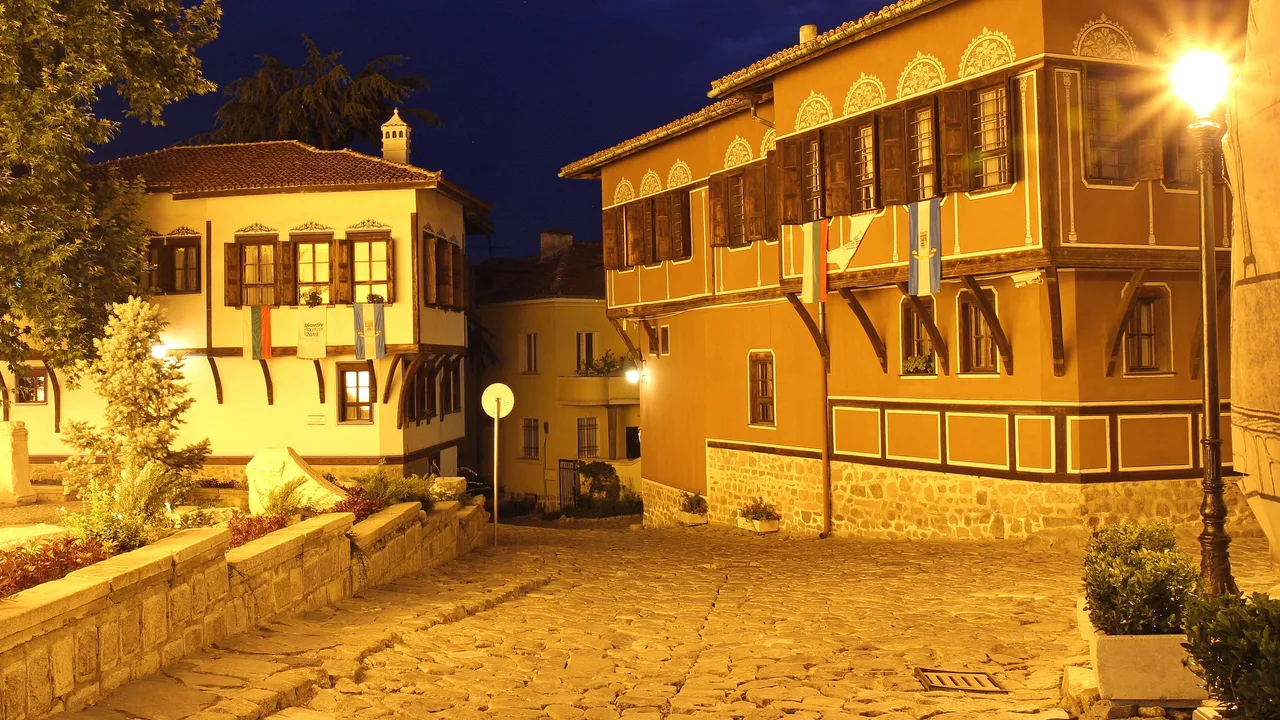
Plovdiv’s Young Wine Festival, Defile na mladoto vino in Bulgarian, takes over the Old Town from Friday 20 to Sunday 22 November 2026. Winemakers pour the new vintage inside 19th-century Revival houses, you pay by the pour with tokens, and it all wraps up by early evening: in 2025 the tastings ran 14:30-18:00 on the Friday, 11:00-18:00 on the Saturday and 11:00-17:00 on the Sunday. The pours cost pocket change; it’s the hotel room that fills up, so book it in October rather than November.
Dates for 2026, and when the details land
Visit Plovdiv, the city’s official tourism portal, lists the 2026 edition for 20-22 November, held “mainly in the Old Town”, with the Plovdiv Tourism Council as organiser and the municipality backing it. In early October 2026 that listing gives you the dates and a short description, which is enough to book flights and a room around. The fine print (venue list, programme, token prices) has landed late in each of the last two years: the city published the full 2024 programme on 13 November 2024, nine days before opening, and the organisers’ 2025 release went out on 14 November 2025, a week ahead. Going by that pattern, the 2026 details should appear in the first half of November, so plan the trip without waiting for them.
The festival has a long run behind it. The 2025 edition was the 17th, and Lyubozar Fratev, who chairs the Tourism Council, put the running total at more than half a million visitors across all editions.
Young wine, poured in Revival houses
“Young wine” here means wine from the current year’s harvest, which Bulgarian producers traditionally show to the public in the autumn it was made - that’s how Visit Plovdiv describes the festival. In November 2025 that meant the 2025 vintage, so don’t come expecting long-aged reds.
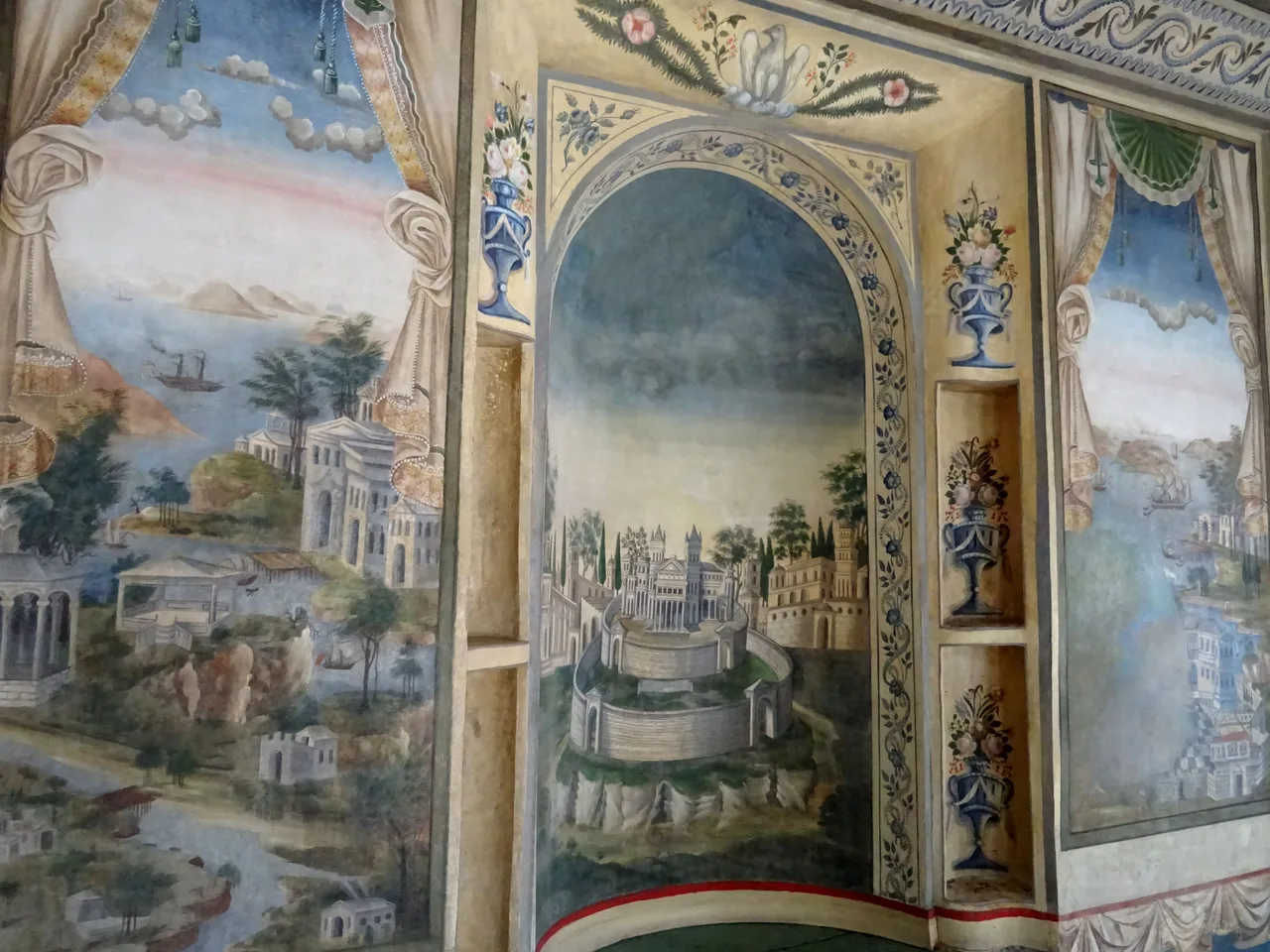
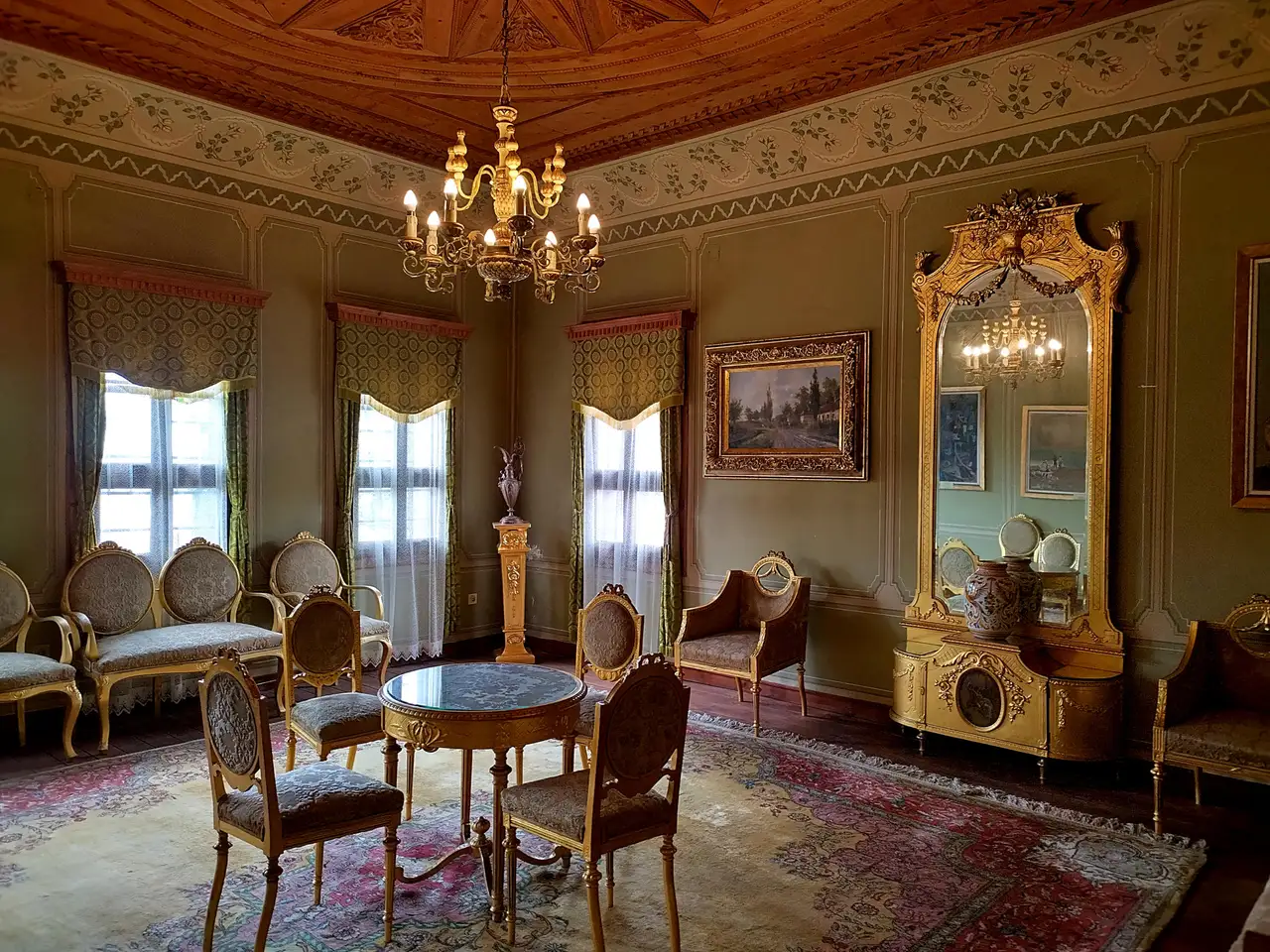
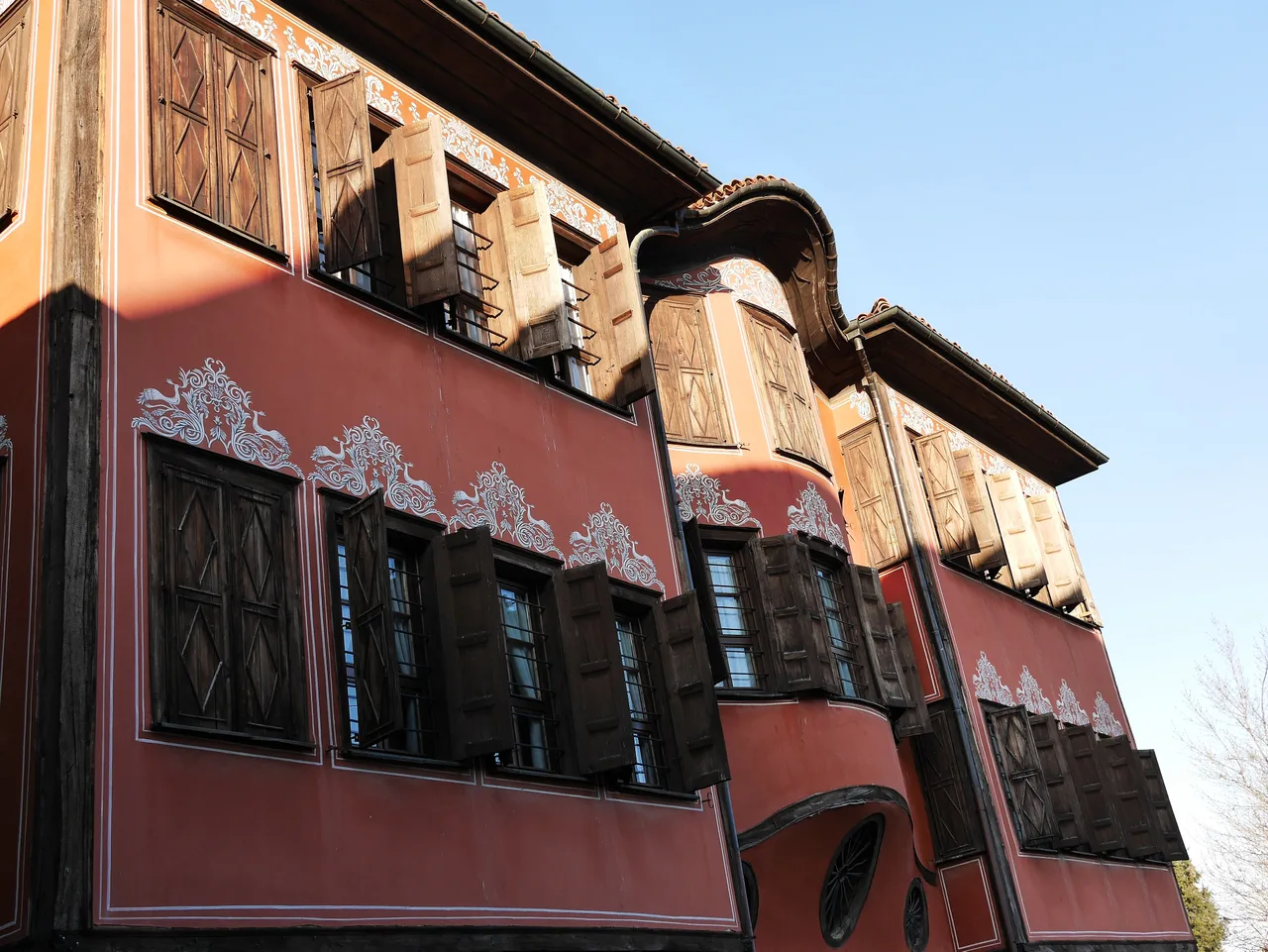
What makes it worth a trip is the setting. In 2025 the tastings were spread over 17 venues in the Old Town - museums, galleries, cultural centres, hotels and restaurants. The list included the Balabanov, Hindliyan, Georgiadi and Nedkovich houses, the Ethnographic Museum, the Hippocrates pharmacy museum, the Zlatyu Boyadzhiev gallery and the garden of the Philippopolis restaurant. Several of those houses belong to the Old Plovdiv municipal institute and work as museums, which is the appeal: for one weekend you’re tasting under painted ceilings, in rooms that are exhibits on any other weekend.
Each house holds a few producers. The city counted 46 wineries and 16 food producers at the 2025 edition, nine of them newcomers, with cheese, cured meats and sweets alongside the wine, and the organisers put the choice at more than 300 wines. The 2024 edition counted more: 65 participants, a record 51 of them wineries, across 18 houses, and the organisers logged more than 85,000 tastings over the three days.
A competition runs underneath all this, and it’s useful to you. On the opening day a panel from Plovdiv’s University of Food Technologies, joined by outside wine experts, judges the young wines for the Dionis awards, and the winners are marked on the producers’ stands. If you’re rationing tokens, those marks are a sensible filter for the Saturday and Sunday. In 2024, 17 wineries entered 47 samples and the jury handed out 16 Dionis awards across young whites, rosés and reds. Visitors get a say too, through a QR-code vote at the information stands.
Tokens, glasses and what a tasting cost in 2025
You pay by the pour. One token buys one tasting, and an information point outside every venue sells tokens along with the festival’s tasting kit: a branded glass, a leather holder for it (the organisers call it “free hands”) and a bag that takes two bottles. The whole kit is made by a municipal social enterprise that employs people with disabilities.
In 2025 the tokens came in booklets of four, and a booklet cost 4 leva - about €2.05 at the fixed conversion rate, or roughly $2.30 or £1.75 at the European Central Bank rate of 2 October 2026. Sets of 8 and 12 tokens were sold as well, so twelve pours worked out at 12 leva, about €6.15 ($6.90, £5.20). A year earlier the city quoted 12 tokens for 10 leva. Bulgaria has used the euro since 1 January 2026, which means the 2026 tokens will be priced in euros, and that figure should arrive with the programme in the first half of November.
Paying is simple enough. In 2024 the organisers added digital-wallet payment on card terminals at the information points; look for it in the 2026 programme, and keep some euros in cash too. Producers sell bottles as well as pours, and that’s the part of the day that can run away with your budget.
Friday, Saturday or Sunday?
The three days aren’t equal. This is how the 2025 programme fell; the 2026 edition keeps the Friday-to-Sunday pattern, a day earlier in the calendar, but check the times once they’re published.
| Day (2025 dates) | Tastings | What else was on |
|---|---|---|
| Friday 21 November | 14:30-18:00 | Dionysus procession with the Trakia folk ensemble from Stefan Stambolov Square, in front of the municipality, at 13:30; opening with a barrel of the new wine at the foot of the Old Town (2-4 Saborna Street) at 14:00, moved to the Roman Stadium in bad weather |
| Saturday 22 November | 11:00-18:00 | A literary reading in the Ivan Chernozemski House at 13:00; dancing with a glass of wine outside the tourist information centre at 15:00 |
| Sunday 23 November | 11:00-17:00 | Talks in the Ivan Chernozemski House through the day; raffle draw for the tasting-booklet tickets at 17:00 |
Saturday is the long one, seven hours of tasting against three and a half on the Friday, so if you’ve only got one full day in Plovdiv, make it the Saturday. Friday is the day for the spectacle: the procession sets off from in front of the municipality building and walks to the edge of the Old Town, where in 2025 the mayor broached the barrel alongside a costumed Dionysus. The tasting window after it is short, though. Sunday closes an hour earlier than Saturday and suits a slower morning before the train back to Sofia.
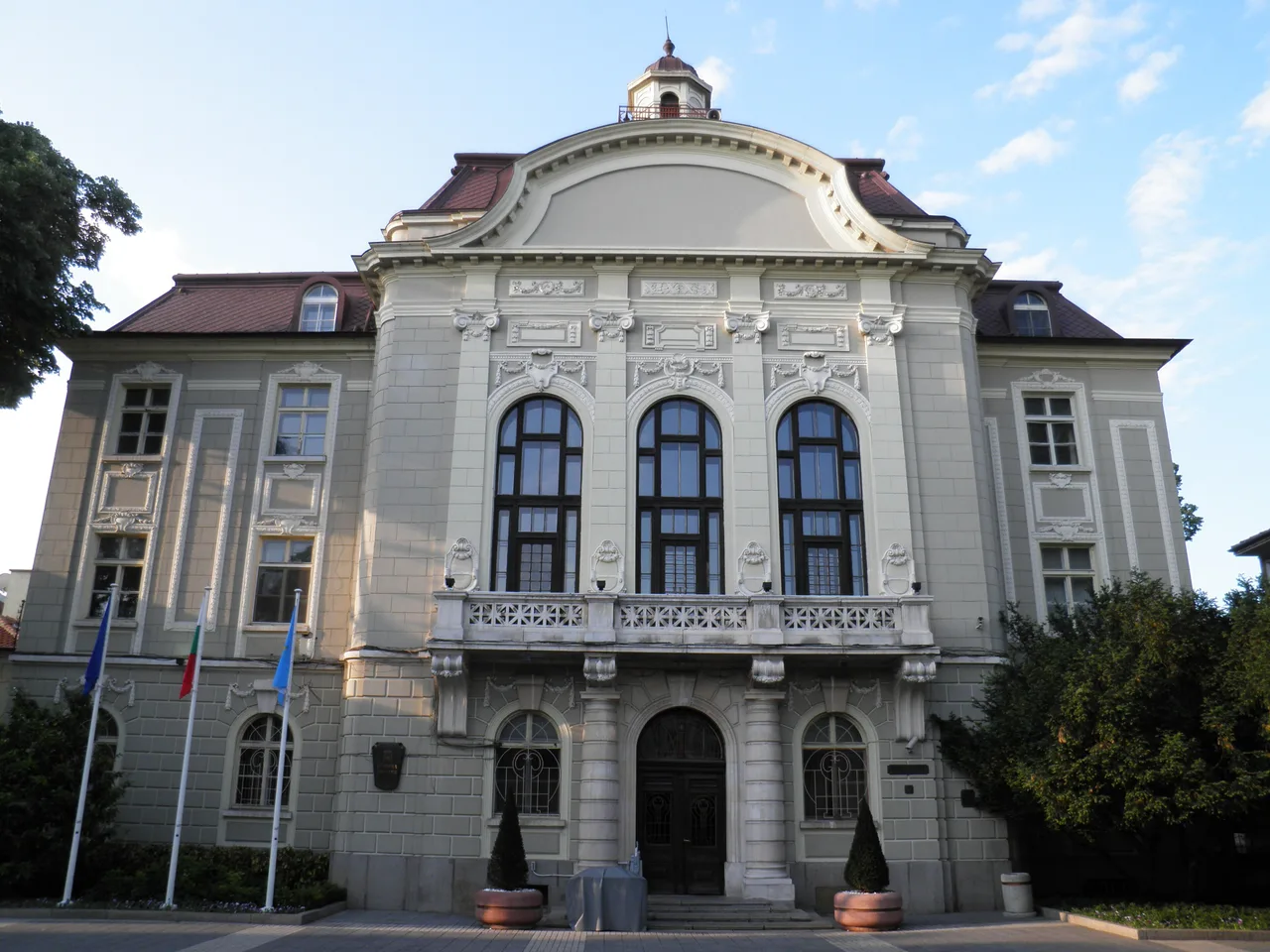
Leave the car out of it. In 2025 Saborna Street was closed to traffic, stopping and parking from 13:30 to 14:30 on the Friday for the opening, and in 2024 the car park at the Eastern Gate couldn’t take all the tour coaches that turned up. The Old Town lanes are cobbled and steep, so walk in from the centre and wear shoes that grip, especially after a dozen tokens.
The warm-up week before the weekend
The festival has a run-up week, easy to miss if you only read the weekend programme. In both 2024 and 2025 the organisers held “Days of Young Wine”, evening events from Monday to Thursday, right before the festival weekend. The 2025 line-up was a wine-travel talk on the Monday (by invitation), the final of a student advertising-video contest at the Radisson Hotel on the Tuesday, a Wine Quiz Night at the Cork & Fork wine bar on the Wednesday (free, booked through the festival’s Facebook page) and a talk on the archaeology of wine at the Regional Archaeological Museum on the Thursday. All of them started at 18:00, and the last three were free. If your flight lands on the Thursday, that museum talk makes an easy first evening; just check the language when the 2026 programme comes out.
Taking bottles home
In 2025 the organisers added a mobile courier point at 1 Dr Stoyan Chomakov Street, by the tourist information centre. It took full cartons of six bottles, or four, packed them on the spot, issued a waybill you could track online, and kept the same hours as the tastings. Deliveries went to addresses in Plovdiv and elsewhere in Bulgaria, priced by the number of bottles and the destination.
That’s handy if you’re carrying on to Sofia, Bansko or the coast and have an address there to send a carton to. If you’re flying home straight from the festival, the courier won’t help, and the bottles go wherever your luggage allowance lets them. Buy with your suitcase in mind, not your enthusiasm at the fourth house.
Getting there and where to sleep
Sofia is the default airport for most trips, and our Sofia to Plovdiv guide compares the bus, the train and the drive with current times and fares, while which Bulgarian airport to fly into explains when another airport makes more sense.
The bed is where the festival bites. On 13 November 2024, nine days before that year’s edition, the city’s own news page passed on the organisers’ warning that Plovdiv’s hotels were already 80% full, along with a list of recommended hotels for the weekend. Treat 2026 the same way and book in October. Stay in or near the Old Town or Kapana and you can walk between venues, back to your room for an hour, and out again for dinner; where to stay in Plovdiv breaks those areas down with prices.
After the tastings close, and the day after
When the houses shut, the evening moves downhill to Kapana, the old craftsmen’s quarter between the main street and the Old Town, where the wine bars and small kitchens are. Where to eat in Plovdiv names the tables worth booking, and on a festival Saturday you’ll want that booking made ahead. The daylight hours around the tastings are covered by our Plovdiv sightseeing guide and the two-day Plovdiv itinerary: the Roman stadium, the Roman theatre, the hills.
If the festival leaves you curious about where the wine comes from, add a day. The Thracian Valley wineries around Plovdiv make up the second half of our Bulgaria wine route, and further south-west, Melnik’s cliff cellars and its broad-leaved vine get their own Melnik wine guide. Both involve driving, so book a tour with a driver or hand the keys to someone who isn’t tasting.
November doesn’t fit? The same organisers open the Old Town houses again each spring for the Wine & Gourmet Parade, which ran on 8-10 May in 2026. For other months, start with our Bulgaria events calendar.
Read also

Entertainment · 13 min read
Bansko Après-Ski: Bars, Mehanas & Nightlife
Verified · October 3, 2026Bansko after the lifts stop at 16:15: Happy End at the gondola, huts on the way down, Old Town mehanas with folk bands and kapama, bars open to 4am.

Entertainment · 9 min read
Music Festivals in Bulgaria: The Annual Guide
Verified · August 11, 2026Hills of Rock, PhillGood, SPICE, A to JazZ and Varna Summer 2026: dates, tickets, bases - and which fest fits your trip.

Entertainment · 9 min read
Apollonia Festival in Sozopol: What to Expect
Verified · August 5, 2026Apollonia runs late August into early September in Sozopol: the 42nd edition program, the golden-ticket option, venues, concerts and where to sleep.

Entertainment · 14 min read
Bulgaria Events Calendar: Month by Month 2026-2027
Verified · August 3, 2026What's on in Bulgaria by month: Apollonia 27 Aug-6 Sep, Sofia Marathon 10-11 Oct, Surva masks in January and Orthodox Easter on 2 May 2027.