
2 Days in Plovdiv: The Perfect Weekend Itinerary
A 2-day Plovdiv itinerary: Roman theatre, Old Town, Nebet Tepe sunset, Kapana, the Basilica mosaics and singing fountains. Real hours and euro prices.
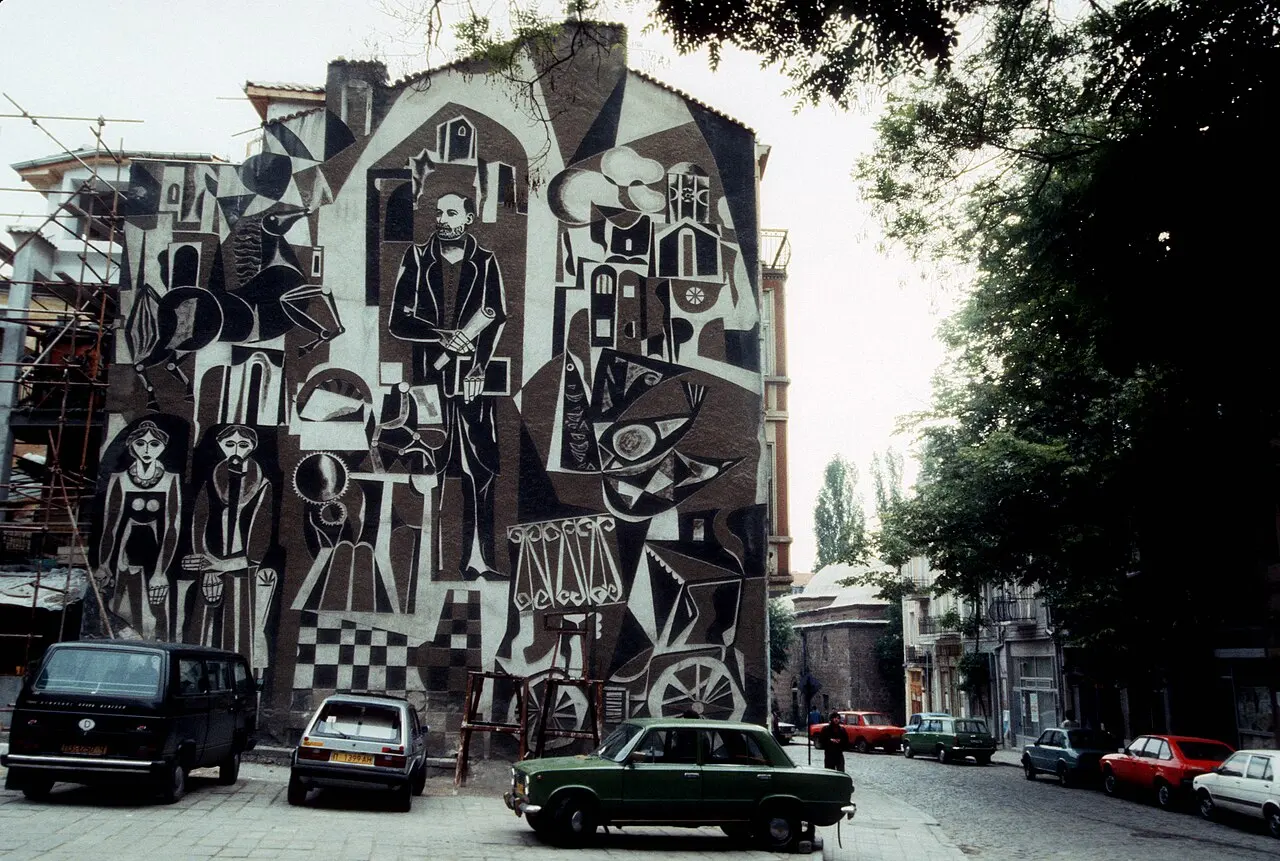
Two days is the sweet spot for Plovdiv, and the plan almost builds itself because the whole historic core fits inside a fifteen-minute walk. Spend day one on the Roman city and the Old Town, climbing to Nebet Tepe for sunset and dropping into Kapana for dinner; spend day two on the Basilica mosaics, the buried stadium and a slow afternoon that ends at the singing fountains. Everything below is sequenced the way it actually walks, with real opening hours and euro prices now that Bulgaria is on the euro.
One thing decides how good your weekend is: timing two shows. The singing fountains in Tsar Simeon’s Garden only dance on certain summer evenings, and the Roman theatre can shut early when there’s a performance. Get those two right and the rest is a gentle wander between hills. The Old Town streets are steep cobbles, so the golden rule is to do your climbing before the wine, not after.
The weekend at a glance
- Day 1 morning: the Roman Theatre and the Old Town gates.
- Day 1 midday: the museum-houses (buy the combined Old Town ticket) and Hisar Kapia.
- Day 1 late afternoon: sunset from Nebet Tepe, free and worth the climb.
- Day 1 evening: dinner and craft beer in Kapana.
- Day 2 morning: the Roman Stadium under the main street, then the Bishop’s Basilica mosaics.
- Day 2 afternoon: the pedestrian main street, lunch, and a second Old Town lane you missed.
- Day 2 evening: Tsar Simeon’s Garden and the singing fountains.
- Got a third day? Bachkovo Monastery, the Rose Valley or a Thracian winery.
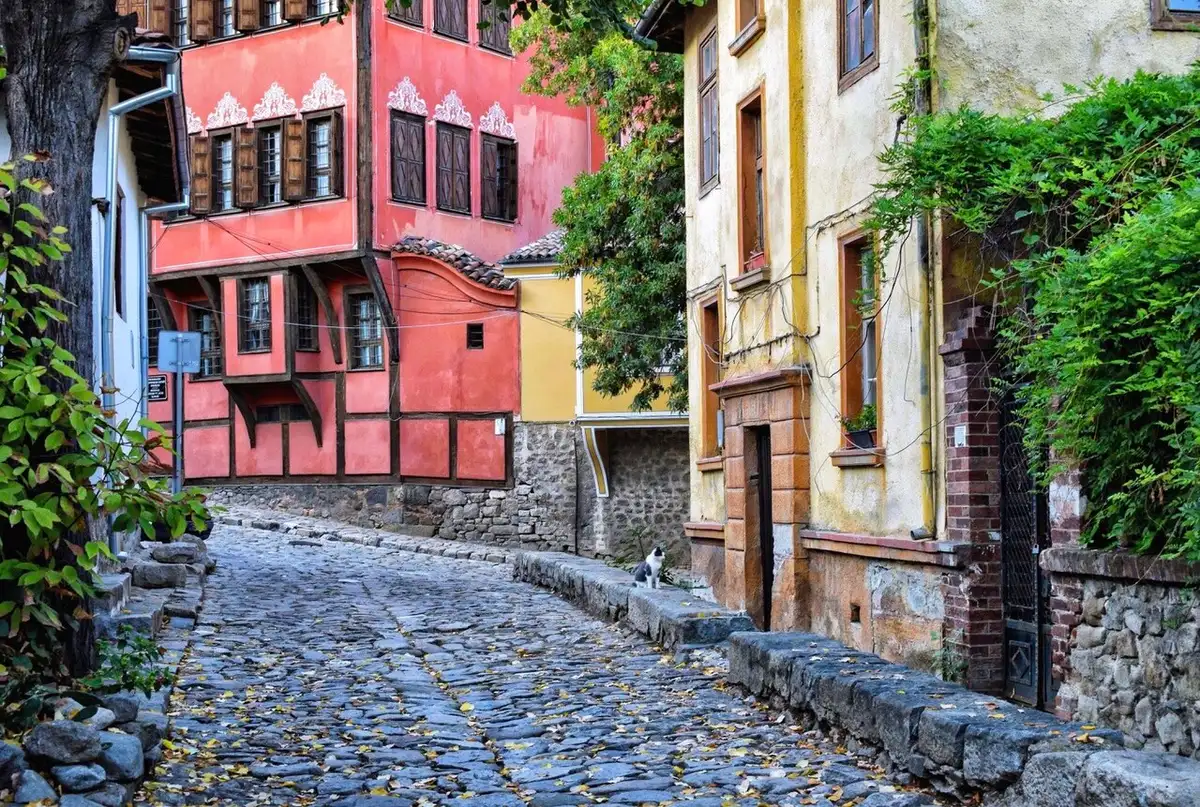
Day 1, morning: the Roman Theatre
Start with the sight everyone comes for, and start early, because it can close for rehearsals later in the day. The Ancient Theatre of Philippopolis was cut into the saddle between two hills in the early 2nd century AD under Trajan, and it’s one of the best-preserved Roman theatres anywhere. The marble tiers, still split into the blocks that once seated the city’s tribes, frame a stage with the Rhodope mountains behind. It held five to seven thousand people and it still does: the Opera Open season stages opera, ballet and concerts here from late June into early September, so if your dates line up, a night ticket beats any daytime photo.
For a normal visit the theatre opens roughly 09:30 to 18:00 from April to October, shorter in winter, and the adult ticket is small, around 2.50 to 3 euro. Walk up into it through the Old Town from Dzhumaya Square, following the signs off Tsar Ivaylo Street. For the fuller history and exactly when to catch a summer show, our Plovdiv Roman Theatre and ancient sites guide covers it.
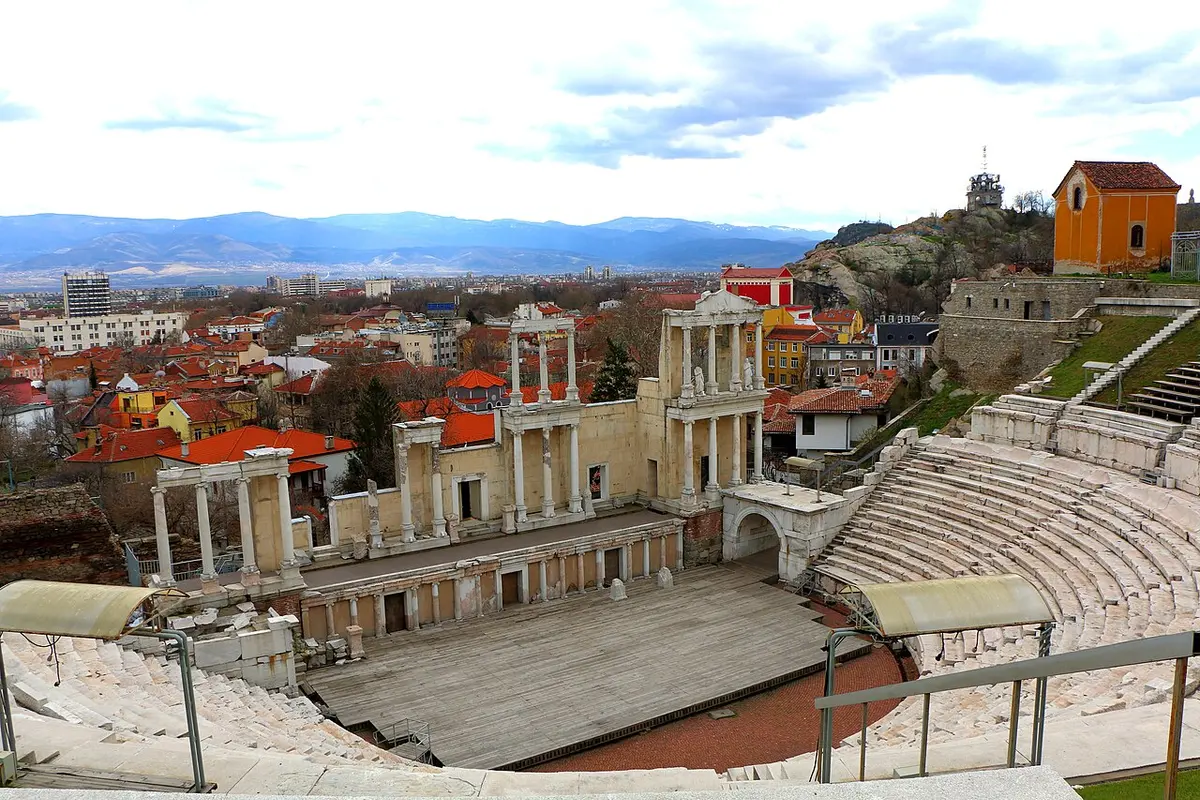
Day 1, midday: the museum-houses
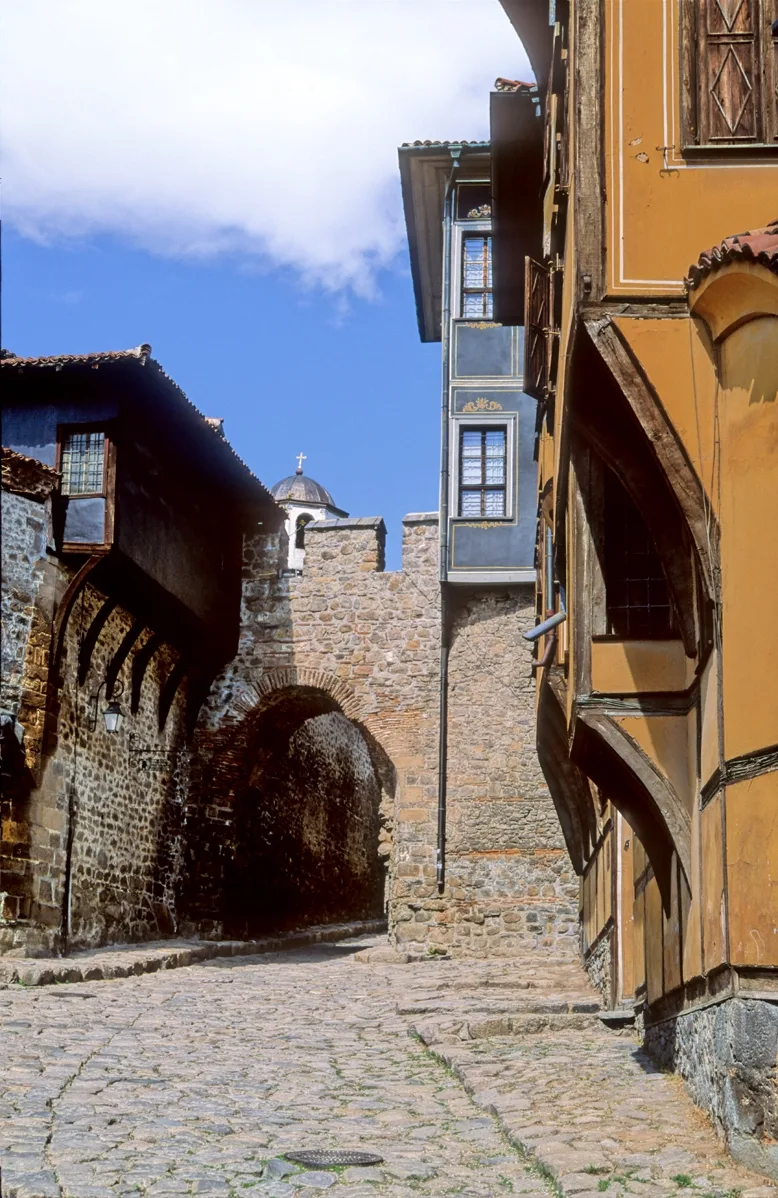
From the theatre you’re already in the Old Town, a hillside of 19th-century National Revival merchant houses with overhanging upper floors and facades painted deep blue, ochre and rose. Several of the finest are open as museums, and here’s the money-saving trick most people miss: individual house tickets run about 3.50 euro each; string together three or more and the combined ticket, covering up to five Old Town sites for about 10.75 euro, quietly pays for itself.
Pick two or three rather than trudging through all of them. Hindliyan House has the most lavish interior, hand-painted walls and a marble bathroom; Balabanov House mixes period rooms with rotating art; the dark-blue Kuyumdzhieva House holds the Regional Ethnographic Museum around a courtyard garden. Between them, seek out the Hisar Kapia, a Roman-founded gate rebuilt in the Middle Ages that frames the prettiest lane in the quarter. If your legs are done with interiors, the walk itself, gate to gate, is the real attraction and it costs nothing.
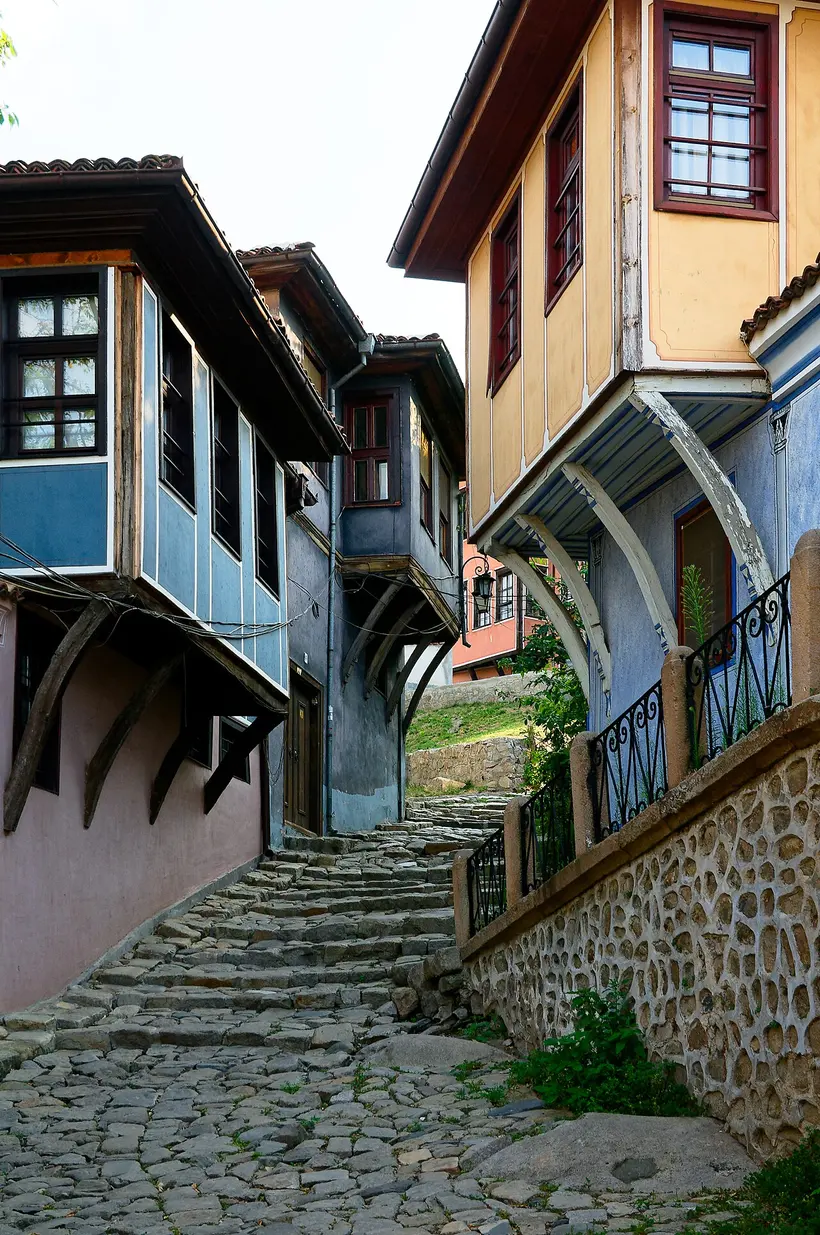
Day 1, sunset: Nebet Tepe
Keep climbing past the houses and the streets run out at Nebet Tepe, the highest of the Old Town hills and, quite literally, where the city began. People have lived on this rock for around six thousand years; the big grey blocks you can scramble over are the walls of the Thracian settlement of Eumolpias, from the 4th to 3rd centuries BC, with Roman stonework layered on top. There’s no gate and no ticket. It is an open ruin, and it is the local golden-hour spot for a reason.
Time your first day so you arrive here as the light drops. From the top the whole plain opens out and the rooftops turn gold, and you will share it with a friendly crowd of locals who bring a beer and stay for the show. Bring one yourself. When the light goes, you’re perfectly placed to walk downhill for dinner.
Day 1, evening: Kapana
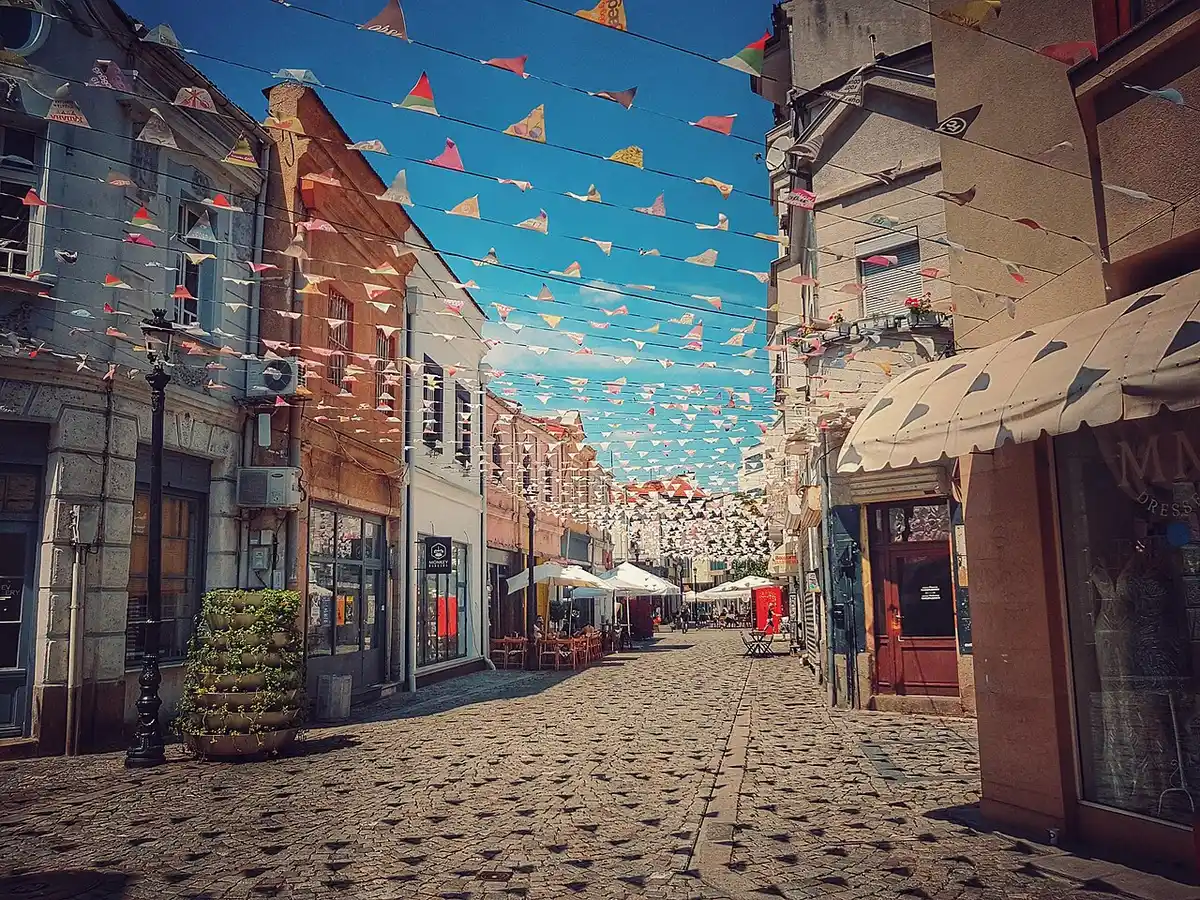
Below the Old Town sits Kapana, meaning “the trap” after its knot of narrow lanes. This was the artisans’ quarter of blacksmiths and tanners; it fell derelict, then filled back up from around 2015 with galleries, third-wave coffee, craft-beer bars and small kitchens, a revival that took off when Plovdiv was European Capital of Culture for 2019. Most of the lanes are pedestrian, so the evening spills onto the terraces and you can drift from dinner to a wine bar without ever finding a taxi.
This is where you eat both nights. For the specific tables, from the Kapana kitchens to the Old Town garden restaurants, see our guide on where to eat in Plovdiv; the short version is to book Pavaj if you want the modern Bulgarian plates locals rate, and to treat the craft-beer bars as the after-dinner move.
Day 2, morning: the stadium and the mosaics
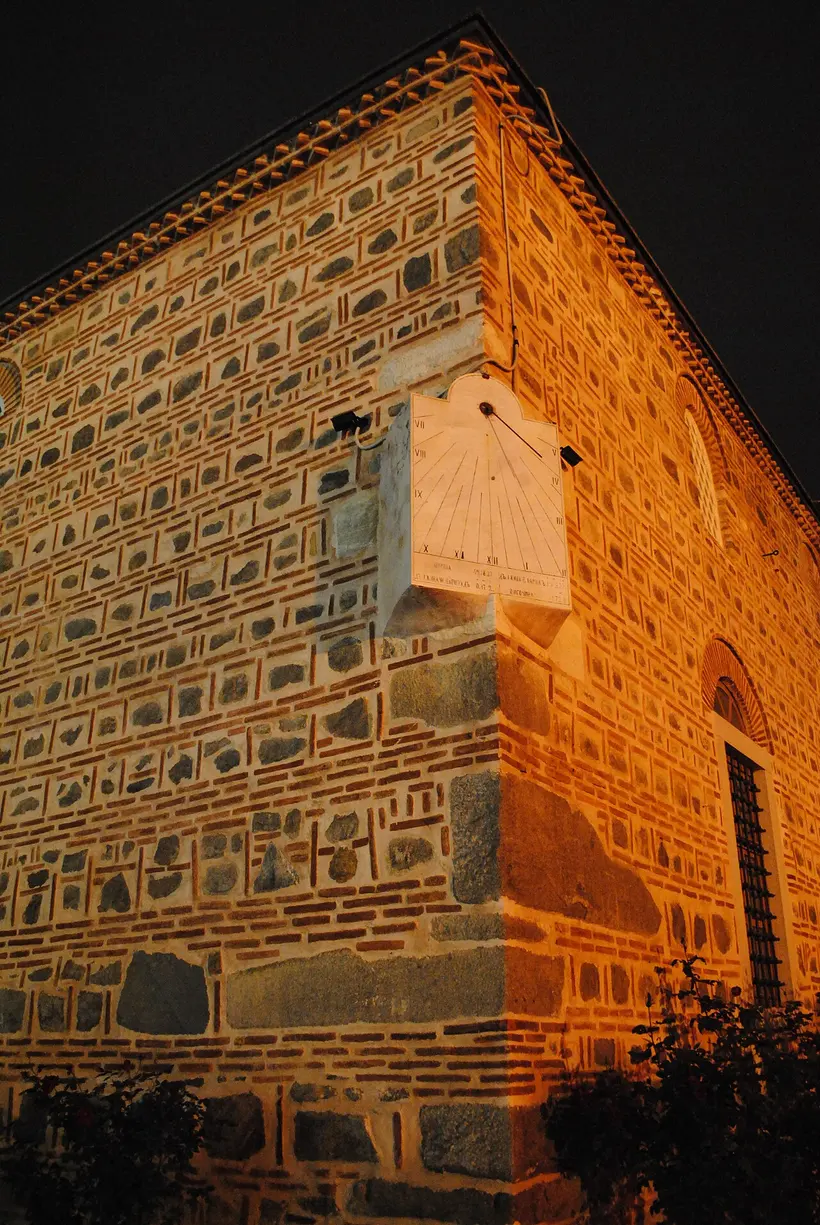
Begin day two on the flat, on the pedestrian Knyaz Alexander I street, where the pavement suddenly drops into a pit of white marble seating. That’s the curved sphendone of the Stadium of Philippopolis, raised in the 2nd century AD under Hadrian, with the remaining 240 metres of track buried beneath the shops overhead and a capacity that once reached 30,000 for the games. You can look down into it from Dzhumaya Square for free, at any hour, past the 15th-century Dzhumaya Mosque and the old clock tower on the same square.
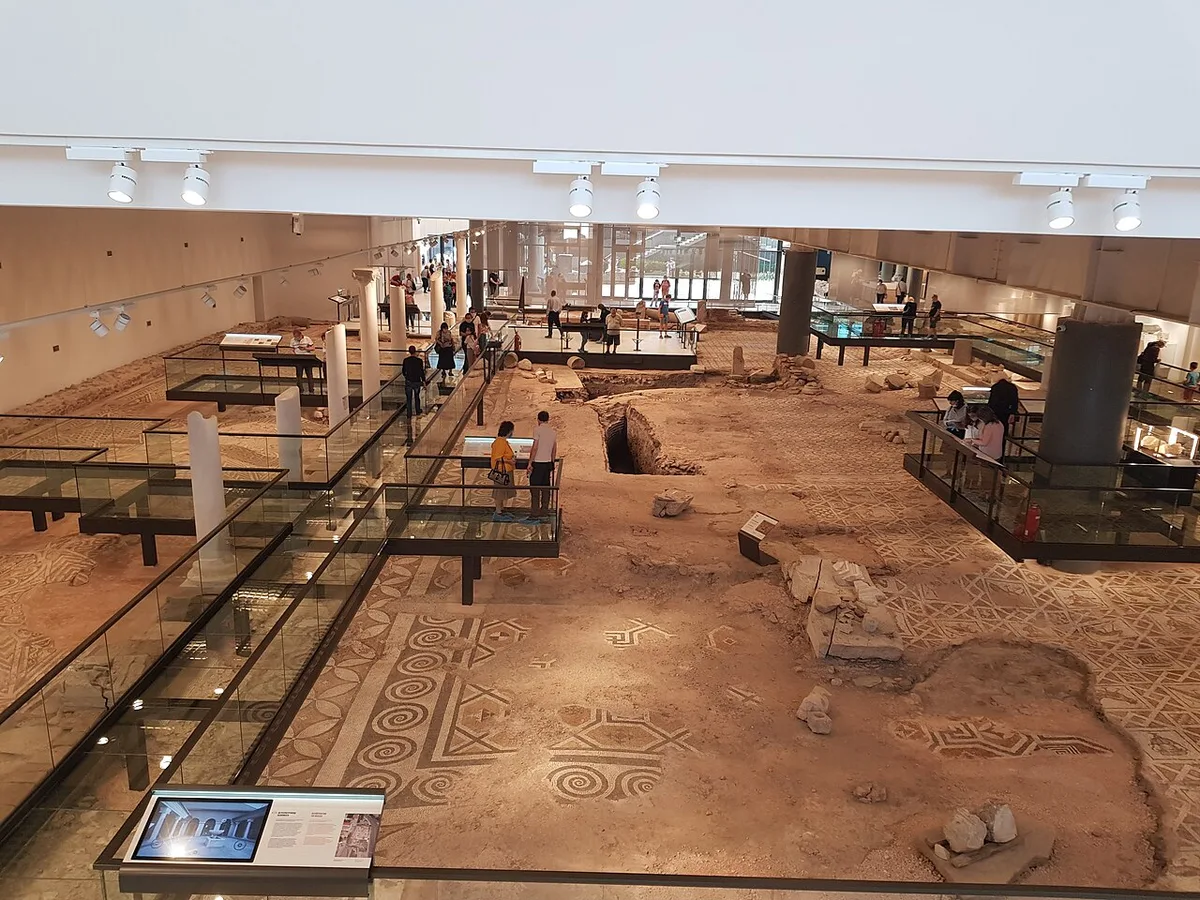
Then walk five minutes to the sight that older guidebooks skip because it’s so new. The Bishop’s Basilica of Philippopolis, opened to visitors in 2021 under a modern shelter near the main post office, protects over 2,000 square metres of late-antique floor mosaics, layer upon layer of birds, geometric knots and coloured stone. The adult ticket is 7.67 euro (15 leva); students and over-65s pay 3.58 euro. Nearby, the smaller Small Basilica has its own famous bird mosaic, and a combined mosaics ticket is about 12.78 euro if you want both. It’s open daily, roughly 09:00 to 18:00 (a little shorter in winter), so you can slot it into either morning.
Day 2, afternoon: the main street and a slower pace
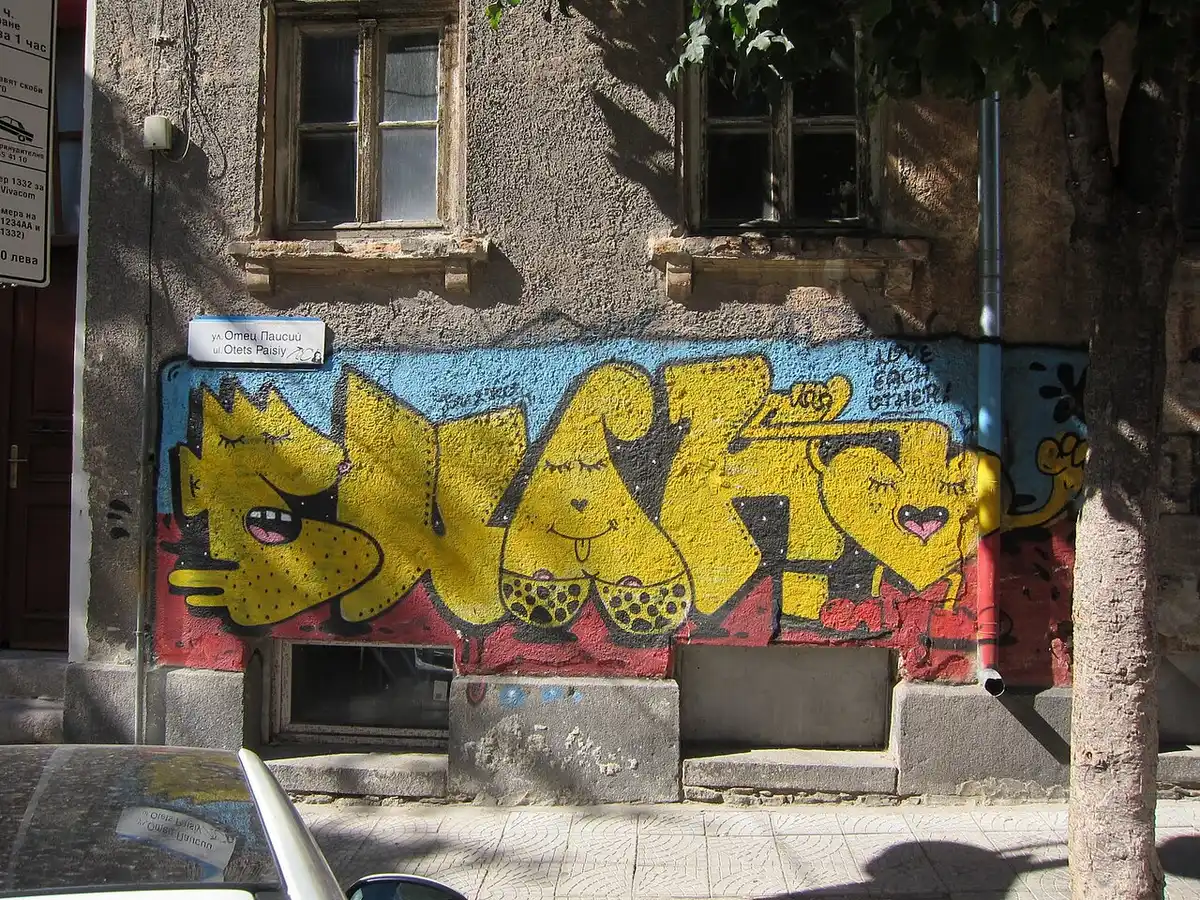
By now you’ve earned a slow afternoon. The Knyaz Alexander I main street is where Plovdiv strolls and shops, flat and easy after yesterday’s cobbles, so this is the moment for a long lunch on a terrace and whatever you skipped. If the museum-houses tempted you, this is the time to add one more; if not, wander back into Kapana by daylight, when the street art actually reads and the galleries are open, or browse the shops for something made locally rather than mass-produced.
Save a little energy, because the day has one more move after dark. If you would rather trade the shopping for a view, the wooded hills that rise straight out of the centre, Sahat Tepe with its clock tower or the Bunardzhika hill with the Alyosha monument, are short climbs to a panorama and cost nothing.
Day 2, evening: the singing fountains
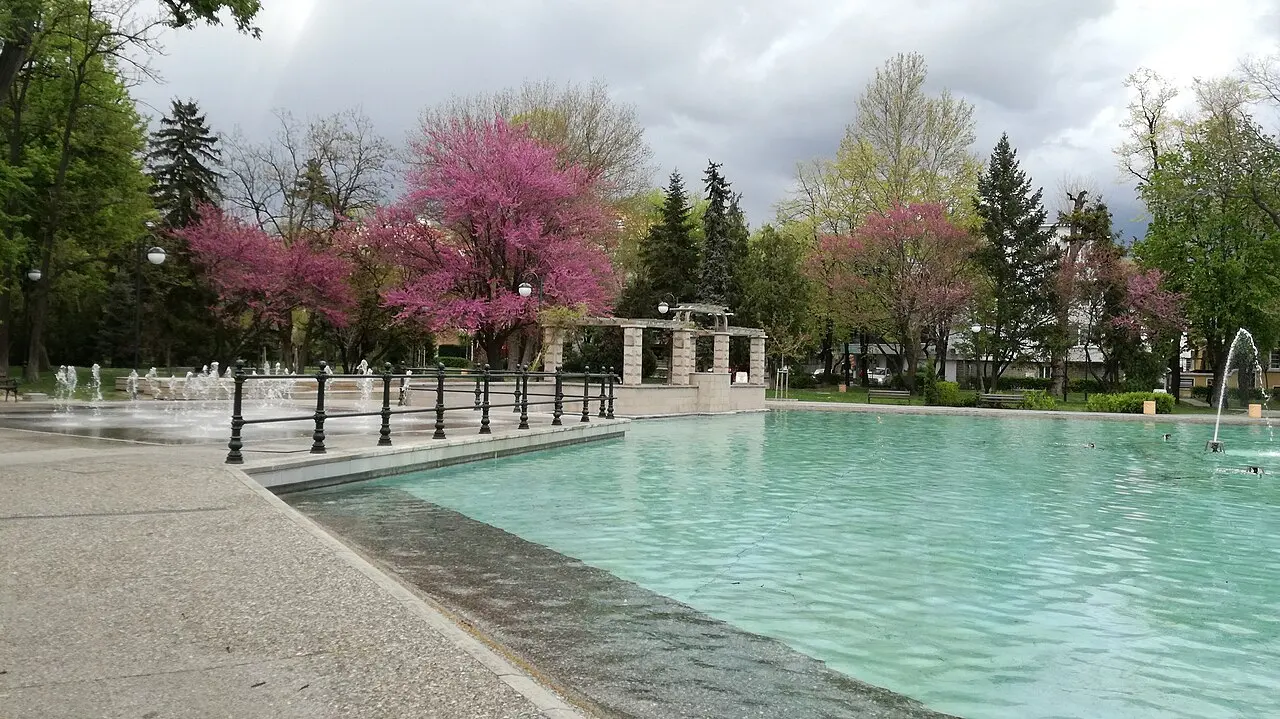
End on the city’s most crowd-pleasing free show. Tsar Simeon’s Garden, the big formal park just off the main street, has a lake with musical fountains that dance to music and coloured light. The show runs in the summer season, on Thursday, Friday and Saturday evenings at around 21:30, for roughly twenty-five minutes, and it’s free to watch from the garden. Nights and times shift with the season, so confirm locally when you arrive; if your weekend doesn’t overlap a show night, the garden itself is a lovely place for an evening stroll and an ice cream anyway.
This is the reason to check the calendar before you fix your dates. Land on a Friday or Saturday in July and you can close the weekend by the water with the fountains going; land midweek and you will not, so plan the singing fountains for whichever of your evenings actually catches one. Late November works the other way round: the Young Wine Festival fills the Old Town houses with tastings for one weekend, so fix the dates around it and book the room early.
If you have a third day: the half-day trips
Two days does the city; a third opens the country around it. We map the practical combos in day trips from Plovdiv. The classic is Bachkovo Monastery, the country’s second-largest monastery, roughly 30 km south into the Rhodope foothills and an easy pairing with the cliff-top Asen’s Fortress on the same trip. In late spring and early summer, Valley of Roses country around Kazanlak is worth the hour’s drive, especially if the dates line up with the June rose festival. And since the surrounding Thracian Plain is Bulgaria’s main wine-growing region, Plovdiv doubles as a comfortable base for the Bulgaria wine route and its Thracian Valley cellars. If you’d rather spend the third day in town, Krista’s complete Plovdiv guide on Krista the Explorer covers more museum-houses, mosques and squares than these two days have room for.
Getting there, staying, and what it costs
Most people reach Plovdiv from the capital, and it is easy: about 143 km on the A1 motorway, roughly 1 hour 30 by car, a 2-hour bus for around 6 to 9 euro, or a slower scenic train. Almost everyone flies into Sofia Airport (SOF) and continues by road or rail; our Sofia to Plovdiv transport guide compares all three, and if you’re still choosing between the cities, Sofia or Plovdiv helps you split the nights.
For a two-day trip, sleep near the Old Town, Kapana or the main street so everything in this plan is on foot; our guide to where to stay in Plovdiv weighs up the districts and the trade-offs once you’ve picked an area. Budget-wise, the sights are gentle: the Roman theatre is a couple of euro, the combined Old Town ticket about 10.75, the mosaics 7.67, and the two best things, Nebet Tepe at sunset and the singing fountains, cost nothing at all. Expect a small nightly tourist tax per person, usually under a euro, settled at check-out. Treating Plovdiv as one leg of a longer loop, the 7-day Bulgaria itinerary shows how it threads together with Sofia, Rila and the coast.
Good to know
Ticket prices and the small nightly tourist tax are shown in euro (Bulgaria joined the eurozone on 1 January 2026; fixed 1.95583 leva = 1 euro), and through 2026 desks still print both. Museum hours shift with the season and the Roman theatre can close early on show days - confirm on the day.
Details checked: July 21, 2026
Read also

Cities · 10 min read
Bulgaria's Spa Towns: Velingrad, Hisarya & More
Verified · August 31, 2026Compare Velingrad, Sandanski and Hisarya: water temps, climate, Roman walls, when to go year-round, and real 2026 spa-hotel rates.

Cities · 12 min read
Where to Stay in Pamporovo: Hotels & Chalets
Verified · August 22, 2026Pamporovo hotels, chalets and apartments by lift base: Malina vs Studenets, why "renovated" is not "new", and how to price a bed.

Cities · 14 min read
2 Days in Sofia: The Perfect Weekend Itinerary
Verified · August 20, 2026A 2-day Sofia itinerary for a Friday-to-Sunday trip: Nevsky, Serdica, Boyana Church, real euro prices, and what actually fits in one weekend.

Cities · 9 min read
Where to Stay in Burgas: Best Areas & Hotels
Verified · August 10, 2026Where to stay in Burgas: city centre for a first visit, Sea Garden for beach and park, Lazur for quiet value, or Sarafovo by the airport.