
Apollonia Festival in Sozopol: What to Expect
Apollonia runs late August into early September in Sozopol: the 42nd edition program, the golden-ticket option, venues, concerts and where to sleep.
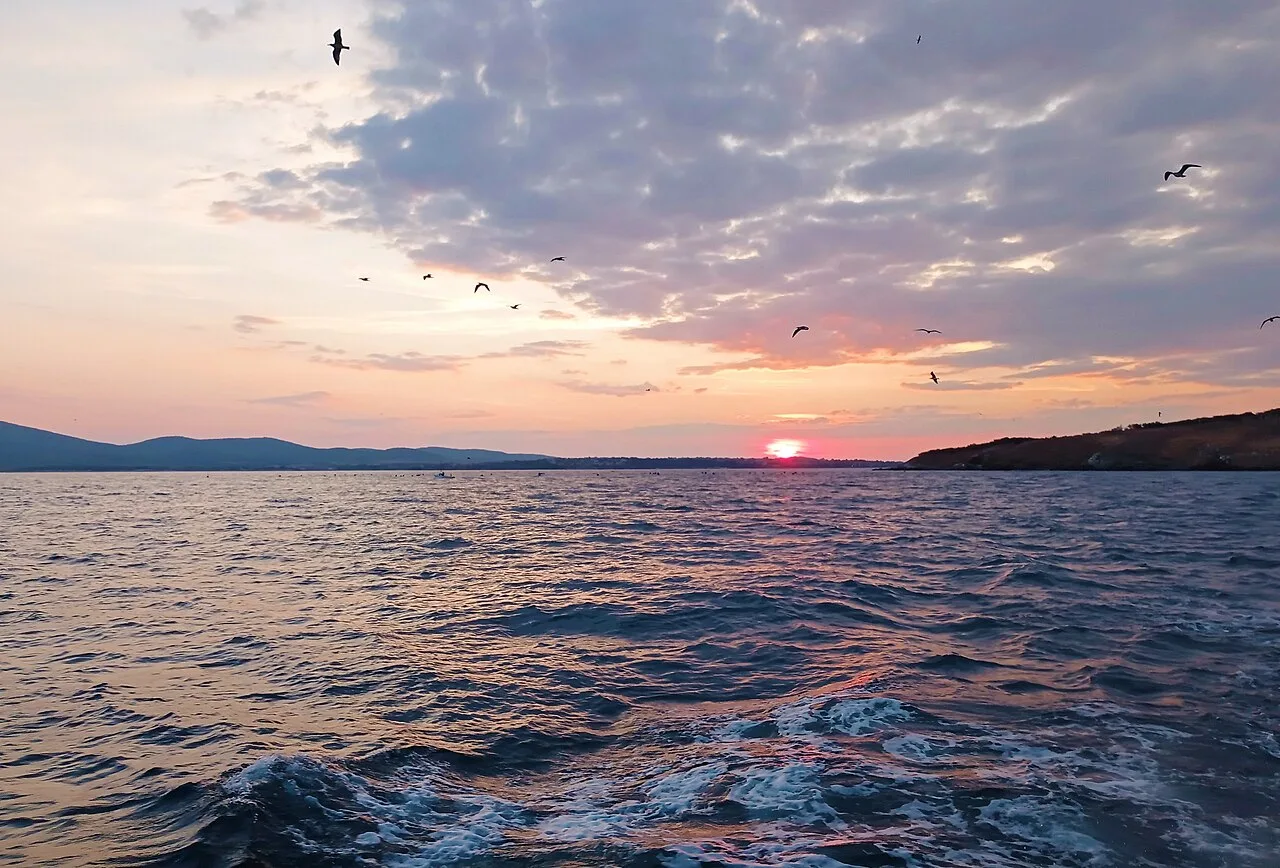
Sozopol is small enough to walk across in fifteen minutes, and for eleven days every late summer it turns into the busiest arts stage in Bulgaria. Apollonia, the town’s festival, straddles late August and early September - 27 August to 6 September in 2026, its 42nd edition - packing roughly seventy events - concerts, theatre, film and exhibitions - into that stretch. If you’re trying to decide whether to build a Black Sea trip around it, here’s what’s actually on this year, where it happens, and the one thing that trips up almost everyone: booking a bed in a town that has almost none to spare.
What Apollonia actually is
Founded in 1984 and run since 1991 by the Apollonia Art Foundation, this is a genuinely multidisciplinary arts festival rather than a single-genre one. It isn’t a beach party, and it isn’t built around one sound the way Hills of Rock in Plovdiv is - the 2026 concert bill runs from opera and chamber music all the way to mainstream Bulgarian pop and rock. Alongside the classical names further down, this year’s programme also lists Kamelia Todorova, Zhivko Petrov, Kiril Manolov, Mila Mihova, Grafa, Ivo Dimchev, the veteran rock band BTR, Vasil Petrov, Angel Zaberski and D2. Theatre, film premieres, literary evenings and gallery exhibitions fill out the rest. The name itself comes from Apollonia Pontica, the Greek name for Sozopol when it was founded as a colony over two and a half thousand years ago, and founder Prof. Dimo Dimov is still involved: he’s launching his own book, “My Way in Art,” at the 2026 edition.
The scale is real for a town of a few thousand people. Organisers put this year’s edition at more than 70 events and over 700 participants, and the Bulgarian National Assembly’s own speaker showed up for last year’s opening - a sign of how seriously Sofia treats it, not just Sozopol.
The 2026 program, in actual numbers
This year’s edition packs in more than 30 concerts, 10 film screenings, 10 theatre productions and 5 exhibitions, plus literary evenings and masterclasses layered on top. The opening night, on 27 August, is “Crossroads of Cultures” at the Apollonia Amphitheatre: singer Nina Nikolina with the Trakia Folk Ensemble, working through music from Spain, Turkey, Albania and North Macedonia alongside Bulgarian folk tradition. It’s a deliberately international opener for a festival that likes to remind you Sozopol has always been a port town, not an isolated one.
Films start the next day, 28 August, with Stefan Komandarev’s “Made in EU.” On the classical side, three dates are worth ringing: 31 August, when violinist Albena Danailova - concertmaster of the Vienna Philharmonic - plays with Rumen Tsvetkov and Alexander Somov; 2 September, when violinist Svetlin Roussev, turning 50 this year, and pianist Ludmil Angelov perform Mendelssohn’s Double Concerto, joined by Roussev’s own daughter; and 5 September, when the Stara Zagora State Opera brings mezzo-soprano Svetlina Stoyanova to the Amphitheatre. There’s also the “Apollonia Concertmasters” concert, now in its third year, gathering musicians who live in South Korea, Germany, France and Austria. On the visual side, the headline exhibitions are two shows built around the painter Ivan Milev - “Like a Seagull” and “The Islands Within Us” - alongside a selection from the 12th International Triennial of Stage Poster and a graduate show from the National Academy of Art, class of 2026. Director Galin Stoev runs masterclasses alongside Danailova for younger performers.
Where it actually happens
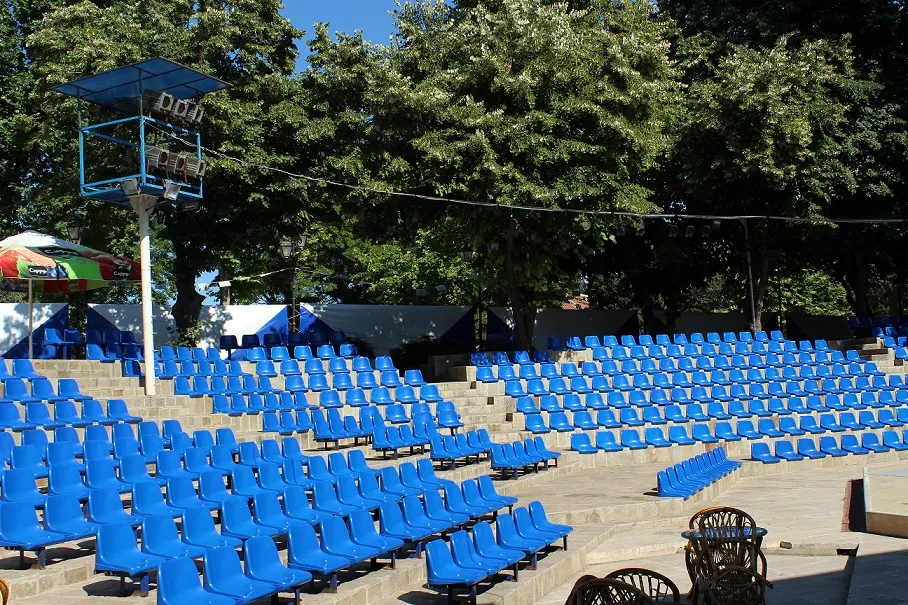
Everything sits inside walking distance in the old town. The Apollonia Amphitheatre is the main stage for the big-name concerts, including the opening night - an open-air venue with the sea as a backdrop, which is a big part of the appeal on a warm September evening.
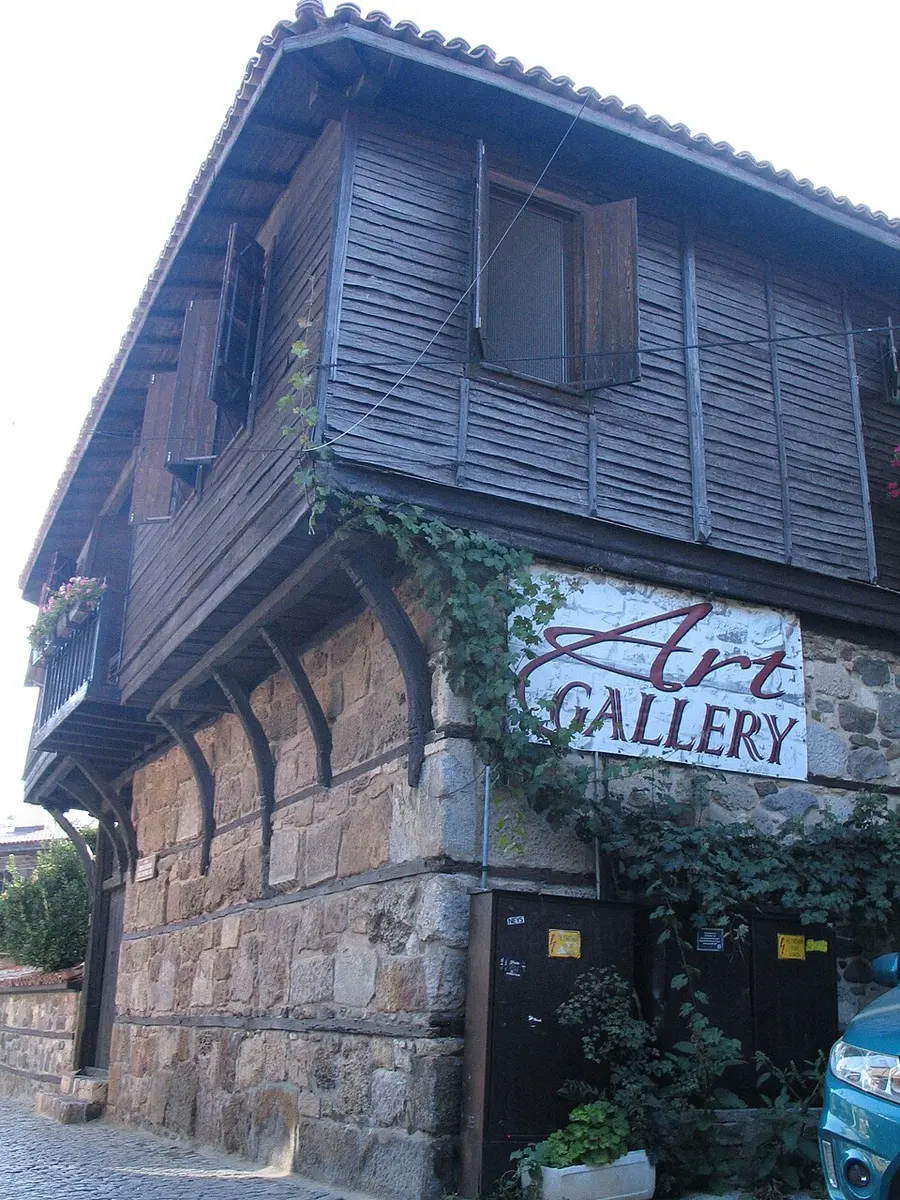
The rest of the program splits by genre rather than by convenience. Jazz and classical concerts move to the Archaeological Museum; literary evenings run in the courtyard of the Sozopol Art Gallery, while the gallery’s rooms hold this year’s exhibitions - all of them opening together on 27 August at 18:00. There are also informal open-air happenings on the beach, sunrise concerts among them, that don’t need a ticket at all.
The parts in Bulgarian, and the parts that travel
Worth knowing before you commit to a full run of tickets: the theatre programme is entirely in Bulgarian. This year’s line-up brings productions from Sofia’s Theatre 199, the National Academy of Theatre and Film Arts (NATFIZ), the Satirical Theatre “Aleko Konstantinov,” the Nikolay Binev Youth Theatre and the small city theatre “Behind the Canal” - no subtitles, no surtitles. The literary evenings are the same story: readings and conversations with Bulgarian authors, among them Rene Karabash, Zahari Karabashliev and Georgi Tenev, delivered entirely in Bulgarian. Between theatre and the literary strand, that’s roughly a third of the programme that a non-Bulgarian speaker won’t get much out of directly. The concerts, exhibitions and film screenings are the parts that travel regardless of language - which is worth weighing before you decide whether a ticket that covers everything is actually worth the money for your trip.
Buying tickets, the golden-ticket option, and what’s free
There are two ways to buy in for 2026. Each concert, play or film has its own individual ticket through eventim.bg and the links on the official program at apollonia.bg - the well-known names above tend to sell out, so buying online a few days ahead beats turning up at the door. Or there’s a “golden ticket” (златен билет), newly announced for this year’s edition, that gives reserved-seat access to every event in the programme instead of buying one by one - worth the maths if you’re planning to see more than a handful of nights. None of the festival’s own press materials we found had a specific price attached to it, so check eventim.bg for the current cost before assuming either option is the bargain. Exhibitions, literary evenings and most of the informal open-air happenings are free to walk into regardless. If you need a human for ticket questions rather than a website, the festival’s own contact line is +359 888 232 345 or fest@apollonia.bg; for anything on the foundation side, the Apollonia Art Foundation office is +359 2 9807833.
Where to sleep during the festival
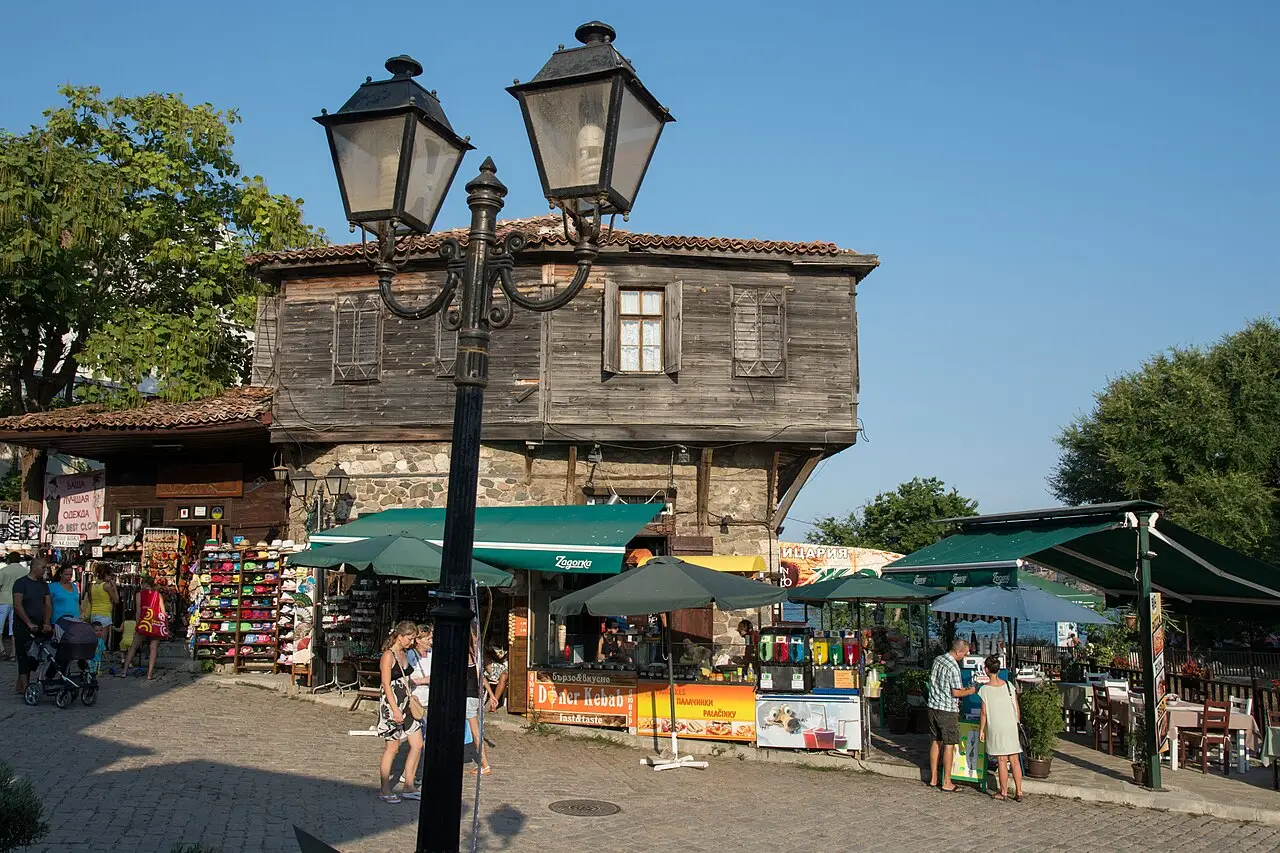
This is the real planning problem, more than the programme itself. Sozopol’s old town is a few hundred metres of Revival-era houses with a genuinely small number of rooms, and the festival lands at the tail end of peak summer, when the town is already close to full before a single concert is announced. Book two to three months out if you want the old town itself; leave it to a few weeks and you’ll likely end up in the new town around Harmani beach, which is a flat walk away and has far more stock, or commuting from Burgas, half an hour up the coast. Our where to stay in Sozopol guide breaks down the old town, new town, and the Kavatsi/Duni resorts further south in detail - read it before you book, because “somewhere in Sozopol” during Apollonia week can mean a twenty-minute walk you didn’t plan for.
Getting there and getting around
Burgas is still the gateway, same as any other week: buses from Burgas South Bus Station run roughly every half hour and take about 40 minutes, or a pre-booked transfer from Burgas Airport covers the 40-45 km in under an hour. What’s different during Apollonia is the old town itself - it’s already pedestrian-only through the day in season, and festival crowds make a car even less useful than usual, so don’t plan on driving to your guesthouse door. Walk in, or arrange with your host exactly where to leave the car before you arrive.
Is it worth timing a trip around it?
Honestly, it depends what you came for. If you want an ordinary beach holiday with a quiet old town to wander in the evenings, Apollonia season is the wrong eleven days - prices are up, rooms are scarce, and the lanes that are usually half-empty after dinner are full of people moving between venues. If you’re the kind of traveller who’d rather trade a bit of elbow room for a proper mezzo-soprano at an open-air amphitheatre by the sea - or for that matter a Bulgarian rock band the night after - these are exactly the eleven days to come for. It’s also worth knowing that Sozopol’s rival up the coast, Nessebar, runs no equivalent festival - our Nessebar vs Sozopol comparison is useful if your dates don’t line up with Apollonia and you’re choosing between the two old towns on their everyday merits instead.
For everything Sozopol offers outside these eleven days - the churches, the beaches, the ancient walls - the main Sozopol guide covers it. This page is only about the festival: what’s actually confirmed for 2026, where to be, and how not to end up sleeping forty minutes from the concert you came for.
Dates and program checked against apollonia.bg, the Bulgarian News Agency and the festival’s own 2026 press materials on 5 August 2026. Festival programs occasionally shift individual events after publication, and no source we found had a golden-ticket price attached yet - if you’re reading this close to the dates, cross-check the official site before buying non-refundable tickets or flights.
Read also

Entertainment · 10 min read
Plovdiv Young Wine Festival: November 2026 Guide
Verified · October 6, 2026Plovdiv's Young Wine Festival fills Old Town houses on 20-22 November 2026: how the tasting tokens work, hours, which day to go and where to stay.

Entertainment · 13 min read
Bansko Après-Ski: Bars, Mehanas & Nightlife
Verified · October 3, 2026Bansko after the lifts stop at 16:15: Happy End at the gondola, huts on the way down, Old Town mehanas with folk bands and kapama, bars open to 4am.

Entertainment · 9 min read
Music Festivals in Bulgaria: The Annual Guide
Verified · August 11, 2026Hills of Rock, PhillGood, SPICE, A to JazZ and Varna Summer 2026: dates, tickets, bases - and which fest fits your trip.

Entertainment · 14 min read
Bulgaria Events Calendar: Month by Month 2026-2027
Verified · August 3, 2026What's on in Bulgaria by month: Apollonia 27 Aug-6 Sep, Sofia Marathon 10-11 Oct, Surva masks in January and Orthodox Easter on 2 May 2027.