
Nessebar vs Sozopol: Which Old Town on the Coast?
Nessebar for UNESCO churches and a museum-packed peninsula; Sozopol for its own beaches, an arty calm and lower prices. Which coast town to pick, and why.
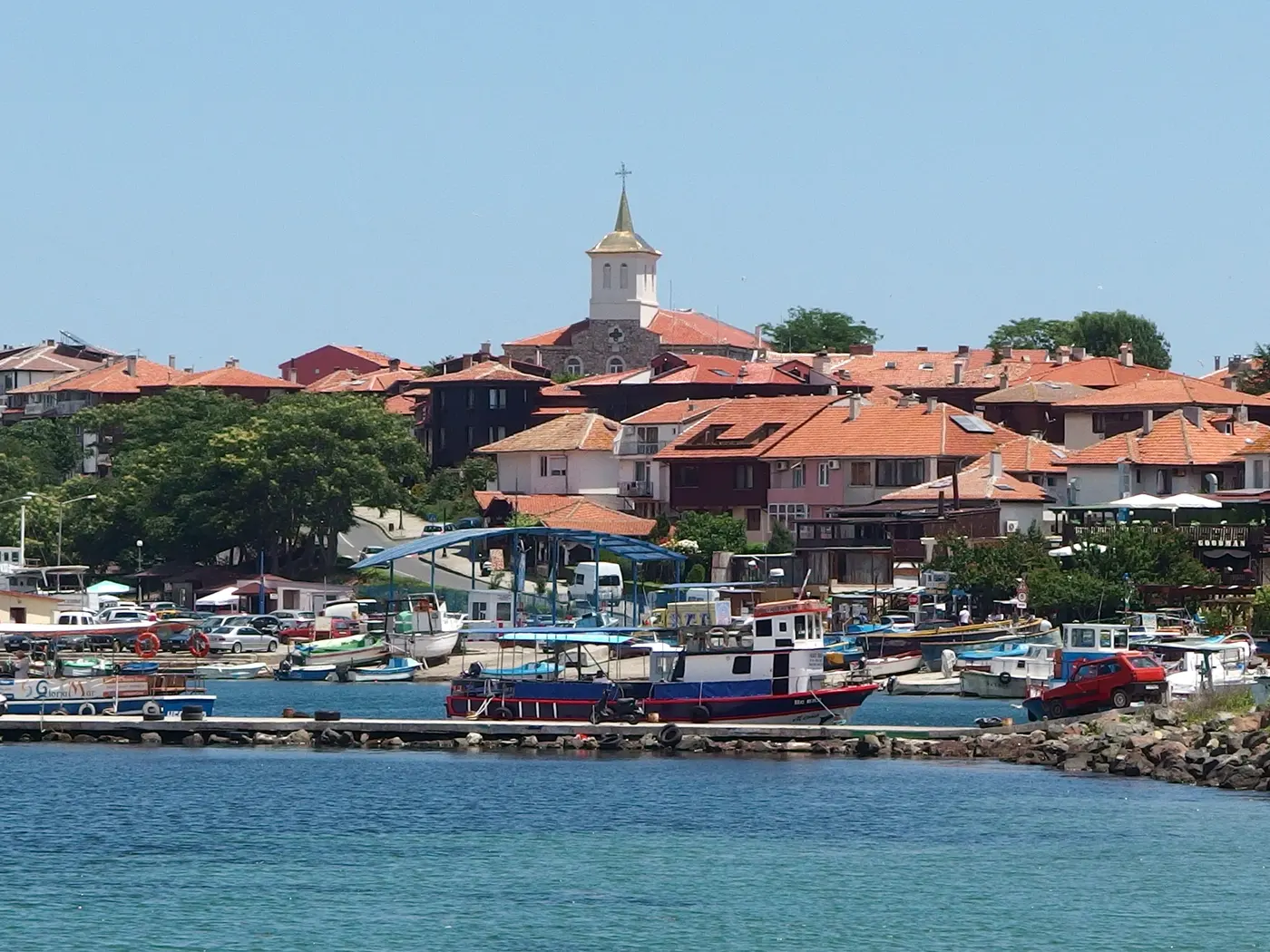
Pick Nessebar if you’re here for the history: it’s a UNESCO World Heritage Site with around forty medieval churches packed onto one small peninsula, the densest concentration of old church architecture in Bulgaria, and it comes with the crowds that fame brings. Pick Sozopol if you want an old town you can also swim from: its Revival lanes are just as pretty, its own sandy beaches are a five-minute walk away, it’s quieter, artier and cheaper, and it wears its 2,600 years more lightly. Both sit close to Burgas, both are old fishing towns on rocky peninsulas, and honestly you could see both on one coast trip. If you only have a day, this is how to choose.
Quick verdict
- Go to Nessebar if: you care about medieval churches and want the single greatest cluster of them in the country, you like a proper museum to frame what you are looking at, you’re already staying in Sunny Beach next door, or the UNESCO label matters to you. Its trump card is the churches, and there’s nothing else like them on the coast.
- Go to Sozopol if: you want a beach holiday with a beautiful old town attached rather than the other way round, you would rather wander and eat fish than tick off monuments, you want lower prices and a calmer, more lived-in feel, or you are basing yourself south of Burgas. Its trump card is that the sand is right there.
- Both are old peninsula towns of timber Revival houses and cobbled lanes, both are easy day trips from Burgas, and neither is a wrong answer. The split is monuments-and-crowds versus beaches-and-calm.
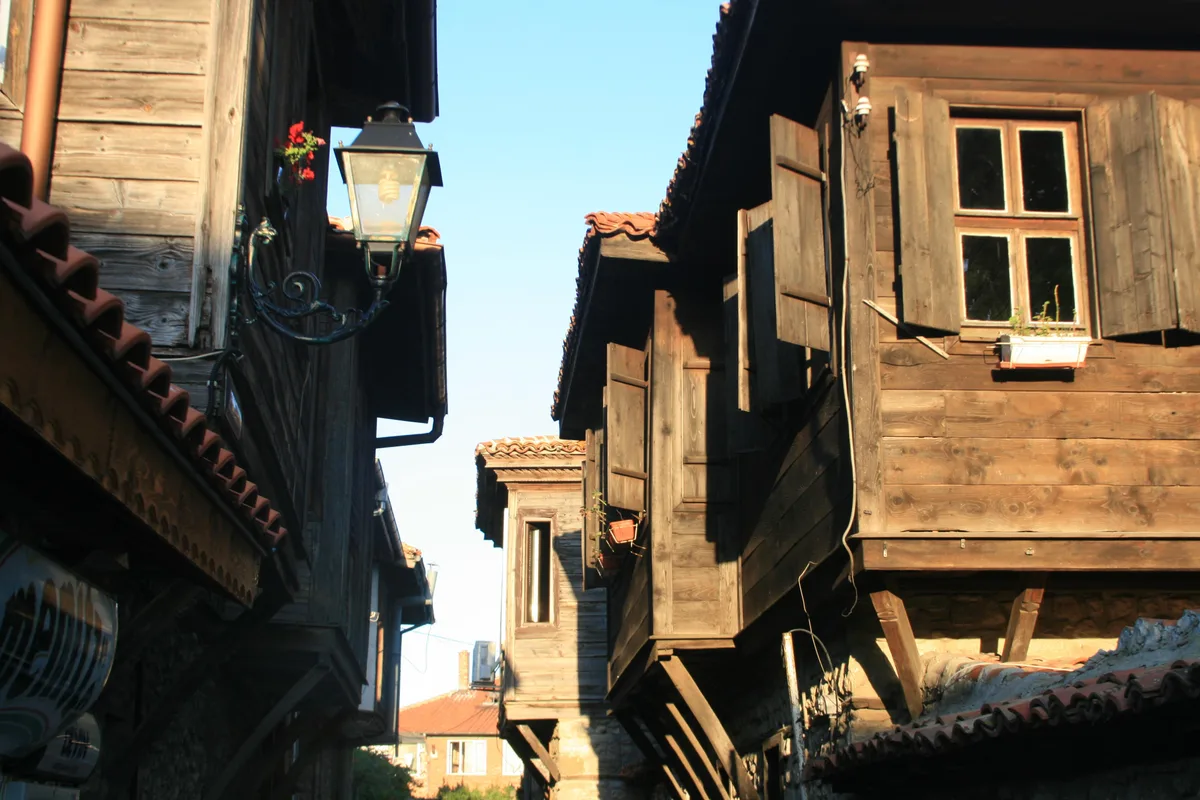
Same idea, different animal
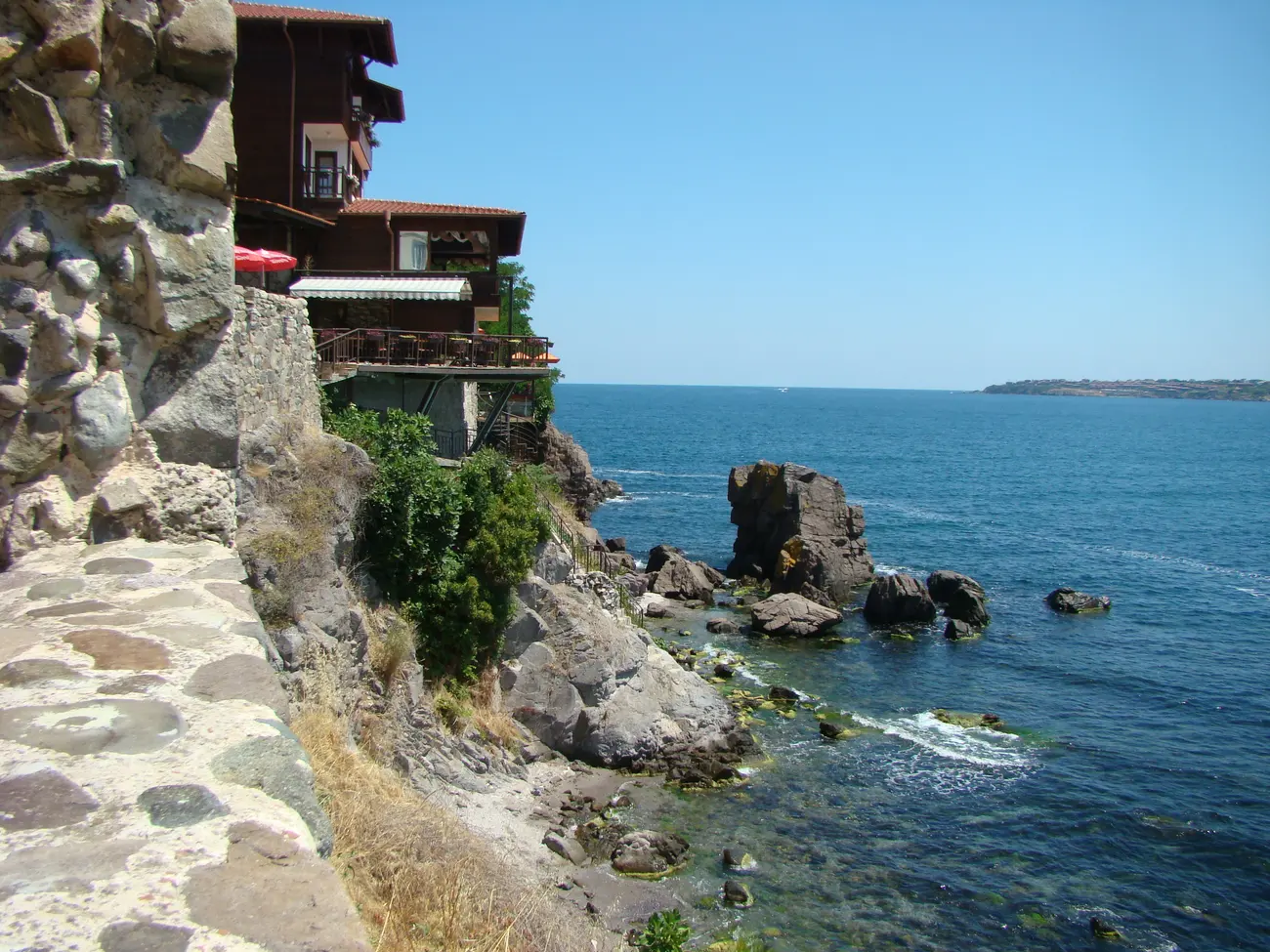
Look at a map and the two towns rhyme. Both grew on a rocky spur that was once an island, tied to the mainland by a low neck of land; both keep their history out on the peninsula while the modern town, the bus station and the biggest beaches sit back on the isthmus. Both are stacked with the same Black Sea Revival houses: a stone ground floor, a jettied timber upper storey boarded over against the salt wind, and red tiles on top. Wander either and you get the same cobbles, the same fishing boats, the same wine shops and fish restaurants.
The difference is what the peninsula holds. Nessebar began as the Greek colony of Mesembria in the 6th century BC and spent the medieval centuries as a Byzantine and Bulgarian church town, which is what UNESCO listed it for in 1983. Sozopol is older still, founded as Apollonia by Greek colonists from Miletus in the 7th century BC, but it was a trading port rather than a bishop’s seat, so it kept fewer grand monuments and more everyday charm. Nessebar is the museum piece; Sozopol is the place people actually seem to live.
The monuments: Nessebar wins, and it is not close
If churches are why you’re coming, go to Nessebar and don’t overthink it. Around forty medieval churches survive here, wholly or in part, in Byzantine and post-Byzantine masonry, bands of pale stone and red brick with inset green-glazed ceramic discs. Some are museums, some art galleries, a couple still active, several dramatic roofless ruins you simply walk up to. The showpieces are Christ Pantocrator (13th to 14th century, now an art gallery, and the one on every postcard), St Stephen, whose plain shell hides an interior smothered in frescoes and is the one ticket genuinely worth buying, and St John Aliturgetos, a roofless 14th-century shell on the seafront that is the best free view in town at golden hour. The Archaeological Museum at the gate ties the Thracian, Greek, Roman and medieval layers together in about 45 minutes.
Sozopol has churches too, but they’re modest by comparison and mostly worth a look rather than a special trip: St George (rebuilt 1828), the atmospheric 15th-century Sveta Bogoroditsa built half-sunk into the ground because Ottoman rules barred Bulgarians from raising tall buildings, and Sts Cyril and Methodius, which through the summer displays what put Sozopol in world headlines.
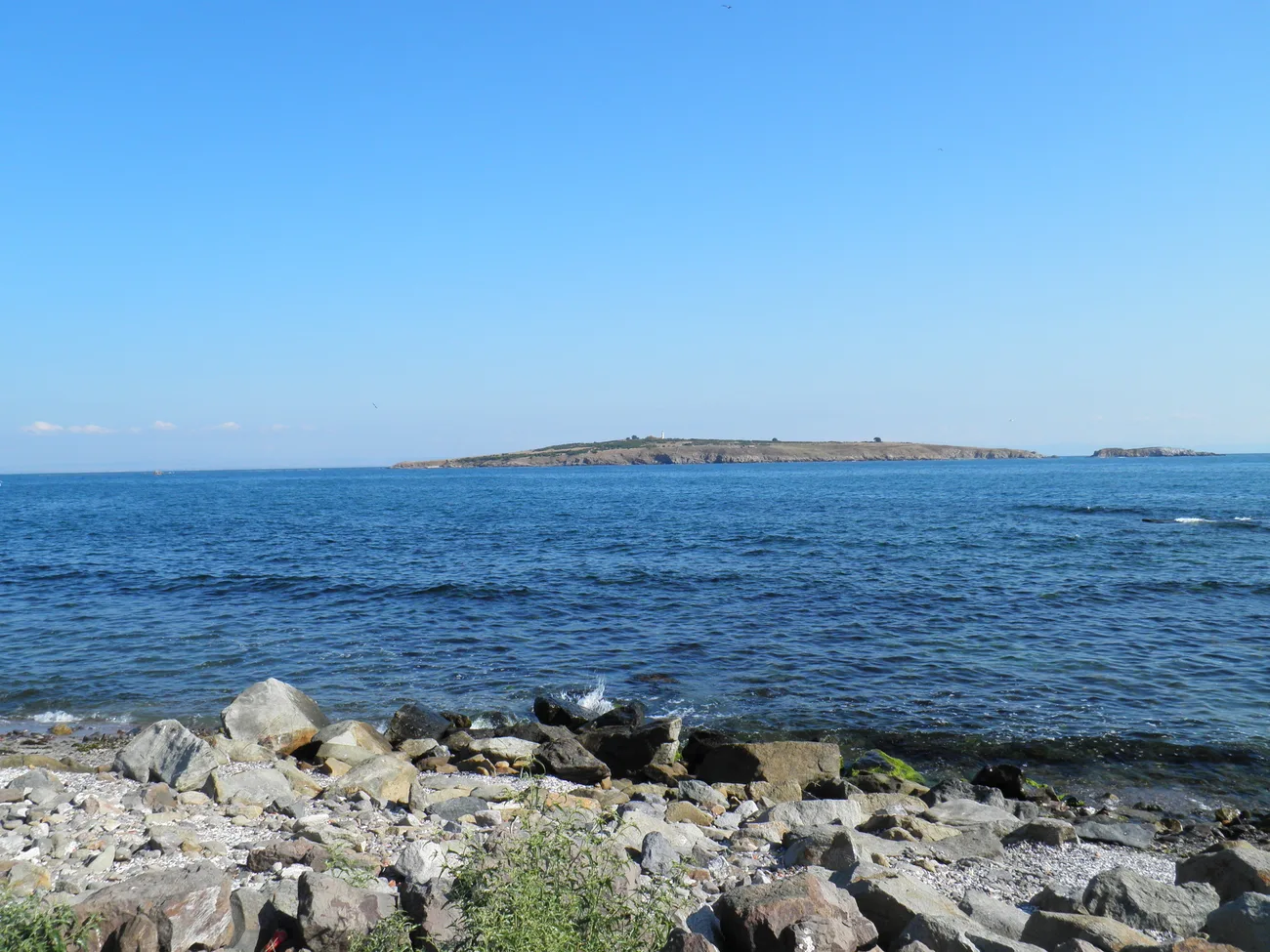
Where Sozopol pulls even is antiquity in the ground rather than up on the walls. Its Archaeological Museum, named for the historian Bozhidar Dimitrov, holds the richest collection of ancient Greek vases in Bulgaria, and the town was once home to a 13-metre bronze statue of Apollo that Rome carried off in 72 BC. If you like your history in a display case, Sozopol rewards you; if you like it standing over you in stone, Nessebar is unmatched.
Beaches: Sozopol’s trump card
Here the towns swap places completely. Nessebar has no real beach of its own. The old town is all rock and church; the sand is next-door Sunny Beach, a huge modern resort a few kilometres round the bay, connected by a bus every half hour. That is fine if you want the beach and the history kept separate, and it’s why so many people stay in Sunny Beach and day-trip to Nessebar. But you do not swim from Nessebar itself.
Sozopol you swim from. Central Beach sits directly below the old-town walls, so you can go from a medieval church to the water in minutes; Harmani in the new town is wider and copes better with August; and a short hop south brings the scenic Kavatsi and the wild dunes of Smokinya. This is the single biggest practical difference between the two towns. If the plan is old town in the morning and sand in the afternoon, without a bus in between, Sozopol is built for exactly that.
Crowds, atmosphere and when to go
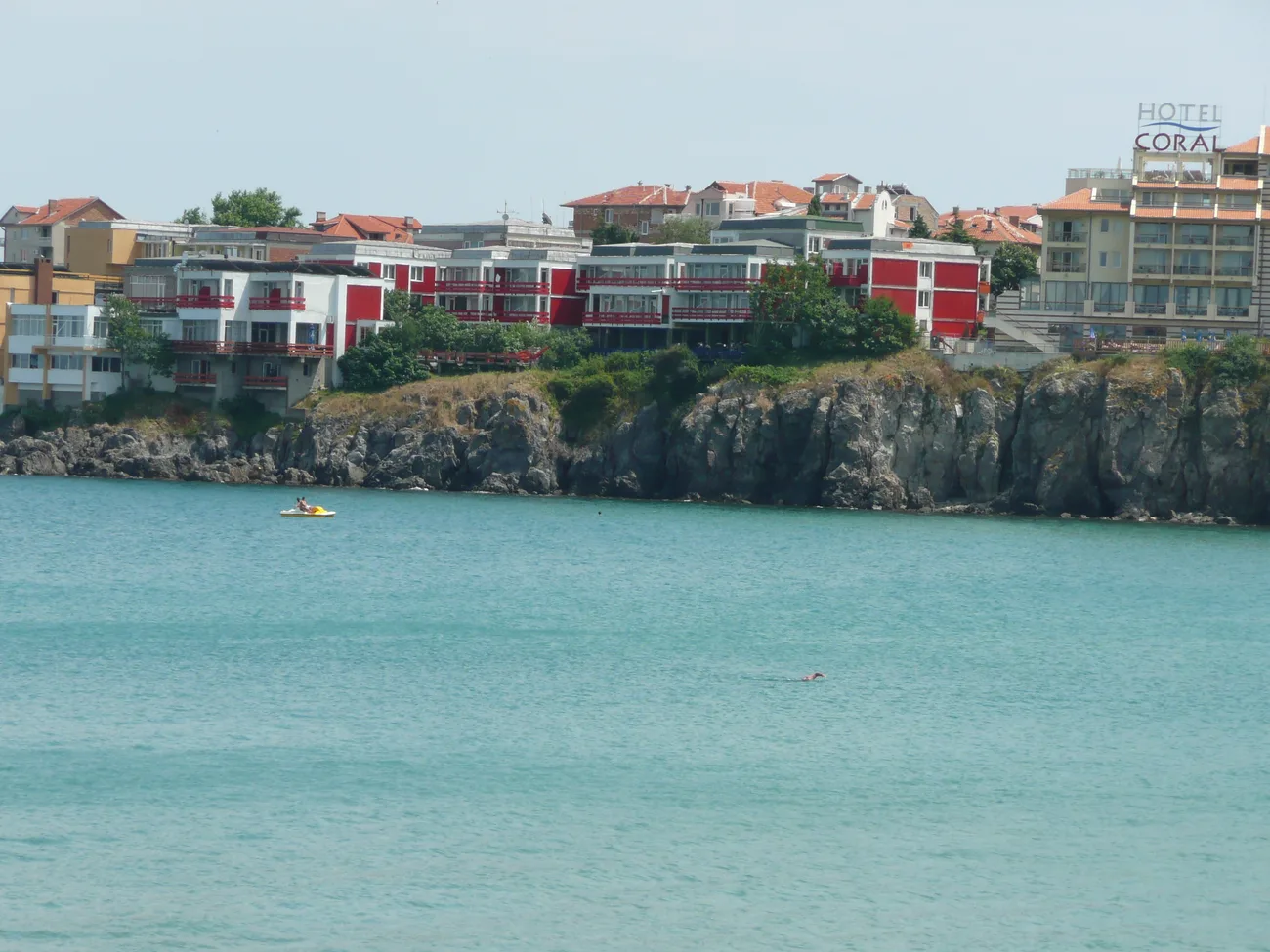
Fame has a price, and Nessebar pays it. It sits squarely on the cruise and coach-tour circuit, and from mid-morning in July and August the main lane between the gate and the harbour turns into a slow river of day-trippers and souvenir stalls. It thins fast if you go early or stay into the evening, and the side streets are quiet even at noon, but the headline sight of the coast draws headline crowds. Sozopol fills up in high summer too, yet it spreads its visitors across the beaches and feels less staged, more like a working town that happens to be beautiful.
Sozopol also has a cultural card Nessebar does not: the Apollonia Arts Festival, Bulgaria’s biggest, held across the town every late August and early September since 1984, with music, theatre and film - our Apollonia festival guide has this year’s program and dates. It’s a large part of why the town feels arty rather than touristy. For either town, the smart move is to come in June or September, when the sea is warm, the light is good and the lanes have room to move, which they very much don’t at the peak of August. Our guide to the best time to visit Bulgaria lays out the shoulder seasons in full.
What it costs
Both are cheap, but Sozopol is cheaper across the board. On tickets, Nessebar’s museum authority charges 4.60 euros each for the Archaeological Museum and the Church of St Stephen, or 17.90 euros for a combined pass to all its objects, which pays off from about the fourth site. Sozopol’s Archaeological Museum is only about 3 to 3.50 euros and its Southern Fortress Wall and Tower around 1.50. Prices were converted from leva and checked in July 2026, and since Bulgaria only moved to the euro this year, reconfirm at the desk. Beyond tickets, Sozopol’s guesthouses and fish restaurants tend to run a little softer on the wallet than Nessebar’s, which prices to its cruise-day footfall.
Getting there, and can you do both?
Burgas is the gateway for both, but they sit on opposite sides of Burgas bay: Nessebar about 37 km to the north-east (buses via Pomorie, roughly an hour and ten), Sozopol about 35 km to the south (buses via Chernomorets, about 40 minutes, roughly every half hour). From Burgas Airport each is a straightforward taxi or transfer of 30 to 50 minutes. Burgas itself, with its long sea garden, makes the natural base if you want to see both without a car.
That geography is the catch on doing both in one day: because they face each other across the bay with Burgas in the middle, chaining them means backtracking through the city, so it is a long day rather than a quick hop. Far better to give each its own morning, or base in Burgas and take one on each of two days. If you’re weighing up the whole coast, the Sunny Beach vs Golden Sands comparison covers the big modern resorts, our guide to where to stay on the Black Sea coast matches every base to a type of trip, and the full church-by-church detail lives in the individual Nessebar and Sozopol guides.
So which should you book?
Book Nessebar if the churches are the point: for the greatest concentration of medieval church architecture in Bulgaria, the museum context to make sense of it, and the UNESCO stamp, accepting the cruise-day crowds and a beach that’s really next-door Sunny Beach. Book Sozopol if the sea is the point: for its own sandy beaches a short walk from the old lanes, a quieter and artier feel, lower prices and a town that lives rather than performs, accepting fewer must-see monuments. One quick test settles most trips: do you want to stand inside a thousand years of churches, or step out of a medieval lane straight onto the sand? That answer picks your town. With a couple of coast days, do both, one each, and let Burgas hold the middle.
Admission and opening hours
- Admission price
- Nessebar museum tickets (euro): Archaeological Museum and Church of St Stephen 4.60 adult / 2.30 child each; combined pass to all objects 17.90 adult / 8.69 child. Sozopol: Archaeological Museum about 3 to 3.50 adult; Southern Fortress Wall and Tower about 1.50.
- Opening hours
- Both old towns open year-round; museums and ticketed churches run roughly from 09:00, longer in summer, and several Sozopol sights (the John the Baptist relics in particular) are a summer-only showing.
Prices converted from leva and checked July 2026; Bulgaria joined the euro on 1 January 2026 and museums adjust rates and seasonal hours, so reconfirm at the ticket desk on the day.
Details checked: July 15, 2026
Read also

Cities · 10 min read
Bulgaria's Spa Towns: Velingrad, Hisarya & More
Verified · August 31, 2026Compare Velingrad, Sandanski and Hisarya: water temps, climate, Roman walls, when to go year-round, and real 2026 spa-hotel rates.

Cities · 12 min read
Where to Stay in Pamporovo: Hotels & Chalets
Verified · August 22, 2026Pamporovo hotels, chalets and apartments by lift base: Malina vs Studenets, why "renovated" is not "new", and how to price a bed.

Cities · 14 min read
2 Days in Sofia: The Perfect Weekend Itinerary
Verified · August 20, 2026A 2-day Sofia itinerary for a Friday-to-Sunday trip: Nevsky, Serdica, Boyana Church, real euro prices, and what actually fits in one weekend.

Cities · 9 min read
Where to Stay in Burgas: Best Areas & Hotels
Verified · August 10, 2026Where to stay in Burgas: city centre for a first visit, Sea Garden for beach and park, Lazur for quiet value, or Sarafovo by the airport.