
Where to Stay in Sozopol: Old Town & Beaches
Where to stay in Sozopol: the old-town peninsula, the new town by Harmani beach, or the quiet south at Kavatsi and Duni, and which suits your trip.
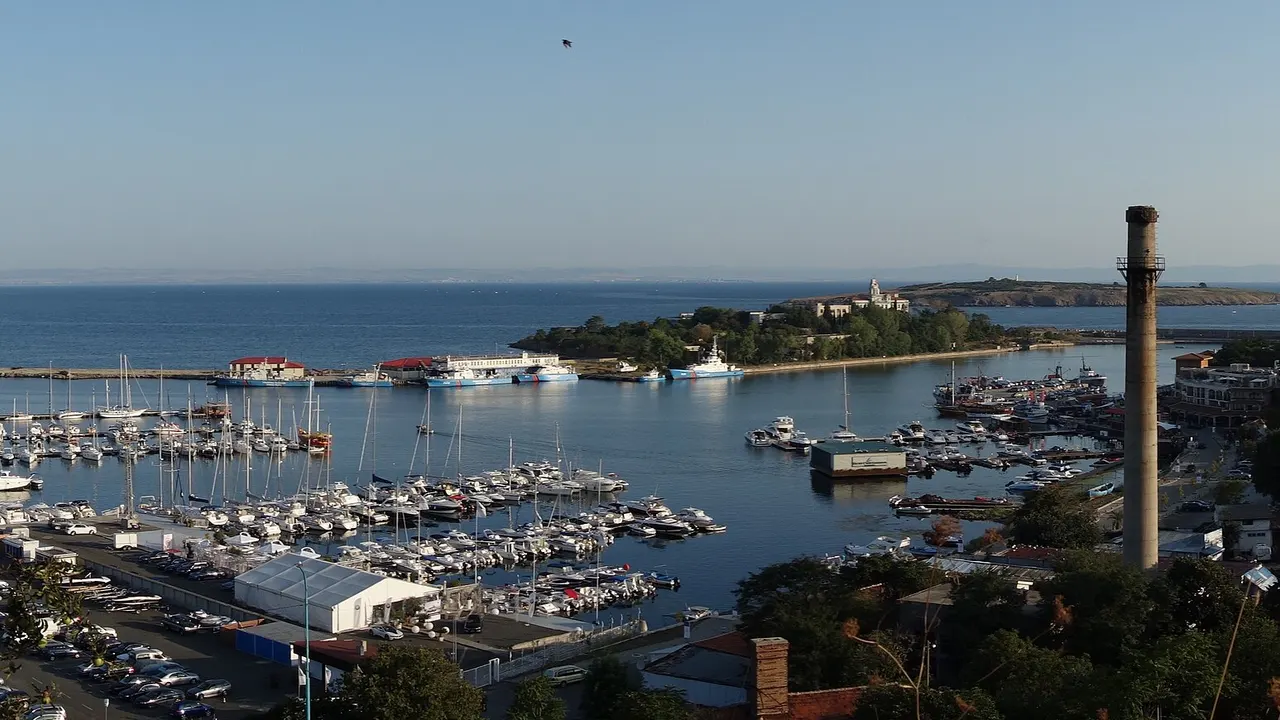
Book the old-town peninsula if you came for cobbles, Revival houses and quiet evenings, and you’re happy to walk to a beach. Book the new town around Harmani if you want the wider Blue Flag beach outside the door with the old lanes ten minutes away. Book south at Kavatsi or Duni if you want a pool, dunes and a resort routine rather than a town. All three are within a couple of kilometres of each other, and they’re three different holidays.
The mistake is booking “Sozopol old town” with a hire car and a fortnight of beach days in mind. The historic quarter sits on a small rocky peninsula that was once an island, its lanes are largely pedestrian by day, and its own strip of sand fills up before lunch. The wider beach, the supermarkets and most of the family rooms are back on the mainland in the new town, a flat ten-minute walk away. Sort out which of those two lives you actually want first, then let price decide inside it.
The short version
- Old town peninsula: character, boutique guesthouses in timber houses, quiet after the day-trippers leave; small older rooms, a narrow Central Beach, and genuinely awkward car access.
- New town / Harmani: modern hotels and family apartments, the wide Blue Flag Harmani beach, shops and restaurants; the pick for most trips and most budgets.
- Kavatsi and the south: resort and apartment complexes with pools, campsites, dunes and pine forest about 3 km down the coast; best with a car.
- Duni: a gated all-inclusive resort village further south again, for a fly-and-flop package rather than a Bulgarian town.
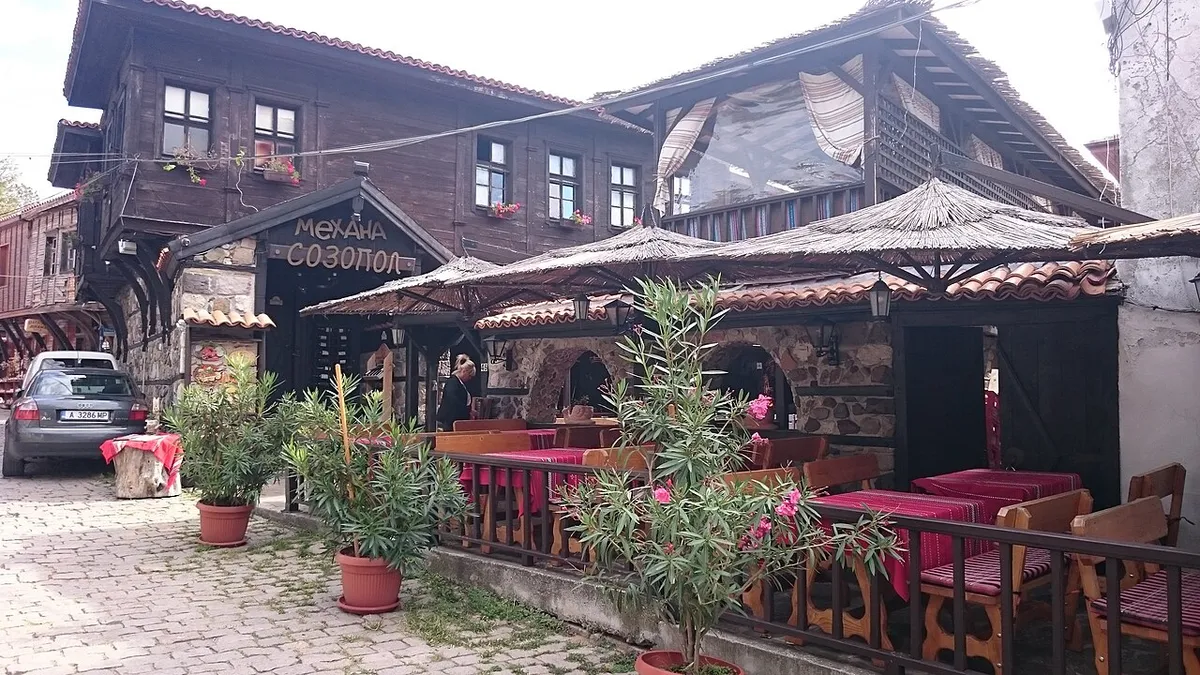
The old town peninsula: sleeping inside the reserve
Sozopol’s old town carries official protection as an architectural and archaeological reserve, and it isn’t just paperwork - it looks the part: a few hundred metres of cobbled lanes lined with wooden Revival houses, tiny churches, wine shops and fish tavernas leaning out over the water. Beds here come almost exclusively inside those same old houses, a handful of rooms run by the family that owns the place, up steps too narrow for a big case. The payoff arrives once the day-trip boats have gone, when the lanes empty out and the whole promontory feels like it belongs to whoever’s actually staying the night.
Comfort is the trade-off. What the same money buys elsewhere on the mainland buys an older, tighter room here, and the peninsula’s own strip of sand, Central Beach under the old walls, is narrow enough to fill up by mid-morning through July and August. Underestimate the parking at your peril: the lanes turn pedestrian-only for most of the day, roughly 10:00 to 20:00 in season, and the one small car park by the Archaeological Museum is full well before lunch, which makes a hire car more trouble than help. Travelling with bags, email ahead and ask exactly where to unload, because the real answer is usually “leave it in the new town and walk the rest.” Same goes if you’re rolling in off a Varna to Sozopol coast drive: this old town is entered on foot, never by car.
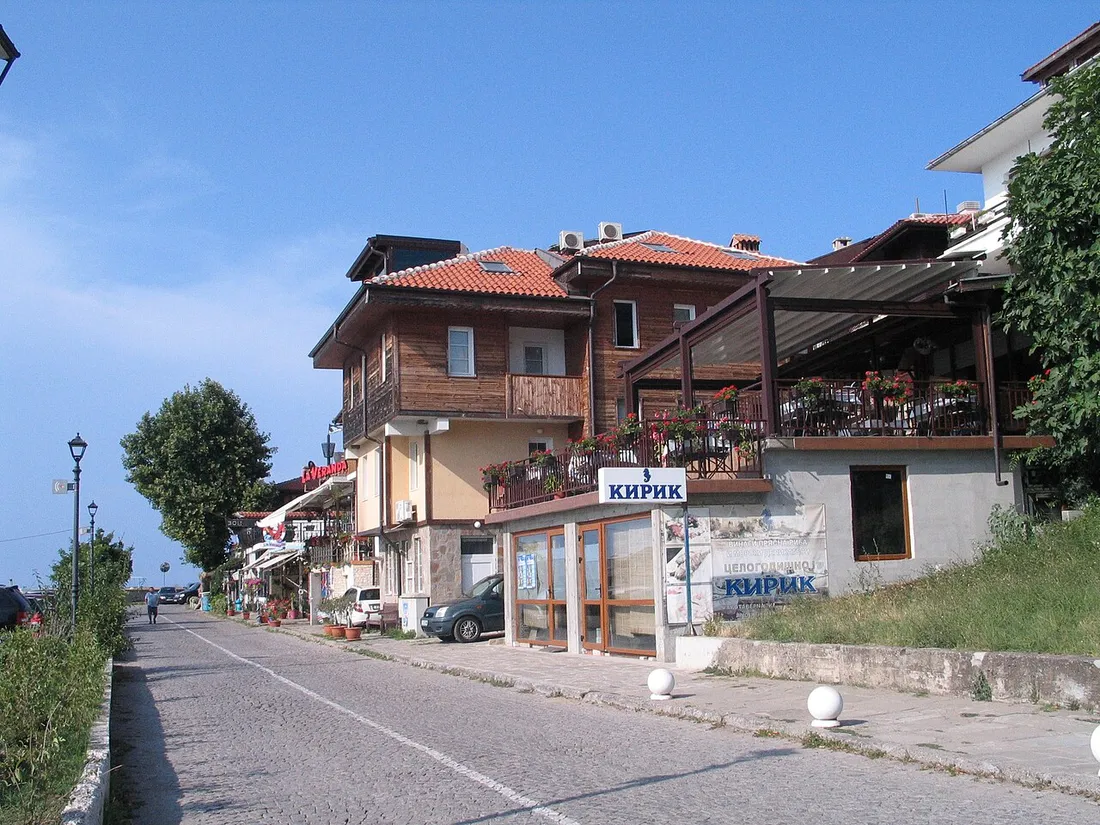
A weekend or a long weekend suits this base well - it’s the pick for couples and anyone whose real reason for coming is the old town and its churches rather than the sand. Push it into a fortnight with kids, a hire car and a boot full of inflatables, and the same lanes that felt charming on day two turn into an obstacle course by day ten.
The new town and Harmani: the pick for most trips
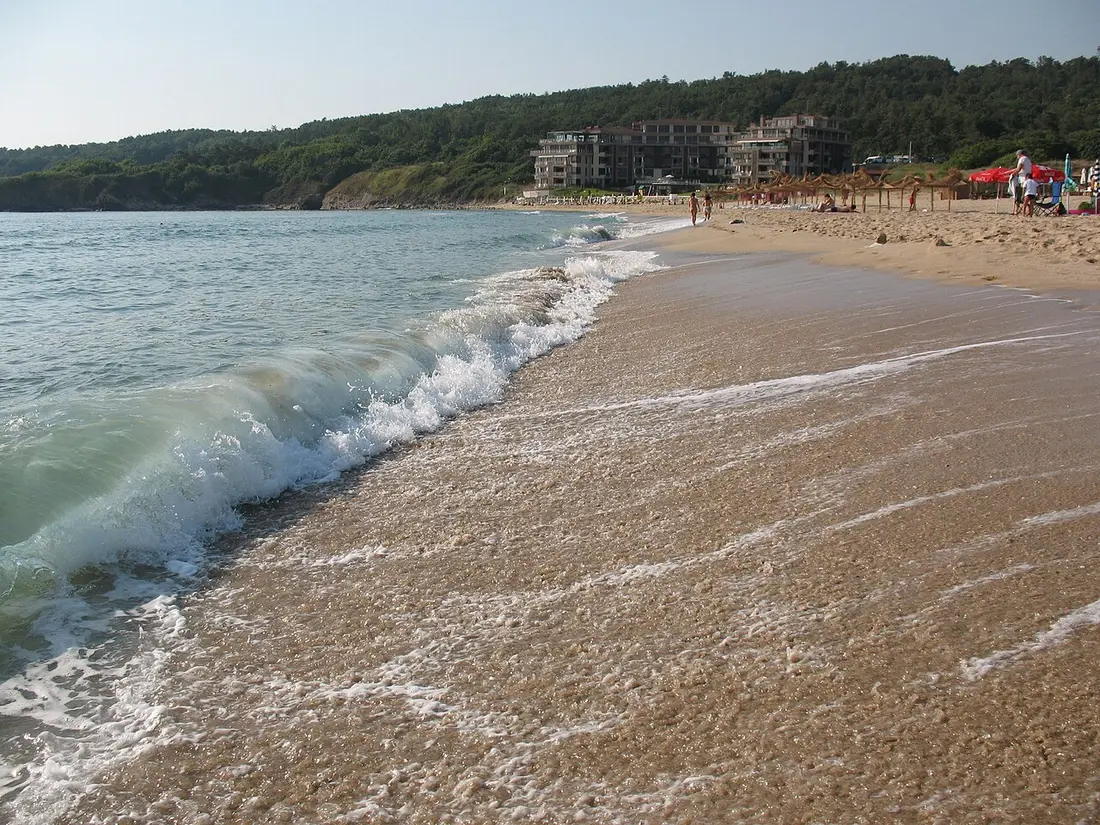
Solve the beach-space problem from the old town and you’ll land on the mainland side of Sozopol, where the actual holiday infrastructure sits: mid-range hotels, family apartments with real kitchens, a run of ordinary restaurants and shops, and a proper supermarket. Harmani beach (Harmanite) is the payoff, long and wide enough to swallow a high-season crowd that would flatten Central Beach in an hour, and it flies the same Blue Flag while charging less than a boutique room across the water.
Most visitors end up here for a simple reason: it fixes the one thing the old town lacks and doesn’t give up the old town itself. A flat ten-minute walk along the shore puts you back among the cobbles for dinner, so a day can run beach-then-history without a bus timetable getting in the way. Families gain the most, since this is the only side of Sozopol with apartments that have a proper kitchen and a second bedroom, worth having over a longer stay. The one thing traded away is looks: these streets carry more traffic and less charm than the ones across the water, which is exactly why the routine here becomes stay in the new town, walk to the old one for the view.
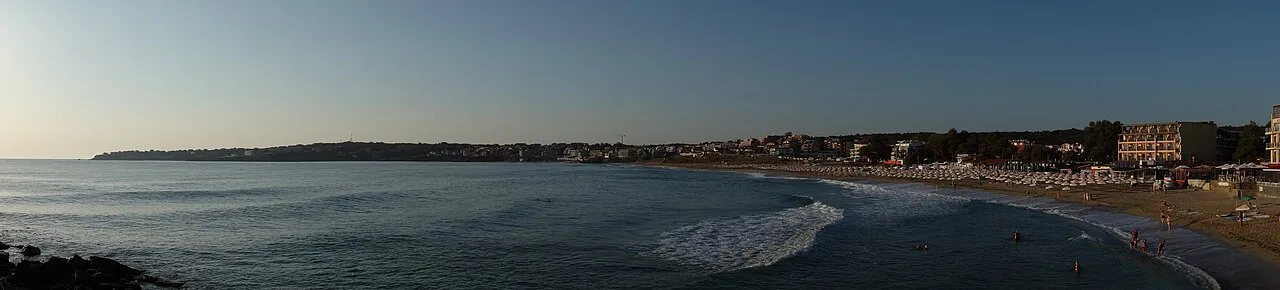
South to Kavatsi and Duni: pools, pines and quiet
Head about 3 km south and the coast opens into a run of broad, dune-backed beaches with pine forest behind them: Kavatsi (Kavatsite) first, then wilder Smokinya beyond. This is where the self-contained complexes are, the sort with an apartment, a couple of outdoor pools and a short path to the sand, plus the campsites at Kavatsi and Smokinya for caravans and tents. It suits families who want a pool and space, couples who want quiet, and anyone travelling with a car who doesn’t mind driving into town for an evening.
The trade is exactly that. You’re outside walking distance of the old town, so you rely on a car, a taxi or the summer shuttle to get to the history and the harbour restaurants, and the immediate area is beach-and-forest rather than town. Further south again, Duni is a different animal: a large gated all-inclusive resort village a few hundred metres from its own beach, sold as a board-basis package rather than a base for exploring. If you want to fly in, wear a wristband and not think about dinner, that’s the model. If you want to wander a working old town in the evenings, it’s not.
Getting there, and whether you need a car
Burgas is the gateway. Buses run from Burgas South Bus Station (Sector 5) to Sozopol via Chernomorets roughly every half hour across the day, take about 40 minutes and cost a couple of euros - details in Burgas to Sozopol. The last services back leave in the early evening, so check the return board before you set off. That frequency is high enough to treat as a shuttle, which is why plenty of people day-trip here from a Burgas or coast base and never need to stay over.
From Burgas Airport (BOJ), about 40 to 45 km away, there’s no direct bus, so the simple move with luggage is a pre-booked taxi or transfer: roughly 45 to 50 minutes, typically from around 25 euros, laid out in our Burgas airport transfer guide. You can also bus it via Burgas town if you’re travelling light and in no hurry. Only two situations make renting a car worth it here: basing yourself south at Kavatsi or Duni, or planning to roam further up and down the coast. Anywhere else in town a car buys you a parking headache, and on the old-town peninsula it’s worse than useless. Prices and schedules move with the season, so confirm when you book.
Sozopol prices, and how to choose
Timing moves prices here more than address does too: peak July and August cost roughly double the shoulder-season figures below, whichever base you pick.
| Base | Shoulder-season nightly price | Why |
|---|---|---|
| Old town peninsula | Budget room or studio, roughly 25-45 euro | Few rooms, so it hardly needs to discount |
| New town / Harmani | A step up for a mid-range hotel or apartment | More beds, so it competes harder on price |
| Kavatsi / Duni, south | Varies widely with board and pool | All-inclusive vs self-catering changes the sum |
That is a starting point, not a quote - pull up live prices for your actual dates before you commit. The arithmetic worth doing before writing off the south as expensive: an all-inclusive board at Kavatsi or Duni can beat a self-catering apartment once a family adds up food and drink for the week. On top of whatever you pay, expect a small tourist tax per person, added at check-out.
Since Bulgaria joined the euro on 1 January 2026, rates are quoted in euros, which makes cross-checking easier. If you can choose your month, aim for June or September: the sea is warm, the light is good and both the old town and the beaches have room to move, which they very much don’t at the peak of August. The one exception in that shoulder window is the Apollonia Arts Festival, which straddles the month end - 27 August to 6 September in 2026 - and fills whatever old-town rooms survived the summer before a single ticket is announced - our Apollonia festival guide covers this year’s program and exactly how far ahead to book around it.
Two things are worth pinning down about any specific room before you pay: the real distance to sand in metres, not the listing’s version of it, and exactly where a car gets parked if you’re bringing one - that second question matters more here than on most of this coast. Comparing Sozopol against the wider region, the where to stay on the Black Sea coast guide covers every resort, where to stay in Nessebar does the same job for the old-town bay further north, and Nessebar or Sozopol picks apart which of the two peninsula towns actually wins.
Good to know
Do not plan on driving into the old town: its lanes are largely pedestrian in the daytime (roughly 10:00 to 20:00 in season) and the one small car park by the Archaeological Museum fills early. Park in the new town and walk. Expect a small nightly tourist tax per person added at check-out. Rates swing hugely between July and May, so compare live prices for your own dates.
Details checked: July 25, 2026
Distance
- Sofia A long drive (around 4 hours) or a short flight to Burgas, then 40 minutes on. Most visitors fly straight into Burgas in summer.
- Plovdiv No direct link worth planning around. Go via Burgas by bus or car.
- Varna About 2 to 2.5 hours down the coast by road, passing Burgas. No useful direct bus, so drive or route via Burgas.
Read also

Cities · 10 min read
Bulgaria's Spa Towns: Velingrad, Hisarya & More
Verified · August 31, 2026Compare Velingrad, Sandanski and Hisarya: water temps, climate, Roman walls, when to go year-round, and real 2026 spa-hotel rates.

Cities · 12 min read
Where to Stay in Pamporovo: Hotels & Chalets
Verified · August 22, 2026Pamporovo hotels, chalets and apartments by lift base: Malina vs Studenets, why "renovated" is not "new", and how to price a bed.

Cities · 14 min read
2 Days in Sofia: The Perfect Weekend Itinerary
Verified · August 20, 2026A 2-day Sofia itinerary for a Friday-to-Sunday trip: Nevsky, Serdica, Boyana Church, real euro prices, and what actually fits in one weekend.

Cities · 9 min read
Where to Stay in Burgas: Best Areas & Hotels
Verified · August 10, 2026Where to stay in Burgas: city centre for a first visit, Sea Garden for beach and park, Lazur for quiet value, or Sarafovo by the airport.