
Skiing in Bulgaria vs the Alps: Honest Verdict
Bansko's last published 6-day pass was 341 EUR; Livigno's 2026-27 rate is 374.50 EUR. Real lift-pass, terrain and rental numbers, checked Sep 2026.
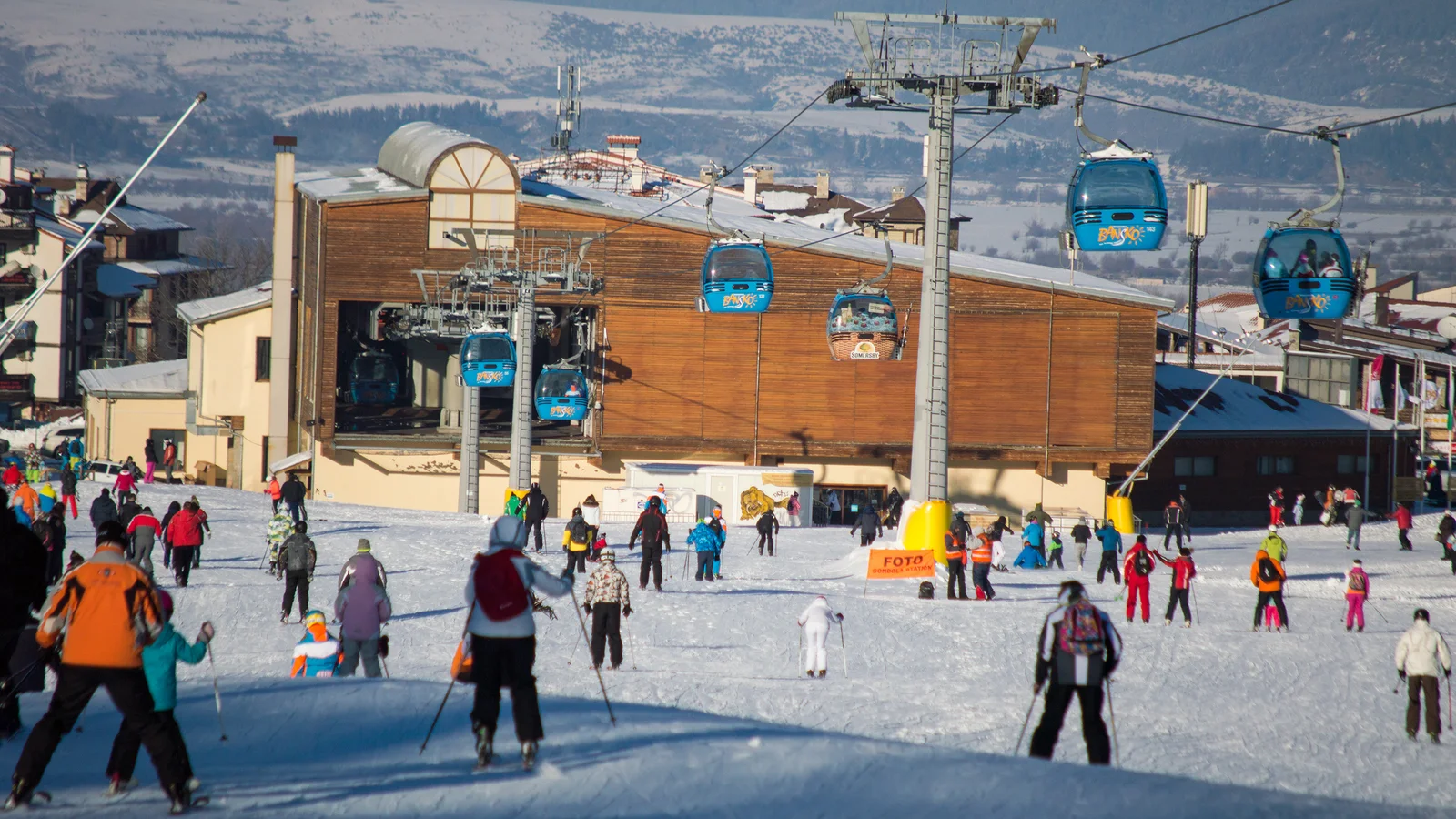
Bulgaria is the right call if you’re a beginner, an improving intermediate, or you’re watching your budget - full stop. The Alps are the right call for long black runs, glacier skiing before Christmas, or a mountain big enough that you don’t ski the same piste twice in a week. What we didn’t expect once we’d pulled the actual operator numbers: the lift pass, the figure everyone quotes first, isn’t where Bulgaria’s advantage comes from.
A six-day adult pass at Bansko cost 341 EUR last season - the most recent tariff the resort has published. At Livigno, one of the more affordable big resorts in the Alps, the same six days for the season on sale now runs 374.50 EUR - a gap of roughly 9%, nowhere near the two-to-one difference the reputation promises. Step up to Sölden in Austria and six days is 469 EUR at the cash desk in main season (book online more than five days ahead and it’s cheaper), though that ticket also unlocks 360-plus km across the whole Ötztal valley rather than Bansko’s 75 km. Bulgaria’s real discount shows up later, in the rental shop and the hotel bill, not at the lift-pass window.
What a six-day pass costs, resort by resort
Bansko, Borovets and Pamporovo all publish their own tariffs, and none of the three has released 2026-27 prices yet; Bulgarian resorts typically wait until November or December, so the Bulgarian figures below are the last confirmed winter 2025-26 rates, checked live in September 2026. Livigno and Sölden, by contrast, already have full 2026-27 tariffs on their sites - so this table lines up two different seasons, not because we chose to, but because that’s genuinely the freshest confirmed price on each side right now. When Bansko does publish 2026-27, the new rate will almost certainly sit above 341 EUR, so on matched seasons the gap to Livigno is, if anything, narrower than the 9% below, not wider. One honest note before the table: we lead with Bansko throughout this piece because it’s the country’s biggest resort (75 km against Borovets’ 58), not because it’s the cheapest one - Borovets’ 279 EUR six-day pass actually undercuts Livigno by about a quarter.
| Resort | Tariff season | Adult day (high season) | Adult 6-day (high season) |
|---|---|---|---|
| Bansko (Bulgaria) | 2025-26, last published | 59 EUR | 341 EUR |
| Borovets (Bulgaria) | 2025-26, last published | 54 EUR | 279 EUR (6 non-consecutive days) |
| Pamporovo (Bulgaria) | 2025-26, last published | 53 EUR | 261.78 EUR (pre-sale only, 1 Nov-1 Dec 2025; regular rate higher) |
| Livigno (Italy) | 2026-27, on sale now | 74.50 EUR | 374.50 EUR |
| Sölden/Ötztal (Austria) | 2026-27, on sale now | 84.50 EUR (cash desk) | 469 EUR (cash desk, main season) |
Pamporovo is still a surprise, just a smaller one than we first thought: its own operator webshop does sell a six-day adult pass, but only as a pre-sale offer running 1 November to 1 December 2025, priced at 512 BGN, about 261.78 EUR, for six consecutive days - roughly in line with Borovets’ 279 EUR, not a new record low. The two aren’t quite the same product: Borovets’ 279 EUR buys any six non-consecutive days up to the end of the season, while Pamporovo’s pre-sale price locks you into six days in a row, and Pamporovo’s own regular in-season rate, not published as a single figure when we checked, is higher than the pre-sale one. The pass doesn’t show up on the ski-school reseller page most search results point to, only in Pamporovo AD’s own ticket shop during that one-month pre-sale window, which is presumably why it’s easy to miss.
Shoulder season narrows things further. Bansko’s spring rate, from 1 April, is 45 EUR a day; Livigno’s own Special-season rate is 51.50 EUR. That’s a gap of 6.50 EUR on a day pass between a Balkan mountain and an actual Alpine resort. We’d have guessed the Alps cost double before we checked the operator tariffs. They don’t, not on the pass alone. And Sölden isn’t even the cheapest corner of its own Ötztal valley: Hochoetz-Kühtai, a smaller local ski area sold on its own ticket within the same valley system, prices its adult 6-day at 336 EUR in main season for 2026-27 - below Livigno either way, and below Bansko’s 341 EUR too, as long as you catch that main-season window rather than Hochoetz’s own 353 EUR peak. Cheap Alps skiing exists; you just have to know where to look for it.
How much mountain that buys you
Price a pass and you’ve priced access to the lifts, not the mountain itself, and this is where the gap between Bulgaria and the Alps turns real and stays real.
Bansko has 75 km of pistes (44 km easy, 25 km intermediate and 6 km genuinely hard), running from the 990 m gondola base up to about 2,530 m under Todorka peak. Borovets is smaller at 58 km, between 1,350 m and 2,486 m on the resort’s own live figures, and leans even further toward beginners and early intermediates.
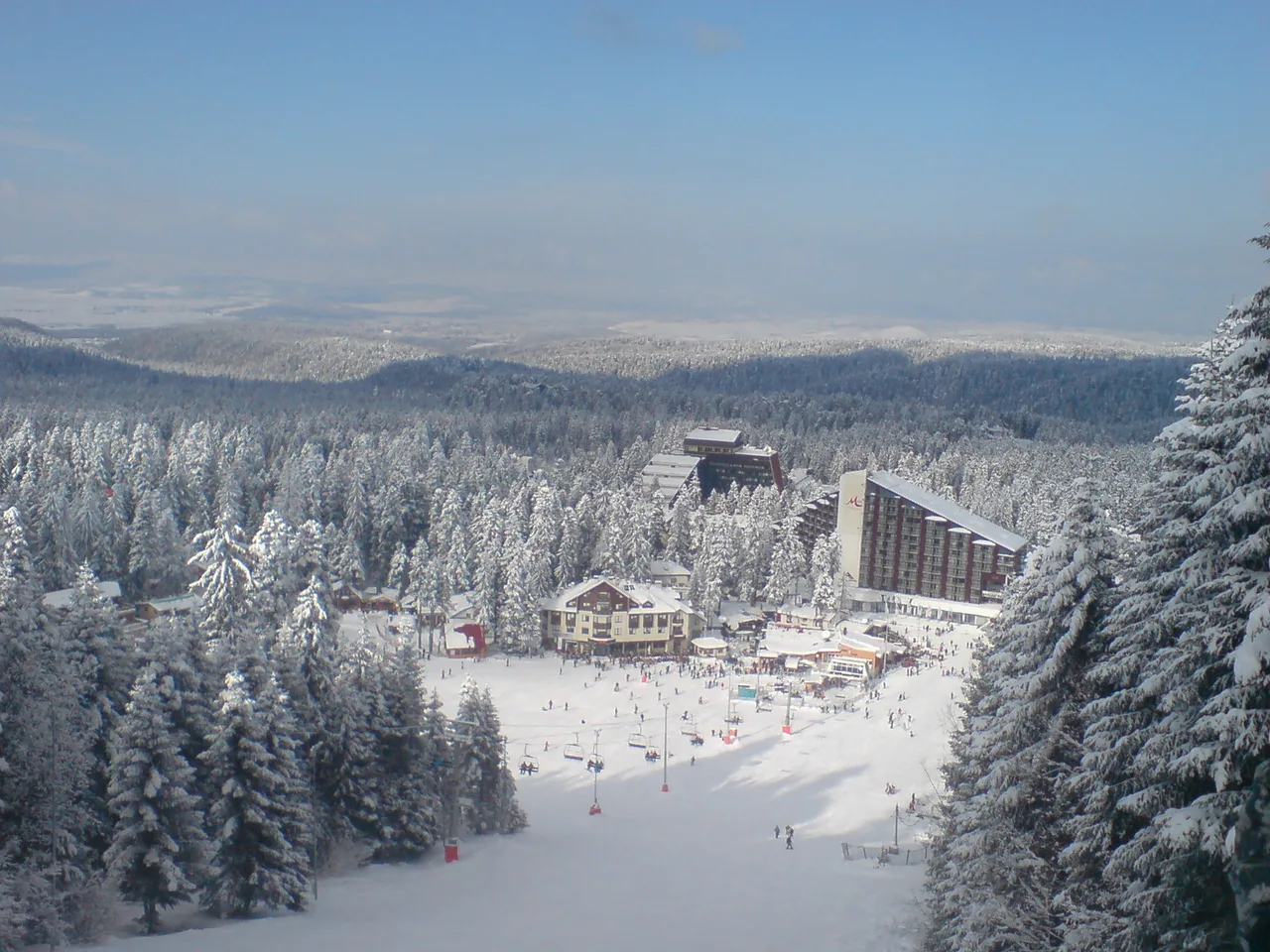
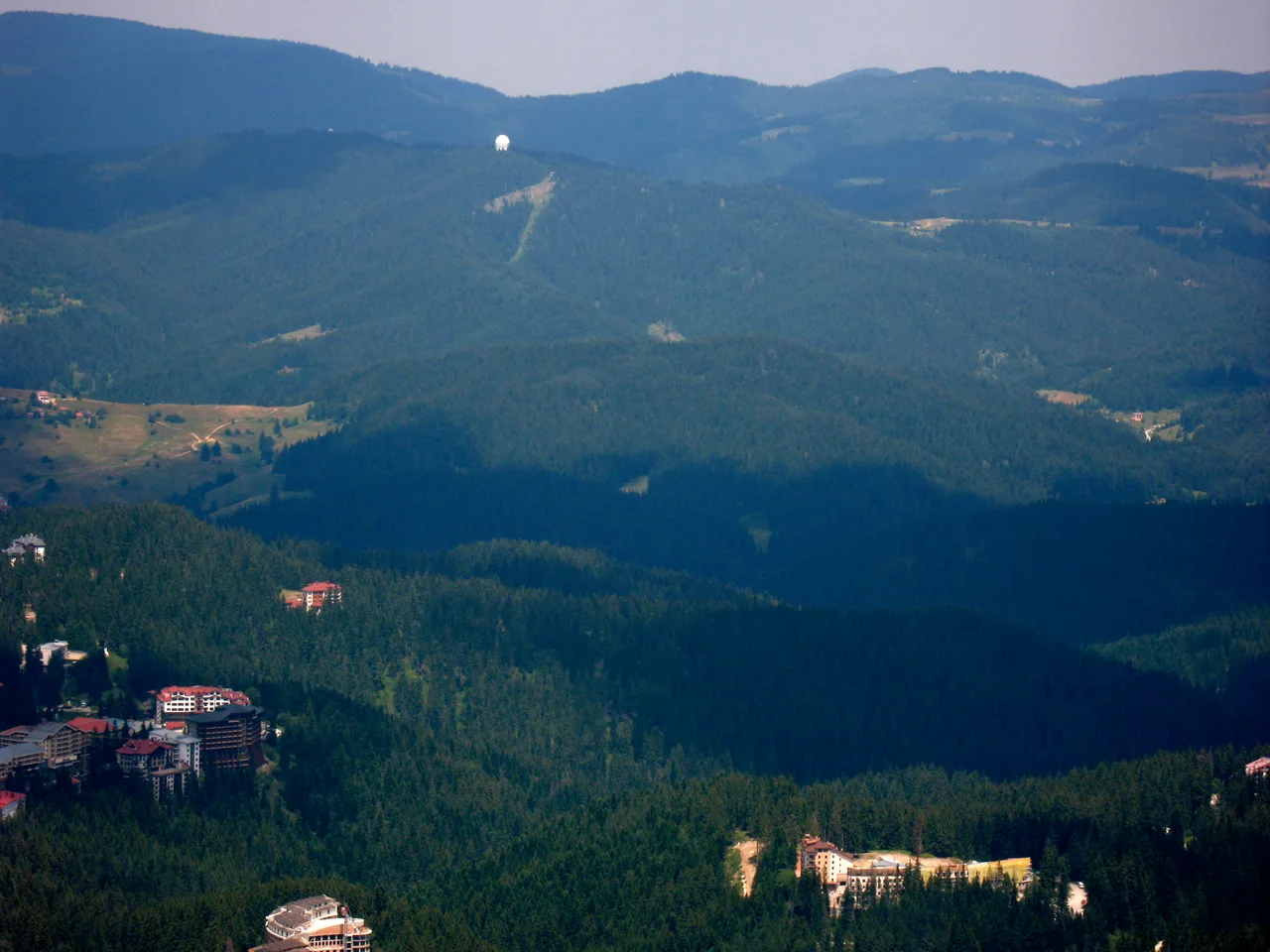
Pamporovo is the gentlest and lowest of Bulgaria’s big three: about 37 km in its main zone plus another 8 km at Mechi Chal, topping out at just 1,926 m on Snezhanka peak. The two zones aren’t always sold on one ticket - Pamporovo AD has priced Mechi Chal and the main zone apart in past-season sales, so confirm which zone your pass covers before you count on the combined 45 km. Low altitude is also why the resort covers most of its runs with snow cannons - without them, the season would be a lot shorter and patchier.
Livigno beats any single Bulgarian resort on terrain by a wide margin: 115 km between 1,816 m and 2,794 m, half again more than Bansko’s 75 km (add up all three Bulgarian resorts and you’d actually pass Livigno, at around 178 km combined, but there’s no ticket that lets you ski them as one mountain). Sölden goes further still - 147 km on its own slopes between 1,350 m and 3,340 m, and once you buy 3 days or more, the same ticket opens the wider Ötztal Super Skipass: 360-plus km across six separate ski areas along the valley that are not all lift-linked to each other - getting between some of them means the local bus. Set against Bansko’s single mountain, that’s still roughly five times the terrain on the equivalent ticket, just spread across more than one resort.
The altitude difference matters as much as the kilometre count. Sölden’s glacier lifts run up into the 3,000s, so there’s reliable snow even in a thin December; Bulgaria’s resorts sit lower and lean on snowmaking to bridge the gaps, which works, but it isn’t the same as skiing on a glacier before most European resorts have even opened for the season.
Where the Alps win
Terrain size is only part of the Alpine case. A week at Bansko or Borovets covers most of what’s there; a week in the Ötztal valley doesn’t, and that’s a real difference if you’re the kind of skier who gets bored lapping the same red run by Wednesday.
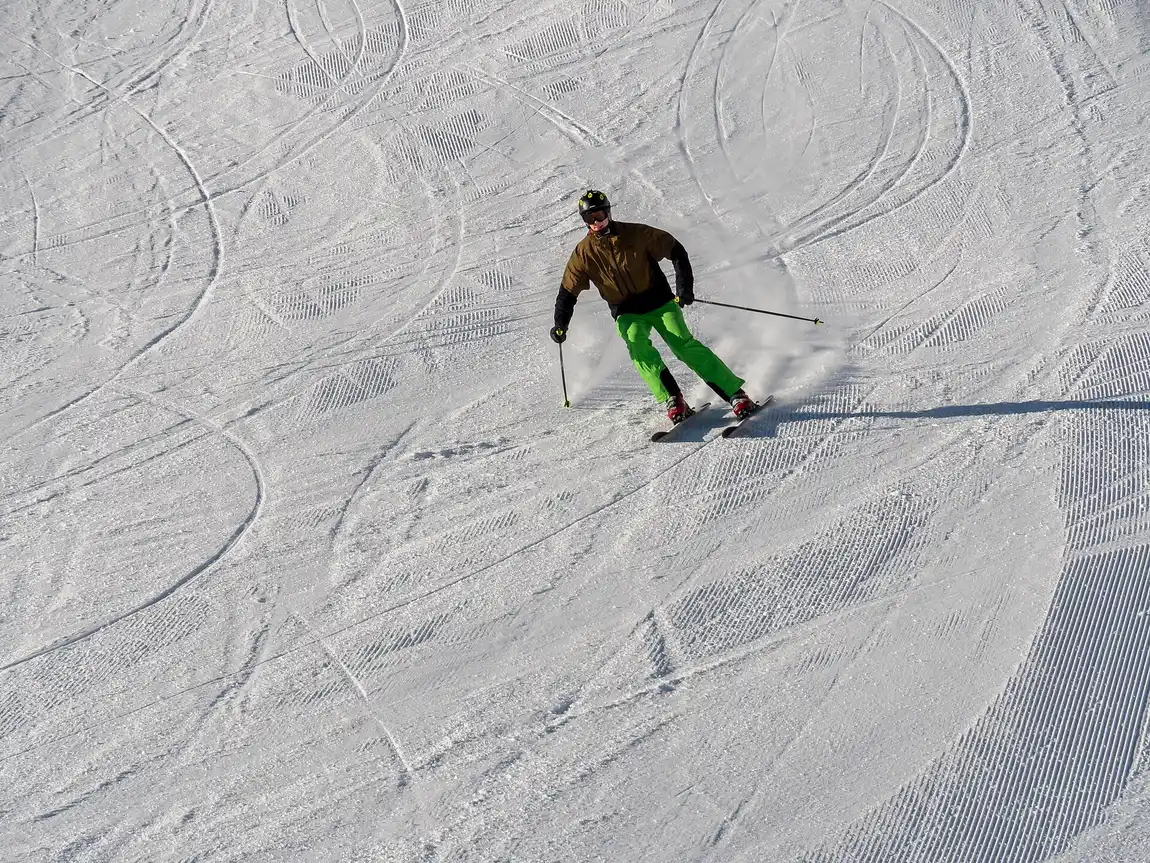
The Bulgarian resorts are also upfront about their limits on hard terrain. Bansko’s own numbers put only 6 km of its 75 km in the black category, and Borovets and Pamporovo are gentler again. Sölden has real steep ground above the treeline and enough vertical that an advanced skier can build a full week around black runs and glacier lines without doubling back.
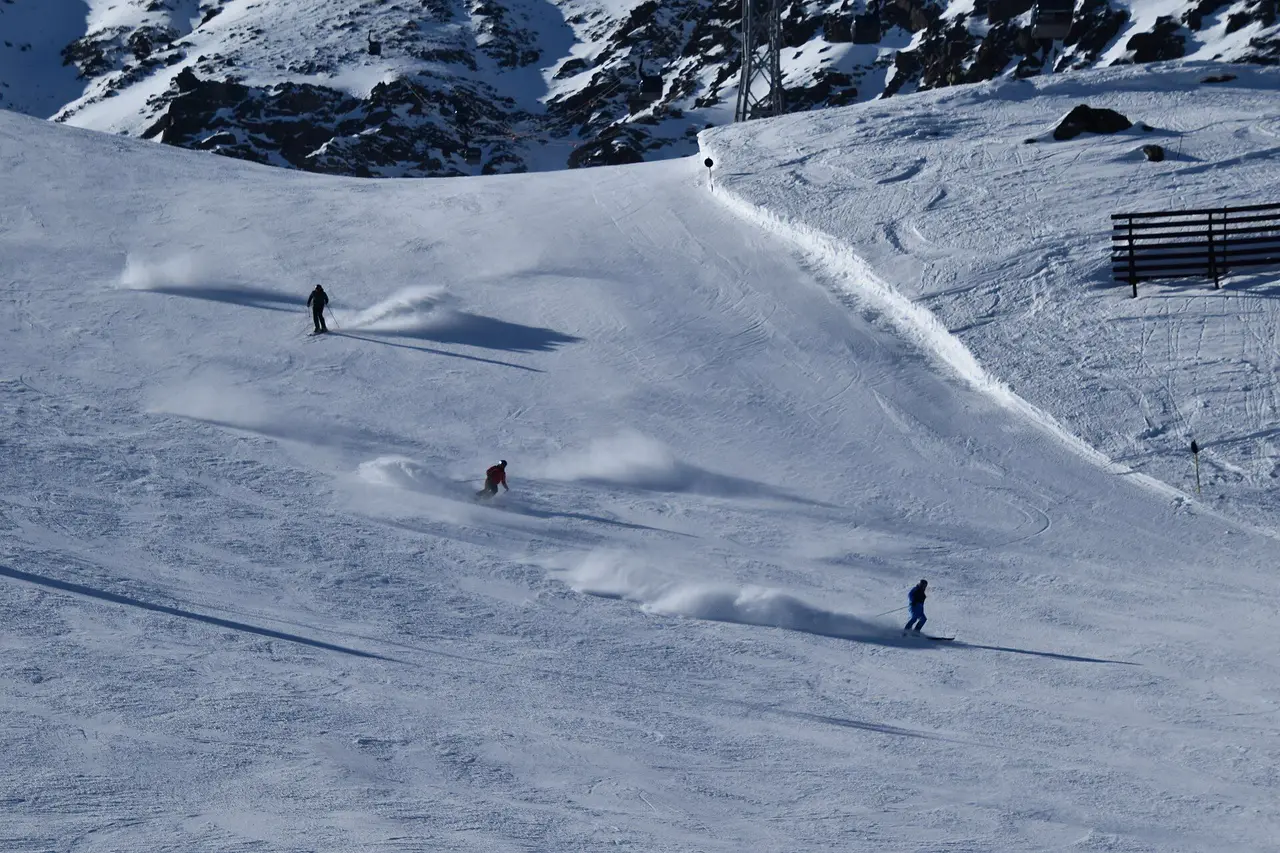
Then there’s snow reliability. Sölden’s top lifts sit above 3,000 m on a glacier that holds snow well into spring, and Livigno’s high, sheltered valley has a strong reputation of its own for snow-sure seasons. Bulgaria’s resorts can and do have excellent winters, but they’re lower, further south, and more exposed to a warm spell than a glacier is. If snow-sure skiing in late November or a big, varied mountain is the point of your trip, this is the section that tips it toward the Alps.
Beds and hire are where Bulgaria pulls away
Everything so far has been about the lift pass and the mountain. Add in beds, food and rental gear, and the picture shifts back toward Bulgaria - just not by the blunt multiple the daily rental rate first suggests.
Rental is the cleanest like-for-like number available, so price it for the same six days as the lift pass rather than one day at a time - and Bansko has two tiers worth naming here. Bansko’s own lift company, Ulen, rents a ski set for 19 EUR a day or 94 EUR for six days; a separate third-party shop, banskoskishop.com, undercuts that with an economy set at 6 EUR a day or 27 EUR for six, plus 1.95/10.35 EUR for boots - about 37.35 EUR for a full six-day set. Livigno’s Defox charges 110 EUR for six days of skis, boots and poles at its entry tier: about 17% more than Bansko’s Ulen price, nowhere near the multiple the daily rate suggested, but close to three times what Bansko’s economy shop charges. Sölden is where the real gap sits either way: SPORT 2000’s cheapest complete set (skis, boots and poles) runs 221 EUR for six days - more than double Ulen’s price and close to six times the economy shop’s - though SPORT 2000 also knocks up to 20% off for online bookings. The tiers are not identical, either: Bansko’s economy kit is refurbished gear in its third or fourth season, while Sölden’s 4-star set is that shop’s own entry class.
Beds are harder to reduce to one number, and that’s precisely why the gap here is real: nobody, us included, can responsibly quote a single fair weekly figure for Livigno or Sölden, because hotel and mountain-restaurant prices vary too much property to property. What we can put a real number on is Bansko’s side. Our full breakdown of what a Bulgaria ski week costs puts a week - pass, hire, bed, food and transfer all in - at roughly 770 EUR on a tight budget to 1,170 EUR on a typical mid-range week. Nobody in this comparison has published an equivalent all-in total for the Alps side, and that gap in the data is itself part of the answer: a mehana (Bulgaria’s traditional tavern) dinner and a Bansko guesthouse are priced for a market the Alps mostly isn’t built to compete in.
Getting to the snow
Sofia has direct low-cost flights from a long list of UK and EU airports (Ryanair, Wizz Air and easyJet between them), and from there Bansko is about 2 to 2.5 hours by road and Borovets barely an hour - our Bansko skiing guide has the full transfer breakdown, including the direct bus.
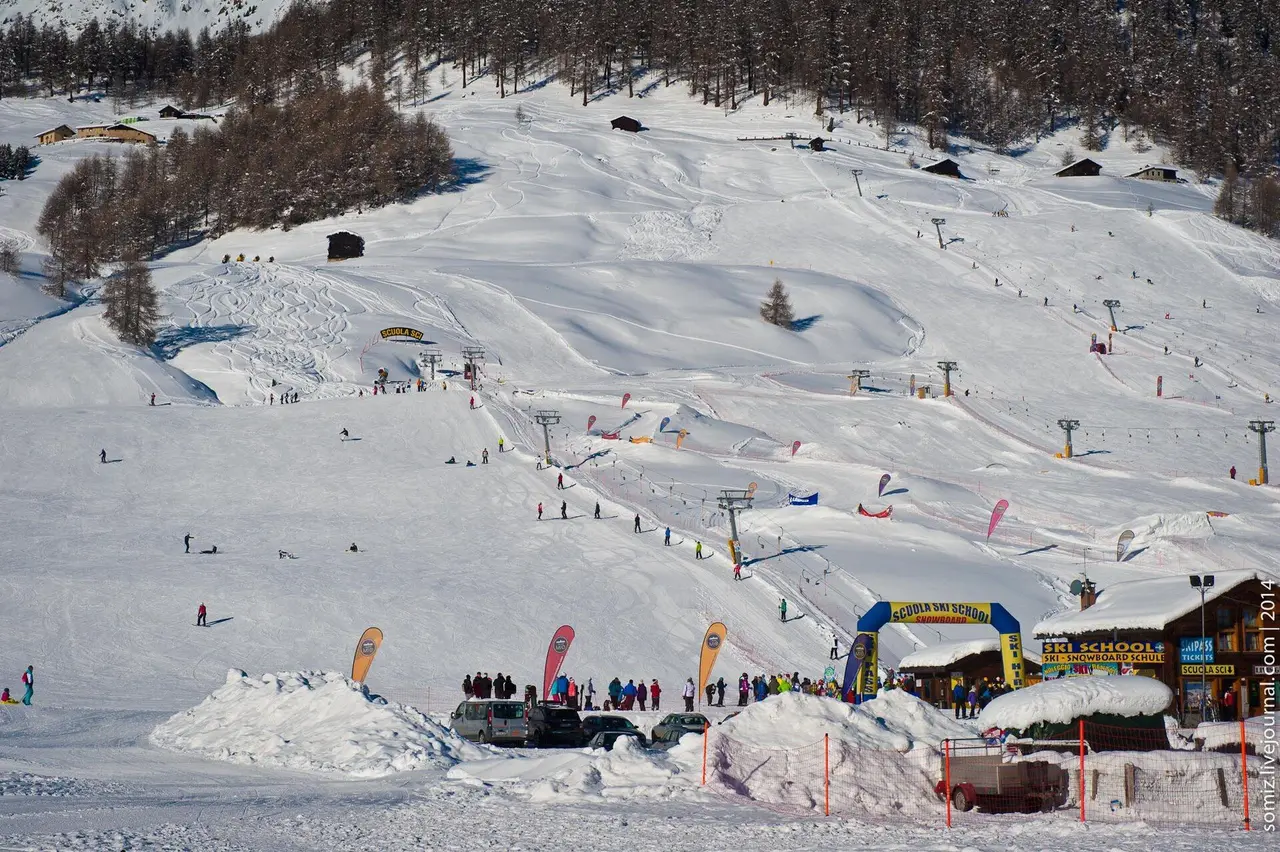
Alpine transfers split two ways, and one of them will surprise you. Sölden actually beats Bulgaria here: Innsbruck Airport is 83 km and about 1 hour 15 minutes by road on the resort’s own numbers, roughly half the length of the Sofia-Bansko run. Livigno is the opposite story. The resort has no airport of its own, and the official Livigno Express shuttle from Milan’s airports to the resort takes about 4 hours 40 minutes - that’s airport to resort, not confirmed door to door, the Malpensa and Orio al Serio routes run daily while the Linate one is Saturdays only, and the 2026-27 schedule wasn’t published when we checked. For a resort marketed as one of the more accessible budget picks in the Alps, that’s a longer, patchier transfer than any of the three Bulgarian resorts, including Pamporovo’s 3 to 3.5 hours from Sofia.
Match the resort to the trip, not the other way round
| If this matters most | Book | Why |
|---|---|---|
| Biggest choice of terrain, liveliest town after dark | Bansko | 75 km, the country’s largest resort, 341 EUR six-day pass |
| Shortest possible transfer from Sofia | Borovets | About an hour from the airport, 279 EUR six-day pass (any six non-consecutive days) |
| Gentle, sunny, snow-sure slopes over variety | Pamporovo | 261.78 EUR six-day pre-sale pass, in line with Borovets, once you catch the November window |
| Confident intermediate who still watches spend | Livigno | 374.50 EUR pass and 110 EUR rental both sit close to Bulgarian prices; the shuttle from Milan is the trade-off |
| Scale and a snow guarantee, price second | Sölden | 469 EUR main-season pass covers 360-plus km on one ticket, and the transfer from Innsbruck beats Sofia-Bansko |
Whichever row fits, don’t let the lift-pass line decide it alone. Our Borovets and Pamporovo guides go deeper on each Bulgarian resort, and the head-to-head guides between Bansko and Borovets, Bansko and Pamporovo and Borovets and Pamporovo sort the choice between the three in more depth than a five-way table can. For the Bulgarian side, our full ski budget breaks down what a week at any of the three actually costs once rental, beds, food and transfer are counted - and that total, not the pass price at the top of this page, is what really separates a Bulgarian ski week from an Alpine one.
Admission and opening hours
- Admission price
- Adult 6-day high-season pass: Bansko (Bulgaria) 341 EUR (last published, 2025-26), Borovets (Bulgaria) 279 EUR (6 non-consecutive days, any six until the end of the season, 2025-26), Pamporovo (Bulgaria) 261.78 EUR / 512 BGN (2025-26 pre-sale only, 1 November to 1 December 2025, operator's own ticket webshop, valid for six consecutive days; the regular in-season rate is higher and was not published as one figure when checked), Livigno (Italy) 374.50 EUR (2026-27, on sale now), Sölden/Ötztal (Austria) 469 EUR (2026-27 main season, cash-desk price - online booked 5+ days ahead is cheaper). Adult day pass: Bansko 59 EUR high season / 45 EUR spring, Borovets 54 EUR / 43.20 EUR from 16 March, Pamporovo 53 EUR, Livigno 74.50 EUR high / 51.50 EUR Special season, Sölden 84.50 EUR main / 86.50 EUR peak / 81 EUR pre-season (cash desk). Full 6-day rental set: Bansko 94 EUR (Ulen, the resort's own lift company) or 37.35 EUR (banskoskishop.com economy tier), Livigno (Defox, entry tier with poles) 110 EUR, Sölden (SPORT 2000, cheapest complete set) 221 EUR. Age brackets differ: Bansko adult from 19, Borovets 23-64 (into 65+ discount), Pamporovo 22-64 on the operator's own six-day pass (22-65 on the ski-school day-pass table), Livigno's full-price adult band (the 374.50 EUR rate above) is roughly 25-64, with a cheaper 318.50 EUR fare for anyone born 2002-2010 or in 1962 or earlier (born 2011 and later is cheaper still, 187 EUR), Sölden adult from 20 - check each operator before assuming your age band.
Bulgarian resorts have not published 2026-27 tariffs yet (usually announced November-December); prices shown are the last confirmed winter 2025-26 rates, so the table below compares two different seasons, not a choice we made. Livigno and Sölden already have full 2026-27 tariffs live. Bansko passes valid longer than 3 days carry the holder's name and photo, and Pamporovo's multi-day pass requires a photo upload of its own. Livigno's keycard carries a refundable 5 EUR deposit. Confirm current prices on the operator sites before booking.
Details checked: September 13, 2026
Read also

What to see · 12 min read
Pirin National Park: Vihren, Trails & Lakes
Verified · September 3, 2026Pirin National Park: the Vihren hut road closure, UNESCO peaks, 27 marked trails, glacial lakes and Bansko visitor centre hours.

What to see · 12 min read
Climbing Musala: The Balkans' Highest Peak
Verified · August 29, 2026Climbing Musala, the Balkans' highest peak at 2,925 m: the Yastrebets gondola schedule and price, the real hiking time from the top station, huts and gear.

What to see · 9 min read
Learning to Ski in Bansko: Schools & Lessons
Verified · August 25, 2026Bansko ski lessons: group and private prices in euros from official schools, Banderishka Polyana base, plus the lift pass you still need. Checked 2026.

What to see · 10 min read
Borovets or Pamporovo: Honest Ski Comparison
Verified · September 13, 2026Borovets and Pamporovo cost almost the same to ski. The real split is Sofia versus Plovdiv, and how much mountain you want for the week.