
Borovets or Pamporovo: Honest Ski Comparison
Borovets and Pamporovo cost almost the same to ski. The real split is Sofia versus Plovdiv, and how much mountain you want for the week.
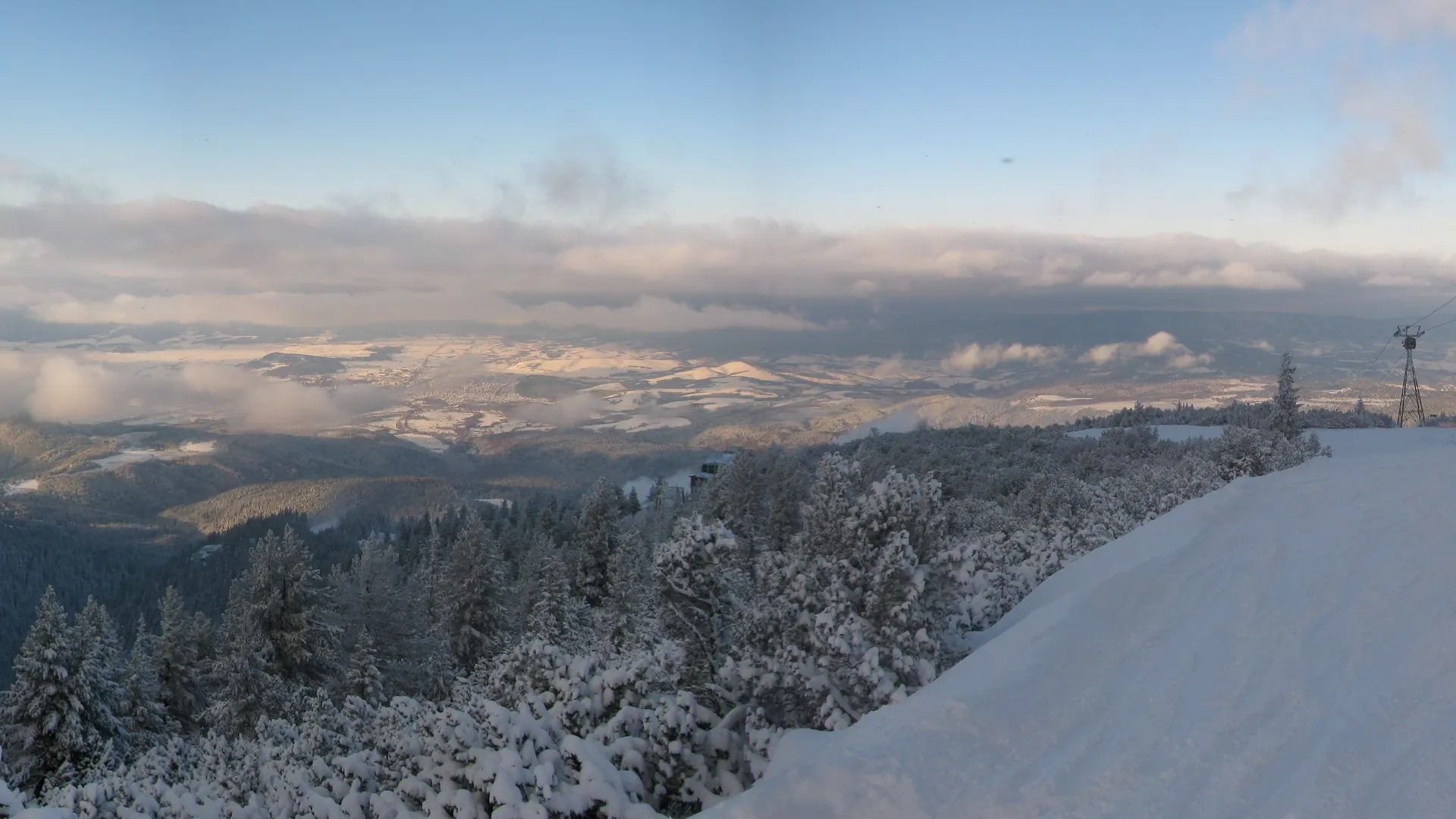
A lift ticket costs almost exactly the same at both resorts, so if you were counting on the euro sign to make this decision for you, it won’t. Borovets and Pamporovo get filed together as Bulgaria’s two “easy” ski resorts, gentler and more compact than Bansko, and that reputation holds up for both. What actually splits them is geography and scale: Borovets sits an hour from Sofia on a mountain nearly double the size of Pamporovo’s, while Pamporovo is the sunnier, lower resort an hour and a half from Plovdiv. Here’s what that means for your week on snow.
Two different arrivals: Sofia or Plovdiv
This is the fork that should decide your booking before you’ve compared a single piste. Borovets is about 70 km southeast of Sofia, roughly an hour to an hour and twenty by car, and a private airport transfer drops you at your hotel in much the same time. It’s the closest big resort to the capital, sitting in the Rila mountains 10 km from the town of Samokov, directly below Musala - at 2,925 m the highest peak in the Balkans.
Pamporovo belongs to Plovdiv, not Sofia. It’s only about 80 km south on Route 86 through Chepelare, around an hour and a half by car, with Plovdiv airport roughly 80 km away. Coming from Sofia instead is a genuinely different trip: about 225 km and three to three and a half hours by car, or a direct bus of four and a half to five hours. If your ticket lands in Plovdiv, Borovets is effectively off the table for a short trip - it’s the wrong side of the country. The reverse holds too: fly into Sofia and pick Pamporovo, and you’ve signed up for a half-day transfer each way, which is a lot to spend on a long weekend.
The size gap: Borovets is simply bigger
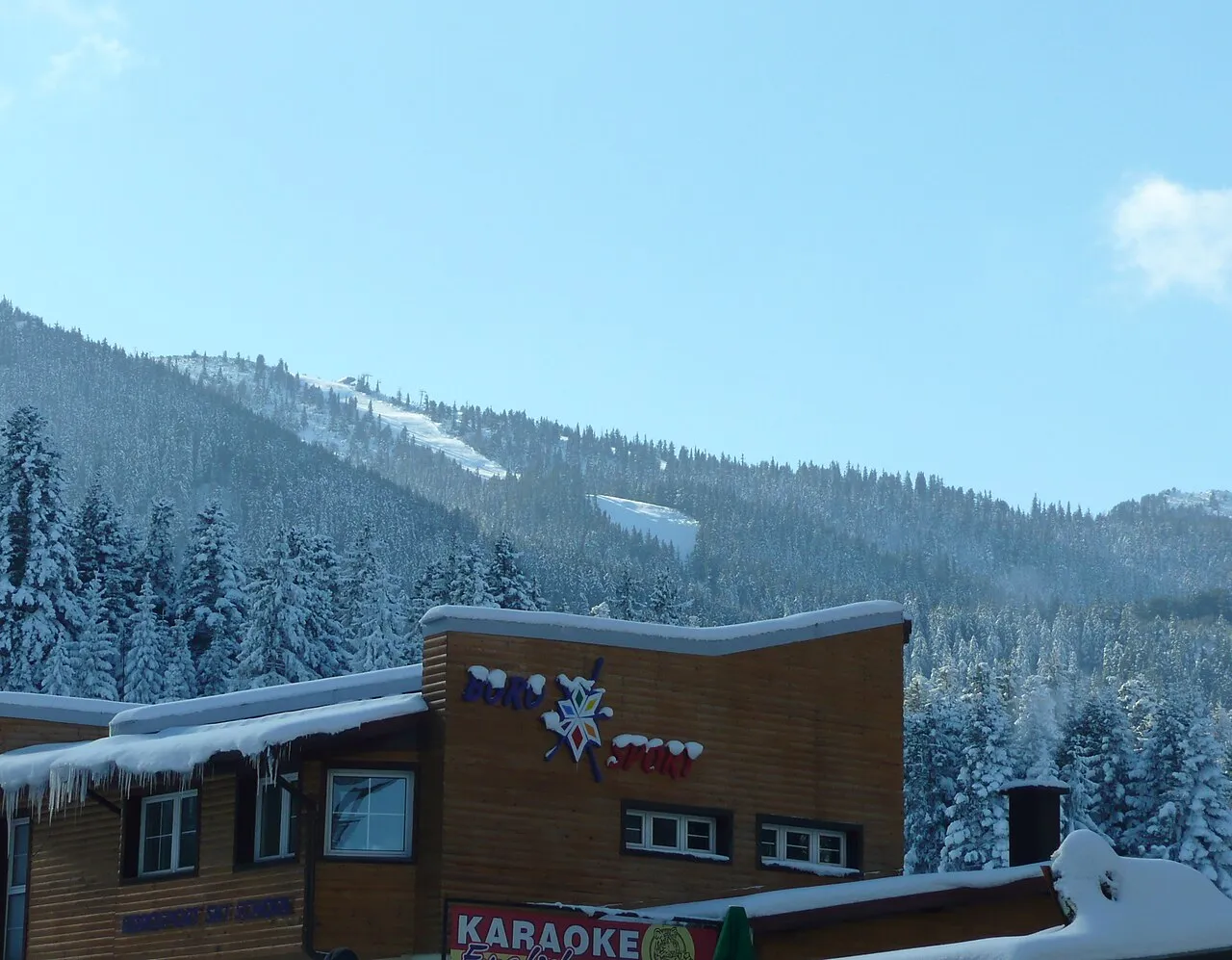
Both resorts get marketed as the friendly alternative to Bansko, which makes it easy to assume they’re roughly interchangeable in scale. They aren’t. Borovets has 58 km of marked pistes across three linked sectors - Sitnyakovo, Yastrebets and Markudjik - reaching up to about 2,550 m. Pamporovo advertises around 37 km in its main zone plus another 8 km at Mechi Chal on the same pass, though an independent audit puts the main zone closer to 30 km. Either way, its Snezhanka summit tops out at 1,926 m, more than 600 m lower than Borovets’ highest lifts.
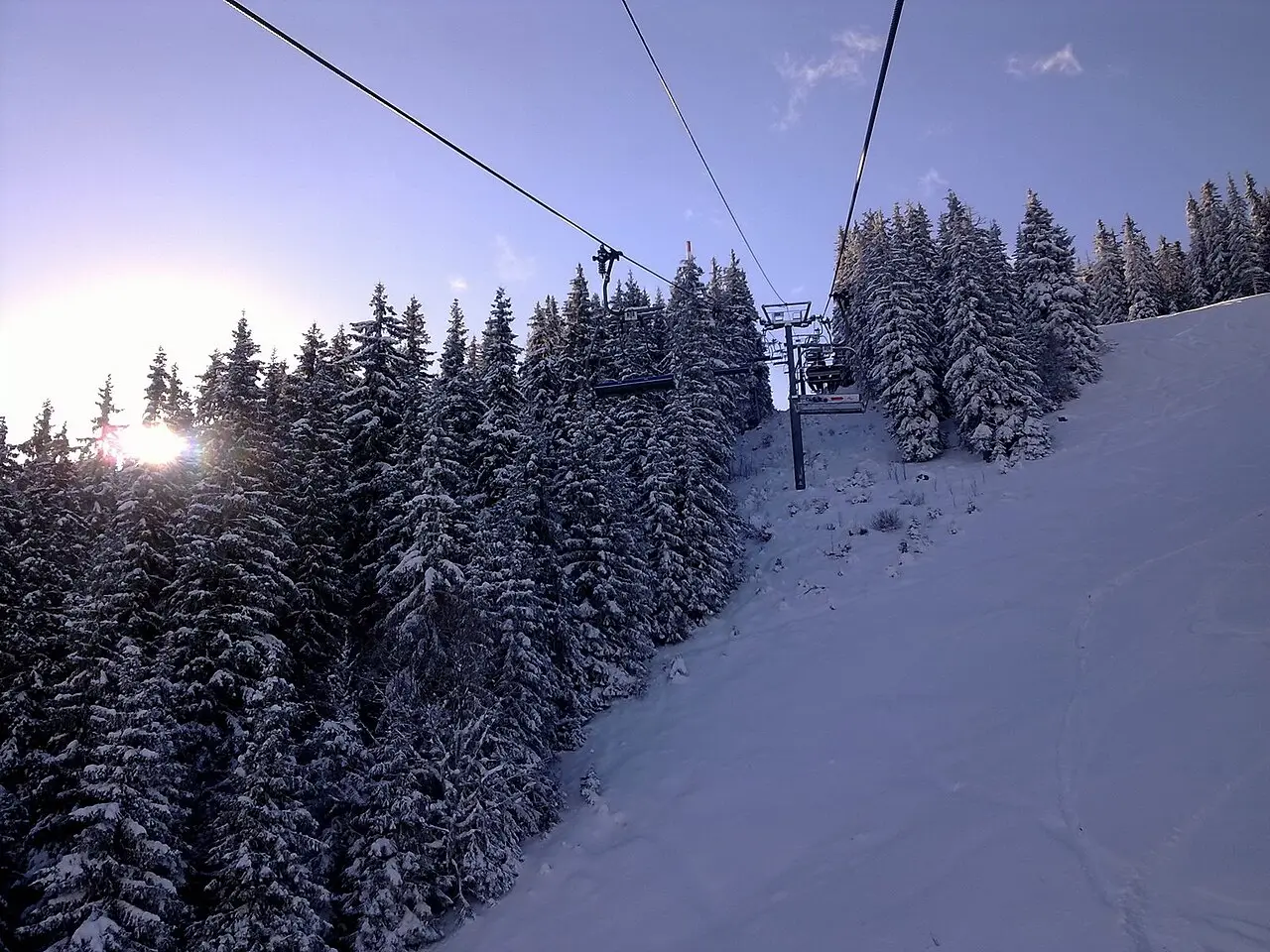
That altitude gap matters beyond summit-height trivia. Pamporovo leans hard on snowmaking - cannons cover about 90 percent of its pistes - which is exactly how a resort this low stays open through a thin winter. Borovets sits higher but is heavily forested and also relies on artificial snow at the edges of the season, so neither one is the resort to book purely for guaranteed natural cover; February and March are the safer months at both. What the extra height and terrain really buy Borovets is variety: a six-seat gondola runs skiers up to Yastrebets at 2,369 m, and a red run of roughly three kilometres from the top is what most visitors lap all day, with a steeper black dropping beside it for anyone who wants a real test. Pamporovo’s terrain, by contrast, is overwhelmingly green and blue with only brief stretches of anything steep - confident skiers will have covered everything that challenges them inside a couple of days.
The lift pass is closer than you’d think
Here’s the part that surprises people who assume “the easy resort” also means “the cheap resort”: it does not, but not because either mountain undercuts the other by a meaningful amount. Compare like for like - 2025-26 regular adult day tickets, the last published season for both, not a promo rate against a rack rate - and the two sit within a single euro of each other. Borovets’ adult day pass, from operator Borosport, is 54 EUR, 105.61 BGN, holding flat until 15 March and then softening to 43.20 EUR a day, about two weeks ahead of Bansko’s own spring cut; a six-day pass, non-consecutive, is 279 EUR, 545.68 BGN. Pamporovo’s standard adult day, once the Christmas opening promotions ended, is 53 EUR, about 103.66 BGN - a single euro less than Borovets. A gap that size is noise, not an argument: “calmer resort” buys you neither a discount nor a markup here, so decide on gateway city and terrain instead of the day-pass sign. Pamporovo also sold an early “Select” pre-sale day pass for around 88 BGN (about 45 EUR) before that season opened, and its webshop prices shift with dates and promotions each year, so treat any of these as a starting point and confirm on webshop.pamporovo.me once the 2026-27 rates are up. Neither resort has published a 2026-27 table yet - both usually post it in the autumn. For a six-day trip, Pamporovo’s ski-school reseller table stops at three days (104 EUR for two, 149 EUR for three), but the resort’s own ticket webshop separately sells a six-day adult pass for 512 BGN, about 261.78 EUR, during a pre-sale window running 1 November to 1 December 2025 - in line with Borovets’ 279 EUR six-day, not clearly cheaper once you weigh what each ticket buys: Borovets’ 279 EUR is any six non-consecutive days up to the end of the season, Pamporovo’s pre-sale price is six days in a row, and Pamporovo’s own regular in-season rate, not published as a single figure when we checked, is higher than the pre-sale one.
One genuine Borovets extra: night skiing, floodlit runs opposite the Rila hotel on Wednesday to Saturday evenings, roughly 18:30 to 22:00, a separate ticket at 32 EUR (62.59 BGN) for adults (21 EUR for under-14s and over-65s), dropping to 25.60 EUR from 16 March. It’s a real way to stretch a short trip into more hours on snow, and it isn’t something Pamporovo currently advertises. Both currencies switched from leva to euro at a fixed 1:1.95583 rate when Bulgaria joined the eurozone in January 2026, so whichever sign you see on a price board, the underlying cost hasn’t moved.
Comparing the nursery slopes
Both resorts are genuinely good places to learn, with cheap, English-speaking ski schools and rental that costs a fraction of an Alpine week - this part of the decision won’t go far wrong either way. The difference is in the shape of the day, not the quality of the teaching.
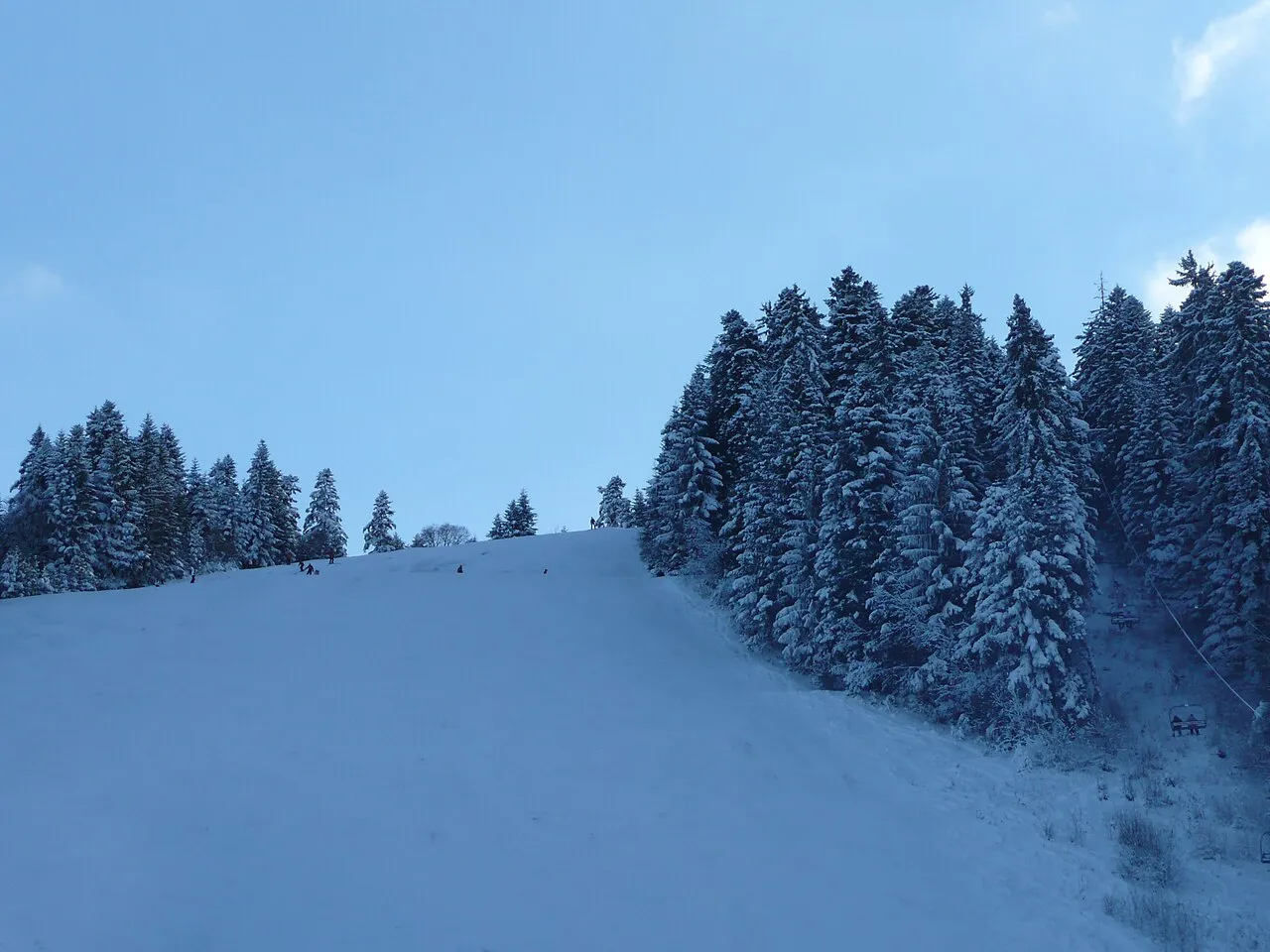
Pamporovo is the calmer classroom. Its nursery area sits right in the resort cluster, magic carpets handle the early uphill work, and the village is walkable enough that a tired six-year-old is never stuck on a lift queue or a long ride back down the mountain. Evenings are quiet too, which matters if you’d rather not manage a family through a bar strip after dinner. If your group is mostly never-evers, or you just want the lowest-stress week possible, that calm adds up.
Borovets edges it on logistics rather than gentleness. Nearly every hotel sits within walking distance of the lifts, so there’s no daily drive or bus to the slopes, and the beginner nursery sits right by the resort centre too. Where Borovets pulls ahead is for a family planning to improve over a full week: its blues run longer once you’re off the nursery slope, and a confident improver simply has more mountain to grow into than Pamporovo’s shorter, gentler network offers by day three or four.
After the lifts close
Neither resort has Bansko’s old town, and that’s a fair trade for the shorter transfer both offer - but they don’t feel alike once the lifts stop turning, and the two aren’t a natural single trip either, since they sit on opposite sides of the country. Pick a gateway, then pick a resort.
Borovets was built as a resort from the start - literally: it opened in 1896 as a royal hunting retreat for Prince Ferdinand, and the timber Tsarska Bistritsa palace still stands in the pines nearby, open to visit. Today’s village is a compact cluster of hotels, bars and rental shops with a cheerful, unpretentious apres-ski scene, plus that floodlit night skiing to fill an evening. There isn’t a lot to do beyond the snow, which is the honest price of being an hour from Sofia.
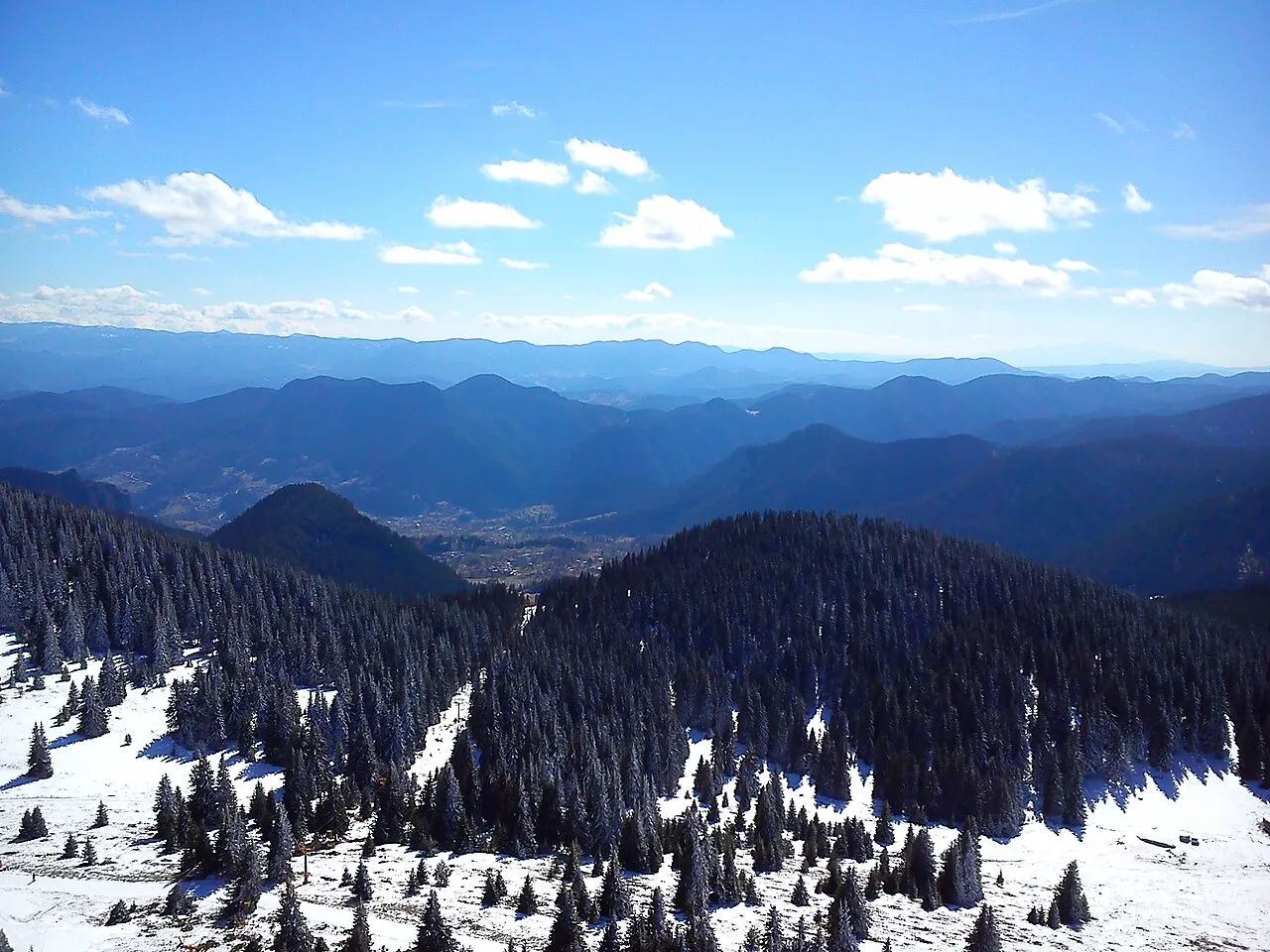
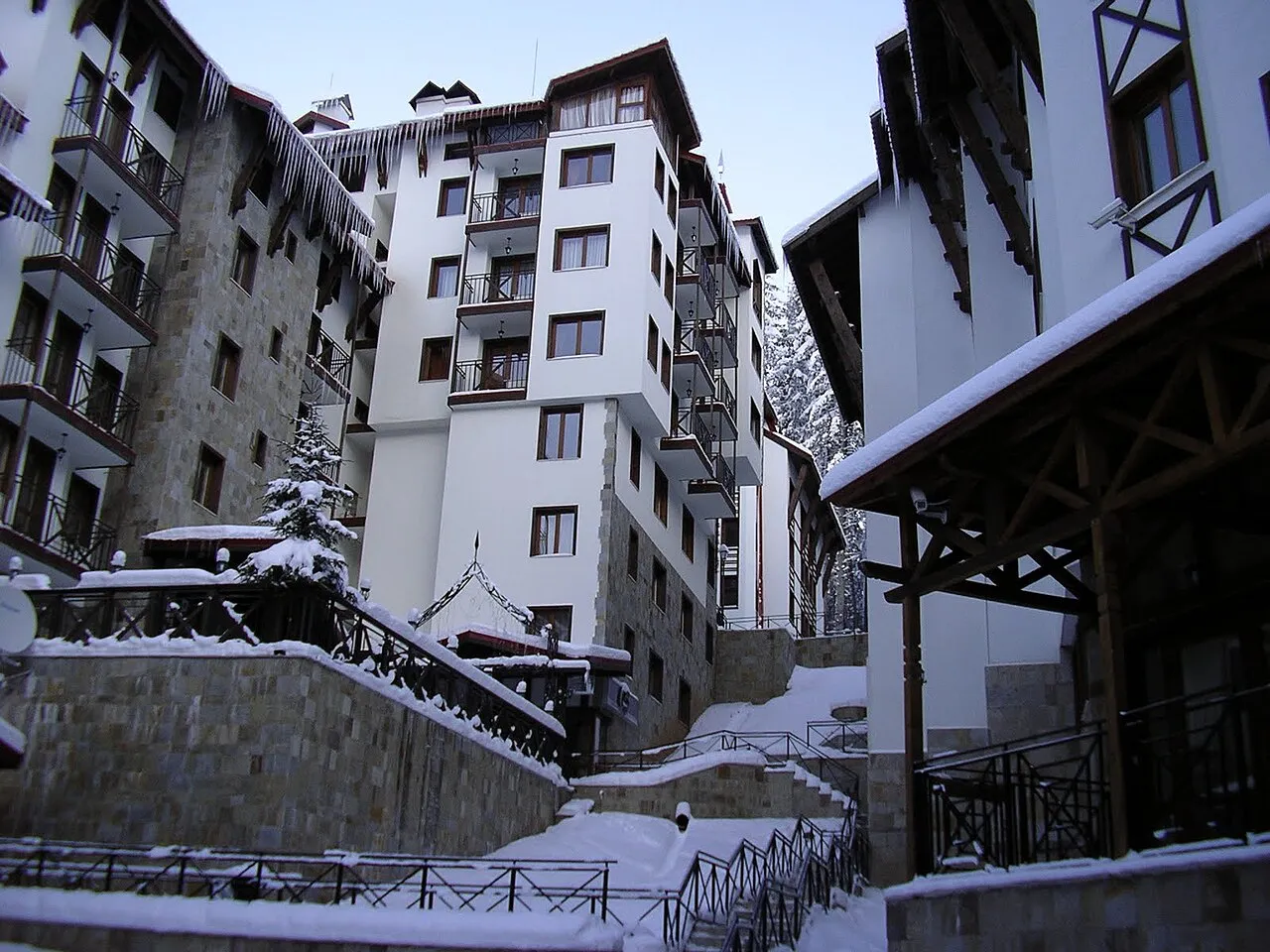
Pamporovo trades apres-ski for scenery and quiet. The village sits in spruce forest with hotels and chalets tucked among the trees rather than stacked at a lift base, and the loudest thing most evenings is the restaurant next door. Above the resort, the 156 m Snezhanka TV tower has a public deck about 93 m up with a genuine 360-degree view over the Rhodopes on a clear day - the closest thing either resort has to a proper sightseeing stop beyond the pistes.
Making the call
Run it side by side and the picture is simple. Flying into Sofia, want the bigger mountain, and don’t mind a gondola queue on a busy Saturday morning? Book Borovets. Flying into Plovdiv, or bringing beginners who’d rather cruise quietly than chase terrain? Book Pamporovo. If both airports are genuinely on the table, let the mountain decide instead: Borovets’ 58 km and higher lifts suit a full week that needs to hold your interest past day three; Pamporovo’s calmer 30-45 km, at a day-pass price within a couple of euro of Borovets either way, suit a relaxed three or four days, especially with young kids in tow.
Either way, you’re not choosing between good and bad value - a day pass differs by no more than a euro, whichever way you cut it, and both resorts undercut the Alps by a wide margin on beds, food and hire. If Bansko is still in the running too, our Bansko or Pamporovo and Bansko vs Borovets guides weigh the bigger Pirin mountain against each of these. For the full detail on the two resorts covered here, see skiing in Borovets and Pamporovo skiing, and if Borovets wins your vote, where to stay in Borovets breaks the hotels down property by property, while where to stay in Pamporovo does the same by lift base if Pamporovo wins instead. Either resort pairs naturally with a day in its gateway city first - see things to do in Sofia or things to do in Plovdiv - and if you’re pricing the whole trip, is Bulgaria expensive puts the wider costs in context.
Photos
Admission and opening hours
- Admission price
- Adult day lift pass, winter 2025-26: Borovets 54 EUR (105.61 BGN), holding flat until 15 March, then softening to 43.20 EUR - Borosport, corrected 2026-08-30; Borovets 6-day adult, non-consecutive, 279 EUR (545.68 BGN); night skiing is a separate ticket, 32 EUR (62.59 BGN) for adults, 21 EUR (41.07 BGN) for under-14s and over-65s, dropping to 25.60 EUR from 16 March - Borosport, confirmed for 2025-26. Pamporovo standard adult day, once the Christmas opening promotions end, is 53 EUR (about 103.66 BGN); an early "Select" pre-sale day runs about 88 BGN (45 EUR). That 53 EUR is the resort ski school table on pamporovoski.com, corroborated by sofiaexpats and by a March 2026 price ladder from the operator itself (49 EUR then 45 EUR for the Pamporovo zone) - Pamporovo AD's day-rate webshop is date- and promo-based, so confirm the exact adult day for your dates at webshop.pamporovo.me. The ski-school reseller table stops at three days (104 EUR for two, 149 EUR for three); Pamporovo AD's own ticket webshop separately sells a six-day adult pass, but only as a pre-sale offer running 1 November to 1 December 2025 - 512 BGN, about 261.78 EUR, valid for six consecutive days, roughly in line with Borovets' own 279 EUR six-day (which buys any six non-consecutive days rather than six in a row). It only appears once winter dates are selected, which is why the reseller table above doesn't show it, and the regular in-season six-day rate is higher than the pre-sale figure and was not published as a single number when checked.
- Opening hours
- Both seasons usually run mid-December to early April, snow permitting. Borovets night skiing runs Wednesday to Saturday, roughly 18:30 to 22:00.
Prices are the last published 2025-26 tariffs, in euro since Bulgaria joined the eurozone on 1 January 2026. The 2026-27 season tariffs are not out yet - resorts usually post them in the autumn. Confirm current prices before you book.
Details checked: September 13, 2026
Read also

What to see · 13 min read
Skiing in Bulgaria vs the Alps: Honest Verdict
Verified · September 13, 2026Bansko's last published 6-day pass was 341 EUR; Livigno's 2026-27 rate is 374.50 EUR. Real lift-pass, terrain and rental numbers, checked Sep 2026.

What to see · 12 min read
Pirin National Park: Vihren, Trails & Lakes
Verified · September 3, 2026Pirin National Park: the Vihren hut road closure, UNESCO peaks, 27 marked trails, glacial lakes and Bansko visitor centre hours.

What to see · 12 min read
Climbing Musala: The Balkans' Highest Peak
Verified · August 29, 2026Climbing Musala, the Balkans' highest peak at 2,925 m: the Yastrebets gondola schedule and price, the real hiking time from the top station, huts and gear.

What to see · 9 min read
Learning to Ski in Bansko: Schools & Lessons
Verified · August 25, 2026Bansko ski lessons: group and private prices in euros from official schools, Banderishka Polyana base, plus the lift pass you still need. Checked 2026.