
Borovets: Skiing in the Rila Mountains
Borovets skiing explained: season, lift-pass prices in euro, the 58 km of Rila slopes, the gondola, night skiing and getting there from Sofia in an hour.
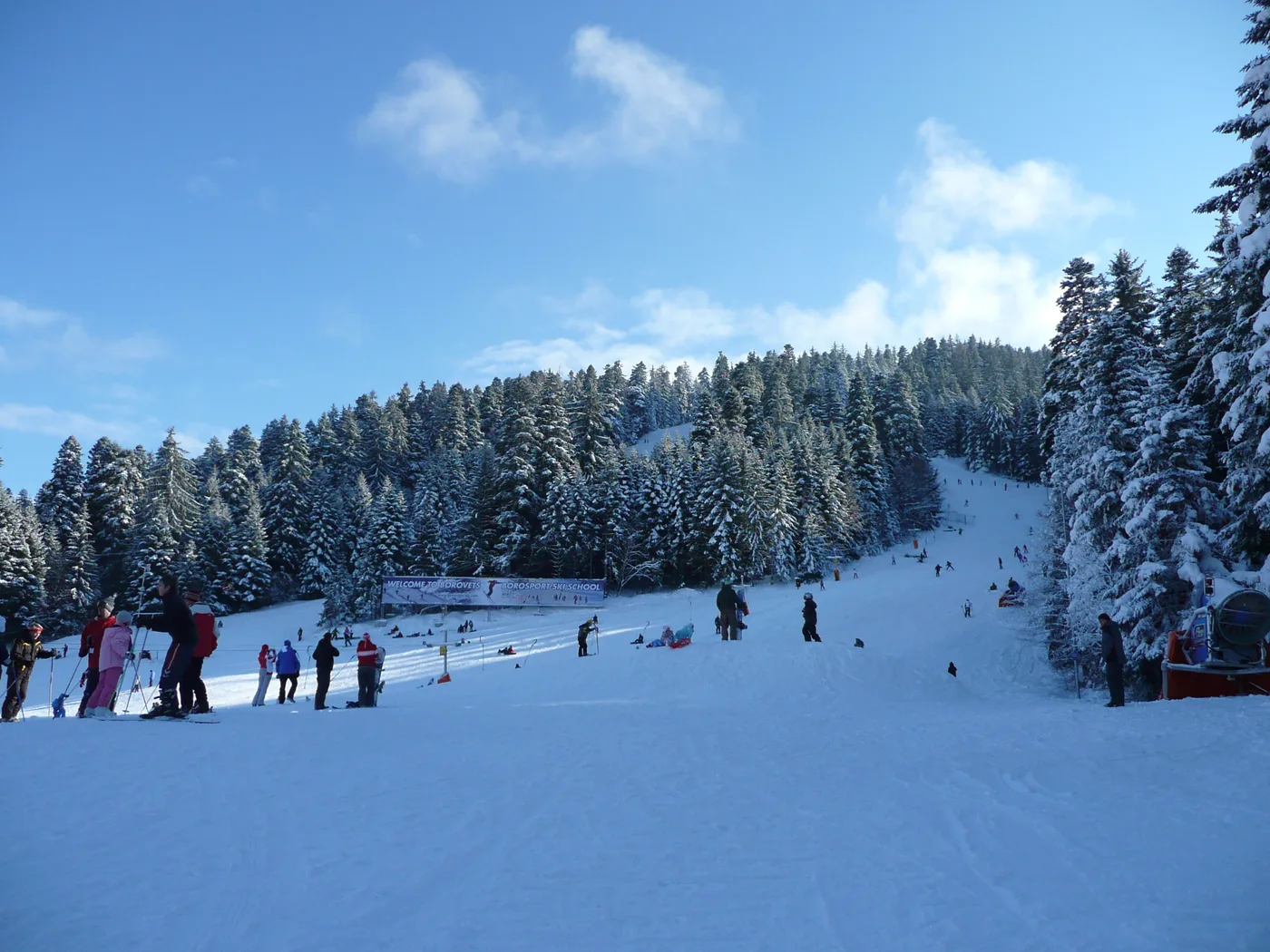
Borovets is the easiest of Bulgaria’s big ski resorts to reach and the least fuss once you arrive: it sits about an hour from Sofia, the hotels stand right at the lifts, and its 58 km of pistes are strong for beginners and intermediates. It’s the country’s oldest winter resort, going back to 1896, and it works best as a short, convenient trip, a Sofia weekend or a first family ski holiday, rather than a big-mountain week for experts. The 2025-26 adult day pass runs 54 euro, about 106 leva, a fraction of Alpine prices. Here’s how the resort actually skis, what it costs, and how to get there.
The essentials
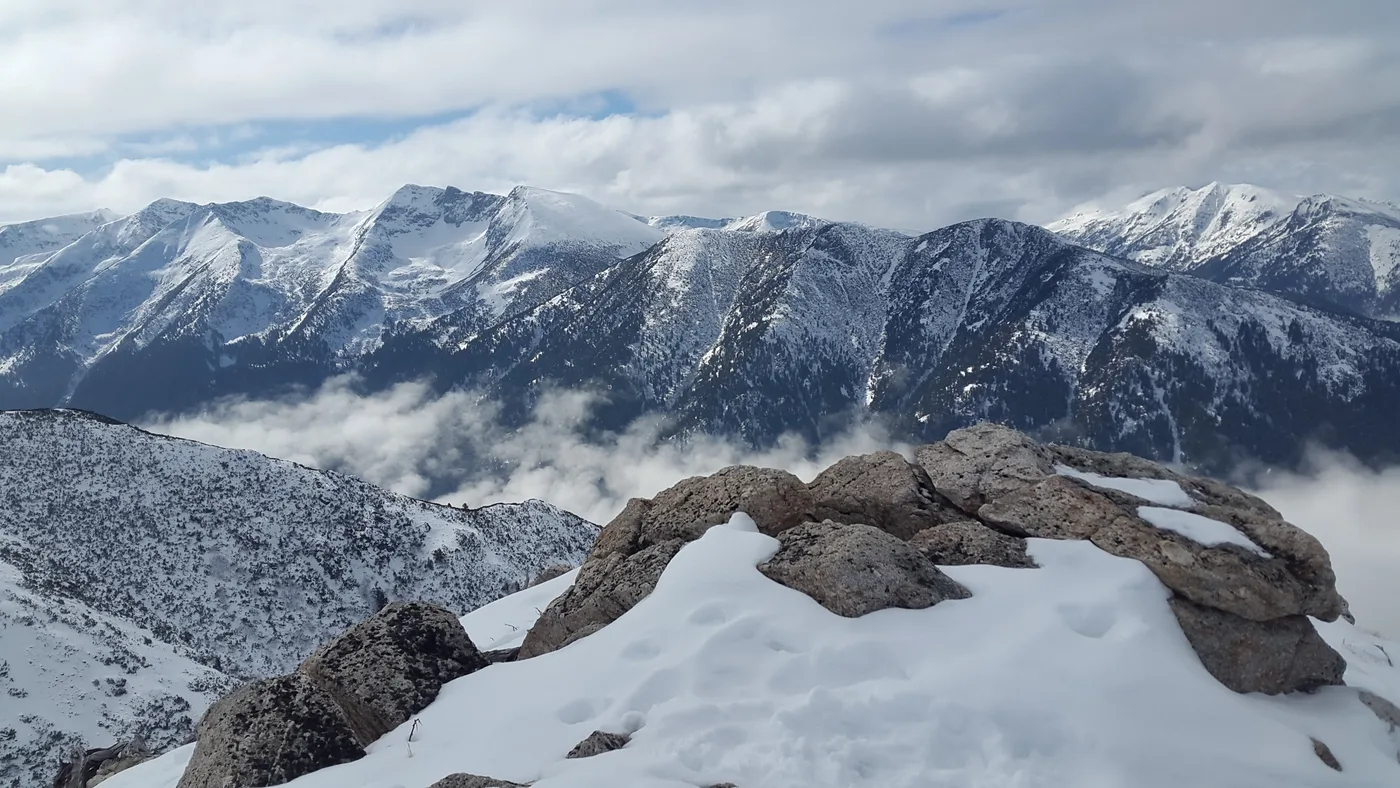
- Where: Rila mountains, about 70 km south-east of Sofia and 10 km from Samokov, below Musala (2,925 m), the highest peak in the Balkans.
- Slopes: 58 km of marked pistes across three linked sectors, spanning roughly 1,315 to 2,550 m. Best for beginners and intermediates.
- Lifts: a six-seat gondola plus high-speed quads, chairs and drag lifts; night skiing Wednesday to Saturday.
- Season: roughly mid-December to early April, snow permitting; February and March are usually the surest snow.
- Day pass 2025-26: 54 euro (105.61 leva) for an adult; 279 euro (545.68 leva) for six non-consecutive days - the rate holds until 15 March, then softens, about two weeks ahead of Bansko’s own spring cut.
The mountain: small, but easy to love
Borovets skis across three linked sectors, and knowing them makes the map click. Sitnyakovo and the central area sit lowest, a spread of gentle blues and greens right above the resort. Yastrebets is the heart of it: the six-seat gondola climbs from the village to the Yastrebets top station at about 2,369 m, and the long, wide reds back down are the runs most people spend their day lapping. Markudjik, reached by drag lifts higher up, holds the top pistes at around 2,550 m, where the snow lasts longest and the views open out over the Rila peaks. Off the Yastrebets top the flagship descent is a red of roughly three kilometres that intermediates lap all day, while a steeper black drops about 860 vertical metres beside it for anyone wanting a bite; that pairing of an easy cruiser and a genuine test served by one gondola is the core of a Borovets day.
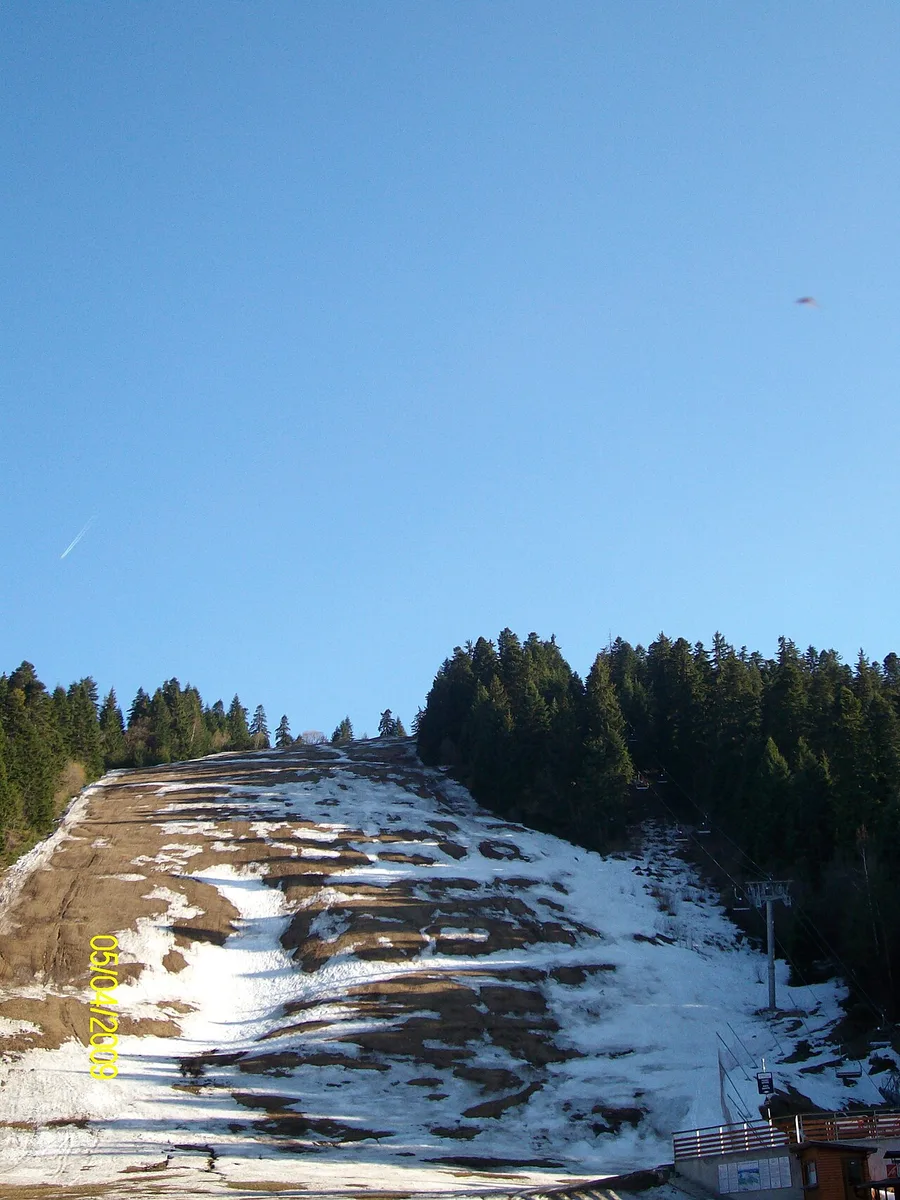
Add it up and it’s 58 km of pistes, which is real skiing but a fair bit smaller than Bansko’s 75 km. The terrain leans easy: a lot of wide, tree-lined blue and red cruising that suits improving intermediates and confident beginners, and very little that will trouble an expert. If you ski hard and want steep, moguls and off-piste, Borovets will feel tame within a couple of days. If you’re building confidence, skiing with kids, or just want relaxed mileage on well-groomed runs, it’s close to ideal. The one honest weakness is what everyone in Bulgaria wrestles with: the snow. Being lower and more forested than Bansko’s high Pirin bowls, Borovets leans hard on snowmaking early and late, so aim for the depths of the season rather than the edges.
Lifts and night skiing
The backbone is the six-seat gondola up to Yastrebets, a roughly 25-minute ride that carries around 1,200 people an hour and does most of the work of getting you onto the mountain. Above and around it are high-speed quad chairs, a fixed-grip quad and a scatter of drag lifts feeding the beginner areas and the Markudjik top. It is not a vast lift network, but for a resort this size it moves people well, and the queues that build are almost always at the gondola on a peak Saturday morning rather than up top.
Borovets has one trick Bansko doesn’t: night skiing. Floodlit evening runs opposite the Rila hotel open Wednesday to Saturday through the season, roughly from 6:30pm to 10pm on a separate ticket (32 euro for adults, cheaper from 16 March), and they’re genuinely good fun, a way to squeeze more skiing out of a short trip or to tire the kids out after dinner. On a two- or three-day visit that extra window is worth planning around.
Beginners and families: the resort’s real strength
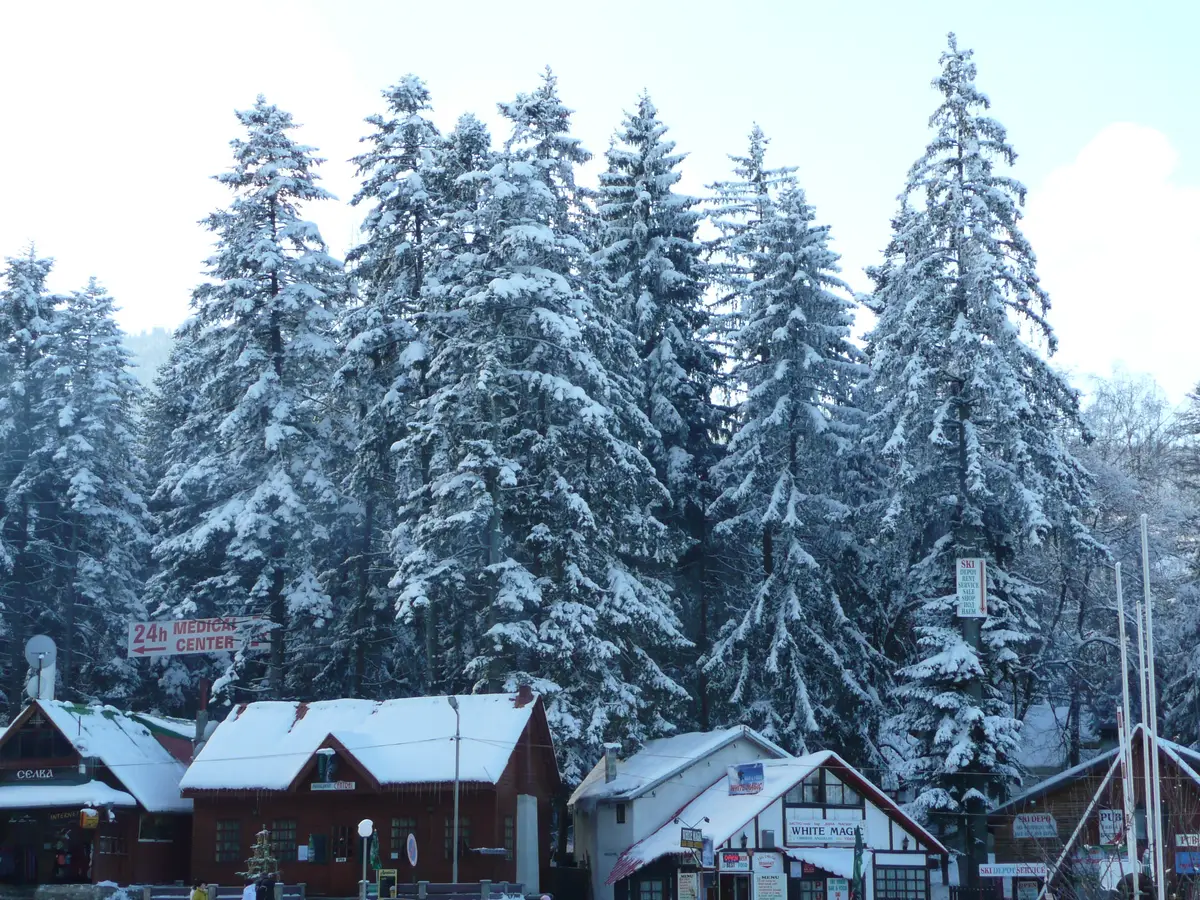
This is where Borovets earns its keep. Almost every hotel sits within walking distance of the lifts, the nursery slopes start at the resort centre, and nothing in the base is more than a few minutes’ walk from a hot chocolate. That walk-everywhere layout is a big deal on a first family trip, because you are not wrangling ski bags onto a gondola before anyone has warmed up. The ski schools are cheap and used to teaching in English, and hire is cheap by Alpine standards - a week of economy skis and boots in neighbouring Bansko (about 37 EUR) costs roughly what one day of Sölden’s cheapest complete set does, per our Bulgaria against the Alps price comparison. For nervous first-timers and children, the combination of gentle nursery ground, short lift rides and everything on your doorstep is hard to beat in Bulgaria. For the hotel-by-hotel detail on exactly how close “at the lifts” really is, our where to stay in Borovets guide breaks it down property by property.
What it costs
Lift passes at Borovets are among the cheapest in Europe, and, against most people’s assumptions, close to Bansko rather than clearly under it. The 2025-26 adult day pass is 54 euro, 105.61 leva, and a six-day pass, valid on any six days rather than six in a row, runs 279 euro, 545.68 leva; the rate drops to 43.20 euro a day from 16 March, so treat the peak-season figure as a guide rather than gospel. Night skiing is a separate ticket at 32 euro for adults. Ski and boot hire, lessons and lift-side lunches are all inexpensive by Alpine standards, which is the whole reason to ski in Bulgaria in the first place. If you’re pricing a whole trip, our guide to whether Bulgaria is expensive puts the wider costs in context, and the full head-to-head on passes and terrain is in Bansko vs Borovets.
Getting there
The short transfer is Borovets’ trump card. It’s about 70 km from Sofia, roughly an hour to an hour and twenty by car, and a private airport transfer drops you at your hotel in about the same time; you can fly into Sofia in the morning and be clicking into bindings after lunch. The nearest town, Samokov, is only 10 km away, and public buses run Sofia to Samokov with an onward local connection up to Borovets if you’re travelling light and on a budget. But with ski bags and a family, a door-to-door transfer is worth the money and removes every change. Fares, schedules and the honest bus-versus-transfer trade-off are in our Sofia to Borovets guide. Since the resort is so close to the capital, it also pairs neatly with a night or two in the city; there’s plenty to fill a day among the things to do in Sofia before you head for the snow.
More than a ski lift: a bit of history
Borovets was Bulgaria’s first mountain resort, founded in 1896 as a royal hunting retreat, and it still carries a little of that pedigree. The Tsarska Bistritsa, the timber royal palace built for Prince Ferdinand, stands in the pines near the resort and is open to visit, a reminder that people were coming up here to escape the summer heat long before the first lift was strung. On the sporting side the resort has real history too: it hosted rounds of the Alpine Ski World Cup in 1981 and 1984 and the Biathlon World Championships in 1993, which isn’t bad for a mountain this compact.
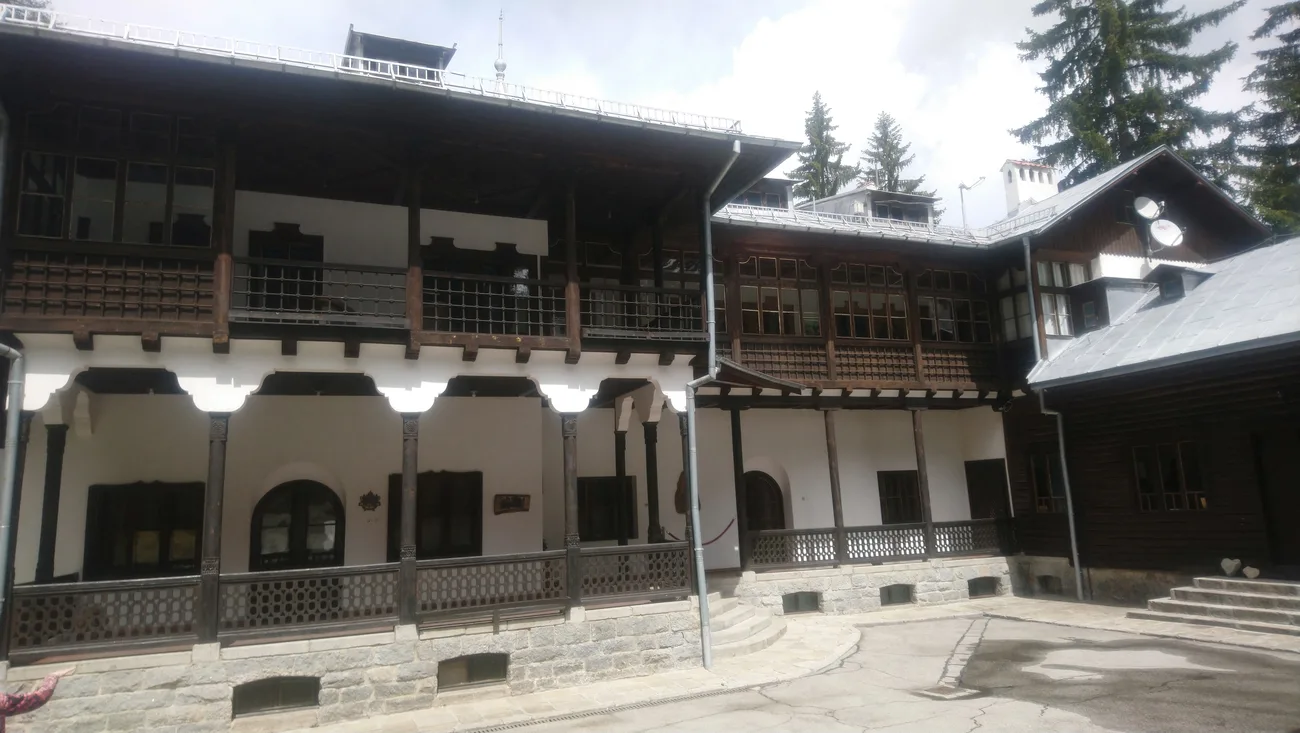
The resort village itself is a compact cluster of hotels, bars, rental shops and restaurants, built to serve the slopes rather than to be a destination in its own right. The apres-ski is cheerful and cheap without being wild, and there’s little to see beyond the skiing, which is the trade-off for being so close to Sofia and so convenient on the snow. For a real old town of taverns and atmosphere off the slopes, that’s Bansko’s department.
So, is Borovets for you?
The case for Borovets is arithmetic, not atmosphere. 70 km from Sofia puts you on snow inside an hour of landing, the hotels stand at the lift rather than a shuttle ride from it, and a six-day pass runs 279 EUR for the week, about 46.50 EUR a day, well under the 54 EUR single-day rate. What that buys is 58 km of pistes topping out at 2,550 m - a mountain you will have read by the third afternoon, with thin expert terrain and a resort that exists for the lifts and nothing else. If you want a bigger, more varied mountain and a real town to come back to at night, look at the Bansko skiing guide instead, and weigh the two directly in Bansko vs Borovets. For a gentler, sunnier third option down south in the Rhodopes, Pamporovo is the other family-friendly resort worth comparing - our Borovets vs Pamporovo guide puts the two head to head on price, terrain and which gateway city suits you. If the deciding factor is how little of your week goes on getting there, that arithmetic ends with Borovets.
Admission and opening hours
- Admission price
- Adult day lift pass 2025-26 54 EUR (105.61 BGN); 6-day adult, non-consecutive, 279 EUR (545.68 BGN); the rate holds until 15 March, then softens to 43.20 EUR a day, about two weeks ahead of Bansko's own spring cut. Night skiing is a separate ticket, 32 EUR (62.59 BGN) for adults. Ski hire and lessons are inexpensive.
- Opening hours
- Season generally mid-December to early April, snow permitting, with February and March usually the best snow. Night skiing runs opposite the Rila hotel Wednesday to Saturday, roughly 18:30 to 22:00.
Prices are the last published 2025-26 tariffs from operator Borosport and moved to euro when Bulgaria joined the eurozone on 1 January 2026; the resort discounts the rate from 16 March, and window rates vary. Confirm the current price and season dates before you book.
Details checked: August 30, 2026
Read also

What to see · 13 min read
Skiing in Bulgaria vs the Alps: Honest Verdict
Verified · September 13, 2026Bansko's last published 6-day pass was 341 EUR; Livigno's 2026-27 rate is 374.50 EUR. Real lift-pass, terrain and rental numbers, checked Sep 2026.

What to see · 12 min read
Pirin National Park: Vihren, Trails & Lakes
Verified · September 3, 2026Pirin National Park: the Vihren hut road closure, UNESCO peaks, 27 marked trails, glacial lakes and Bansko visitor centre hours.

What to see · 12 min read
Climbing Musala: The Balkans' Highest Peak
Verified · August 29, 2026Climbing Musala, the Balkans' highest peak at 2,925 m: the Yastrebets gondola schedule and price, the real hiking time from the top station, huts and gear.

What to see · 9 min read
Learning to Ski in Bansko: Schools & Lessons
Verified · August 25, 2026Bansko ski lessons: group and private prices in euros from official schools, Banderishka Polyana base, plus the lift pass you still need. Checked 2026.