
Climbing Musala: The Balkans' Highest Peak
Climbing Musala, the Balkans' highest peak at 2,925 m: the Yastrebets gondola schedule and price, the real hiking time from the top station, huts and gear.
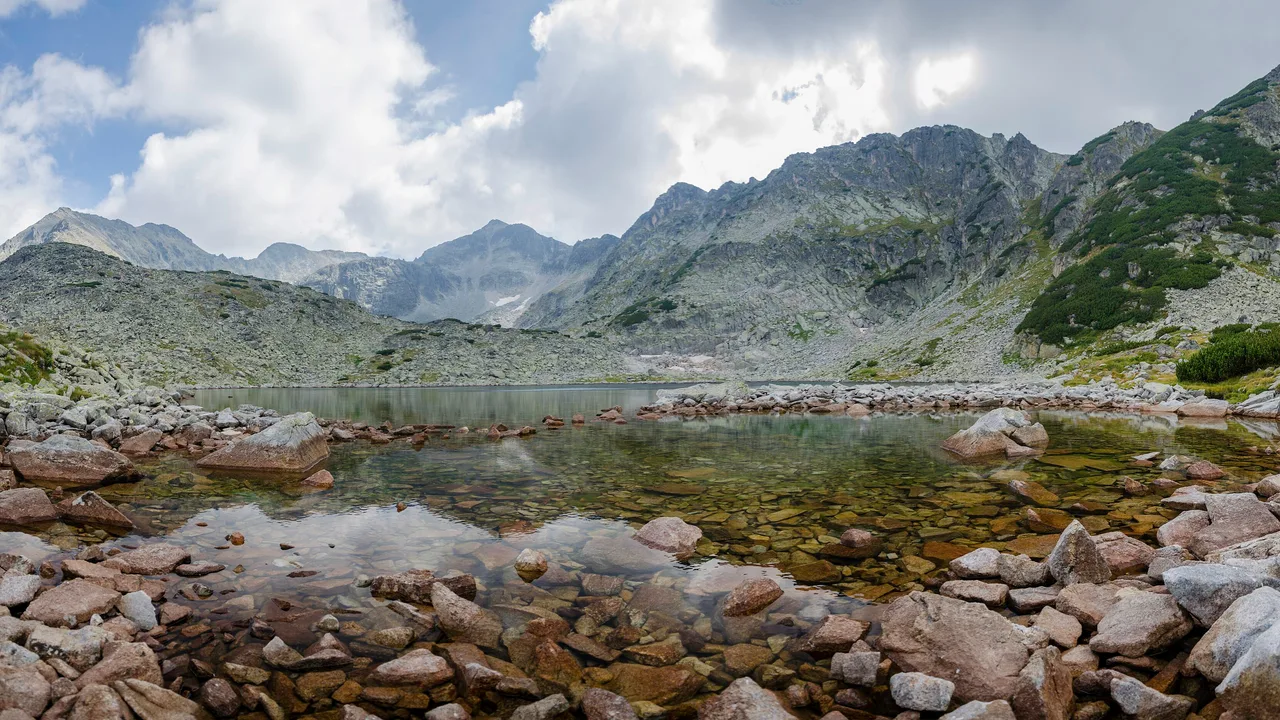
Musala tops out at 2,925 m, the highest point in Bulgaria and the whole Balkan Peninsula. Reaching the summit takes far less effort than that number suggests. A gondola above Borovets, the same cabin that hauls skiers all winter, keeps running through summer and does most of the climbing for you. What’s left is a non-technical walk of about three hours from the top station. Here’s what the day costs in 2026, how long it really takes with elevation and terrain counted, and what a postcard skips over - snow in the lake basin into early summer, two working huts if you’d rather split the day, and a weather station that hasn’t always had someone to run it.
Winter visitors ride the Yastrebets gondola to a ski run named after it; summer visitors ride the identical cabin to a hiking trail that has nothing to do with skiing. Through the summer the lift switches from ski passes to a hiking ticket, and the ground beyond the ridge turns from groomed piste into rock and glacial lakes. Beyond the cabin and the car park the two seasons share almost nothing, so the tips in our Borovets skiing guide won’t carry over.
How the Yastrebets gondola shortens the day
The gondola climbs from a base station at about 1,315 m to the Yastrebets top station at about 2,369 m, a vertical rise of 1,054 m over a 4,827 m cable line. The ride takes 25 minutes, and carrying capacity is rated at 1,200 people an hour. The same climb on foot through the forest takes about three hours, and almost nobody bothers; skipping it is why a Musala day fits into one outing at all.
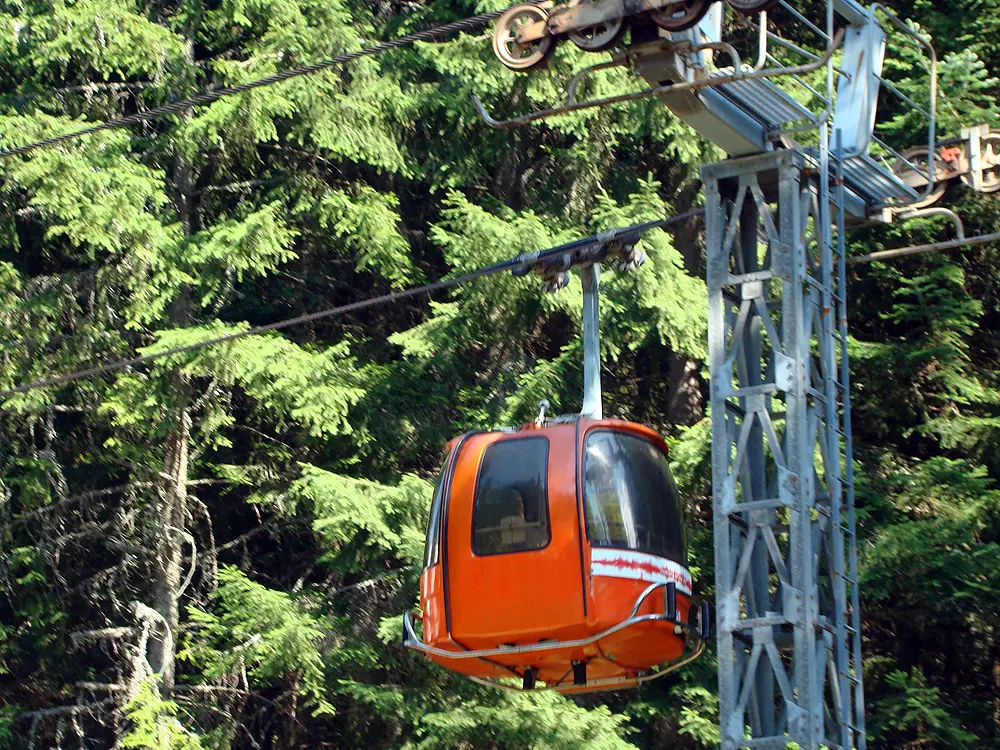
For the 2026 summer season the resort operator, Borosport AD, sells the climb as a combined two-way ticket, Gondola Yastrebets plus the Sitnyakovo Express: 19 EUR for an adult (14 to 64), 11 EUR for a child aged 7 to 13 or a senior 65 and over. The higher multi-day figures underneath are mountain-bike passes, and the one date range on the same price list, 12 June to 27 September, is theirs, not the gondola’s, so ask for the hiking ticket by name. The calendar trap runs deeper. Borosport prints no season dates for the gondola anywhere, but it does print the days off: the cabin stands still on Mondays and Tuesdays, the Sitnyakovo half of the same 19 EUR ticket on Wednesdays and Thursdays, and there’s no cheaper gondola-only fare to fall back on.
Two separate lifts also share the Yastrebets name, and mixing them up turns people back at the base. The cabin gondola gets hikers to the ridge; a shorter four-seat chairlift, also called Yastrebets Express, serves a lower ski run and sits closed outside ski season. So “Yastrebets Express - closed” on the live status board is the chairlift talking, and reading only that line can send you home thinking the whole mountain is shut.
From the top station to the summit: the real numbers
From the Yastrebets top station it’s about 7 km of marked trail to the summit. Planinka.bg, a Bulgarian hiking-route database, rates it 3 out of 6 for difficulty - moderate, nothing technical - and puts the elevation change at +684 m and -104 m, with a hiking time of about 3 hours each way. In stages: an hour from the lift to Hizha Musala, an hour and a half past the lakes to Ledeno Ezero, the Icy Lake, and a final half hour on steeper, rockier ground to the summit marker.
On paper the numbers look off: 2,369 m to 2,925 m is 556 m of rise, which at a mountain pace of 300 m an hour should take under two hours. The trail dips toward the Musalenski lakes basin first, so the real climb is planinka.bg’s 684 m - still only 25 of the missing 60 minutes. The rest is 7 km of loose rock above 2,500 m that no formula prices in.
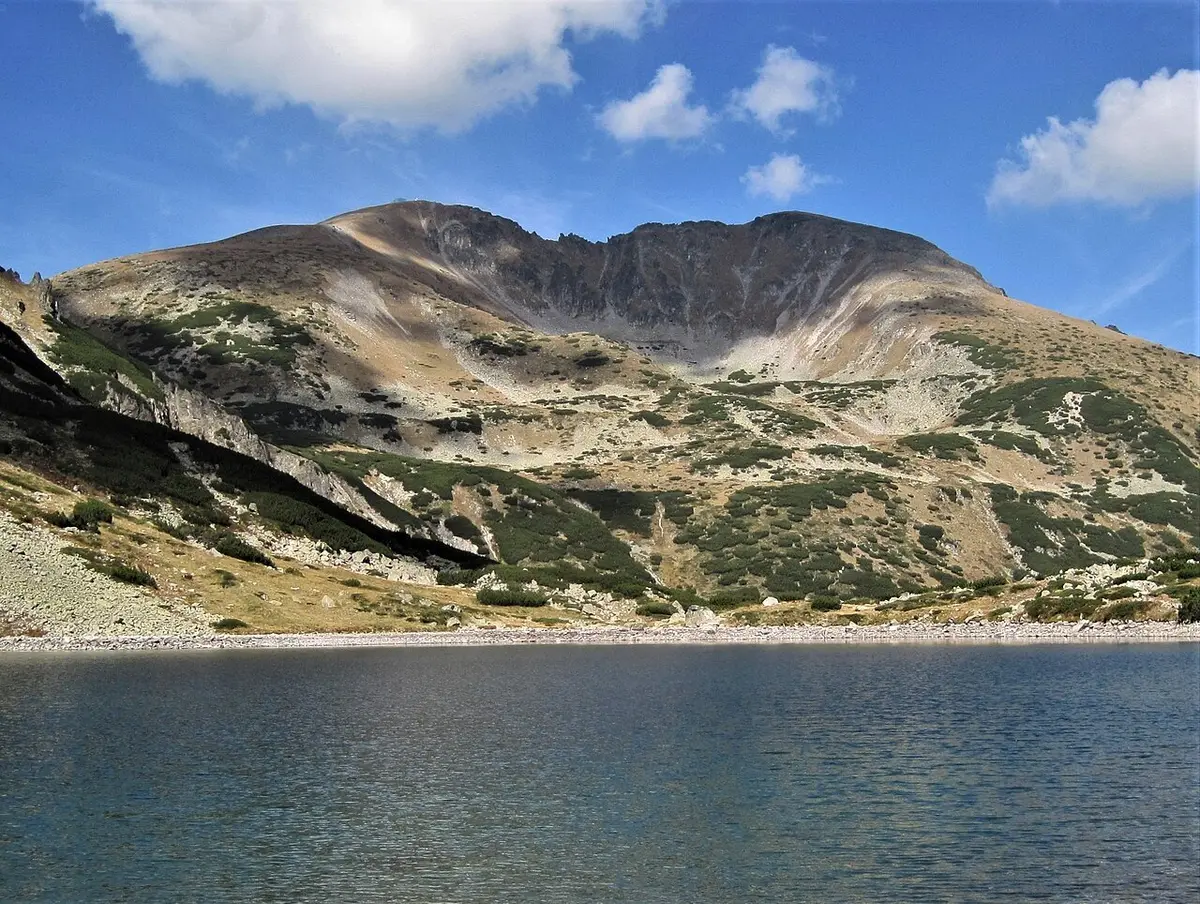
Coming down usually takes two and a half to three hours, and a tired group at the slow end saves almost nothing on the climb. Add the cable rides at each end and a realistic round trip from the Borovets base is six to seven hours of moving time before breaks, photos or a stop at a hut - well past the bare “3 hours up” headline.
Hizha Musala and the meteorological station
Hizha Musala, sometimes listed as the old Musala hut, sits at about 2,389 m on the shore of the Lower Musala Lake and is usually described as the highest staffed mountain hut in Bulgaria. It has roughly 60 beds spread across doubles, triples and larger dorms, hot food and an outdoor shower in summer; the listing behind those numbers was last updated in 2022. It’s the bed for a sunrise start: the summit is two hours from its door, and it’s the last roof before the top.
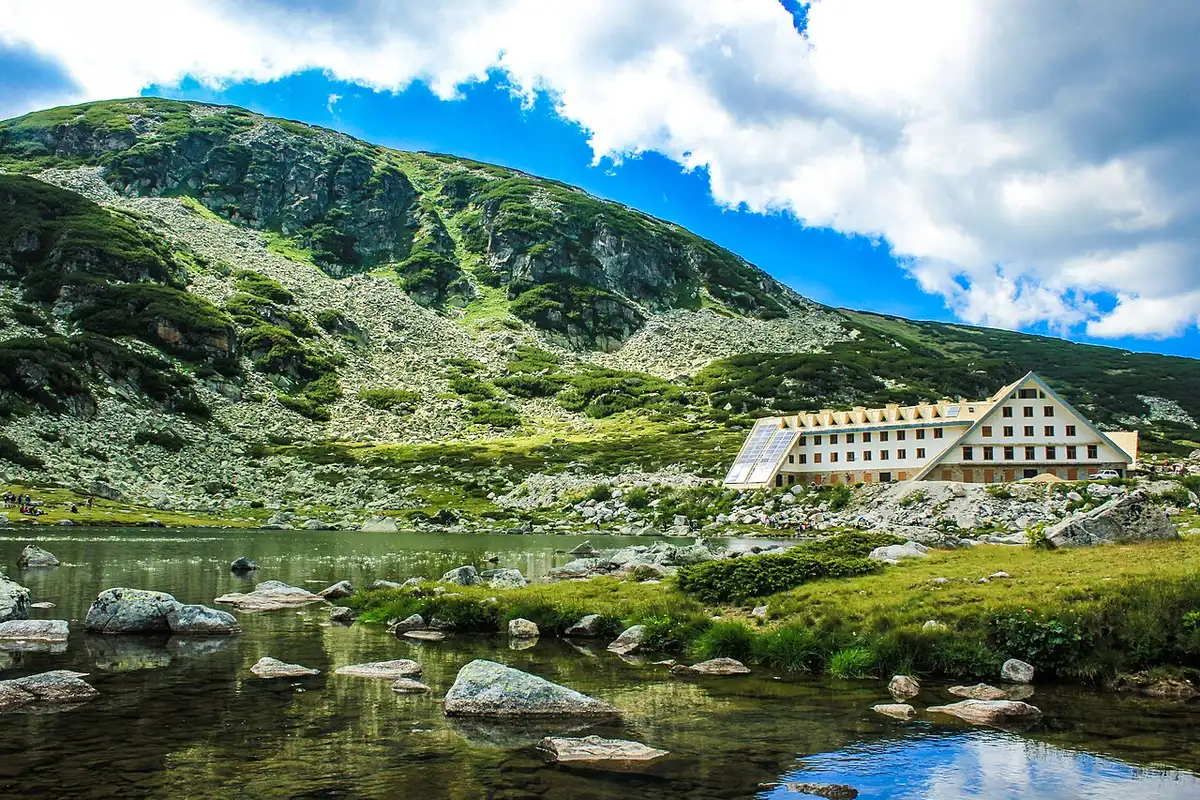
It isn’t the only hut on the route, though, and the second one is easy to walk straight past. Hizha Yastrebets stands beside the gondola’s top station: 25 places in rooms of four, five and six beds, 33 EUR for a bed with breakfast, Monday and Tuesday off like the lift. Read its price page to the bottom before you book. The header offers a summer season of 15 June to 30 September; further down, the hut shuts from 25 September while the cable line goes in for maintenance, which makes 25 September a closed day and the 24th the last night. Its winter dates clash the same way, so settle a late-September booking by phone: +359 897 07 07 14.
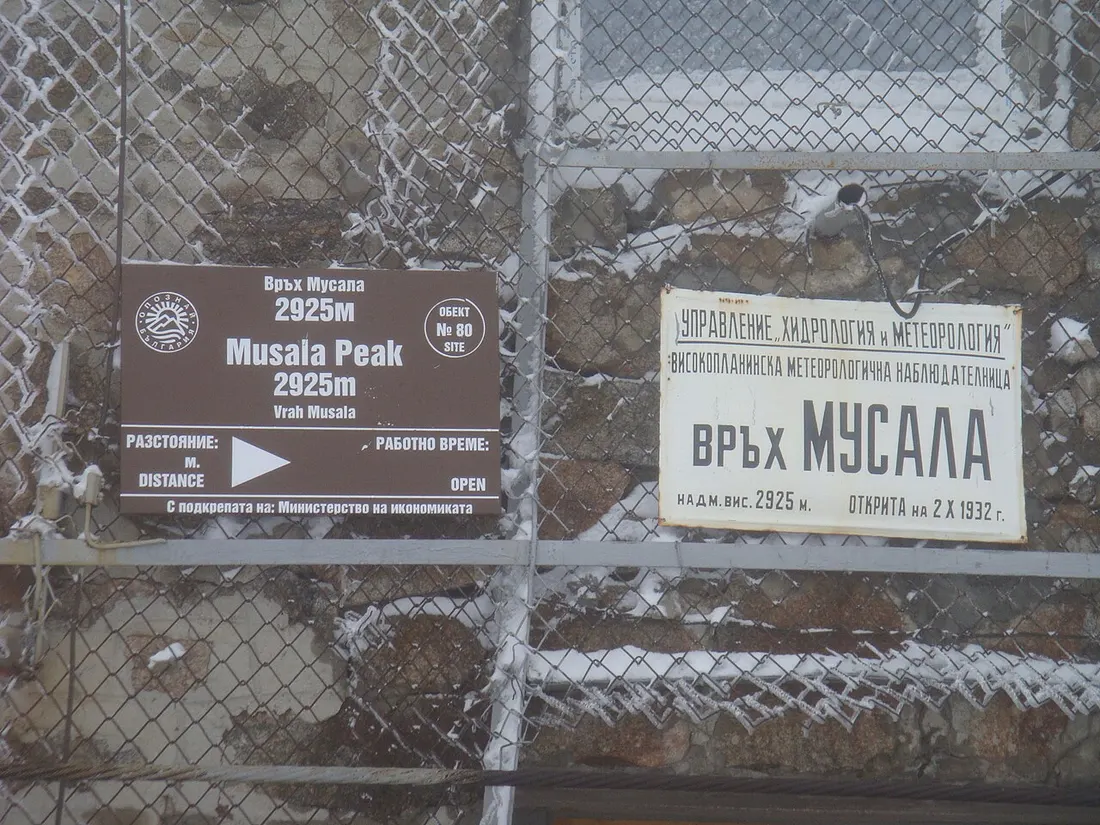
The summit isn’t empty ground either. Bulgaria’s first high-mountain weather station opened here on 2 October 1932, still the highest in the country and the Balkans, an odd thing to find at the end of a hiking trail. Its recent history is rockier than the concrete suggests: Bulgarian press has reported the post losing and regaining its on-site staff repeatedly for a decade. The instruments transmit either way, which says nothing about whether a door opens for a hiker. Don’t plan around a hot drink at the top; if someone’s on duty, the tea is a bonus.
Without the gondola: the long way up
Outside the lift season, or on a day the gondola isn’t running, Musala is still climbable, just not casually. On foot from the Borovets base you re-do the three-hour forest climb the cable erases, on top of the 7 km summit push. That’s why a day trip here is built around the lift running.
A longer approach comes up the south side of the Rila massif, used mostly by multi-day traverse hikers. If that’s your trip, our broader hiking in Bulgaria guide covers how Rila, Pirin and the Rhodopes fit together, trail marking, rescue and weather.
Weather and season: what to plan around
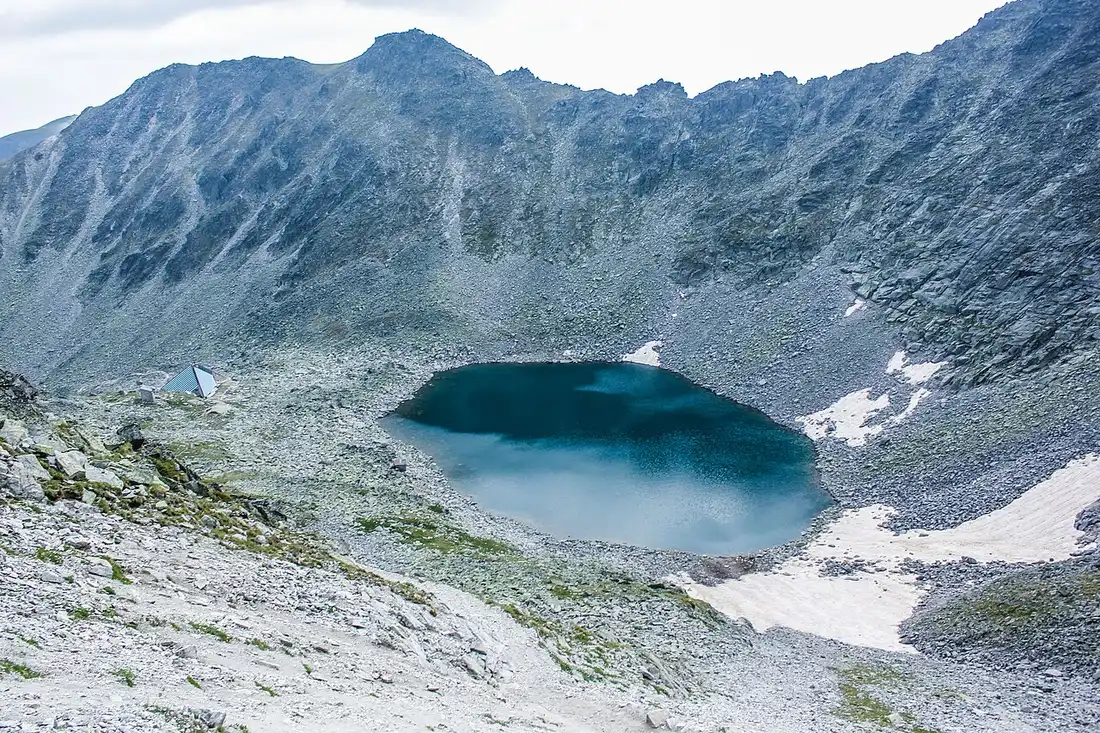
The high Rila trails generally clear of snow by mid-June and can see the first falls again by October, but Musala’s lake basin sits high enough that old snow lingers into early summer after the wider range has opened. Mid-July through September is the more dependable stretch underfoot, whatever date the lift starts running.
The other real risk catches hikers out across Bulgaria’s mountains in summer: a clear morning above 2,000 m turns into an afternoon thunderstorm with very little warning, most often in July and August. Start early, treat a clear breakfast forecast as provisional by lunchtime, and get off the open ridge before the sky builds. Rescue above the huts is PSS, the volunteer mountain service, and it isn’t automatically free if you aren’t insured; our Bulgaria travel insurance guide covers what a standard policy pays on a mountain call-out. In an emergency, 112 is free from any phone.
What to pack for a non-technical 2,925 m day
No climbing skill is needed, but it’s a long day at altitude over loose rock, and the bag decides between a comfortable summit and a miserable one:
- Warm, windproof layers, even in August: the ridge is far colder and windier than Sofia at the same hour.
- A rain shell. The afternoon storm risk above applies most days in high summer.
- Sun protection. There’s no shade above the tree line and the UV at 2,900 m is stronger than it feels.
- At least 1.5 to 2 litres of water and real food. Don’t count on buying either past the hut.
- Sturdy hiking boots with real grip for the rocky final stretch below the summit.
- Some euro cash for the ticket window and the hut, as backup to a card.
Where to sleep before the climb
Catching an early cabin matters here, and not just for the schedule: planinka.bg flags queues at the base station from 8:00 on summer weekdays, half an hour before the lift opens. Most people sleep in Borovets the night before, at a hotel by the lift base - our where to stay in Borovets guide ranks them by walking distance. Sleeping up at Hizha Yastrebets buys something different: not a shorter climb, since its own route board still puts the summit three hours away, but a first-light start instead of that queue. The hut’s closed Mondays and Tuesdays leave Wednesday to Saturday for the night. The genuinely short summit push starts from the other hut, Hizha Musala. Leaving Sofia the same morning and still hoping for an early cabin doesn’t work: the drive alone eats the time.
Getting to Borovets
Borovets is 70 km out of Sofia, an hour by car or private transfer and an hour and twenty in bad traffic. Without a car the trip splits in two, and the halves aren’t alike. Sofia’s South bus station sends a bus to Samokov every half hour from 07:00 to 20:00, five of the 27 departures on its board flagged as suspended, and the ride takes an hour and a quarter, ticket bought at the counter. The thin part is the last 10 km, Samokov to the resort: eight buses a day off sector 2, at 08:00, 09:30, 10:30, 12:30, 14:00, 15:30, 16:00 and 18:00.
Line those departures up against the lift and the list shortens. Take the 10:30: the bus, a ticket queue, 25 minutes in the cabin, three hours up and the better part of three back leave you under an hour clear of the last cabin at 18:00 - on a mountain that turns stormy after lunch, that is not a margin. Only the 08:00 and the 09:30 carry a real one; from the 12:30 on, the lift shuts before you’re off the mountain. The board lists departures out of Samokov and nothing coming the other way, so fix the return before you commit to a bus day - the station takes calls on +359 722 66540, daily 05:40 to 19:20, and a metered cab covers the same 10 km. A rental car deletes the calculation; a fixed-price transfer does the same without the driving.
Plan the day around the last gondola down
The distance and the altitude are not what catch people out on Musala. The schedule is. The bus you pick, the hut you sleep in and the hour you start walking all hang off one fixed number, the last cabin down at 18:00. Work backwards from it, and leave slack for a slow walker or a stop at the hut.
If the weather or the group’s pace makes the full summit a bad idea, the lakes basin and the hut are a legitimate place to turn around - you’ll still have ridden the gondola through some of Rila’s best scenery. And if Musala leaves you wanting more of Bulgaria’s mountains, the Seven Rila Lakes is the other big day out in Rila: a different valley, a different lift, and a gentler target for anyone who finds three hours each way one hour too many.
Admission and opening hours
- Admission price
- There is no entrance fee for Rila National Park itself (Rila National Park Directorate, rilanationalpark.bg, publishes no fee schedule). The Yastrebets gondola round trip (summer season 2026) is sold as a combined ticket with the Sitnyakovo Express: 19 EUR adult (14-64), 11 EUR child (7-13) and senior (65+).
- Opening hours
- Borosport publishes no opening or closing dates for the gondola summer season. The one date range on its price table, 12 June to 27 September, is the validity of the seasonal and 6-day mountain-bike passes, not of the gondola. The gondola runs 08:30-18:00, last ride up at 17:30 and last ride down at 18:00, closed Mondays and Tuesdays. The Sitnyakovo Express half of the same ticket keeps a different pair of rest days, Wednesdays and Thursdays, so check the live lift-status board if your plan hinges on one specific weekday. Hizha Yastrebets at the top station gives its own summer season as 15 June to 30 September but closes from 25 September for cable-line maintenance. The dates Borosport publishes for its own products run two days past that: the bike passes above expire on 27 September, and so do the prices for its guided tours, lift ticket included. Treat the last week of September as the edge of the season and confirm your date before you commit to it.
Prices and dates are from Borosport AD (borovets-bg.com), the resort operator, and from Hizha Yastrebets (yastrebets.com), both checked live on 29 August 2026. The multi-day passes on the same price table are mountain-bike lift cards, dates included, not a hiking ticket - easy to misread at the counter. The hut price page contradicts its own season dates, so confirm a late-September stay by phone on +359 897 07 07 14.
Details checked: August 29, 2026
Distance ≈70 km · about an hour on the road to Borovets, longer in bad traffic, then 25 minutes in the gondola
- Sofia ≈70 km · about an hour on the road to Borovets, longer in bad traffic, then 25 minutes in the gondola
Read also

What to see · 12 min read
Pirin National Park: Vihren, Trails & Lakes
Verified · September 3, 2026Pirin National Park: the Vihren hut road closure, UNESCO peaks, 27 marked trails, glacial lakes and Bansko visitor centre hours.

What to see · 9 min read
Learning to Ski in Bansko: Schools & Lessons
Verified · August 25, 2026Bansko ski lessons: group and private prices in euros from official schools, Banderishka Polyana base, plus the lift pass you still need. Checked 2026.

What to see · 10 min read
Borovets or Pamporovo: Honest Ski Comparison
Verified · August 30, 2026Borovets and Pamporovo cost almost the same to ski. The real split is Sofia versus Plovdiv, and how much mountain you want for the week.

What to see · 9 min read
Bansko or Pamporovo: Which Ski Resort Suits You?
Verified · August 13, 2026Bansko for the bigger Pirin mountain near Sofia; Pamporovo for gentle Rhodope runs near Plovdiv. Pass prices, terrain and who each resort suits in 2026.