
All-Inclusive Bulgaria: How It Works & Best Resorts 2026
What all-inclusive really covers on the Black Sea: every board basis, the drink hours, what is never included and the resorts where it pays.
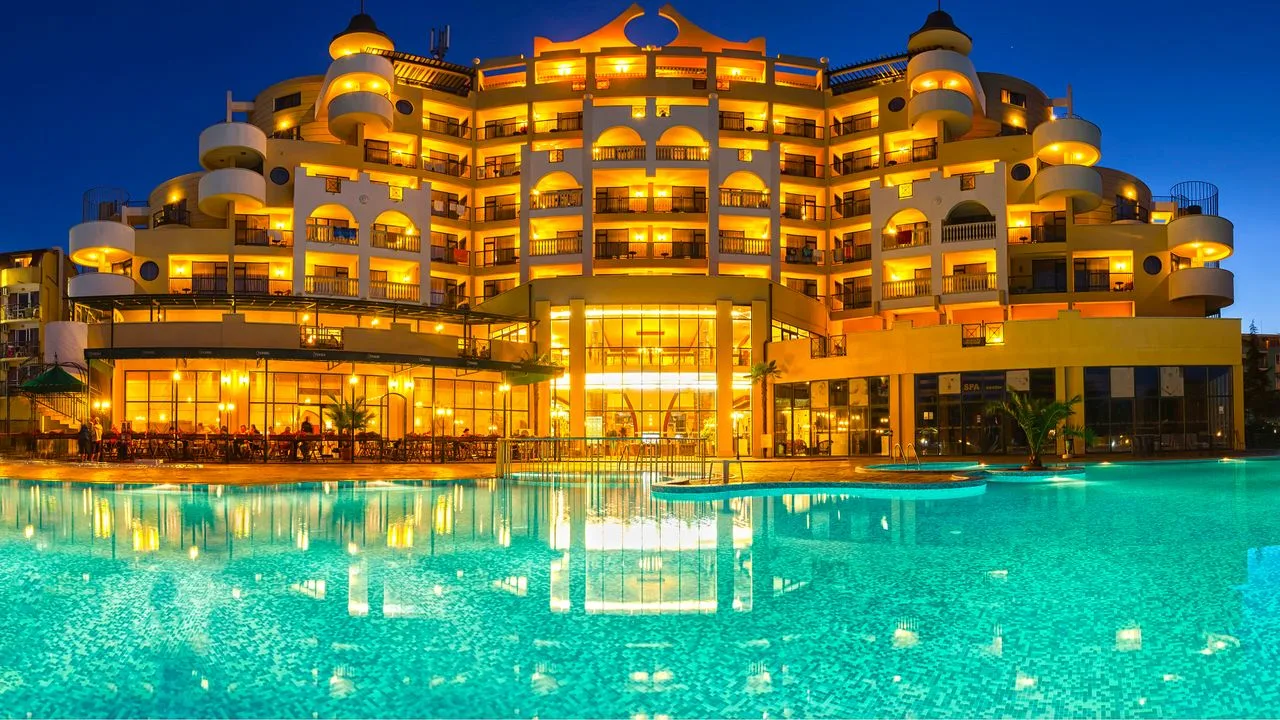
All-inclusive on the Bulgarian coast buys four servings of food a day plus local drinks at set hours, and for most families it works out cheaper than eating out. The word carrying the weight there’s “local”. The vodka, rakia, wine and beer behind the bar are Bulgarian, spirits are usually poured in 50 ml measures, and the imported gin from the brochure photo sits behind an upgrade. At some hotels, so do your sunbed and umbrella.
That gap between the picture and the terms sheet is where your money goes. Of every resort the Post Office surveyed in July 2026, Bulgaria had the cheapest evening meal with drinks for a family of four, at £73, and Sunny Beach came second overall on a basket of ten holiday items at £142 against the Algarve’s £140. Paying as you go here’s unusually competitive with the wristband, which is exactly why the tier matters. Choose the right tier and you save real money. Choose the wrong one and you pay twice, once for the board and again at the bar.
Every board basis, from room only to ultra
Bulgaria is one of the few countries where all-inclusive isn’t purely a marketing word. The national accommodation ordinance that took effect in August 2015 wrote down requirements for the “ол инклузив” service for the first time, setting a minimum assortment of food and drink that has to be served in defined time slots. So a hotel calling itself all-inclusive owes you a floor. Everything above that floor is invented by the hotel, which is why the tiers matter more than the label.
| Board basis | What you get | Drinks | Best for |
|---|---|---|---|
| Room only | A bed | Nothing | City breaks, Sozopol and Nessebar old towns |
| Bed and breakfast | Buffet breakfast | Breakfast drinks | Couples who plan to eat out anyway |
| Half board | Breakfast and dinner | Usually water at dinner | Touring trips with lunch on the road |
| All Inclusive Light | Three meals, often no alcohol | Soft drinks, sometimes local beer and wine | Families who barely drink |
| All Inclusive | Breakfast, lunch, snacks, dinner | Local spirits, wine, beer, soft drinks at set hours | The default beach week |
| Ultra All Inclusive | The above plus late snacks and à la carte nights | Imported spirits, longer bar hours | Drinkers and anyone staying inside the resort |
| Premium All Inclusive | Chain-specific: à la carte restaurants, wider snack service | Brand-dependent, usually the widest list | Four and five star clubs, adults-only hotels |
Four of those rows are all-inclusive of one kind or another: Light, standard, Ultra and the Premium boards some chains sell on top. Only the plain All Inclusive row answers to anything like a fixed floor; the other three are ladders each hotel builds for itself.
All Inclusive Light is the step that catches people out. It has no fixed meaning: at one hotel it’s three meals with no alcohol at all, at another it’s the full board minus the spa and the gym. It sells because the words look almost identical on a comparison site, and it’s noticeably cheaper for a reason. If a rate looks unusually good, that word is where to look first.
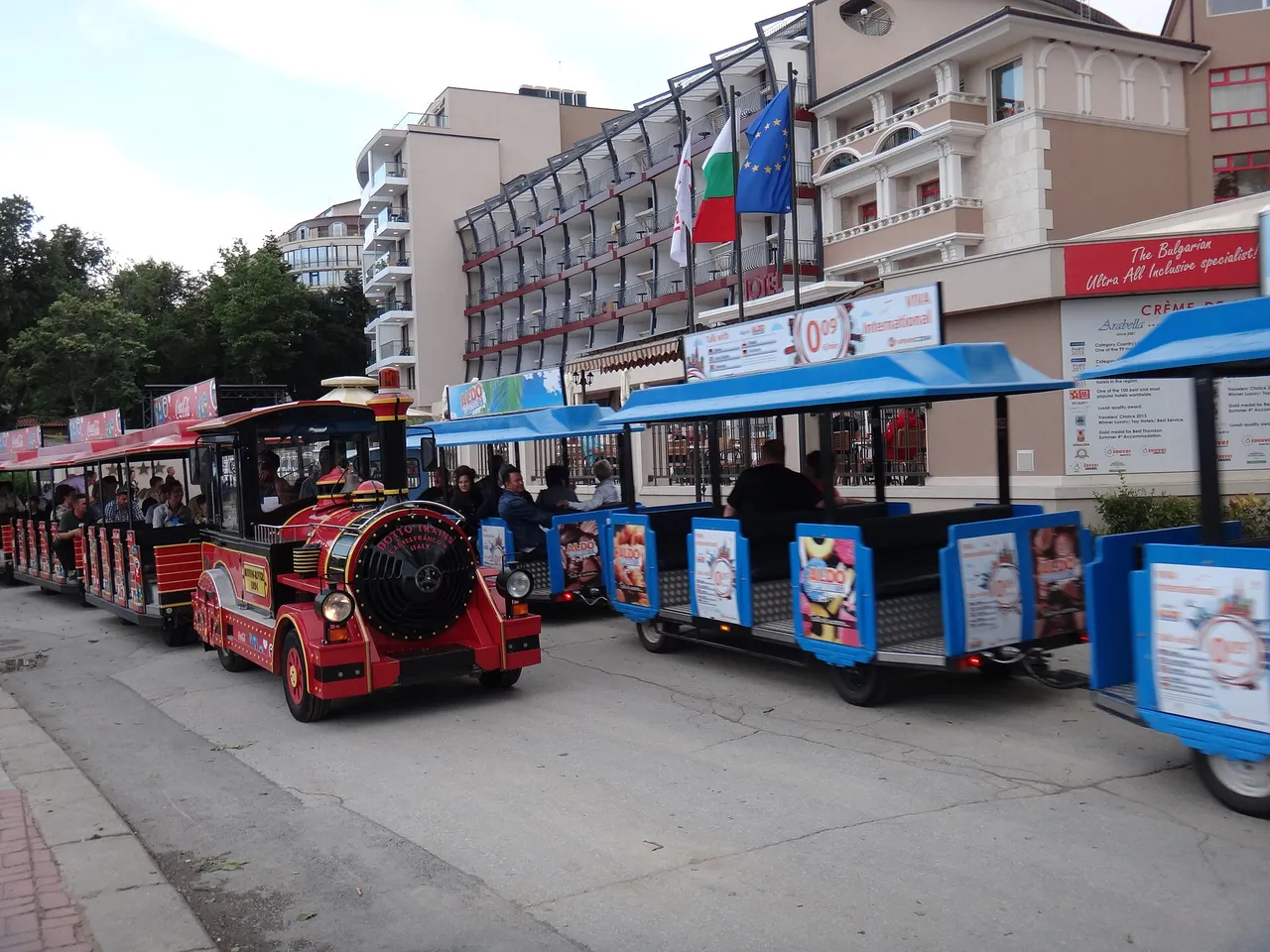
What a real all-inclusive day looks like
Hotels publish their programmes, and reading two of them side by side tells you more than any brochure. At Albena’s Laguna Beach the “green” all-inclusive runs breakfast from 07:30 to 10:00, lunch from 12:00 to 14:30, snacks from 15:00 to 17:00 and dinner from 18:00 to 21:00, with local alcoholic and soft drinks poured from 10:00 to 23:30. Stay more than seven nights and you also get a dine-around lunch or dinner in a themed à la carte restaurant.
At the Imperial Palace in Sunny Beach the shape is the same but the bars are staggered: the lobby bar pours from 10:00 to 17:00, the pool bar until 22:00, and a third bar picks up from 17:00 to 23:00. The hotel states plainly that spirits at the bars are served in 50 ml portions, which is a sensible thing to know before you plan an evening around them.
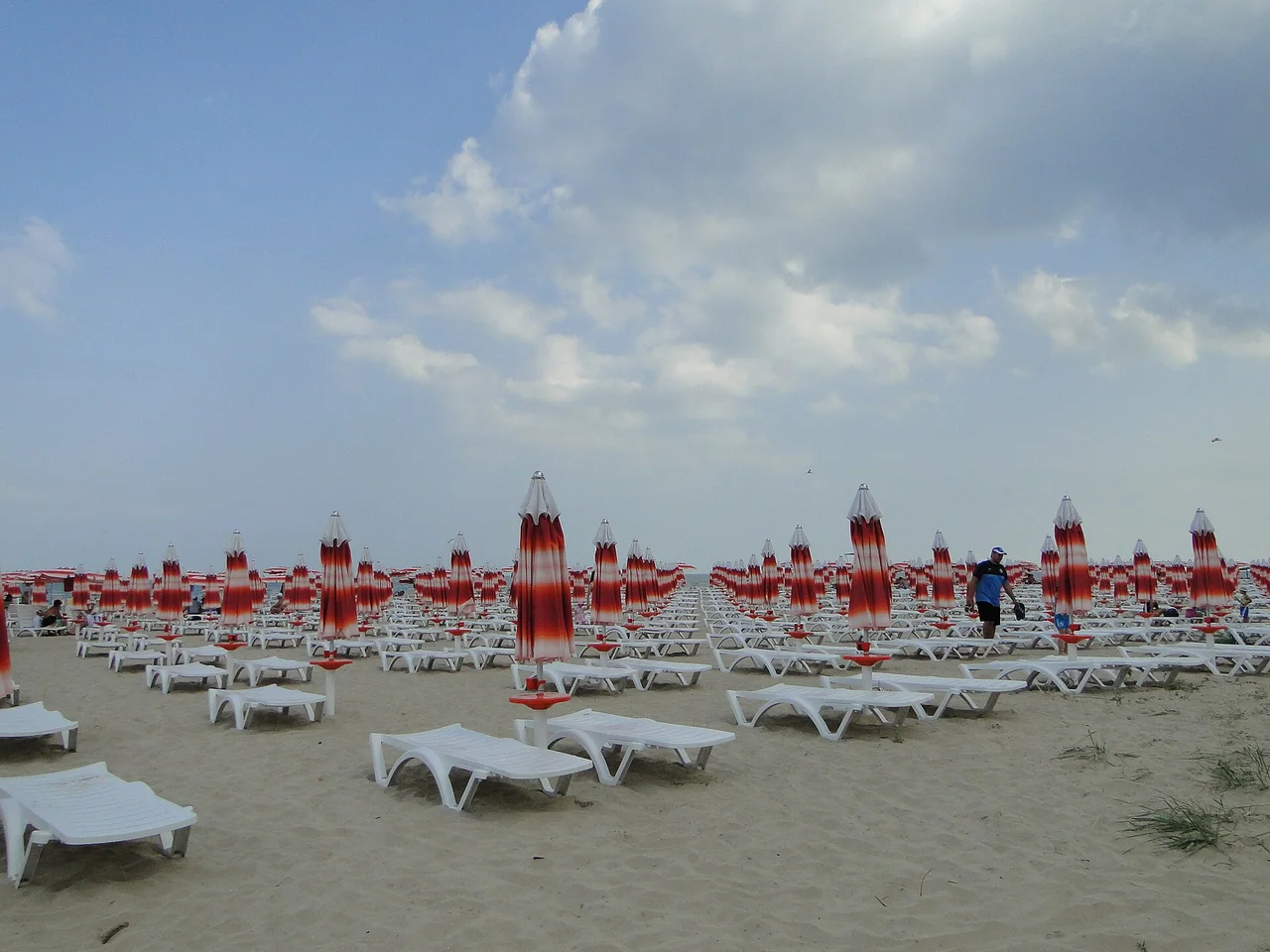
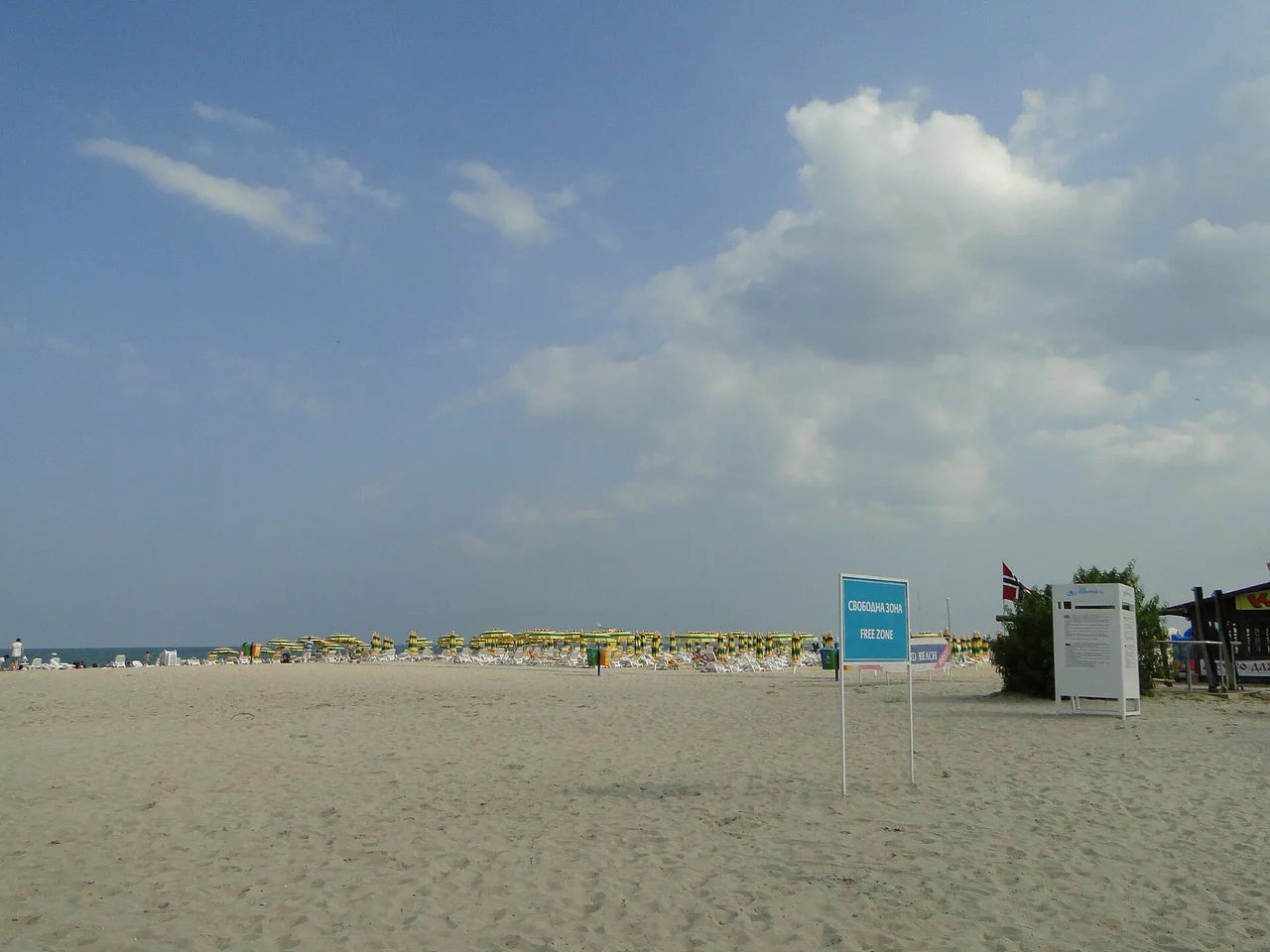
Two details are worth pulling out of that. First, the drinks tap turns off somewhere between 22:00 and 23:30 at most hotels, so the famous Sunny Beach nightlife sits entirely outside your wristband and is paid for in cash like everyone else’s. Second, the beach kit is a variable, not a given: Albena includes an umbrella and two sunbeds per room but only from the third row back, while the Imperial Palace charges standard all-inclusive guests for beach loungers and includes them only on its plus tier. A sunbed set on the Sunny Beach strip runs 16 to 18 euro a day depending on the beach, the figure the concession holder himself gave NOVA in May 2026 (5.11 euro per lounger or umbrella taken separately), with tables and mats charged on top. Over a week that’s one line on the holiday budget you don’t want to discover at the beach.
What is never included
None of this is a scandal, but all of it turns up on the room bill of somebody who assumed otherwise:
- Imported spirits and branded cocktails on standard all-inclusive. Bulgarian rakia, vodka, gin, mastika, wine and draught beer are in; a Bombay and tonic isn’t.
- Bottled drinks. Several hotels pour freely from the dispenser and charge for anything that arrives sealed.
- À la carte beyond your allowance. Ultra and premium tiers typically give one themed dinner per stay, booked in advance; the hotels we checked open it from about a week, and every hotel sets its own minimum.
- Spa treatments, hammam and massage. Pools and often the gym are in, the treatment list isn’t.
- Water parks and excursions. Golden Sands has Aquapolis and Sunny Beach has Action Aquapark, where a full adult ticket runs to about 37 euro in high summer with children around 23 euro. No wristband covers it.
- The tourist tax, which each municipality sets for itself. In Nesebar municipality, which covers Sunny Beach and Nessebar, it works out at about 0.33 euro per person per night in a one to three star hotel, 0.38 euro at four stars and 0.61 euro at five. It’s charged to the hotel rather than to you, so on a package it normally sits inside the price, but check your invoice rather than assume.
Does the arithmetic actually work?
The number that decides this isn’t the all-inclusive price. It’s the gap between the all-inclusive rate and the bed-and-breakfast rate at the same hotel for the same dates, because that gap is what you’re paying for food and drink. Everything else in the price is the room.
Then price up the alternative honestly. Using our cost of living in Bulgaria figures, a modest day of eating out on the coast comes to roughly 8 euro for the lunch of the day, 18 to 28 euro for a proper dinner and a few euro for coffee and beer at 2 to 3 euro each. Call it 30 to 45 euro a day per adult without trying hard. Keep sunbeds out of that sum: the 16 to 18 euro quoted above buys a set of two loungers and an umbrella, so it’s a per-couple cost, and as the section above shows, plenty of all-inclusive boards don’t cover it either. It lands on both sides of the comparison, not just one. If your all-inclusive supplement is below that, it wins on money alone, and it wins by more with teenagers who graze all day.
For scale on the other side, Bulgarian booking sites were quoting all-inclusive nights in Sunny Beach anywhere between about 33 and 100 euro per person when we checked on 4 August 2026, with most mid-range three and four star hotels landing between 45 and 70 euro. That figure includes the room, so compare like with like or the maths flatters the wristband.
Two situations flip the answer. If you’ve booked an old town like Sozopol or Nessebar, where the restaurants are the point, all-inclusive is money set on fire. And if your hotel is a bus ride from anything, half board plus a couple of drinks usually beats the full upgrade, because you weren’t going to be at the pool bar at 11:00 anyway.
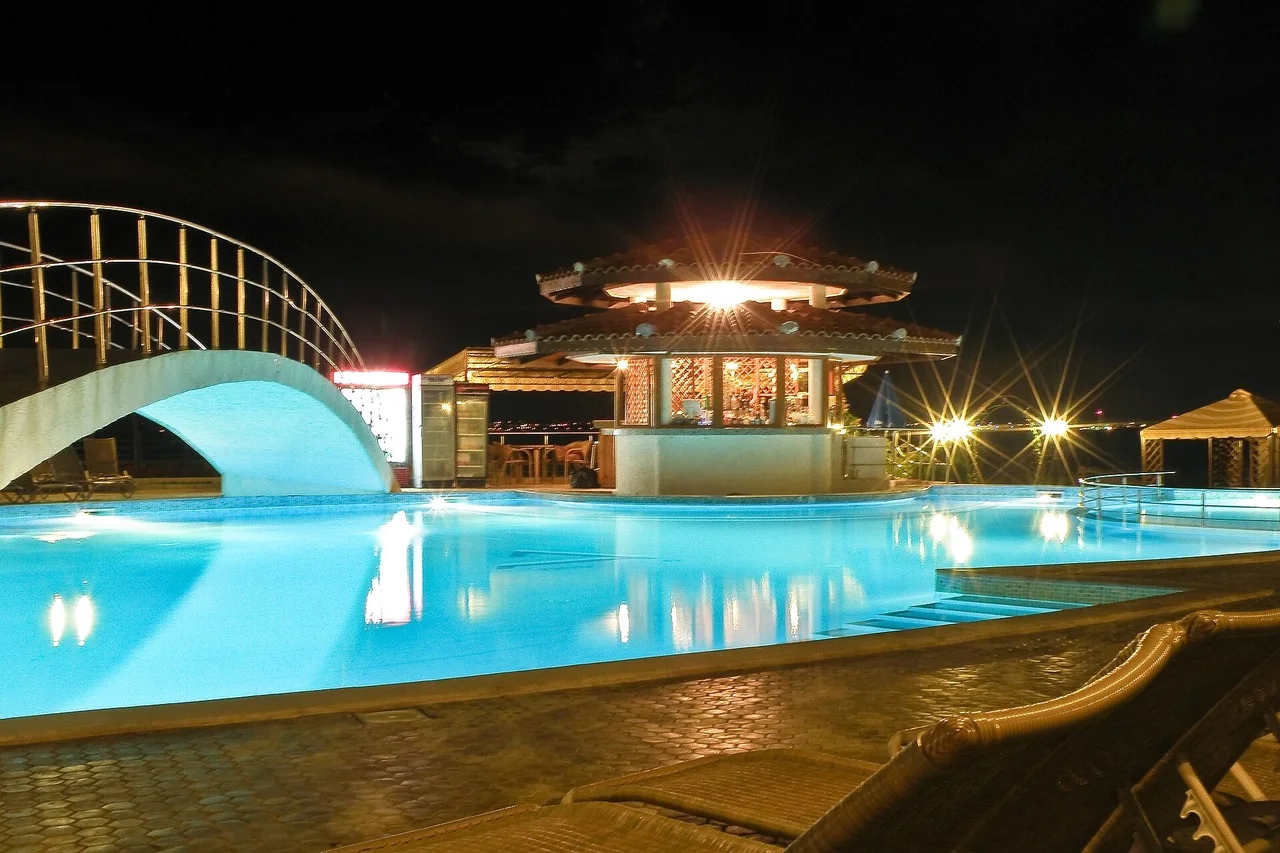
Where all-inclusive actually works
Not every resort suits the format, and the coast splits fairly cleanly. Our ranking of all 12 Black Sea resorts covers the wider choice; these are the ones built for a wristband.
Sunny Beach has the deepest stock and the lowest prices, and it’s the resort where all-inclusive most often pays, because food and drink on the strip are priced for a captive holiday crowd. Golden Sands is the greener version, with hotels stacked up a forested slope and a cluster of GRIFID properties running premium boards, including two that are adults only from 16, which is genuinely useful to know if the phrase “family resort” makes you flinch. We settle the choice between the two in Sunny Beach vs Golden Sands.
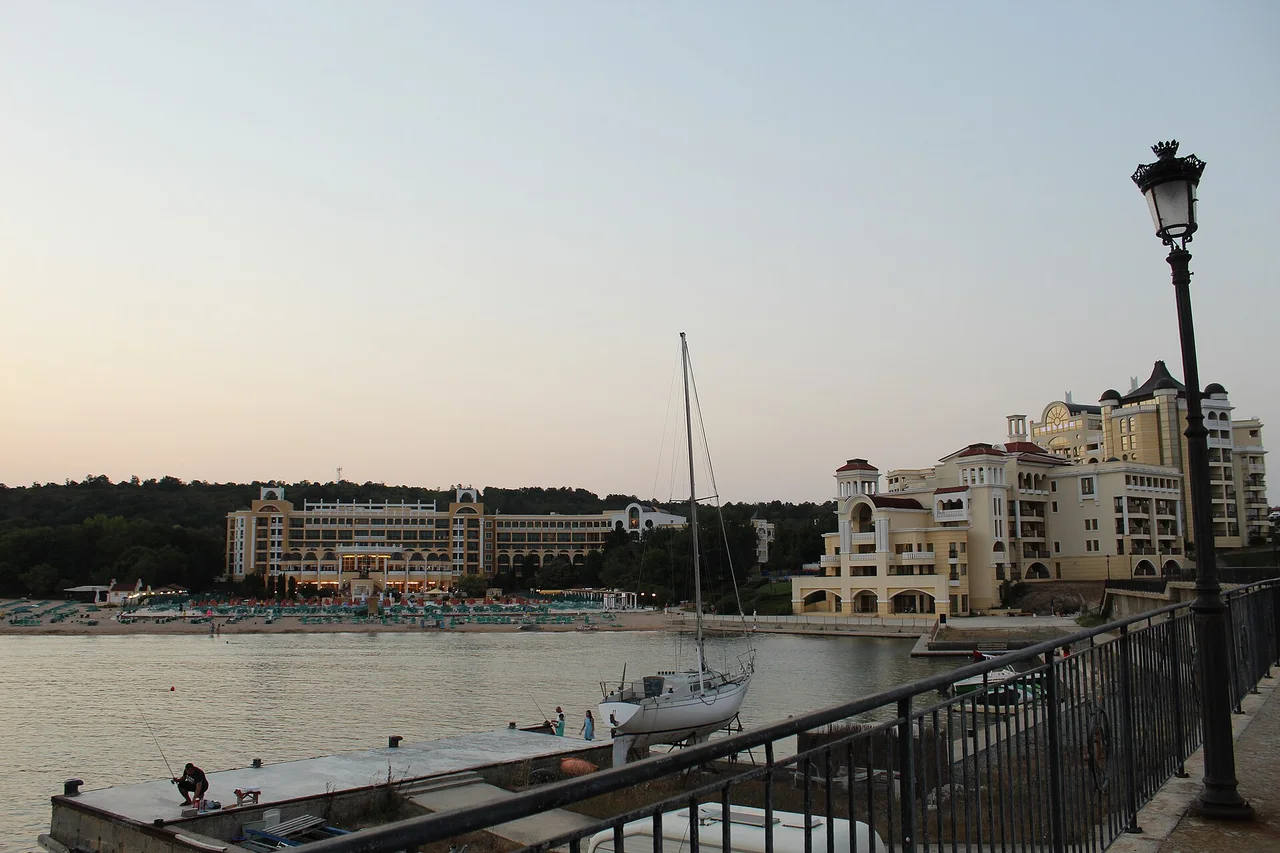
Albena is the family answer: largely car-free, free shuttle buses, a long shallow beach and hotel after hotel geared to children. Duni Royal Resort, a pedestrian resort village in a protected coastal reserve near Sozopol, and the gated Elenite further north do the self-contained thing for people who want the gates closed behind them. Sveti Vlas is the quiet, pricier option a couple of kilometres from the Sunny Beach noise.
Booking it well in 2026
Prices are in euro now. Bulgaria joined the eurozone on 1 January 2026 at a fixed 1.95583 leva, and shops showed both currencies until 8 August 2026, when that year-long rule ended, which our euro changeover guide explains in full. The changeover itself added an estimated 0.3 to 0.4 percentage points to inflation in January 2026, concentrated in restaurants, hotels and personal services before fading out. Resort prices have crept up year on year, as the Post Office basket shows, but the euro isn’t the reason.
There’s leverage this year, and it is worth using. Bulgaria’s tourism minister said in June 2026 that foreign arrivals were down 4.3 per cent for January to April against 2025 while the EU as a whole grew 4.5 per cent, with the German and Romanian markets the weakest. His line was that the resorts were ready and clean and empty. A soft season means late deals and room to haggle over the board upgrade, so don’t treat the brochure supplement as fixed.
Three practical points. Book the airport that matches the resort, since Burgas serves the south and Varna the north and getting it wrong costs you an hour and a fare. Go in June or September if you can, when the sea is the same temperature and the rates aren’t, as our best time to visit guide sets out. And leave at least two dinners outside the hotel, because Bulgarian food at a village grill costs about what the buffet’s dessert section is worth and it’s the part of the trip you’ll remember.
So which board should you book?
Families with children and anyone who plans to spend the week between the pool and the beach should take standard all-inclusive at Sunny Beach, Albena or Golden Sands, and check the sunbed line before paying for the plus tier. Couples who want to drink properly and eat one good meal a day are better off on ultra all-inclusive at a quieter resort, or on bed and breakfast in an old town, with nothing in between making much sense. Anyone touring the country should take half board or skip the format entirely.
The test is the same in every case. Find the bed-and-breakfast rate for your hotel and your dates, subtract it from the all-inclusive rate, divide by the number of nights and people, and ask whether you would spend that much on food, drinks and sunbeds in a day here. In Bulgaria, more often than not, you would. If you’re still choosing a base rather than a board, where to stay on the Black Sea coast narrows it down first.
Good to know
Board contents, meal times and prices are 2026 figures checked on 4 August 2026 against hotel and resort sources (albena.bg, imperialpalacehotel.bg, grifidhotels.com), the Post Office Travel Money family holiday report of July 2026 and Bulgarian booking sites. Every hotel writes its own all-inclusive terms and changes them by season, so read your own hotel sheet before you book.
Details checked: August 4, 2026
Read also

Cities · 10 min read
Bulgaria's Spa Towns: Velingrad, Hisarya & More
Verified · August 31, 2026Compare Velingrad, Sandanski and Hisarya: water temps, climate, Roman walls, when to go year-round, and real 2026 spa-hotel rates.

Cities · 12 min read
Where to Stay in Pamporovo: Hotels & Chalets
Verified · August 22, 2026Pamporovo hotels, chalets and apartments by lift base: Malina vs Studenets, why "renovated" is not "new", and how to price a bed.

Cities · 14 min read
2 Days in Sofia: The Perfect Weekend Itinerary
Verified · August 20, 2026A 2-day Sofia itinerary for a Friday-to-Sunday trip: Nevsky, Serdica, Boyana Church, real euro prices, and what actually fits in one weekend.

Cities · 9 min read
Where to Stay in Burgas: Best Areas & Hotels
Verified · August 10, 2026Where to stay in Burgas: city centre for a first visit, Sea Garden for beach and park, Lazur for quiet value, or Sarafovo by the airport.