
Sofia to Veliko Tarnovo: Bus & Train Guide
Sofia to Veliko Tarnovo by bus (~3h, ~12-26 EUR, direct) beats the train (~5h, change at Gorna Oryahovitsa). Times, fares and driving the A2 Hemus.
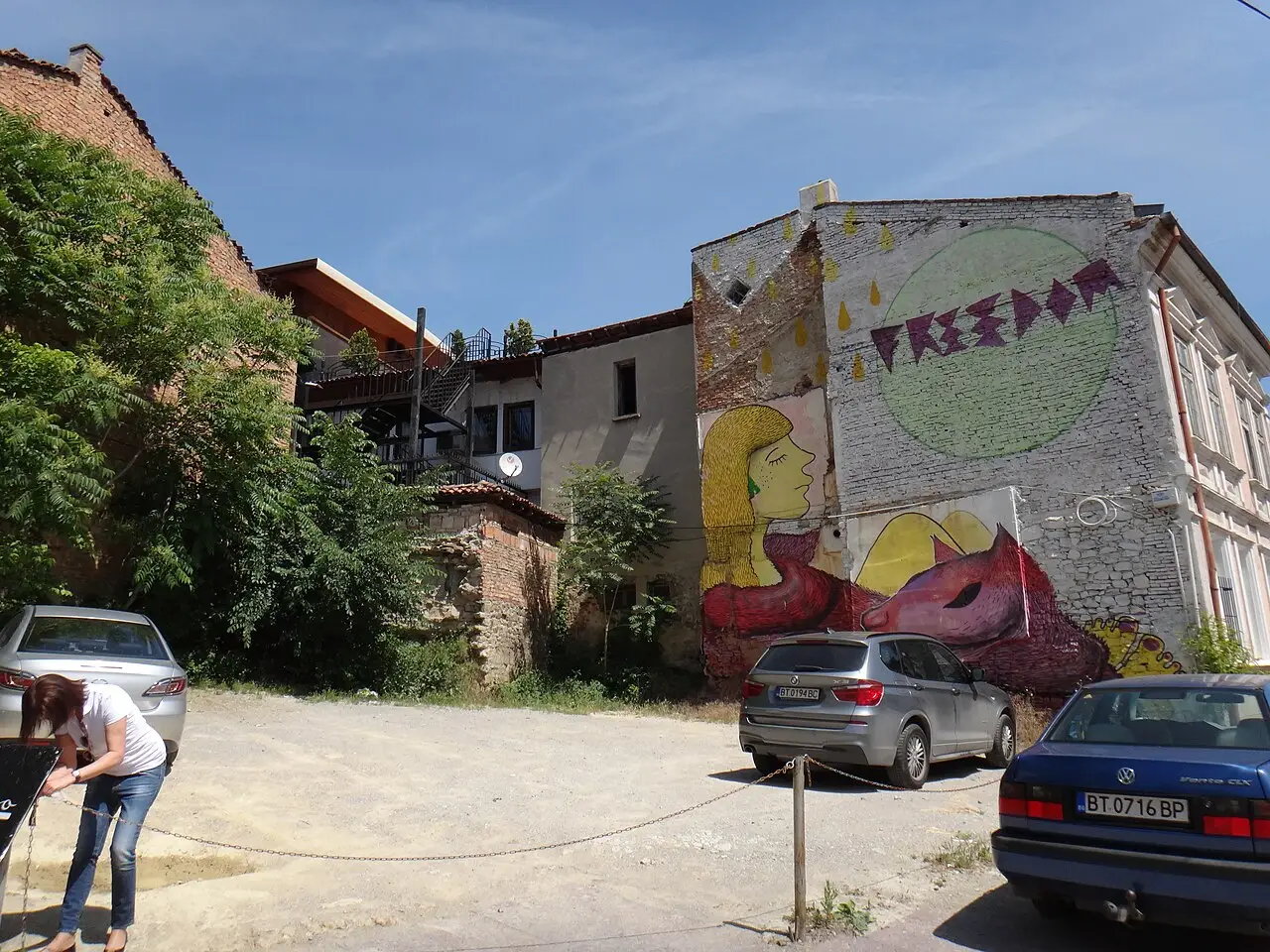
Take the bus. Sofia to Veliko Tarnovo is one of the rare Bulgarian routes where the choice is genuinely simple: a direct coach covers the roughly 230 km in about three hours for around 12 to 26 EUR, running every couple of hours all day. The train looks tempting on a map but is a trap here, because there is no direct service to the city and you end up changing at a junction town, which stretches the trip to about five hours. A car gives you the freedom to stop in the Balkan mountains on the way, but the drive is longer and slower than people expect because the motorway is only half-built.
So the quick version: for almost everyone the direct bus is the answer, cheap and frequent and no fuss. Take the train only if the rail journey itself is the point and you don’t mind the change and the extra two hours. Drive or book a transfer if you want to break the trip at a mountain pass, are travelling as a group, or plan to carry on north to Ruse and the Danube afterwards. Here are the details that matter at each end.
The bus: direct, frequent, the obvious pick
The direct coach is what most people should book, and it does the job without drama. Services leave the Central Bus Station in Sofia (Tsentralna Avtogara, next to the central railway station and one metro stop from the middle of town), run mainly by Grup Plus and Etap-Adress with Union Ivkoni also on the route, and depart roughly every two hours through the day. Counting all operators there are around twenty-plus departures daily, with the first before dawn and the last late at night, so you are rarely waiting long for the next one.
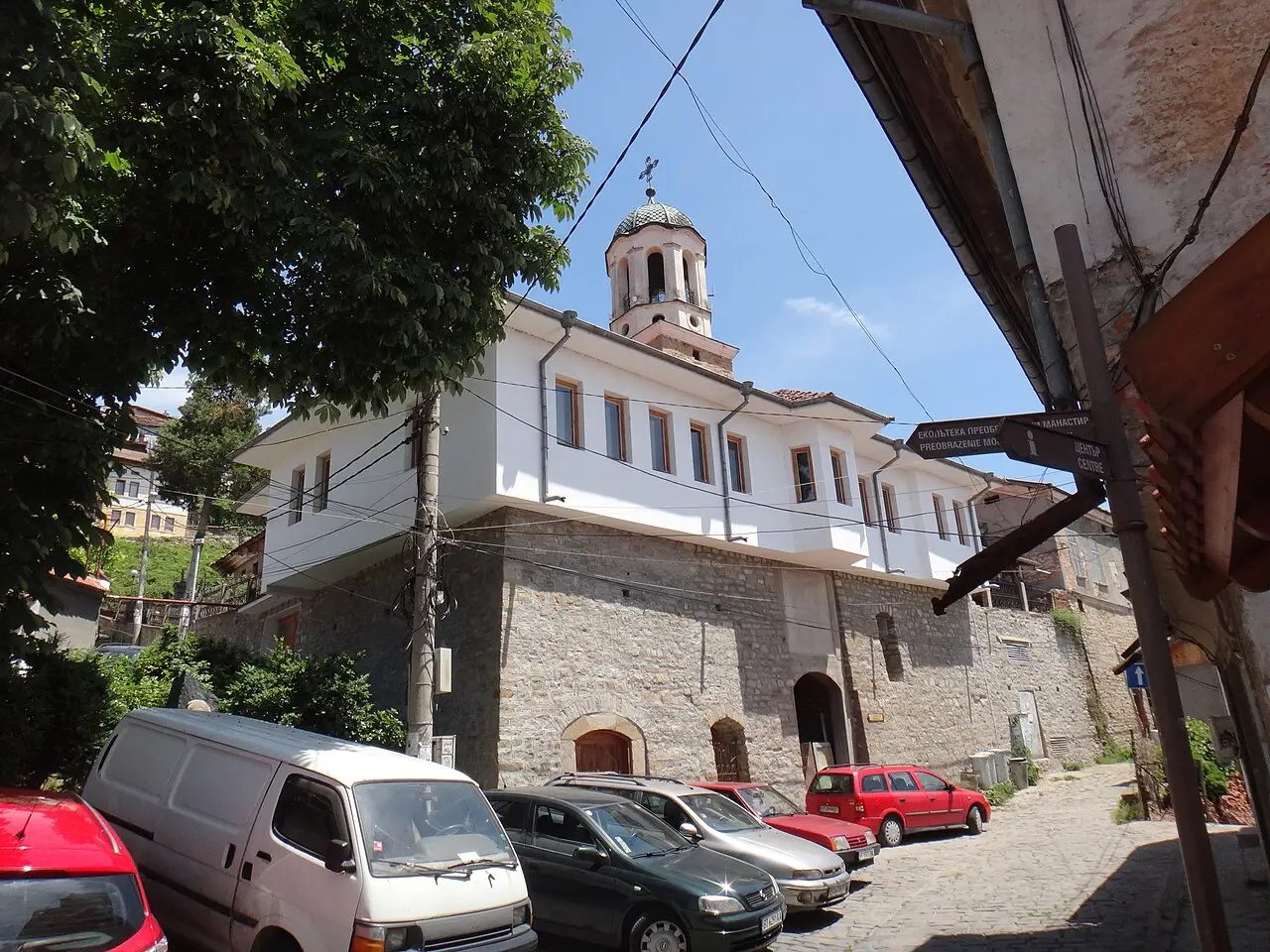
The run takes about three hours and fares sit around 12 to 26 EUR one way, with the cheapest advance tickets from roughly 12 EUR and an average nearer 13 to 16; the spread depends on the operator and how far ahead you book. You can buy at the station counter, but this is a popular route with locals and students as well as tourists, so on summer weekends and holidays it is worth booking a day ahead to be sure of a seat rather than waving off a full coach. The buses are comfortable modern coaches and the ride is easy, with the scenery opening up as you cross the Stara Planina.
One useful thing to know for the far end: the bus arrives at Veliko Tarnovo’s South (Yug) bus station, which isn’t in the old centre but a short taxi or local bus ride from it, since the historic core sits wrapped around the gorge where big vehicles can’t easily go. Have a little cash or a card ready for that last hop, or walk it if your bags are light and you fancy the descent into town on foot.
The train: why it is a trap here
The train is where people come unstuck, so it is worth being blunt: there’s no direct train from Sofia to Veliko Tarnovo. The main line runs through Gorna Oryahovitsa, a railway junction town about 10 km from Veliko Tarnovo, and that’s as close as the through-trains get. To reach the city itself you get off at Gorna Oryahovitsa and change to a local train, the regular bus line number 10, or a taxi for the last stretch.
Add it all up and the train comes to about five hours against the bus’s three. The Sofia to Gorna Oryahovitsa leg alone is roughly three hours fifty by BDZ, running every four hours or so at around 8 to 13 EUR in second class, and then the local connection is another 20 minutes or so plus whatever you wait for it. It’s a pleasant enough ride and cheap, and Gorna Oryahovitsa is a real working rail town if that appeals, but for a straightforward trip to Veliko Tarnovo the train simply loses to the bus on both time and convenience. Take it only if you actively enjoy train travel and are relaxed about the change; otherwise the coach is the sensible choice and there’s no shame in it.
If you do go by rail, check the current BDZ timetable at bdz.bg when you travel rather than trusting an old schedule, and time your arrival at Gorna Oryahovitsa so you’re not left waiting long for the onward hop, especially in the evening when local connections thin out.
Driving the A2 Hemus, and its half-built catch
Renting a car makes sense for a specific kind of traveller, but go in with realistic expectations about the road. The route heads east from Sofia on the A2 “Hemus” motorway, and here’s the catch that catches drivers out: the Hemus isn’t finished. Only the Sofia to Yablanitsa section is true motorway, carrying you over the Stara Planina; east of there you drop onto ordinary two-lane road towards Veliko Tarnovo while the middle section is still under construction. That is why the honest drive time is about three to three and a half hours for the roughly 230 km, not the two and a half you might guess from “motorway most of the way”.
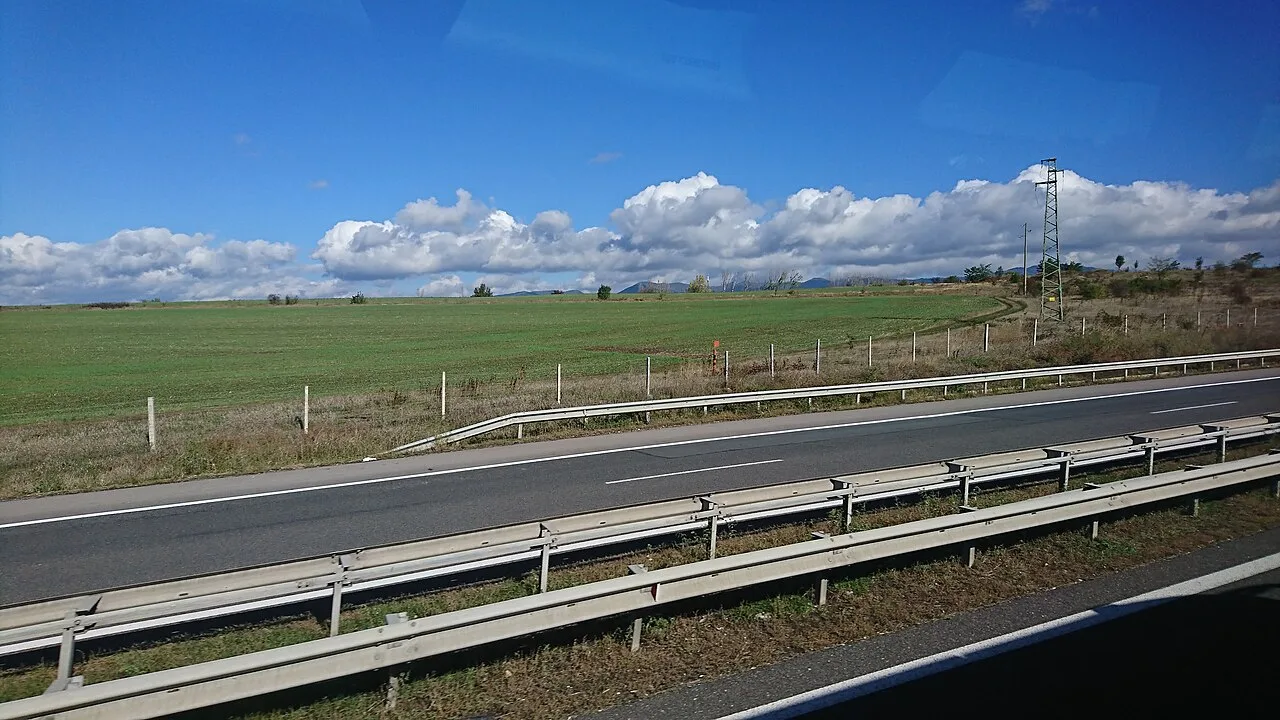
You need an e-vignette for the motorway section, bought online in a couple of minutes; our guide to driving in Bulgaria covers the vignette, the limits and the rules that get tourists fined, so read it first if this is your first drive here. Where the car earns its place is the freedom to stop: the Stara Planina crossing has passes and villages worth a pause, and if you’re continuing to Ruse on the Danube or looping back through the northern towns, a car saves the backtracking that public transport forces. For a straight there-and-back to Veliko Tarnovo, though, the bus is less hassle than parking a car in a town built on cliffs.
A private transfer covers the same route with someone else driving and can pull over where you like on the way, which suits a group or anyone who wants the mountain scenery without the wheel. For two or three sharing, the per-head cost lands within reach of the flexibility it buys.
So which one should you take?
For the overwhelming majority: take the direct bus. Three hours, 12 to 26 EUR, a departure every couple of hours, and it drops you a short ride from the old town. Take the train only if you love rail travel and don’t mind the change at Gorna Oryahovitsa and the extra two hours; it’s cheap and scenic but slower and fiddlier. Drive or book a transfer if you want to stop in the Balkan mountains, are a group splitting the cost, or plan to carry on north afterwards, and remember the Hemus is only half motorway so allow three hours plus.
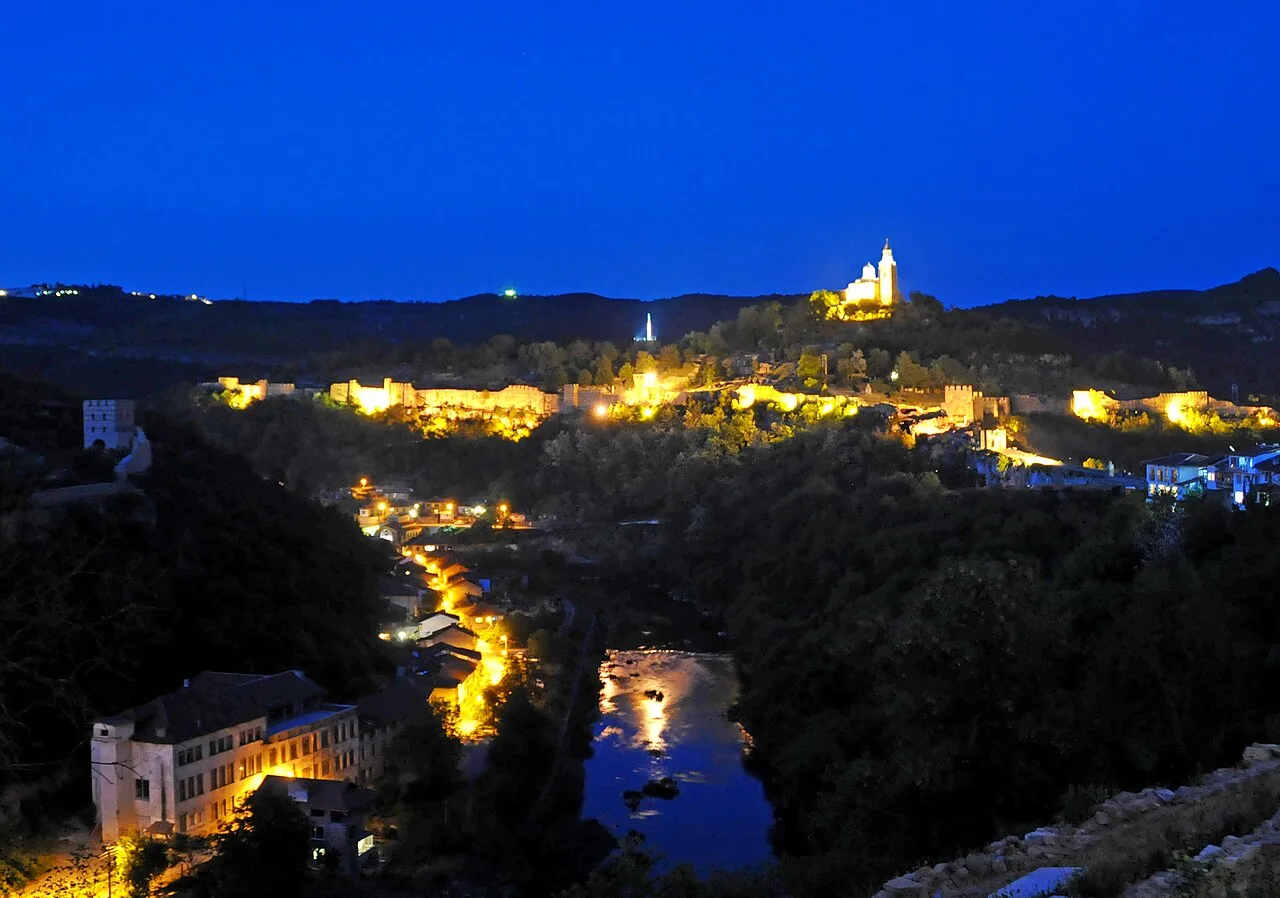
Whichever you pick, the times and fares here move with the season and the operator, so treat them as a solid guide and check the current schedule when you book. Veliko Tarnovo is far enough from Sofia that it is better as an overnight than a day trip, and our full guide to Veliko Tarnovo lays out Tsarevets, the Samovodska craft street and what is worth your time once you arrive.
Read also

Transport · 12 min read
Sofia to Borovets: 70 km, ~1h, Bus from €5
Verified · September 5, 2026Sofia to Borovets (~70 km, 1-1.5h): public bus via Samokov from ~€5, seasonal shared shuttles from €8/pp, private transfer from ~€79.

Transport · 11 min read
Plovdiv to Pamporovo: Bus & Ski Transfer
Verified · September 3, 2026Plovdiv to Pamporovo is about 80 km via Chepelare. Bus from Rodopi station, winter airport transfer, or drive - how to choose.

Transport · 9 min read
Sofia to Sunny Beach: Bus, Train & Transfer
Verified · August 24, 2026Direct coaches Sofia to Sunny Beach year-round (~7h, from ~€21), train only to Burgas, or a fixed private transfer. Times, stops and when each wins.

Transport · 11 min read
Burgas to Sozopol Bus 2026: €3.37, 40-50 Min
Verified · August 21, 2026Burgas South Sector 5 to Sozopol: bus 3.37 euro, about 40-50 min; taxi/transfer about 30-40 min. Buses about every 30 min. Checked Aug 2026.