
Where to Stay in Veliko Tarnovo: Best Areas & Hotels
Where to stay in Veliko Tarnovo: the Old Town along Stefan Stambolov, the Varusha guesthouse quarter, fortress-view hotels and Arbanasi. Euro prices.
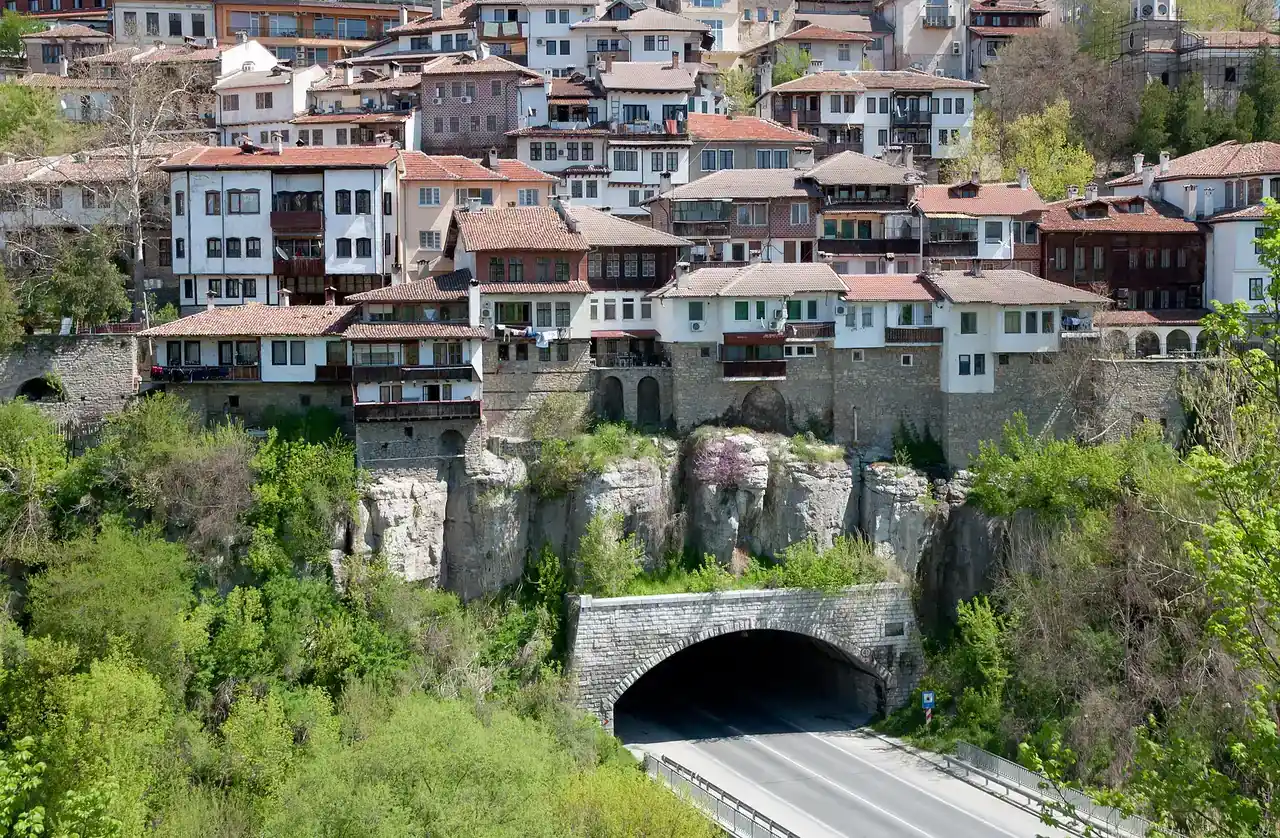
For a first visit, sleep in the Old Town along or just off Stefan Stambolov street, the spine of the old quarter, where the fortress, the craft bazaar and the best river views are all a short, if hilly, walk apart. Want traditional character over convenience? The Varusha quarter is a knot of cobbled lanes and family-run guesthouses. After a room that stares straight at the floodlit fortress? Base near Tsarevets. And if you are counting cents, the newer town and the streets around the bus station are cheaper and still walkable.
The thing to understand about Veliko Tarnovo is that it is built almost vertically, in tiers up the sides of the Yantra gorge. That changes what you’re choosing between: not distance, because the whole old town fits in a twenty-minute walk, but height, steps and which way your balcony faces. The best rooms here aren’t the big hotels but the guesthouses cantilevered over the river, and what follows weighs each area on the view you wake up to and the stairs you pay for it with, in real euro prices now that Bulgaria is on the euro.
The short version
- First visit, easy base: the Old Town on or near Stefan Stambolov street, the one street a taxi and a bus can actually reach.
- Atmosphere and guesthouses: the Varusha quarter, cobbled and quiet, near the Samovodska Charshia craft street.
- A fortress view from bed: hotels near Tsarevets, or a gorge-edge guesthouse balcony.
- Modern comfort, flat streets, restaurants: the new town and central squares.
- Cheapest beds: the outer streets and the area by the bus station, a short bus or taxi from the sights.
- A calm alternative: the frescoed village of Arbanasi, four kilometres up the hill, if you have a car.
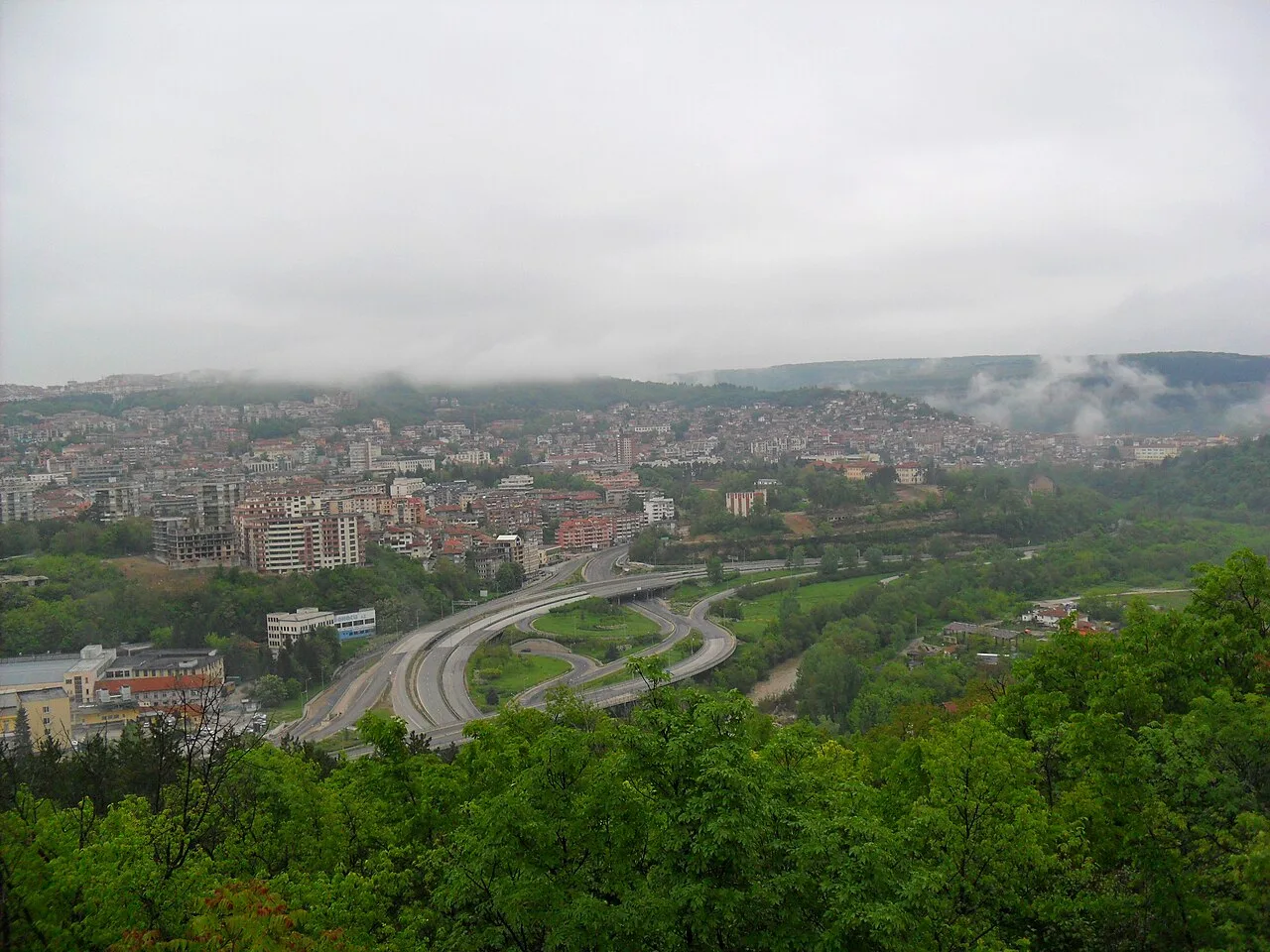
The Old Town: Stefan Stambolov and the gorge balconies
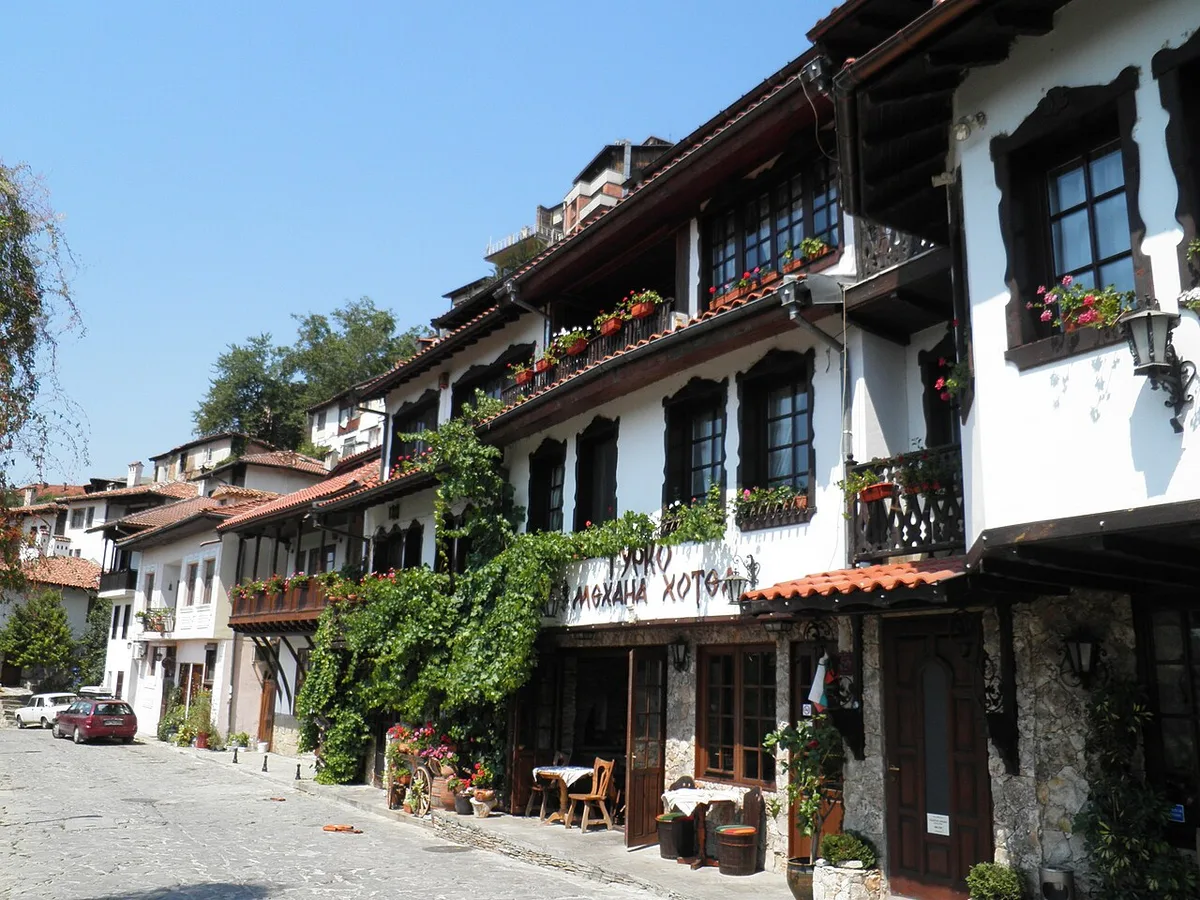
For most people this is the right call. Stefan Stambolov street runs the length of the old quarter and is, in practice, the one street with proper access, the route the local buses take and the line a taxi can drop you on without a hike. Off it you’re within a short walk of Tsarevets, the Samovodska Charshia craft bazaar, the restaurants and the classic viewpoints. It has the widest choice too, from small guesthouses to a few full-service hotels like the four-star Meridian Bolyarski or Hotel Panorama, both with a pool.
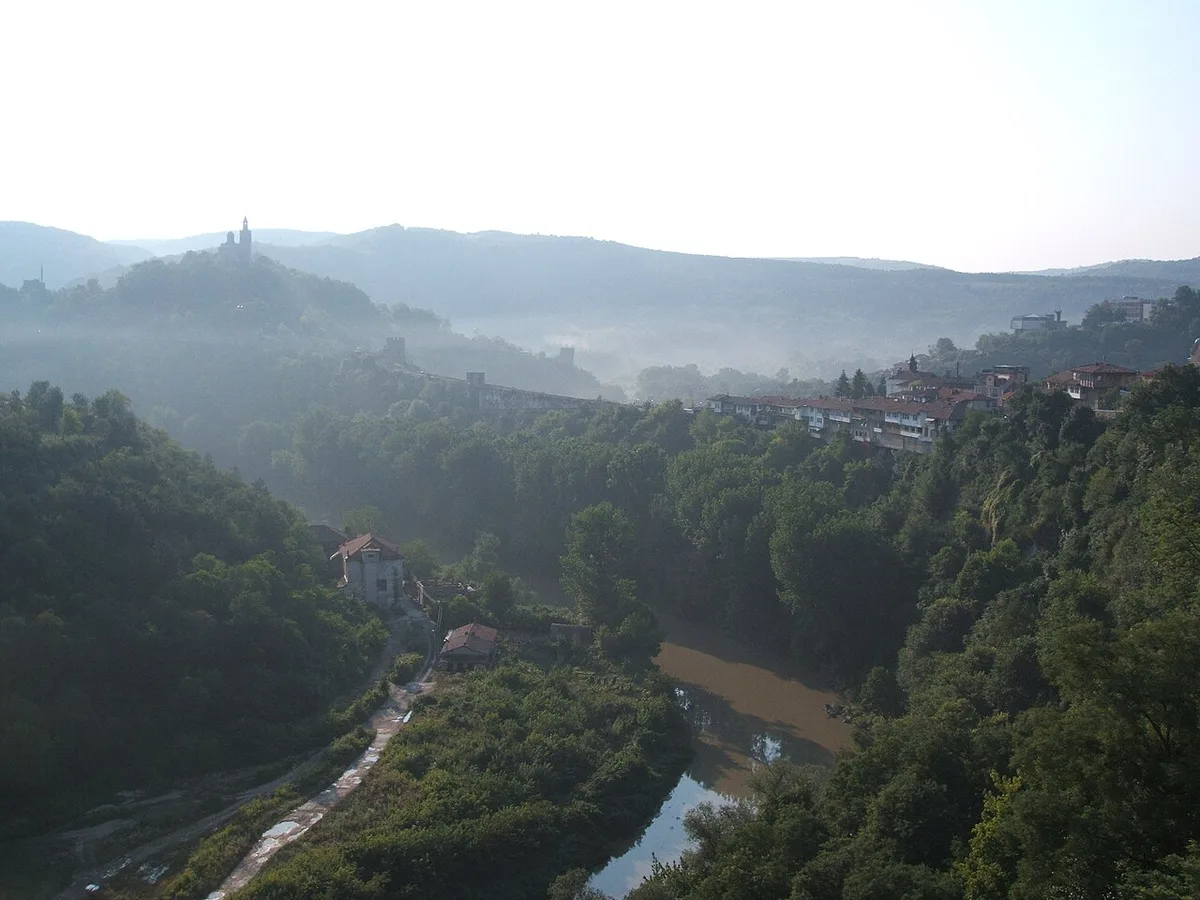
The rooms to hunt for are the ones on the gorge side. Because the street traces the lip of the ravine, the buildings drop away behind it, so a back room or a balcony can hang right over the Yantra with the wooded slopes and the tiered houses opposite. That view is the whole reason to sleep here rather than in a modern block, and it costs surprisingly little. Ask specifically for a room “with a view” (some go for around 50 euro even at a modest two-star like Hotel Stambolov) and check which side it faces before you book.
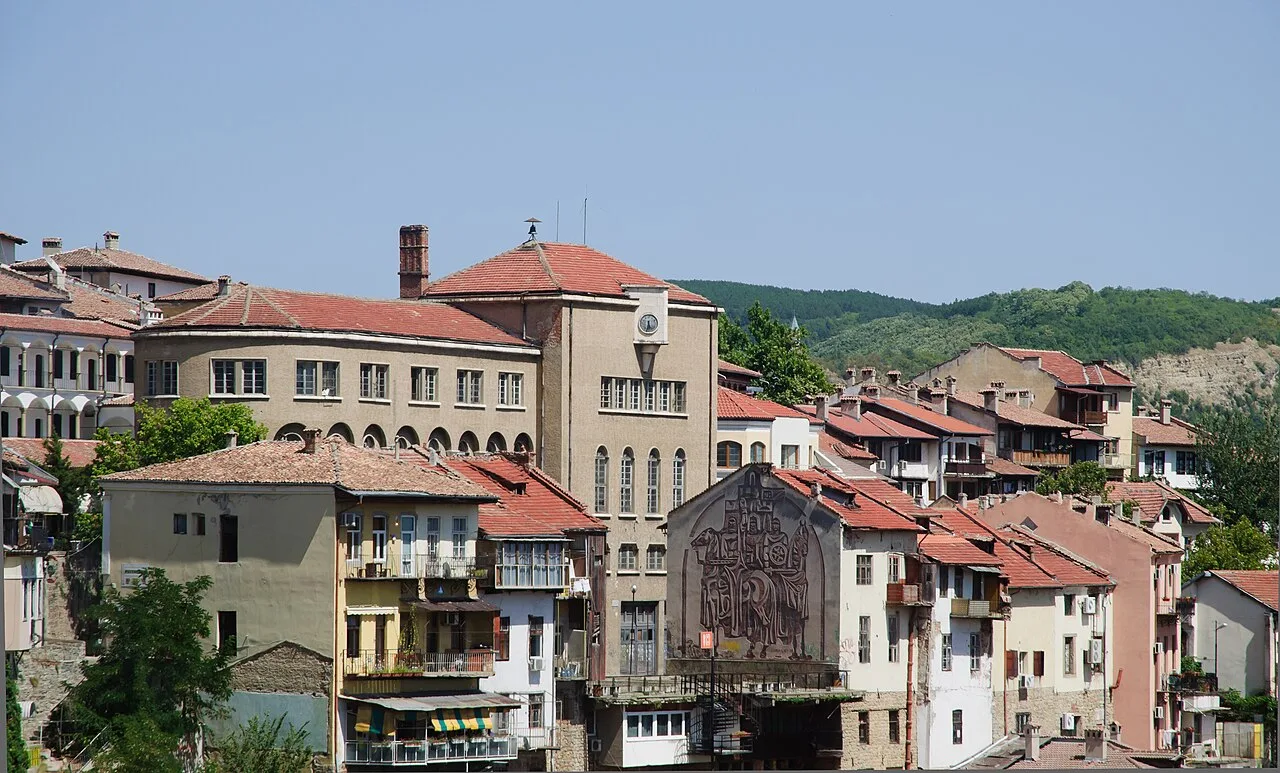
Varusha: the guesthouse quarter for atmosphere
Just above and behind the main street climbs Varusha (you’ll also see it written Varosha), the old Revival-era residential quarter and the most characterful place to sleep. Its cobbled lanes are lined with 19th-century houses, small artisan workshops and family-run guesthouses, and it sits right by the Samovodska Charshia, the restored craft bazaar. Wake up here and you step straight into the prettiest, quietest part of town, a few minutes’ walk uphill from the restaurants and shops.
The trade-off is the trade-off of every old quarter: the lanes are steep cobbles, cars barely fit, and you’ll haul your bag the last stretch on foot. This is the pick for couples and anyone who came for the mood rather than the mini-bar; it’s the wrong call if you are wheeling a heavy suitcase between early buses. Nearby, Gurko street, a steep cobbled row of Revival houses generally called the most photographed street in Bulgaria, has guesthouses with knockout balconies, and the same warning about the climb applies double.
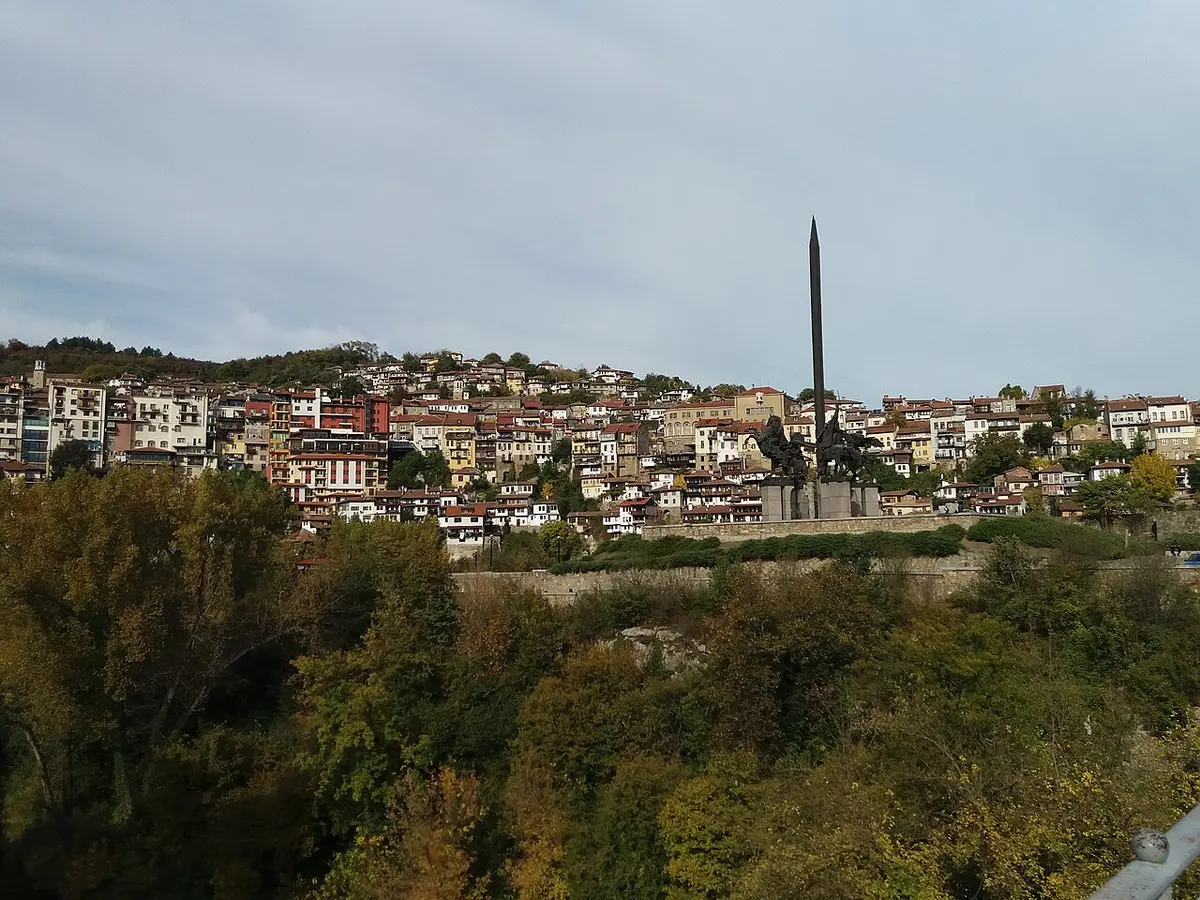
For the Tsarevets view
If the image in your head is a balcony facing the great floodlit fortress, aim for the streets near Tsarevets, at the eastern end of the old town about a fifteen to twenty minute walk from the centre. A cluster of hotels here’s built around that view: the four-star Grand Hotel Yantra is the one people name for its terrace over the fortress, with smaller places like Hotel Studio and the Boutique Hotel Tsarevets a short stroll from the gate. You pay a little more for the outlook, and you’re slightly further from the restaurants, which is the honest trade.
One money-saving note worth knowing before you splurge on a fortress-facing suite. The Sound and Light show that lights up Tsarevets on certain evenings is free to watch from Tsar Asen I Square, right in front of the hill, so you don’t have to book a view room to see it. A fortress-facing balcony is a lovely bonus, not a requirement; if it’s only the show you want, any room in the old town leaves you a short walk from the best free seat in the house.
The new town and central squares
If steep cobbles and low-ceilinged old houses aren’t your thing, the newer centre just west of the old quarter is flatter, more modern and closer to everyday restaurants, banks and shops. This is where the larger contemporary hotels sit, the four-star Grand Hotel Veliko Tarnovo and Hotel Premier among them, along with mid-range places on quiet central streets a five-minute walk from the action. You lose the Revival atmosphere and the drop-away views, but you gain lifts, easy parking and a level walk to dinner.
It suits families, anyone travelling with a car, and travellers who would rather not negotiate cobbles at the end of a long day. It’s also the sensible base if you’re here for a conference or passing through on business rather than sightseeing. For a short heritage-focused trip, though, most people are happier paying the same money for a characterful room in the old town.
Cheaper beds, and Arbanasi as an alternative
For the lowest prices, look at the outer streets and the area around the bus station, below and west of the centre. Rooms here are cheaper and perfectly fine, the catch being a duller setting and a short bus or taxi ride, or a longer uphill walk, to reach the old town. It’s a fair deal if you are here to sleep between journeys, less so if the setting is the whole point.
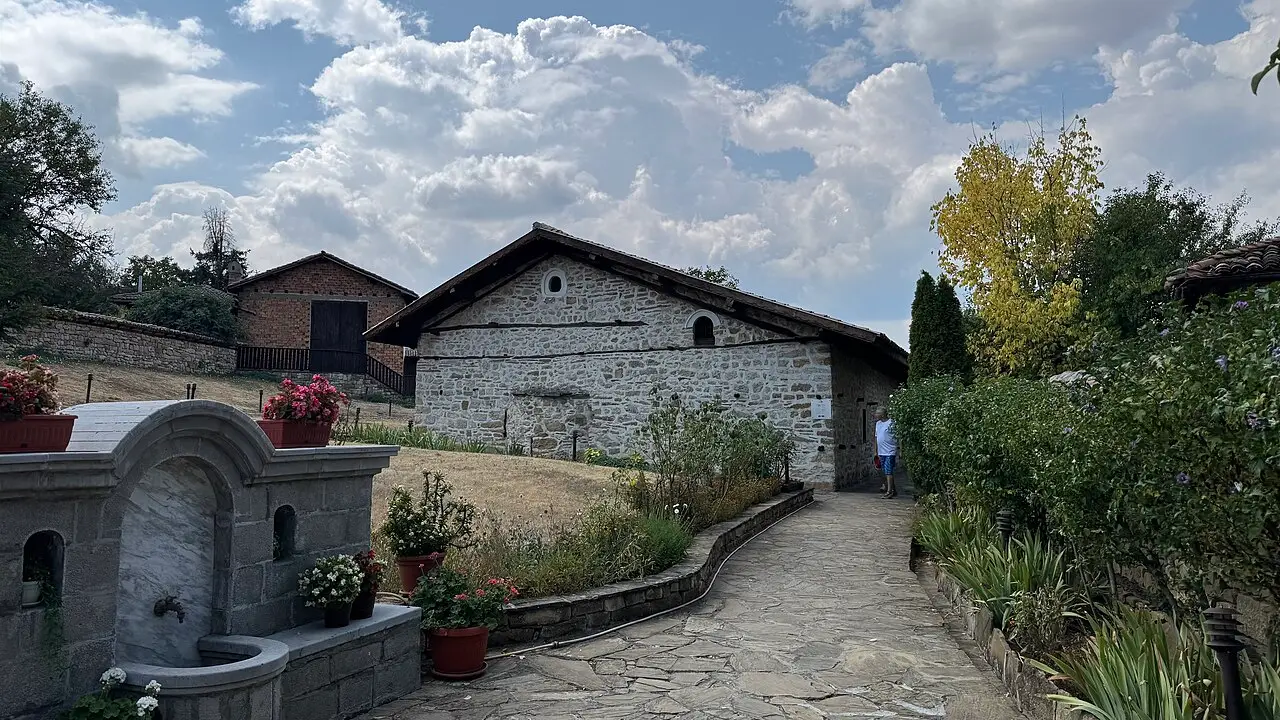
The nicest alternative to staying in town at all is Arbanasi, a historic village of stone-walled houses and famously frescoed churches spread across the plateau about four kilometres up the hill. It is cooler and calmer than the town, with wide views back over Veliko Tarnovo and the fortress, and it has grown a crop of boutique and spa hotels in restored old mansions. The catch is simple: you will want a car or a taxi to get down to the town’s restaurants and sights, so it works best for a relaxed couple of nights rather than a base for busy sightseeing.
Getting around, and do you need a car?
Inside Veliko Tarnovo you don’t need a car, and in the old town you actively don’t want one: the lanes are steep, narrow and short on parking. Everything in this guide is walkable, if not always flat, and Stefan Stambolov street is the one line you can rely on a taxi or local bus to reach. A car earns its keep only if you plan to sleep in Arbanasi or day-trip to the rock churches of Ivanovo and the villages around, in which case park it and walk once you are in the centre.
Most visitors arrive from the capital, about 230 km northeast, and the easy options are the bus or a drive rather than the slow train; our guides to getting from Sofia to Veliko Tarnovo and Plovdiv to Veliko Tarnovo lay out the times and fares. For everything there’s to see once you’ve dropped your bags, our guide to Veliko Tarnovo and Tsarevets fortress walks the old town in order.
What it costs, and how to book
Veliko Tarnovo is one of the better-value towns in a country that’s already cheap. As a rough guide, a budget guesthouse room runs from around 20 to 35 euro a night, a comfortable three or four-star sits somewhere around 40 to 60 euro, and the handful of top hotels climb to roughly 80 to 120 euro. Treat those as ballparks, higher on summer weekends and around festivals, and confirm the real figure on your own booking. Dual euro-and-leva price tags were mandatory until 8 August 2026 and have since ended, fixed at 1.95583 leva to the euro, and expect a small nightly tourist tax per person, usually well under a euro, settled at check-out.
The method is the same one that works everywhere: pick the area first from the guide above, then compare on price and reviews within it. For the old town and Varusha, the single most useful filter is the view, so read the balcony photos carefully and ask which way the room faces, and check how close a car or taxi can actually get if you are arriving with luggage. Do that and Veliko Tarnovo rewards you with a balcony over a medieval gorge for the price of a bland room further west. If the town is one stop on a bigger loop, our 7-day Bulgaria itinerary shows how it links to Sofia and the coast, and if you are crossing into Romania it pairs naturally with Ruse and the Danube on the way to Bucharest.
Good to know
Room rates and the small nightly tourist tax are shown in euro (Bulgaria joined the eurozone on 1 January 2026; fixed 1.95583 leva = 1 euro), dual price tags were mandatory until 8 August 2026 and have since ended, so expect euro only on the bill. Prices are seasonal and vary by hotel - confirm the current rate on your own booking.
Details checked: July 21, 2026
Read also

Cities · 10 min read
Bulgaria's Spa Towns: Velingrad, Hisarya & More
Verified · August 31, 2026Compare Velingrad, Sandanski and Hisarya: water temps, climate, Roman walls, when to go year-round, and real 2026 spa-hotel rates.

Cities · 12 min read
Where to Stay in Pamporovo: Hotels & Chalets
Verified · August 22, 2026Pamporovo hotels, chalets and apartments by lift base: Malina vs Studenets, why "renovated" is not "new", and how to price a bed.

Cities · 14 min read
2 Days in Sofia: The Perfect Weekend Itinerary
Verified · August 20, 2026A 2-day Sofia itinerary for a Friday-to-Sunday trip: Nevsky, Serdica, Boyana Church, real euro prices, and what actually fits in one weekend.

Cities · 9 min read
Where to Stay in Burgas: Best Areas & Hotels
Verified · August 10, 2026Where to stay in Burgas: city centre for a first visit, Sea Garden for beach and park, Lazur for quiet value, or Sarafovo by the airport.