
Plovdiv to Bansko: Bus, Train & Ski Transfer
Plovdiv to Bansko by bus (two afternoon departures, ~3h), the scenic narrow-gauge train, a ski shuttle from Plovdiv airport, or driving the Rhodopes.
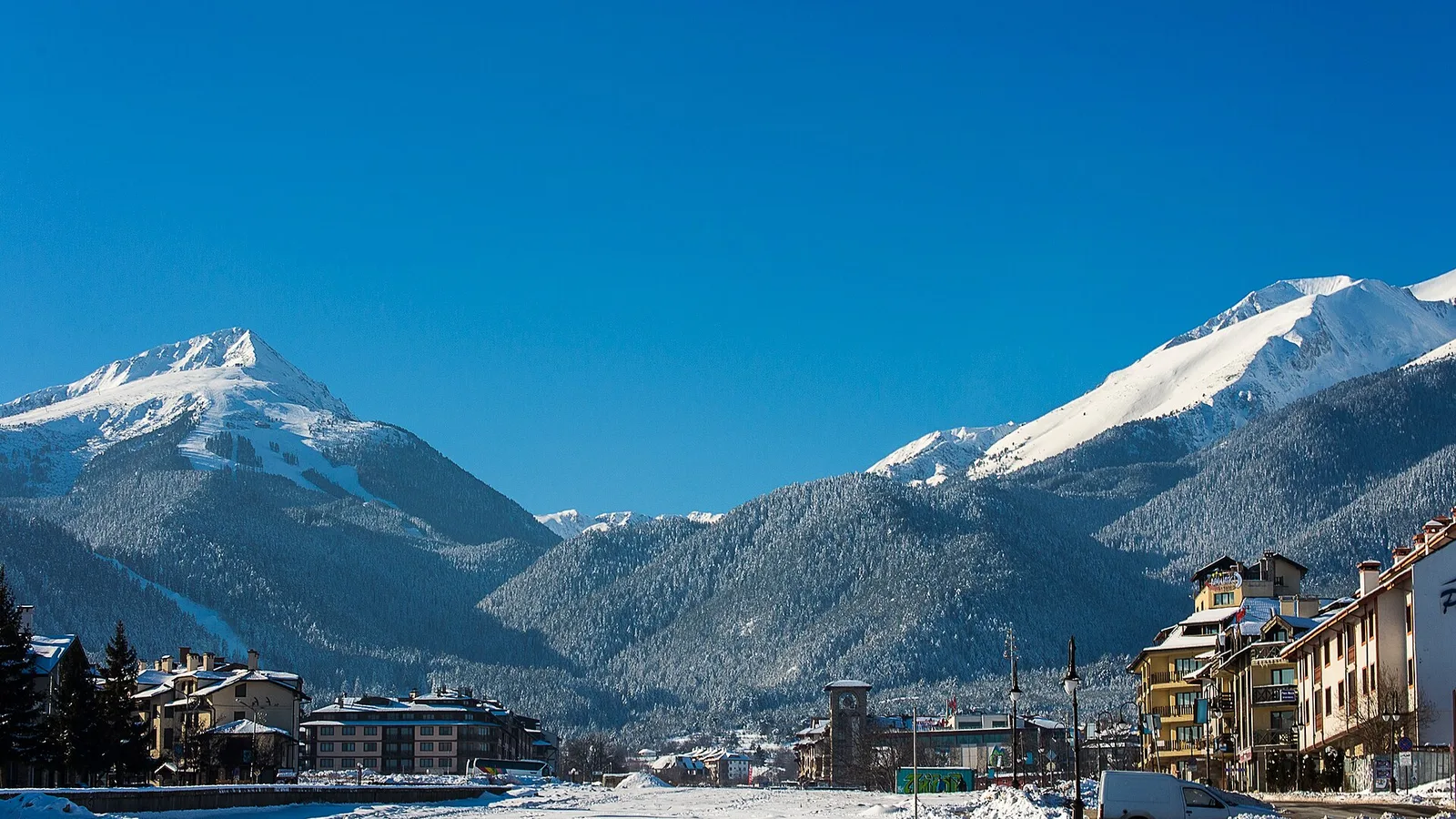
Plovdiv to Bansko is about 150 km, and unlike the well-trodden Sofia run, this one gives you a real choice: a cheap afternoon bus, one of Europe’s great scenic railways, a winter ski shuttle straight off a charter flight, or a two-and-a-half-hour drive through the Rhodopes. The bus is the budget pick at roughly 13 to 15 leva (about 7 to 8 EUR) and around three hours, but it only leaves in the early afternoon, so it’ll not save a day trip. The narrow-gauge train is the experience, not the shortcut, taking most of a day. And if you’re landing at Plovdiv airport with skis in December or January, the shuttle is the option built for you.
Here is the quick version. Already in Plovdiv and counting the coins: take the 13:00 or 14:10 bus from Rodopi station, but read the “does it actually stop in Bansko” warning below. Want the journey to be the point: ride the narrow-gauge line via Septemvri and give it a full day. Flying in on a ski charter: book the shared shuttle for the free ski bag, or a private transfer for a group. Touring the Rhodopes afterwards: hire a car. Times, fares and the seasonal catches that actually matter are all below.
The bus: two afternoon departures, and one catch
The direct bus is the budget answer, but it comes with a schedule quirk you need to plan around. Buses to Bansko leave from Plovdiv’s Rodopi bus station (the southern terminal, phone 032/65 78 28 if you want to confirm), and the official Bansko listing shows departures at 13:00 and 14:10. Both are afternoon slots. There’s no useful morning bus, so Plovdiv to Bansko as a same-day return is awkward, and most people treat this as a one-way leg to the resort rather than a day out.
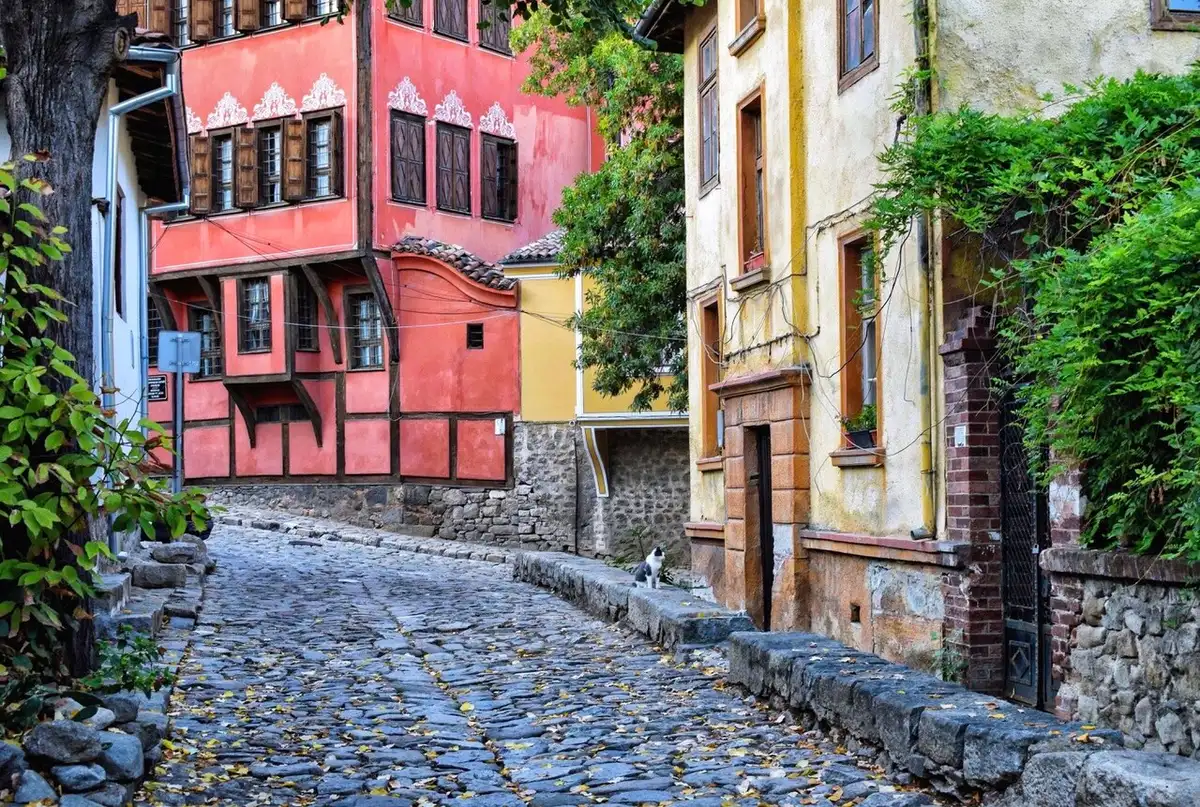
The catch is the same one that trips people up out of Sofia: many of these are through-buses, not Bansko terminators. The official schedule spells it out - most of the passing services are bound for Gotse Delchev further south, and Bansko is a stop on the way. Some of them drop on the main road below the town rather than pulling into Bansko itself. So confirm at the counter that your service genuinely stops in Bansko, and don’t just trust a booking app’s tidy “Plovdiv to Bansko” label. Tickets are usually bought at the station or on the bus with cash rather than reserved online, so turn up in good time for one of only two departures.
The ride is roughly three to three and a half hours. Neither the station nor the carriers publish a fare for this run, so treat the 7-8 EUR you will see quoted around the web as a traveller estimate and ask at the Rodopi desk - it is the only place the real number is stated. That’s genuinely cheap, and if it’s just you or you and one other person starting from Plovdiv, nothing else on this list beats it on price. The return works the other way: the early Bansko departure leaves around 06:50, so a day trip would mean an afternoon arrival and a dawn start back, which is why it rarely makes sense. Treat the timetable as fixed and check the current schedule the day before, because a twice-daily service is exactly the kind that shifts by season.
The narrow-gauge train: the ride worth taking for itself
This is the option Sofia travellers don’t really have, and it’s the reason to arrive in Bansko from Plovdiv at all if you like trains. Septemvri, the junction where the famous narrow-gauge line begins, sits right on the main Sofia to Plovdiv railway, about 40 km west of the city. So from Plovdiv you take a fast train to Septemvri (well under an hour on the standard-gauge mainline), then change onto the 760 mm Septemvri to Dobrinishte line, which stops in Bansko near the end of its run.
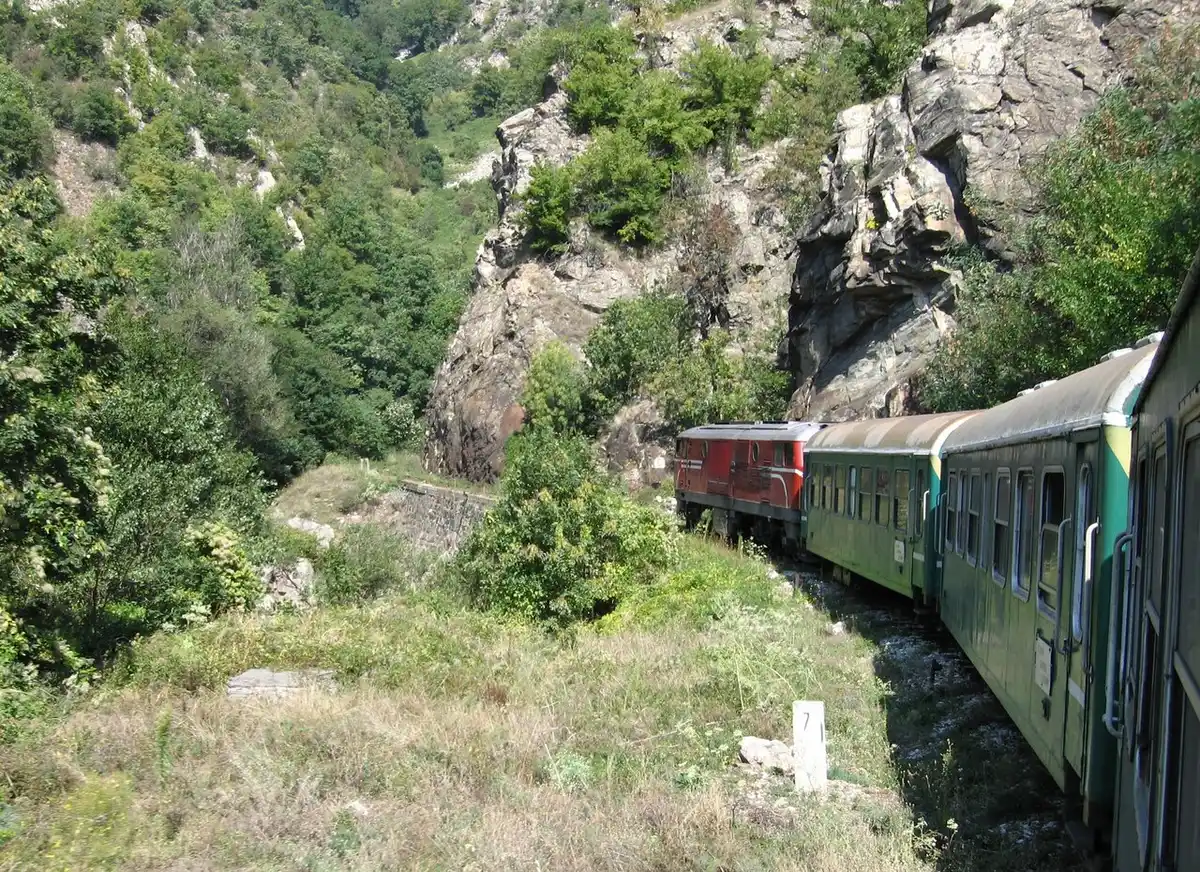
Be honest with yourself about what this is. The narrow-gauge stretch from Septemvri to Bansko takes about four to five hours on its own, crawling at an average of 25 km/h, with four departures a day. Add the fast train and the connection and you’re looking at close to six hours Plovdiv to Bansko. Nobody rides it to save time. You ride it because it is one of the loveliest slow journeys in the Balkans: 125 km of bridges, tunnels and spiral climbs through Velingrad, Yakoruda and Razlog, past Avramovo, at 1267 m the highest railway station in the Balkans. The Guardian named it one of Europe’s ten best sightseeing rail trips back in 2020, and it is dirt cheap, well under 10 leva for the narrow-gauge leg.
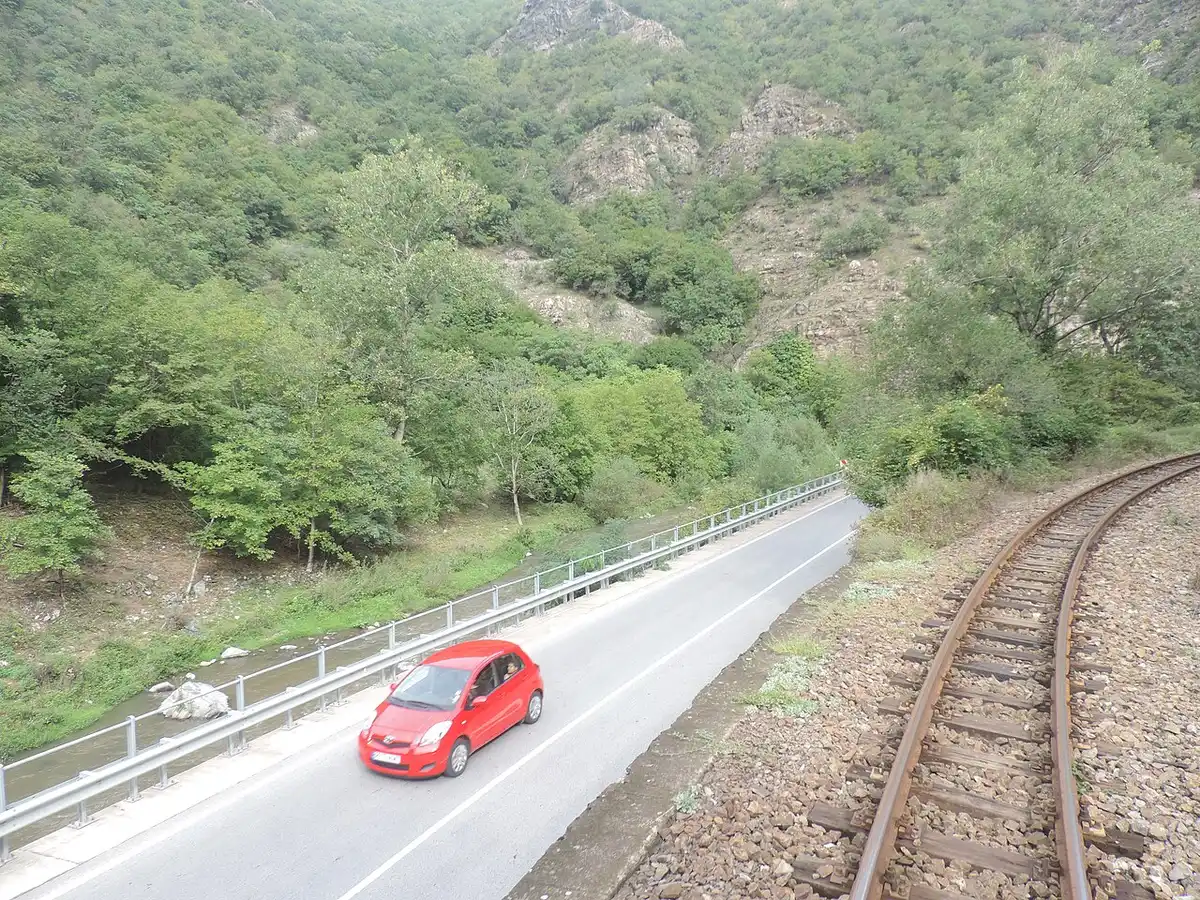
Two practical warnings. First, tickets for the narrow-gauge train are not sold online - you buy them at any Bulgarian station counter, so pick them up when you catch the fast train to Septemvri, or at Septemvri itself. Second, the timing is unforgiving: with only four narrow-gauge runs a day, a missed connection at Septemvri can cost you hours, so check the live BDZ timetable for the Septemvri to Dobrinishte route and build your fast-train departure around it rather than the reverse. If a scenic all-day journey is not what you want, this is the wrong tool and the bus or a transfer is faster and simpler.
Landing at Plovdiv airport: the ski-transfer option
Here’s a wrinkle Sofia doesn’t have. Plovdiv airport (PDV) is, in winter, essentially a ski-charter airport. From late December to March it fills with charter and low-cost flights from the UK - Jet2, TUI and Ryanair out of Manchester, Birmingham and London - carrying skiers straight to Bansko and Pamporovo. If you’re one of them, you’re not starting in Plovdiv city at all; you’re landing 12 km southeast of it with a snowboard bag, and the bus and train are no help.
For that trip the shared ski shuttle is the natural fit. Operators like SkiBansko (run by Traventuria) put on fixed-schedule shuttles from Plovdiv airport to Bansko through the winter season, meeting your flight and dropping you at your hotel. Fares start around 30 EUR per person, the run takes roughly three hours twenty, and crucially the price includes a ski or snowboard bag on top of your normal luggage, which taxis and airlines won’t carry for free. Book it before you fly, because the departures that line up with the big weekend charter arrivals fill first.
Prefer to skip the shared shuttle? A private transfer takes you straight from the terminal to your hotel door, no other stops. Local operators price it from about 75 EUR per car, rising a little in peak weeks, and once you split that across three or four passengers with ski bags, it lands in the same range as buying shuttle seats individually, just on your own timing. Families tend to default to this option, and booking a driver in advance works the same way if you want someone holding a sign when you land. Reconfirm the fare when you book, since winter prices climb through the school-holiday weeks.
Driving through the Rhodopes
Renting a car turns Plovdiv to Bansko into a drive of about two and a half hours over roughly 150 km, and it’s a pretty one. You head west out of Plovdiv past Pazardzhik, then turn south into the Rhodope mountains through Velingrad, climbing over the hills and dropping into the Razlog valley before the last run into Bansko. This is main road and mountain road, not motorway, which is exactly why it takes closer to three hours than two and why the scenery is worth it if you’re not in a hurry.
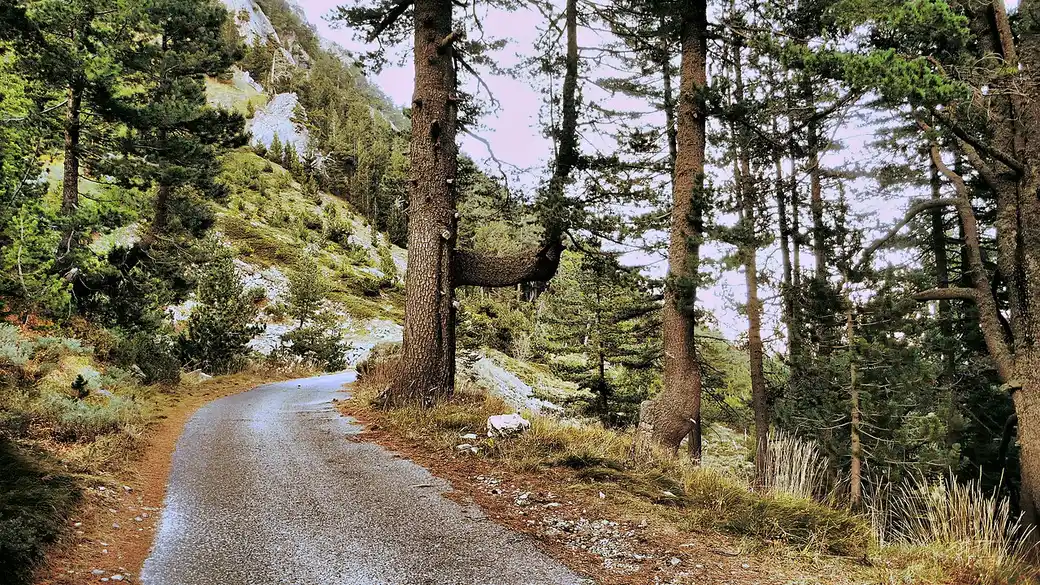
Two things to sort before you set off. You’ll need an e-vignette for the trunk-road sections, bought online in a couple of minutes; our guide to driving in Bulgaria covers the vignette, the speed limits and the rules that actually get tourists fined, so read it first if this is a new country to drive in. And take the surface seriously: this road has its share of potholes and unmarked speed bumps, so it’s not one to hammer along in the dark.
The season is the real caveat, because you’re driving to a ski resort. From 15 November to 1 March Bulgarian law wants either tyres made for winter conditions or a tread depth of at least 4 mm - it is an either/or, not a blanket winter-tyre mandate. The catch is that 4 mm sits well above the year-round legal minimum of 1.6 mm, so a summer set that is legal in July can be illegal in January. After snow the mountain sections need care and possibly chains. Budget extra time if snow is falling, and if you’re renting for a December-to-March trip, get it in writing that the car comes with winter tyres already fitted, since plenty of rental fleets don’t switch over automatically. Where the car earns its keep is afterwards: if you plan to carry on to the Rhodope villages, Melnik or the Rila Monastery, driving saves you backtracking to Plovdiv between stops. If Bansko is the whole trip rather than a stepping stone, a shuttle or the bus is less hassle than hunting for parking and threading a mountain road after dark.
So which one should you take?
Match it to how you are arriving. Already in Plovdiv and watching the budget: take the 13:00 or 14:10 bus from Rodopi station, ask the fare at the desk, and confirm it actually stops in Bansko and accept there’s no morning service. A rail lover, or you want the journey to be the holiday: ride the narrow-gauge line via Septemvri, give it a full day and buy your ticket at the station. Flying in on a winter ski charter: take the shared shuttle for the price and the free ski bag, or a private transfer if there are three or four of you. Touring the region afterwards, or travelling as a group with lots of gear: hire a car or book a transfer, as long as you are ready for a snowy mountain road and have winter tyres.
Prices and timetables on all four of these options drift by season, so treat everything above as a working guide to double-check before you travel, not a printed timetable nailed to the station wall. Coming the other way, our Sofia to Bansko guide covers that busier route and its own airport shuttle. Once you’re in town, our guide to skiing in Bansko has the gondola, the pistes and the lift pass, where to stay in Bansko sorts the ski-in blocks from the old-town guesthouses, and Bansko versus Borovets settles it if you’re still choosing a resort.
Read also

Transport · 12 min read
Sofia to Borovets: 70 km, ~1h, Bus from €5
Verified · September 5, 2026Sofia to Borovets (~70 km, 1-1.5h): public bus via Samokov from ~€5, seasonal shared shuttles from €8/pp, private transfer from ~€79.

Transport · 11 min read
Plovdiv to Pamporovo: Bus & Ski Transfer
Verified · September 3, 2026Plovdiv to Pamporovo is about 80 km via Chepelare. Bus from Rodopi station, winter airport transfer, or drive - how to choose.

Transport · 9 min read
Sofia to Sunny Beach: Bus, Train & Transfer
Verified · August 24, 2026Direct coaches Sofia to Sunny Beach year-round (~7h, from ~€21), train only to Burgas, or a fixed private transfer. Times, stops and when each wins.

Transport · 11 min read
Burgas to Sozopol Bus 2026: €3.37, 40-50 Min
Verified · August 21, 2026Burgas South Sector 5 to Sozopol: bus 3.37 euro, about 40-50 min; taxi/transfer about 30-40 min. Buses about every 30 min. Checked Aug 2026.