
Sofia to Bansko: Bus, Shuttle & Ski Transfer
Sofia to Bansko by bus (~10-15 EUR, 2.5-3h), airport shuttle (~25-45 EUR) or car on the A3. Times, the two-station catch and winter driving.
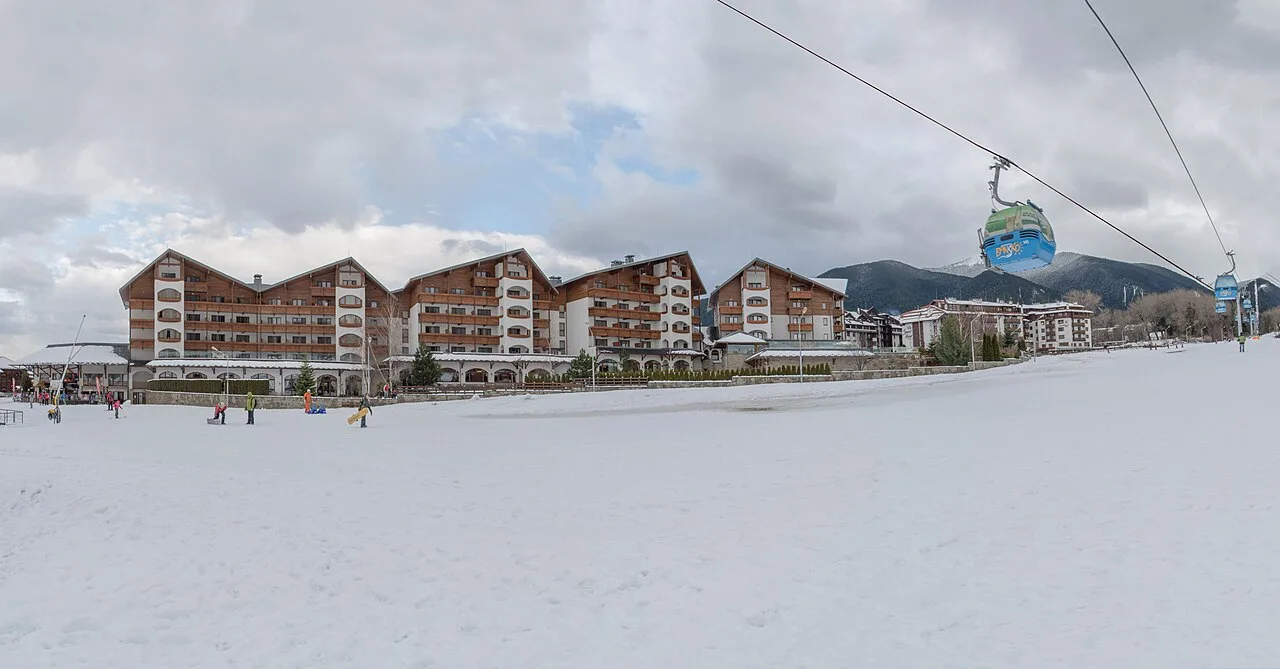
Sofia to Bansko is about 160 km, and how you cover it depends mostly on whether you’re starting from the city or straight off a plane with skis. From the city, the public bus is cheapest at roughly 10 to 15 EUR and takes two and a half to three hours. Arriving at Sofia Airport in ski season, a shared shuttle is the sensible choice at around 25 to 45 EUR a head, because it runs door to door and carries your ski bag for free. A private transfer costs about 70 to 90 EUR for the car and suits a group, and renting a car makes sense only if you are touring the region afterwards and are happy driving a mountain road in snow.
Here’s the quick decision. Off a flight with gear: take the shuttle, or book a private transfer once you’re a group of three or four. In Sofia already and counting the euros: take the bus, but read the two-station warning below first, because it’s the thing that catches people out. Planning to carry on to Rila or Melnik after the slopes: rent the car. The rest of this guide has the times, the fares and the winter details that actually matter when there is snow on the last stretch.
The bus: cheapest from the city
The public bus is the budget answer, and for a solo traveller or a couple already in Sofia it’s hard to beat at 10 to 15 EUR one way. The catch is not the price, it’s where you leave from. Bansko-bound buses depart from two different Sofia stations, and getting this wrong can cost you a departure.
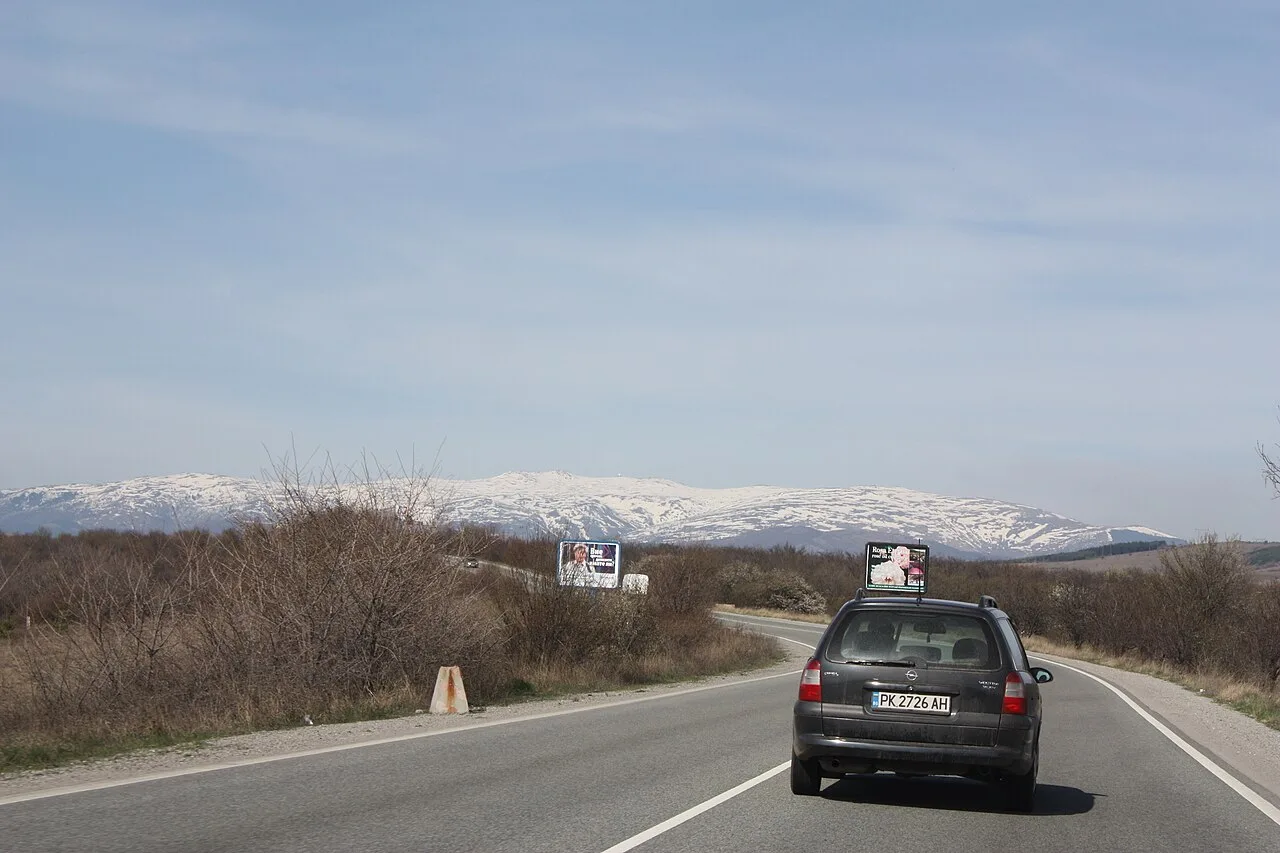
Some services go from the Central Bus Station (Tsentralna Avtogara), which sits next to the central railway station and is one metro stop from the centre, with departures spread through the day at times like 08:30, 09:45, 11:25, 14:00 and 16:45. Others leave from Ovcha Kupel bus station on the western edge of the city, reached by tram or bus from the centre, with its own set of times including an early 07:00 and a cluster in the early afternoon. Neither station has a monopoly, so check the departure point printed on your ticket rather than assuming, and give yourself extra time to reach Ovcha Kupel if that’s where your bus starts.
The second thing to know is subtle but real: many “Sofia to Bansko” buses aren’t actually going to Bansko. They’re through-services heading further south to Gotse Delchev or Razlog, and Bansko is a stop along the way rather than the terminus. That is fine, but make sure the service you buy genuinely stops in Bansko itself and doesn’t just pass on the main road below the town. The ticket clerk will confirm it; a booking site won’t always make it obvious. The ride is two and a half to three hours depending on the operator and the day, on comfortable coaches, and there’s usually no toilet stop on a run this length.
Fares run 20 to 30 leva (the old currency you’ll still see quoted), which is about 10 to 15 EUR now that Bulgaria is on the euro, and the cheapest advance fares dip to around 11 or 12 EUR. You can buy at the station counter on the day for most of the year. The exception is the January and February half-term peak, when the resort fills with school groups and the popular departures sell out; book a day or two ahead then. One more limitation worth naming: the public bus is a city-centre service, so it does not run from Sofia Airport to Bansko. If you are landing rather than staying in town, the bus isn’t your tool, and the next section is.
The airport shuttle: the ski-season workhorse
If you’re flying in, the shared shuttle is the option built for exactly your trip. Companies like SkiBansko and Traventuria run fixed-schedule shuttles from Sofia Airport to Bansko right through the winter season, meeting you in arrivals and dropping you at your hotel. Prices sit in the 25 to 45 EUR per person range depending on the service level and how far ahead you book, with the cheapest fixed shuttle around 40 leva (about 20 EUR) a head, and crucially the fare includes one ski or snowboard bag on top of your normal luggage, which the airlines and the taxis don’t.
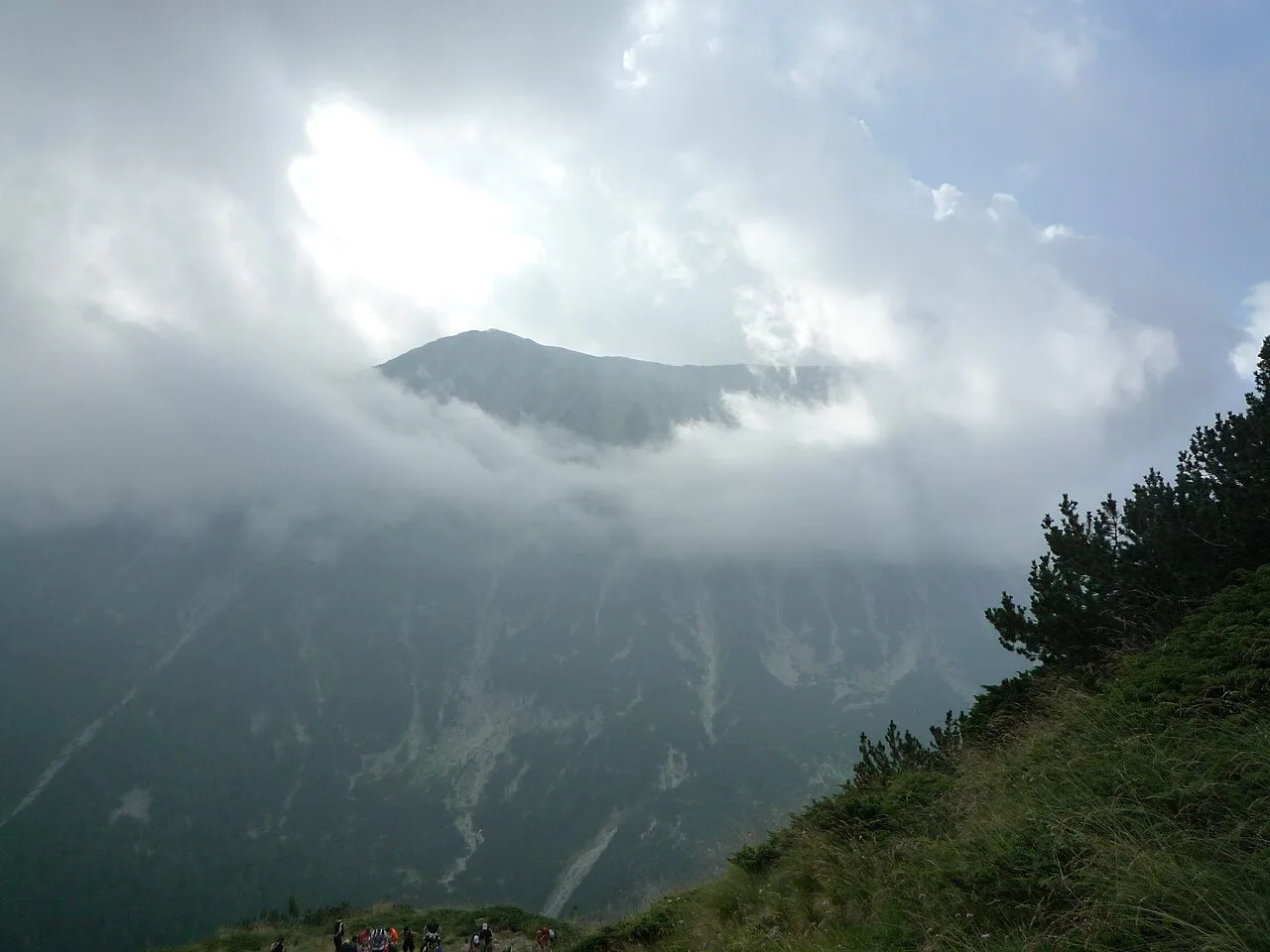
The shuttle takes about two and a half hours and you book it online in advance, picking a seat on a departure that lines up with your flight; you get an email confirmation and the driver waits with a sign. It is worth understanding why this beats the alternatives from the airport. A taxi the whole way is expensive and the meter climbs on a two-hour run. The bus, as covered above, does not serve the airport. So for the landing-with-skis traveller the shuttle is the natural fit: fixed price, gear included, no changing stations in a strange city with a snowboard bag over your shoulder. Book it before you fly, because seats on the flight-friendly departures go first at weekends in peak season.
If you would rather have the vehicle to yourself, a private transfer covers the same airport-to-hotel route for about 70 to 90 EUR for a standard car carrying up to three people, with minivans for bigger groups. Split between three or four with luggage, the per-head cost lands close to the shuttle while giving you your own schedule and no other stops, which is why families and small groups often prefer it. A booked transfer or driver is the same idea if you want it arranged in advance and waiting when you land.
Driving the A3, and the winter reality
Renting a car turns Sofia to Bansko into a two-and-a-half-hour drive and unlocks the whole southwest afterwards, but the route and the season both deserve respect. You take the A3 “Struma” motorway southwest out of Sofia, past Pernik and Dupnitsa towards Blagoevgrad, then leave the motorway onto Route 19 and head east through the Razlog valley to Bansko. It’s a straightforward drive in good weather, roughly 160 km and about two hours if nothing slows you, a little more with traffic. As with any Bulgarian motorway you need an e-vignette, which you buy online in a couple of minutes; our guide to driving in Bulgaria covers the vignette, the speed limits and the rules that actually get tourists fined, so read it first if this is your first time behind the wheel here.
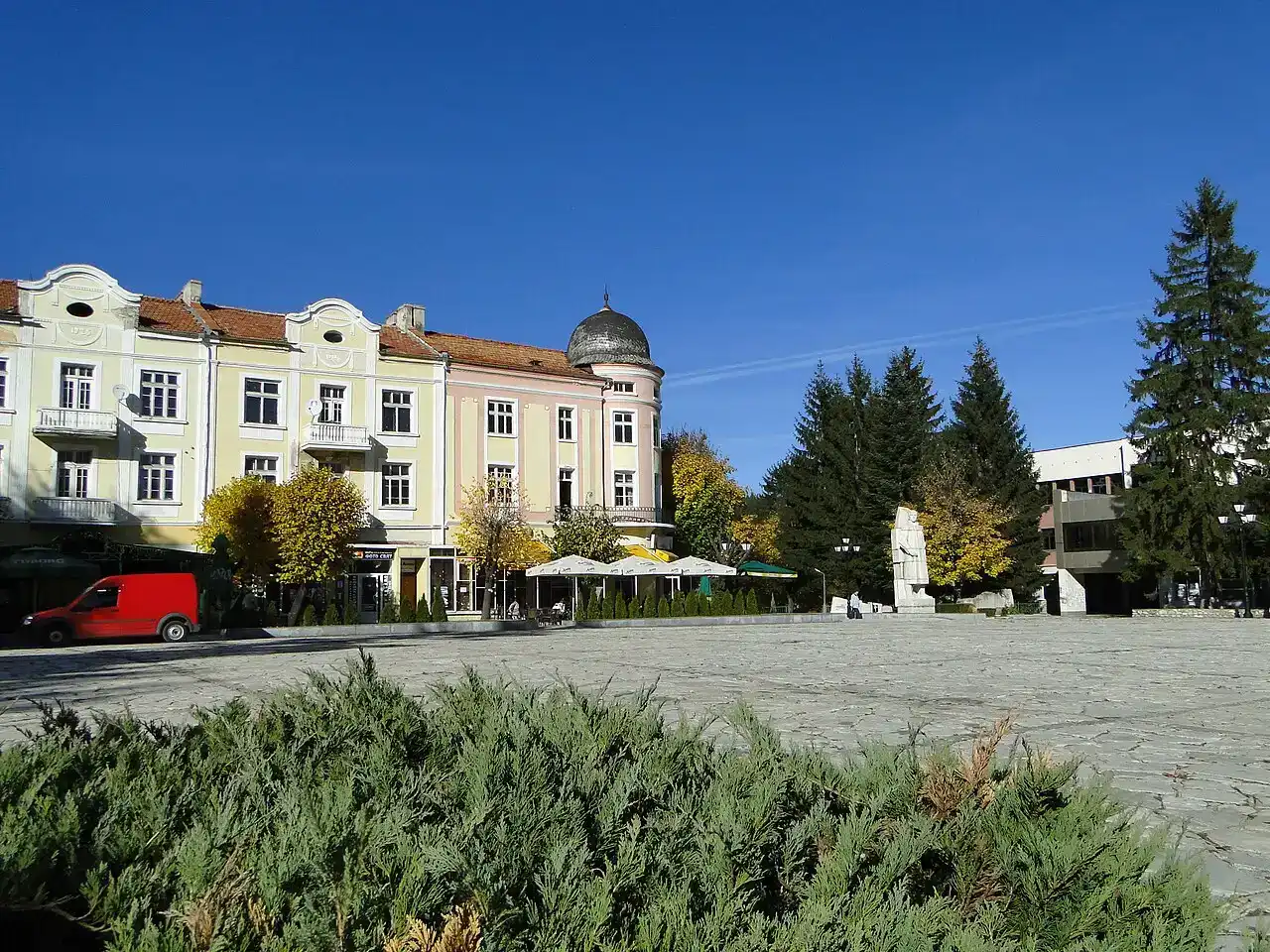
The winter caveat is the whole point of driving to a ski resort, so don’t skip it. The last 15 km or so from Razlog up to Bansko is a mountain road, and once the snow arrives it changes the trip. From 15 November to 1 March Bulgarian law wants either tyres made for winter conditions or a tread depth of at least 4 mm - it is an either/or, not a blanket winter-tyre mandate. The catch is that 4 mm sits well above the year-round legal minimum of 1.6 mm, so a summer set that is legal in July can be illegal in January. After heavy snowfall you may need chains on that final climb. Reckon on 30 to 60 minutes extra on a snowy day, drive to the conditions rather than the map, and if you’re hiring a car for a December-to-March trip, confirm in writing that winter tyres are fitted, because not every rental includes them by default. Two more practical notes: the Kresna Gorge section of the Struma route is still old two-lane road with roadworks, so it can bunch up, and fuel for the one-way trip runs about 12 to 15 EUR.
Where the car earns its keep is what comes after Bansko. If you plan to visit the Rila Monastery, the wine town of Melnik or the Rhodope villages on the same trip, a car saves you backtracking to Sofia between each; for Bansko alone, the shuttle or bus is less hassle than parking and driving a mountain road in the dark. Weigh it on your wider plans, not just the leg to the resort.
So which one should you take?
It really comes down to one fork: are you landing at the airport, or already in Sofia? Off a flight with ski gear, the shuttle beats a taxi on price and a rental car on hassle, and a private transfer only earns its keep once you’re three or four people splitting the fare. Already in the city, the public bus is hard to argue with, as long as you double-check which of the two stations you’re leaving from and that your particular service actually stops in Bansko rather than passing it on the way south. One case overrides both of those: if you’re planning to keep touring the region after the slopes, a rental car earns its cost regardless of how you got to Bansko in the first place, provided you’re fine with a mountain road under snow.
One planning note before you go: none of the fares or timetables above are fixed for good, they move with the season and whoever is running the route that year, so confirm the current numbers when you actually book rather than trusting this page alone. Once you’ve arrived, our guide to skiing in Bansko covers the gondola, the pistes and the lift pass, and Bansko vs Borovets weighs the two resorts against each other if you’re still deciding. Bansko can also just be one stop on a longer trip: see how it fits into a full Bulgaria itinerary. And if you’re coming from Plovdiv rather than the capital, our Plovdiv to Bansko guide has the two afternoon buses, the scenic narrow-gauge train and the ski shuttle from Plovdiv airport instead.
Read also

Transport · 12 min read
Sofia to Borovets: 70 km, ~1h, Bus from €5
Verified · September 5, 2026Sofia to Borovets (~70 km, 1-1.5h): public bus via Samokov from ~€5, seasonal shared shuttles from €8/pp, private transfer from ~€79.

Transport · 11 min read
Plovdiv to Pamporovo: Bus & Ski Transfer
Verified · September 3, 2026Plovdiv to Pamporovo is about 80 km via Chepelare. Bus from Rodopi station, winter airport transfer, or drive - how to choose.

Transport · 9 min read
Sofia to Sunny Beach: Bus, Train & Transfer
Verified · August 24, 2026Direct coaches Sofia to Sunny Beach year-round (~7h, from ~€21), train only to Burgas, or a fixed private transfer. Times, stops and when each wins.

Transport · 11 min read
Burgas to Sozopol Bus 2026: €3.37, 40-50 Min
Verified · August 21, 2026Burgas South Sector 5 to Sozopol: bus 3.37 euro, about 40-50 min; taxi/transfer about 30-40 min. Buses about every 30 min. Checked Aug 2026.