
Sofia to the Black Sea: Train, Bus or 50-Min Flight
Sofia to Varna and Burgas in 2026: the 50-minute flight, the overnight sleeper train, the summer express and the bus, with times, fares and which to pick.
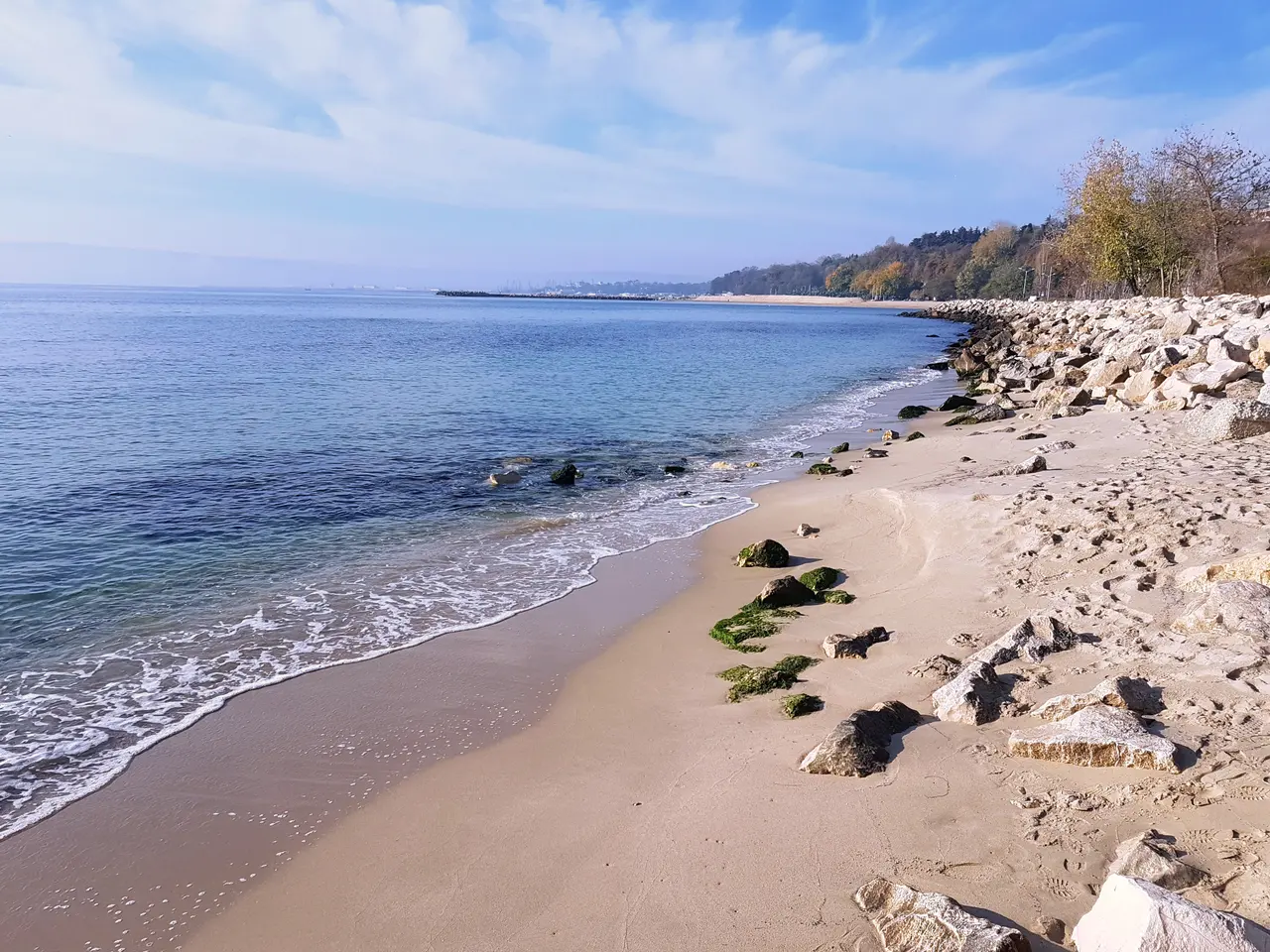
Getting from Sofia to the Black Sea depends on which coast you’re heading for and how you value your time. The two gateways are Varna in the north and Burgas in the south, each with an airport and each the hub for the resorts around it. The fastest way to either is to fly: Bulgaria Air covers both in about 50 minutes. The cheapest and most characterful is the overnight sleeper train, which saves you a hotel night but takes most of it. In between sit the bus and the daytime train, both around six to seven-plus hours, and driving, which only pays if you plan to tour the coast once you arrive.
Short version: fly if you can get a decent fare, especially to Varna, which has more flights; take the overnight train if you like the romance of waking up by the sea and want to bank a hotel night; take the bus if it runs direct to your resort and you want the cheapest seat. The rest of this guide has the real times and fares for each, plus one thing about the train that the headlines get wrong.
Fly: 50 minutes, and often cheap
Flying is the obvious choice if your time is worth anything, because it turns an all-day slog into a morning errand. Bulgaria Air is the only carrier on both routes and the flight is about 50 minutes to either Varna or Burgas. Varna is the better-served of the two, with up to around three flights a day in the summer season, while Burgas runs a shorter, more seasonal schedule that ramps up through June before going daily from late June to early September and pausing outside that window entirely, so check both if your dates are fixed and don’t assume the coast you want has a convenient departure. Fares can be genuinely low if you book ahead, sometimes from the high teens of euros one way and not much more than the bus once you weigh the six hours you save, though they climb in peak July and August.
Put the distances in perspective and the case for flying gets stronger. Sofia sits inland in the west of the country, so the coast is a long way off: it is roughly 450 km northeast to Varna and about 385 km southeast to Burgas, which is why every surface option runs to most of a day. A 50-minute hop erases all of that, and for a solo traveller or a couple travelling light it’s usually the sane choice unless the fare on your dates has spiked.
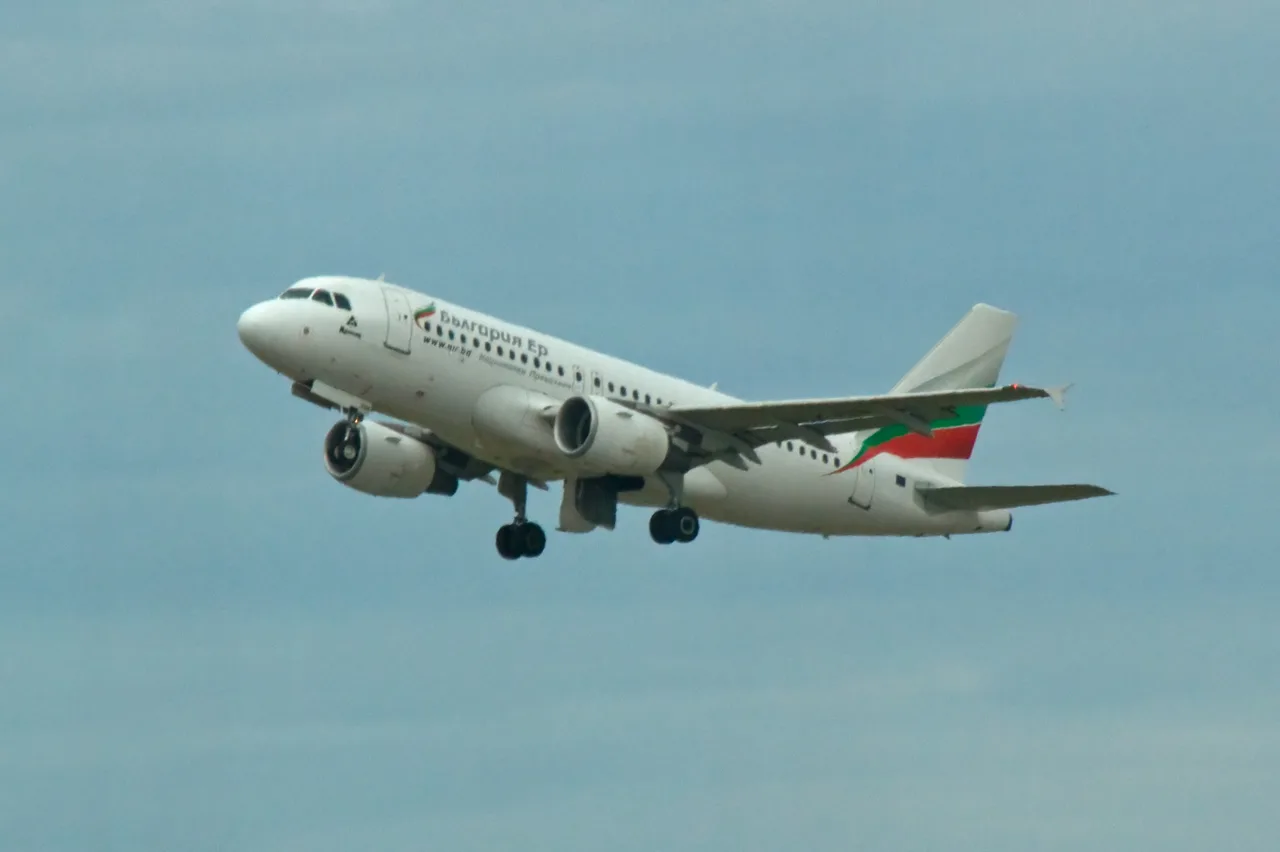
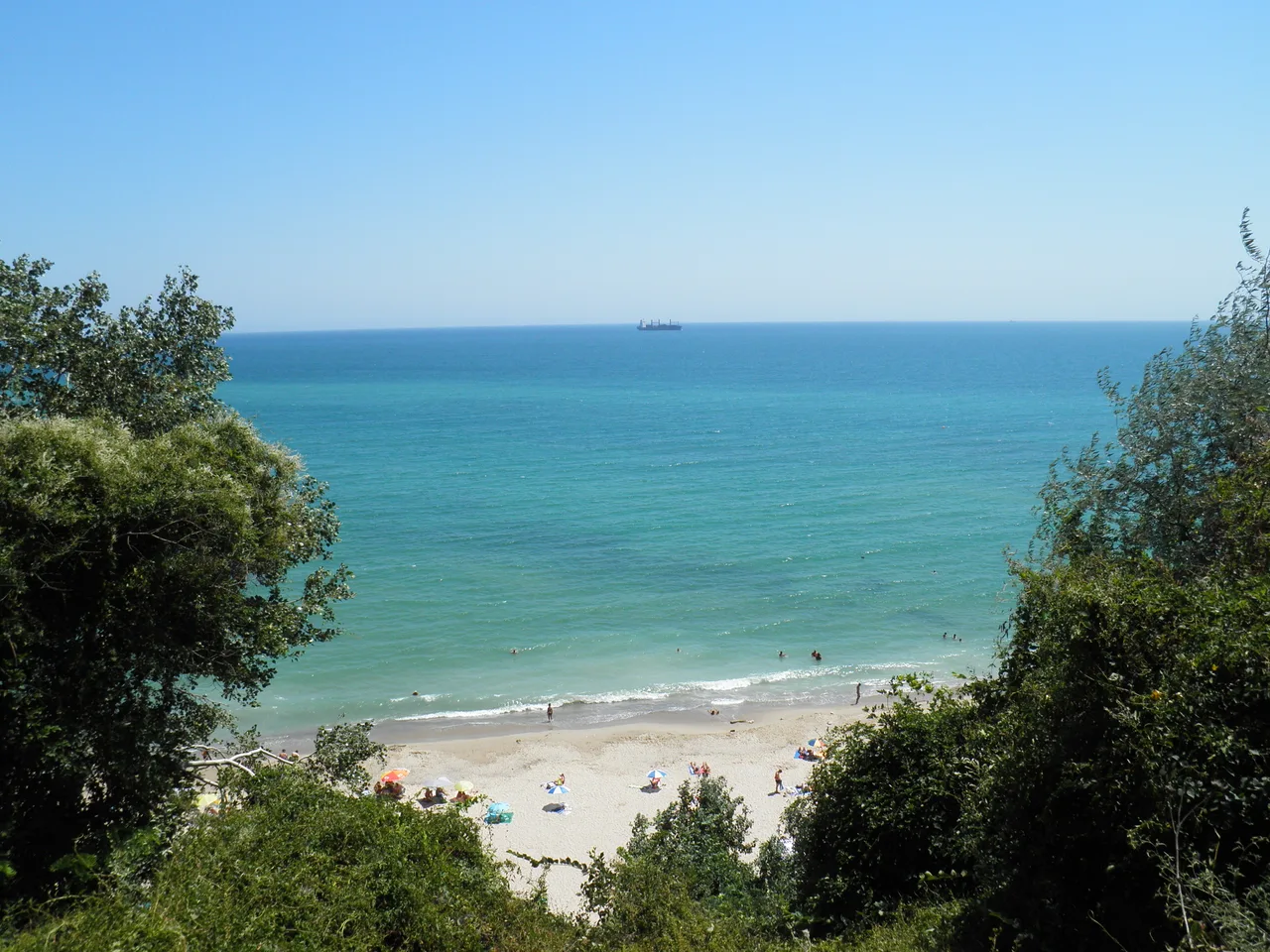
The catch with flying is the airport shuffle at both ends: you still have to get out to Sofia Airport and, on arrival, from Varna or Burgas airport to your actual resort, which for the beach towns strung along the coast can add an hour and a transfer. For a single traveller heading to Varna or Burgas city, it’s still the fastest door-to-door option by far. If you are going to a specific resort, weigh the transfer time before assuming the plane wins, and see our guide to which airport to fly into in Bulgaria for how Varna and Burgas compare as arrival points.
The train: slow, cheap and better overnight
Here’s the thing the headlines get wrong. You may read about a new “high-speed” summer train to the coast, but there’s no three-hour service; the reality is more modest and worth understanding before you plan around it. On the regular timetable the fastest daytime train to Burgas takes about 5 hours 50 minutes, and to Varna closer to 7 hours 45 minutes, because the line curves north around the mountains. What the train does have going for it’s price and the overnight option.
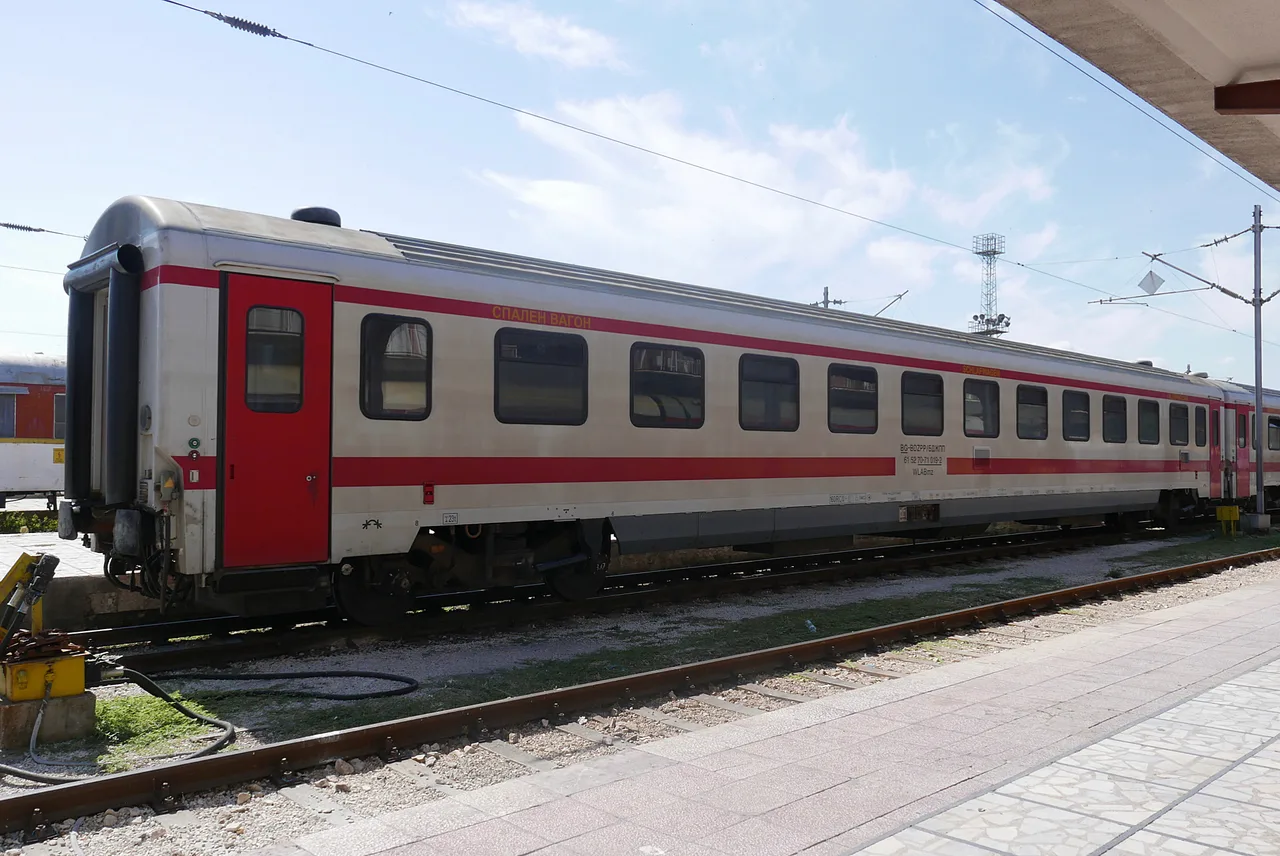
The overnight sleeper is the one to take. Trains leave Sofia late in the evening, roughly between 21:00 and 23:00, and roll into Burgas or Varna around 05:45 to 06:45, so you sleep through the slow bit, skip a hotel night and start your first beach day early. Book a berth in a sleeping car or couchette rather than sitting up, and reserve ahead in summer, because the sleepers fill. Fares are the cheapest of any option, and even the sleeper is inexpensive by European standards, which is what makes it the one rail service on this route worth going out of your way for.
In summer, BDZ also runs extra express trains to the coast, roughly from mid-June to mid-September, with air-conditioned carriages, a bistro car and fewer stops. Last season these cut the daytime run to about five and a half hours to Burgas and six and a half to Varna, with second-class fares starting around 19 to 24 EUR and a discount on returns. They’re pleasant and quick by Bulgarian rail standards, but the dates and times change year to year, so check the current season on the Bulgarian State Railways site (bdz.bg) rather than assuming last summer’s schedule. Whatever you book, confirm times close to travel, because rail timetables here shift with the seasons.
The bus: cheap and often direct to your resort
The bus is the workhorse and, for many coast trips, the most practical single option, because it often runs straight to the resort rather than to a city you then have to leave. Coaches to Varna and Burgas leave Sofia’s Central Bus Station through the day, run by Union Ivkoni, Karat-S, Infobus and others, and take roughly seven hours for either. Fares generally land around 15 to 30 EUR depending on operator and date, so it’s close to the daytime train on both time and comfort, but usually more frequent.
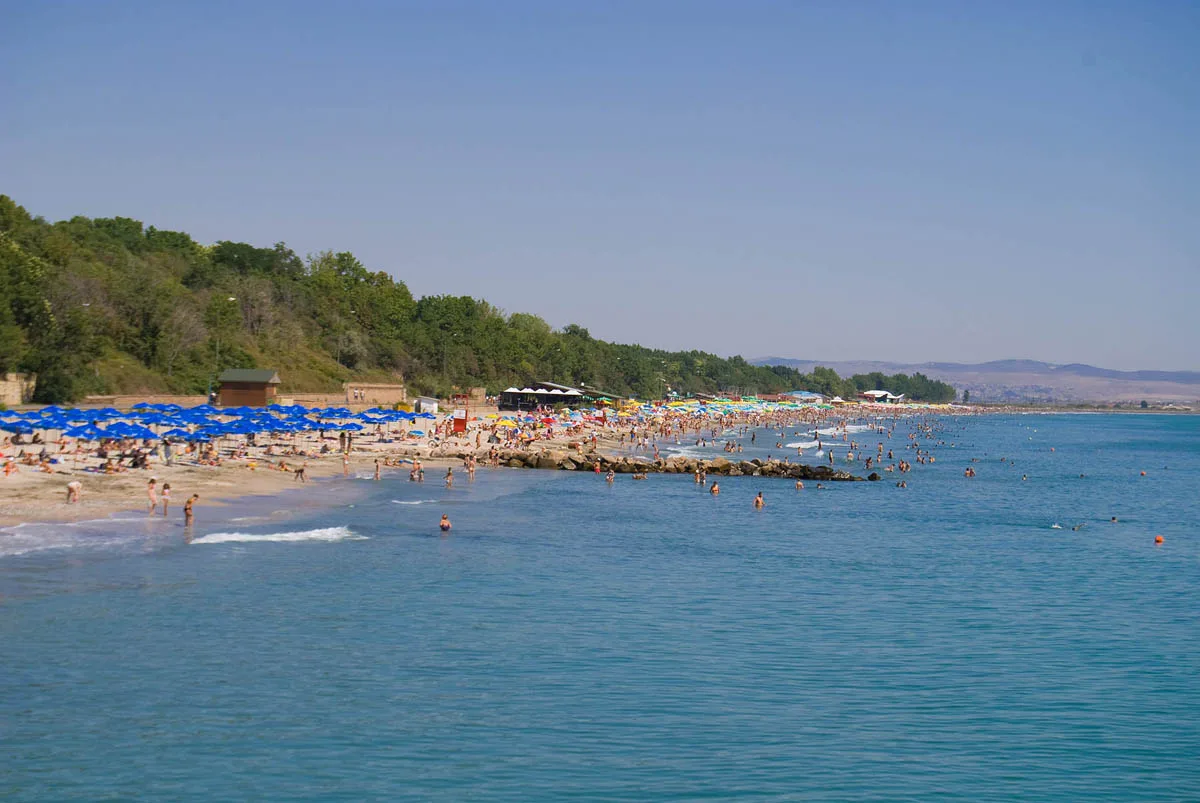
Where the bus really earns its place is the resorts. There are direct coaches from Sofia to Sunny Beach and Nessebar that skip the change in Burgas entirely - see our Sofia to Sunny Beach guide for the current timetable and fares if that is where you’re staying. Departures to Burgas itself run every couple of hours through the day, so you rarely wait long for the next one. Buy from the operator’s desk or a site like Omio or Busbud, and note that Union Ivkoni doesn’t do e-tickets, so you’ll need a printed one to board. For where to actually go once you arrive, our guides to Varna, Burgas and Sunny Beach break down the beaches, the old towns and the day trips.
Driving, and which coast is easier
A car makes sense only if you plan to move around the coast once you’re there, hopping between beaches and old towns that public transport links awkwardly. For the drive itself, the two coasts are not equal. Burgas is the easy one: the A1 “Trakia” motorway runs almost the whole 385 km from Sofia, so it’s a straightforward four hours or so. Varna is trickier: the A2 “Hemus” motorway meant to link Sofia to the northern coast is still unfinished in stretches, so the roughly 450 km is part motorway, part single carriageway, and closer to four and a half or five hours with the slower sections.
Either way, sort a Bulgarian e-vignette before you use the motorways, which you buy online in a couple of minutes; our guide to driving in Bulgaria covers the vignette, the limits and the rules that catch tourists out. For two or three people who don’t want to drive, a private transfer covers the same door-to-door trip with someone else at the wheel, which for a group with luggage and kids can be worth the cost over wrangling taxis from the airport.
So which should you take?
Match the trip to what matters most. If your time is precious and the fare is fair, fly to Varna or Burgas and eat the transfer at the far end. If you want the cheapest bed-and-travel combination and a bit of romance, take the overnight sleeper and wake up at the sea. If you’re heading to a specific resort like Sunny Beach or Nessebar, check our Sofia to Sunny Beach guide first, because a direct coach can beat everything else on hassle. And drive only if the point of the trip is to roam the coast, in which case Burgas on the A1 is the softer landing than Varna on the half-built Hemus. If you’re starting in Plovdiv, see Plovdiv to Burgas. However you get there, if this is one leg of a larger trip, see how the coast fits into a full Bulgaria itinerary before you lock in your dates.
Read also

Transport · 12 min read
Sofia to Borovets: 70 km, ~1h, Bus from €5
Verified · September 5, 2026Sofia to Borovets (~70 km, 1-1.5h): public bus via Samokov from ~€5, seasonal shared shuttles from €8/pp, private transfer from ~€79.

Transport · 11 min read
Plovdiv to Pamporovo: Bus & Ski Transfer
Verified · September 3, 2026Plovdiv to Pamporovo is about 80 km via Chepelare. Bus from Rodopi station, winter airport transfer, or drive - how to choose.

Transport · 9 min read
Sofia to Sunny Beach: Bus, Train & Transfer
Verified · August 24, 2026Direct coaches Sofia to Sunny Beach year-round (~7h, from ~€21), train only to Burgas, or a fixed private transfer. Times, stops and when each wins.

Transport · 11 min read
Burgas to Sozopol Bus 2026: €3.37, 40-50 Min
Verified · August 21, 2026Burgas South Sector 5 to Sozopol: bus 3.37 euro, about 40-50 min; taxi/transfer about 30-40 min. Buses about every 30 min. Checked Aug 2026.