
Things to Do in Bulgaria: The Complete Guide
The best things to do in Bulgaria: Sofia and Plovdiv, Rila Monastery, the Black Sea coast, Bansko skiing and the mountains, with how to fit them together.
Bulgaria packs an unusual amount into a small, cheap country: a Roman-and-Ottoman old town you can walk end to end, the finest monastery in the Balkans, a whole coast of sandy beaches, and mountains with lifts running from December to April. The short answer to what to do is to pick a lane rather than chase all of it. Base a few days in the cities, add one mountain trip and, in summer, a stretch of the Black Sea, and you have a full and varied week without a single dull day. This guide sorts the country’s best into the handful of experiences worth building a trip around, and links through to the detailed pages for each.
One practical note up front: prices here are now in euros. Bulgaria joined the eurozone on 1 January 2026, so the old lev is gone and you’ll see euro price tags everywhere, which makes budgeting from abroad far simpler than it used to be. It’s also, by a distance, the cheapest country in the European Union, so your money stretches further than almost anywhere else on the continent. And if the booking hesitation is safety rather than cost - especially the war-in-Ukraine worry - the short answer is Level 1 and far from the fighting; we unpack the real risks (pickpockets, airport taxis, roads) in is Bulgaria safe.
Start in the cities: Sofia and Plovdiv
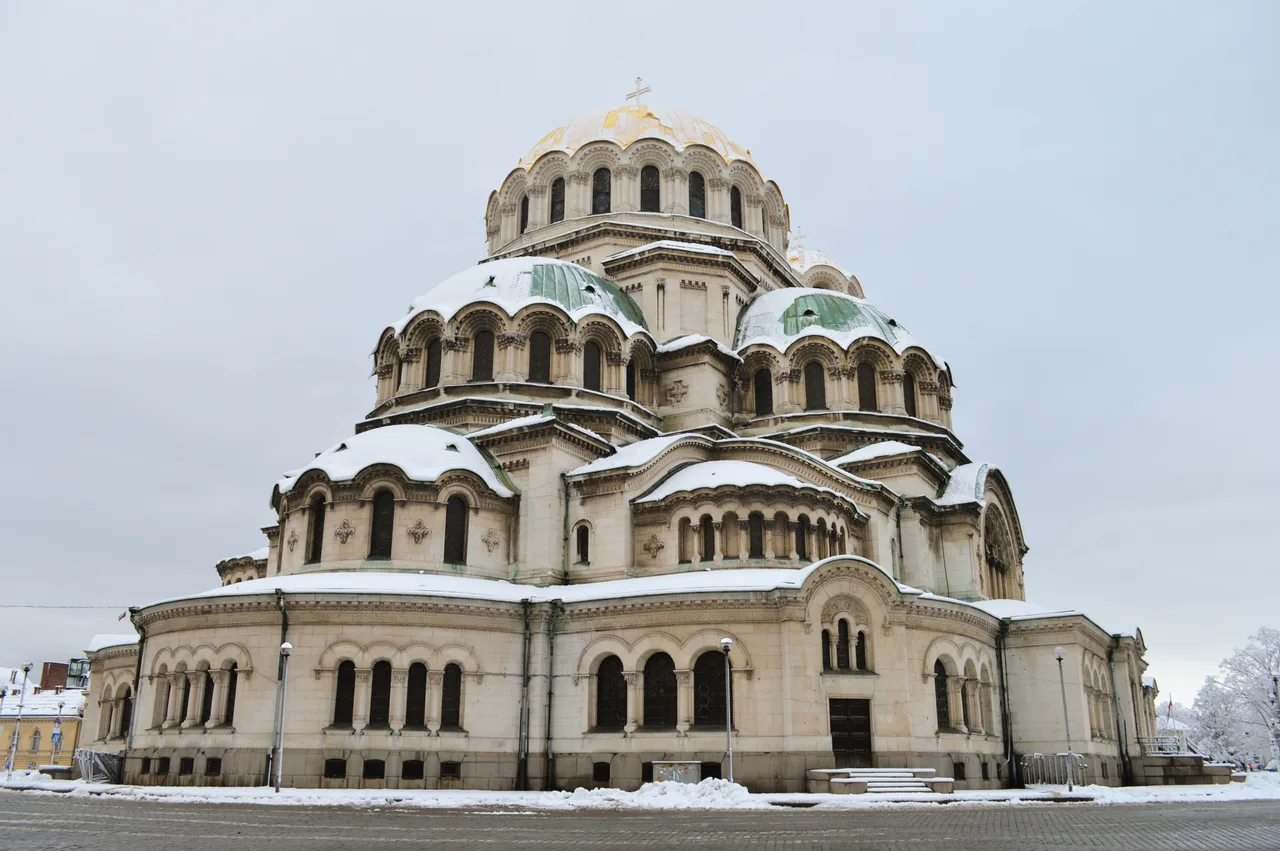
Most trips begin in Sofia, and the capital rewards a full day or two before you move on. Two thousand years of history sit within a few blocks: the Roman ruins of Serdica under the modern squares, the golden domes of the Alexander Nevsky Cathedral, an active mosque, a synagogue and Orthodox churches all in walking distance, and a cafe culture that feels more Central European than Balkan. It also happens to be the easiest base for the country’s single best day trip, Rila Monastery, which we come to below. Our guide to things to do in Sofia breaks down the walkable centre and what is worth your time.
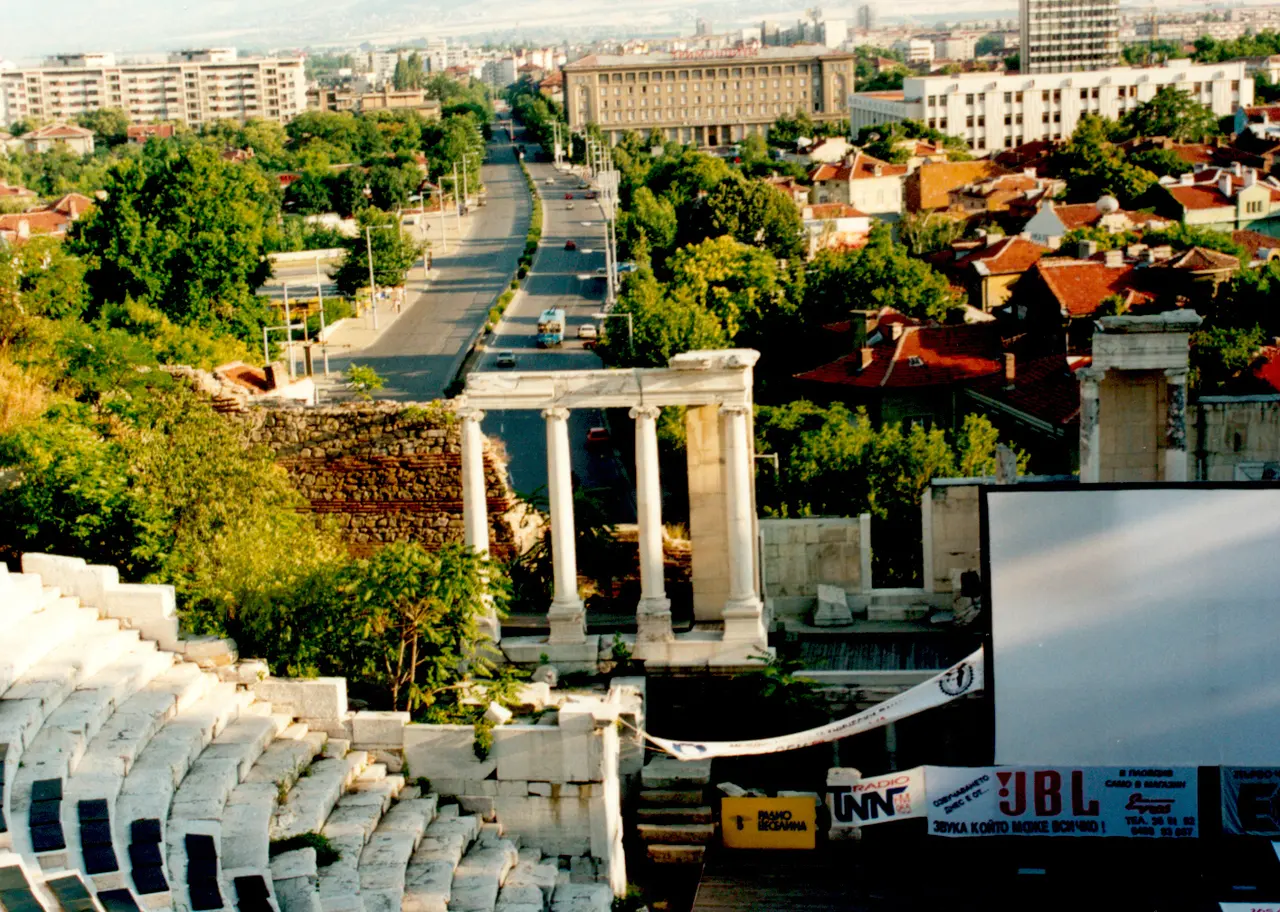
If you only add one more city, make it Plovdiv, two hours east and, on the usual reckoning, one of the oldest continuously inhabited cities in Europe. The pull here’s the Old Town: a hill of restored National Revival mansions in ochre and blue, cobbled lanes, and a Roman theatre from the 2nd century that still hosts concerts and looks out over the modern city. Below it, the Kapana creative district has filled the old craftsmen’s quarter with bars and galleries. It’s the most rewarding half-day of sightseeing in the country, and it makes an easy pairing with Sofia; see things to do in Plovdiv for the layout and the walk.
For a third city with a different flavour, Veliko Tarnovo was the medieval Bulgarian capital and drapes over a river gorge beneath the Tsarevets fortress; it fits naturally on the way to or from the coast rather than as a Sofia day trip. The town climbs the cliffs of the Yantra in stacked tiers of stone houses, and the fortress on its own hill is floodlit at night, which makes an evening walk here one of the quiet highlights of the interior.
Rila Monastery and the mountains
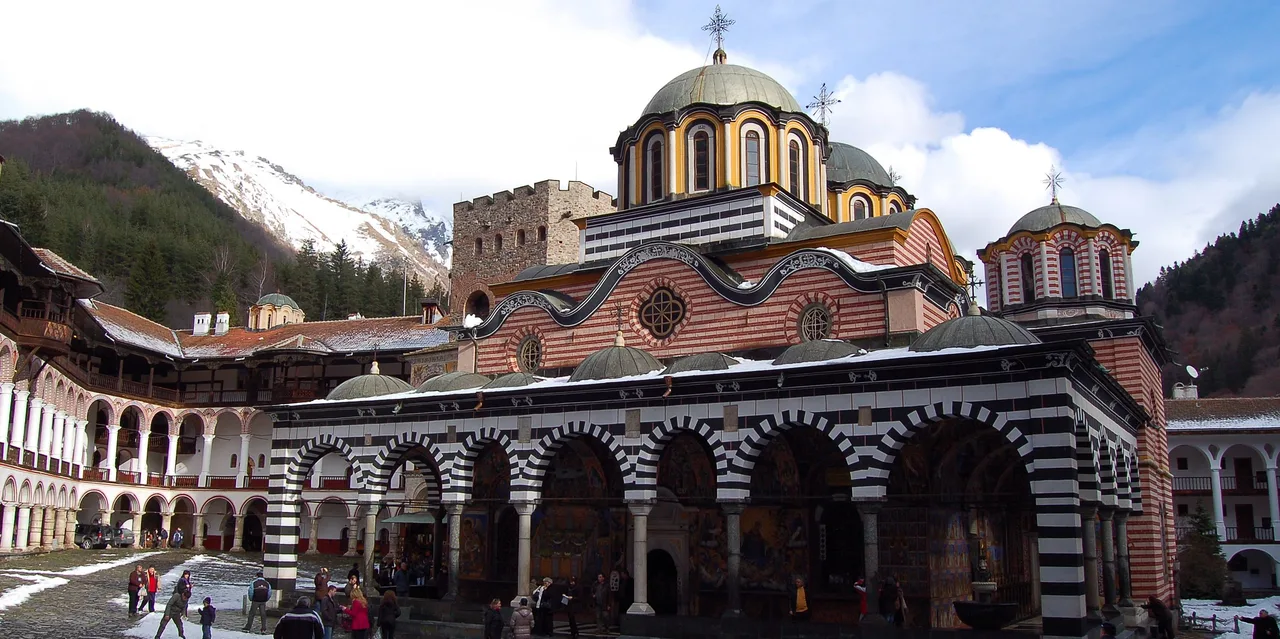
If you do one thing outside the cities, make it Rila Monastery. Tucked in a forested valley in the Rila mountains about two hours south of Sofia, it’s the largest and most revered monastery in Bulgaria, founded in the 10th century by the hermit Ivan Rilski and rebuilt in the 19th into the black-and-white striped, fresco-covered courtyard you see today. It’s a UNESCO World Heritage site and, unlike a lot of “must-see” boxes, it genuinely delivers in person. You can visit as a long day trip from Sofia by car or organised tour, or stay overnight in a simple monastery room to have the place to yourself after the coaches leave; the full practicalities are in our Rila Monastery guide.
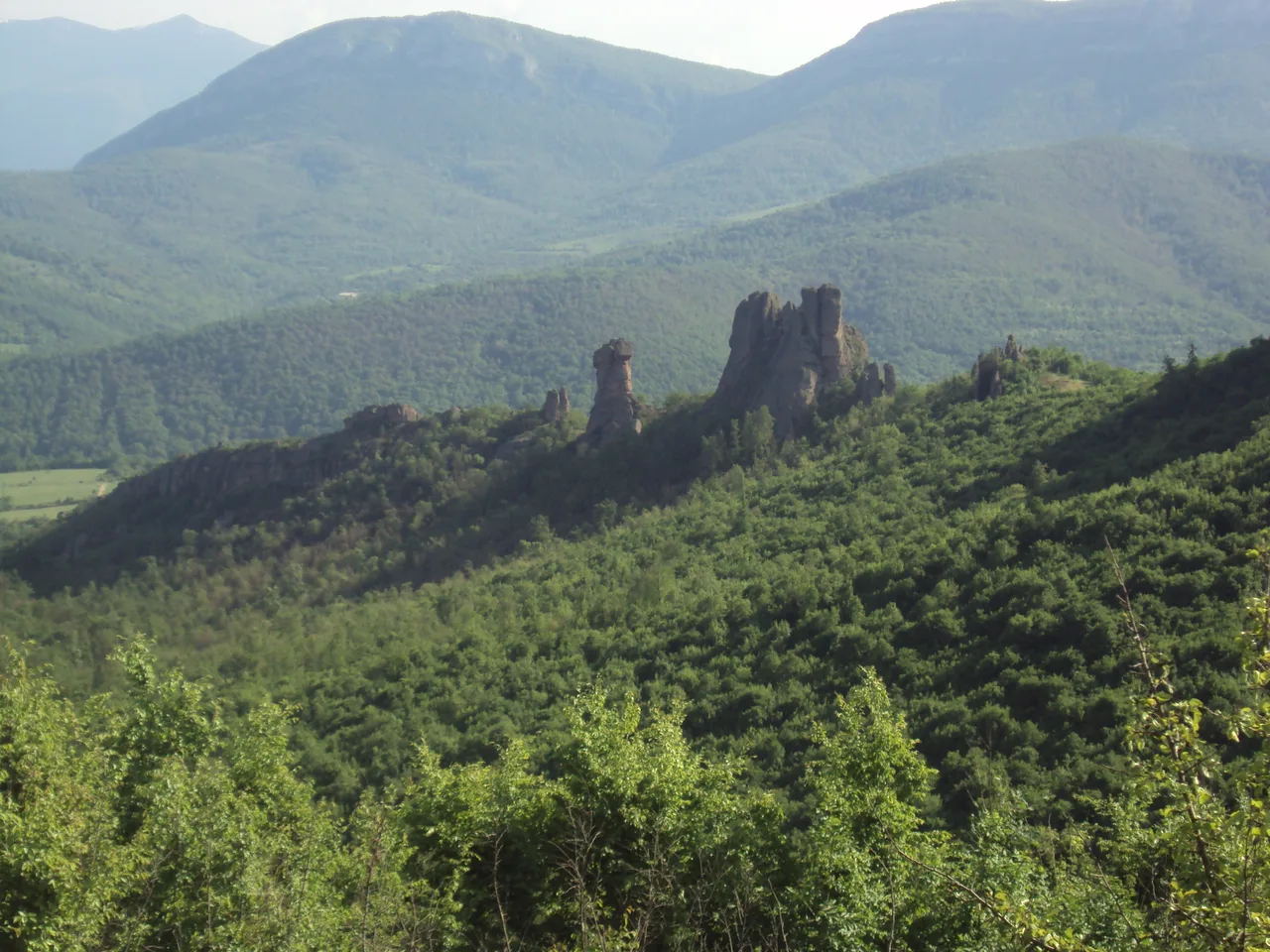
The monastery is only the doorway to Bulgaria’s real surprise, which is its mountains. The Rila range is the highest in the Balkans, topped by Musala at 2,925 m, and the walking is superb. The classic outing is the Seven Rila Lakes, a chain of glacial lakes reached by chairlift then a steady climb, doable in a day from Sofia in summer. Further options fan out from there: the granite Pirin peaks above Bansko, the softer, folklore-rich Rhodopes in the south with their caves and villages, and, up in the far northwest, the Belogradchik Rocks, a surreal field of red sandstone towers wrapped around a fortress.
The Black Sea coast, in summer
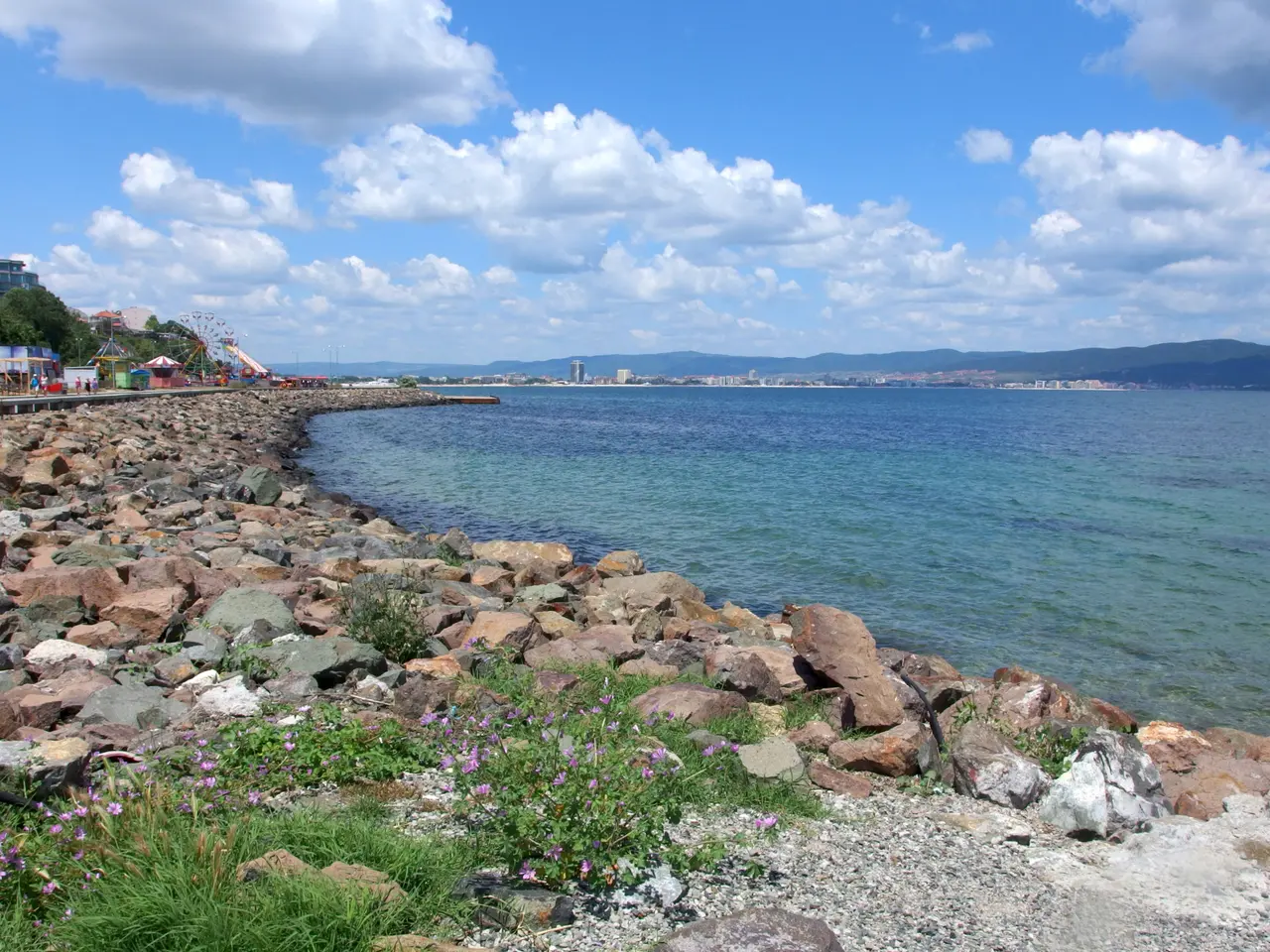
From roughly June to September the country tilts east to the Black Sea coast, and it is where most Bulgarians take their own holidays. The water is warm and shallow, the sand is genuinely good, and the crowd is a mix of Bulgarian families, package tourists and, increasingly, digital nomads wintering cheaply. Where you go depends on what you want - and if you’re travelling with children, start with our Bulgaria with kids guide for resort picks, water parks and a sample week.
Nessebar is the one to see even if you never swim. Its old town sits on a small peninsula and is a UNESCO site in its own right, packed with a remarkable density of medieval stone-and-timber churches; it is touristy in July but genuinely historic, and worth the walk. Right next door is Sunny Beach, the country’s largest and loudest resort, all high-rise hotels, water parks and nightlife, which is either exactly what you want or exactly what you don’t. For a working city with a long sea garden and good museums, base in Varna in the north or Burgas in the south; both have airports and make sensible arrival points. For something quieter and prettier, the old fishing town of Sozopol and the small beaches down towards the Turkish border trade nightlife for atmosphere.
Skiing and winter
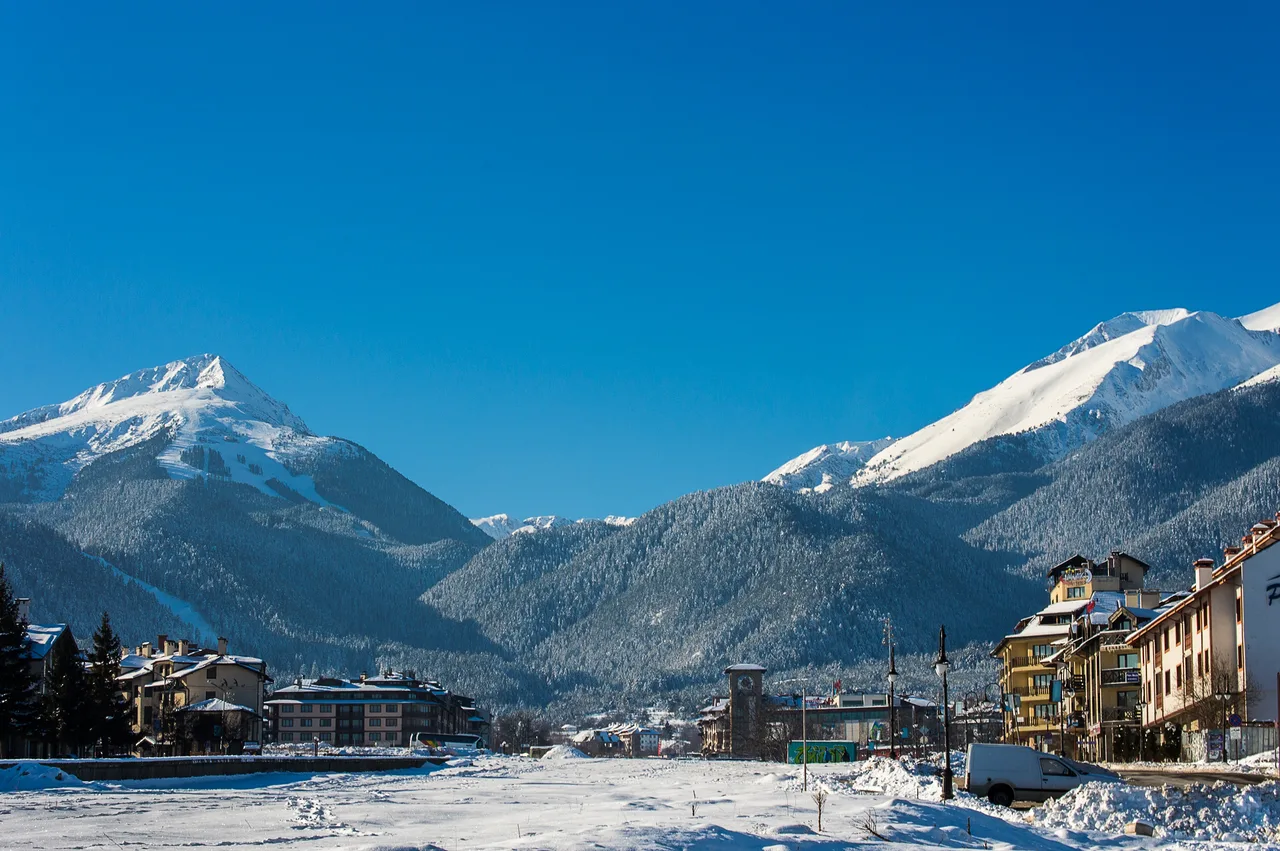
Bulgaria is a serious winter destination, and cheaply so. Bansko, on the edge of the Pirin mountains, is the biggest and most modern resort, with a gondola out of town and a season that usually runs from December into April; it draws a lot of foreign skiers precisely because a lift pass, lessons and beer cost a fraction of the Alps. Pamporovo in the Rhodopes is gentler and good for beginners and families, while Borovets, closest to Sofia, is the third of the big three. Even if you are not there to ski, Bansko’s old quarter and mehanas (tavern restaurants) make it a pleasant mountain base in season, and our Bansko skiing guide covers the runs, passes and when to come.
Wine, roses and the quieter corners
Bulgaria has made wine since Thracian times and it’s one of the country’s underrated pleasures. The Thracian Lowlands around Plovdiv are the heartland, home to the local Mavrud grape, while the tiny hillside town of Melnik in the far south pours its own robust reds from sand-pyramid cellars. In late spring the Valley of the Roses around Kazanlak harvests the oil-bearing roses that supply a chunk of the world’s rose oil; come in early June for the harvest and the Rose Festival, though the exact dates shift each year, so check before you plan a trip around it. Our Valley of Roses guide has the festival dates and how to get there, and the wider Bulgaria events calendar covers what else is on around the country that month.
These are the trips that reward a rental car, because the countryside is where Bulgaria opens up and public transport thins out. If you would rather not drive, the marquee sights above are all reachable by train, bus or organised tour from the cities.
Fitting it together
You don’t need to choose between all of this, you need to sequence it. How long that takes is its own question - our guide to how many days you need in Bulgaria sizes the trip from a long weekend to two weeks. A comfortable week pairs two or three days in Sofia and Plovdiv with a Rila Monastery day trip and then a change of scene, either the coast in summer or the mountains in winter. Ten days lets you add Veliko Tarnovo and a slower run down the coast, or a couple of days walking in Rila or the Rhodopes. For a ready-made version that stitches the highlights into a working plan, follow our 7-day Bulgaria itinerary, which handles the distances and the order so you’re not backtracking.
Two last pointers. First, timing matters more here than in a year-round city break: the coast only really works in summer, the ski resorts only in winter, and the cities and mountains are best in the mild shoulder months of May, June and September, so read our guide to the best time to visit Bulgaria before locking dates. Second, none of this costs much by European standards, but accommodation will still be your biggest single expense, so it pays to compare and book the towns you are basing in early, especially on the coast in July and August.
Read also

Before you go · 12 min read
How Much Does a Bulgaria Ski Holiday Cost?
Verified · September 13, 2026A Bulgaria ski week usually lands around 770 to 1,170 EUR mid-range: lift pass, hire, bed, food and transfer from official 2025-26 tariffs.

Before you go · 9 min read
Day Trips from Sunny Beach: Nessebar & Beyond
Verified · August 28, 2026Day trips from Sunny Beach: Nessebar on the local bus, Sozopol via Burgas, Strandzha jeep days. Times, tickets and what fits in a day. 2026.

Before you go · 10 min read
Bulgaria or Greece: Which Beach Holiday Is Better?
Verified · August 27, 2026Greece wins on islands and water clarity; Bulgaria wins on price and sandy resort beaches. Who each suits, real 2026 costs and flights from the UK.

Before you go · 8 min read
Day Trips from Varna: Balchik, Kaliakra & Caves
Verified · August 26, 2026Day trips from Varna: Balchik Palace from €10, Cape Kaliakra cliffs, Aladzha rock monastery and Pobiti Kamani. Distances, buses and what fits in a day.