
Sofia to Rila Monastery: Bus, Tour or Car 2026
How to reach Rila Monastery from Sofia: the daily 15 euro shuttle, day tours from 25 euro, the 127 km drive, and why the public bus no longer runs.
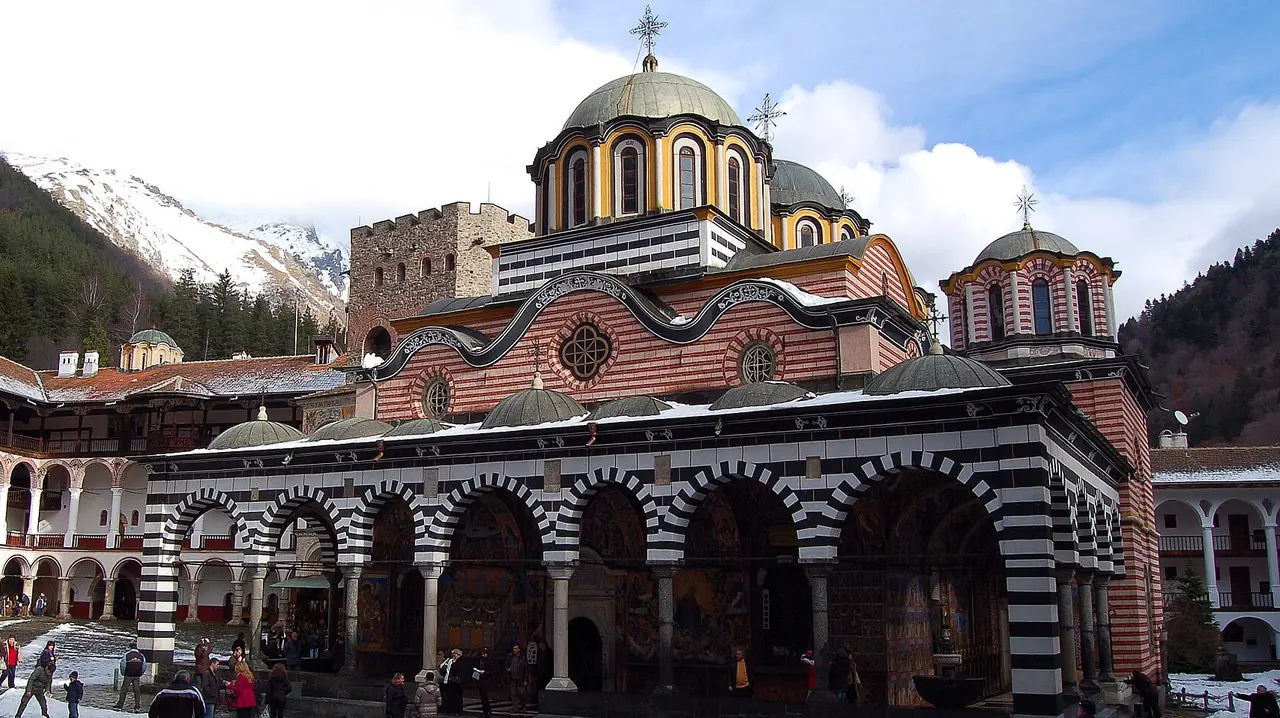
Rila Monastery is 127 km south of Sofia, about two hours by road, and the honest answer for 2026 is that there’s no scheduled public bus you can plan a day around. The monastery says so itself. What works is the daily shuttle from central Sofia at 09:00, from 15 euro per person one way, a day tour from around 25 euro, your own car, or the fallback the monks recommend: a bus to Blagoevgrad and a taxi from there.
The part that spoils people’s day is the return. The shuttle heads back from the monastery at 15:00, with a later 17:00 run in the high season on most days, and after that there’s nothing scheduled at all. Miss it and you’re negotiating with a taxi driver in a mountain valley at dusk, so build the day around the return time rather than the arrival.
Is there a public bus from Sofia to Rila Monastery?
Not in any form you can rely on. The monastery’s own “how to get here” page puts it plainly: despite repeated efforts by the monastery to have public transport restored, access is now only by private transport, organised charter transport, transport arranged by travel agencies, or a bus to Blagoevgrad followed by a taxi. That is the primary source on this, and it settles a question that half the travel forums still get wrong.
The old Rila Express from the Ovcha Kupel bus station in west Sofia used to leave in the morning and come back in the evening for the equivalent of a few euros. It stopped during the pandemic, restarted briefly in August 2023, and was dropped again. Some guides still describe a seasonal July and August minibus from the same station at around 17 leva (about 9 euro); we couldn’t confirm any published timetable for it. If you want to chase it, phone the station rather than trusting a blog: Ovcha Kupel is on +359 87 510 5097 (06:30-18:00), and Free Sofia Tour lists +359 2 955 5362 for the same question. The station itself warns that it takes no responsibility for services that fail to run, which tells you most of what you need to know.
Getting to Ovcha Kupel from the centre is easy enough if you do decide to try your luck: tram 5 heads that way for a city ticket of about 0.80 euro, or a taxi takes roughly 20 minutes.
The daily shuttle: times, price and the one-way catch
This is what most independent travellers use, and it’s the closest thing to a scheduled bus. A private shuttle leaves from the Vasil Levski Monument, in front of the Embassy of Slovakia, in central Sofia at 09:00, every day of the year. In the high season there’s an extra 07:00 departure on Mondays until 29 September. The ride takes about two and a half hours each way.
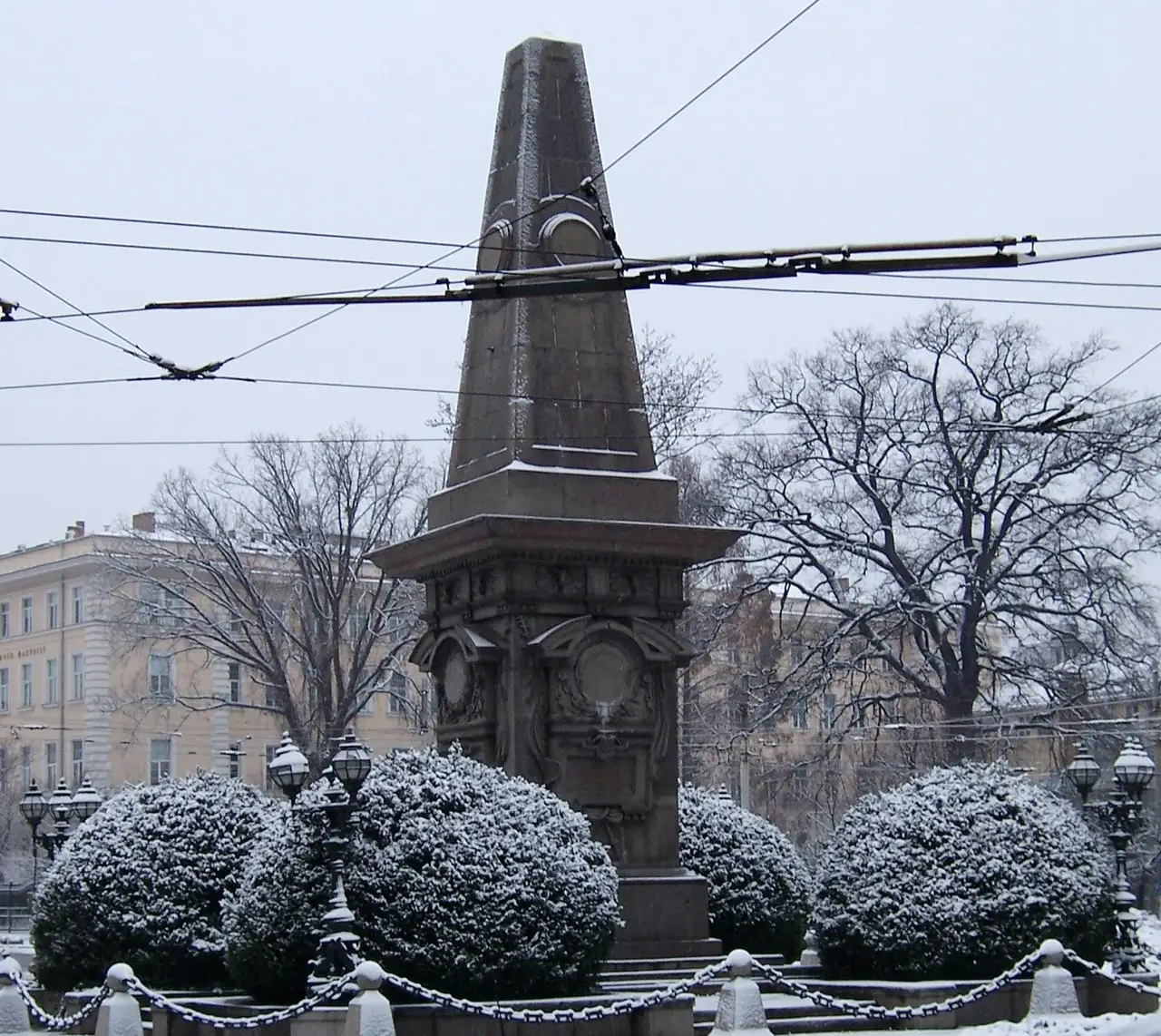
Coming back, the shuttle leaves the monastery car park at 15:00, and until 29 September there is a second departure at 17:00 on every day except Monday. That later bus is the difference between a rushed visit and a proper one: with the 15:00 you get roughly three and a half hours on site, with the 17:00 closer to five and a half.
The fare starts at 30 leva, about 15 euro, per person, and here’s the catch that trips people up: every ticket is one way. A return trip means buying two tickets, so budget about 30 euro per person, and book both legs in advance because the minibuses genuinely sell out in July and August. The shuttle is transport only, with no guide, though the operator sells guided upgrades separately.
Day tours: what the extra money buys
Because the shuttle return costs about 30 euro, a guided day tour is closer in price than most people assume. A standard Rila Monastery plus Boyana Church day tour starts at around 25 euro per person, leaves the same Vasil Levski Monument at 09:00, and returns to the same spot at roughly 16:30 to 17:30, about eight hours door to door. The price covers the transport and parking along the route; entry tickets to the monastery museum and to Boyana Church are extra, and the guided versions cost more than the self-guided audio option.
The reason to take it’s Boyana. The 13th-century frescoes on the edge of Sofia are a UNESCO site in their own right, they are awkward to reach on public transport, and they admit a maximum of nine visitors per ten-minute slot, which a tour handles for you. If you already plan to see Boyana Church separately, the shuttle plus a couple of extra hours at the monastery is the better trade.
Driving yourself: the route and the two stops worth making
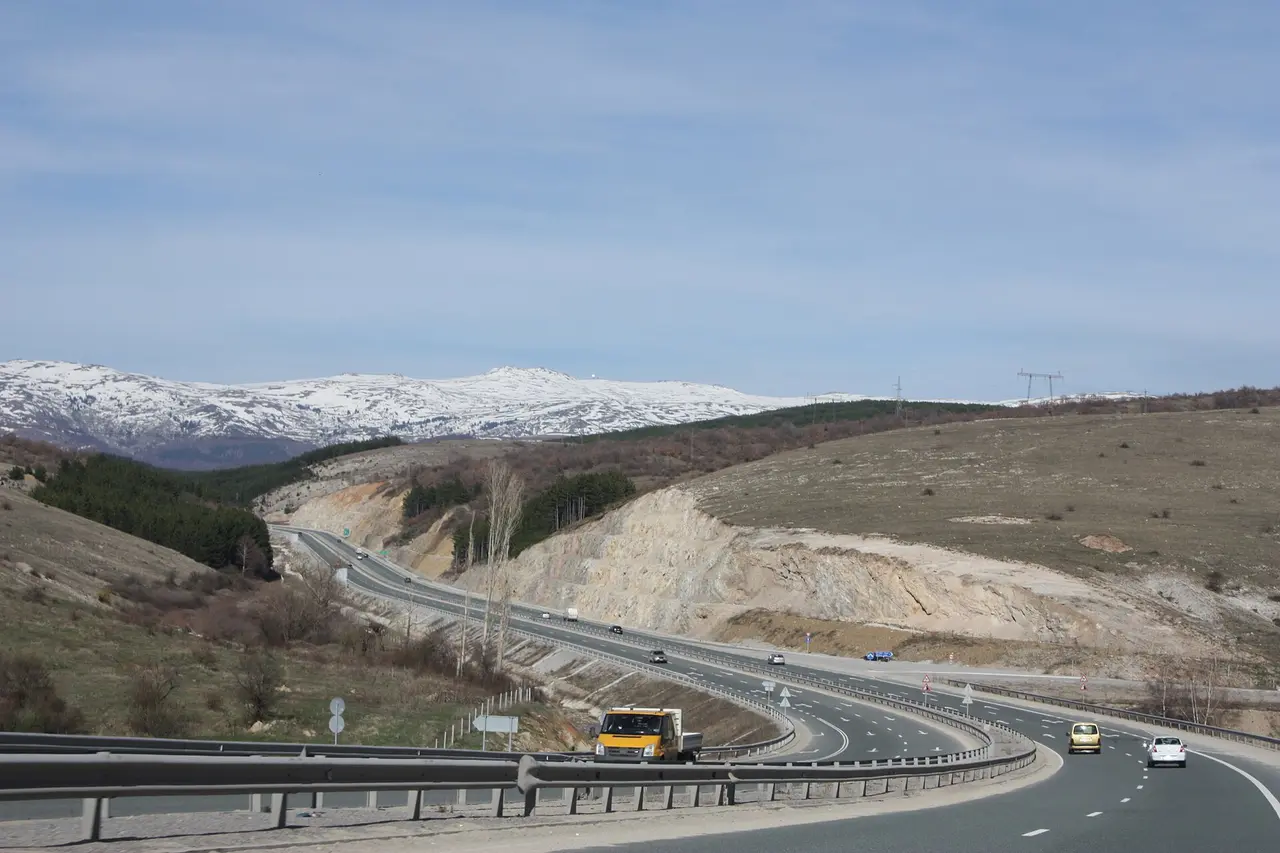
A car is the most flexible option and the route is genuinely easy. Head south from Sofia on the A3 (E79) motorway toward Blagoevgrad, leave it near Dupnitsa or Kocherinovo, then follow road 62 east as it climbs the Rilska river valley to the monastery at 1,147 m. Reckon on two to two and a half hours for the 127 km, no mountain passes, no gravel, nothing that troubles a small hire car. You need a motorway e-vignette for the A3 section, which our guide to driving in Bulgaria explains, and there’s a paid car park just outside the monastery walls, so keep some cash.
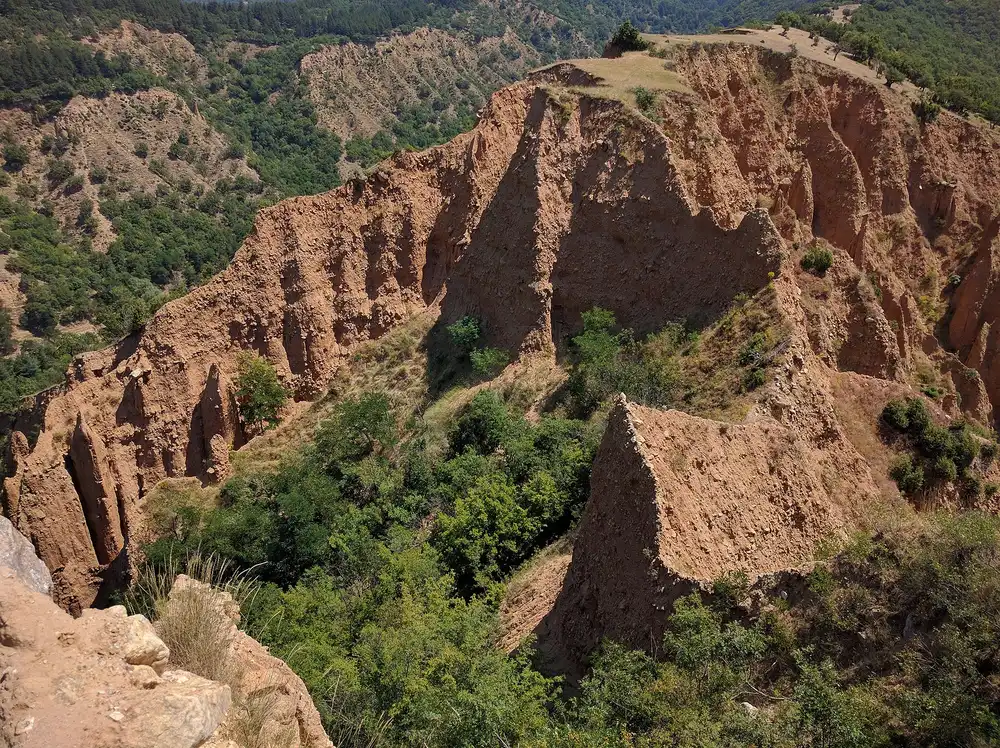
Driving buys you two things no shuttle offers. The first is the Stob Earth Pyramids, a cluster of red sandstone spires above the village of Stob on the approach road, worth an hour of stiff walking for the viewpoint. The second is St Ivan’s cave, about 3.7 km up the valley beyond the monastery, where the hermit John of Rila lived; the shuttle timetable leaves no room for it, a car does.
If you’re hiring anyway, this pairs neatly with the mountains further south: the same motorway takes you to Bansko, and our guide to car rental in Bulgaria covers the deposits and insurance small print.
Public transport the hard way: Blagoevgrad or Dupnitsa, then a taxi
This is the route the monastery itself recommends for anyone without a car, and it works, but treat it as a half-day of logistics rather than a bus ride. Sofia to Blagoevgrad is one of the busiest intercity corridors in the country, with dozens of departures a day from the early morning until about 21:00 and fares starting around 4 euro; Dupnitsa is closer to the turn-off and served just as often. From either town you take a taxi for the last leg up the valley. Agree the fare or insist on the meter before you get in, and fix the return with the same driver, because finding a cab at the monastery in the late afternoon isn’t guaranteed.
One geographic note that helps you judge the taxi ride: the town of Rila sits 20 km from the monastery and 34 km from Dupnitsa, so if a driver quotes you a price from Rila town it’s a much shorter run than one from Blagoevgrad. Ask which starting point the quote assumes.
Taxi and private transfer for a group
Once there are three or four of you, the arithmetic flips. Four shuttle returns cost about 120 euro between you, and a fixed-price car with a driver for the day often lands in the same territory while letting you leave when you like, stop at the Stob Pyramids, and stay past the 15:00 cut-off. It’s also the only option that gets you home comfortably if someone in the group can’t manage a 2.5-hour minibus each way.
Book a fixed price in advance rather than hailing something on the day. A Sofia street taxi will do the run, but you’re then negotiating a return fare in a valley with no competition, which is exactly the moment prices stop being reasonable.
Which option should you choose?
- Solo or a couple, no car, want it cheap: the shuttle, booked both ways in advance. About 30 euro each, roughly three and a half hours on site with the 15:00 return, five and a half with the seasonal 17:00.
- First trip to Bulgaria, want context and a second UNESCO site: a day tour from about 25 euro, with Boyana Church included in the route and its timed entry handled for you.
- Group of three or more, or travelling with kids: a private car with a driver, priced up front.
- Confident driver, and you want the Stob Pyramids and the cave: rent a car and go early.
- On a strict budget with time to burn: bus to Blagoevgrad or Dupnitsa plus a taxi, with the return leg agreed before you set off.
Timing your day at the monastery
Whatever gets you there, the shape of the day is the same. The complex and the main church are free, open Monday to Thursday 06:30-18:00, Friday to Sunday 06:30-18:30, and Friday to Sunday until 19:30 from 1 June to 30 September, while the five museum expositions run 08:30-16:30, extending to 19:30 from 1 June to 30 September, with a combined ticket at 12 euro and tickets sold only on site. That matters for the 09:00 shuttle: you arrive around 11:30, which is exactly when the coach groups land.
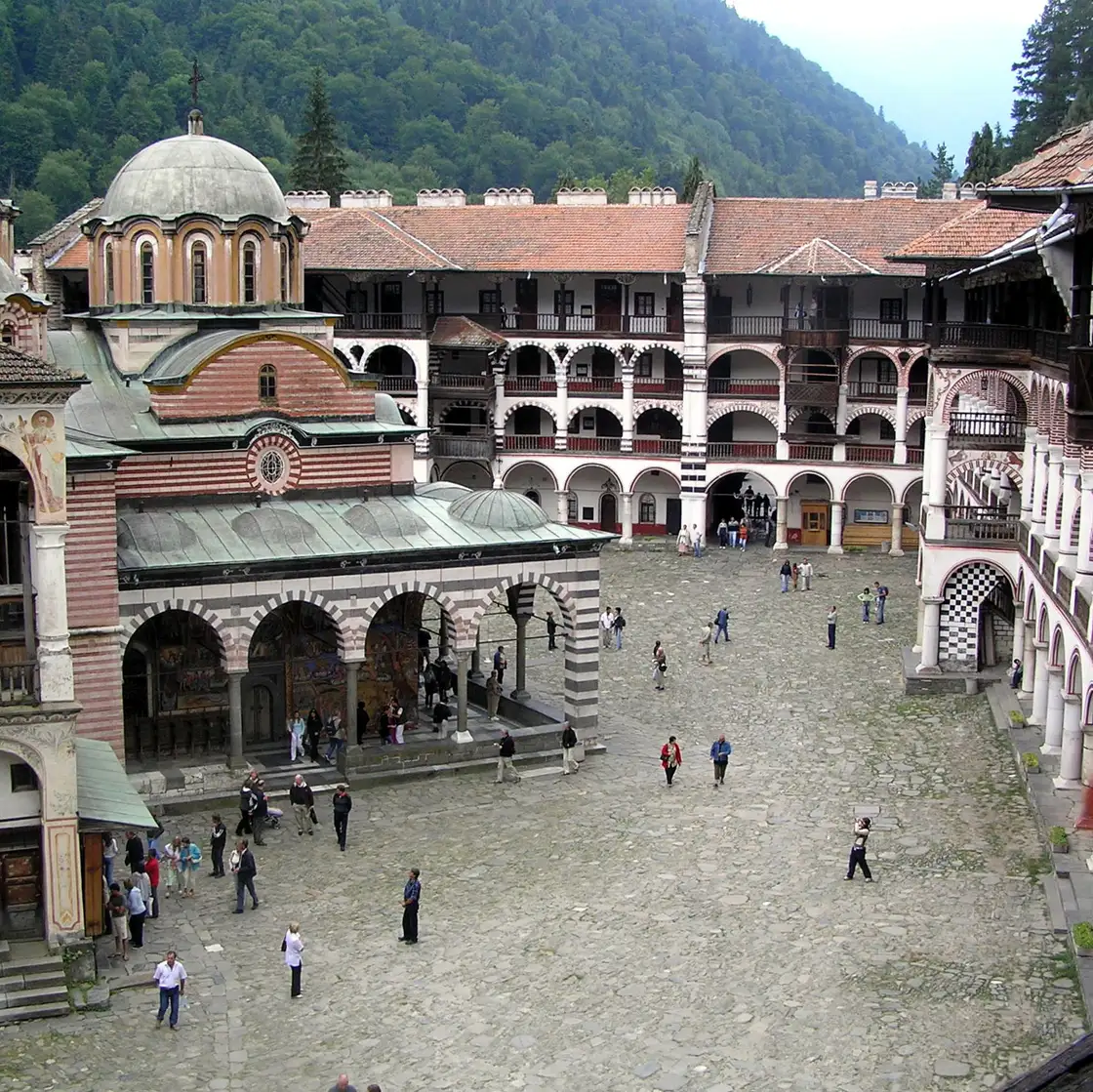
Two more things worth knowing before you board anything. Dress modestly - shoulders and knees covered - because the dress code is enforced at the gate, and bring cash for the museum desk, the car park and the bakery outside the walls that sells hot mekitsi and thick sheep yoghurt. Our full guide to Rila Monastery covers what to see once you’re inside, and if the mountains have your attention, the Seven Rila Lakes sit in the same massif as a separate day out. For the capital at the other end of the road, see things to do in Sofia and where to stay in Sofia.
Admission and opening hours
- Admission price
- Shuttle from 15 EUR (30 BGN) per person one way, so about 30 EUR return. Day tours pairing Rila with Boyana Church start around 25 EUR per person, with site entries extra. Driving: fuel, motorway e-vignette and the paid car park at the monastery.
- Opening hours
- Shuttle: 09:00 daily from the Vasil Levski Monument, plus 07:00 on Mondays until 29 September; back from the monastery at 15:00 daily, with an extra 17:00 return on all days except Mondays until 29 September. About 2.5 hours each way.
Checked on 24 July 2026. The monastery states that scheduled public transport has not been restored - private shuttles, tours, a car or a bus to Blagoevgrad plus a taxi are the realistic options. Shuttle seats sell out, so book ahead.
Details checked: July 24, 2026
Read also

Transport · 12 min read
Sofia to Borovets: 70 km, ~1h, Bus from €5
Verified · September 5, 2026Sofia to Borovets (~70 km, 1-1.5h): public bus via Samokov from ~€5, seasonal shared shuttles from €8/pp, private transfer from ~€79.

Transport · 11 min read
Plovdiv to Pamporovo: Bus & Ski Transfer
Verified · September 3, 2026Plovdiv to Pamporovo is about 80 km via Chepelare. Bus from Rodopi station, winter airport transfer, or drive - how to choose.

Transport · 9 min read
Sofia to Sunny Beach: Bus, Train & Transfer
Verified · August 24, 2026Direct coaches Sofia to Sunny Beach year-round (~7h, from ~€21), train only to Burgas, or a fixed private transfer. Times, stops and when each wins.

Transport · 11 min read
Burgas to Sozopol Bus 2026: €3.37, 40-50 Min
Verified · August 21, 2026Burgas South Sector 5 to Sozopol: bus 3.37 euro, about 40-50 min; taxi/transfer about 30-40 min. Buses about every 30 min. Checked Aug 2026.